During the Hakuho era (684), a monastery with seven halls and 300 temples was founded in the area around Mount Ontake Ontake in Nomura as a temple at the request of Emperor Tenmu. However, it gradually fell into disrepair due to wars and other factors. The monk, Yoshun, lamented this and had the principal image of the South Monastery, the Eleven-Headed Kannon, moved to its current location, which was more appropriate for the Pure Land of Kannon.
During the Horin era, Kukai Shonin stopped by on his pilgrimage and left behind his own statue of Kobo Daishi and sacred water for Shimizu. Around Kobo Shimizu, the oldest sand-stepping sacred site on the Chita Peninsula, Hon-Shikoku, has been enshrined, and is open to visitors at any time.
In 1469, Mizuno Kanmono Tadatsuna, the first lord of Tokoname Castle, rebuilt six temples at Kanrenji Temple on Mount Potalaku, which is in the direction of the evil spirits of Tokoname Castle, in order to ensure the safety of his domain. A new statue of the Eleven-Headed Kannon Bodhisattva was erected at the main temple, Daizen-in, and the first head priest, Kokaku Hoin, entered the temple, laying the foundation for its restoration.
In 1494, a separate shrine for the enshrined deity Susanoo (also known as Gozu Tenno in its original form) was erected from Tokoname Chiyonomine Sosha Soja and enshrined at the summit. The ancient form of syncretism between Shinto and Buddhism that existed until the Edo period still remains, and in the summer, the Oku Tenno Festival is held, where people pass through a straw circle to ward off the heat.
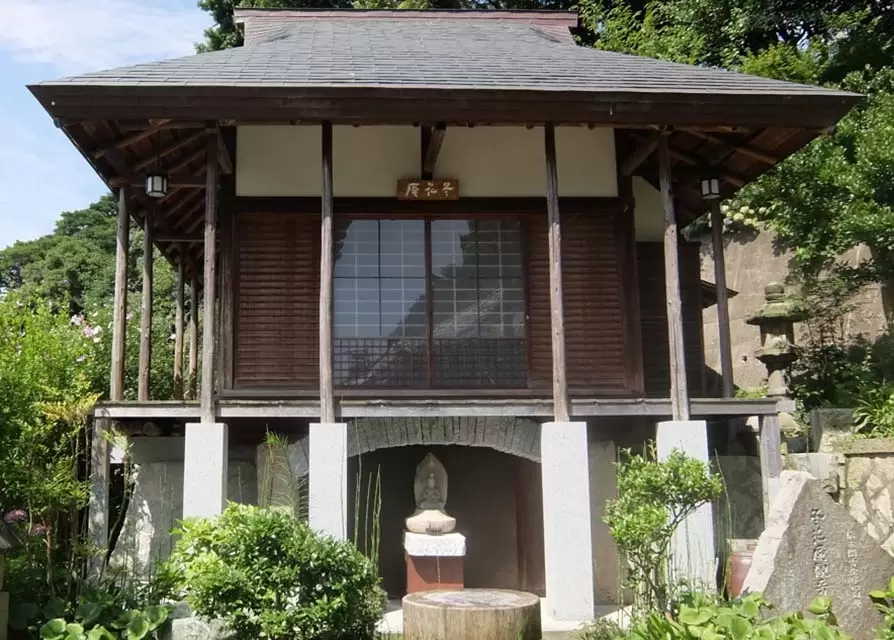
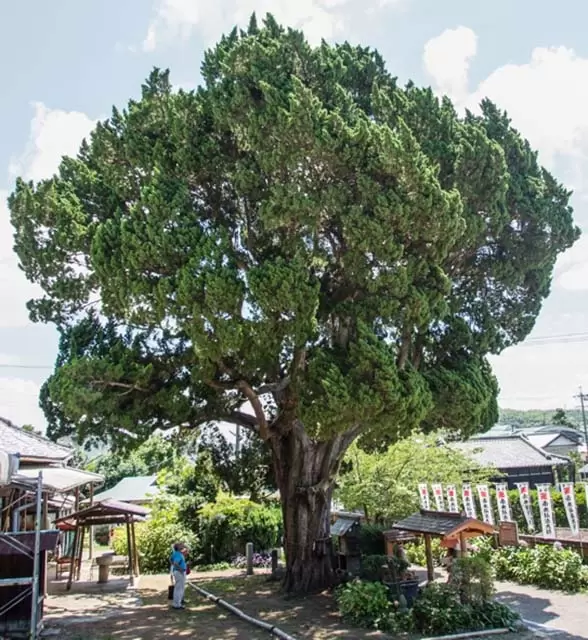
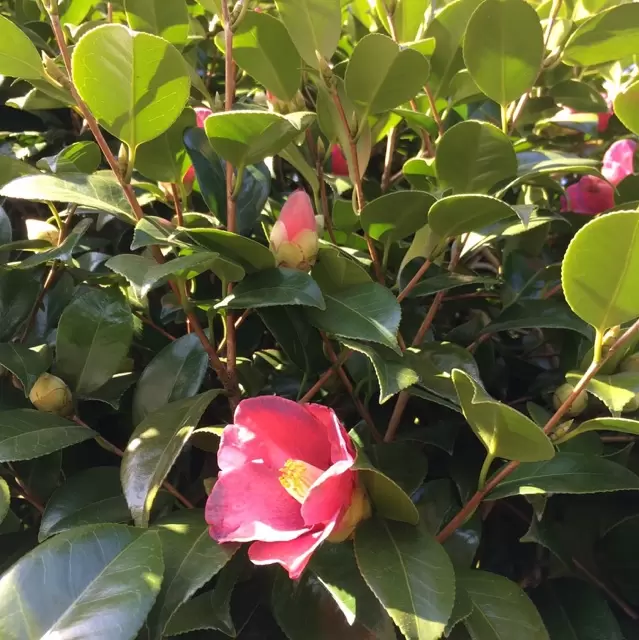
Within the temple grounds, there is the Toukaan Kannon Hall, which was relocated from the former Takarazuka villa studio of Japanese painter Hashimoto Kansetsu, as well as the sacred Ibuki tree, a 600-year-old tree designated as a prefectural natural monument. The surrounding area is home to one of the largest colonies of camellias in the prefecture.
The ceramic block walls, including the Mizugaki Tamagaki fence of Nakanomiya, were registered as part of the "Daizen-in Ceramic Building Materials Group" in 2013 as a valuable Showa heritage item by the Agency for Cultural Affairs' Kunitachi Museum of Modern Architecture.