Tokyo's Unique Food Culture: 6 Must-Visit Restaurants
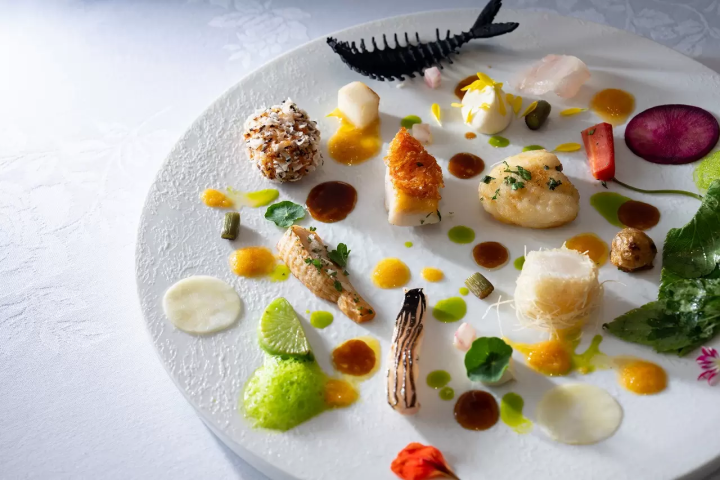
Taste the best of Tokyo! From traditional flavors to modern innovation, discover 6 must-visit restaurants that define Tokyo’s world-class dining scene.

Written by
Tokyo, Japan
MATCHA's promotional account for corporate and local government advertising. We aim to provide useful information to our readers in an enjoyable manner.
This service includes sponsored advertisements.
Tokyo: The World's Leading Gourmet Capital
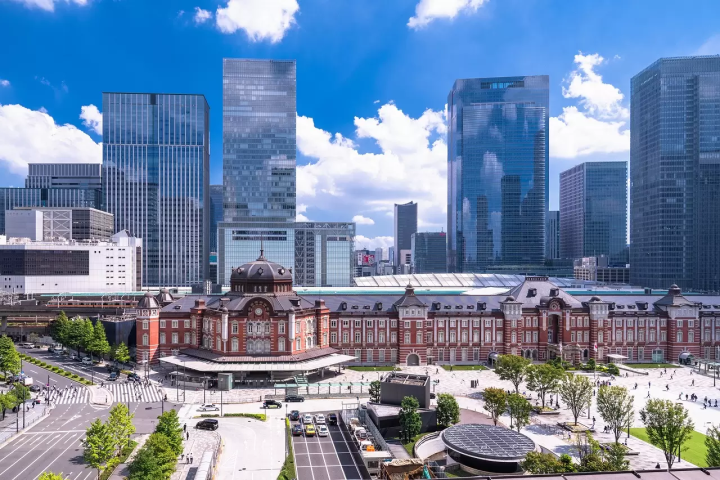
Photo by Pixta
For any traveler, exploring Tokyo’s vibrant food culture is a true highlight. While the city offers a stunning array of flavors from across Japan and the globe, its culinary appeal goes much deeper than variety alone.
Tokyo proudly holds the title of the world’s Michelin capital. This prestige is rooted in a distinct culinary identity—one shaped by centuries of history and a relentless drive for innovation.
Read on to discover the essence of Tokyo’s food scene and six exceptional restaurants where you can experience this unique heritage firsthand.
-
Table of Contents
- The Pillars of Tokyo's Culinary Identity
- Tradition, Evolution, Innovation: The Features of Tokyo’s Food Culture
- 1. Ginza Mikawaya: A Refined Japanese Take on Western-Style Cuisine
- 2. Yamariki: Traditional Izakaya Flavors with a Twist
- 3. Hiroya Tokyo-mae: The Art of Tokyo-mae Sushi
- 4. Tenki: Artful Tempura and Wine in Shibuya
- 5. Sincère: Where Culinary Whimsy Meets Sustainability
- 6. Restaurant Florilège: The Endless Possibilities of Local Ingredients
The Pillars of Tokyo's Culinary Identity
Tokyo’s remarkable food culture stands on three essential pillars: advanced logistics, markets, and specialists. Below, we explore how these three forces converge to define the unique character of the city’s dining scene.
Logistics: Highly Efficient Transportation Network with Historic Roots
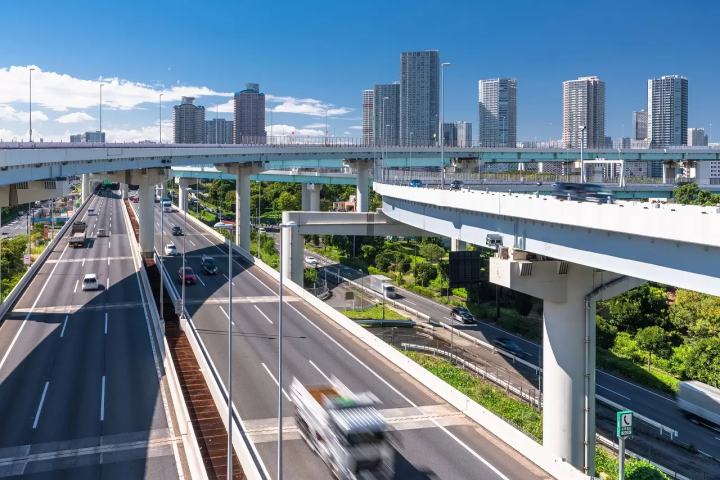
Photo by Pixta
Many visitors are surprised to learn that fish caught at dawn off the shores of Hokkaido or Kyushu can be served in Tokyo by noon. This speed is made possible by a highly efficient logistics network that connects the capital to suppliers nationwide in just a few hours.
This connectivity is nothing new; it dates back to the Edo period, which started in 1603 and lasted for around 260 years.
During this era, Tokyo (then Edo) was linked to the rest of Japan via a sophisticated system of roads known as kaido. The most famous of these, the Tokaido, laid the geographic foundation for the modern Shinkansen route that links Tokyo with Nagoya, Kyoto, and Osaka today.
Over time, these historic paths evolved into the highways and railroads we use now. When you combine these land routes with advanced air and sea transport, it becomes clear how Tokyo transformed into the ultimate crossroads for Japan's freshest ingredients.
The Markets: Connecting Suppliers with Vendors
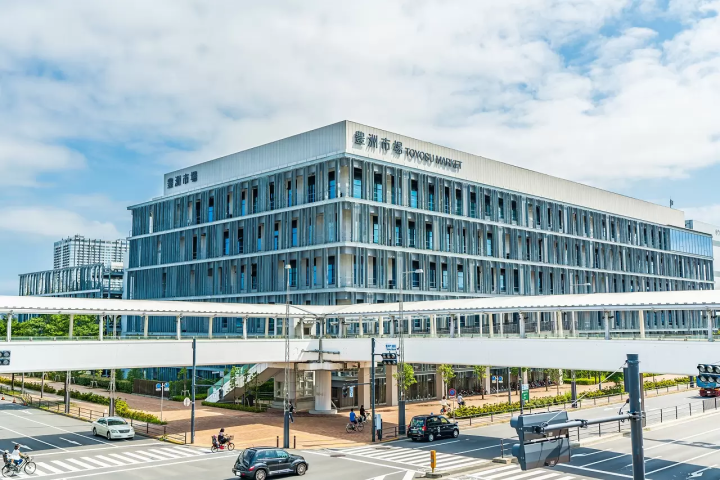
Photo by Pixta
Whether it is seafood, produce, or meat, the first destination of all ingredients is the market. Here, the city’s top chefs source the fresh components that define their menus.
Tokyo is home to eleven wholesale markets where goods are sold to specialized vendors. These specialists act as vital links, utilizing their deep expertise in specific ingredients to supply Tokyo’s discerning chefs directly.
Toyosu Market is the most renowned of these hubs—a world-class facility trusted by the city's culinary elite for its unrivaled quality and variety.

Specialists: Vendors and Chefs with a Discerning Eye
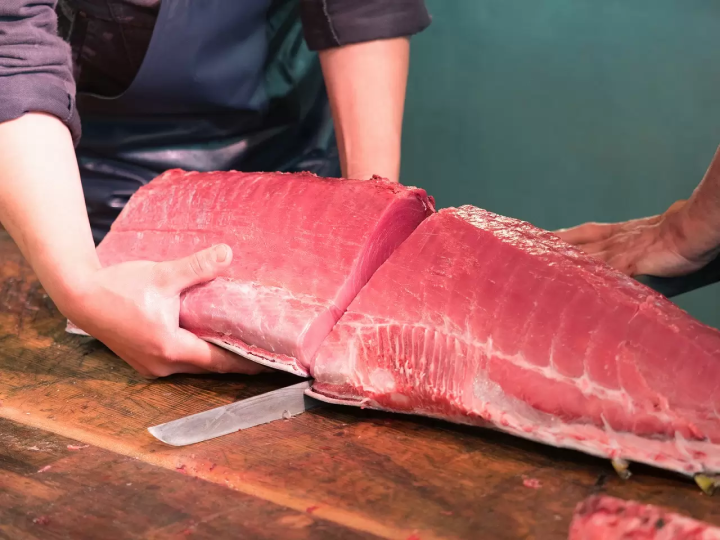
Photo by Pixta
Tokyo’s chefs rely on a network of trusted seafood and produce vendors who act as more than just suppliers—they are essential collaborators. These specialists understand the exacting standards of each kitchen, meticulously selecting and categorizing ingredients to match a chef's specific needs.
This level of service requires a discerning eye, technical mastery in preservation, and a sincere dedication to the craft.
Beyond sourcing, these specialists serve as a vital intelligence network. Chefs look to them for real-time insights on the daily catch and expert perspectives on how global factors, such as climate change, are affecting the quality and seasonality of Japan’s natural bounty.
Tradition, Evolution, Innovation: The Features of Tokyo’s Food Culture
Beyond its logistical foundations, Tokyo’s culinary identity is defined by the dynamic interplay of tradition, evolution, and innovation.
The city is home to venerable establishments that have meticulously preserved their flavors for over two centuries, passing techniques down through generations.
Yet, Tokyo also excels at evolution—bridging the gap between heritage and contemporary tastes to keep history relevant.
At the same time, a wave of ambitious chefs continues to push boundaries, experimenting with new ingredients and techniques to offer surprising, modern experiences.
At the following six restaurants, you can experience these three defining features of Tokyo’s food culture firsthand. We recently had the opportunity to sample their iconic dishes at a gourmet event hosted by the Tokyo Metropolitan Government, and we are pleased to share our personal highlights and tasting notes here.
1. Ginza Mikawaya: A Refined Japanese Take on Western-Style Cuisine
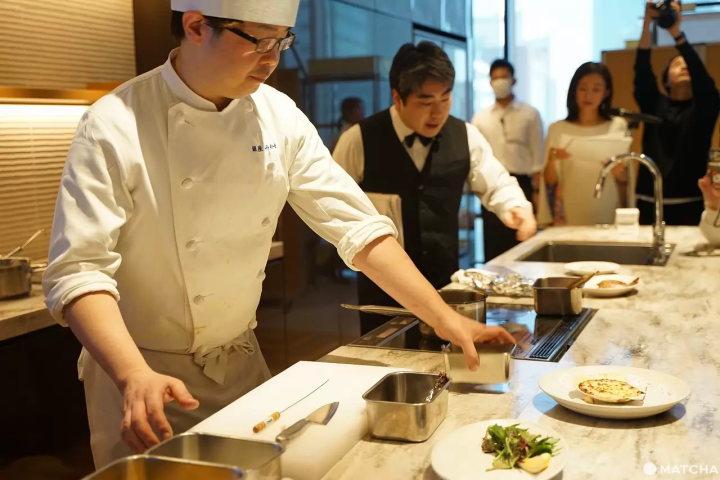
Established in 1887, Ginza Mikawaya is located in the heart of the district. While it originally catered to Meiji-era (1868-1912) elites and transitioned into a French restaurant following WWII, Mikawaya is best known today as a master of yoshoku—a unique genre of "Western-style cuisine."
Yoshoku, however, is far more than a simple imitation of the West. It represents the art of adapting Western recipes to the Japanese palate, utilizing local ingredients and ensuring every dish pairs perfectly with rice.
Copyright © Tokyo Metropolitan Government. All Rights Reserved.
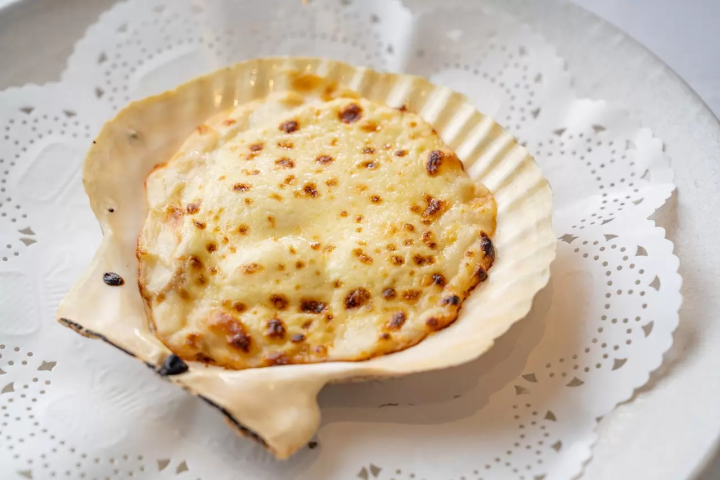
A prime example is their signature gratin. Rather than the heavy, pasta-based dish you might expect, Mikawaya uses butter rice in place of macaroni. The result is a smooth, well-balanced dish that highlights the quality of Japanese ingredients while remaining surprisingly light and easy on the stomach.
Copyright © Tokyo Metropolitan Government. All Rights Reserved.
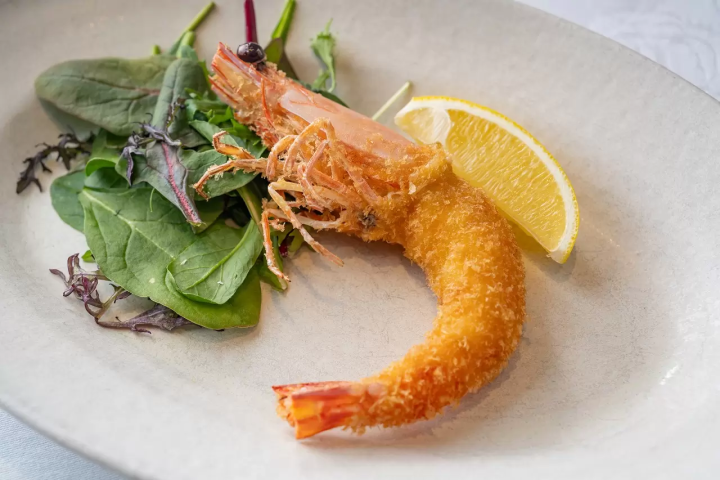
Another iconic standout is their deep-fried shrimp. Prepared in rice oil, the dish is remarkably light and flavorful—defying the typical heaviness of fried food. The secret lies in the chef’s partnership with a trusted Toyosu Market vendor, ensuring the shrimp is delivered live to the kitchen for peak freshness.
Every plate at Ginza Mikawaya surprises with its refinement and subtle textures. It is the best destination to experience how yoshoku has evolved into a sophisticated cuisine entirely distinct from its Western origins.
Ginza Mikawaya
Location: Tokyo, Chuo, Ginza 4 - 7 - 12, Ginza Mitsukoshi New Wing 1F (Map)
Website: https://www.ginza-mikawaya.com/
2. Yamariki: Traditional Izakaya Flavors with a Twist
Copyright © Tokyo Metropolitan Government. All Rights Reserved.
Yamariki, founded in 1925 in Tokyo’s Morishita district, is a classic izakaya that has long served as a gathering spot for local workers.
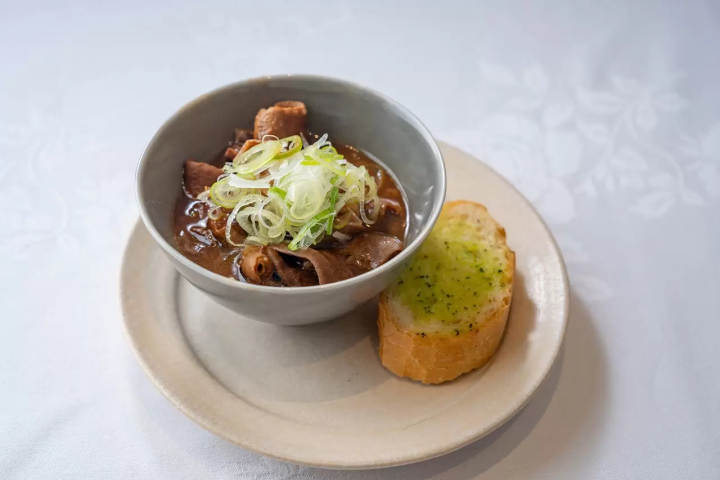
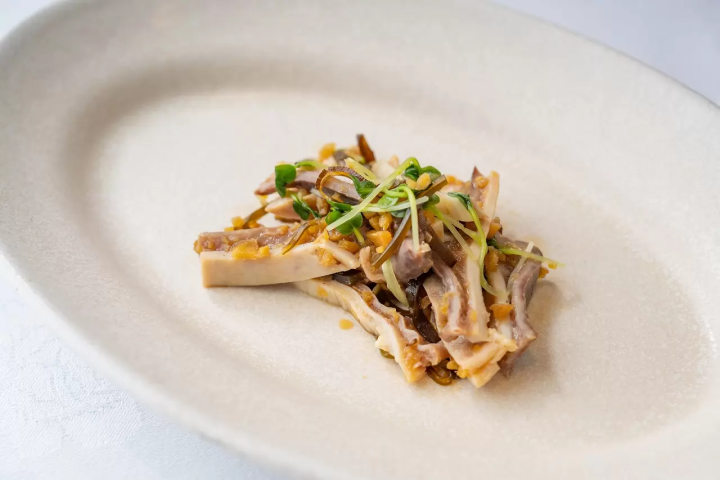
The establishment is renowned for its motsu nikomi (simmered offal), a dish that transformed a post-WWII necessity into a sought-after delicacy. While offal was originally consumed during times of food scarcity, Yamariki elevated it through meticulous preparation and a unique flavor profile.
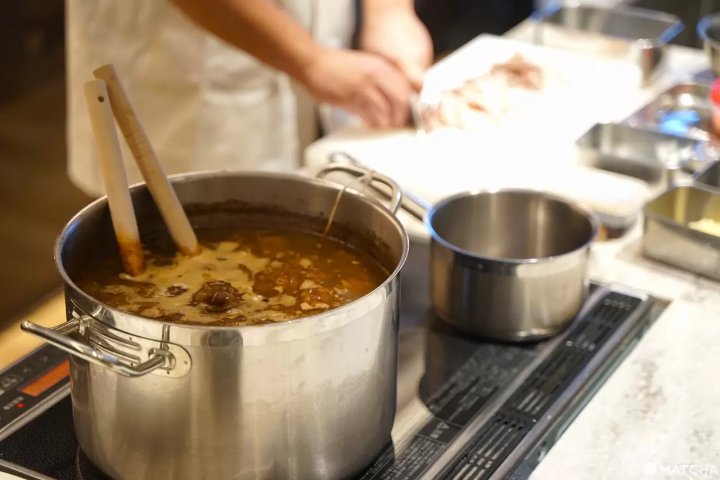
The secret lies in the simmering process, which begins at 9:00 AM daily. The offal is slow-cooked for four hours in a rich base of savory-sweet Hatcho miso, granulated sugar, and Akadama wine—a historic Japanese wine that adds a distinct depth. By the time the doors open in the evening, the dish has rested long enough for the flavors to fully permeate every ingredient, resulting in a tender, umami-rich accompaniment to any drink.
Copyright © Tokyo Metropolitan Government. All Rights Reserved.
Today, the menu features a diverse selection of izakaya staples—including charcoal-grilled meats, fried chicken, and skewered delicacies—alongside creative dishes inspired by international cuisine.
French cooking techniques were introduced by the third-generation owner, sparking the restaurant’s culinary evolution. For instance, while most izakayas omit rice—as it is traditionally seen as an inhibitor to enjoying alcohol—Yamariki offers toasted garlic butter bread. This serves as a superb, crunchy accompaniment to the rich flavors of their simmered offal.
Yamariki also stands out for its extensive global wine list. Besides Japanese sake, shochu (distilled liquor), and beer, this establishment offers a curated selection of sophisticated international labels, including rare French vintages.
For those looking to dive into Japan’s tavern culture, Yamariki is an ideal choice. It masterfully balances the nostalgic flavors of a traditional izakaya with a refined, international flair that makes it truly one of a kind.
Yamariki
Location: Tokyo, Koto, Morishita 2-18-8 (Map)
Website: http://www.yamariki.com/
3. Hiroya Tokyo-mae: The Art of Tokyo-mae Sushi
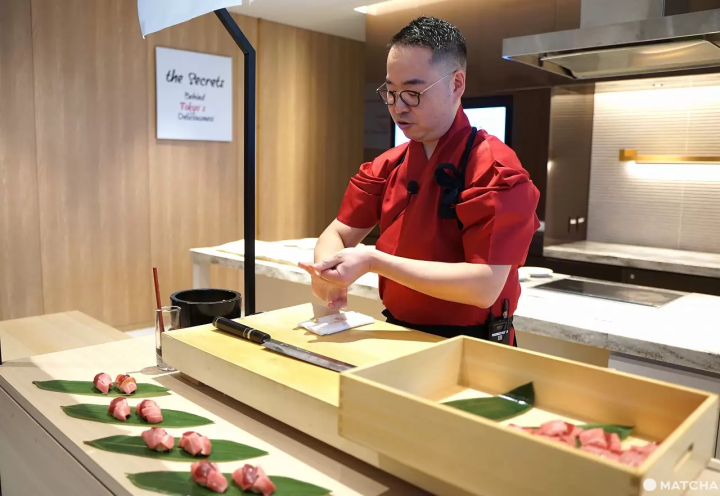
Led by a visionary chef who gathered experience in Tokyo and Singapore, Hiroya Tokyo-mae elevates the traditional craft through a unique global lens.
Copyright © Tokyo Metropolitan Government. All Rights Reserved.
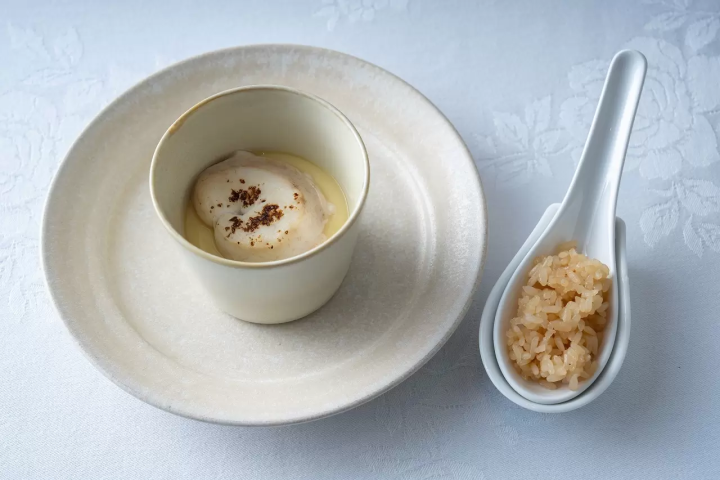
While the signature course centers on premium sushi, it also features a curated selection of sophisticated Japanese dishes—such as delicate chawanmushi (steamed egg custard)—to provide a broader exploration of the country's flavors.
Each dish is thoughtfully paired with expertly selected sake and spirits, allowing guests to experience the elegant transformation of flavors on the palate.
Copyright © Tokyo Metropolitan Government. All Rights Reserved.
Building on traditional Edomae techniques, owner-chef Motohashi Takuya introduces "Tokyo-mae" sushi—a modern evolution of the craft designed for the contemporary palate.
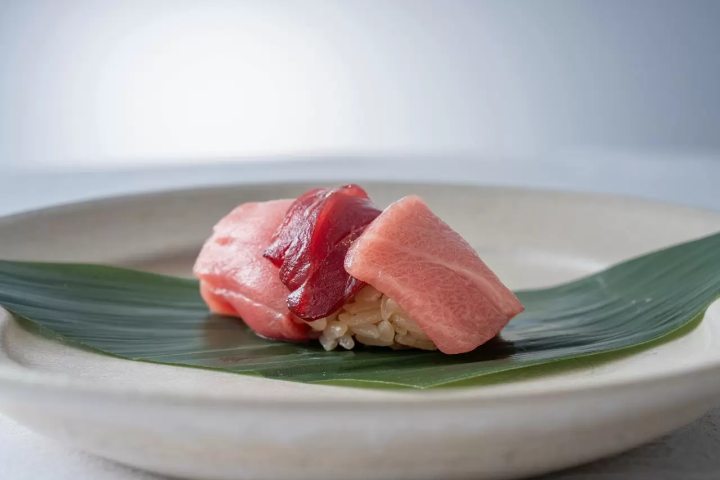
A standout example is his signature "Tuna Tuna Tuna," which features three distinct slices of tuna sourced from the same fish. By layering cuts with varying fat content and textures, he creates a complex, multi-dimensional flavor profile in a single bite.
To ensure this quality, Chef Motohashi visits the Toyosu Market daily to hand-select the finest catch and consult with specialist vendors. The exceptional dining experience at Hiroya Tokyo-mae is rooted in this deep sense of trust and collaboration between the chef and his suppliers.
For a refined dining experience that balances next-level sushi with refined Japanese cuisine, visit Hiroya Tokyo-mae, conveniently located near Tokyo Tower.
Hiroya Tokyo-mae
Location: Tokyo, Minato, Shibadaimon 1-4-4 102 (Map)
Website: https://hiroyatokyomae-tokyo.com/en
4. Tenki: Artful Tempura and Wine in Shibuya
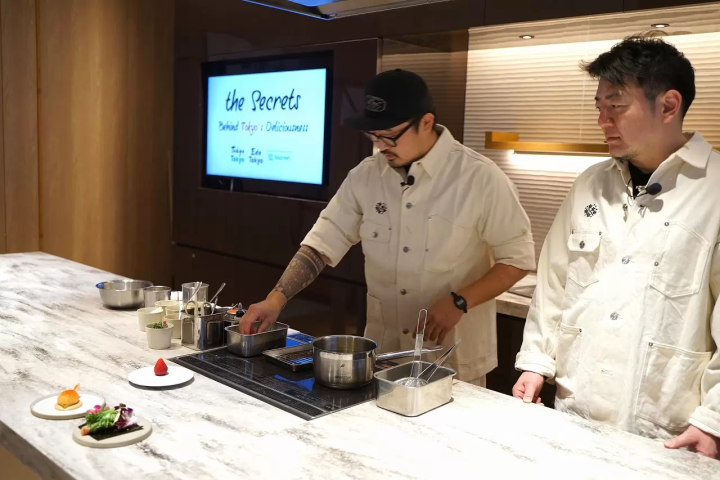
Tenki is set to redefine your perception of tempura. At this sophisticated wine bar, tempura is elevated to an art form that highlights the natural essence of its ingredients—all meticulously sourced from across Japan, from Hokkaido to Kyushu, via the celebrated Aoyama Farmers’ Market.
The secret lies in the batter. While traditional restaurants often use a single batter for every dish, Tenki customizes the composition for each specific ingredient. Combined with precision-timed frying to prevent overcooking, this approach ensures every bite is perfectly balanced.
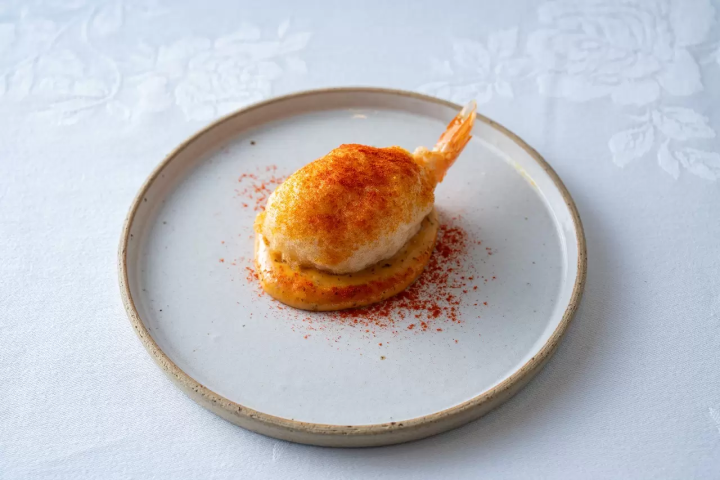
Copyright © Tokyo Metropolitan Government. All Rights Reserved.
The signature fried shrimp offers a surprising complexity of flavor, while inventive creations—such as carrot tempura served taco-style or strawberry tempura for dessert—offer bold and exciting new ways to experience this classic craft.
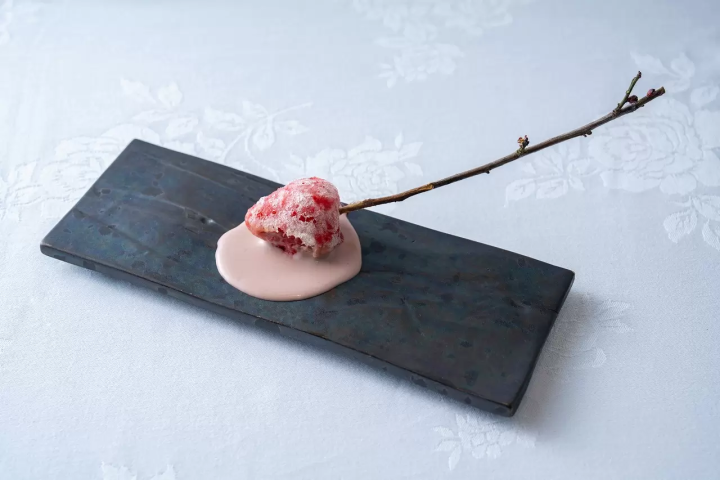
Copyright © Tokyo Metropolitan Government. All Rights Reserved.
Alongside a curated selection of white wines, Tenki features an exclusive house label developed by a Yamagata winery specifically to complement their menu. Crafted from Delaware grapes, this light and refreshing wine provides a crisp counterpoint to the refined tempura.
Dining here is an immersive journey through Japan’s geography. Every dish carries a story: the strawberries are sourced from a trusted grower in Miyazaki, while the specialty salt arrives from Kagoshima. These connections highlight the collaborative effort between the chef and regional artisans, offering guests a taste of Japan’s diverse terroir in every bite.
Tenki
Location: Tokyo, Shibuya, Sakuragaokacho 29 - 26 Excellence Building 202Map
Website: https://www.instagram.com/tenki_shibuya/
5. Sincère: Where Culinary Whimsy Meets Sustainability
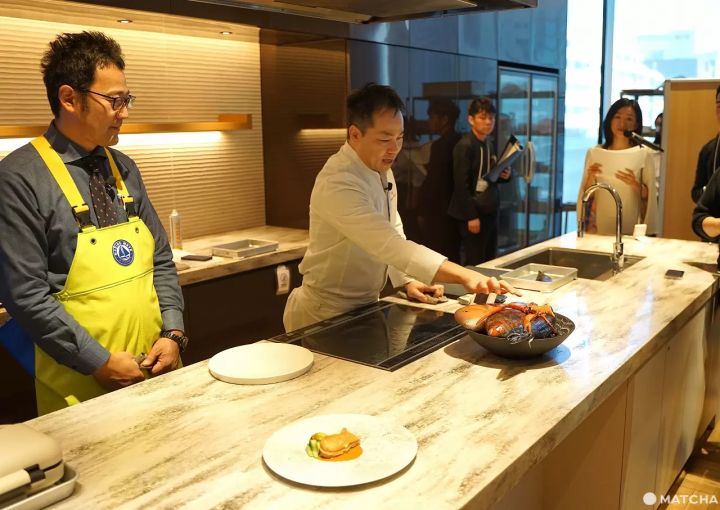
Sincère is a renowned French restaurant that has consistently earned its place in the Michelin Guide Tokyo, including a prestigious feature in the 2026 edition. While celebrated for its exceptional flavors, Sincère is truly distinguished by its commitment to sustainability.
Owner-chef Shinsuke Ishii uses "undervalued" seafood--species often overlooked in Japan due to their unconventional appearance or the complex preparation they require. By applying masterful French techniques to ingredients like parrotfish, rabbitsnake eel, and squat lobsters from Sagami Bay, Chef Ishii proves that any species can be elevated to fine-dining standards when handled with care.
This sustainable vision is supported by a deep partnership with local vendors who utilize specialized techniques to preserve peak freshness from the moment of catch.
Copyright © Tokyo Metropolitan Government. All Rights Reserved.
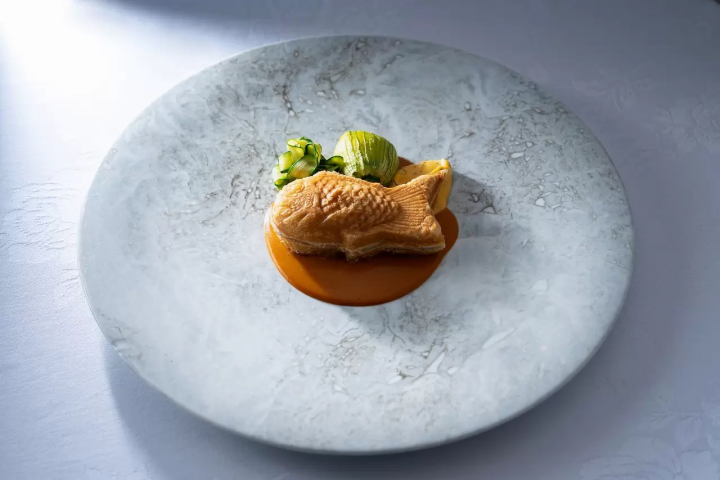
The menu at Sincère is defined by a distinct sense of playfulness. A standout example is the Taiyaki—traditionally a fish-shaped street snack filled with sweet bean paste—ingeniously reimagined as a savory fish pie. Served with a specially crafted sauce, it is as delightful to the palate as it is to the eye.
Copyright © Tokyo Metropolitan Government. All Rights Reserved.
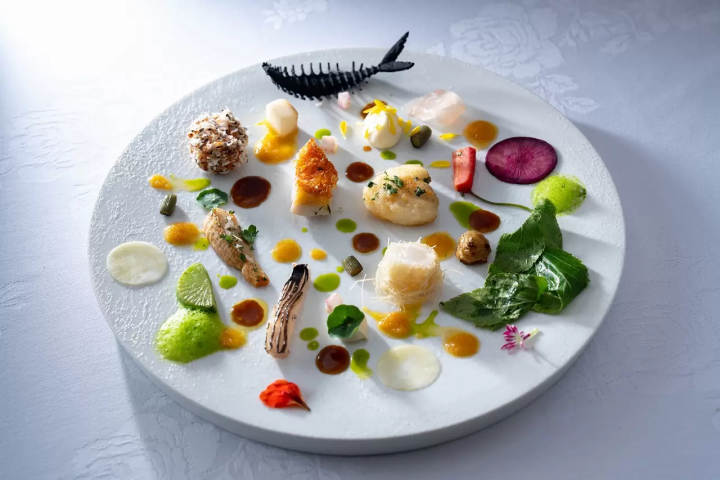
Another signature creation is a colorful mosaic of fresh fish and wild mountain vegetables foraged by Chef Ishii himself, thoughtfully garnished with a delicate, fish-bone-shaped savory cookie.
Beyond the artistry, these dishes address a sobering reality. Despite Japan’s advanced fisheries, iconic species like squid, Japanese eel, and Pacific saury are becoming increasingly scarce. Rather than advocating for the removal of seafood from our diets, Chef Ishii champions a new path: discovering the untapped potential of species that have, until now, been overlooked or discarded.
Sincère
Location: Tokyo, Shibuya, Sendagaya 3-7-13 Harajuku Tokyu Apartment B1F (Map)
Website: https://www.instagram.com/sincere_0412/
6. Restaurant Florilège: The Endless Possibilities of Local Ingredients
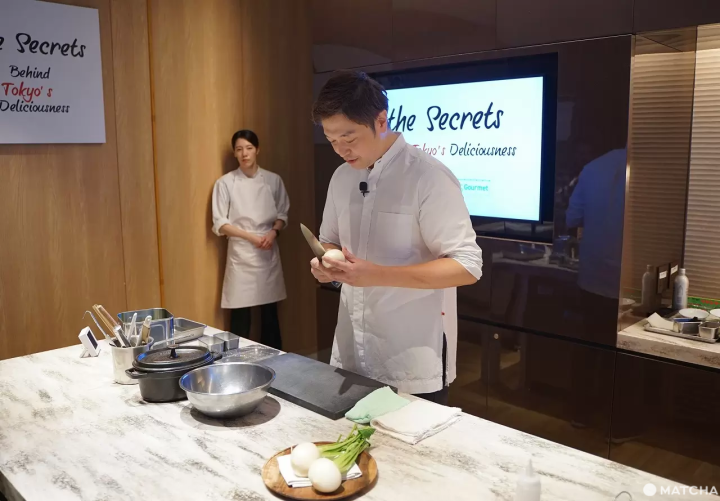
Florilège is an award-winning restaurant that celebrates the synergy between French technique and Japanese terroir, offering a sophisticated, plant-forward dining experience.
Copyright © Tokyo Metropolitan Government. All Rights Reserved.
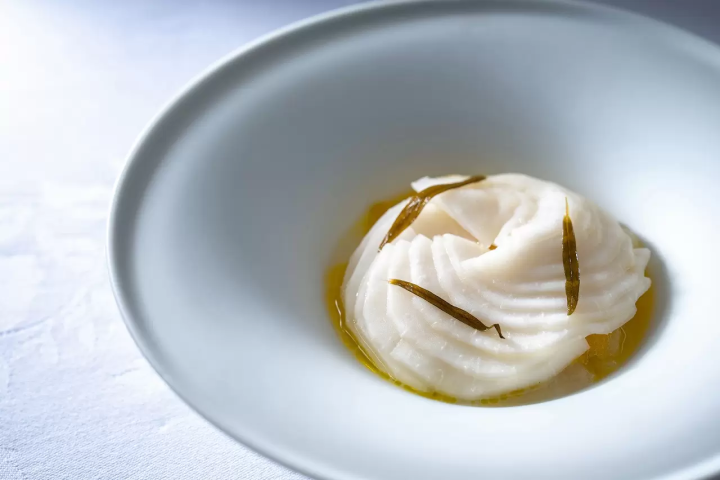
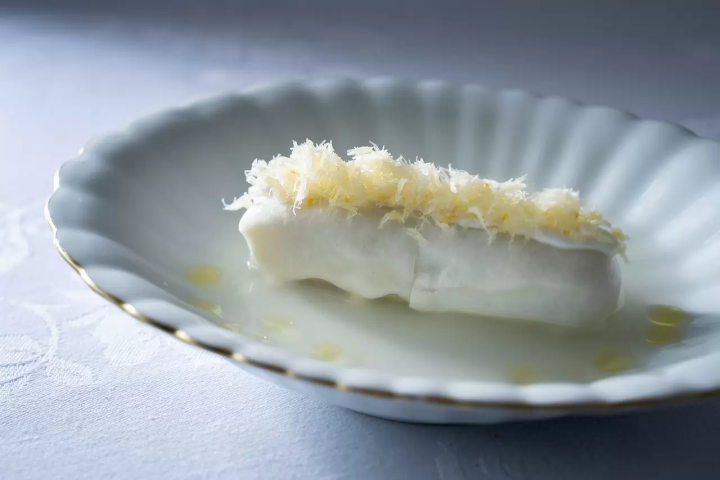
Owner-chef Hiroyasu Kawate creates extraordinary depth from humble, everyday ingredients. A simple turnip, for instance, is elevated to an unexpected level of complexity through a slow butter-cooking process, thoughtfully paired with a bright, yuzu-based herb infusion.
Copyright © Tokyo Metropolitan Government. All Rights Reserved.
Similarly, Napa cabbage (hakusai) is entirely transformed through the art of fermentation. Once pickled, it is reimagined as a delicate roulade, harmonized with rich cheese, cream, and seasonal vegetables. These boundary-breaking combinations ensure that every bite is a culinary revelation.
Chef Kawate believes that for Japanese cuisine to truly resonate with international guests, it must celebrate the ingredients that define daily life in Japan. This conviction drives his commitment to local sourcing, where traditional Japanese techniques—such as pickling and fermentation—are reimagined through a visionary French lens.
The result is a dining experience at Florilège that is as healthful as it is indulgent. Every dish is thoughtfully crafted to balance rich, complex flavors with a deep respect for environmental sustainability, proving that the most profound culinary revelations often come from the ingredients already within our reach.
Restaurant Florilège
Location: Tokyo, Minato, Toranomon 5-10-7, Azabudai Hills 2F Garden Plaza D (Map)
Website: https://www.aoyama-florilege.jp/en/
Enjoy the Diversity and Richness of Tokyo's Food Culture
The establishments highlighted here are just a glimpse into the vast landscape of Tokyo’s culinary scene.
We invite you to experience these exceptional restaurants—and to venture beyond them—to truly appreciate the depth of a city where tradition, evolution, and innovation define every plate.
GO TOKYO Gourmet
https://www.gourmet.gotokyo.org/
Sponsored by Tokyo Metropolitan Government
MATCHA's promotional account for corporate and local government advertising. We aim to provide useful information to our readers in an enjoyable manner.
Special Features
More