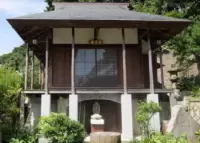
The founding of this temple is unknown, but it is thought to have been around the time of the Northern and Southern Courts.
Since the territory of Segiji Temple, the shrine temple of Ise Shrine, was located in this area, it was attached to Jingu Shrine (Sakaemachi, Sakae Town Tokoname City ), which enshrines the deities of the Inner Shrine and Outer Shrine of Ise , and continued to exist until the early Meiji period.
Originally it belonged to Sanboin Temple of the Shingon sect's Daigoji Temple, but in 1560 during the Sengoku period, it became a branch temple of Tenzawain Temple (Yamagata, Tokoname City) of the Soto sect.
In the early Meiji period, after separating from Shinmei Shrine, it merged with the neighboring temple, Hozenji Temple (No. 64), and the site was used as a school.
In 1902, it became independent from Hozenji Temple, and after three changes in its grounds, it was relocated to its current location in Showa.
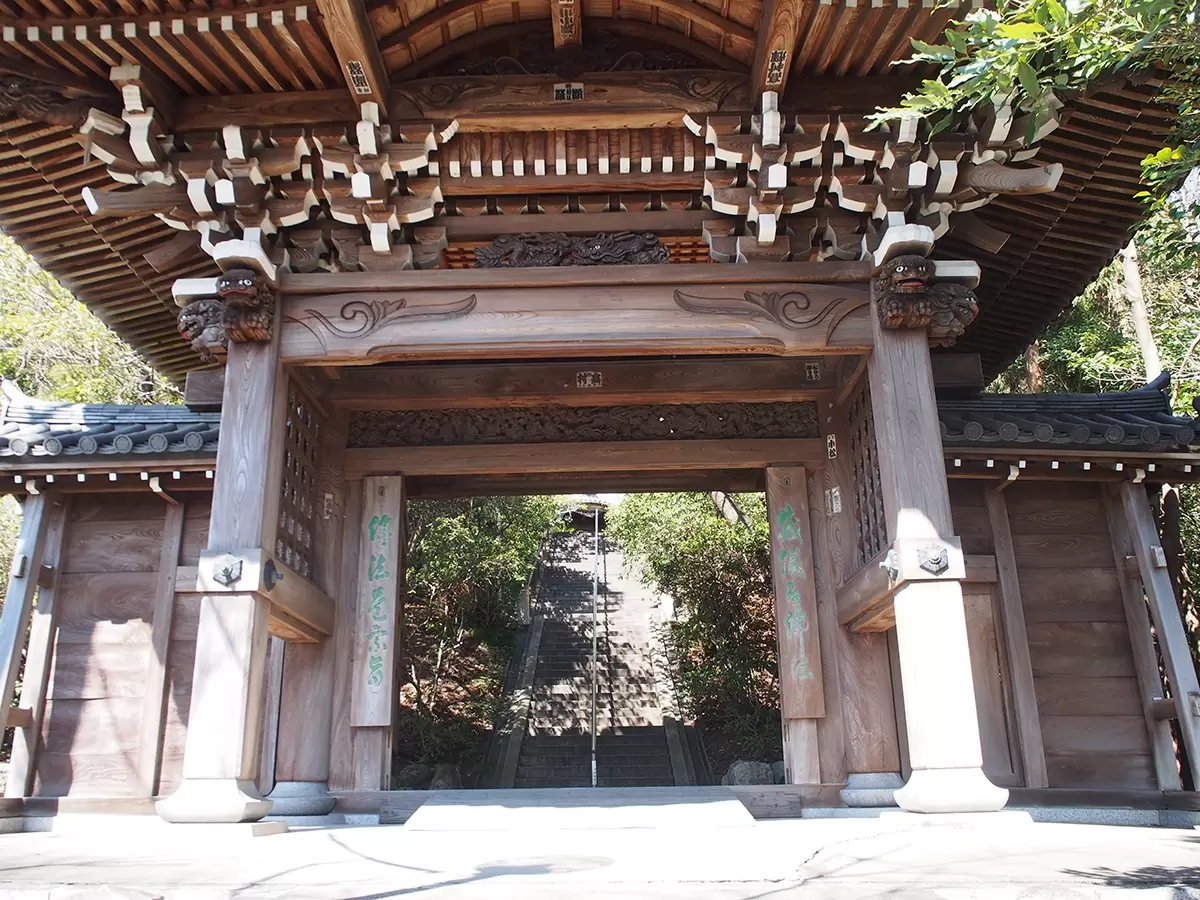
Since then, the main hall, bell tower, and mountain gate have been renovated.
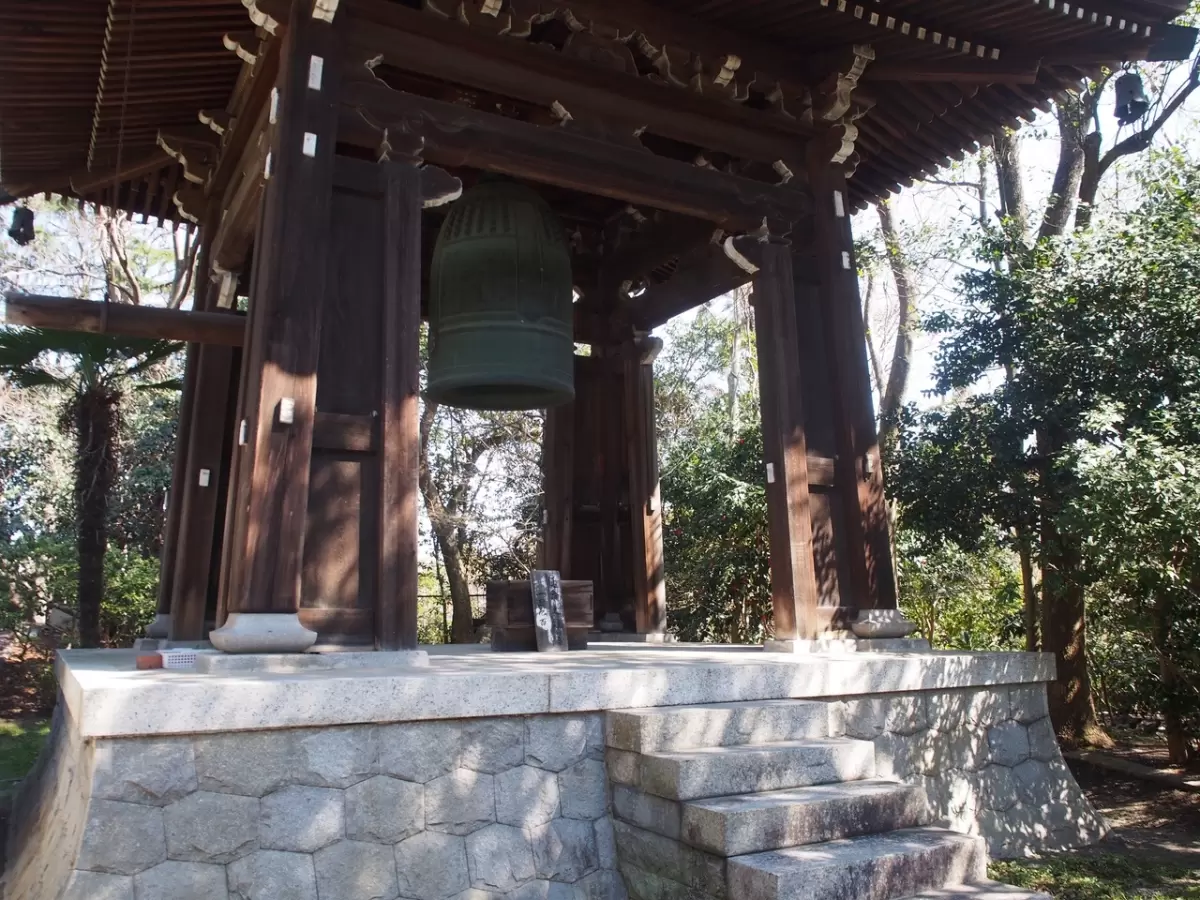
In particular, the bell tower was built based on the model of the bell tower at Mount Kitaei.
The temple bell is still the largest on the Chita Peninsula(1.99 tons).
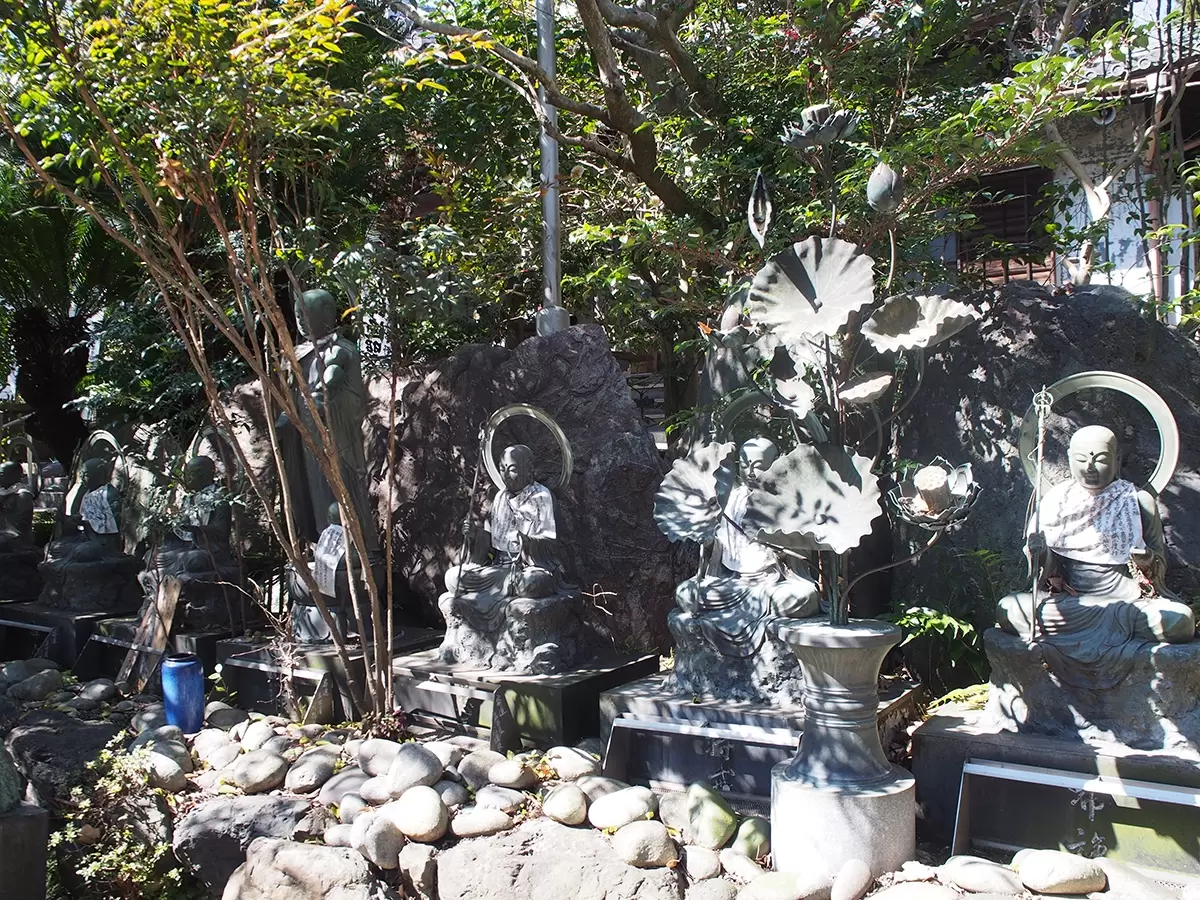
In the spring there are cherry blossoms and azaleas, in the summer there are shade trees, and in the autumn there are autumn leaves. Amidst the ever-changing scenery, ceramic sculptures by artists such as Shibayama Seifu and Kataoka Seikan are placed within the temple grounds, creating the atmosphere of a pottery capital.
Every year, the Setsubun Daihannyae ceremony is held on the first Sunday of February from 2:30 pm.
Prayers are offered to remove misfortune and bring good fortune.
There will also be entertainment and the event will be crowded with pilgrims. Participation is free. Please come and join us.
"The Port of Pottery City and Spring Clouds" (Tonda Tomita)
The view from the hill overlooking the airport directly west is also excellent.