
Must-Try Japanese Winter Foods: From Hotpots to Street Snacks
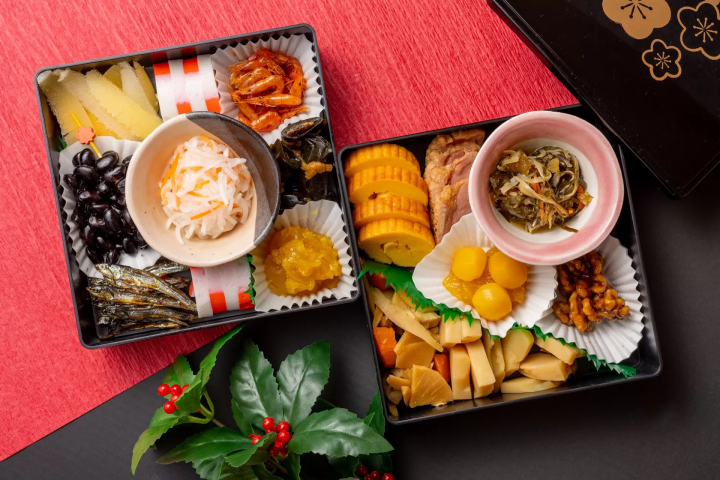
Introducing the best winter foods to try in Japan. From hot dishes like hot pot, oden, yudofu, ramen, and udon, to seasonal seafood like crab, winter yellowtail, oysters, and pufferfish, to seasonal delicacies like mandarin oranges and mochi, we'll explain the characteristics of each region and how to enjoy them.

Written by
"Tickets in Japan" is a ticket sales service that allows international tourists visiting Japan to purchase entertainment tickets for sports events, concerts, theater performances, and other shows held in Japan.
This service includes sponsored advertisements.
-
Table of Contents
- The Best Japanese Foods to Try When Traveling to Japan in Winter
- Japanese Shows to Enjoy with Winter Comfort Foods
The Best Japanese Foods to Try When Traveling to Japan in Winter
In winter in Japan, many warm dishes are enjoyed to help alleviate the cold. Hotpots and oden made with seasonal ingredients, as well as ramen and pork soup that warm the body from the inside out, are classic dishes that will soothe the fatigue of travel. Seafood such as pufferfish, crab, oysters, and yellowtail are also not to be missed as they are a taste unique to winter. Popular desserts include seasonal fruits such as mandarin oranges and persimmons, and Japanese sweets such as oshiruko (sweet red bean soup) and mochi (rice cakes).
Of all the seasons, winter in Japan is especially rich in food, making it the best season for tourists visiting the country to dine on gourmet food. Here we introduce some of the best Japanese foods to try in winter.
Hotpot
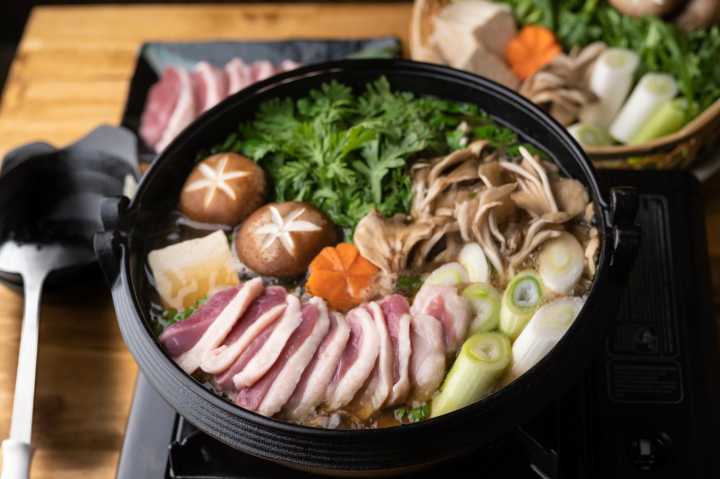
Hotpot is an essential home-cooked dish in winter in Japan, a classic dish that warms both body and soul. The sight of people sitting around a large pot and eating with family and friends is a uniquely Japanese winter scene. The ingredients are typically simmered in a broth made from kelp and bonito, and served with ponzu sauce or sesame sauce.
Oden
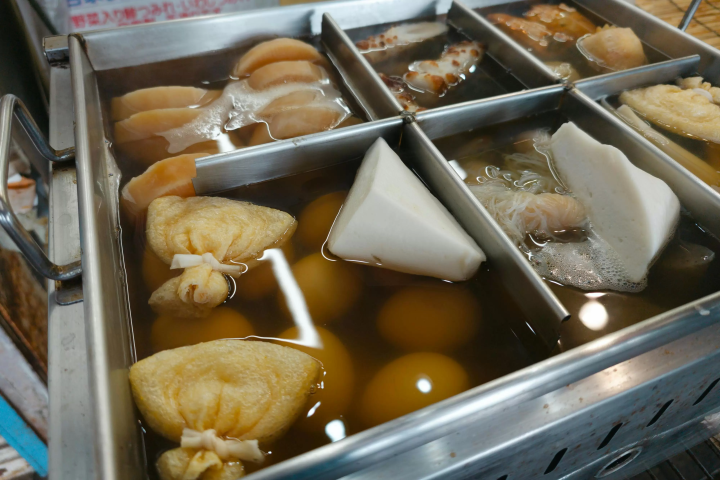
Oden is a traditional Japanese winter dish, slowly simmered in dashi broth. A variety of ingredients, including daikon radish, eggs, konjac, and chikuwa, absorb the flavors and create a deep umami taste. The dashi broth varies by region, with the Kanto region typically using a strong soy sauce base, while the Kansai region typically uses a lighter, lighter soy sauce.
Fugu (Pufferfish)
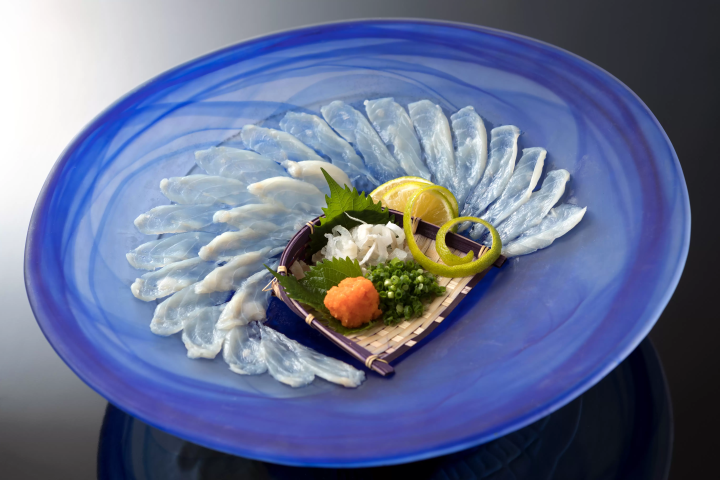
Fugu is one of Japan's most luxurious winter foods. The flesh firmens during the cold season, allowing you to enjoy its delicate and refined flavor. Fugu contains a poison called tetrodotoxin, so a special license is required to cook it. However, restaurants serve it to you with peace of mind, as it is prepared by licensed chefs.
Oshiruko (Sweet Red Bean Soup)
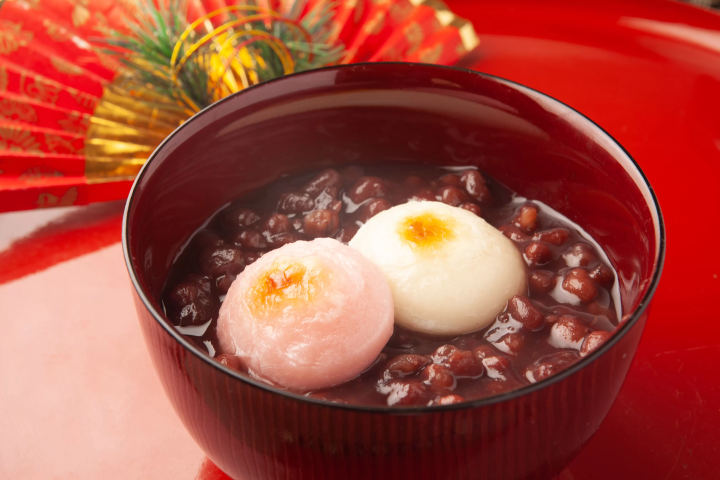
Oshiruko is a sweet Japanese dessert perfect for the cold winter. It is made by adding roasted or boiled mochi rice cakes to warm red bean soup. The gentle sweetness of the sugar and the chewy texture of the mochi create an exquisite harmony that will warm you up when you're feeling chilled.
Yudofu (Boiled tofu)
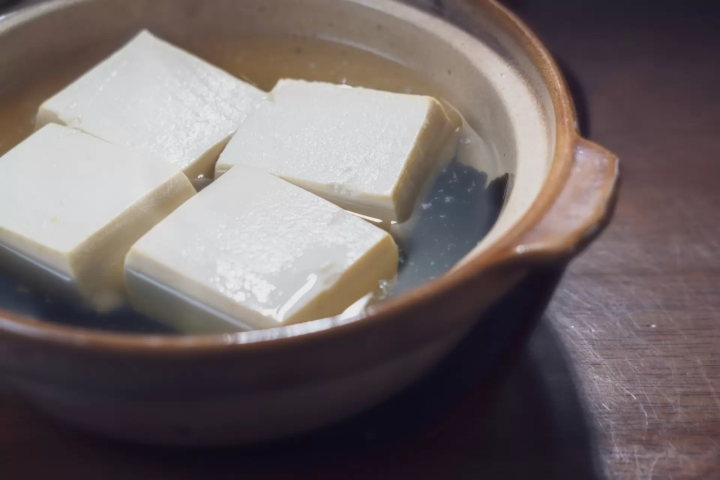
Yudofu is a traditional Kyoto winter vegetarian dish, and is an elegant dish that allows you to enjoy the natural flavor of tofu. It is a simple dish of tofu warmed in water and kelp broth, served with ponzu sauce or sesame sauce, but its soft texture and gentle flavor make it popular.
Osechi ryori (New Year's dishes)
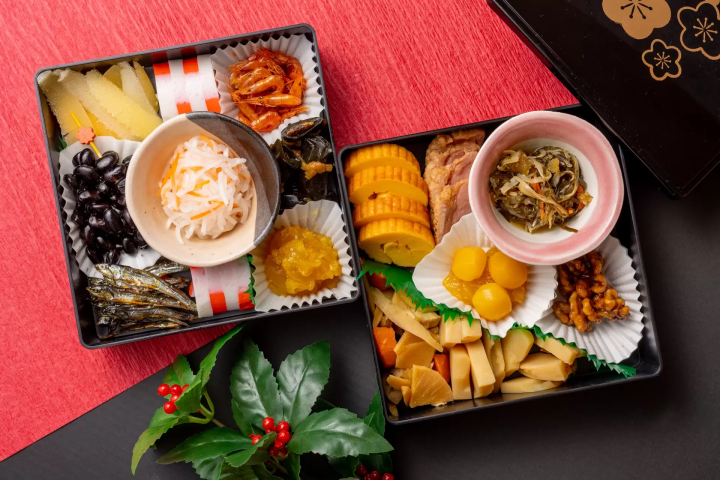
Osechi ryori is a traditional Japanese celebratory meal to celebrate the New Year. The custom of arranging auspicious dishes in a tiered box began in the Heian period and spread throughout the country through the Edo period. Each ingredient has a meaning, with black beans representing "hard work," herring roe representing "prosperity of descendants," and konbumaki representing "joy."
Yuzu

Yuzu is a fragrant citrus fruit that is representative of winter in Japan and is said to have been introduced from China during the Nara period. It is a fruit that is resistant to cold and has such a strong vitality that it can be cultivated in the Tohoku region. Green yuzu before it is fully ripe is used to make the spicy "yuzu kosho" (cooked pepper), while ripe yellow yuzu is used to flavor ponzu sauce, hotpots, and clear soups.
Mandarin orange
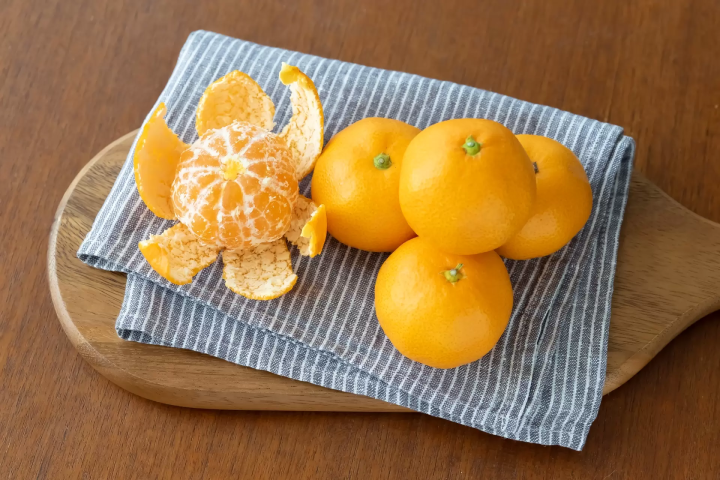
Mandarin oranges are a typical fruit that is an essential part of the Japanese diet in winter. Among them, the Unshu mandarin has a thin skin that can be easily peeled by hand, and has an exquisite balance of sweetness and sourness. It is said to have originated in Kagoshima Prefecture Nagashima, and spread throughout the country during the Edo period. Currently, Wakayama, Ehime, and Shizuoka are the main producing areas, and improvements to varieties are being made in each region.
Persimmon
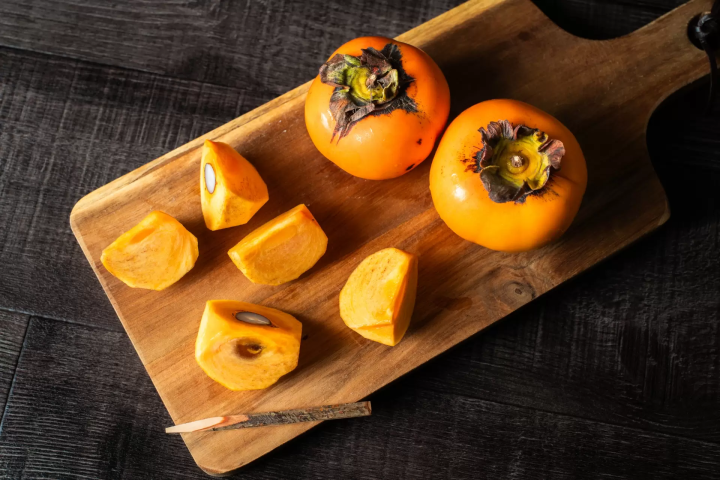
Persimmons are a fruit that is in season from autumn to winter , and are so rich in nutrients that it is said that "when persimmons turn red, doctors turn green." Persimmons are divided into "sweet persimmons," which have soft and sweet flesh, and "astringent persimmons," which are dried to remove the astringency. Dried persimmons are characterized by their concentrated natural sweetness and sticky texture, and have long been popular as a preserved food for winter.
Japanese Shows to Enjoy with Winter Comfort Foods
If you're traveling to Japan in the winter, why not enjoy a performance along with some winter delicacies like hot pot, oden, and ramen? Whether it's a live show in Tokyo or a traditional performance in Nara, choosing the right one to fit your itinerary will further enhance your winter experience.

Tickets in Japan(TIJ) is available in English, Traditional Chinese, and Korean, making it easy to reserve tickets from overseas. Please check the links below to see what tickets are currently available for reservation.
"Tickets in Japan" is a ticket sales service that allows international tourists visiting Japan to purchase entertainment tickets for sports events, concerts, theater performances, and other shows held in Japan.
The contents on this page may partially contain automatic translation.
Special Features
More













![[2026 Latest] Direct bus trip from Osaka to Shirahama! OCAT departure to Nanki Shirahama bus travel guide](https://resources.matcha-jp.com/resize/720x2000/2026/05/21-264354.webp)

