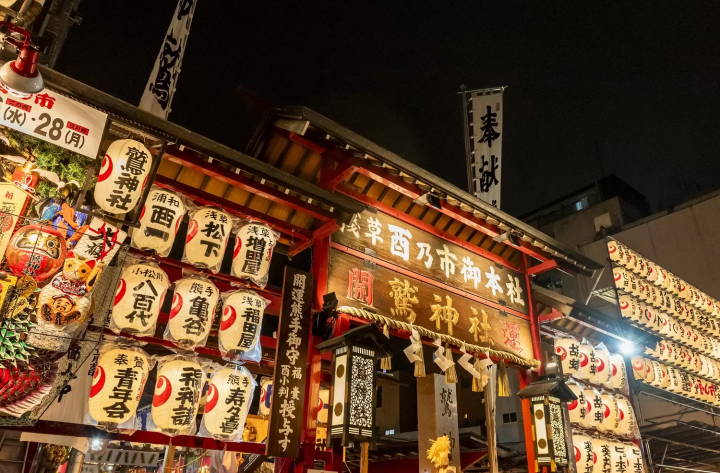
Day Trip From Hiroshima to Izumo and Matsue by Highway Bus
Explore Izumo Taisha Shrine or Matsue Castle on a direct one-day trip from Hiroshima by highway bus. See our complete car-free model itineraries!

Written by
Tokyo, Japan
MATCHA's promotional account for corporate and local government advertising. We aim to provide useful information to our readers in an enjoyable manner.
This service includes sponsored advertisements.
If you have a day to spare during your visit to Hiroshima, it might be fun to head north.
Izumo and Matsue, both located in Shimane Prefecture, are only a 3-hour express bus ride from Hiroshima. You can leave in the morning and return in the evening, making it an ideal day trip to add to your Hiroshima itinerary.
This article introduces two itineraries in Shimane that can be enjoyed as day trips from Hiroshima.
1. Izumo: Home to Izumo Taisha, the Shrine of Good Fortune and Connection
2. Matsue: Explore the Historic "City of Water"
-
Index
- Why Take the Highway Bus from Hiroshima to Shimane?
- 1. Mythical Izumo: Visit Izumo Taisha and Savor Local Warigo Soba
- 2. From Matsue Castle to Lake Shinji: A Day Trip Through Matsue, the Water Capital
Why Take the Highway Bus from Hiroshima to Shimane?
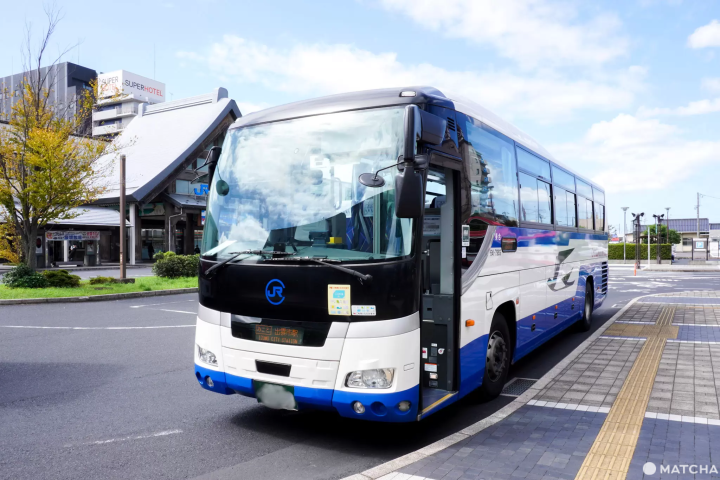
Shimane is surprisingly easy to reach from Hiroshima. A highway bus takes you directly to Izumo or Matsue in about 3 hours, sparing you the hassle of train transfers with heavy luggage. Along the way, you can sit back and enjoy scenic views of the rural mountains—one of the highlights of the ride.
The highway bus is also very budget-friendly—a one-way fare can be up to 6,000 yen cheaper than taking the bullet train and limited express combination.
Service is frequent and convenient: the Hiroshima–Matsue route runs eleven round trips on weekdays and twelve on weekends and holidays, while the Hiroshima–Izumo route offers seven daily round trips.
*These numbers are based on information current as of September 2026.
Tickets can be purchased online in advance, making it easy to fit into your travel plans.
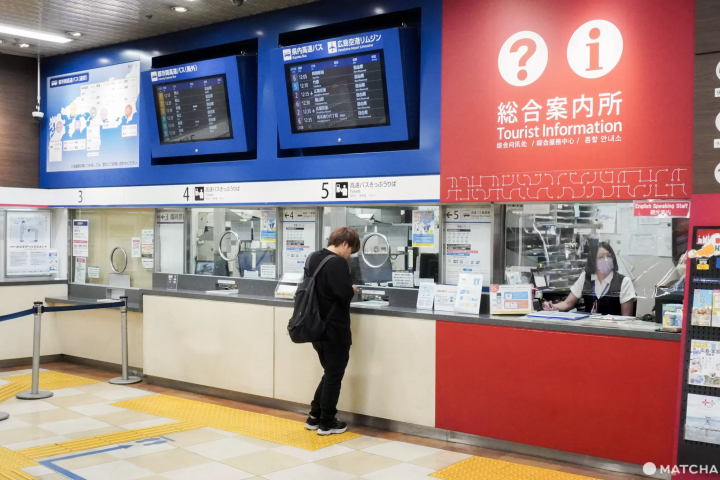
If you prefer not to book online, you can buy tickets in person at the Hiroshima Bus Center ticket counter (open 9:00 to 17:00) or from the automatic ticket machines (available 7:00 to 21:00).
1. Mythical Izumo: Visit Izumo Taisha and Savor Local Warigo Soba
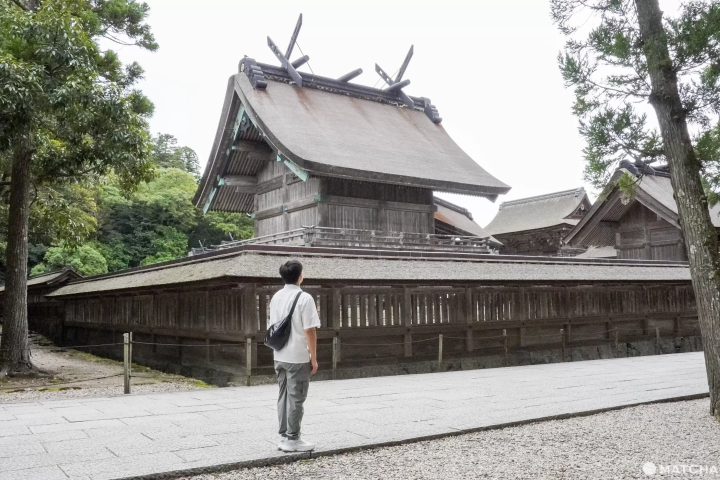
If you want to step into the world of Japanese mythology, the first route—Hiroshima to Izumo—is a must!
Izumo is a central setting in ancient Japanese lore and home to Izumo Taisha, a grand shrine famous for matchmaking and sacred connections.
On this trip, we’ll take a direct highway bus from Hiroshima straight to Izumo, stroll along Inasa Beach, savor local Izumo soba, and finally pay our respects at the grand shrine itself!
7:15 - From Hiroshima Bus Center to Izumo City
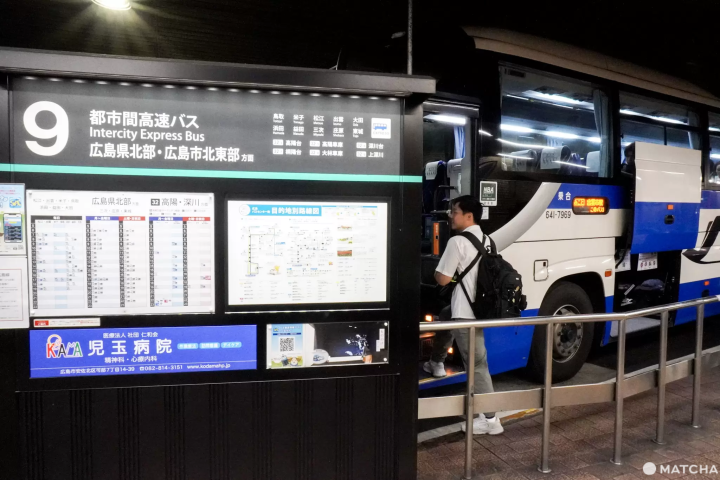
In the morning, head to Platform 9 at the Hiroshima Bus Center in downtown Hiroshima.
Board the 7:15 highway bus bound for Izumo, sit back for about three hours, and you will arrive at Izumoshi Station around 10:22.
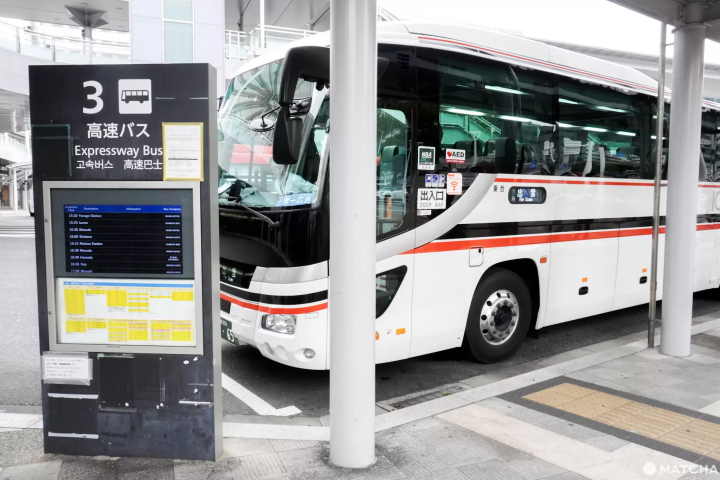
If you are staying closer to Hiroshima Station, you can also catch the highway bus to Izumo or Matsue from Platform 3 at the Shinkansen Exit (North Exit).
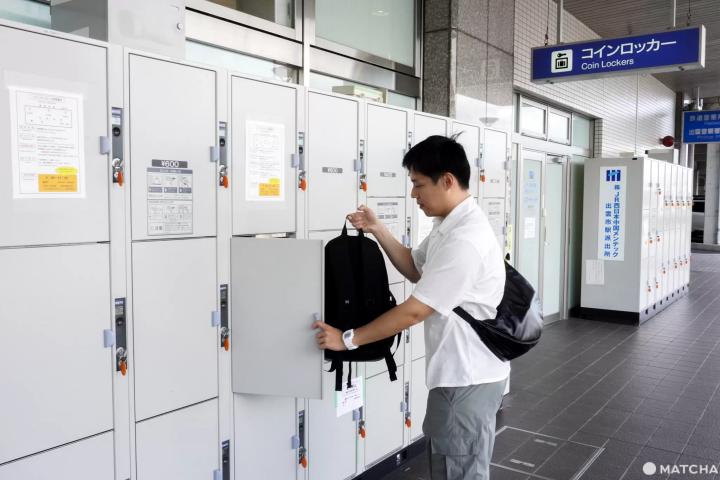
Once you arrive in Izumo, if you have heavy luggage with you, drop your bags in the coin lockers in front of Izumoshi Station so you can explore hands-free.
11:00 - Head to Inasa Beach and Savor Izumo’s Famous Warigo Soba
With your bags stored away, your Izumo day trip officially begins!
At 11:00, hop on the local Taisha Line bus (via Aeon Mall and Takamatsu) from Izumoshi Station, arriving at the Izumo Taisha Bus Terminal around 11:27. From there, an easy 13-minute walk brings you to your first destination: Inasa Beach.
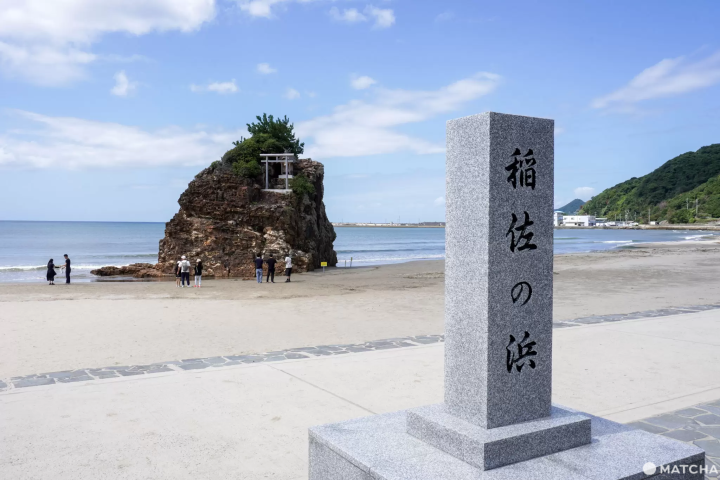
The azure waters of the Sea of Japan, a vast sweep of white sandy shore, and the striking silhouette of Bentenjima Island together create the iconic view of Inasa Beach.
But there is more here than just breathtaking ocean scenery. According to legend, during the tenth month of the lunar calendar, myriad Shinto deities from all over Japan gather in Izumo. It is on the shores of Inasa Beach that the sacred welcoming ceremony of Kami-mukae, takes place to greet them.
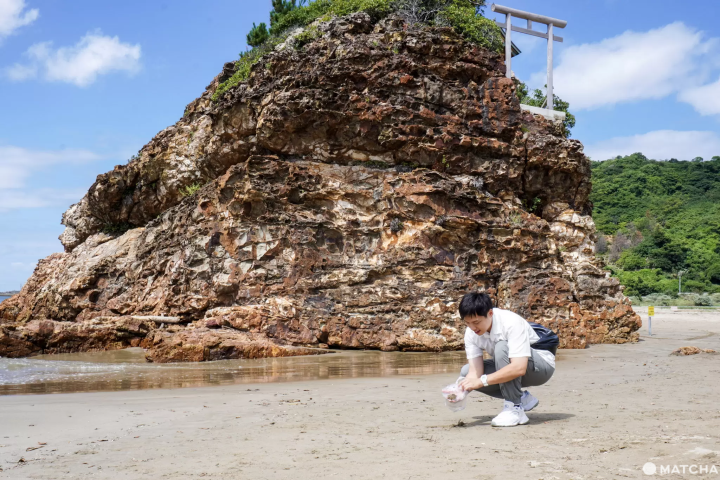
Also, don't forget to bring along a small bag. Scoop up a little sand from the beach to take with you to Izumo Taisha. As for what this sand is used for—we'll reveal that secret a bit later!
Warigo Soba: A Must-Try Izumo Specialty!
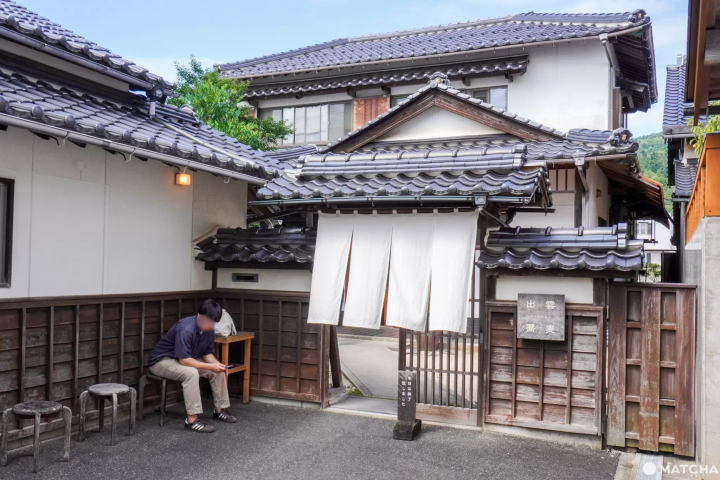
A 15-minute walk from Inasa Beach toward Izumo Taisha brings you to Izumo Soba Kizuki, a beloved spot for handmade noodles.
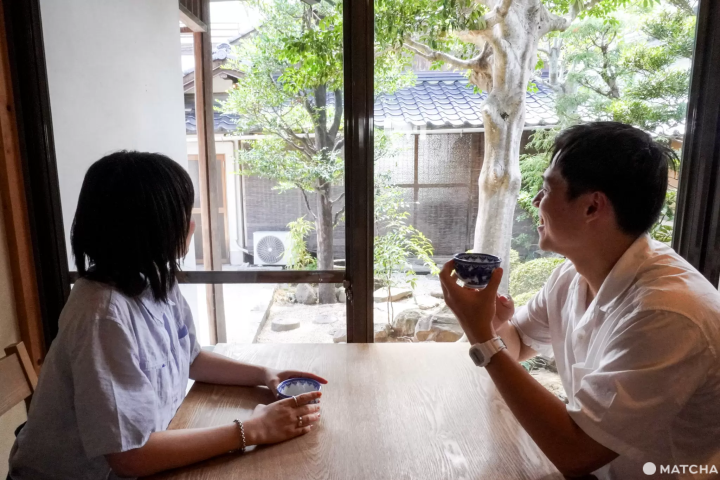
Housed in a renovated traditional Japanese home, the restaurant exudes the warm, nostalgic charm of a kominka (folk house). Soft daylight streams in from outside, and looking out over the lovely garden beyond the windows, a feeling of calm naturally washes over you.
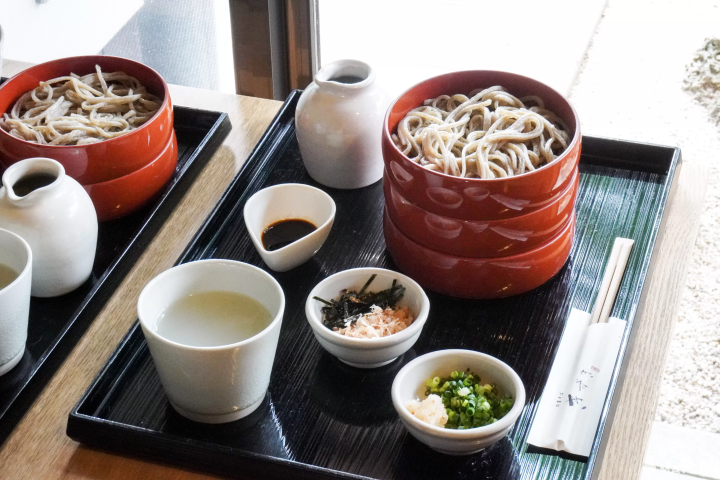
A trip to Izumo isn't complete without tasting its famous Warigo Soba.
The buckwheat noodles are arranged in three-tiered round lacquer bowls called warigo. The eating ritual is just as special: season the top tier and eat, then pour whatever sauce remains into the second tier, working your way down one bowl at a time.
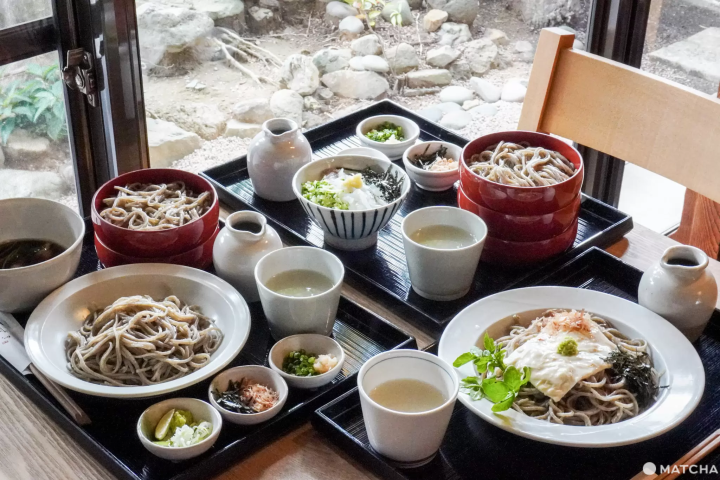
The restaurant handcrafts its noodles fresh every day. Coarsely stone-ground from domestic buckwheat, the soba boasts a satisfyingly firm texture and a rich, nutty aroma.
A Stroll on Shinmon Street After Lunch
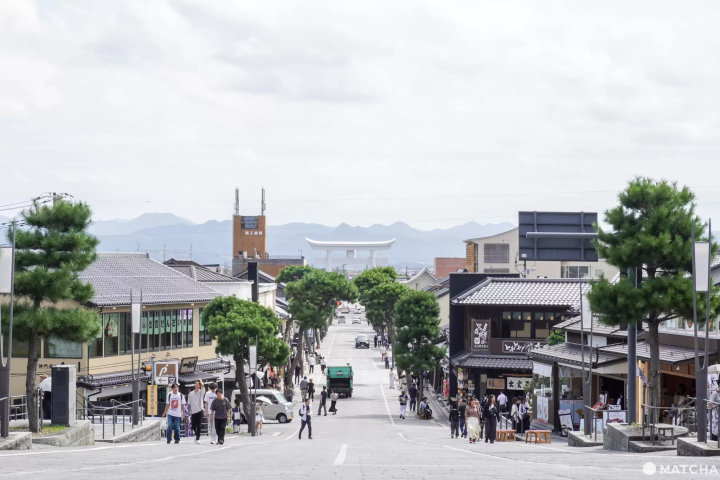
After lunch, explore Shinmon Street just outside Izumo Taisha. Though compact in length, both sides are filled with gift shops, sweet shops, and cafes—ideal for an easy stroll.
From here, make your way toward the main attraction: Izumo Taisha.
14:00 - Visit Izumo Taisha, the Sacred Shrine of Human Connections
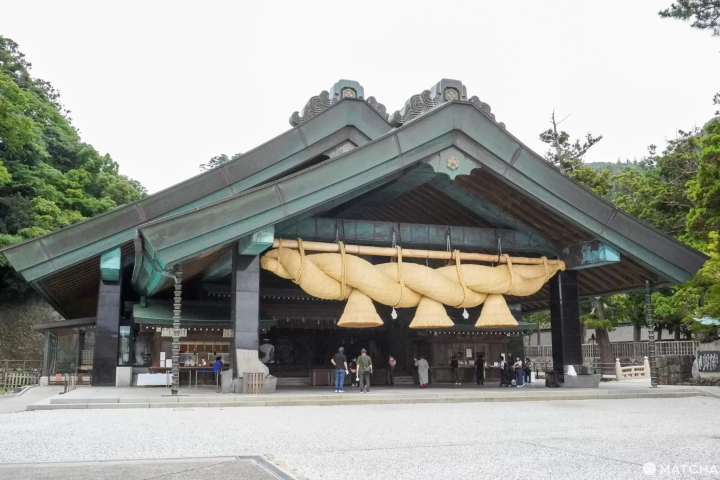
The central deity enshrined at Izumo Taisha is Okuninushi no Okami, the god of en-musubi (destined connections) from Japanese mythology.
Here, "connections" go far beyond romantic love—they encompass all meaningful relationships between people, bringing visitors from near and far to pray for good fortune and positive ties in life.
When visiting, note that Izumo Taisha's etiquette differs from the typical Shinto custom. Instead of the standard practice, the shrine follows two bows, four claps, and one bow. Keep this unique ritual in mind when paying your respects at the worship hall (Haiden) and the main sanctuary (Honden).
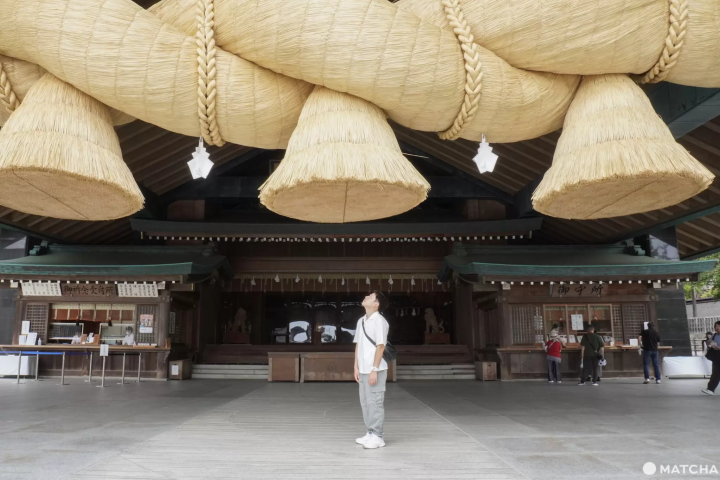
Upon reaching the Kaguraden, you'll be greeted by the immense oshimenawa hanging overhead. Measuring approximately 13 meters in length, its sheer size dwarfs anyone standing below. The current sacred rope is fresh, newly replaced and consecrated in July 2026.
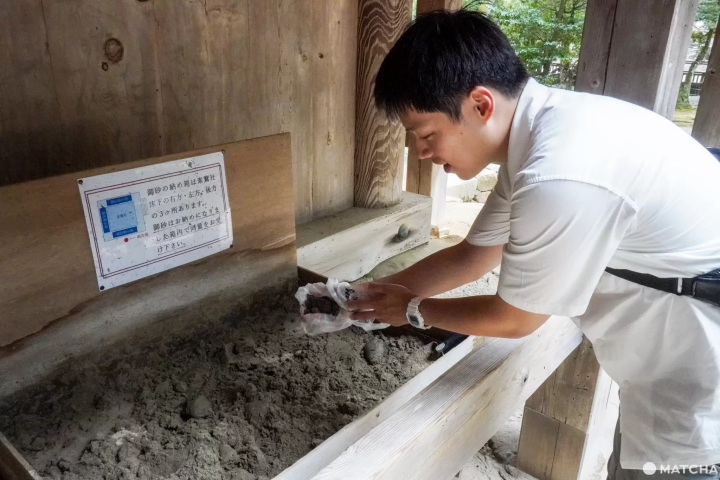
Remember the sand you collected at Inasa Beach?
Proceed to Soga no Yashiro Shrine behind the main sanctuary. First, place your beach sand in the designated collection boxes as an offering. Then, take an equivalent amount of blessed sand (o-suna) from beneath the shrine's veranda.
This holy sand is traditionally kept as an amulet or sprinkled around one's home and property for spiritual purification and divine protection. If you plan to bring the sand outside of Japan, please review your home country’s quarantine and customs regulations beforehand.
15:20 - Return to Izumoshi Station for the 17:00 Highway Bus to Hiroshima
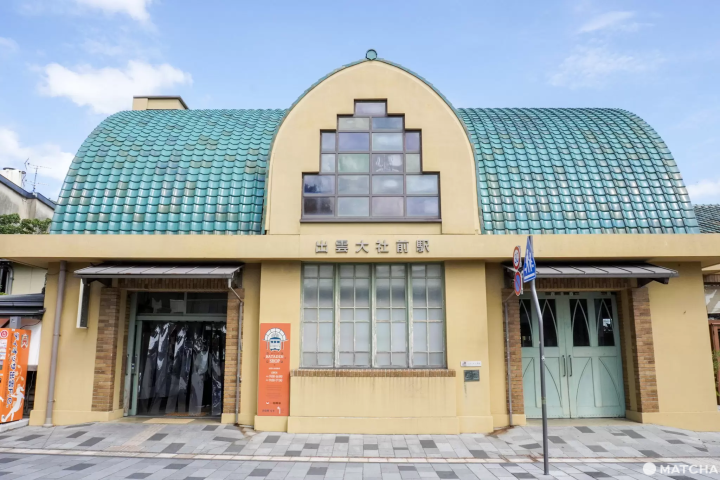
To head back, walk from the shrine to Izumotaisha-mae Station, easily recognized by its distinctive yellow retro facade.
Board the 15:20 Ichibata Electric Railway train, transfer at Kawato Station along the way, and reach Dentetsu-Izumoshi Station by 15:45. Note that direct trains requiring no transfers are also available.
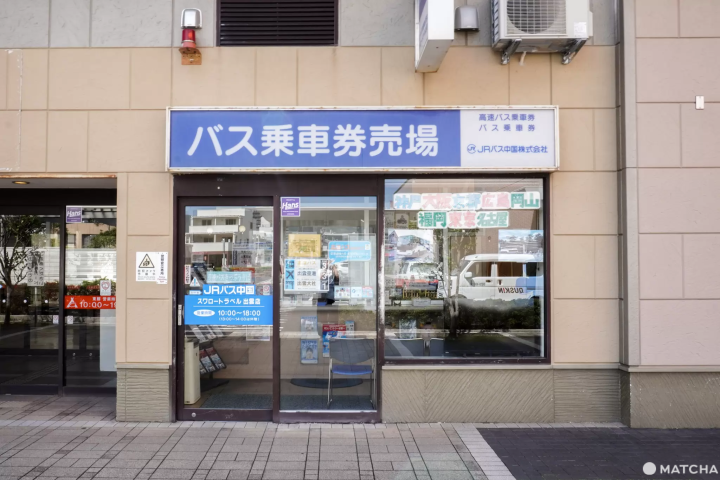
Once back at Izumoshi Station, if you haven't bought your return ticket yet, you can pick one up at the bus ticket office right next to the station.
With some free time before the 17:00 departure, take advantage of the gift shops inside the station to pick up local Shimane souvenirs.
Local buses also run directly from the Izumo Taisha Bus Terminal back to JR Izumoshi Station.
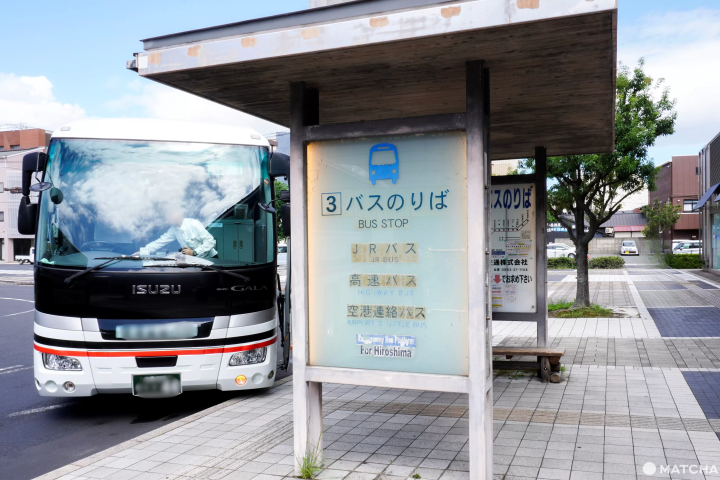
Conclude your journey by catching the 17:00 highway bus from Bus Stop No. 3 in front of Izumoshi Station, arriving at Hiroshima Bus Center at 20:07.
Depart Hiroshima early, spend a full day exploring sacred Inasa Beach and Izumo Taisha Grand Shrine, treat yourself to regional buckwheat noodles, and return by night. A seamless and rewarding day in mythical Izumo!
2. From Matsue Castle to Lake Shinji: A Day Trip Through Matsue, the Water Capital
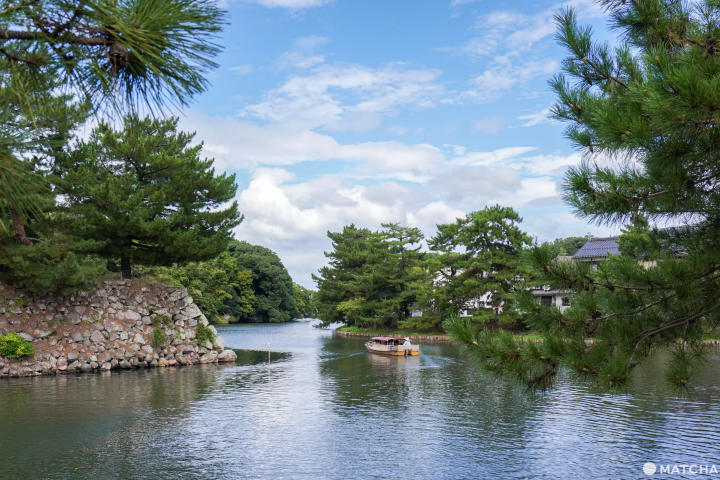
If you prefer historic Japanese castles, scenic boat cruises, and lake views over myths and shrines, the second route—Hiroshima to Matsue—is the perfect choice!
Known as the "Water Capital," Matsue is embraced by the waters of Lake Shinji, the Ohashi River, and the historic moats encircling its castle.
On this trip, we'll take a direct highway bus from Hiroshima straight to central Matsue to explore everything from National Treasure Matsue Castle to the shores of Lake Shinji in a single day!
7:25- Highway Bus from Hiroshima to Matsue
Just like the Izumo itinerary, our Matsue day trip kicks off at the Hiroshima Bus Center. Board the 7:25 highway bus from Platform 9, and after a comfortable three-hour ride, you'll arrive directly at Matsue Station around 10:23.
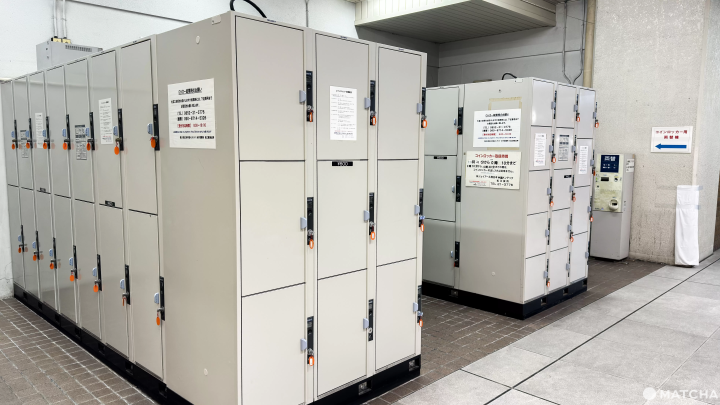
Matsue Station also has coin lockers, so store any bulky luggage there before heading out hands-free to explore the city!
10:30- Matsue Castle and the Horikawa Moat Cruise: Experience the Water Capital
Hop on the Gurutto Matsue Lake Line tourist loop bus departing from Matsue Station at 10:30. After a scenic 17-minute ride, you will arrive at the Horikawa Sightseeing Boat Boarding Point around 10:47.
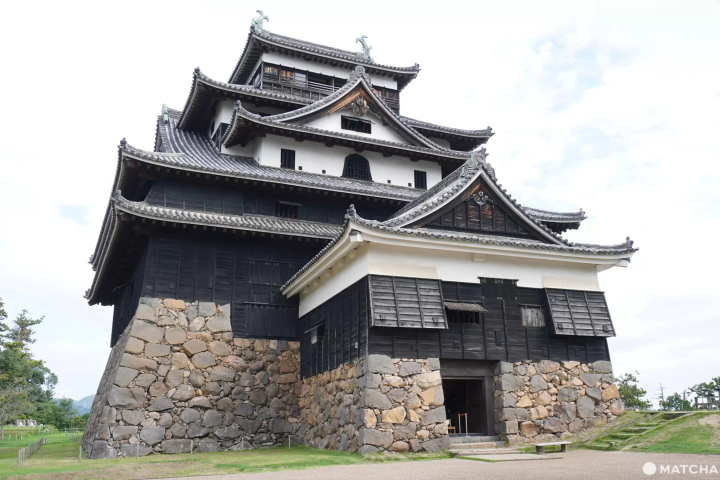
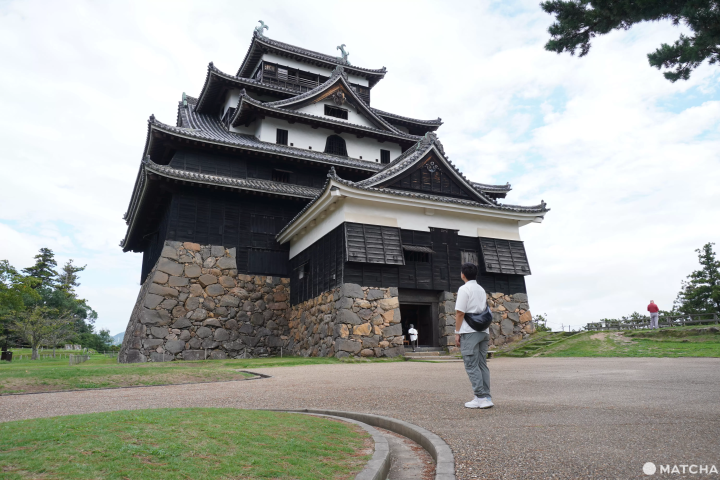
Matsue Castle is one of only twelve surviving original castle keeps (tenshu) left in Japan. Having stood intact from the Edo period (1603-1868) to the modern day, it is also one of just five designated as a National Treasure.
The castle's National Treasure status was officially conferred in 2015 following the historic discovery of two wooden prayer tablets (kitofuda), which verified that the main keep was completed in 1611.
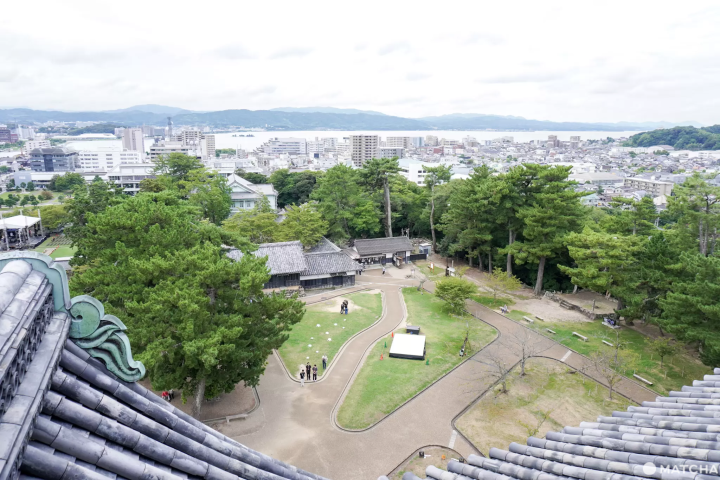
Inside the castle keep, visitors can view the preserved wooden architecture and defensive craftsmanship dating back over 400 years.
Reaching the uppermost observation level, the Tengu-no-ma, rewards you with an unobstructed 360-degree panoramic vista across Matsue, extending out to Lake Shinji on bright, sunny days.
Horikawa Sightseeing Boat: Explore Matsue From Its Waterways
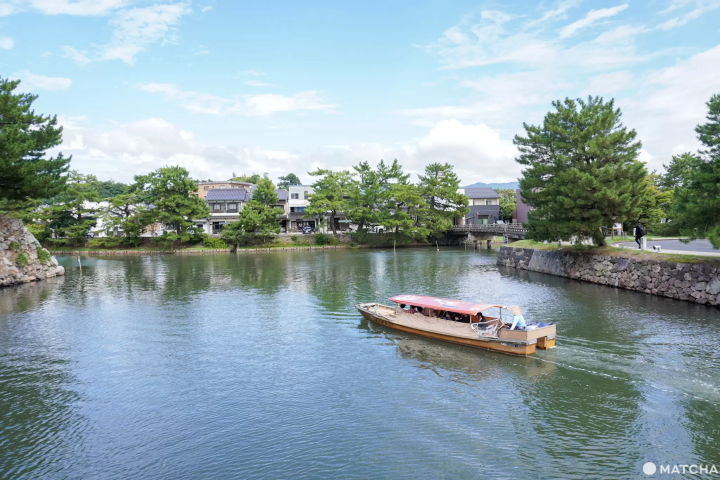
Once you've explored Matsue Castle, it's time to see the historic city from a completely different angle.
Encircling Matsue Castle is a 3.7-kilometer network of original moats, which you can circumnavigate on a relaxing 50-minute sightseeing cruise.
Floating right at water level offers intimate views of the castle keep, ancient stone ramparts, and Edo-period castle town scenery. It reveals a wonderfully different side of Matsue compared to the panoramic vistas you just admired from the top of the castle tower!
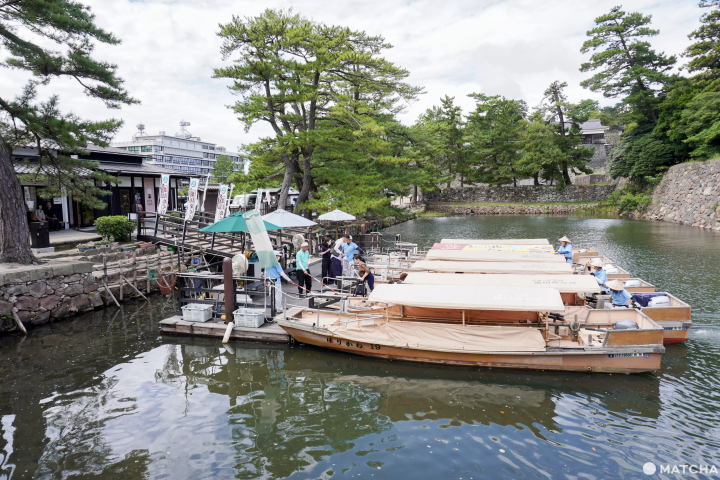
There are three boarding piers along the route: Fureai Hiroba, Otemae Hiroba, and Karakoro Hiroba. If you visit Matsue Castle first—just like this itinerary—boarding at Otemae Hiroba Pier right outside the castle entrance is by far the most convenient choice.
Karakoro Hiroba does not have regularly scheduled departures. Passengers can only board from Karakoro Hiroba if seats happen to be available on boats that set out from Fureai Hiroba or Otemae Hiroba.
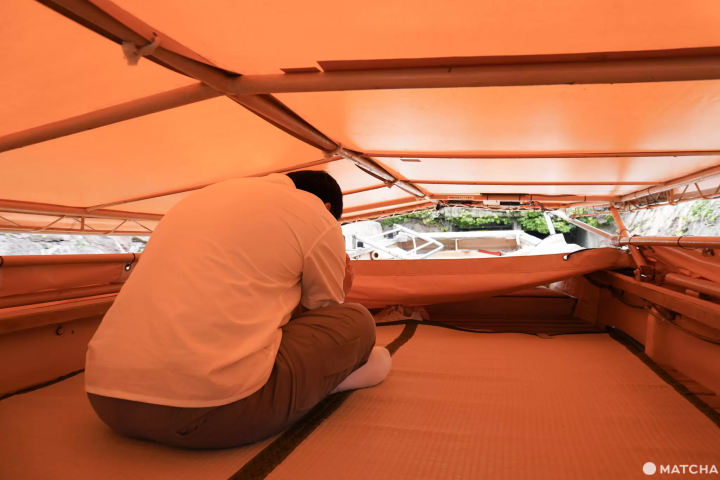
As the boat glides along, the boatman will suddenly call out: "Everyone, get ready to lower your heads!"
The route passes under a series of low bridges, four of which sit so close to the water that the boat's entire roof must be cranked down to squeeze through.
When that happens, passengers duck down flat together as the boat slips underneath! Ducking in unison with your fellow travelers is one of the most delightful, laugh-inducing highlights of the Horikawa Moat Cruise.
Best of all, tickets are valid for a full day of unlimited rides, meaning you can hop on and off at any of the three piers as often as you like. Since you're visiting the "Water Capital," using these sightseeing boats as your personal water taxi is a wonderful way to get around!
Shimane Local Products Center: Next to Matsue Castle
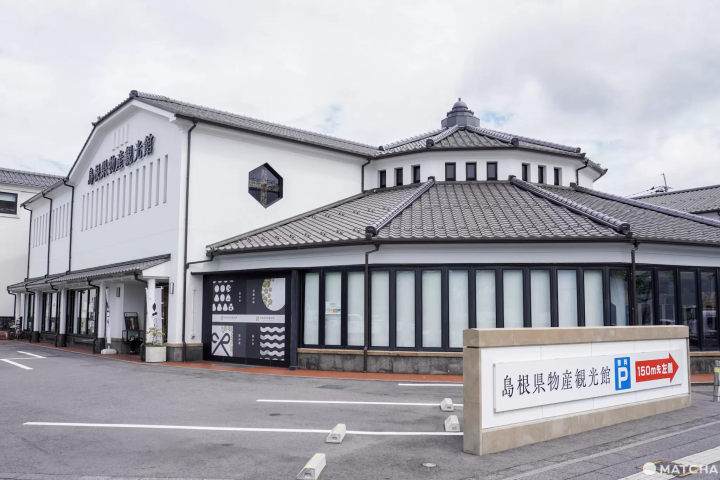
Shimane Local Products Center, located right by Matsue Castle, carries various local products from all over the prefecture. It is the perfect spot to look for souvenirs.
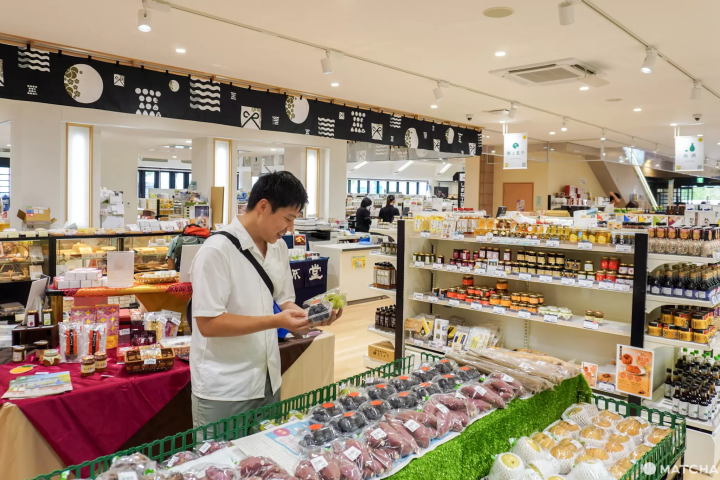
You can find everything in one place—from Lake Shinji’s famous shijimi clams, traditional wagashi sweets, Izumo soba, and local sake to regional crafts like pottery, handmade washi paper, and theatrical Kagura masks.
Take your time browsing for unique regional treasures before sitting down to lunch!
13:00 - Savor a Matsue Specialty: Taimeshi Lunch at Garden Restaurant Minami
After enjoying your moat cruise, you’ll likely have worked up an appetite. Take a scenic 7-minute walk over to Garden Restaurant Minami.
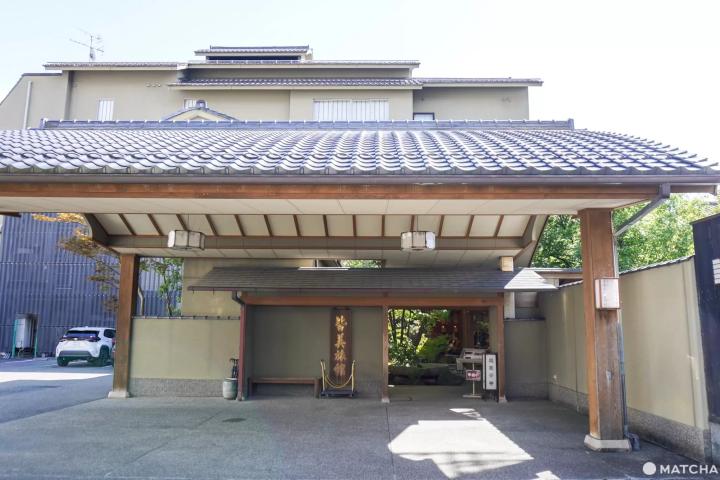
Located on the ground floor of Minamikan—a storied ryokan with over a century of history—the restaurant warmly welcomes dining guests even if you aren't staying overnight.
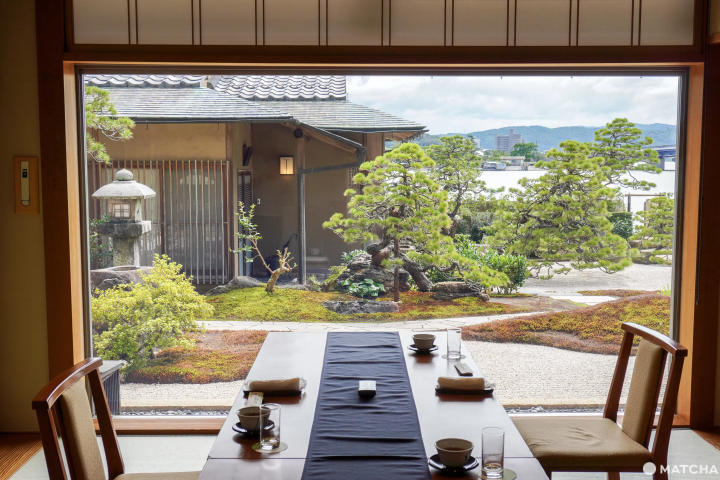
Inside the dining room, you can savor your meal while gazing out over an exquisite karesansui (dry landscape) garden that incorporates the shimmering waters of Lake Shinji as "borrowed scenery."
This garden was ranked 5th nationwide out of roughly 1,000 Japanese gardens in the 2025 Japan Garden Rankings by the specialized US publication, The Journal of Japanese Gardening.
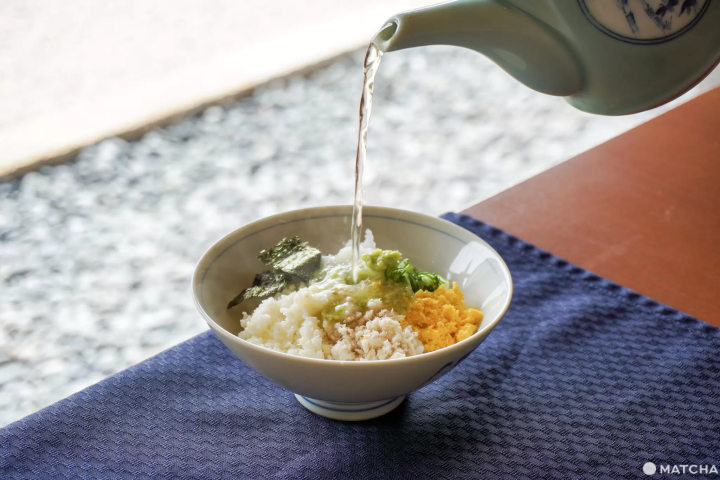
The dish you simply cannot miss here is Matsue’s signature Taimeshi.
Closely linked to Lord Matsudaira Fumai—the legendary feudal lord of the Matsue Domain and celebrated tea master—this delicacy is served by arranging seasoned minced sea bream, rich egg yolk, and savory toppings over a bowl of rice, then pouring piping-hot, bonito-based dashi broth over the top.
It is a time-honored specialty handed down at Minamikan for over a century.
14:00 - Lake Shinji Views at the Shimane Art Museum
Following your midday meal, take a 16-minute stroll from Garden Restaurant Minami to reach the lakeside Shimane Art Museum.
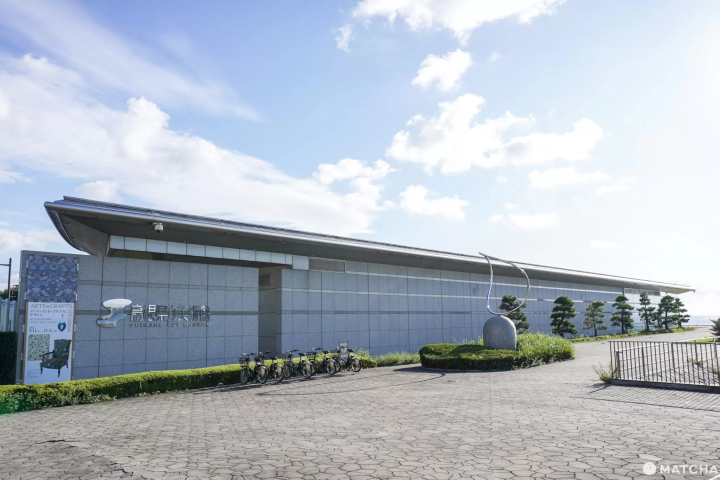
The first-floor lobby and public areas are free to enter, featuring floor-to-ceiling glass windows that open up to sweeping, panoramic views of Lake Shinji.
The spot is celebrated as one of the best sunset viewing locations in the country—with Lake Shinji’s sunset earning a coveted place on Japan's official list of the "Top 100 Sunsets in Japan"!
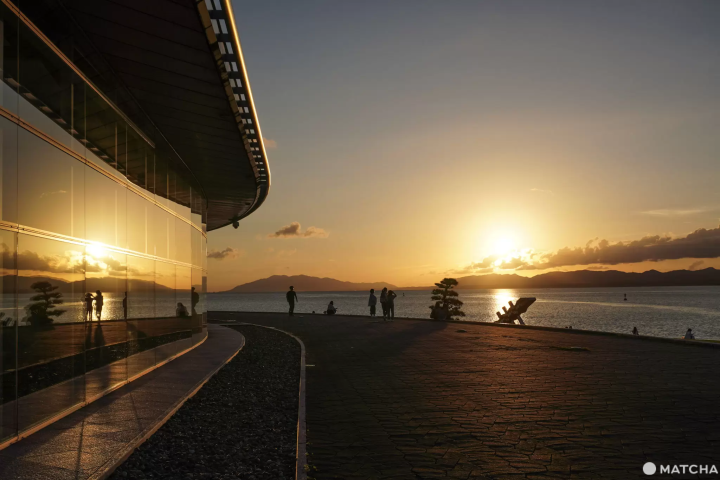
Toward late afternoon, the setting sun casts a radiant glow over Lake Shinji, reflecting off the museum's expansive glass panels and bathing the shoreline in rich amber light.
Between March and September, opening hours are extended until 30 minutes past sunset, allowing visitors to savor the lakeside twilight at an unhurried pace.
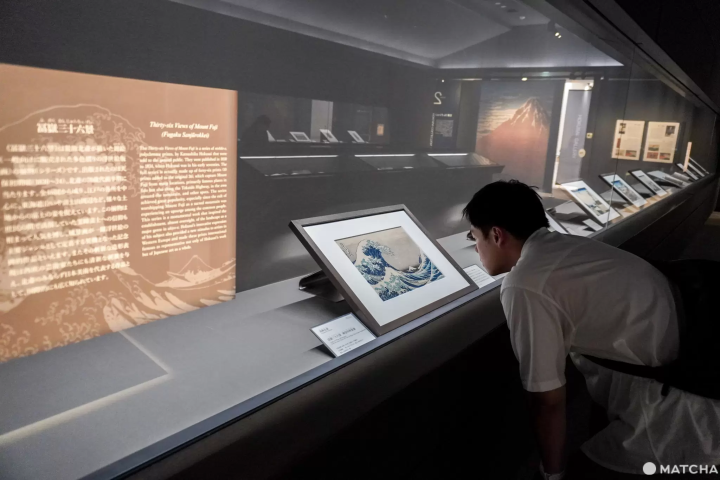
The museum actually holds another incredible surprise inside. It houses a collection of roughly 3,000 ukiyo-e woodblock prints and archival materials, with around 1,600 pieces dedicated solely to the master Katsushika Hokusai. This includes numerous rare prints and historical documents of which only a single surviving copy exists anywhere in the world.
The secret behind this world-class Hokusai treasure trove traces back to the late Seiji Nagata (1951-2018), an eminent Hokusai scholar originally from Shimane Prefecture. Having devoted his life to gathering and researching the artist's oeuvre, Nagata generously donated his legendary "Nagata Collection" to Shimane Prefecture in fiscal year 2017.
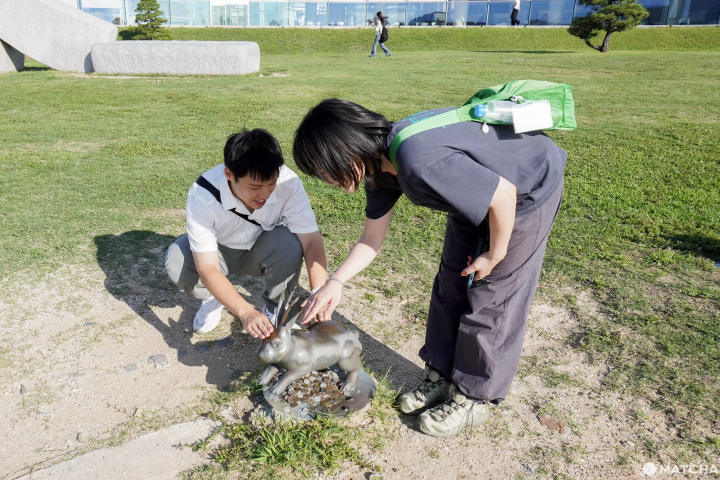
Before concluding your visit, take on one final highlight on the museum grounds: locating the bronze rabbit sculptures titled Shinji Lake Rabbits.
Legend has it that if you locate the second rabbit counting from the lake shore and gently stroke it while facing west, good luck and happiness will come your way.
This delightful local tradition has turned the installation into a celebrated en-musubi (relationship-blessing) power spot in Matsue.
From 18:17 - Return to Matsue Station and 19:00 Highway Bus to Hiroshima
Following a full day of sightseeing, catch local bus route 81-1 (South Loop Line / Outer Loop) from the Kenritsu Bijutsukan-mae stop at 18:17, arriving at Matsue Station at 18:25.
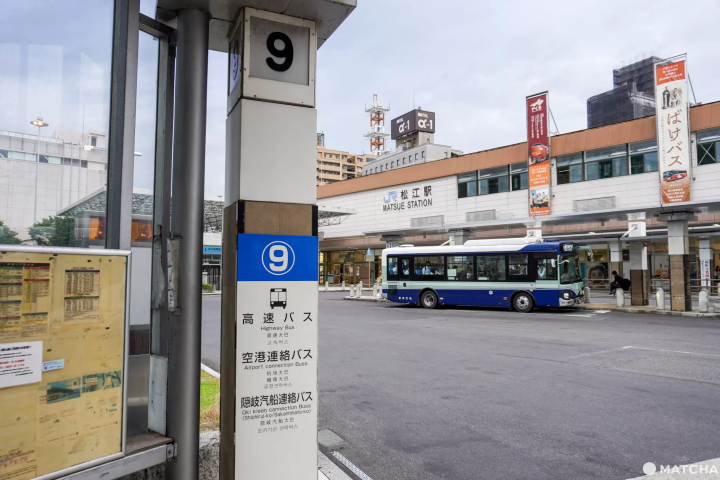
Head to Platform 9 at Matsue Station to catch the 19:00 highway bus bound for Hiroshima (Matsue–Hiroshima Highway Express Line). The bus travels directly back to Hiroshima, pulling into the Hiroshima Bus Center at 22:04.
From Matsue Castle and the Horikawa Moat Cruise in the morning to Lake Shinji and the Shimane Art Museum by afternoon, this car-free itinerary lets you experience the very best of Matsue—heritage castles, tranquil waterways, and world-class art—all within a single day.
Venture Beyond Hiroshima: Direct Highway Buses to Izumo and Matsue
From the mythical realm of Izumo Shrine to the "Water Capital" of Matsue—famed for its National Treasure castle and sweeping vistas over Lake Shinji—these wonders are just a three-hour express bus ride from Hiroshima.
If you have an extra day in your Hiroshima itinerary, why not venture north into scenic Shimane Prefecture? Hop on a highway bus and make Izumo or Matsue the ultimate "next stop" on your journey in central Japan.
Moreover, if you stay overnight in Shimane, you can easily experience the very best of both Izumo and Matsue on the same trip!
Read also


*The bus schedules and transit information featured in this article are current as of September 2026. For the latest timetables and service status, please check the official operator websites.
Sponsored by WILLER ACROSS Corporation
MATCHA's promotional account for corporate and local government advertising. We aim to provide useful information to our readers in an enjoyable manner.
Special Features
More