Gifu: A Fulfilling Summer Night at the Nagara River! Tradition, Food, and a Night Market
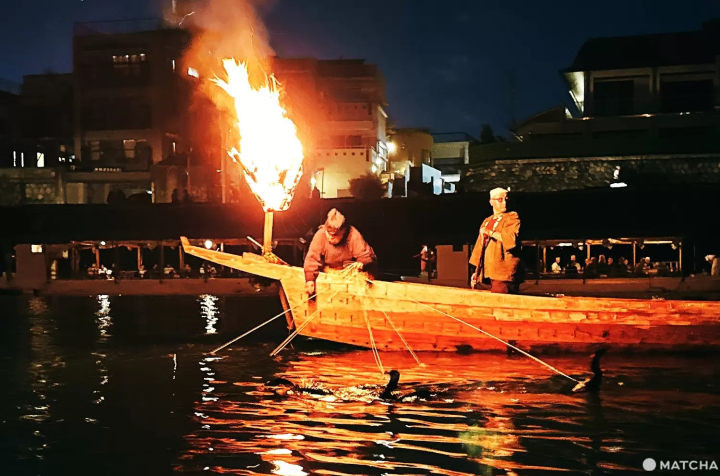
Ukai at the Nagara River, with a history of 1,300 years, is a summer tradition of Gifu. The river and Gifu Castle backdrop the fishing, creating a fantastic night scenery. This article is about a summer night by the river, enjoying ukai, ayu cuisine, and the night market.

Written by
Tokyo, Japan
MATCHA's promotional account for corporate and local government advertising. We aim to provide useful information to our readers in an enjoyable manner.
This service includes sponsored advertisements.
-
Table of Contents
- The 1300-Year-Old Ukai Culture at the Nagara River
- Watching Ukai From a Tour Boat
- Enjoy Nagara River Ayu Cuisine
- Nagaragawa Night Market: Immerse Yourself in the Local Everyday Life
- A Peaceful Summer Night at the Nagara River
The 1300-Year-Old Ukai Culture at the Nagara River
Usho: Carrying on Tradition
Picture courtesy of Gifu City
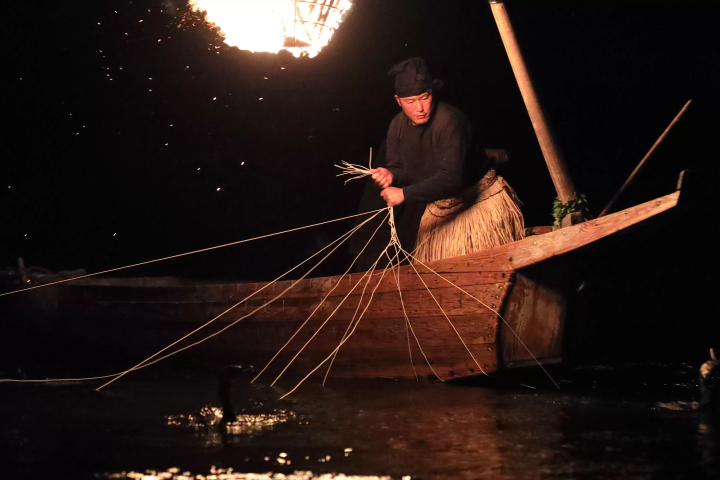
Ukai (cormorant fishing) at the Nagara River in Gifu City has been passed down for more than 1,300 years. It is a traditional fishing method for catching ayu (sweetfish) using cormorants, which has been supported by a hereditary system called usho (cormorant fishers). Currently, there are six usho, upholding the art and tradition.
These six usho are all appointed as Cormorant Fisher to the Imperial Household by the Imperial Household Agency and are given the important task of delivering ayu to the Imperial Family. Goryo Ukai (Imperial Cormorant Fishing) is held eight times a year at a Nagara River marine preserve (*), which supplies the Imperial Household.
Diplomatic Corps Cormorant Fishing, an event inviting foreign ambassadors, diplomats, and their spouses, are held twice a year. That the Nagara River was selected in an official capacity shows how highly the history and tradition of ukai are regarded.
*Kinryoku: An area where fishing is prohibited to the public.
The Daily Lives of the Fishers and Cormorants
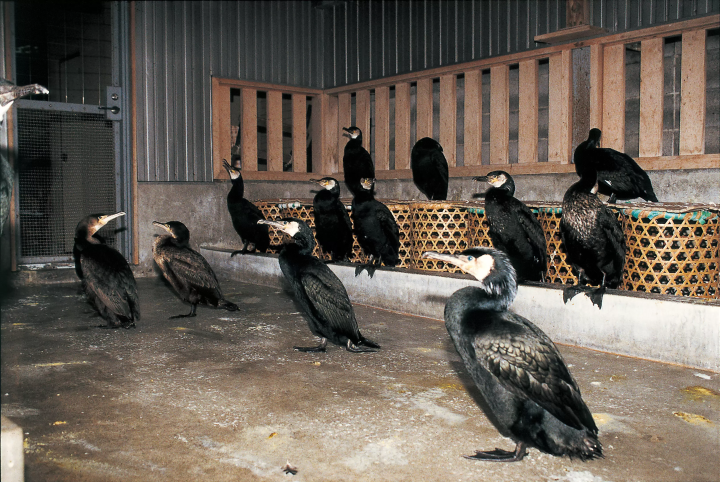
Picture courtesy of Gifu City
An usho spends most of their time with their cormorants to build trust on a daily basis, not only just at the time of fishing.
Before joining the fishing group, a cormorant typically goes through two to three years of training. Each bird has their own unique personalities, strengths, and condition, so the usho must choose the most suitable bird for the day's fishing after examining their condition one by one.
Even during the closed fishing season, there is no time to rest. The usho must take care of the cormorants and prepare their traditional fishing costumes, such as koshi-mino (straw skirts) and zori (traditional Japanese sandals), for the next season. They must also stock firewood for the fire baskets, along with examining and repairing the boats. All these day-to-day tasks go a long way to support the ukai at the Nagara River.
A Work of Art, Illuminated by Fire Baskets
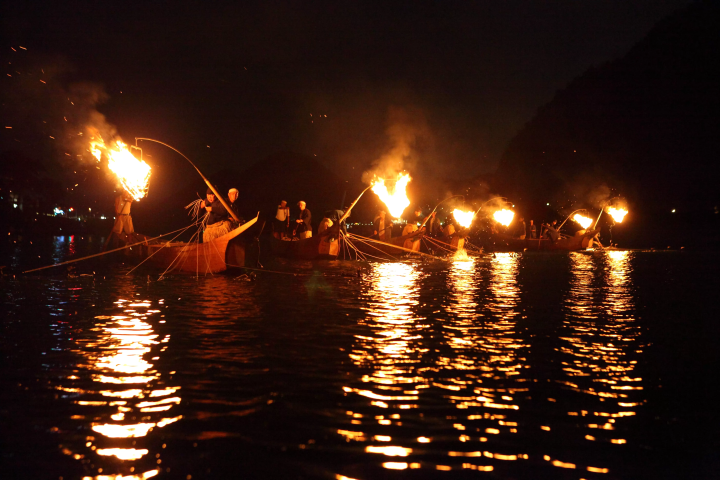
Picture courtesy of Gifu City
After the sunset, fire baskets light up the surface of the Nagara River. As the ukai starts, the usho and cormorants work in harmony, creating a fantastic scenery consisting of water and fire. It's one you cannot miss.
In the final stages, so-garami, in which the six usho line their boats abreast and proceed, begins. This style of ukai, as the six usho work together to drive their catch into a corner, can be seen only at the Nagara River and has drawn a large number of tourists, including the famous comedian Charles Chaplin who has visited twice.
Ukai at the Nagara River has been registered as an important intangible folk cultural property by the Japanese government. The traditional method and ritual has been carefully handed down for more than 1,300 years and is still carefully being preserved today. Gifu City is also aiming to register ukai as a UNESCO Intangible Cultural Heritage.
Watching Ukai From a Tour Boat
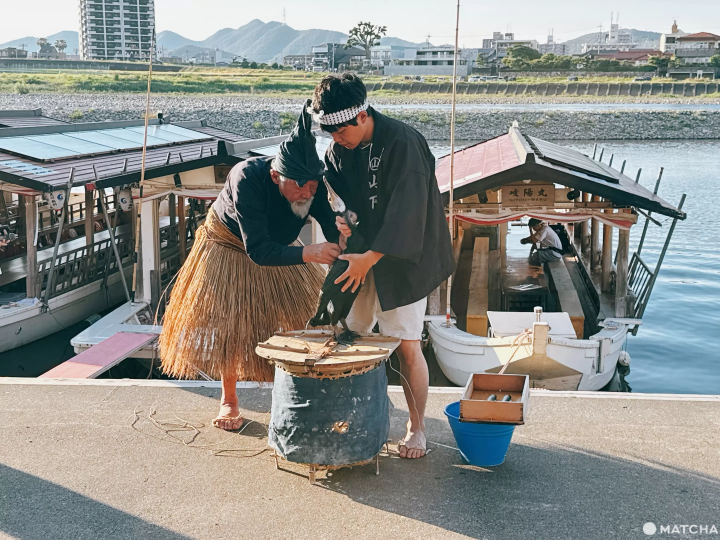
The best way to enjoy the ukai at the Nagara River is from a tour boat. Before boarding, there will be a lecture about the behavior of the cormorants and the history of ukai, provided by an usho, and passengers will be able to enjoy the actual fishing up close.
Tour participants gain a deeper understanding of the tradition, which will lead to a more fulfilling experience. Please note that there is only one lecture per day and is provided only in Japanese.
The View From a Tour Boat
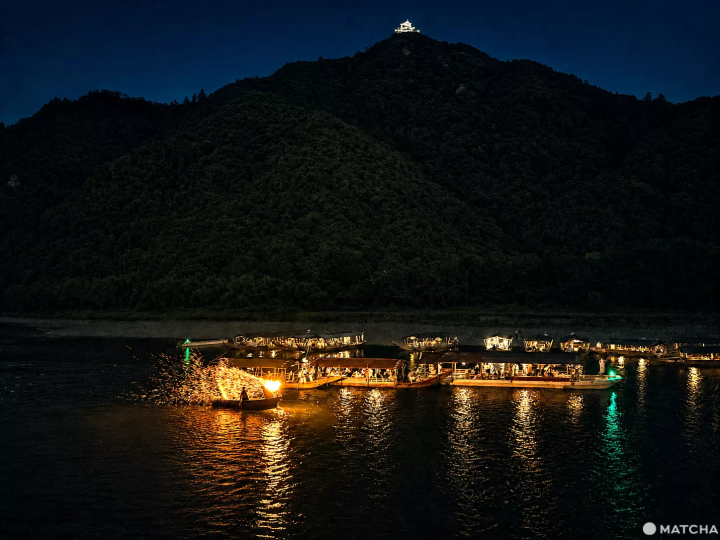
First-time visitors should try a shared boat to watch ukai from a close distance. Commentaries are in multiple languages, such as Chinese or English, and are provided by scanning a QR code on the boat after boarding so passengers can deepen their understanding of the ukai culture and enjoy themselves at the same time.
On the boat, the boatman will also talk about the history of the river, anecdotes about ukai, and local information, making your trip even more enjoyable just by listening.
A bamboo pole is used to gently navigate the crystal-clear river waters, which are so clear that you can see the pebbles on the riverbed.
The boat will arrive at the viewing area, just as the fire baskets are lit on the river, and the ukai starts. Passengers will witness a traditional fishing method passed down for more than 1,300 years , illuminated by fire, the murmur of the river, and the gentle rhythm of the boat on the water.
A Special Experience on Luxury Chartered Boats
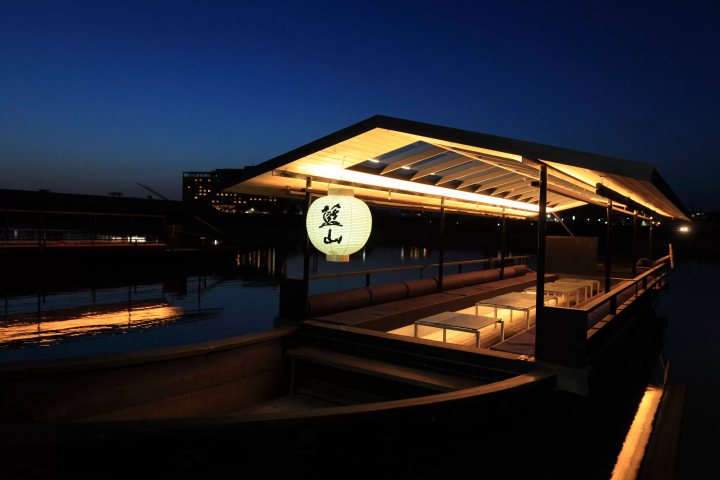
Picture courtesy of Gifu Convention and Visitors Bureau
Those who are looking for a private atmosphere should charter a luxury viewing boat. The seating area is furnished with comfortable sofas and indirect lighting, so the passengers will be able to fully appreciate the special experience in a tranquil atmosphere.
Reservations for both the tour boat and luxury viewing boat can be made via the official site. Multilingual services in Chinese, English, and Korean are provided, so those who don't understand Japanese should have no trouble making a reservation.
An accessible boat is also available, making it easier for everyone to enjoy ukai.
Ukai Viewing Reservations at the Nagara River Cormorant fishing on the Nagara River in Gifu
 1-2 Minatomachi, Gifu City, Gifu Prefecture
With a history spanning over 1,300 years, the traditional Gifu Nagara River cormorant fishing can be enjoyed from a shared boat, set against the backdrop of Mount Kinka.
1-2 Minatomachi, Gifu City, Gifu Prefecture
With a history spanning over 1,300 years, the traditional Gifu Nagara River cormorant fishing can be enjoyed from a shared boat, set against the backdrop of Mount Kinka.
Enjoy Nagara River Ayu Cuisine
Along with ukai, ayu cuisine is another appeal of the Nagara River. The fish, grown in the clear water, is famous for its unique aroma and delicate texture. While salt-grilled ayu is the staple, a kaiseki (traditional full-course Japanese meal) course is another way to savor its inherent flavor.
Tsukimachi Chaya: Taste Salt-Grilled Ayu in a Townhouse
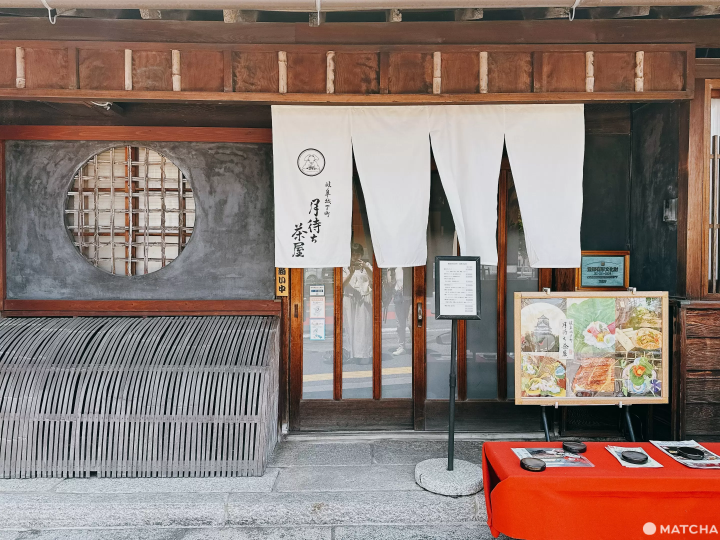
Tsukimachi Chaya is located at Higashi-Zaimokucho, neighboring Kawara-machi, where an Edo Period townscape is preserved. The restaurant is housed in the first facility to be registered as a tangible cultural property in the castle town of Gifu.
The building used to be a miso brewery and has a quaint, calm atmosphere of a traditional wooden townhouse. You can sense the profound charm of the building that has stood for many years.
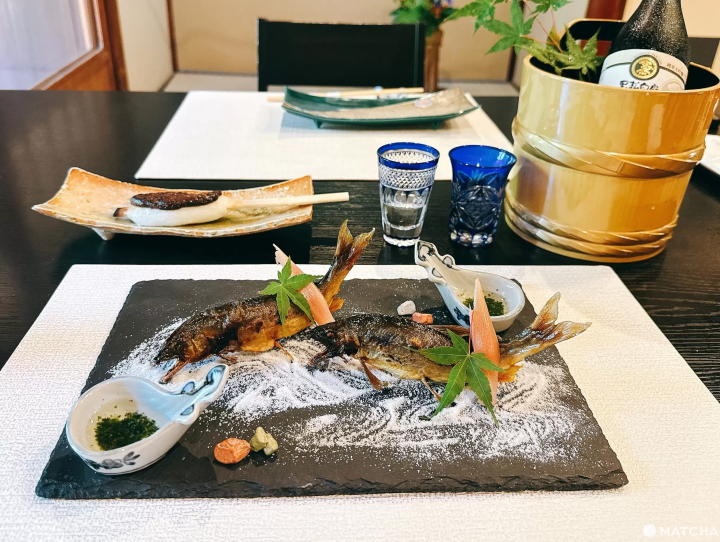
Salt-Grilled Wild Ayu (caught at Gujo City): 2,500 yen after tax
If you visit the restaurant, do try their specialty, salt-grilled wild ayu.
The skin of the slow-roasted fish is fragrant and has a crispy texture. The meat is soft and delicate, with a unique umami of a fish caught in the Nagara River.
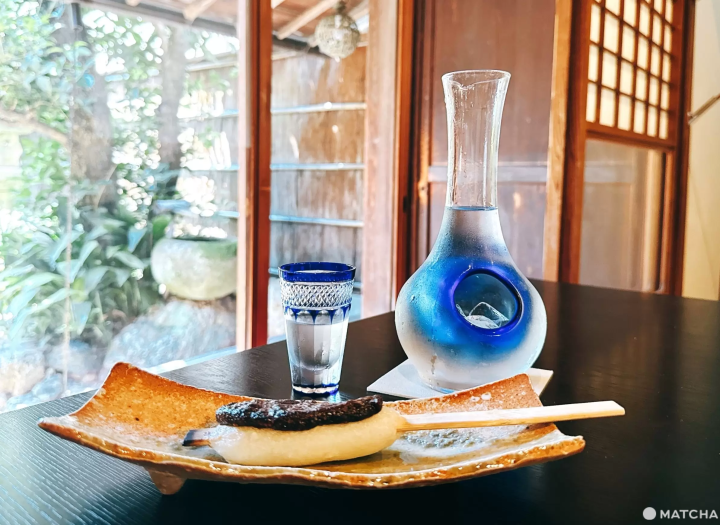
Ayu Uruka Miso-goheimochi: 500 yen after tax/Michi-sakari (Junmai Daiginjo, brewed in Tajimi City): 1,000 yen after tax
Ayu Uruka Miso-goheimochi is another popular dish, consisting of slightly browned mochi (rice cake), grilled ayu, uruka (salted innards), and a special miso mixed with fragrant walnuts and wild sesame. Guests will surely be hooked after the first bite.
Its flavor is elevated even further when paired with a locally brewed sake, recommended by the restaurant. Tsukimachi Chaya
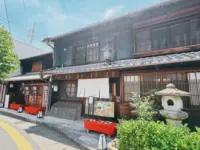 292 Higashizaimokucho, Gifu City, Gifu Prefecture 500-8029
"Gifu Castle Town Tsukimachi Chaya" is a Japanese restaurant in Higashizaimokucho, Gifu City, Gifu Prefecture, housed in a building registered as a National Tangible Cultural Property. Situated at the foot of Mt. Kinka and Gifu Castle, both associated with Oda Nobunaga, the restaurant offers an extraordinary space with a Taisho-era romantic atmosphere, where you can enjoy authentic Japanese dishes such as Nagara River ayu, eel, and Hida beef, as well as traditional sweets.
292 Higashizaimokucho, Gifu City, Gifu Prefecture 500-8029
"Gifu Castle Town Tsukimachi Chaya" is a Japanese restaurant in Higashizaimokucho, Gifu City, Gifu Prefecture, housed in a building registered as a National Tangible Cultural Property. Situated at the foot of Mt. Kinka and Gifu Castle, both associated with Oda Nobunaga, the restaurant offers an extraordinary space with a Taisho-era romantic atmosphere, where you can enjoy authentic Japanese dishes such as Nagara River ayu, eel, and Hida beef, as well as traditional sweets.
Hirai: Ayu Kaiseki Cuisine at an Established Traditional Restaurant
Picture courtesy of Hirai
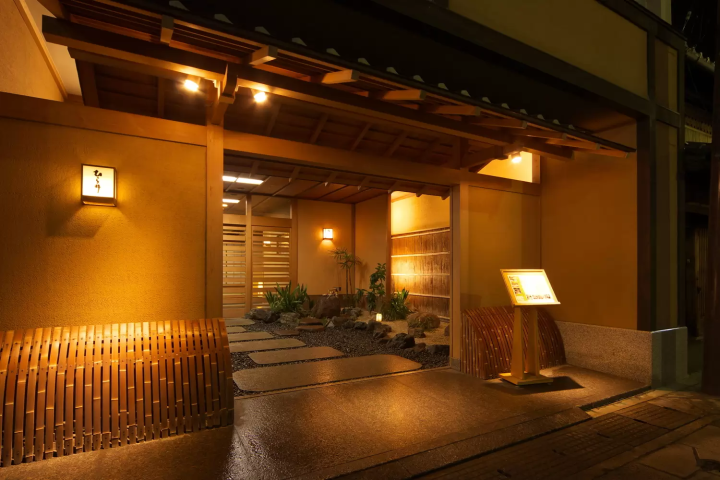
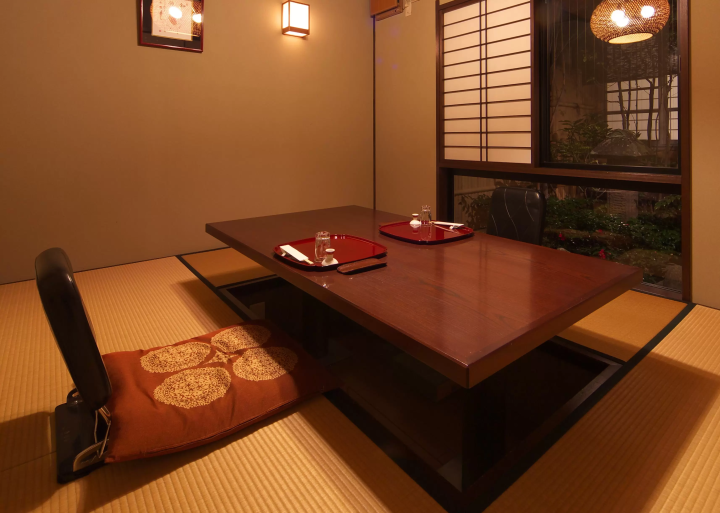
Those who prefer a more elegant style of dining should visit Hirai, a traditional Japanese restaurant founded in 1873. Guests can leisurely enjoy mini-kaiseki-style ayu cuisines, served in private dining rooms.
Hirai is a well-known restaurant boasting a history of more than 150 years and has been listed in Gault&Millau, an international French gastronomy guide. It is one of the prominent Japanese restaurants in this area.
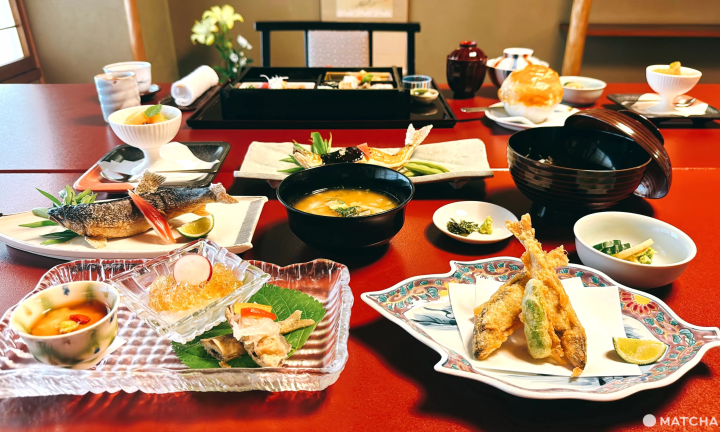
Ayu Mini Kaiseki Course (Served from June to October): 6,380 yen after tax (Please note that a seating fee will be charged separately.)
All their dishes, including the crispy ayu tempura and zosui (rice porridge), packed with the umami of ayu, are carefully crafted by the staff.
Guests will be able to savor the nuanced flavors of ayu cooked in various types of methods, beyond just salt-grilling.
Picture courtesy of Hirai
The restaurant's attention to detail, including the appetizing dishes, interior design, hospitality, and the timing to serve meals, is thorough. It is the product of a long and distinguished history of over 150 years.
Their official site offers information in English, traditional Chinese, simplified Chinese, and Korean. Visitors from abroad should have no problem making a reservation. Japanese restaurant Hirai
 25 Komeyacho, Gifu City, Gifu Prefecture 500-8046
This is a long-established Japanese restaurant with a history of over 150 years, founded in 1873. Highly rated by France's world-renowned gourmet guide Gault & Millau, you can enjoy delicious Mino cuisine in a location surrounded by rich nature and history overlooking the Nagara River, Mt. Kinka, and Gifu Castle.
25 Komeyacho, Gifu City, Gifu Prefecture 500-8046
This is a long-established Japanese restaurant with a history of over 150 years, founded in 1873. Highly rated by France's world-renowned gourmet guide Gault & Millau, you can enjoy delicious Mino cuisine in a location surrounded by rich nature and history overlooking the Nagara River, Mt. Kinka, and Gifu Castle.
Nagaragawa Night Market: Immerse Yourself in the Local Everyday Life
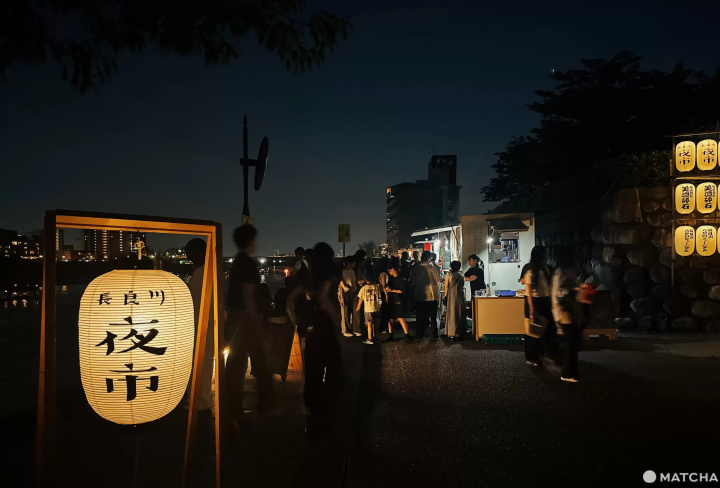
Besides ukai and ayu cuisine, Nagaragawa Night Market is another way to spend the summer night. It is held every Saturday during the ukai season, from mid-May to mid-October, alongside the Nagara River.
The venue will be filled with local food stalls, drawing a large number of tourists and locals.
Night Market 2026 Information
From May 11th to October 15th, the market opens every Saturday at 17:00 and closes at 21:00. For the latest information, check their official Instagram.
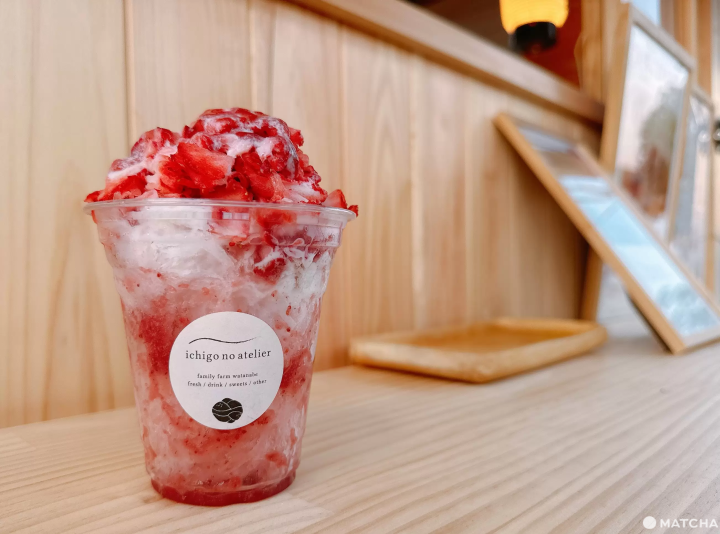
Strawberry Shaved Ice (Ichigo no atelier): 950 yen after tax
The market offers a wide variety of food, including salt-grilled ayu, yakitori (chicken skewers), and sweet desserts. This is a venue where the vendors welcome the visitors warmly in a friendly, easygoing atmosphere.
Enjoy the cool summer breeze and take a riverside walk. Taste the cold beer, shaved ice made by the local fruits farmers, or the fragrant kushiyaki (grilled skewers). It should make the summer night a modest yet indulgent experience.
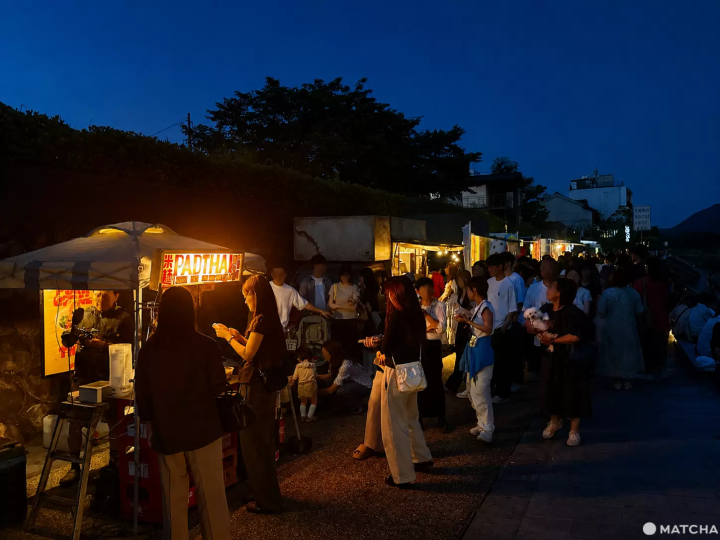
As the market takes place near the boarding area of the tour boat, the venue is an ideal spot to enjoy the lively atmosphere before ukai or to take a riverside walk afterwards.
Gaze up at the night sky and wander from stall to stall in the river breeze for a summer night along the Nagara River that's all the more memorable.
A Peaceful Summer Night at the Nagara River
The Nagara River offers ukai, a tradition with 1,300 years of history, ayu cuisine, and a bustling night market with history, culture, and culinary charms woven into everyday life. Visitors can enjoy the fire baskets illuminating the river, delicious seasonal ayu cuisine, and stroll along the riverside for a summer night found only in Gifu.
The Nagara River's allure lies not only in ukai, but also in the living culture and daily lives of the locals that continue to thrive along its banks.
FAQs
When is ukai held on the Nagara River?
Ukai is held every night annually from May 11th to October 15th. (Please note that fishing will not take place on the day of the harvest moon or when there is an increase in river water levels.) As a shared fishing boat has a roof, ukai is typically held even on rainy days.
However, it may also be canceled when the Nagara River is swollen, which makes the boat difficult to operate safely. If you want to ensure you see it, be sure to check the schedule in advance.
Is a reservation required for ukai?
It would be best to make a reservation in advance to enjoy ukai on a shared boat. As it tends to be crowded on the weekends and during the tourist season, an early reservation is the wise choice.
The official site offers information in English, Chinese (simplified), and Korean, so it is easy for those who don't understand Japanese to make reservations easily.
Please note that the prices listed in this article are as of June 2026. Products, service offerings, and prices are subject to change. For the latest information, make sure to check the respective official sites.
Written by Kenko
Sponsored by Gifu Convention and Visitors Bureau
MATCHA's promotional account for corporate and local government advertising. We aim to provide useful information to our readers in an enjoyable manner.
Special Features
More