National Museum of Japanese History: A Journey Through Time
Visit the National Museum of Japanese History near Tokyo to experience Japan's culture and history through immersive exhibits. Day-trip itinerary tips included!
Written by
Tokyo
English editor at MATCHA, Hinton has been living in Japan since 2018, having previously spent a year here as a high school exchange student. She enjoys traveling around Japan, exploring local history and culture, and tasting craft beers from different prefectures along the way.
This service includes sponsored advertisements.
Explore Japan’s History on a Day Trip From Tokyo
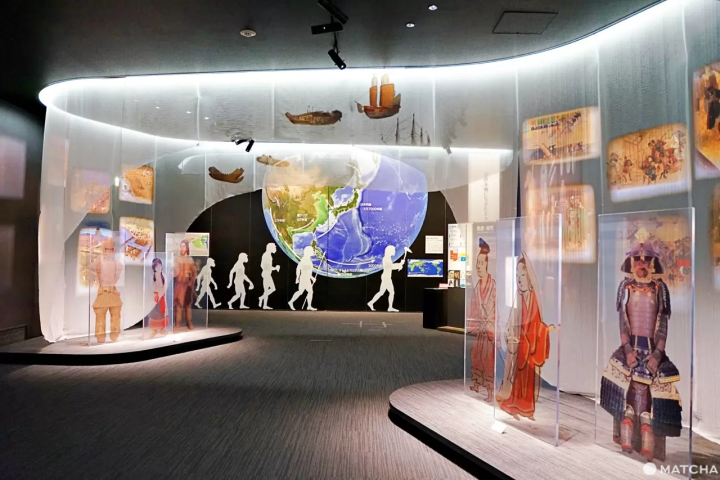
The National Museum of Japanese History is a museum that researches and exhibits Japanese history and folk culture from prehistory to the present. Its exhibitions pair authentic artifacts with precise replicas and reconstructed models based on research, making them accessible and appealing to visitors of all ages.
What makes this museum unique is that it explores the nation’s past through a compelling human perspective. By focusing on people's everyday lives, the exhibits offer a deeper look into Japanese culture and how Japan evolved into what it is today.
The museum is located in Sakura City, about one hour by direct train from Tokyo Station and just 40 minutes from Narita Airport. Its convenient location makes it an excellent day trip from Tokyo.
In this article, we take a closer look at the museum’s exhibitions to show what makes it such a captivating destination. For anyone seeking a deeper understanding of Japanese culture and how it has transformed over time, a visit to the National Museum of Japanese History is a must!
-
Table of Contents
- The National Museum of Japanese History at a Glance: Exhibits and Facilities
- Exploring Prehistoric and Ancient Japan in Gallery 1
- From Samurai Era to Vibrant Cities: Medieval and Early Modern Japan
- Folk Culture and Contemporary Everyday Life in Gallery 4
- Modern History, Identity, and Inclusion in Gallery 5
- War, Recovery, and Godzilla: Exploring Post-War Japan in Gallery 6
- Special Exhibitions: A Deeper Look at History
- Restaurant Sakura: A Taste of History
- Museum Shop: Take the Memories Home!
- Botanical Garden: Plants That Have an Impact
- Other Facilities: More than Just a Museum
- How to Incorporate the National Museum of Japanese History into Your Trip
The National Museum of Japanese History at a Glance: Exhibits and Facilities
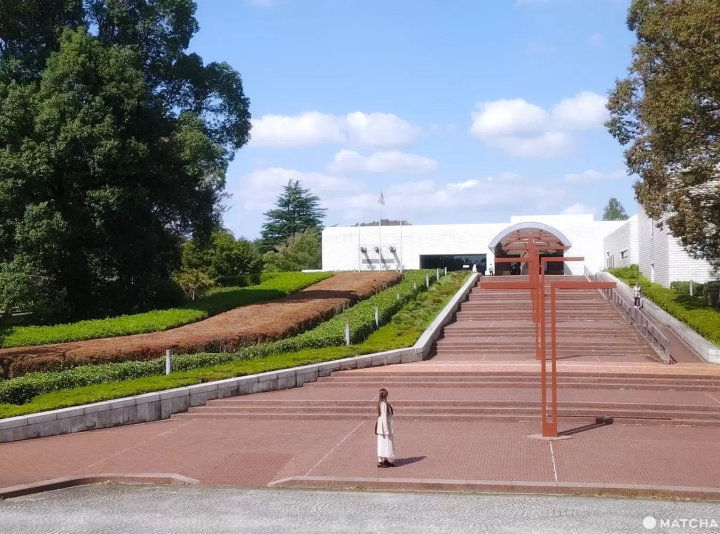
The National Museum of Japanese History opened in 1983 on the grounds of the former Sakura Castle. Since then, it has been a comprehensive institution covering everyday human life in Japan.
Today, as one of Japan's premier cultural facilities, the museum features six permanent comprehensive exhibitions showcasing a wide variety of artifacts and dioramas from prehistory and ancient times up to the modern era.
It also houses two special exhibition rooms and a Botanical Garden featuring plants of historical significance. The museum is wheelchair-accessible. (*Wheelchairs, strollers, and Rollators can be rented at the information desk.)
We recommend allowing three to four hours to explore the museum, including a lunch break. With so much to discover, the museum is best enjoyed as the main attraction of your day trip rather than a quick stop.
Comfortable rest areas between some galleries make it easy to explore at your own pace, while the on-site restaurant and museum shop offer opportunities to relax and browse souvenirs.
National Museum of Japanese History: Visitor Information
Location: 117 Jonaicho, Sakura City, Chiba (Google Maps)
Hours:
- March to September 9:30-17:00 *Entry until 16:30
- October to February 9:30-16:30 *Entry until 16:00
*Closed on Mondays (or the following weekday if Monday is a national holiday), New Year's holiday (Dec. 27 - Jan. 4), and other days in the year. Check the official website for details.
Admission: 900 yen for adults, 500 yen for university students, free for high school students and under / individuals under age 18 (*Special exhibitions have different fees).
Website: https://www.rekihaku.ac.jp/
Exploring Prehistoric and Ancient Japan in Gallery 1
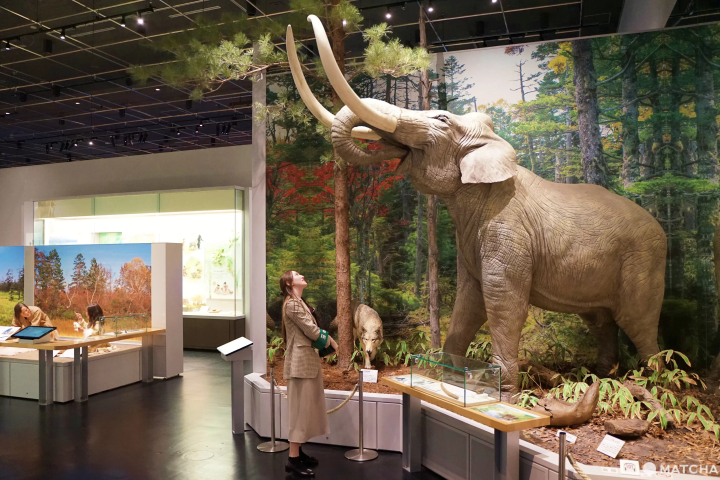
As the National Museum of Japanese History arranges its galleries by time period, the first gallery shows Prehistoric and Ancient Japan.
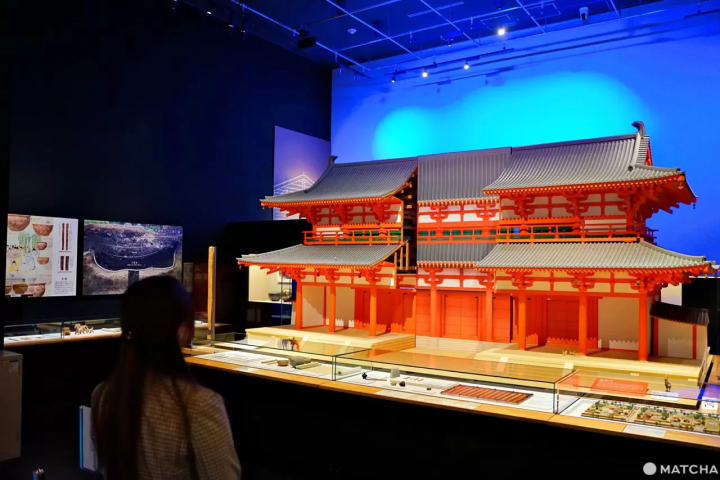
Many displays are recreations of rituals, buildings, or important sites, which really made us feel as if we had stepped back in time.
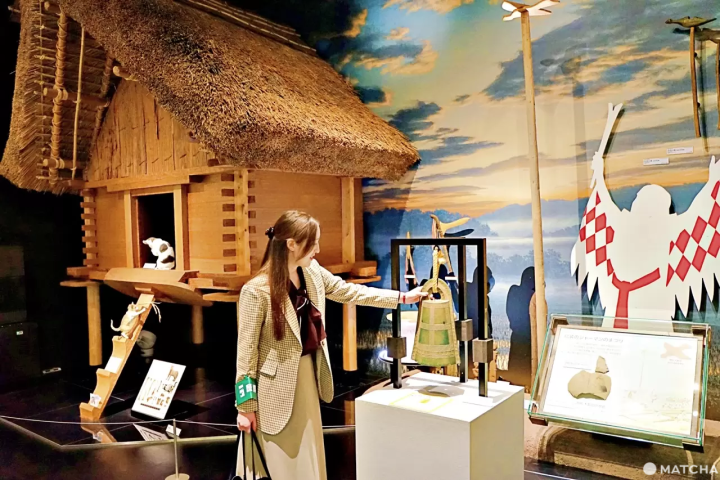
Even in the prehistory-related exhibits, you can see architecture, clothing, or artifacts that resemble those used in modern-day Japan, which made me feel an appreciation for Japanese history preservation.
In Gallery 1, I really enjoyed seeing the Jomon Dog, which is a Japanese prehistoric dog and the direct ancestor of the modern-day Shiba Inu. The Jomon Dog looks similar to the Shiba Inu and is just as cute!
From Samurai Era to Vibrant Cities: Medieval and Early Modern Japan
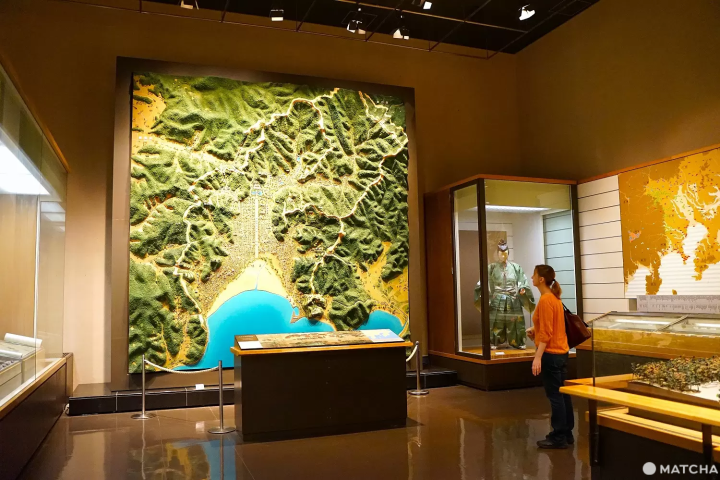
The map on the wall shows Kamakura in the early 13th century, when it became the base of the shogunate (military government) and the de facto capital of Japan.
Gallery 2: Medieval Japan and Gallery 3: Early Modern Japan showcase the classic heritage most people imagine when thinking of historical Japan.
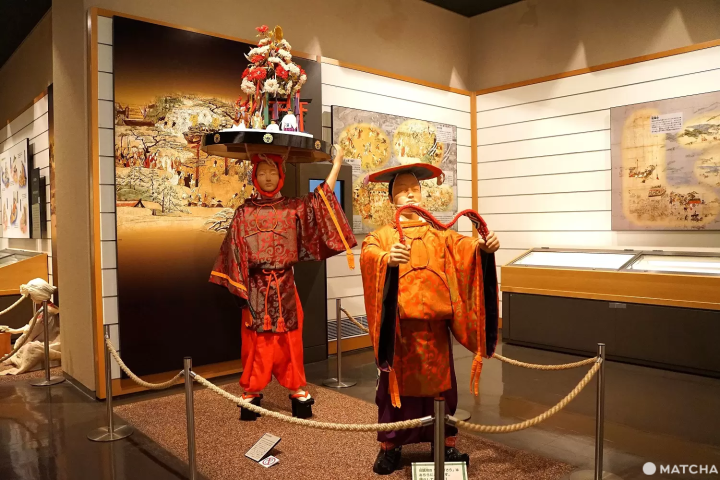
In Gallery 2, you’ll discover early kimonos, samurai armor, classical art, and the origins of tea culture. You'll also get a glimpse into daily life, exploring occupations, festivals, and entertainment.
If you're fascinated by samurai, kimonos, tea culture, or traditional performing arts, these galleries are an absolute must-see!
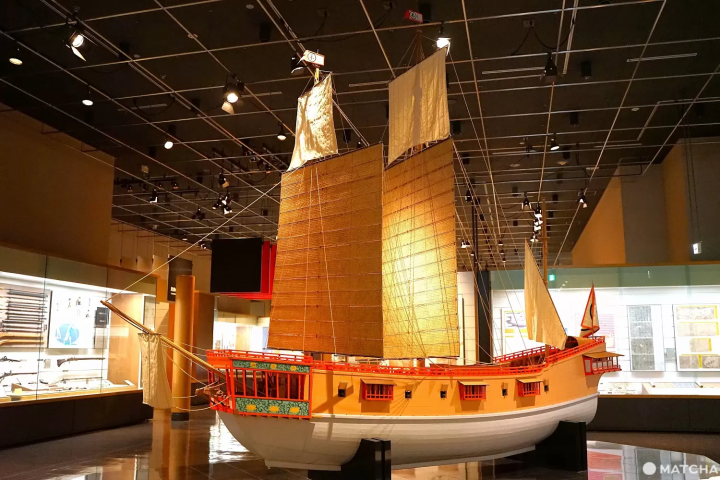
Gallery 2 is also the period when trade begins to take place with European nations. This is expanded in Gallery 3, where you can see not just objects that were imported, but also objects that were exported.
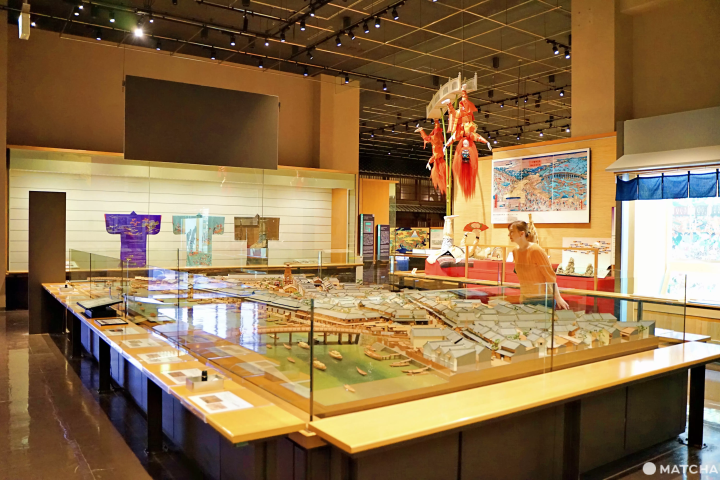
It is interesting to see how life becomes more advanced in Gallery 3. Technology develops, kimonos begin to have patterns and intricate designs, and the number of houses in the miniature city displays increases.
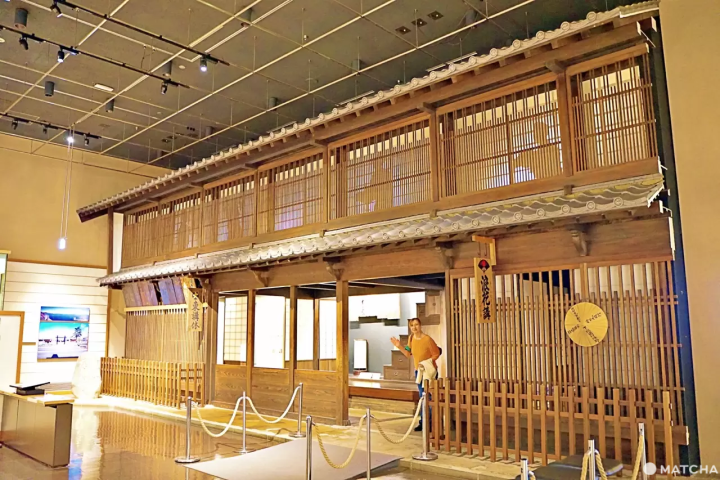
You can also enter a historical travelers' lodge that has been recreated inside the gallery!
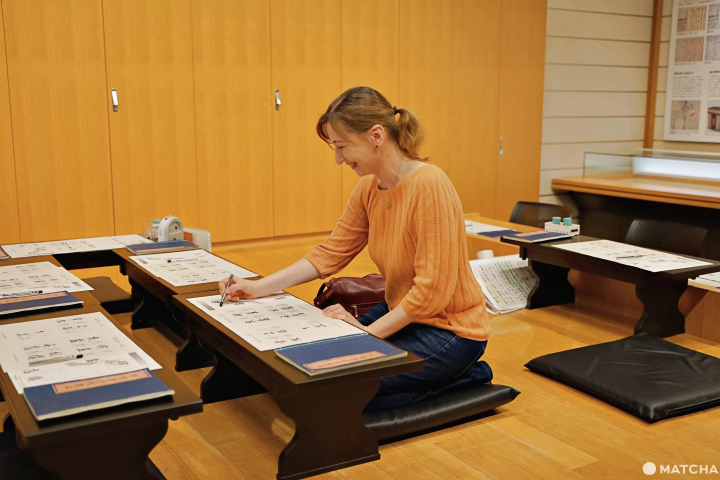
In Gallery 3, you can even try writing your name using historical characters at the Terakoya hands-on corner.
Terakoya were early private schools—originally set up near temples—where children of commoners learned reading, writing, and arithmetic.
A guide will help you find which characters would have been used in your name, and you can try writing it while sitting at a floor desk—similar to how people of the past used to sit while writing.
Folk Culture and Contemporary Everyday Life in Gallery 4
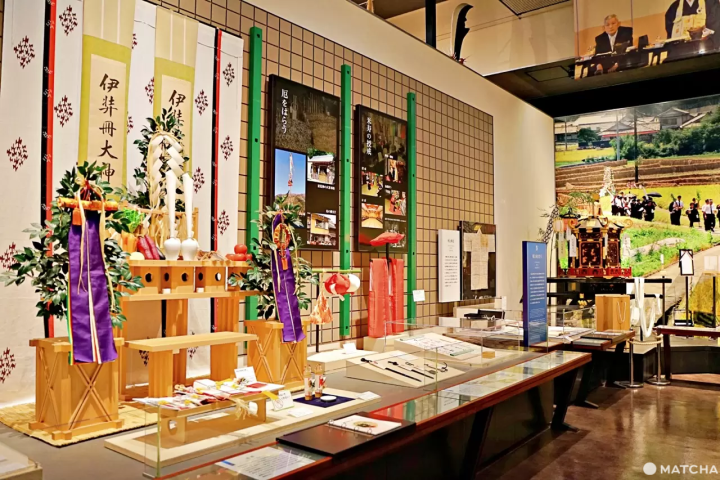
In Gallery 4: Folk Culture, you can see many displays exploring folk culture in cotemporary Japan. This is my recommendation for those who are interested in everyday life in contemporary Japan, Ainu culture, and distinctive regional cultures.
I was impressed by the level of "everyday Japan" that was shown in this gallery. There were displays of skincare products, cleaning products, and an open refrigerator showing the food products and drinks that one would find if they were to open the refrigerator of any person living in Japan.
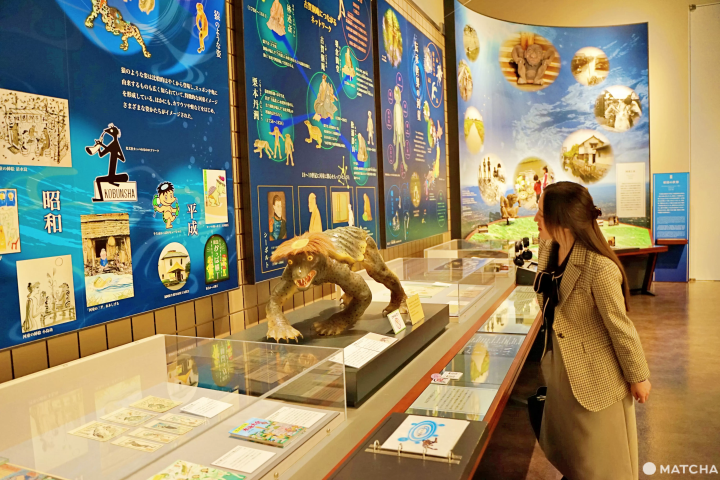
A dedicated display in Gallery 4 is themed around yokai, Japan's supernatural creatures, with details about their history and characteristics.
I had always thought that the popular yokai "kappa" (shown in the photo above) was cute, but seeing the display on kappa made me realize that this yokai wasn't always as cute and friendly as they often seem today.
Also, there is a display about Matsuri (festivals and religious celebrations), where you can learn specifically about the Abare Festival held in Noto, Ishikawa Prefecture. This festival is sometimes called the “Rampage Festival” or “Fire and Violence Festival,” and celebrates the eradication of a contagious disease from the area.
Modern History, Identity, and Inclusion in Gallery 5
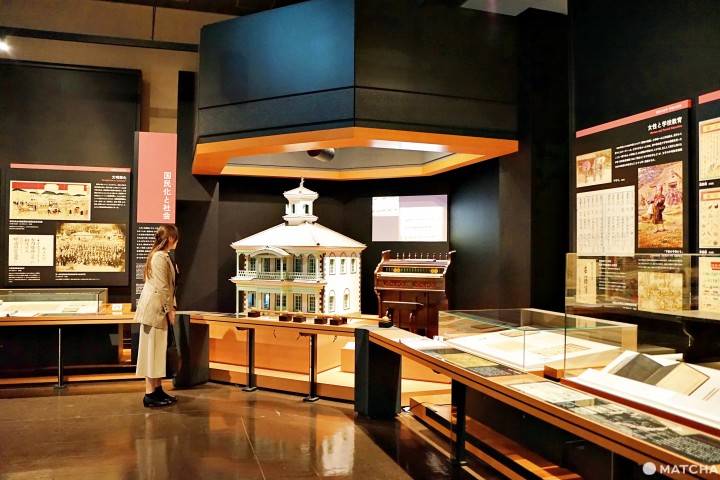
Gallery 5: Modern History explores a time when Japanese people began to see themselves as a unified nation. There are many exhibitions on identity, as well as discrimination and gender.
There are specific sections about the modern age from the perspective of the Ainu, Ryukyu and Okinawa, and marginalized groups. This subject matter in this gallery is broad and thoughtfully displayed, and it is a must-visit for those interested in these topics.
War, Recovery, and Godzilla: Exploring Post-War Japan in Gallery 6
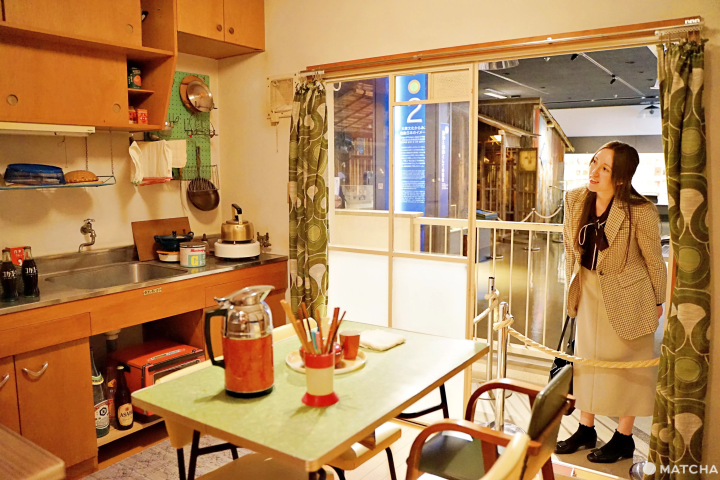
Gallery 6: Contemporary History explores the second half of the 1900s, including World War II, and the following recovery period. The war displays show the lives of soldiers, such as sleeping quarters and meals that were eaten, while portraying the aftermath of the war.
The recovery period shows how people lived after World War II. I was particularly interested in the recreation of an apartment during this period. This was the first time young families began living separately from their parents after marriage, and this apartment shows what a typical home for them looked like.
There is also a corner on Japanese entertainment of this time, and the displays here are very impressive! There is a recreation of the behind-the-scenes areas of a TV studio with lots of old screens and keyboards, a Godzilla statue, and even the real set piece of the main character's room in the Japanese movie "Floating Clouds"!
Those who are interested in World War II, or Japan's Showa Era (1926 - 1989) should definitely pay this gallery a visit!
Special Exhibitions: A Deeper Look at History
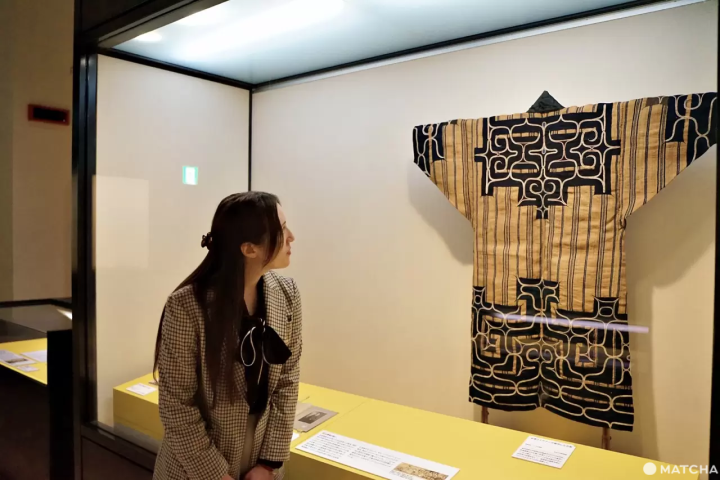
The National Museum of Japanese History hosts two major special exhibitions each year, in spring and autumn.
These temporary displays take a deep dive into targeted historical themes using a wide array of rare artifacts—including unique pieces on temporary loan from museums and institutions across Japan.
During our visit, "The Ainu and the Expositions, 150 years of experience" was on display, showing the history traced by the Ainu people and expositions through the modern and contemporary eras.
The intricate clothing style and art of the Ainu were truly breathtaking, and it was clear that they took a lot of pride in the items they produced. There were also many old photographs of Ainu people, and written documents telling their stories.
The exhibit offered an invaluable opportunity to learn about Ainu heritage and the Ainu people's relationship with expositions without leaving the Tokyo region.
Restaurant Sakura: A Taste of History
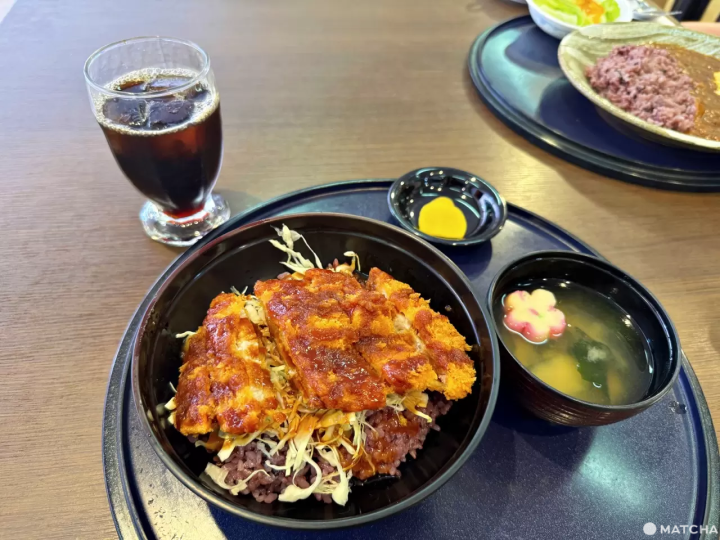
Conveniently located inside the museum on the mezzanine level, the restaurant Sakura offers delicious, reasonably priced meals in a bright, spacious setting.
Large windows fill the dining area with natural light and overlook distant greenery, ensuring plenty of seating and a serene atmosphere without long wait times.
A highlight of the menu is their historic "black rice" blend. Packed with nutrients and featuring a distinct, slightly smoky flavor, this ancient grain is seldom used in modern cooking—making it a special culinary treat during your visit!
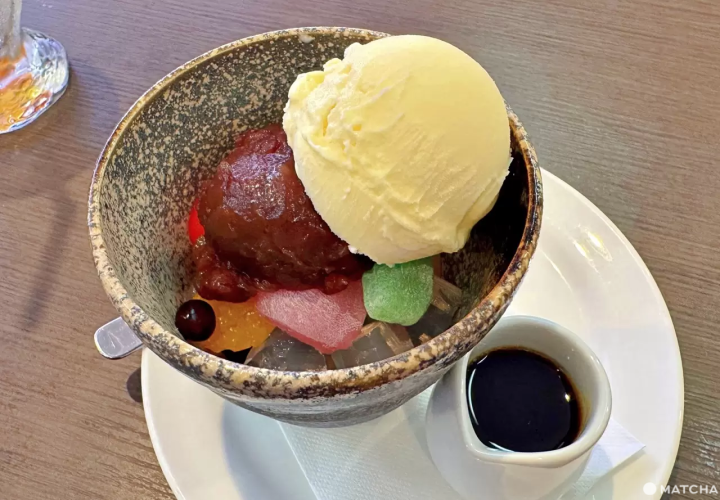
There are also sweets on the menu! These are great for those who don't want a whole meal, but would like to take a break. There are traditional Japanese sweets, as well as a lineup of ice cream!
Museum Shop: Take the Memories Home!
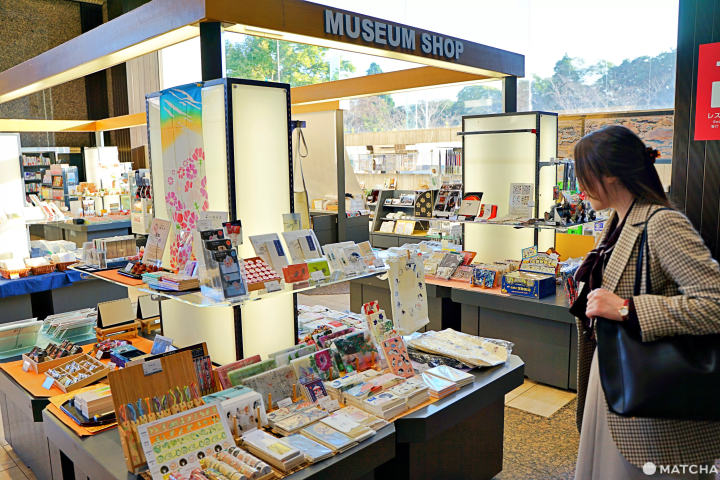
The Museum Shop, right next to the restaurant Sakura, offers a wide array of historical figurines, apparel, stationery, books, regional snacks from Chiba Prefecture, and more.
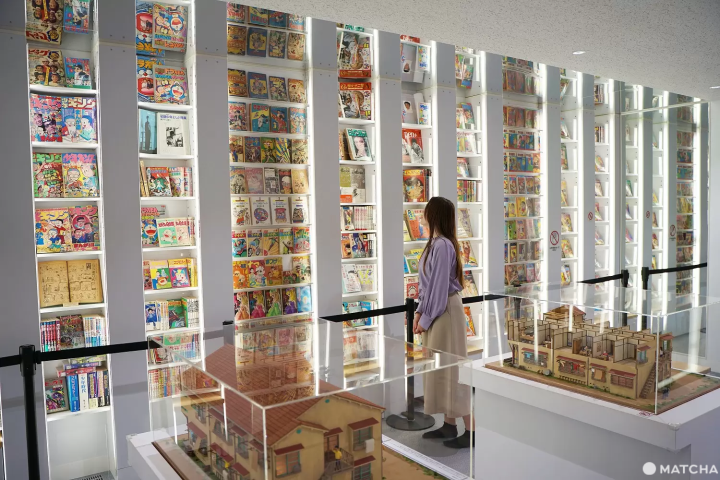
Many souvenirs directly complement the current exhibits, including Ainu goods and T-shirts featuring botanical designs from the garden.
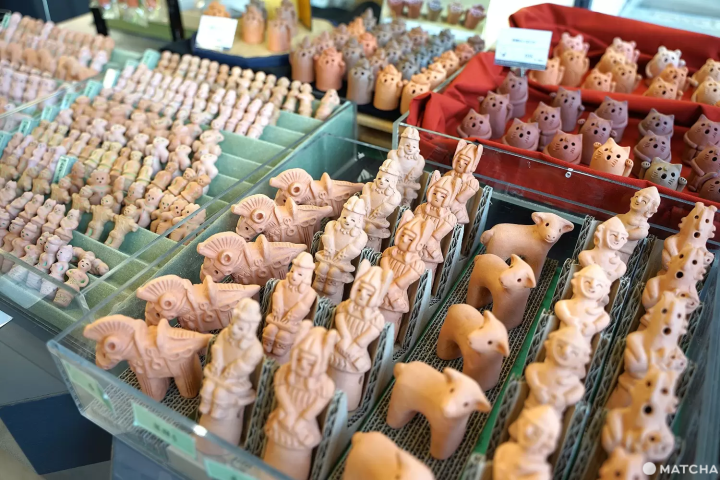
Some of the museum's most popular souvenirs are Haniwa—ancient clay figures. Chiba Prefecture has several archaeological sites where these historic figures have been discovered.
With items spanning virtually every era of Japanese history, visitors are sure to find a meaningful keepsake regardless of their favorite time period.
Botanical Garden: Plants That Have an Impact
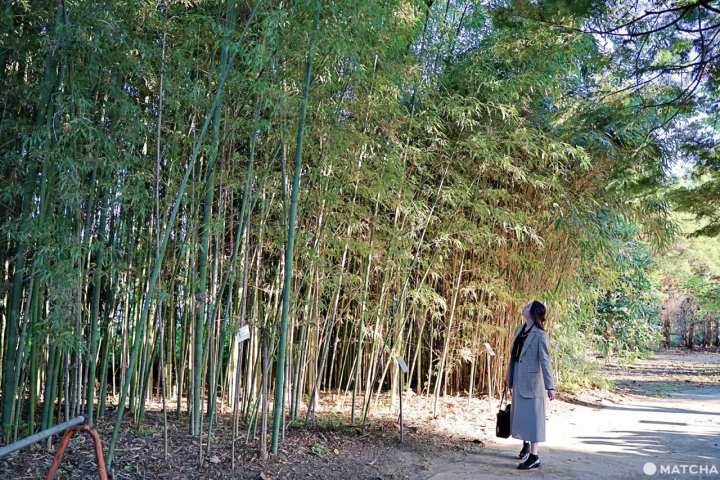
About a 10-minute walk from the museum building is the botanical garden. Its primary focus is showcasing plants that have impacted daily life in Japan throughout history, including those used for medicine, dyes, textiles, paper, food, tools, and fuel.
For visitors interested in seasonal flowers, special exhibitions feature cultivated varieties of Japanese flowers, which offer vibrant displays during peak blooming seasons.
Other Facilities: More than Just a Museum
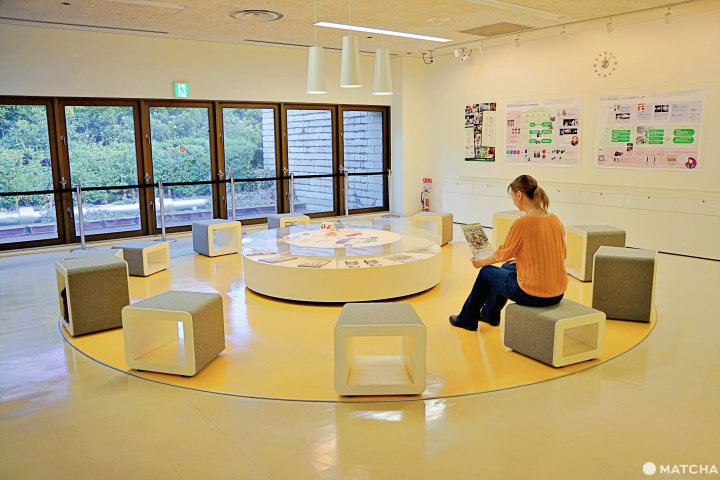
The National Museum of Japanese History serves as both an exhibition space and a comprehensive research institution. Beyond the main galleries, the complex features a library, lecture hall, media room where videos can be viewed, and an interactive space designed for hands-on learning.
Visitors can also take advantage of practical amenities throughout the facility, including comfortable seating areas, drink vending machines, and coin-operated lockers for secure luggage storage.
How to Incorporate the National Museum of Japanese History into Your Trip
The National Museum of Japanese History is accessible via two main train stations:
- Keisei Sakura Station: A 15- to 20-minute walk to the museum, or a quick bus/taxi ride.
- JR Sakura Station: Roughly a 30-minute walk, though local buses and taxis offer a faster, more convenient alternative.
Suggested Itinerary
Making the museum the focal point of a day trip from Tokyo is the best way to experience it. Fully exploring the exhibits takes about 3 to 4 hours, plus an extra hour for the botanical garden.
Fully exploring the museum takes about 3 to 4 hours, plus an extra hour for the botanical garden. A practical itinerary is to arrive around 10:00 or 11:00 AM, explore Galleries 1 through 3, grab lunch at the on-site restaurant, and finish with Galleries 4 through 6, the Special Exhibitions, and the garden.
The museum offers an engaging, insightful journey through every era of Japanese history, making it well worth a dedicated visit.
Nearby Attractions and Seasonal Highlights
Before heading back, consider exploring more of Sakura City:
- Local Dining: Relax at a café or restaurant near the train station.
- Cultural Sights: Visit the Sakura City Museum of Art and the Bukeyashiki (historic Samurai Residences, including the Former Kawahara House).
- Spring Cherry Blossoms: If you visit in early April, don't miss the spectacular cherry blossoms at Sakura Castle Park right next to the museum—one of the city's premier spring spots.
Airport Stopover and Luggage Tip
Because Sakura is only a few stops from Narita Airport, the museum is an easy stop on your departure day if you check out in the morning and have an evening flight.
If you plan to do this, we strongly recommend using a luggage delivery service to send your large suitcases directly from your hotel to the airport.
Experience Japan’s History and Culture in Chiba
The National Museum of Japanese History offers a fascinating journey through Japan's prehistoric and ancient eras, bringing centuries of everyday life to life through immersive exhibits and historical artifacts.
Be sure to include this remarkable museum in your itinerary for a deeper understanding of Japan's rich history and culture!
Read also
In cooperation with the National Museum of Japanese History
English editor at MATCHA, Hinton has been living in Japan since 2018, having previously spent a year here as a high school exchange student. She enjoys traveling around Japan, exploring local history and culture, and tasting craft beers from different prefectures along the way.




Special Features
More