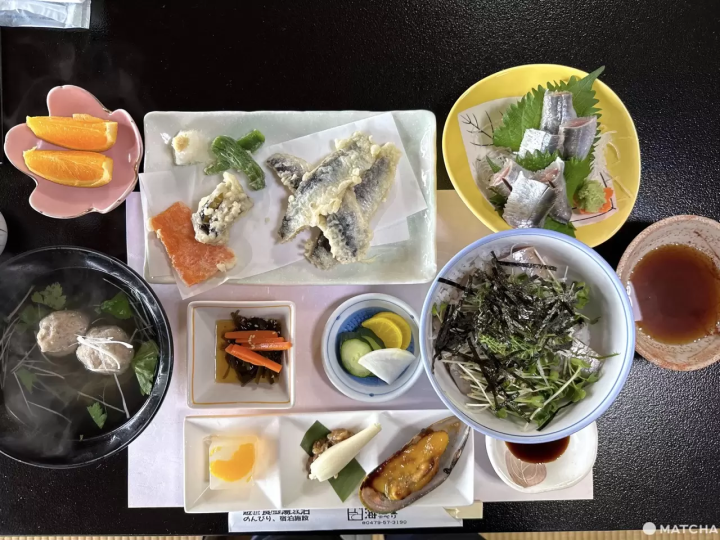
Naritasan Omotesando: Historic Street Near Narita Airport
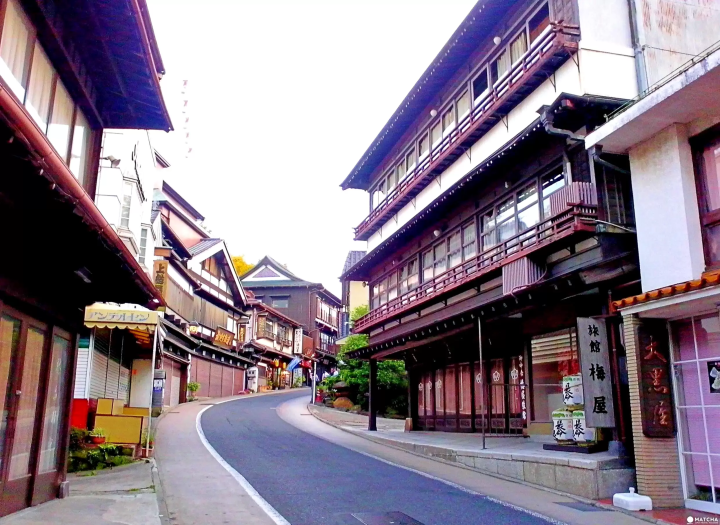
Explore Naritasan Omotesando, a historic Edo-period street near Narita Airport, with traditional shops, local food, temple sights, and easy access.

Written by
北海道
My interest is in developing off-the-beaten-path attractions and discovering small shops that tourists may not know about. My expertise lies in tourist interpretation and travel Japanese. If you'd like to visit Hokkaido and have any questions, please contact me at z2359351@gmail.com.
more
This service includes sponsored advertisements.
Explore Naritasan Omotesando Near Narita Airport
When you think of Narita in Chiba Prefecture, Narita International Airport probably comes to mind first. But just a short distance from the airport is Narita-san Omotesando, a charming street with a history dating back to the Edo period (1603–1867).
What makes Narita-san Omotesando worth visiting, and what can you see along the way? Join our history-loving MATCHA editor on a walk through the area to learn about its past, recommended walking route, and how to get there.
-
Table of Contents
- History of Narita-san Omotesando
- Hanasaki-cho: Starting Your Walk
- Kami-cho: Local Souvenirs
- Naka-machi and Saiwai-cho: Step Back to the Edo Period
- Narita-san Shinshoji Temple: The Main Plaza
- Narita-san Omotesando at Night
- Narita-san Omotesando at Night
History of Narita-san Omotesando
The Narita-san Omotesando area was originally a rural farming village. During the Edo period (1603 - 1867), it became an essential route for pilgrims visiting Narita-san Shinshoji Temple, leading to rapid development and the townscape seen today. The front section of the street features a blend of traditional Japanese and Western architecture, while the deeper section feels like stepping back in time to the Edo period.
How to Get to Narita-san Omotesando
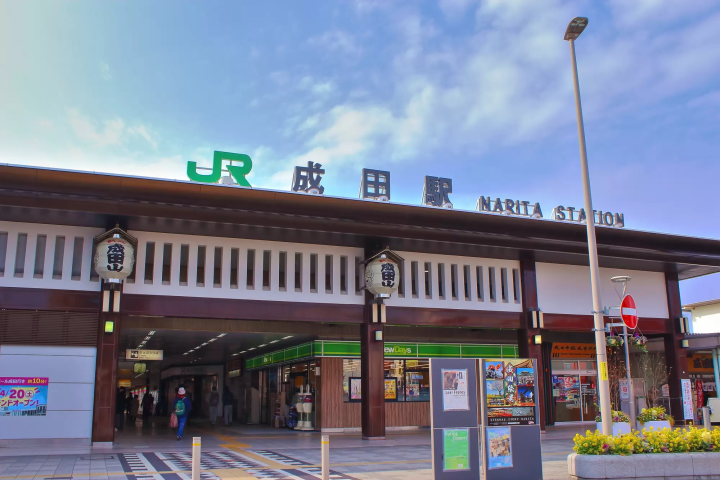
Take the JR train line from Tokyo or Narita Airport to JR Narita Station, or take the Keisei Electric Railway to Keisei-Narita Station. About 50 meters outside the station, you will see a pillar marked "Omotesando." Turn into the side street next to it to reach the entrance of Narita-san Omotesando.
Hanasaki-cho: Starting Your Walk
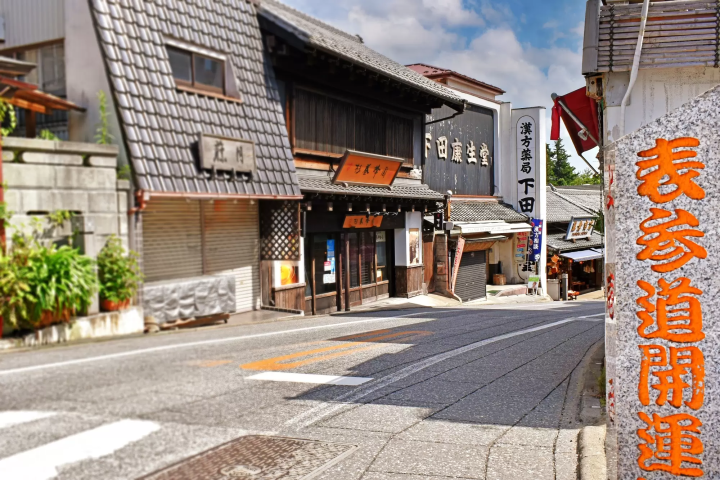
Hanasaki-cho blends traditional Japanese culture with international influences. Featuring classic Japanese shops alongside international restaurants, it perfectly reflects the area's role as Japan's main gateway.
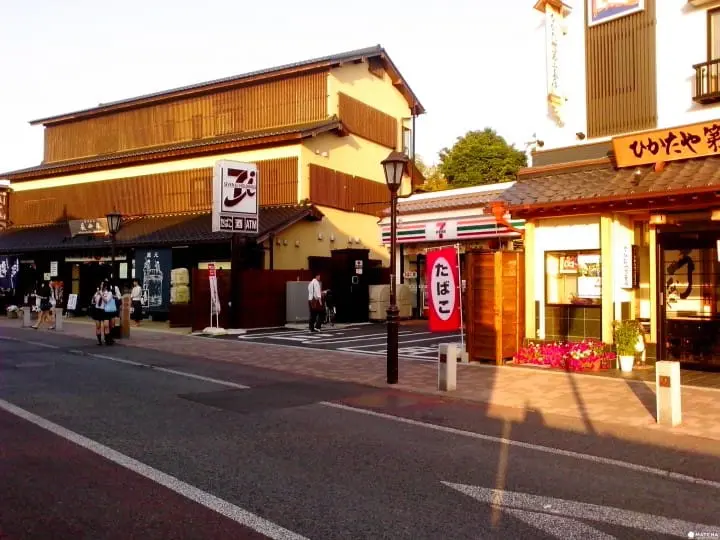
Because this is a historic district, convenience store signs use muted colors to blend in with the local traditional aesthetic.
Kami-cho: Local Souvenirs
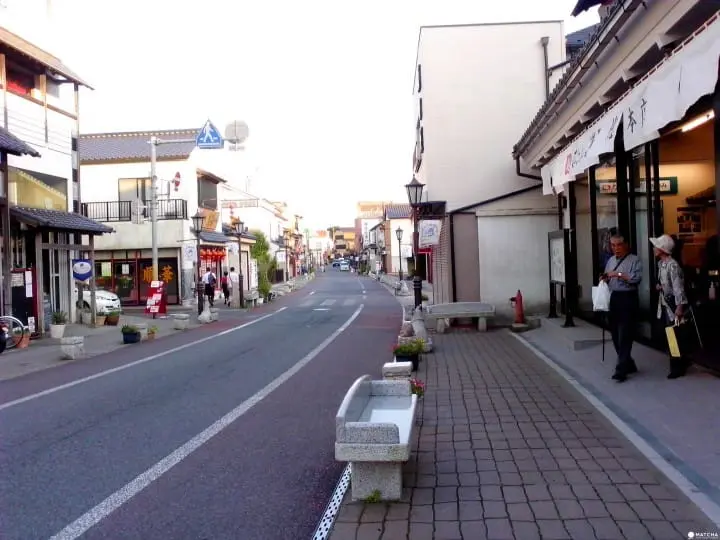
After walking for about five minutes, you will enter Kami-cho. Looking closely at the stone pillars along the street, you can spot stone carvings of the twelve Chinese zodiac animals, which represent prayers for the good health of pilgrims.
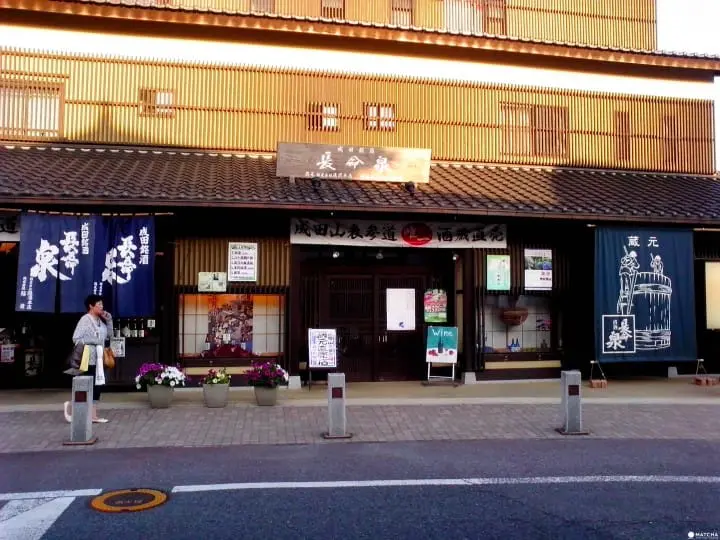
Chomeisen, a sake brewed locally in Narita, is made using well water known as longevity water. It is one of the top must-buy souvenirs in the area.
Naka-machi and Saiwai-cho: Step Back to the Edo Period
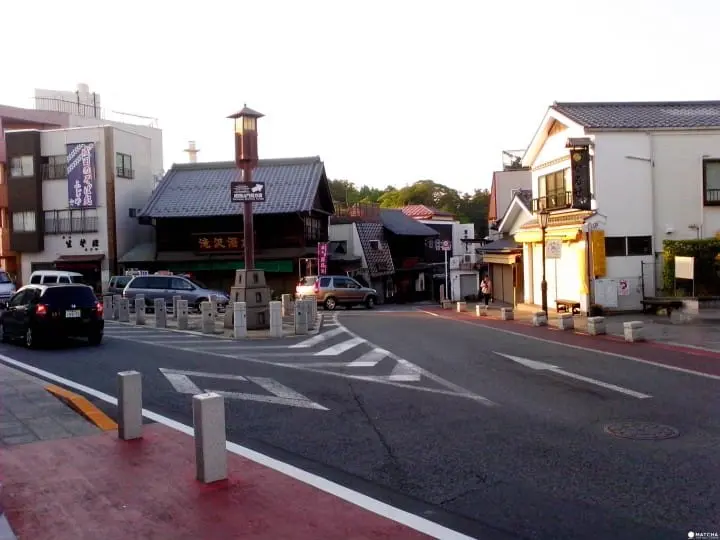
Before entering Naka-machi and Saiwai-cho, you will reach a fork in the road. Be sure to stay to the right. As you enter this area, the architectural style transforms completely, making you feel as though you have traveled back in time to Japan a century ago.
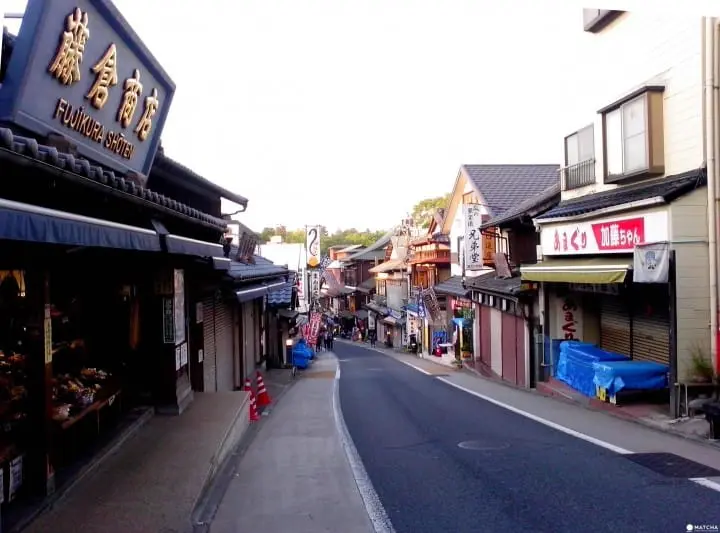
The winding streets are lined with well-preserved traditional wooden Japanese buildings. The road starts sloping downward here, so navigating with heavy luggage or strollers can be challenging.
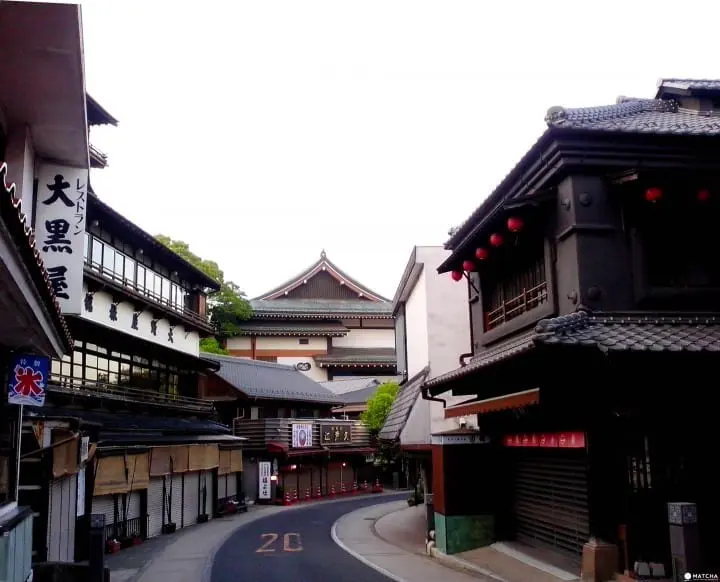
On the left side of the photo, Onoya Ryokan was built in the 10th year of the Showa era (1926 - 1989), which corresponds to 1935. It is registered as a National Registered Tangible Cultural Property.
Narita-san Shinshoji Temple: The Main Plaza
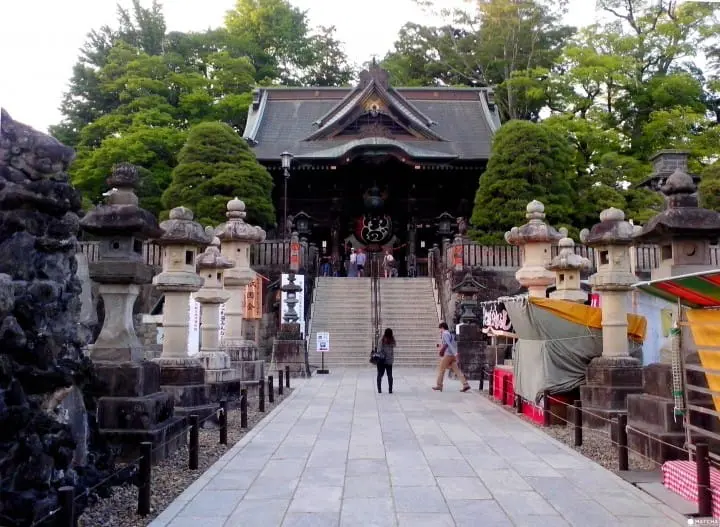
At the end of the street, you will see the main entrance gate of Shinshoji Temple, marking the final plaza of Omotesando. Shinshoji Temple has over 1,000 years of history and culture, and it is famous for granting good fortune and business success, drawing around 12 million visitors each year. It is also a fantastic spot to enjoy autumn foliage without the massive crowds.
Narita-san Omotesando at Night
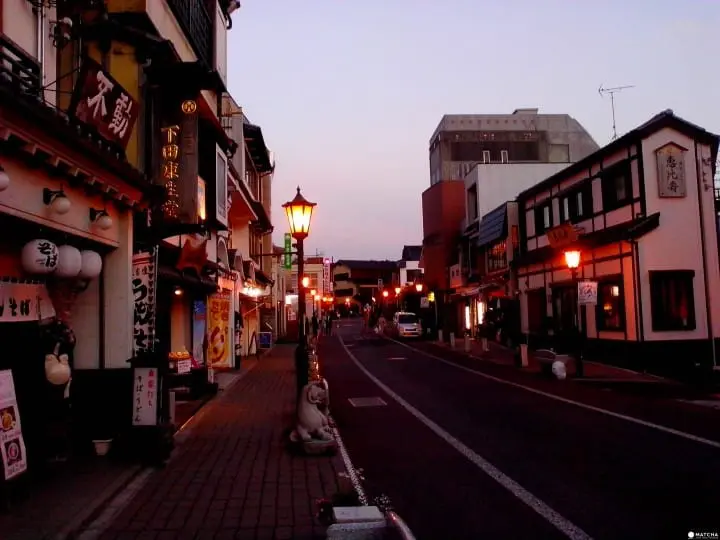
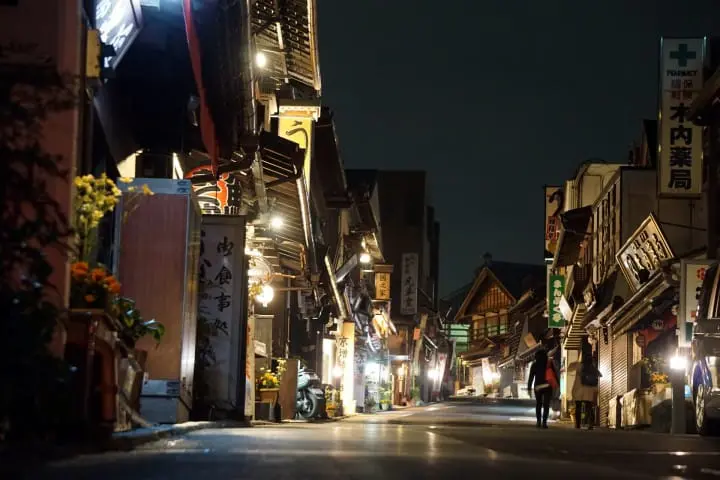
As evening falls, streetlamps light up along Omotesando, giving the neighborhood a completely different charm compared to daytime.
Local Food on Narita-san Omotesando

When visiting Narita-san Omotesando, trying the famous local unagi (grilled eel) is a must. The tradition began when local inns served nutritious eel dishes to help travelers recover after making the long journey from Edo. Since then, unagi has remained a beloved local specialty.
Enjoy a Cultural Walk Through Narita
Narita-san Omotesando has preserved its traditional cultural events and festivals, keeping them active to this day. Far from the crowded hustle and bustle of major cities, this neighborhood offers a tranquil atmosphere filled with rich heritage. Beyond exploring vibrant metropolitan Tokyo, consider setting aside half a day on your arrival or departure to enjoy a cultural stroll along Narita-san Omotesando!

For our latest updates, follow our Facebook page: Matcha Japan Travel Guide
My interest is in developing off-the-beaten-path attractions and discovering small shops that tourists may not know about. My expertise lies in tourist interpretation and travel Japanese. If you'd like to visit Hokkaido and have any questions, please contact me at z2359351@gmail.com.
more


Special Features
More