5 Unique Hotels in Japan: From Historic Estates to Modern Resorts
Discover five unique hotels in Japan with rich histories, from the iconic Kawana Hotel to Grand Prince Hotel Karuizawa. Book your ultimate cultural getaway.

Written by
Tokyo, Japan
MATCHA's promotional account for corporate and local government advertising. We aim to provide useful information to our readers in an enjoyable manner.
This service includes sponsored advertisements.
Where History Meets Hospitality: Seibu Prince Hotels & Resorts
Japan is home to hotels with rich histories and unforgettable stories—from the Kawana Hotel, where Marilyn Monroe and Joe DiMaggio spent their honeymoon, to the Karuizawa Prince Hotel, a resort destination admired across Japan.
Among the properties operated by Seibu Prince Hotels & Resorts are historic buildings, some of which were originally private estates owned by Japanese nobility.
This article highlights some of the brand's most iconic properties. Built on historic estates and storied lands, these hotels offer an extraordinary experience reminiscent of being welcomed into a private aristocratic mansion.
-
Table of Contents
- The Story of Seibu Prince Hotels & Resorts
- 1. Prince Grand Resort Karuizawa: The Noble Origins of Japan's Resort Culture
- 2. The Prince Hakone Lake Ashinoko: Eco-Conscious Architectural Beauty
- 3. Naeba Prince Hotel: The Cultural Home of Winter Sports
- 4. Kawana Hotel: A Century of Legendary Hospitality
- 5. Grand Prince Hotel Takanawa: Imperial Heritage in the Heart of Tokyo
The Story of Seibu Prince Hotels & Resorts
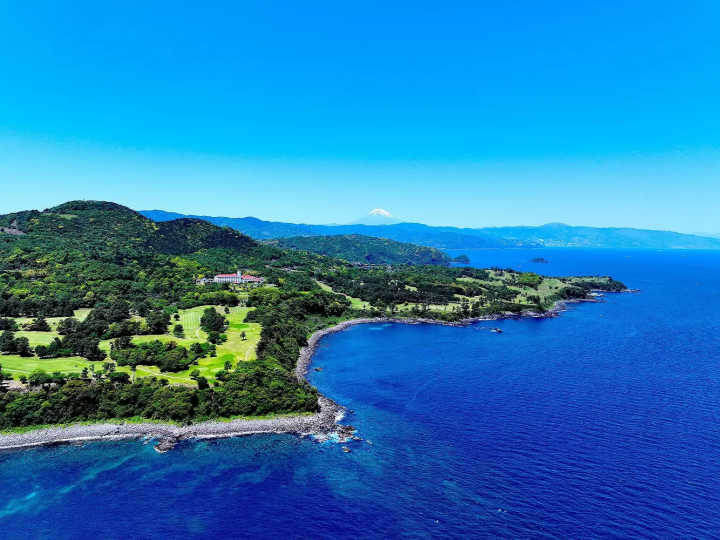
Aerial view of Kawana Hotel. Picture courtesy of Seibu Prince Hotels & Resorts
The history of Seibu Prince Hotels & Resorts began in post-war Japan, when former imperial family members and nobles struggled to maintain their vast estates.
To preserve these cultural and historical treasures for future generations, the Seibu Group acquired the properties and transformed them into hotels. This commitment to preserving heritage while creating new value remains the foundation of Seibu Prince Hotels & Resorts today.
Since then, Seibu Prince Hotels & Resorts has expanded its portfolio from prime urban centers to Japan's most scenic regions.
By building resorts around rich natural surroundings and seasonal charm, the brand helped popularize resort stays across the nation and played a major role in shaping Japan's modern leisure culture.
The following hotels invite guests to enjoy a unique stay woven from Japanese history, culture, and refined hospitality.
1. Prince Grand Resort Karuizawa: The Noble Origins of Japan's Resort Culture
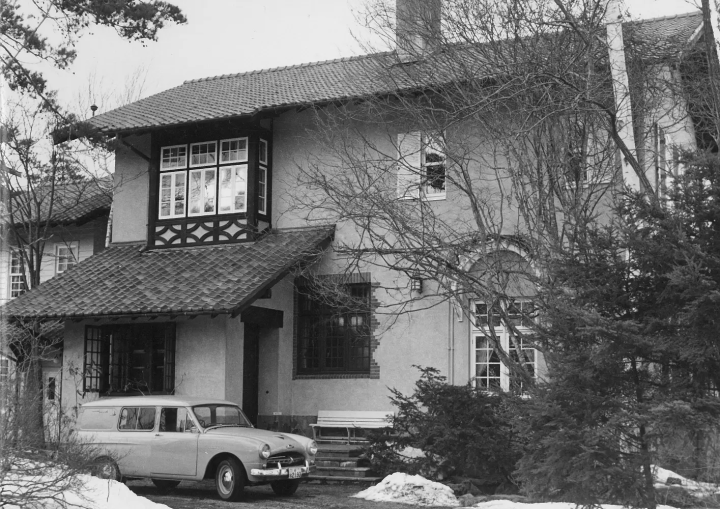
The Prince Hotel. Picture courtesy of Seibu Prince Hotels & Resorts
The history of the prestigious Prince Grand Resort Karuizawa is deeply intertwined with the origins of Seibu Prince Hotels & Resorts.
The legacy of Prince Hotels dates back to 1947, when the original "Prince Hotel" opened its doors inside a renovated Karuizawa estate formerly owned by Prince Asaka of the Japanese Imperial Family.
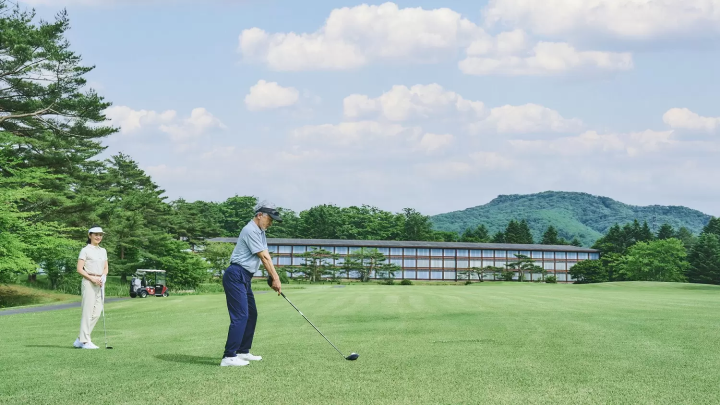
Golf courses at Prince Grand Resort Karuizawa. Picture courtesy of Seibu Prince Hotels & Resorts
The property expanded over the following decades, culminating in a complete rebuild in 1973 as the Karuizawa Prince Hotel. During the same period, the addition of premier golf courses and ski slopes transformed the destination into an expansive, year-round integrated resort.
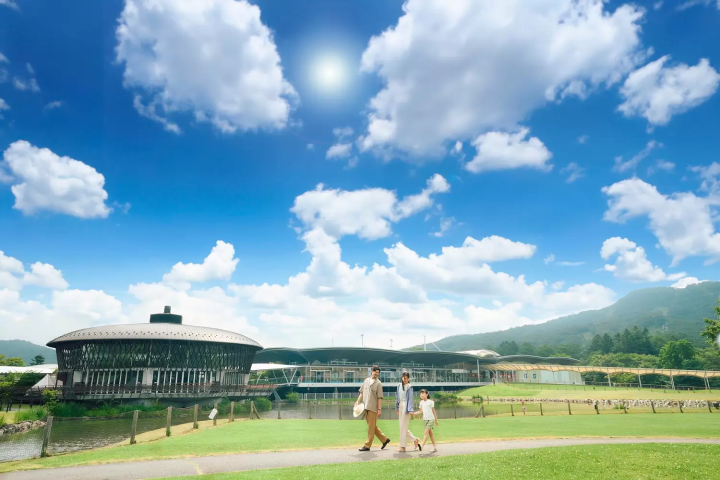
Karuizawa Prince Shopping Plaza. Picture courtesy of Seibu Prince Hotels & Resorts
The resort's evolution continued in 1995 with the opening of Karuizawa Prince Shopping Plaza on the site of a former golf course adjacent to the Karuizawa Prince Hotel.
In addition to the hotel-centered resort area, the development of Karuizawa Station's surroundings and the addition of diverse facilities further enhanced Karuizawa's appeal, helping it grow into one of Japan's premier resort destinations.
The Appeal of Staying at Prince Grand Resort Karuizawa
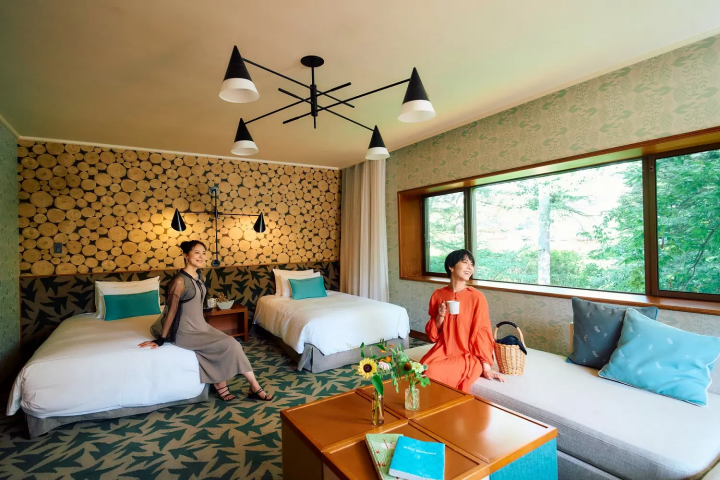
Room at Karuizawa Prince Hotel East. Picture courtesy of Seibu Prince Hotels & Resorts
Located roughly 75 minutes from Tokyo via Shinkansen, Karuizawa serves as a cool summer retreat and a scenic winter ski destination.
Situated directly adjacent to the station for effortless travel, Prince Grand Resort Karuizawa caters to a wide range of travelers.
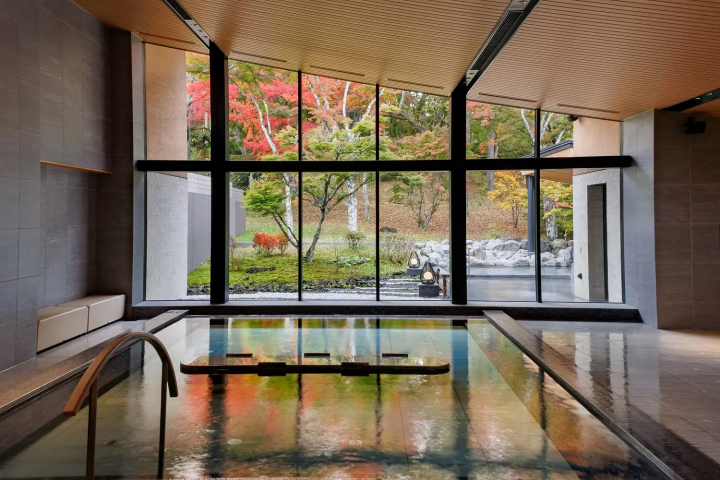
The Momiji Hot Spring. Picture courtesy of Seibu Prince Hotels & Resorts
The resort offers a wide range of accommodation styles tailored to every guest, from the highly private, family-friendly villas at The Prince Villa Karuizawa, to Karuizawa Prince Hotel East, ideal for couples looking to enjoy the hot springs and spa, and the twin rooms at Karuizawa Prince Hotel West, perfect for active groups.
Complete with on-site golf courses, ski slopes, hot springs, dining, and shopping, the resort blends nature-driven recreation with modern convenience.
2. The Prince Hakone Lake Ashinoko: Eco-Conscious Architectural Beauty
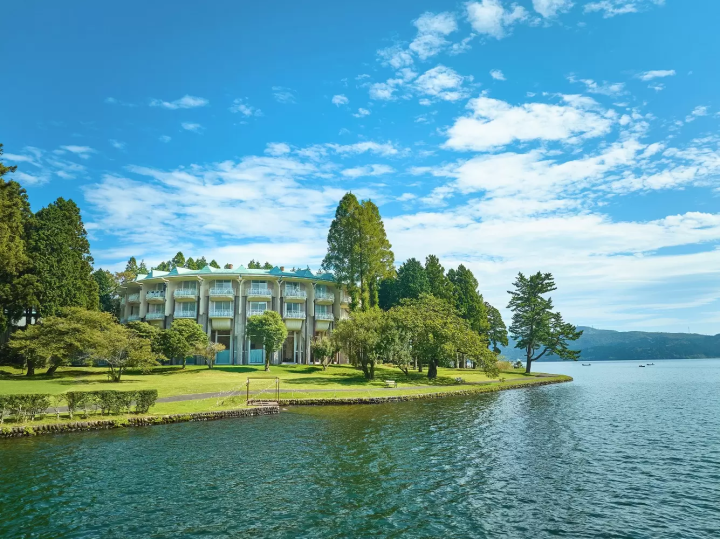
The Prince Hakone Lake Ashinoko. Picture courtesy of Seibu Prince Hotels & Resorts
Hakone is another of Japan's most coveted resort destinations, renowned for its breathtaking mountain landscapes, hot springs, and world-class art museums.
At the heart of this region sits The Prince Hakone Lake Ashinoko, a hotel that embodies Hakone’s artistic and environmental spirit through its eco-conscious architecture.
The Seibu Group’s involvement in the area began in 1956 with the development of the Hakone International Village and surrounding infrastructure.
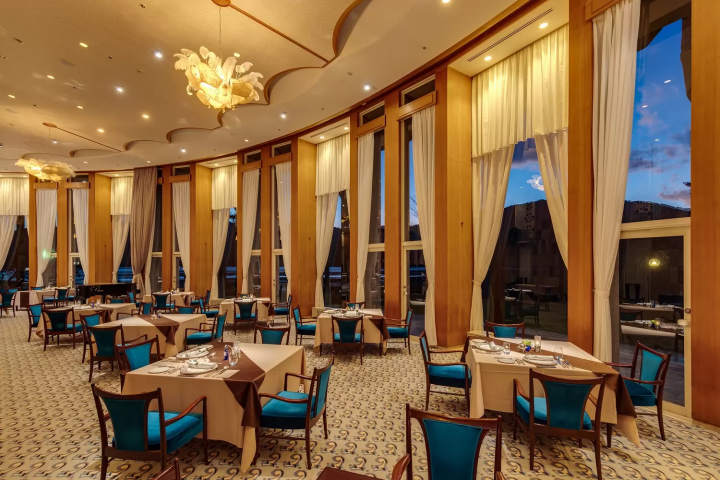
Restaurant at The Prince Hakone Lake Ashinoko. Picture courtesy of Seibu Prince Hotels & Resorts
Building on this foundation, the Hakone Prince Hotel opened in 1978, designed by master architect Togo Murano. Built with such care that not a single tree or stone was displaced during construction, its design integrates into the surrounding landscape.
Renamed The Prince Hakone following a major renovation in 2007, and updated to its current name in 2015, the hotel remains a quintessential resort destination—celebrated for its beautiful architecture, prime setting on the shore of Lake Ashi, and refined guest experiences.
The Appeal of Staying at The Prince Hakone Lake Ashinoko
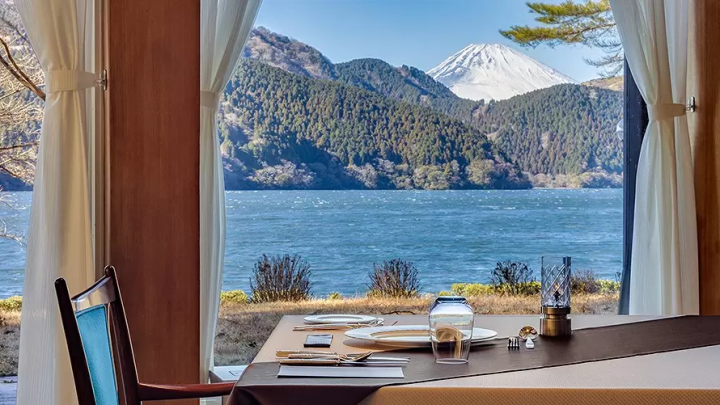
Dining with views of Lake Ashi. Picture courtesy of Seibu Prince Hotels & Resorts
The Prince Hakone Lake Ashinoko offers a truly one-of-a-kind setting, where Togo Murano's master architecture integrates effortlessly with serene views of Lake Ashi.
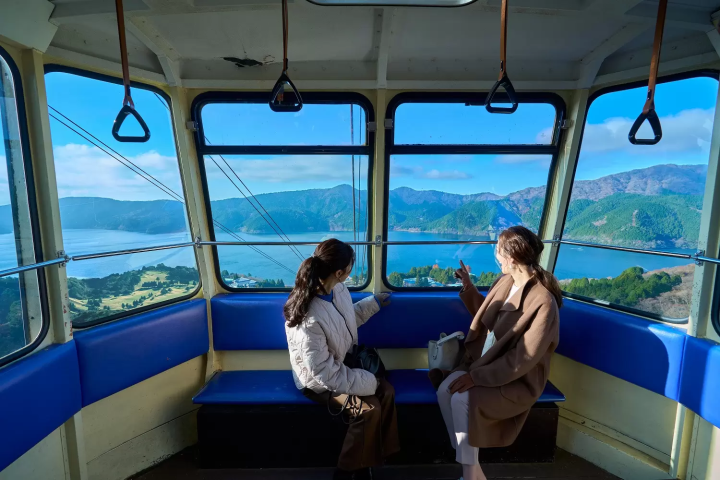
Hakone Komagatake Ropeway. Picture courtesy of Seibu Prince Hotels & Resorts
Guests can immerse all five senses through breathtaking views of the lake and Mount Fuji, along with exquisite dining and leisure activities. Famous local spiritual power spots—including the famous Hakone Shrine and Kuzuryu Shrine—are all just a short walk away.
3. Naeba Prince Hotel: The Cultural Home of Japan's Winter Sports
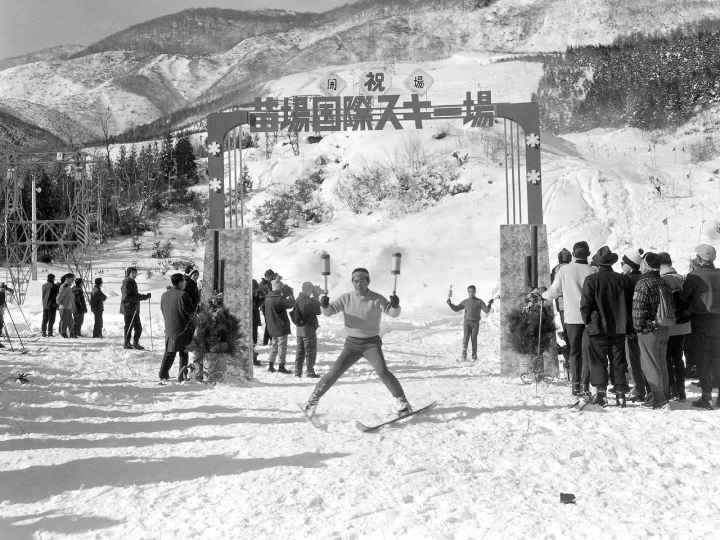
The Naeba Ski Resort in the 1970s. Picture courtesy of Seibu Prince Hotels & Resorts
Long before international skiers discovered Japan's powder snow, winter sports were already deeply woven into the country's popular culture—driven not just by the slopes, but by movies, music, and media.
At the center of this movement was the Naeba Prince Hotel in Niigata, a resort synonymous with the birth and rise of Japanese ski culture.
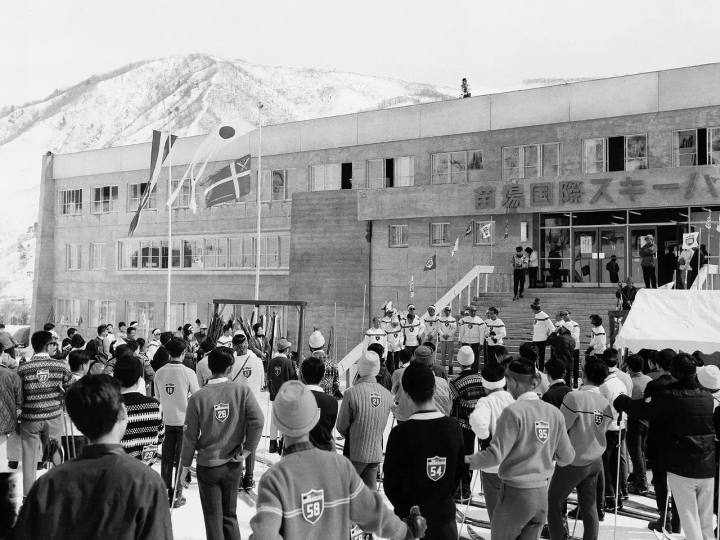
The Naeba Kokusai Ski Resort. Picture courtesy of Seibu Prince Hotels & Resorts
The origin of the estate dates back to 1961 with the opening of Naeba Kokusai Ski Resort, followed by the Naeba Ski House a year later. Officially renamed the Naeba Prince Hotel in 1972, the property gained international prestige by hosting Japan's first FIS Alpine Ski World Cup in 1973.
By the 1980s and 1990s bubble economy, the hotel had reached legendary status, becoming a cultural touchstone as the iconic host of Yumi Matsutoya's annual "SURF & SNOW" winter concerts and, later, the summer home of the world-famous Fuji Rock Festival.
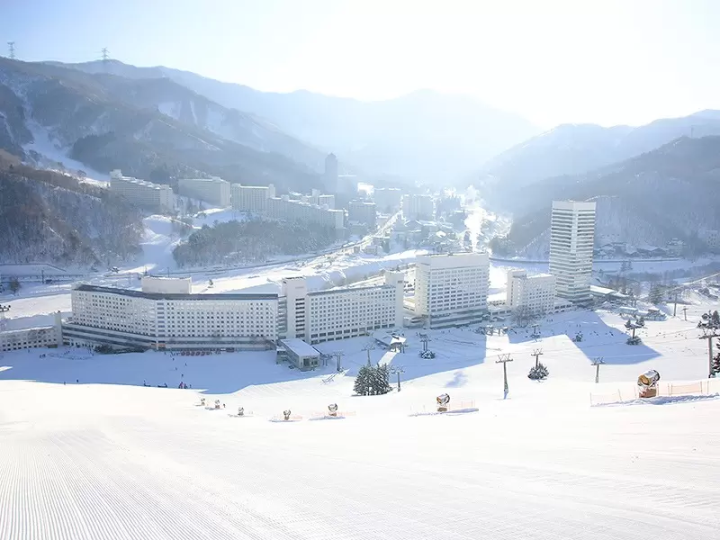
Naeba Prince Hotel today. Picture courtesy of Seibu Prince Hotels & Resorts
More than a resort, Naeba Prince Hotel remains a living monument to the creative and cultural milestones that shaped modern Japanese leisure.
The Appeal of Staying at Naeba Prince Hotel
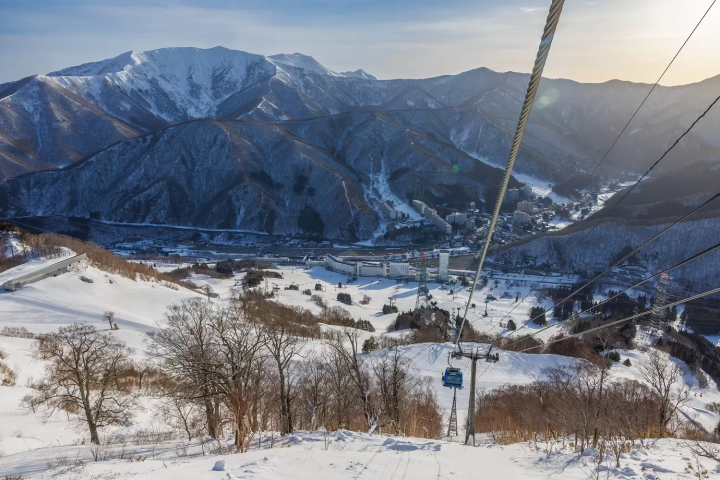
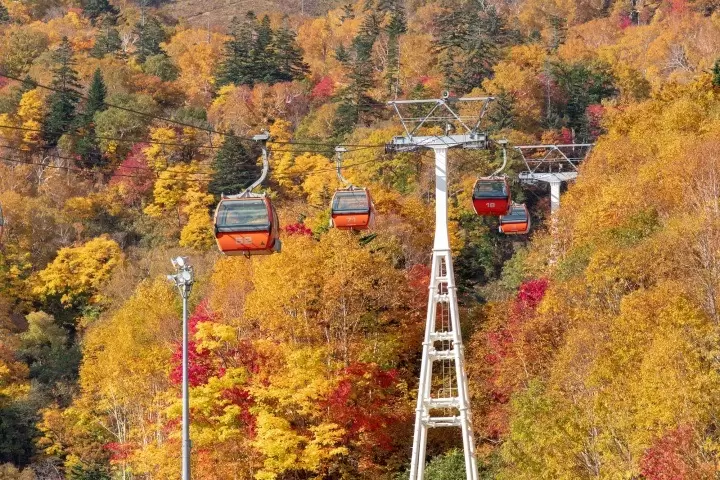
The Dragondola. Picture courtesy of Seibu Prince Hotels & Resorts
At Naeba Prince Hotel, guests enjoy direct, ski-in/ski-out slope access just steps from their rooms, as well as rides on the iconic Dragondola—Japan's longest ropeway—which offers sweeping seasonal vistas of Niigata's surrounding peaks.
Beyond winter sports, the hotel transforms into a vibrant four-season retreat featuring starlight viewing, brilliant autumn foliage, and outdoor dining.
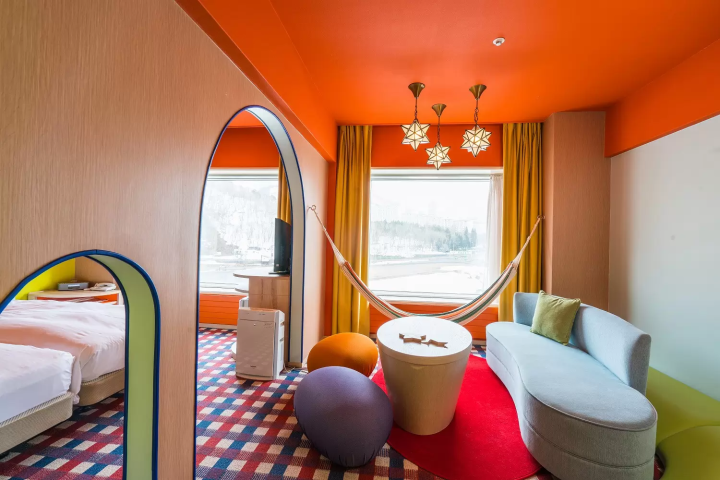
The playful Yu ROOM at Naeba Prince Hotel. Picture courtesy of Seibu Prince Hotels & Resorts
Complete with family-friendly accommodations, diverse restaurant offerings, and soothing hot springs, the resort delivers a complete mountain getaway year-round.
4. Kawana Hotel: A Century of Legendary Hospitality
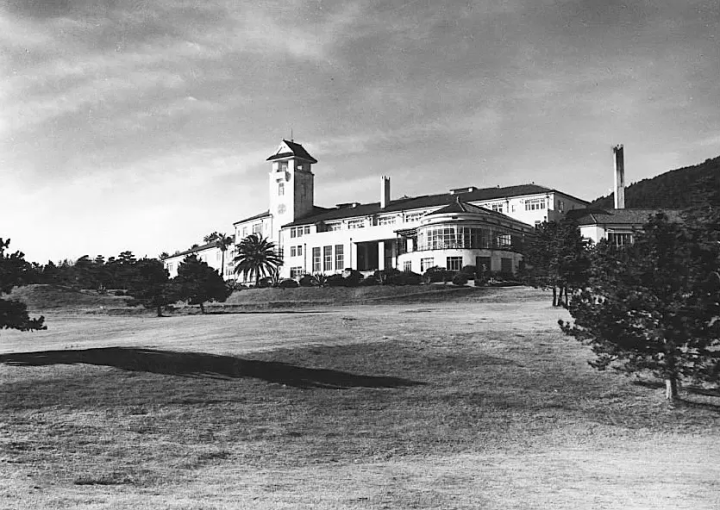
Historical photo of Kawana Hotel. Picture courtesy of Seibu Prince Hotels & Resorts
To a Japanese traveler, the mere mention of Kawana Hotel evokes an instant sense of prestige and timeless elegance.
Spanning nearly a century of Japanese history, this legendary Izu Peninsula resort is a favorite weekend retreat—where visitors from Tokyo regularly travel simply to enjoy a quiet afternoon in the Sun Parlor, the hotel's serene, light-filled lounge.
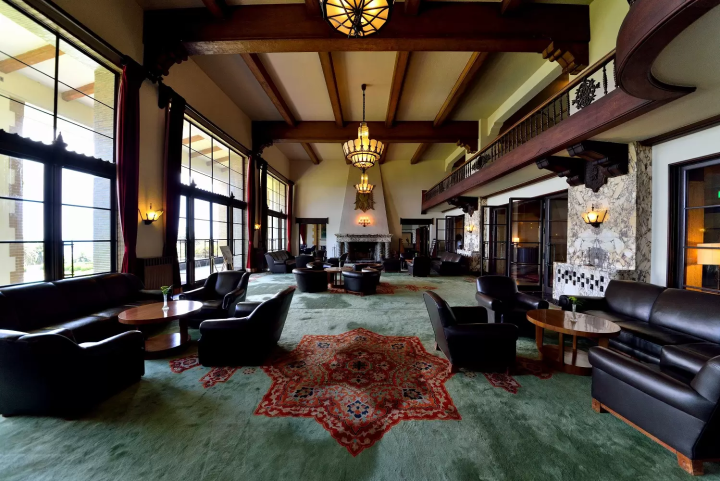
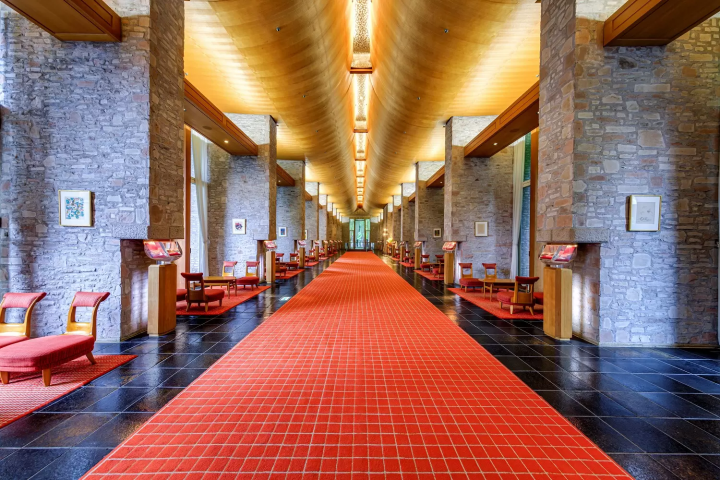
Kawana Hotel Lobby. Picture courtesy of Seibu Prince Hotels & Resorts
Originally built in the late 1920s as a private estate for Baron Kishichiro Okura, the property featured architecture inspired by classical British castles and officially opened as a hotel in 1936.
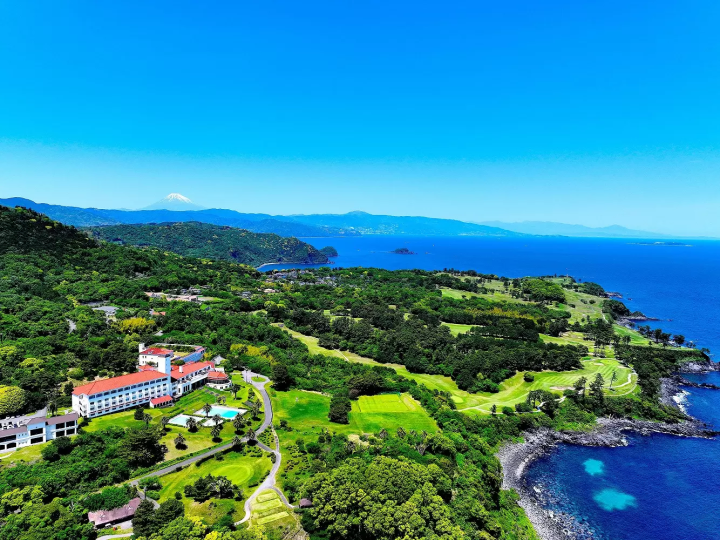
Aerial view of Kawana Hotel. Picture courtesy of Seibu Prince Hotels & Resorts
Its world-renowned, oceanfront golf courses quickly established it as a sacred site for golf enthusiasts and a retreat for notable figures—from global political leaders to cultural icons like Marilyn Monroe and Joe DiMaggio, who spent their honeymoon here in 1954.
After joining the Seibu Group in 2002, Kawana Hotel has preserved its grand, classic luxury while continuing to build upon its legacy as one of Japan’s premier historic destinations.
The Appeal of Staying at Kawana Hotel
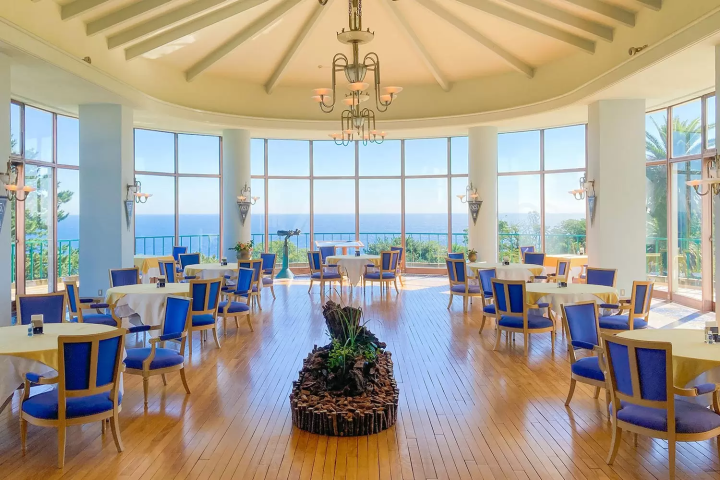
The Sun Parlor Lounge at Kawana Hotel. Picture courtesy of Seibu Prince Hotels & Resorts
Staying at Kawana Hotel is an invitation to step back in time and immerse yourself in the grandeur of a true 1930s classic retreat.
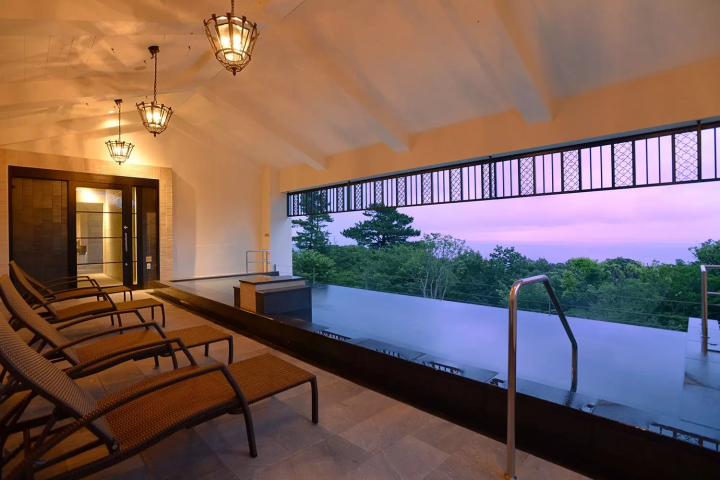
Hot Springs at Kawana Hotel. Picture courtesy of Seibu Prince Hotels & Resorts
Golf enthusiasts can test their skills on world-renowned oceanfront courses revered by players globally, while all guests can indulge in time-honored culinary traditions and unwind in mineral-rich hot springs overlooking sweeping vistas of the Pacific Ocean.

5. Grand Prince Hotel Takanawa: Imperial Heritage in the Heart of Tokyo
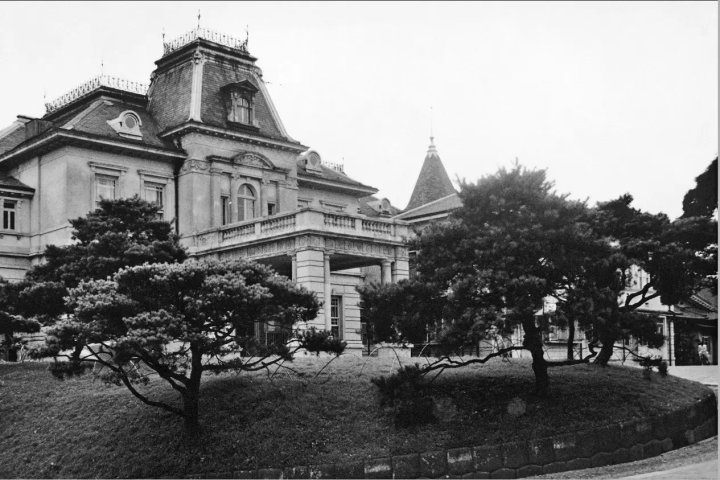
Historical photo of Grand Prince Hotel Takanawa. Picture courtesy of Seibu Prince Hotels & Resorts
In Tokyo, Grand Prince Hotel Takanawa offers a refined urban sanctuary built on a distinct historical legacy.
Only about a 5-minute stroll from Shinagawa Station, this resort sits on the former grounds of the Takeda-no-miya imperial residence. It first opened in 1953 as the Shinagawa Prince Hotel before later being renamed Takanawa Prince Hotel.
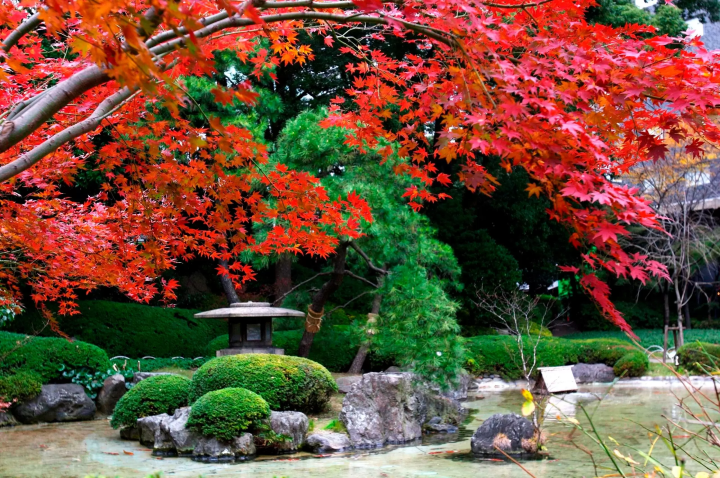
The Japanese Garden at Grand Prince Hotel Takanawa. Picture courtesy of Seibu Prince Hotels & Resorts
In the 1970s, the hotel unveiled its crowning jewel: a vast, meticulous Japanese garden designed by Teiji Kusuoka, the master landscape designer renowned for his work on the Tokyo Imperial Palace.
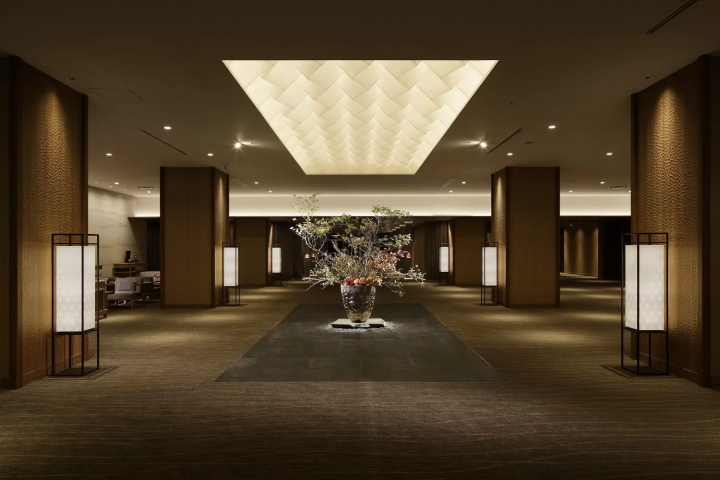
Grand Prince Hotel Takanawa Lobby. Picture courtesy of Seibu Prince Hotels & Resorts
Rebranded as Grand Prince Hotel Takanawa in 2007, this storied destination seamlessly marries the tranquility of its royal past with the sophisticated hospitality of a modern flagship resort.
The Appeal of Staying at Grand Prince Hotel Takanawa
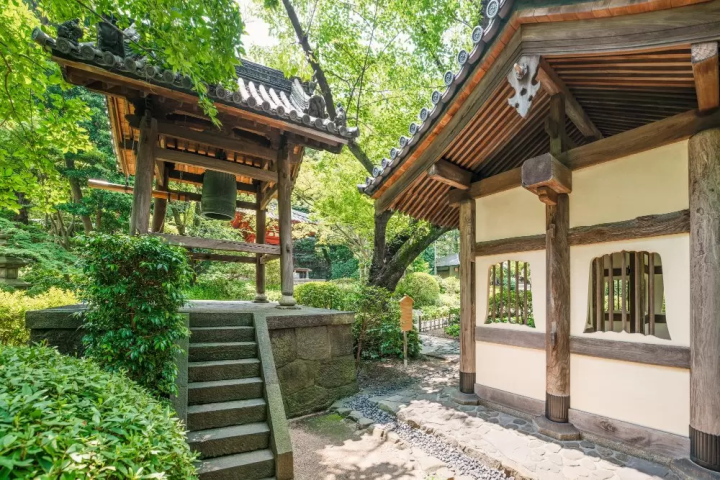
Historical monuments in the Japanese Garden. Picture courtesy of Seibu Prince Hotels & Resorts
Staying at Grand Prince Hotel Takanawa offers a peaceful retreat in the heart of Tokyo, centered around a 20,000-square-meter Japanese garden rich in seasonal beauty.
Guests can explore historic landmarks preserved directly within the grounds—such as the Kannon-do Hall, the historic Main Gate, and the Bell Tower—or relax in the exclusive club lounge overlooking the greenery.
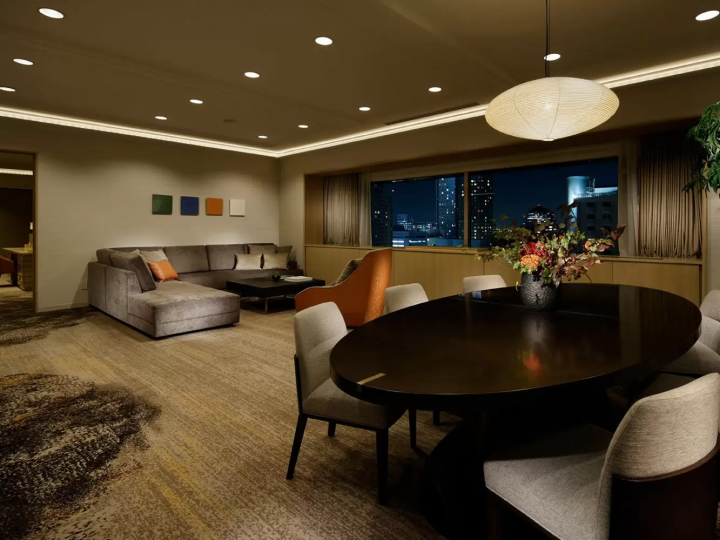
Guest room at Grand Prince Hotel Takanawa. Picture courtesy of Seibu Prince Hotels & Resorts
Blending the timeless elegance of the historic Kihinkan (VIP Guest House) with refined modern luxury, the property offers a unique journey through Japan's past and present.
Discover More Historic Seibu Prince Properties
Beyond the properties highlighted in this article, Seibu Prince Hotels & Resorts boasts a wide array of prestigious hotels rich in history.
Sanyo-so—a classic sukiya-style inn located in Izu-Nagaoka Onsen, The Prince Kyoto Takaragaike, where natural beauty aligns with traditional aesthetics, and The Prince Gallery Tokyo Kioicho, a refined landmark in the heart of the city, are just a few prime examples.
When you visit Japan, we invite you to stay at these distinguished properties and experience the very pinnacle of traditional Japanese hospitality and heritage.
Read also
Sponsored by Seibu Prince Hotels & Resorts
All pictures courtesy of Seibu Prince Hotels & Resorts
MATCHA's promotional account for corporate and local government advertising. We aim to provide useful information to our readers in an enjoyable manner.
Special Features
More