Japan Heritage: A Feast for the Senses in Gifu, the Land with Ties to Oda Nobunaga
Gifu was a key hub and base where Oda Nobunaga pursued unification. Welcoming guests with his distinctive hospitality, he expanded his connections, and that same hospitality still defines the city today. Now known as “Lord Nobunaga’s Hospitality,” it is a central aspect of Gifu sightseeing.

Written by
Tokyo, Japan
MATCHA's promotional account for corporate and local government advertising. We aim to provide useful information to our readers in an enjoyable manner.
This service includes sponsored advertisements.
-
Table of Contents:
- What is Oda Nobunaga’s Connection to Gifu?
- The View from Mt. Kinka and Gifu Castle
- Taste Ayugashi in the Historic District of Kawaramachi!
- Experience Gifu Lanterns! Bring Home a Soothing Glow
- Nagara River: Cormorant Fishing and Boat Culture by Torchlight
- Relax at a Scenic Onsen and Enjoy Cuisine Inspired by Nobunaga
- Start Your Adventure in Gifu! Explore Other Japan Heritage Sites
Japan Heritage is a way of traveling that lets you enjoy the history and culture of a region as a single “story.” Gorgeous scenery and delicious food are pleasures of any trip, but by discovering an area’s hidden stories, you can deepen your understanding of its shrines, temples, castles, and festivals, making your travels even more insightful.
There are currently 104 living stories across Japan. This time, we guide you into the world of “Gifu—the Warring States-era castle town where Lord Nobunaga’s hospitality still lives on.”
What is Oda Nobunaga’s Connection to Gifu?
Oda Nobunaga: An Innovative Military Commander
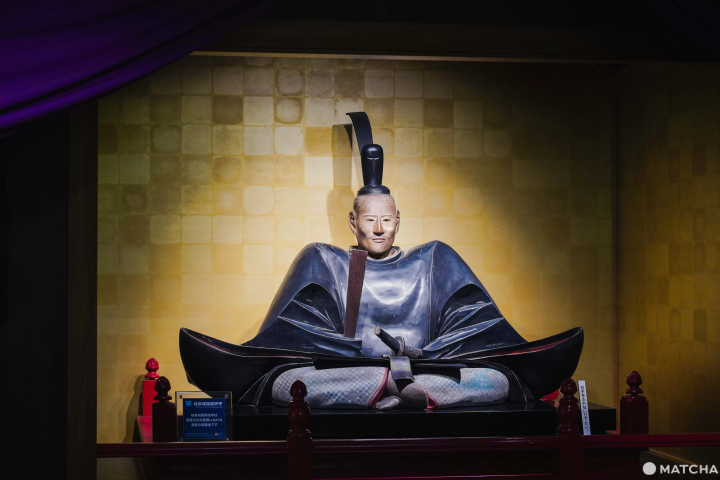
Oda Nobunaga (1534-1582) was a military commander who sought to unify Japan during a time of continuous internal conflicts that culminated in the 16th century. He broke away from traditional disciplines with innovative tactics and logical thinking and had a major impact on Japanese history. Often described as an influential figure who was a ruthless and skilled strategist, he also cleverly utilized nature and culture and was passionate about entertaining his guests.
Why Did Oda Nobunaga Choose Gifu?
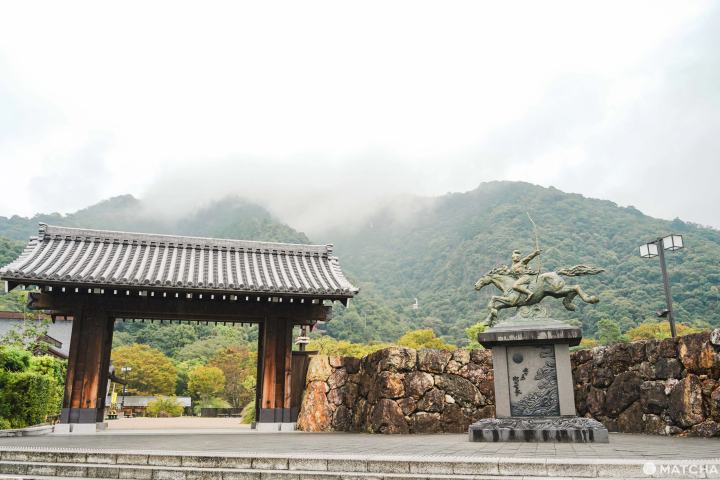
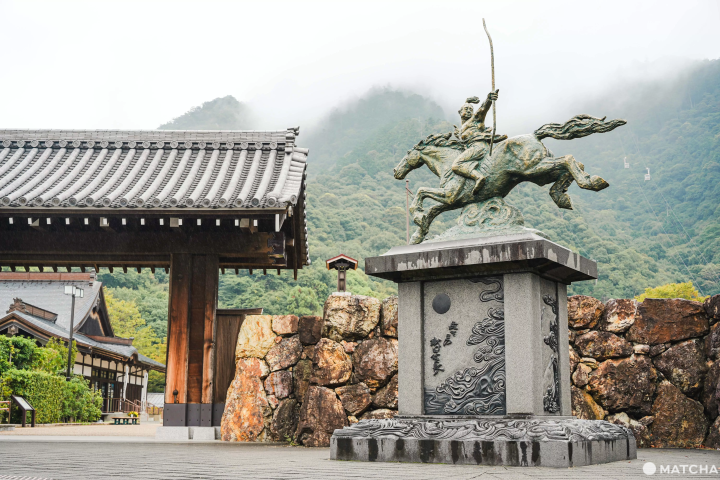
Nobunaga, originally based in the Owari region (*), moved his residence from Komakiyama Castle to Inabayama Castle (*), renaming the castle from Inabayama to Gifu Castle, and the land from Inokuchi to Gifu. This change in base was driven by multifaceted strategies, both political and economic.
* Owari: Currently the western part of Aichi Prefecture and a major area along the Tokaido road.
* Komakiyama Castle: Located in present-day Komaki, Aichi Prefecture, it was the first castle built by Oda Nobunaga as a foothold in conquering the Mino Province, which encompassed part of what is today Gifu Prefecture.
* Inabayama Castle: Located in present-day Gifu, it was later renamed Gifu Castle.
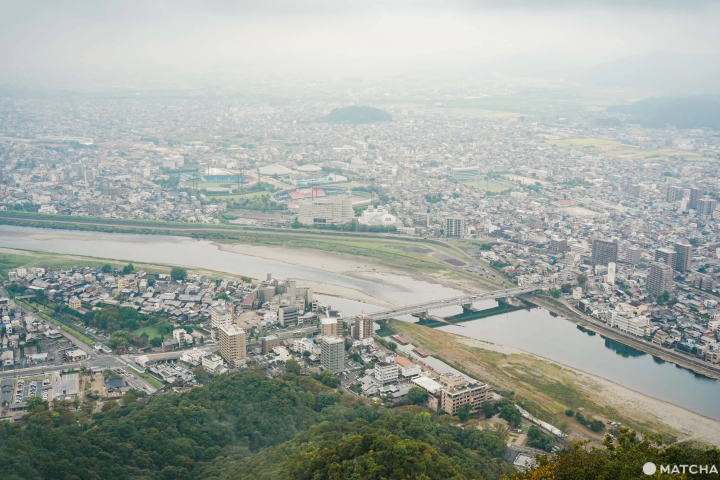
Geographically, Gifu Castle was situated on the Nobi Plain (*), a key transportation hub, making it possible to control the Tokaido road and other major routes, and proved advantageous for expanding his outward influence. On the military front, the capture of Mino weakened hostile forces and allowed the Oda family to establish a leading position in the Tokai region.
Politically, he enhanced his reputation among Sengoku daimyo (feudal lords) by renaming the area to Gifu and upholding his pursuit to unify the country. Economically, he controlled the collection and distribution of agricultural products and supplies by seizing the fertile Nobi Plain and trade routes, securing steady logistical support for long-term military campaigns and governance.
* Nobi Plain: A collective name for Mino and Owari, referring to the plains that extend over present-day southwest Gifu Prefecture and northwest Aichi Prefecture.
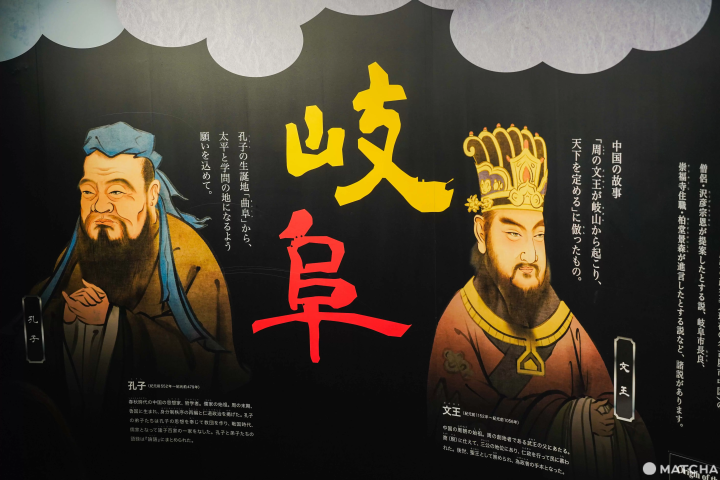
So why did he rename the area Gifu? The two Japanese characters that make up “Gifu” actually originate from a Chinese classic. Nobunaga identified with the ideals of a virtuous ruler of ancient China (King Wen of Zhou) who governed with morality. By using this name, he expressed his ambition to unify the country, stating, “It is I who will restore order to this chaotic world and reign over the country,” thereby reinforcing the legitimacy of his actions.
Economic and Military Power: Expanding Influence Through Hospitality
Nobunaga, after moving his base for unification to Gifu, actively promoted “rakuichi rakuza” (free markets and open guilds), which exempted taxes in castle towns and encouraged anyone to engage freely in business. He also advanced “heino bunri,” creating a clear separation between samurai and farmers, securing agricultural productivity and a military force ready for battle at any time.
Nobunaga was not only renowned on the political and military front but also known for entertaining influential figures with cultural hospitality. He welcomed both domestic and international guests with lavish hospitality that made use of Gifu’s rich nature and culture, such as the view of Gifu Castle atop Mt. Kinka and cormorant fishing on the Nagara River. Numerous anecdotes describe Nobunaga providing exceptional hospitality by personally carrying meal trays and serving rice to his guests.
The spirit of this hospitality remains deeply rooted in the land of Gifu today, with its historical and cultural significance earning recognition as Japan Heritage. It continues to be a highlight for sightseeing in modern Gifu.
The View from Mt. Kinka and Gifu Castle
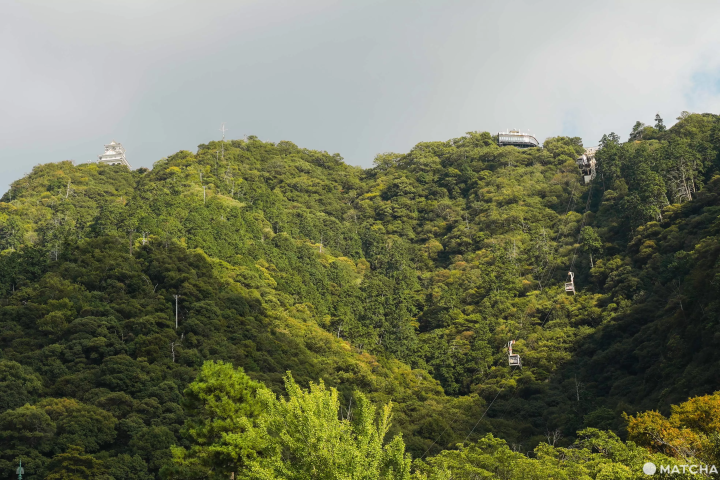
Gifu Castle, towering atop the summit of Mt. Kinka at 329 meters in elevation, was Nobunaga’s base for pursuing unification. While it served as a military installation, it was also a special space where he welcomed his guests.
Head to the Summit on the Mount Kinka Ropeway
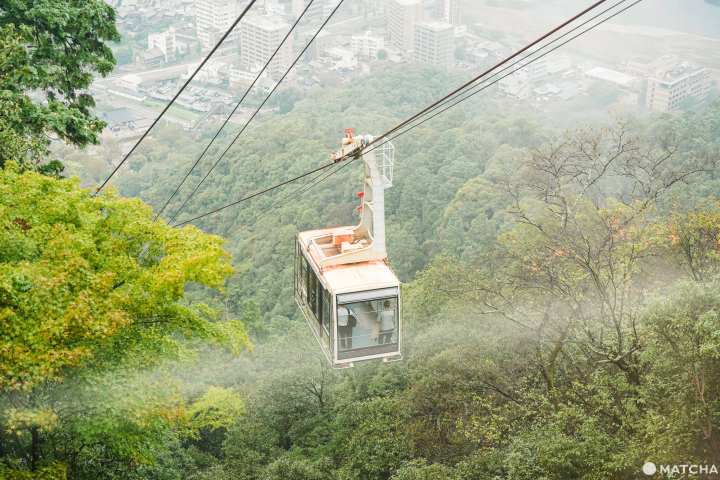
Take the Mount Kinka Ropeway from the foot of the mountain and you’ll arrive at the summit station in just four minutes. From there, Gifu Castle is only a 10-minute walk. For hiking enthusiasts, there are several trails of varying difficulties to the summit, which take about 30 to 60 minutes depending on the route. Mount Kinka Ropeway
 257 Senjo Shikishita, Gifu City, Gifu Prefecture
Mount Kinka Ropeway offers a 4-minute ride from Gifu Mt. Kinka Ropeway Base Station to Gifu Mt. Kinka Sancho Station, where Gifu Castle is located. From the fully glass-walled cabin, you can enjoy sweeping views of Gifu City, the Nagara River, and the lush natural surroundings of Mt. Kinka.
Round-trip fares are 1,300 yen for adults and 650 yen for children aged 4 to 12. The ropeway operates every 15 minutes, making it easy to hop on at any time.
257 Senjo Shikishita, Gifu City, Gifu Prefecture
Mount Kinka Ropeway offers a 4-minute ride from Gifu Mt. Kinka Ropeway Base Station to Gifu Mt. Kinka Sancho Station, where Gifu Castle is located. From the fully glass-walled cabin, you can enjoy sweeping views of Gifu City, the Nagara River, and the lush natural surroundings of Mt. Kinka.
Round-trip fares are 1,300 yen for adults and 650 yen for children aged 4 to 12. The ropeway operates every 15 minutes, making it easy to hop on at any time.
Enjoy the Stunning Scenery from Gifu Castle
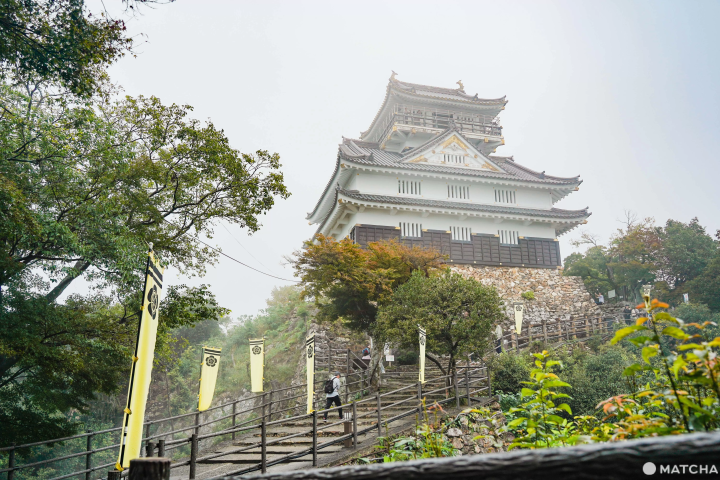
The present-day Gifu Castle was reconstructed in 1956 with a reinforced concrete structure, while the exterior is three levels with four floors.
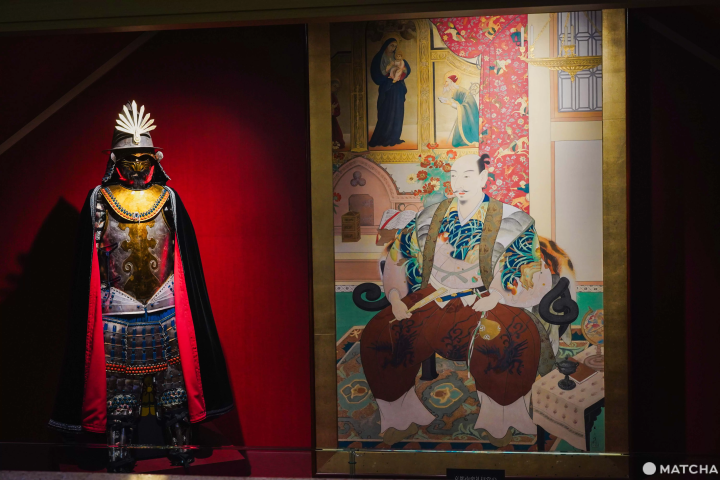
Inside the castle, historical records, armor, helmets, and weapons from the 16th century are on display. This is a must-see, packed with highlights for history enthusiasts.
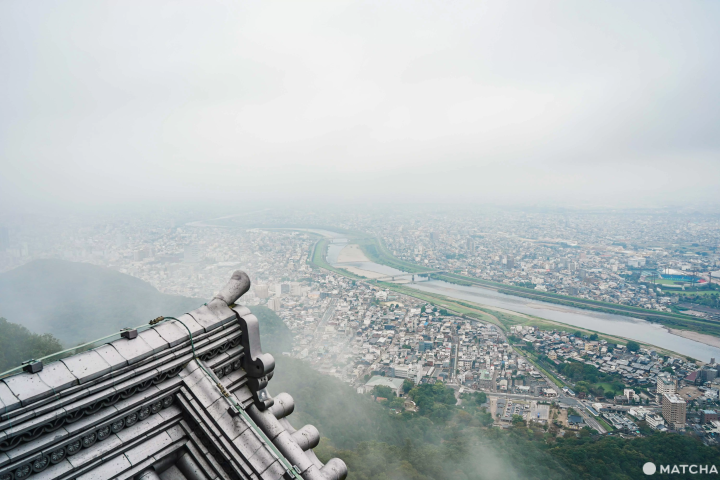
From the top floor of Gifu Castle, you can enjoy a 360° view of Gifu’s streets, including the Nagara River, Gifu Station, and the prefectural office. A popular photo spot surrounded by stunning scenery, it also has views of distant rolling mountains on sunny days. Visibility is at its best in autumn and winter, when it is especially clear and the scenery is very beautiful.
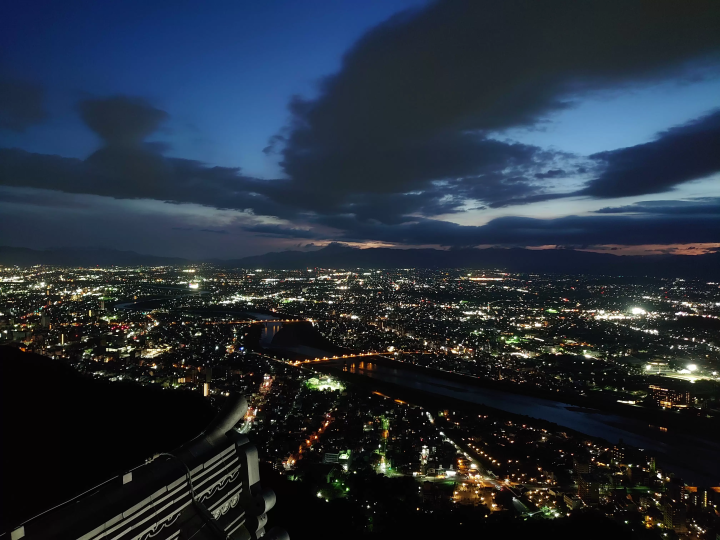
Picture courtesy of Gifu City
While the daytime views are enthralling, the night scenery is a sparkling spectacle that shouldn’t be missed. During summer vacation and on weekends, the castle is open at night for the “Gifu Night View” (*) event. We recommend visiting on a clear day and arriving before sunset to enjoy both the sunset and the night scenery.
* For a detailed schedule of Gifu Night View, please refer to this page (Japanese). Gifu Castle Tower
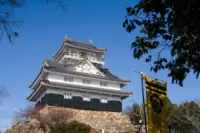 18 Tenshukaku, Gifu City, Gifu Prefecture
Gifu Castle is about a 10-minute walk from the Mount Kinka Ropeway's final stop, Sancho Station.
Gifu Castle is a four-story building; floors 1 to 3 are a museum showcasing historical artifacts, while the fourth floor is an observation deck with a 360-degree panoramic view. Be sure to take in the breathtaking view that former castle lord Oda Nobunaga would have enjoyed.
18 Tenshukaku, Gifu City, Gifu Prefecture
Gifu Castle is about a 10-minute walk from the Mount Kinka Ropeway's final stop, Sancho Station.
Gifu Castle is a four-story building; floors 1 to 3 are a museum showcasing historical artifacts, while the fourth floor is an observation deck with a 360-degree panoramic view. Be sure to take in the breathtaking view that former castle lord Oda Nobunaga would have enjoyed.
Taste Ayugashi in the Historic District of Kawaramachi!
Kawaramachi’s Streets: A Nationally Important Cultural Landscape
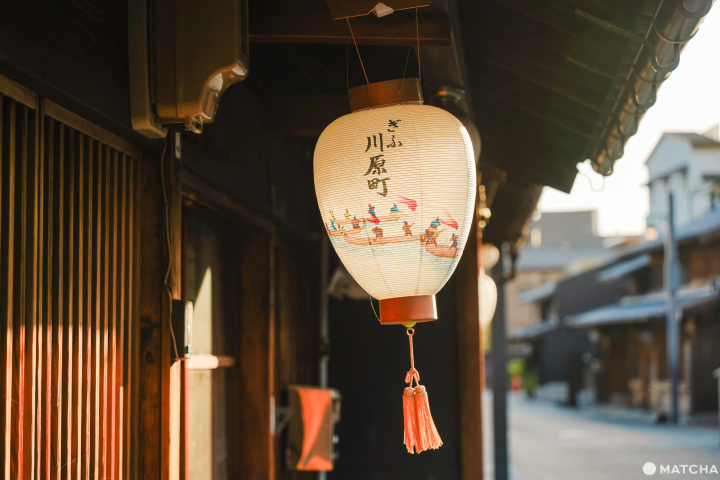
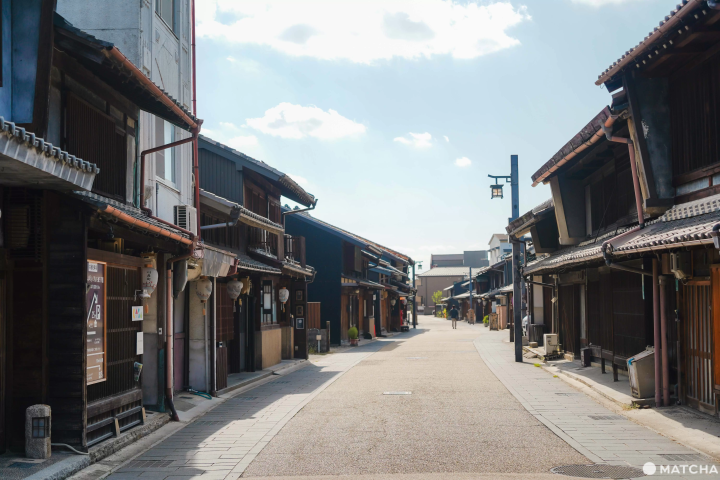
Kawaramachi, located near Gifu Castle, is a river port developed along the Nagara River. The district benefited from the “rakuichi rakuza” system established by Nobunaga, which attracted many merchants and has prospered since the Edo period.
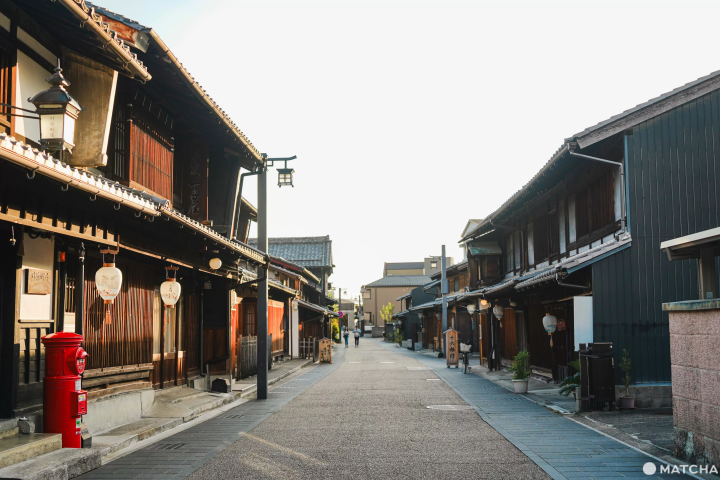
Today, lattice-windowed merchant homes, townhouses, and earthen storehouses still remain in Kawaramachi, which has been designated as a Nationally Important Cultural Landscape. Walk along this street and you can not only experience the merchant culture of the time but also glimpse what was once a river port.
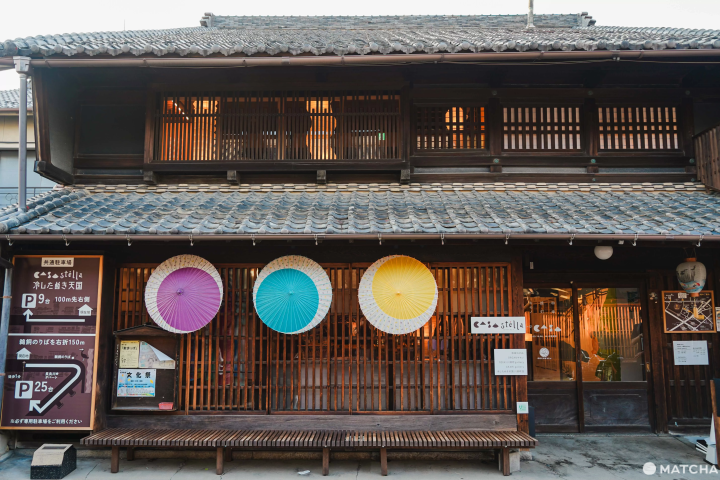
In recent years, many old townhouses and storehouses have been converted into cafes and shops offering cultural experiences, making Kawaramachi gain popularity as a strolling and photo spot full of nostalgic charm. Old Townscape of Kawaramachi
 27 Tamaicho, Gifu City, Gifu Prefecture
Stretching west from the ukai (cormorant fishing) viewing boat dock near Nagarabashi Bridge, this charming area is lined with traditional Japanese houses. Along the way, you’ll find a variety of inns, souvenir shops, and restaurants—making it a lovely spot to simply stroll and take in the atmosphere.
It’s also a perfect place for a relaxing walk before heading out to watch cormorant fishing.
27 Tamaicho, Gifu City, Gifu Prefecture
Stretching west from the ukai (cormorant fishing) viewing boat dock near Nagarabashi Bridge, this charming area is lined with traditional Japanese houses. Along the way, you’ll find a variety of inns, souvenir shops, and restaurants—making it a lovely spot to simply stroll and take in the atmosphere.
It’s also a perfect place for a relaxing walk before heading out to watch cormorant fishing.
Tamaiya Honpo: The Home of Ayugashi
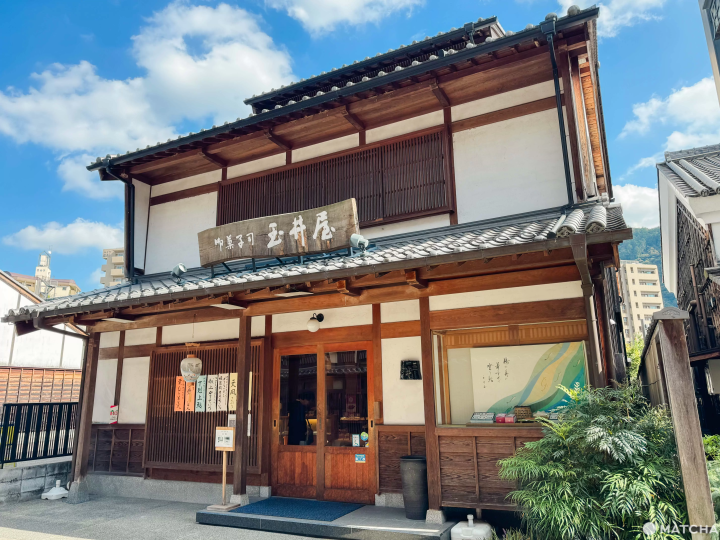
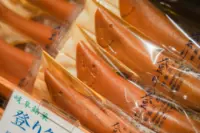
When it comes to Kawaramachi’s specialties, it has to be ayugashi, a traditional and well-known Gifu sweet shaped like a sweetfish, symbolizing the district’s close connection to the river.
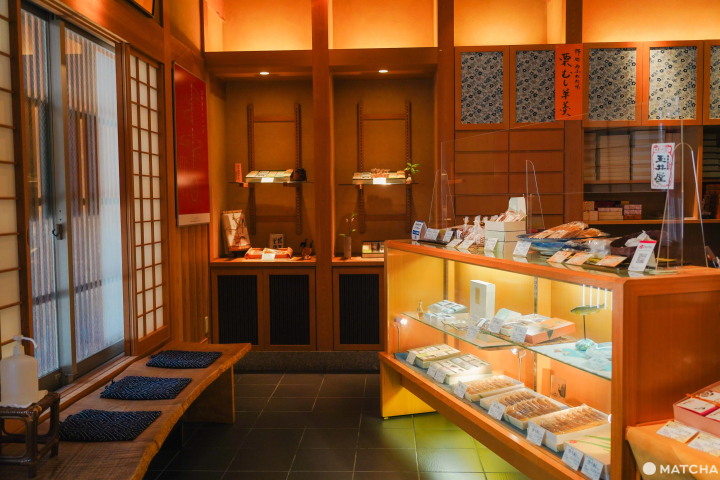
Nobori-ayu from Tamaiya Honpo, an established traditional Japanese confectionery founded in 1908, is considered the original ayugashi.
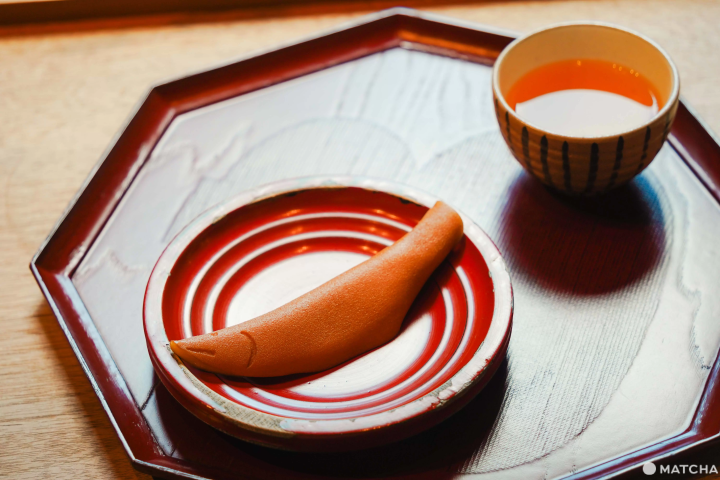
Its slender, refined shape and the delicate texture of the castella batter and gyuhi (*) are highly praised.
* Gyuhi: a type of wagashi (traditional Japanese confection) made from rice flour (or glutinous rice flour), sugar, and starch syrup.
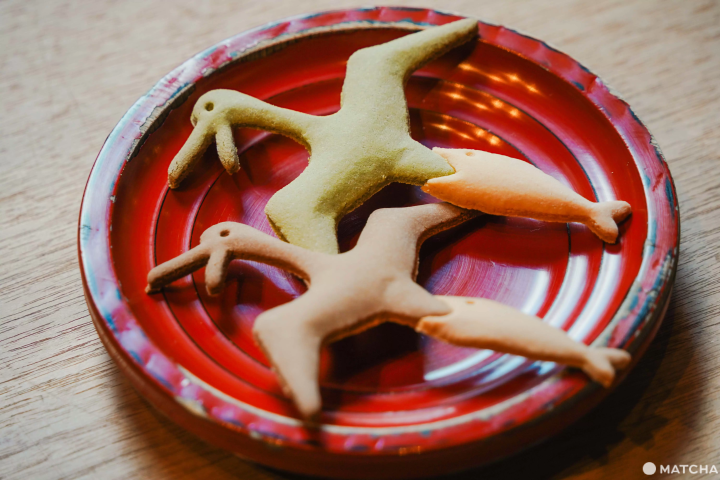
Gekokujo-ayu, a baked sweet made in the image of a sweetfish fighting back against a cormorant, has a delicate flavor and humorous appearance, making it a popular gift for wishing success in exams or celebrating career changes.
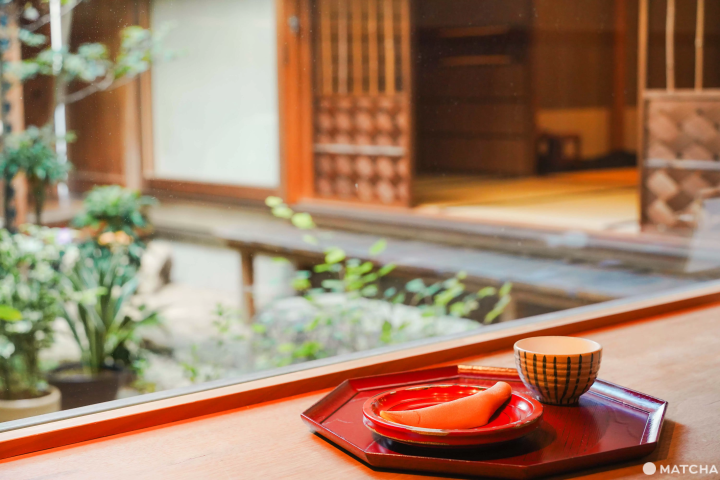
The store also has a dining area where you can enjoy the flavors passed down for over 100 years while gazing at the Japanese garden. Tamaiya Honpo Main Store
 42 Minato-cho, Gifu City, Gifu Prefecture
Founded in 1908 in Gifu City, Tamaiya Honpo is known for its famous confectionery Nobori-ayu, which is shaped like sweetfish from the Nagara River. Nobori-ayu, a mochi wrapped in high-quality castella dough, is said to be the origin of Gifu's famous confectionery, ayu-gashi, and is also popular as a souvenir or gift.
42 Minato-cho, Gifu City, Gifu Prefecture
Founded in 1908 in Gifu City, Tamaiya Honpo is known for its famous confectionery Nobori-ayu, which is shaped like sweetfish from the Nagara River. Nobori-ayu, a mochi wrapped in high-quality castella dough, is said to be the origin of Gifu's famous confectionery, ayu-gashi, and is also popular as a souvenir or gift.
Experience Gifu Lanterns! Bring Home a Soothing Glow
The History of Gifu Paper Lanterns
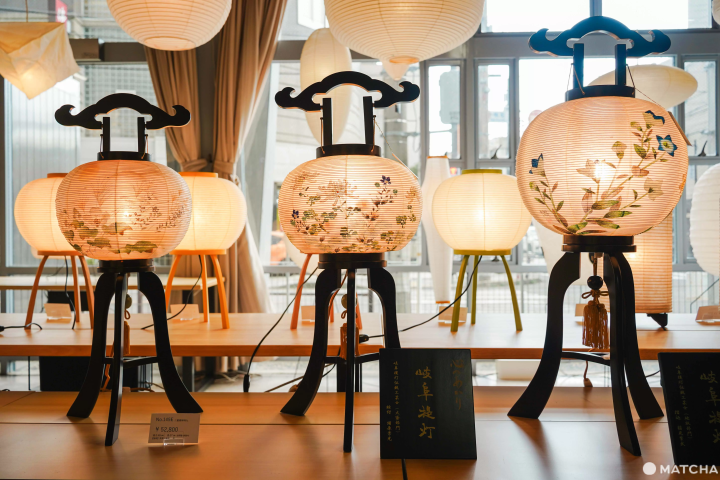
Gifu paper lanterns, designated as a traditional handicraft, are one of Gifu Prefecture’s traditional lantern styles. There are many hypotheses surrounding their origin, one of which states that it began when Juzo, a lantern artisan during the Horeki era (1751-1764), presented a paper lantern to the Owari Domain.
Why Were Paper Lanterns Made in Gifu?
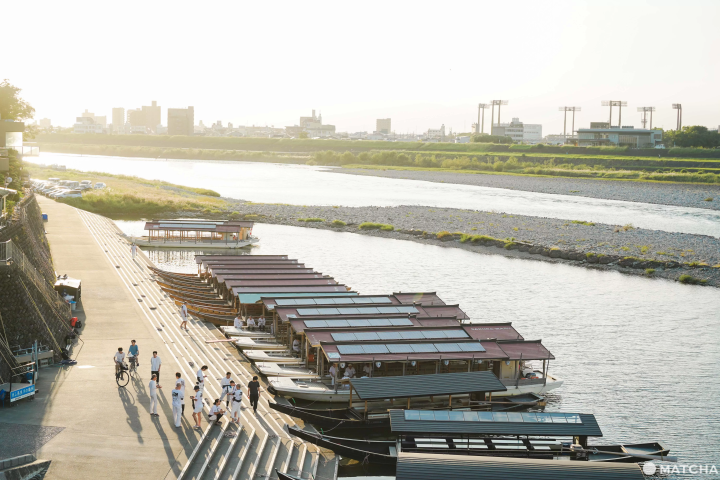
The producing area for Mino washi paper, registered as a UNESCO Intangible Cultural Heritage, is located nearby, while high-quality bamboo was abundantly harvested at the foot of Mt. Kinka in central Gifu. As a trading center for these materials, Gifu developed the craft of paper lanterns using paper and bamboo.
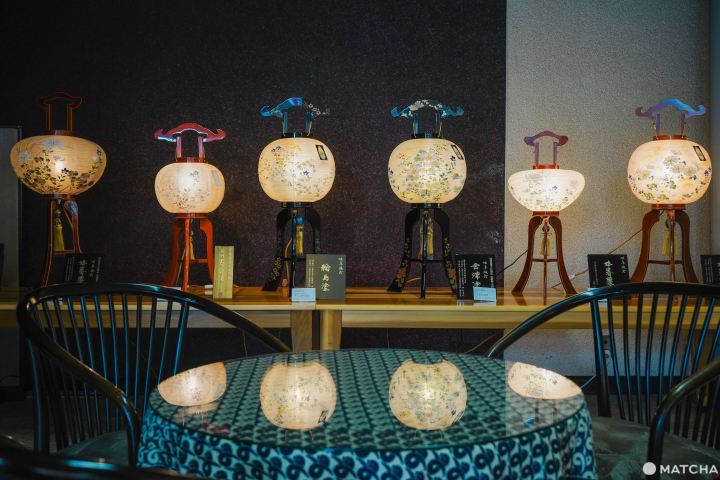
Gifu lanterns feature extremely thin strips of washi paper stretched over a frame with a delicate, elegant fire box painted with autumn plants and other traditional motifs that emit a soft, atmospheric glow. Even today, expert artisans craft these lanterns by hand using the same techniques of the past. Gifu lanterns are not only tools for providing light, but are also cherished for the glow they add to everyday life.
Ozeki: A Long-Established Paper Lantern Workshop
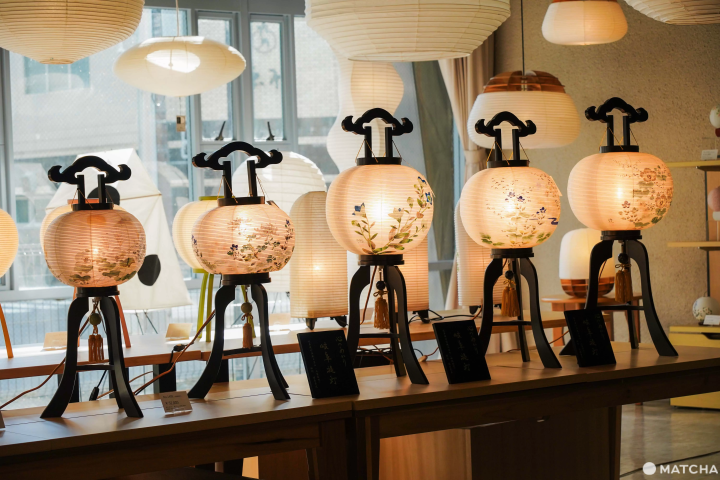
If you want to experience the charms of Gifu lanterns up close, we recommend paying a visit to the long-established Ozeki. Founder Jishichi Ozeki began his business selling paper lanterns and sundries in the early Meiji period. His son, the second-generation Jishichi, then specialized in the manufacture and sale of paper lanterns, expanding the market through participation in international expos and increasing the shop’s international recognition.
Ozeki’s paper lanterns were selected as an offering for the Emperor’s enthronement in 1928 and have continued to be favored by the Japanese Imperial Family and Imperial Household Agency.
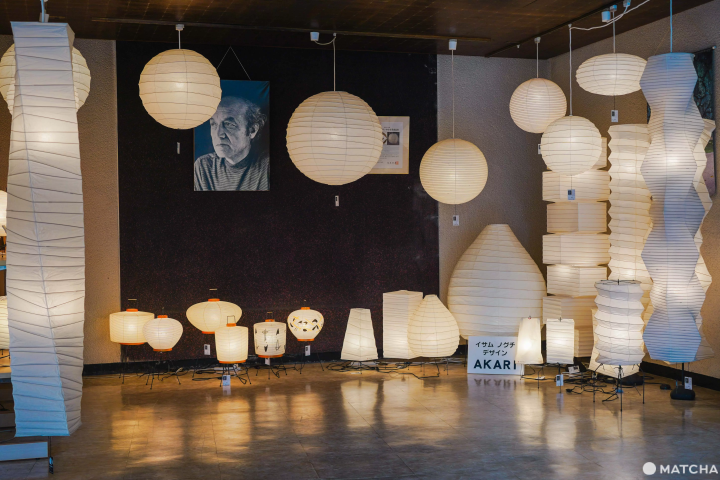
In the shop, in addition to traditional Gifu paper lanterns, you can also see AKARI by world-famous sculptor Isamu Noguchi. Known as a “light sculpture,” it is loved around the world.
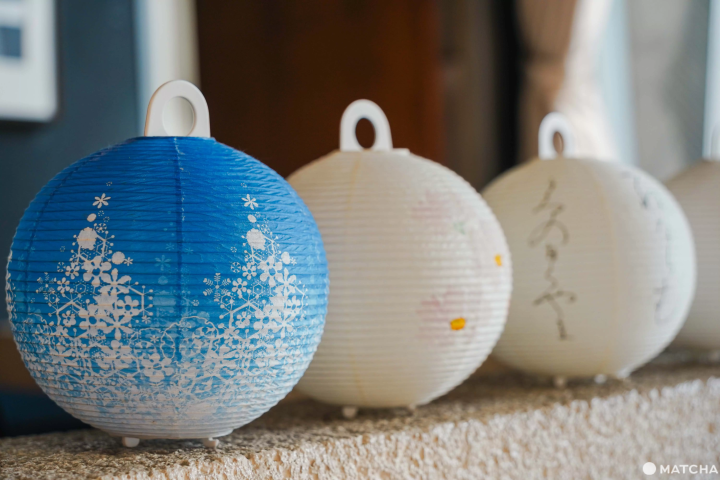
The shop also sells Letter Lanterns, decorated in themes such as sweetfish, Nobunaga, and the seasons, as well as gift lanterns. These lanterns can be sent as letters in envelopes or placed in a box as souvenirs or gifts filled with gratitude. OZEKI & Co., Ltd.
 1-18 Ogumacho, Gifu City, Gifu Prefecture
Founded in 1891, this long-established manufacturer produces Gifu lanterns using high-quality Mino paper and bamboo from the Mino region. After the war, Isamu Noguchi, a leading 20th century sculptor, visited the company and created "AKARI," which has been highly praised worldwide as a "sculpture of light."
1-18 Ogumacho, Gifu City, Gifu Prefecture
Founded in 1891, this long-established manufacturer produces Gifu lanterns using high-quality Mino paper and bamboo from the Mino region. After the war, Isamu Noguchi, a leading 20th century sculptor, visited the company and created "AKARI," which has been highly praised worldwide as a "sculpture of light."
Nagara River: Cormorant Fishing and Boat Culture by Torchlight
What is Cormorant Fishing?
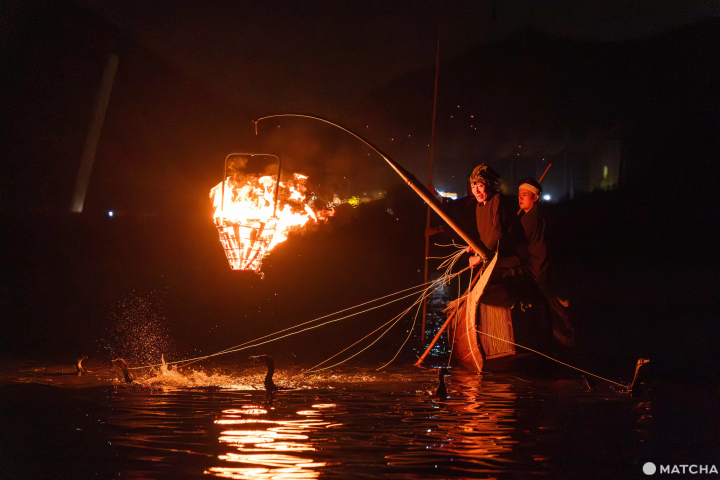
Ukai, or cormorant fishing, is a traditional fishing technique in which trained cormorants dive into the water to catch fish. It’s a rare method even worldwide. The usho (*) adjusts a noose around the cormorant’s throat so that large sweetfish are held in their throats, and once back at the boat, the birds are made to regurgitate the fish.
* Usho: Fishers who use cormorants to catch fish are called “usho.”
Why is Cormorant Fishing Done on Nagara River?
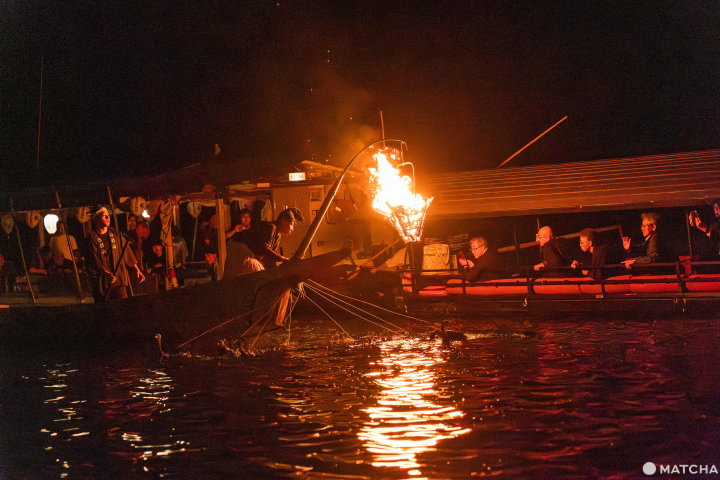
Nagara River, which flows through Gifu City, has clear waters, a stable water level, and a wide variety of fish, making it suitable for cormorants to dive and catch fish. For this reason, cormorant fishing has flourished on Nagara River for more than 1,300 years. Nobunaga used cormorant fishing as a way to entertain guests, with one theory suggesting that he was the one to give the fishers who handled the cormorants the name “usho.”
Limited-Time Cormorant Fishing Experience
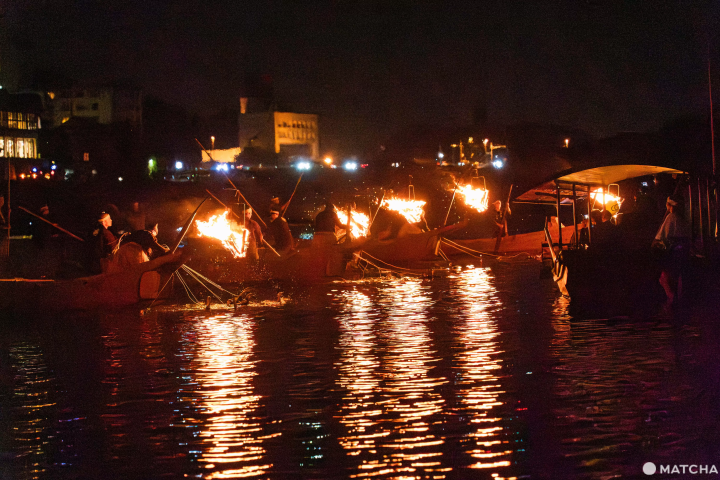
Cormorant fishing viewing experiences are offered for a limited period each year from May 11 to October 15, due to various factors such as protecting the environment of the sweetfish, managing the cormorants, and natural climate conditions. In the dark of night, the scene of the usho at work under the flickering torchlight is enchanting. The light of the fire reflected on the water and the swift movements of the fishers as the cormorants dive into the water together captivate the eyes and ears of spectators.
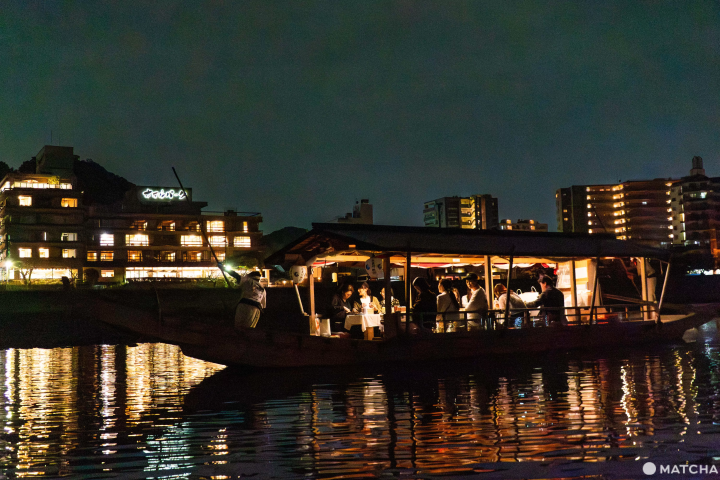
Another pleasure of watching cormorant fishing lies in the boating culture. Not only will you go on a boat and watch the fishing up close, but you’ll also be able to enjoy brilliant performances and entertainment from hokan, geigi, and maiko (*) while tasting delicious sake and seasonal sweetfish dishes. It can truly be called a “luxurious experience for adults.”
* Hokan: An entertainer who livens up banquets with jokes and performances.
* Geigi: A female performer trained in dance, music, song, and other traditional performing arts who specializes in entertaining guests at banquets.
* Maiko: A young female apprentice who is training to become a geigi.
Cormorant fishing on the Nagara River in Gifu
 1-2 Minatomachi, Gifu City, Gifu Prefecture
With a history spanning over 1,300 years, the traditional Gifu Nagara River cormorant fishing can be enjoyed from a shared boat, set against the backdrop of Mount Kinka.
1-2 Minatomachi, Gifu City, Gifu Prefecture
With a history spanning over 1,300 years, the traditional Gifu Nagara River cormorant fishing can be enjoyed from a shared boat, set against the backdrop of Mount Kinka.
Relax at a Scenic Onsen and Enjoy Cuisine Inspired by Nobunaga
Nagaragawa Onsen: One of Japan’s Top 100 Onsen
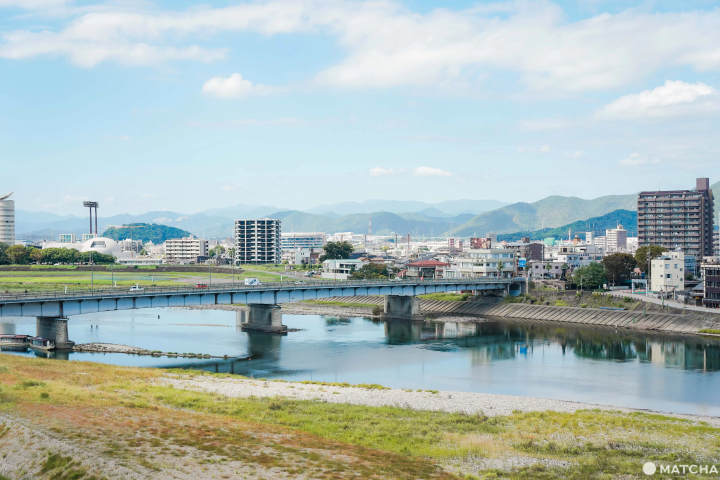
Nagaragawa Onsen, running along Nagara River, is home to traditional and charming hot spring inns, making it the perfect place to enjoy renowned hot springs with gorgeous scenery. This area was selected as one of Japan’s top 100 onsen, where travelers can soak in the hot springs, which boast abundant water, while enjoying the flowing Nagara River and the majestic Mt. Kinka and Gifu Castle. The seasonal scenery varies throughout the day, offering new discoveries and a fresh, enjoyable experience no matter how many times you visit.
Gifu Nagaragawa Onsen Hotel Park: Renowned for Spectacular Views
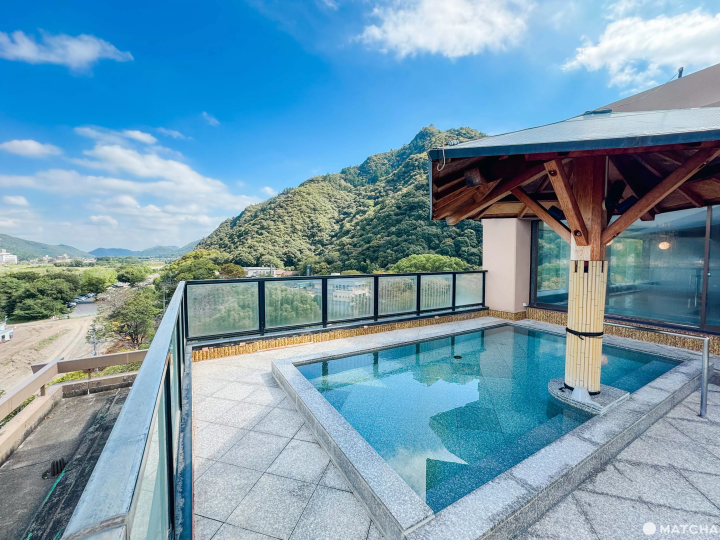
Gifu Nagaragawa Onsen Hotel Park, the closest hot spring to Gifu Castle, is known for its spectacular views. From the open-air bath on the top floor, you can enjoy a panoramic view of the Nagara River and even catch a distant view of Gifu Castle above.
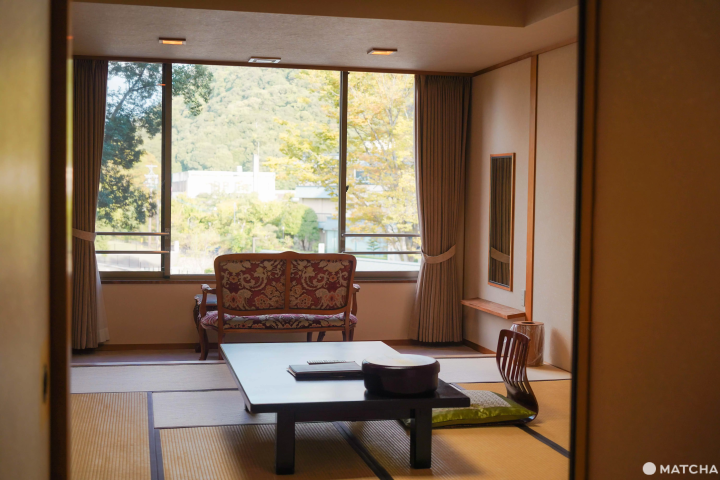
There are a variety of guest rooms, including Japanese, Western, and Japanese-Western styles, offering a comfortable stay suitable for all ages, from seniors to families with children. In the river-view rooms, you can leisurely enjoy watching cormorant fishing from your window.
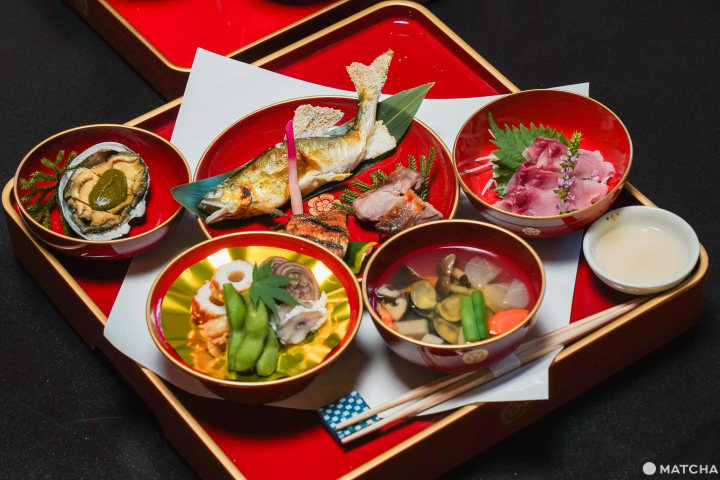
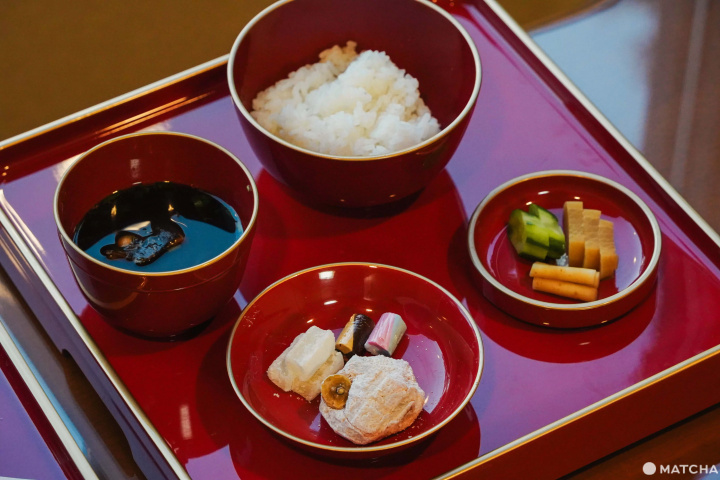
Not only can you appreciate gorgeous scenic views, but also enjoy delightful kaiseki ryori, a traditional Japanese course meal made with seasonal local river fish and mountain delicacies. We especially recommend the Nobunaga Banquet Meal to history enthusiasts, a special modern arrangement of dishes inspired by historical documents.
This course meal is a recreation of the delicious dishes Oda Nobunaga served to his guests, featuring key items such as salt-grilled sweetfish with delicate meat, abalones with firm, chewy texture, and dried persimmons with a fruity, almost honey-like sweetness.
The meal, featuring over 10 dishes, is diverse in cooking methods and textures. Each dish is full of surprises, keeping you engaged until the very last bite. The Nobunaga Banquet Meal is available for parties of five or more, so advance reservation is required.
Gifu Nagaragawa Onsen Hotel Park
 397-2 Minato-cho, Gifu City, Gifu Prefecture
Gifu Nagaragawa Onsen Hotel Park is a traditional onsen ryokan (hot spring inn) situated on the banks of the Nagara River, making it the closest lodging to Mount Kinka and Gifu Castle. From the guest rooms and large public baths, you can enjoy panoramic views of both the Nagara River and Mount Kinka. If you are lucky, you may even be able to watch the Cormorant Fishing (Ukai) from the comfort of your own room. This inn is highly acclaimed for its delicious cuisine, which features local ingredients nurtured by the clear waters of the Nagara River, and its warm, attentive hospitality.
397-2 Minato-cho, Gifu City, Gifu Prefecture
Gifu Nagaragawa Onsen Hotel Park is a traditional onsen ryokan (hot spring inn) situated on the banks of the Nagara River, making it the closest lodging to Mount Kinka and Gifu Castle. From the guest rooms and large public baths, you can enjoy panoramic views of both the Nagara River and Mount Kinka. If you are lucky, you may even be able to watch the Cormorant Fishing (Ukai) from the comfort of your own room. This inn is highly acclaimed for its delicious cuisine, which features local ingredients nurtured by the clear waters of the Nagara River, and its warm, attentive hospitality.
Start Your Adventure in Gifu! Explore Other Japan Heritage Sites
How was your trip to Gifu? Experiencing history and culture as living stories is one of the unique ways of enjoying Japan Heritage sites.
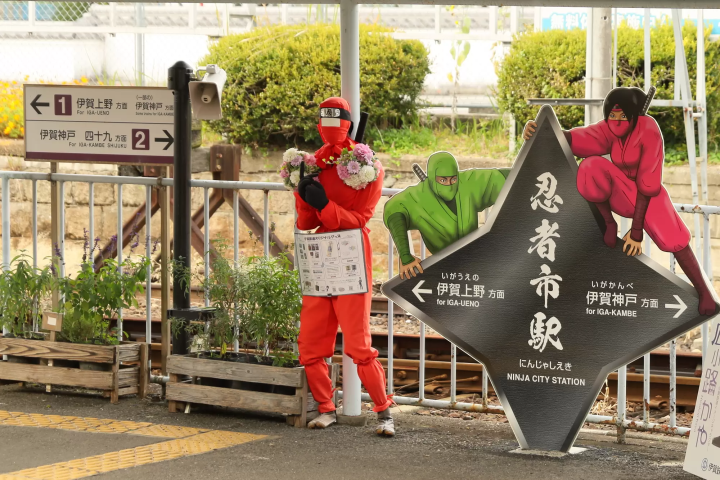
After enjoying Nobunaga-style hospitality, we recommend venturing out and exploring nearby Japan Heritage sites. For example, you can experience the ama (female diver) culture in Mie Prefecture or the ninja culture in Iga, (Mie Prefecture) and Koka, (Shiga Prefecture). Both are worthwhile experiences.
Picture courtesy of pixta
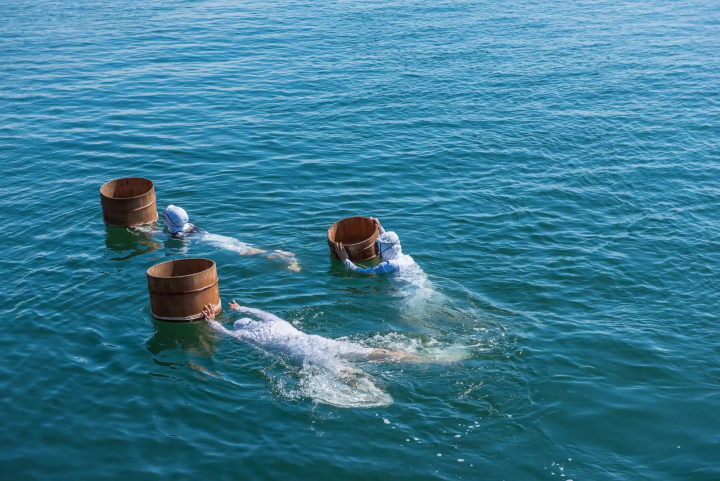
The Toba and Shima areas of Mie Prefecture have preserved their ama tradition, where female divers still fish by free diving. Freshly caught abalone are exquisitely delicious when eaten on the spot. Like cormorant fishing on Nagara River, ama fishing is a local culture passed down for generations and is actively being preserved while aiming to be registered, along with cormorant fishing, as a UNESCO Intangible Cultural Heritage for traditional fishing practices.
Picture courtesy of pixta
Iga in Mie Prefecture and Koka in Shiga Prefecture are also popular as the places where ninjaculture originated. Here, you can experience the ninja world firsthand by using your entire body to throw shuriken and practice ninjutsu. For more information on Japan Heritage sites, please visit the website below.
Learn more information on Japan Heritage sites
Sponsored by the Agency for Cultural Affairs
MATCHA's promotional account for corporate and local government advertising. We aim to provide useful information to our readers in an enjoyable manner.
Special Features
More