Hakko Department: Fermented Food Heaven in Shimokitazawa
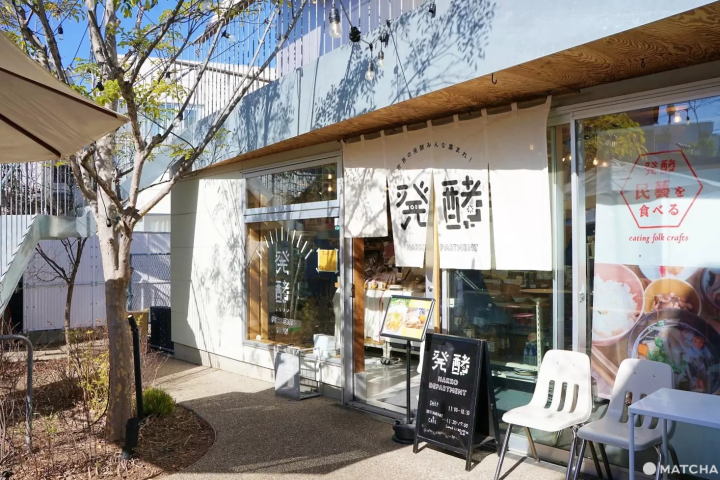
Discover authentic Japanese fermented ingredients at Hakko Department in Shimokitazawa. Elevate your home cooking with our healthy, savory, and unique finds.

Written by
Tokyo
English content editor at MATCHA since 2016. Ramona arrived in Japan in 2012 as a graduate student to research Japanese literature and performing arts. As a travel editor and writer, she has visited and documented 40 of Japan's prefectures with a focus on art, history, and traditional Japanese crafts. She has been practicing ikebana flower arrangement (Ikenobo School) and tea ceremony (Omote Senke) since 2012.
This service includes sponsored advertisements.
Hakko = Fermentation: The Soul of Japanese Cuisine
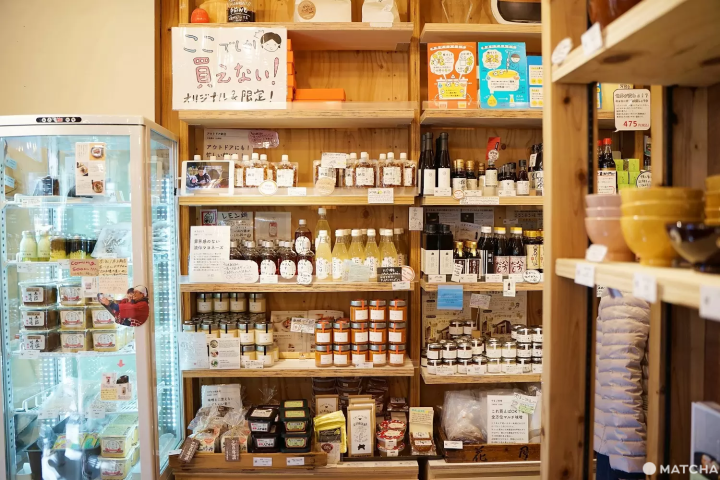
Anyone with an interest in Japanese cuisine soon notices that its richness and diversity of flavors rely on fermented foods - with soy sauce, miso paste, and sake being only a few obvious ones.
The cornerstone of this culinary tradition is Aspergillus oryzae (koji), a mold specifically adapted to Japan’s climate. Because Aspergillus oryzae requires rice to thrive, its development is inseparable from Japan’s agricultural history and environment.
Koji acts as the primary catalyst in Japanese fermentation: it saccharifies rice, providing the necessary sugars for yeast to produce alcohol. It also plays an essential role in the fermentation of soybeans, giving soy sauce and miso their signature depth.
Learning about hakko (fermentation) naturally sparks a deeper interest in its diverse culinary applications. While visiting traditional breweries provides great insight, there is now a place in Tokyo where you can find a curated selection of fermented products: the Hakko Department.
-
Table of Contents
- A Culture of Fermentation: The Story of Hakko Department
- Essential Fermented Ingredients at Hakko Department
- Taste the Flavors! Dining at the Hakko Department
- Unique Fermented Products for a New Flavor Experience
A Culture of Fermentation: The Story of Hakko Department
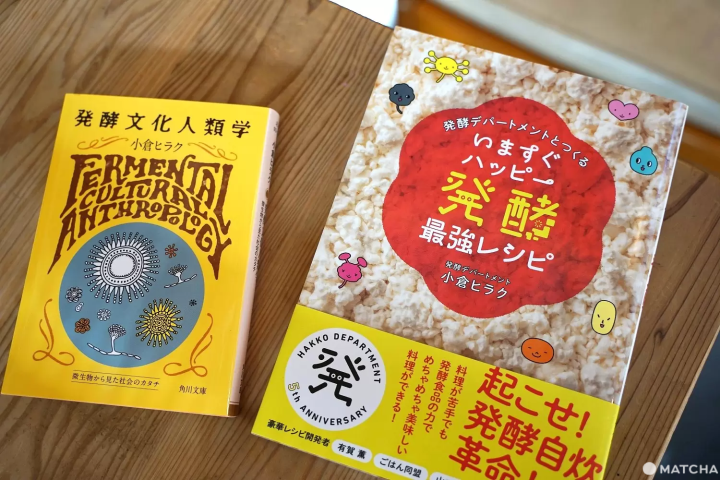
Books by fermentation designer Ogura Hiraku
The idea of opening a shop specializing in fermented foods grew from the success of "Fermentation Tourism Nippon," an exhibition held in 2019 at d47 MUSEUM within Shibuya Hikarie.
Curated by fermentation designer Ogura Hiraku to showcase Japan’s diverse regional traditions, the project’s popularity led to opening the Hakko Department in Shimokitazawa’s BONUS TRACK—a vibrant complex known for its collection of unique, independent retailers.
Opening in early 2020 amid the pandemic's uncertainty, the shop initially served primarily local Shimokitazawa residents. As home cooking became a necessity, neighbors discovered how fermented foods could transform their daily meals—a discovery that sparked a lasting trend.
Today, international visitors and residents make up nearly half of the clientele, ranging from curious newcomers to culinary enthusiasts hunting for rare, regional specialties once found only in the most remote corners of Japan.
Essential Fermented Ingredients at Hakko Department
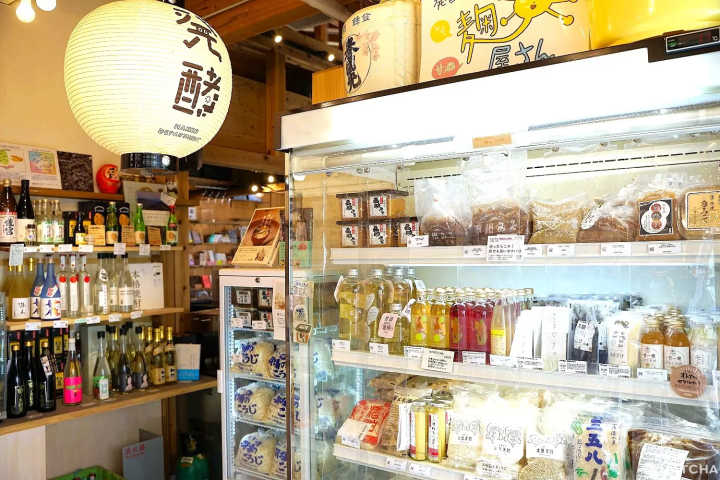
The shelves of the Hakko Department showcase the incredible range of flavors resulting from the fermentation of simple, everyday ingredients. The selection includes:
- Amazake: A nutritious, non-alcoholic rice drink widely loved in Japan for its sweet taste and health benefits. At Hakko Department, you'll also find clear amazake, which is quite rare!
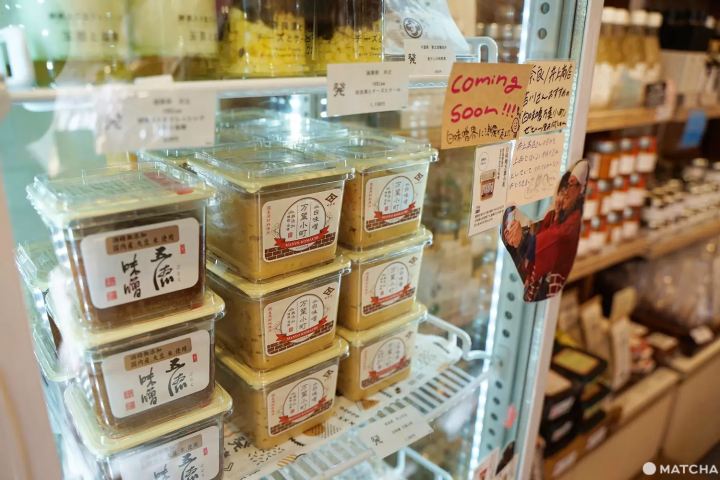
- Miso: A diverse lineup ranging from the intense, soy-based Hatcho Miso (Aichi) to the sweet barley miso (Kyushu) and delicate, white Saikyo Miso (Kyoto).
- Soy Sauce: Options spanning from rich, three-year-aged tamari—perfect for sashimi—to lighter, low-salt varieties ideal for seasoning simmered dishes.
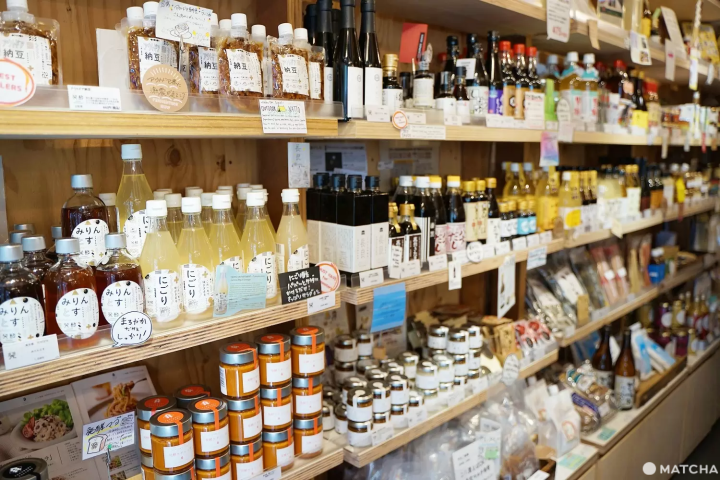
- Mirin: An essential Japanese seasoning made by fermenting regular rice together with glutinous rice and shochu (distilled liquor), used to add natural sweetness and a beautiful glaze to dishes.
- Vinegar: A variety of profiles, from crisp blends for sushi to mellow vinegars for salads and pungent, intense options for pickling.
- Natto: The nutrient-dense, fermented soybean staple of a traditional Japanese breakfast.
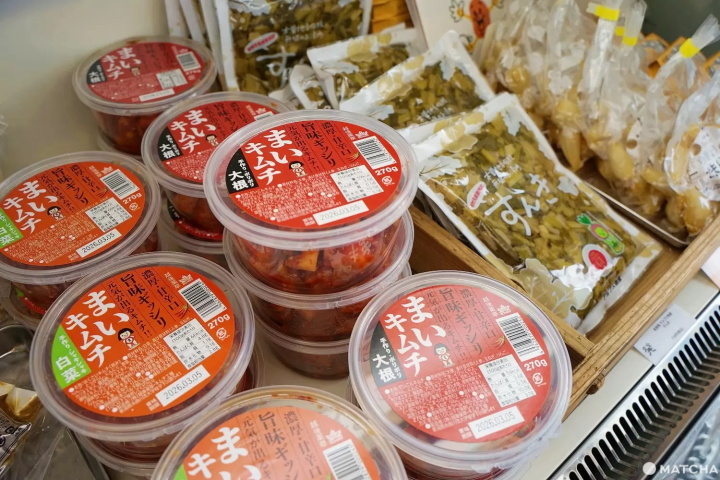
- Pickles: A selection of tsukemono (traditional Japanese pickles like hakusai and cucumber) alongside zesty kimchi and other regional varieties.
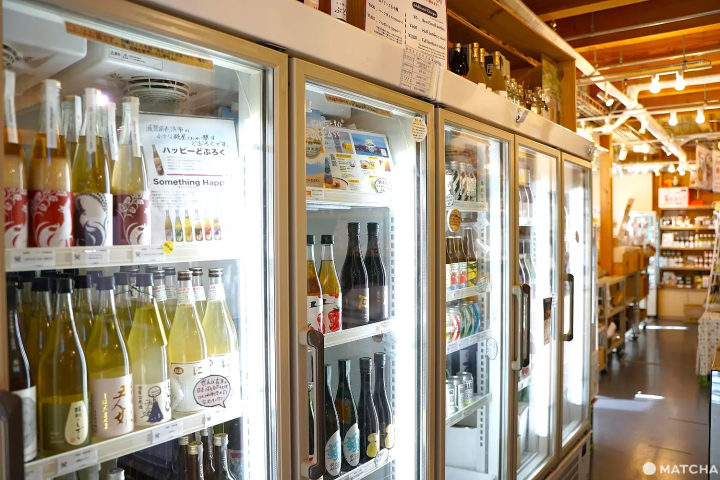
- Alcoholic Beverages: A curated selection of sake, wine, craft beer, and raw doburoku (unfiltered sake).
Browsing the Hakko Department fills you with wonder at the magic of fermentation.
You’re witnessing the result of a centuries-old partnership between artisans and the unseen work of Aspergillus oryzae and other beneficial bacteria, turning simple ingredients into a world of complex flavor.
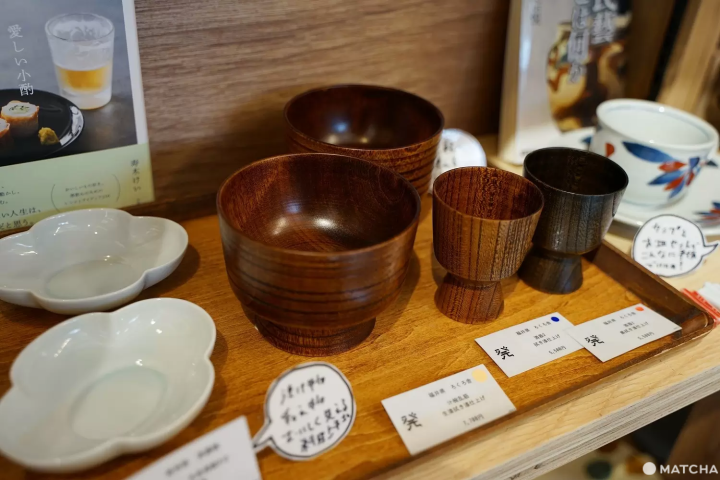
The shop also offers a curated collection of tableware, pottery, and kitchen tools, alongside a unique range of cosmetics crafted using organic, fermentation-based methods.
Taste the Flavors! Dining at the Hakko Department
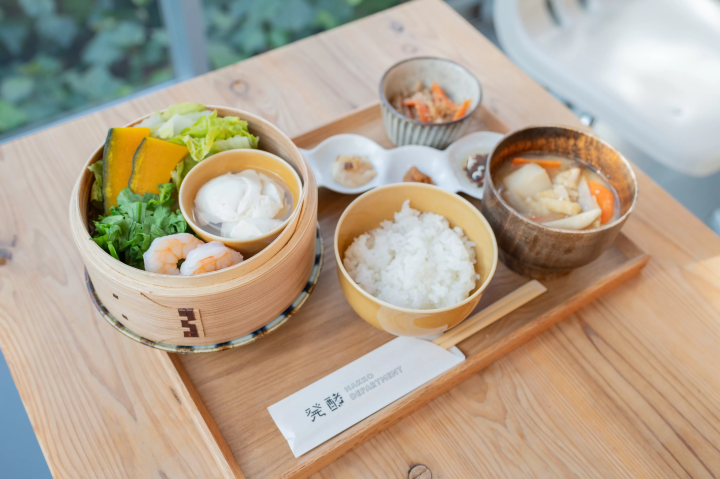
Picture courtesy of Hakko Department
You can also experience these flavors firsthand at the shop's adjacent resaurant-café, which serves lunch and afternoon refreshments.
The menu focuses on healthy, gentle dishes that highlight the versatility of fermented ingredients.
Shown in the picture above is the Shichifukukin ("Seven Lucky Ferments") steamed set—a carefully crafted meal that allows you to taste the unique contributions of seven different beneficial fermentation bacteria in a single sitting.
The main set menu rotates every few months, ensuring that every visit offers new flavors to discover. These meals also provide inspiration for incorporating fermented staples into your own home cooking.
For a limited time in early 2026, the café will offer a menu developed in collaboration with Taiwanese culinary expert Peggy. To complement the experience, the shop will also host a special showcase spotlighting a curated selection of fermented products from Taiwan!
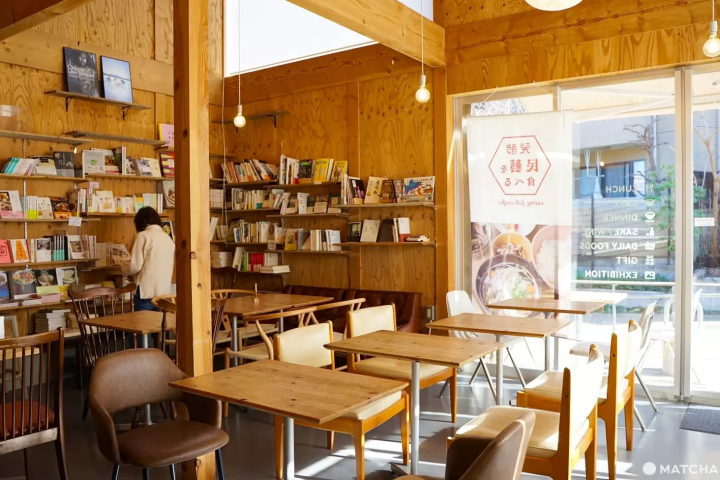
The café has a library corner stocked with a diverse collection of resources—ranging from deep-dive anthropological studies to practical cookbooks and illustrated guides.
It is the perfect place to spend a quiet afternoon in Shimokitazawa, surrounded by the inviting, savory aromas of the kitchen.
Unique Fermented Products for a New Flavor Experience
The Hakko Department curates its shelves based on three core principles: honoring traditional methods, applying fermentation to address modern needs, and—most importantly—offering exciting, novel flavor experiences.
Inspired by founder Ogura Hiraku’s nationwide travels and brewery visits, the store’s collection captures a true spirit of culinary curiosity.
We introduce some of the products that exemplify this vision, including original items developed by the Hakko Department in collaboration with local artisans.
1. Black Koji Amazake
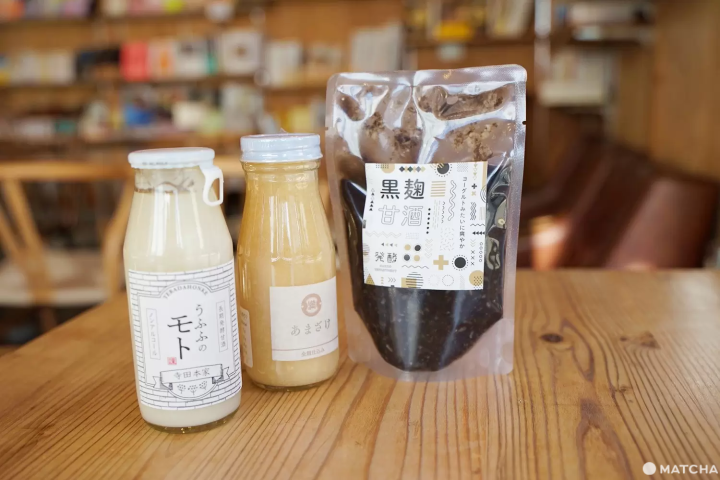
While the Hakko Department stocks a wide variety of amazake, the standout is undoubtedly the Black Koji Amazake.
Black koji—a dark mold traditionally used in Okinawan sake production—naturally produces citric acid during fermentation, which inhibits unwanted bacteria.
This process results in a sweet-and-sour flavor profile reminiscent of pineapple. Enjoy it as a refreshing drink or use it as a versatile cooking seasoning; visit the Hakko Department’s official website for recipe inspiration.
2. Outdoor Natto
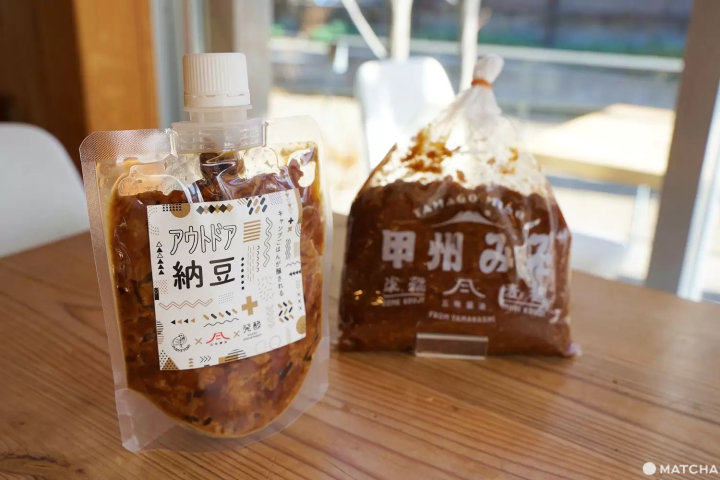
Natto, a traditional Japanese fermented bean dish, is a nutritional powerhouse.
While standard natto requires refrigeration, the Outdoor Natto—an original collaboration between Hakko Department, a miso brewery from Yamanashi, and a Gunma-based outdoor company—is shelf-stable. This makes it easy to enjoy its health benefits while camping, hiking, or adventuring in the wild.
3. Grape Wine Tasting of Soil and Seeds: Marusan Wine
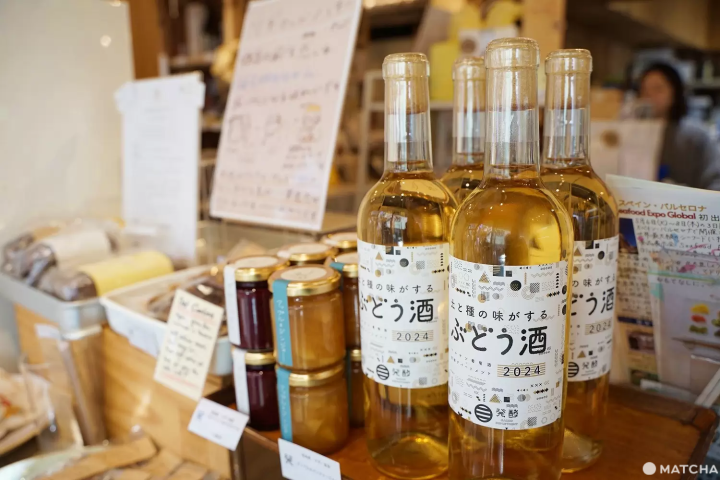
Since 2019, the Hakko Department has produced the Grape Wine That Tastes of Soil and Seeds in the renowned winemaking hub of Katsunuma.
Unlike conventional Koshu wine, which uses only the grape flesh, this vintage is crafted by firmly pressing the entire fruit—skins and seeds included.
This process produces an orange-hued profile defined by firm tannins and deep savory umami notes. It is a casual, approachable wine that bridges the gap between traditional Koshu and orange wine, making it an excellent companion for Japanese cuisine.
4. Unfiltered Vinegar from Totsuka Vinegar Brewery
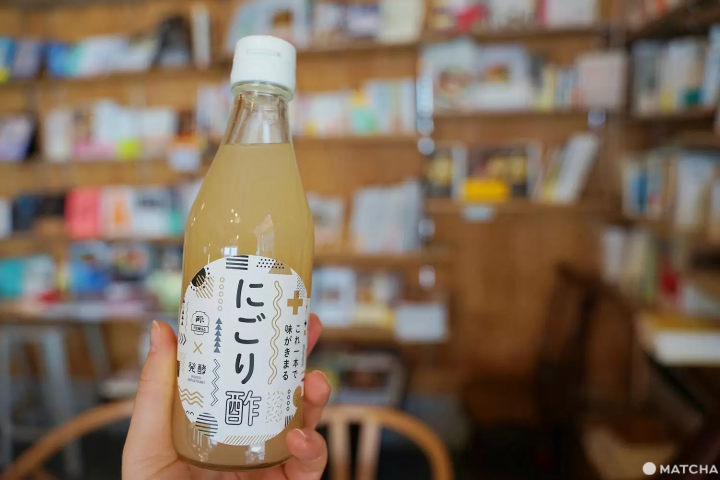
This organic, unfiltered rice vinegar is crafted from fermented lees, delivering a deep, umami-rich flavor.
After maturing for over eight months, the lees are pressed using traditional sake bags, resulting in a cloudy vinegar that balances bright acidity with savory complexity.
It is a versatile pantry staple that enhances everyday cooking and shines when mixed with lemon and soda for a refreshing summer drink.
5. Kanzuri: Japanese Fermented Chili Paste from Niigata
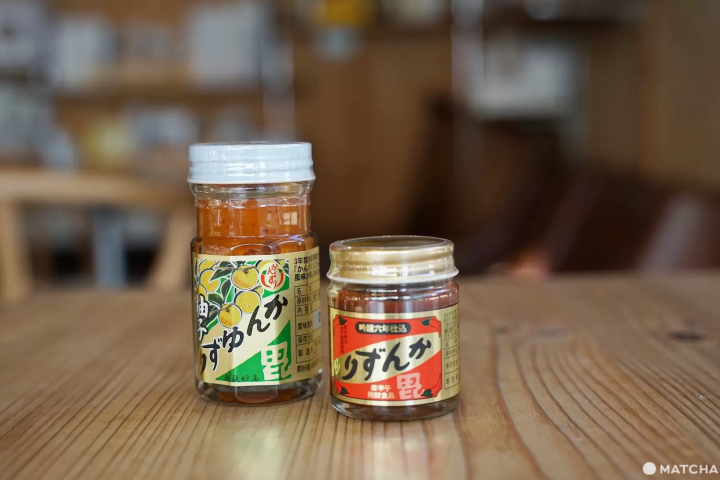
Kanzuri is a fermented chili paste crafted in the snow-heavy mountains of Myoko, Niigata. Once a local secret, this savory, mild-heat condiment has evolved into a national favorite—and a top seller here at Hakko Department.
Don’t let the vivid red color fool you: Kanzuri is defined by its deep umami rather than intense spice. It’s incredibly versatile, making it the perfect way to brighten up hot pot, ramen, yakitori (grilled chicken), or even a simple block of tofu.
Enjoy the World of Fermented Ingredients at Hakko Department
Hakko Department is a treasure trove of fermented ingredients sourced from across Japan. Browsing their collection will spark your curiosity and bring joy to your kitchen.
The culinary possibilities of fermentation are infinite, so let Hakko Department be your gateway to this vibrant world.
Hakko Department
Location: Tokyo, Setagaya, Daita 2-36- 5 BONUS TRACK (Map)
Hours: Shop 11:00 - 18:30, Restaurant and Cafe 11:00 - 17:00
Official website: https://hakko-department.com/
Official Instagram: https://www.instagram.com/hakko.department/
Read also
In cooperation with Hakko Department
English content editor at MATCHA since 2016. Ramona arrived in Japan in 2012 as a graduate student to research Japanese literature and performing arts. As a travel editor and writer, she has visited and documented 40 of Japan's prefectures with a focus on art, history, and traditional Japanese crafts. She has been practicing ikebana flower arrangement (Ikenobo School) and tea ceremony (Omote Senke) since 2012.


Special Features
More