
A Culinary Journey: Exploring Lake Biwa's Fermentation Culture
This two-day food itinerary explores the rich fermentation culture around Lake Biwa, highlighting the incredible depth of local cuisine. From savory funazushi—the origin of modern sushi—to cheese and sweets made with fermented ingredients, this journey offers a treat for every palate.

Written by
Japan’s Fermentation: The Secret Behind UMAMI. Discover the hidden secrets and charms of Japan’s rich fermentation culture! Nagoya, once home to powerful shogun who shaped history, is famous for landmarks like Nagoya Castle and Ghibli Park. But did you know it's also a treasure trove of Japan’s iconic UMAMI-rich food culture? ■What's HAKKO? In Japanese cuisine, fermentation (HAKKO) plays a crucial role in creating flavorful seasonings and world-renowned sake. The mastery of fermentation techniques is key to crafting these delicious essentials. ■What Kind of Place is Nagoya? Located in central Japan, Nagoya serves as a major transportation hub, easily accessible by air and land. Thanks to its rich natural environment and unique climate, the region has cultivated a distinctive fermented food culture over the centuries.The Chita Peninsula, nestled between Ise Bay and Mikawa Bay, is a scenic region that has long been known for its thriving brewing industries, producing sake, vinegar, miso, and tamari soy sauce. Meanwhile, Nishi-Mikawa, the birthplace of Tokugawa Ieyasu, carries on the tradition of making Hatcho miso and the uniquely light-colored Shiro shoyu (white soy sauce)—both essential elements of Japanese cuisine.
This service includes sponsored advertisements.
-
Table of Contents
- A Journey to the Heart of Fermentation: Lake Biwa
- Korian: Savor a Fresh Take on Funazushi, a Fermented Variety of Sushi
- Umi no Schole: A Fermentation Hub Featuring a New World of Flavors
- A Side Trip to Hikone for History and Scenic Views
- La Collina Omihachiman: Relish Sweet Treats and Nature
- Enjoy Shiga’s Fermented Food Culture and Splendid Scenery
A Journey to the Heart of Fermentation: Lake Biwa
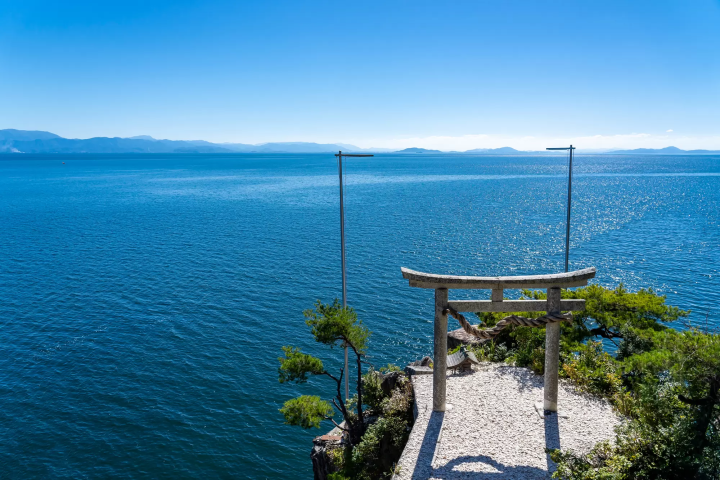
View of Lake Biwa from Chikubushima Island, Nagahama City. Photo by Pixta
Our exploration of Japan's HAKKO fermented food culture led us to the shores of Lake Biwa. The lake is easily accessible from Nagoya via Shinkansen and local trains.
As Japan's largest and one of the world's oldest lakes, Lake Biwa is a crucial source of water and food for the surrounding communities. The local climate is also perfect for fermentation, making the region a hub for this ancient practice.
The area is most famous for narezushi, a traditional dish that ferments fish from the lake with rice for several months. Born out of the need to preserve food before refrigeration, this unique dish is considered the origin of modern sushi.
Water from Lake Biwa is crucial for producing some of Japan's most essential fermented foods, including sake, soy sauce (shoyu), and miso paste. The region is also famous for its fermented cheeses and pickles. Over time, the variety of local fermented foods grew and diversified.
This two-day food-themed itinerary focuses on the cities along Lake Biwa's eastern shore. It features a curated selection of restaurants and facilities where you can taste exceptional cuisine made with fermented ingredients, offering unique insights into Japan's rich food culture.
Korian: Savor a Fresh Take on Funazushi, a Fermented Variety of Sushi
Our first recommendation for your culinary journey around Lake Biwa is Korian, a restaurant in the former port town of Kaizu, Takashima.
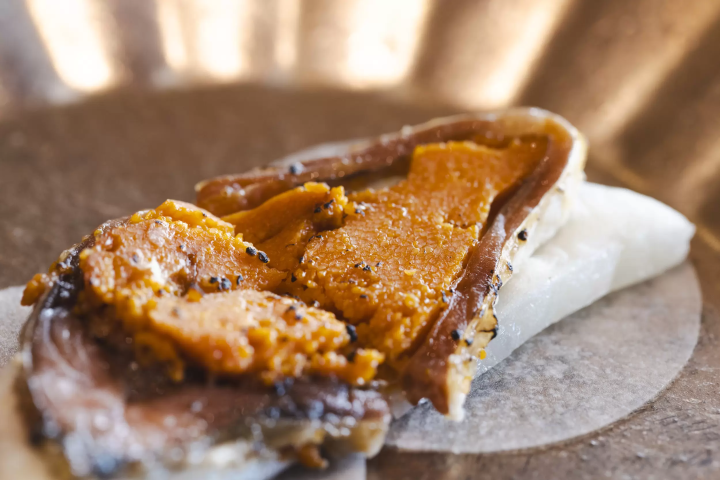
Korian specializes in refined kaiseki cuisine that reimagines funazushi for the modern palate. Funazushi, a type of narezushi, is a traditional fermented sushi made with Lake Biwa's crucian carp. The fish is salted and fermented with boiled rice for two years before it's served, resulting in a unique and complex flavor.

At Korian, owner and head chef Sazaki Kensuke skillfully carries on a family legacy. His family has run the Uoji funazushi specialty shop in the Kaizu district for generations, and now, he proudly promotes this tradition through his sophisticated cuisine.
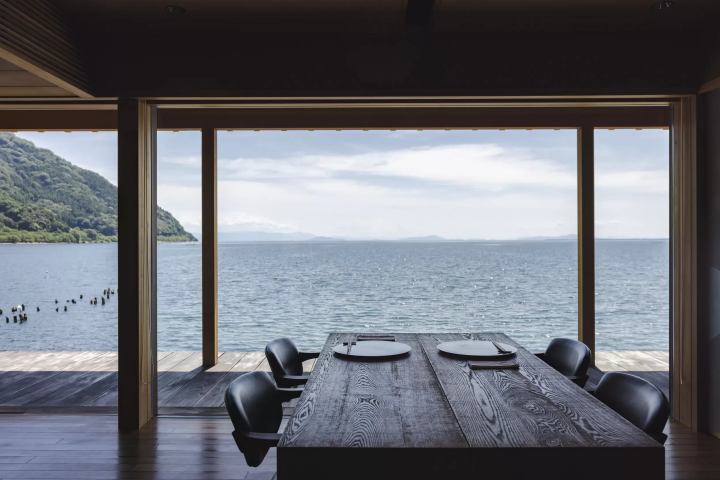
Stepping into Korian, the first thing you'll notice is the stunning interior with high windows that offer an unobstructed view of Lake Biwa. The dining area is separated from the water only by a short veranda (engawa), making you feel as though you're dining right above the lake. This remarkable space was designed by the chef's younger brother.
The large windows allow guests to watch the lake's scenery change with each passing hour and season. Outside, wooden pillars remain from the old port, serving as resting spots for herons, seagulls, and wild ducks. This serene view is an essential part of the Korian experience, filling guests with a sense of wonder and reconnecting them with nature.
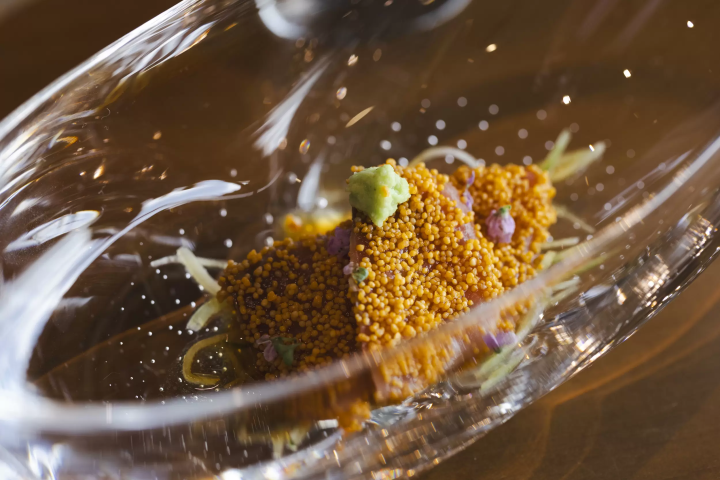
Each dish in the course is served one by one, with the chef taking a moment to explain its background and highlight an aspect of Lake Biwa's rich food culture. You'll discover fascinating details, like how the funa (crucian carp) lays its eggs in the very water used to irrigate the rice paddies. This means that a dish of crucian carp and rice essentially comes from the same place—the rice paddy itself.

The menu allows you to experience the full range of funazushi. The appetizer features funa no kozuke, a small dish of crucian carp coated with roe. Afterward, you can taste a piece of full-fledged funazushi along kosode-zushi made with Biwa trout; on one plate, you can enjoy and compare a variety of dishes. You might be surprised by the sharp taste of funazushi, which is a direct result of the rice fermentation process and can remind you of sake or sake lees.
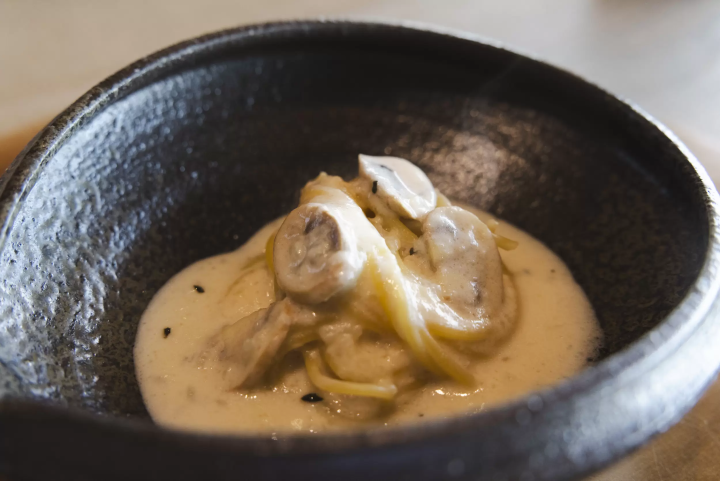
Other dishes in the course demonstrate the chef's creativity and skill by featuring funazushi in surprising ways. You'll encounter dishes that challenge your expectations, such as a pasta with a creamy sauce that looks like cheese but is actually made from funazushi. This mild and soothing flavor reveals a different, more gentle side of the fermented dish.
The final savory dish is a bowl of ochazuke, rice topped with dashi broth flavored with funazushi, offering one more testament to the ingredient's versatility and the wide range of flavors it can produce.
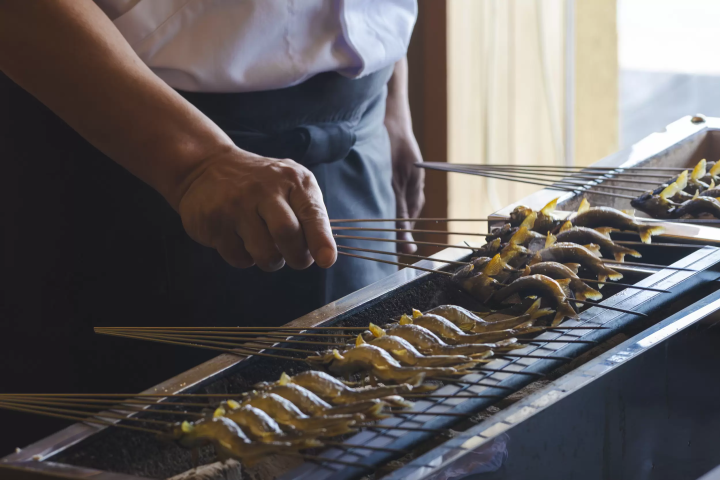
The kaiseki course at Korian also features other local fish, such as Biwa trout and sweetfish, and fermented ingredients like locally made soy sauce. Feel free to ask the Sazakis for sake recommendations to pair with your meal. A sip of the right sake can transform the flavors in your mouth, adding another layer to this exceptional culinary experience.
Please note that the restaurant is reservation-only. International visitors are encouraged to use a reservation service with an interpreter for a smoother experience.
Korian
 2307 Kaizu, Makino-cho, Takashima City, Shiga Prefecture, 520-1811
Located in Kaizu, a port town on the inner shores of Lake Biwa, Korian is an auberge that serves funazushi and other dishes made with seasonal Lake Biwa delicacies, and only caters to one group per day.
The funazushi from the long-established restaurant Uoji is a masterpiece made from Nigorobuna (carp) from Lake Biwa, which is slowly fermented and aged over two winters using traditional fungi stored in the restaurant's own premises. Korian was founded in this area with the desire to allow guests to savor this sushi in harmony with the lake's natural environment.
The restaurant's name was chosen by the author Shusaku Endo (Korian Sensei).
2307 Kaizu, Makino-cho, Takashima City, Shiga Prefecture, 520-1811
Located in Kaizu, a port town on the inner shores of Lake Biwa, Korian is an auberge that serves funazushi and other dishes made with seasonal Lake Biwa delicacies, and only caters to one group per day.
The funazushi from the long-established restaurant Uoji is a masterpiece made from Nigorobuna (carp) from Lake Biwa, which is slowly fermented and aged over two winters using traditional fungi stored in the restaurant's own premises. Korian was founded in this area with the desire to allow guests to savor this sushi in harmony with the lake's natural environment.
The restaurant's name was chosen by the author Shusaku Endo (Korian Sensei).
Umi no Schole: A Fermentation Hub Featuring a New World of Flavors
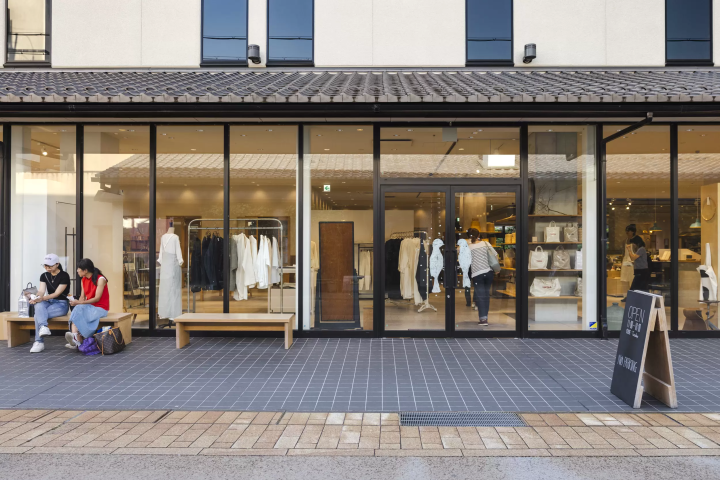
Located in the central Nagahama City shopping street since it opened in December 2021, Umi no Schole is a complex focused on the diverse fermented foods of the Lake Biwa area.
Designed to inspire visitors with the wisdom of local life, the facility features on-site production rooms that connect guests directly to the region's natural environment and its producers. By tasting and experiencing these goods, visitors can gain a deeper understanding of the people and processes behind them, fostering a desire for further learning.

Umino-Schole is a multifaceted complex featuring a variety of spaces for visitors to explore. It includes a spacious store with a curated selection of furniture, fashion, homeware, and antiques; a 42-seat cafe serving a menu of local cuisine with on-site made cheese and miso; a cheese factory that uses fresh milk from Shiga's renowned Ibuki Milk Farm to create original products; and a workshop area where guests can get hands-on experience making miso and other fermented foods.
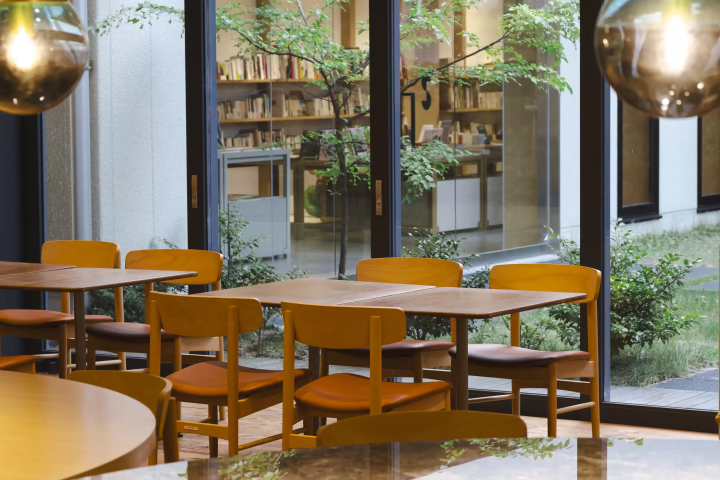
The complex also houses a gallery, a bookstore, and the Happy Taro Brewery, which crafts original doburoku (unfiltered sake), miso, and amazake from handmade koji.
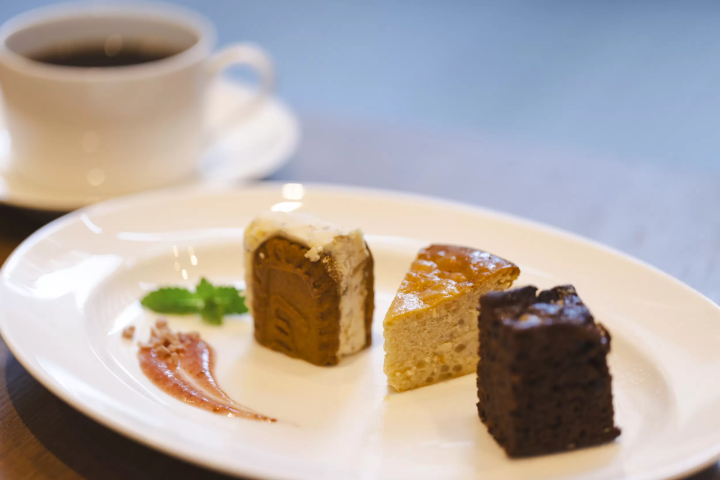
We recommend starting your visit at the cafe to enjoy a delicious meal or coffee break. The menu features dishes like curry rice, sandwiches, and desserts that highlight the best of local produce, as well as unique cheeses made on-site. Every bite is a testament to the staff's dedication to promoting Lake Biwa's remarkable fermentation culture.
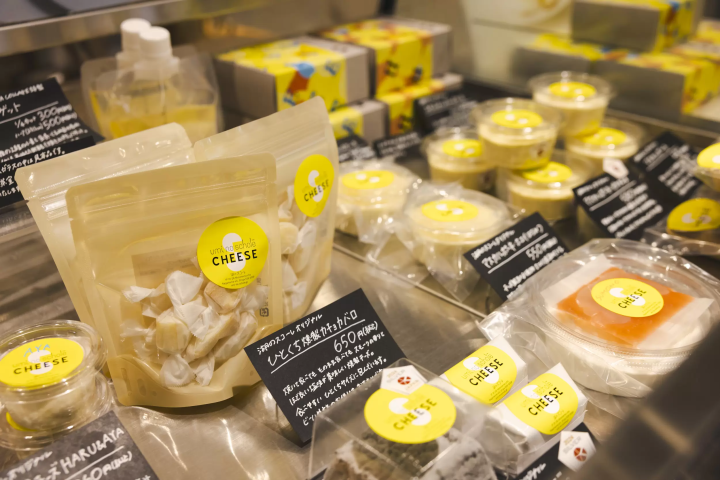
After your meal, take some time to browse the charming shop and gallery for a souvenir. We highly recommend the on-site cheeses, which are not only exceptionally good but also truly unique. You can try the Miso Fromage, which blends the flavors of miso and cheese, or the Takesumi Fromage, which is wrapped on the outside in bamboo charcoal and has a creamy, smooth texture inside.
Umi no Schole
 13-29 Motohamacho, Nagahama City, Shiga Prefecture, 526-0059
A place to learn about the wisdom of life in the Lake Country. This commercial and cultural facility is filled with opportunities for learning, including a spacious store, a coffee shop, a cheese production room and brewery, a gallery, and hands-on classes.
13-29 Motohamacho, Nagahama City, Shiga Prefecture, 526-0059
A place to learn about the wisdom of life in the Lake Country. This commercial and cultural facility is filled with opportunities for learning, including a spacious store, a coffee shop, a cheese production room and brewery, a gallery, and hands-on classes.
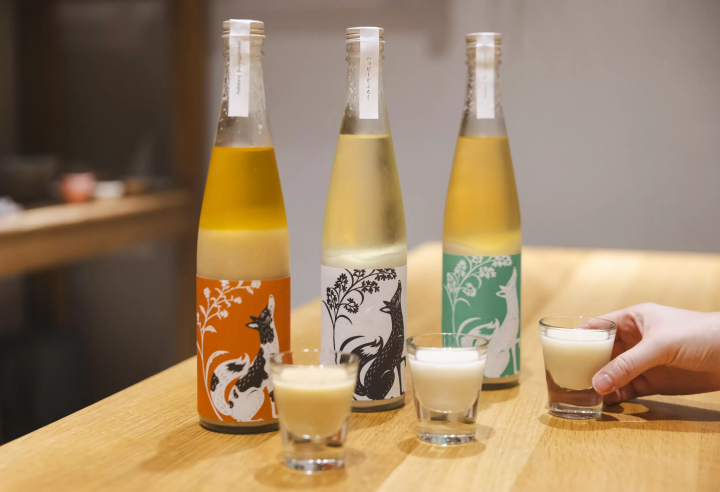
A bottle of doburoku (unfiltered sake) from the Happy Taro Brewery is another excellent choice. The brewery makes an incredible variety of original doburoku flavors using herbs, fruits, and spices. You'll find a range of options, from varieties with different alcohol contents to completely non-alcoholic amazake.
Happy Taro Brewery
 13-29 Motohamacho, Nagahama City, Shiga Prefecture Inside Lake Scuola,...
Happy Taro Brewery manufactures, develops, and sells fermented foods that fit into the diverse modern dining table, including koji, amazake, and miso, with a focus on "craft doburoku," which uses a variety of secondary ingredients.
13-29 Motohamacho, Nagahama City, Shiga Prefecture Inside Lake Scuola,...
Happy Taro Brewery manufactures, develops, and sells fermented foods that fit into the diverse modern dining table, including koji, amazake, and miso, with a focus on "craft doburoku," which uses a variety of secondary ingredients.
To truly immerse yourself in the local food and culture, we recommend staying overnight in Nagahama. The city offers several excellent hotels and traditional inns (ryokan) along the shore of Lake Biwa.
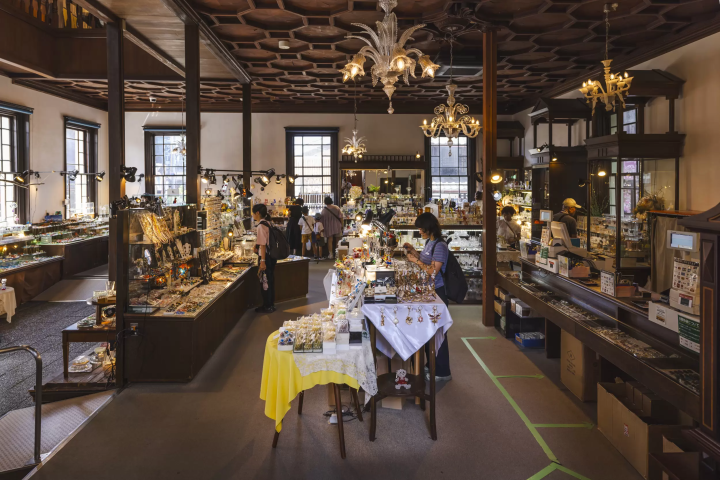
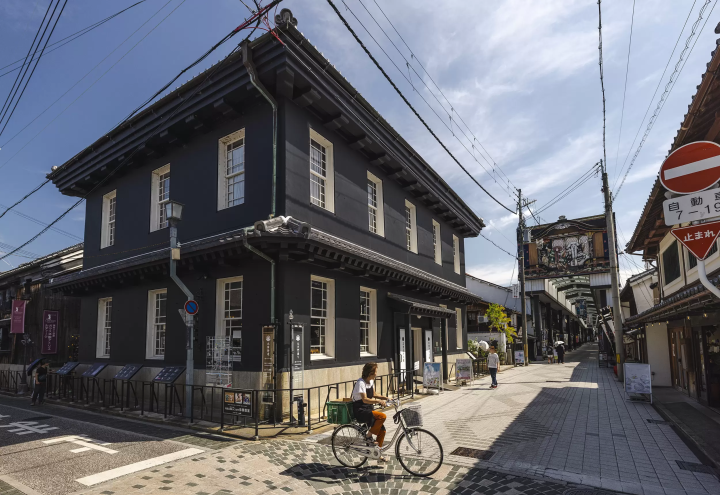
The central shopping street is a great place to explore local crafts and cuisine. Be sure to visit Kurokabe Square, home to the Kurokabe Glass Shop, a well-known spot housed in a former bank building that features glassware; you can admire and purchase a wide range of pieces, from beautiful works crafted by Japanese artisans to renowned glass art from around the world.
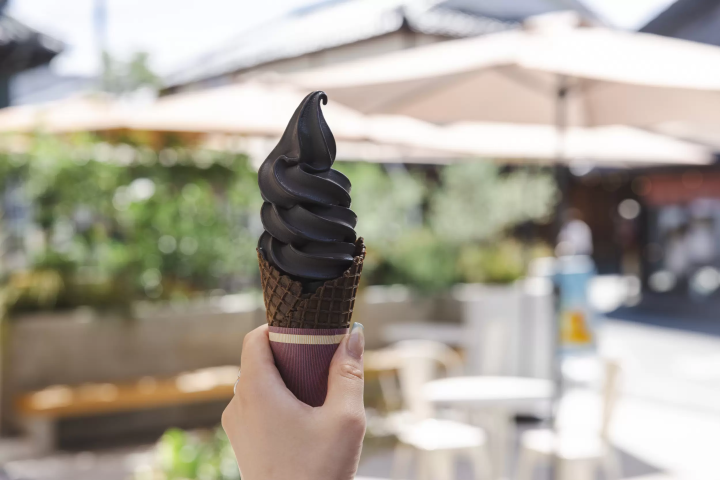
Across from the shop, a cafe serves a rich, chocolate-flavored soft-serve ice cream inspired by the "black walls" of the former bank. We also recommend a visit to the Nagahama Hikiyama Museum to see hikiyama floats and objects from the city's famous annual festival, held every April. There's so much to discover here that you'll definitely want to extend your stay.
Kurokabe Square Kurokabe Glass Museum
 12-38 Motohamacho, Nagahama City, Shiga Prefecture 526-0059
Kurokabe Square is a general term for an old streetscape stretching along the Hokkoku Kaido road. The Kurokabe Glass Museum, a renovated old bank affectionately known as the Kurokabe Bank since the Meiji era, is the centerpiece, and the old streetscape is dotted with charming shops, including glass shops, workshops, galleries, experience classes, restaurants, and cafes. Also, if you venture a little outside the city center, you will find a lush natural landscape surrounded by Lake Biwa, the largest lake in Japan, and the mountains. Nagahama Kurokabe Square is a place where you can enjoy the traditions, new art, and abundant nature all in the old streetscape.
12-38 Motohamacho, Nagahama City, Shiga Prefecture 526-0059
Kurokabe Square is a general term for an old streetscape stretching along the Hokkoku Kaido road. The Kurokabe Glass Museum, a renovated old bank affectionately known as the Kurokabe Bank since the Meiji era, is the centerpiece, and the old streetscape is dotted with charming shops, including glass shops, workshops, galleries, experience classes, restaurants, and cafes. Also, if you venture a little outside the city center, you will find a lush natural landscape surrounded by Lake Biwa, the largest lake in Japan, and the mountains. Nagahama Kurokabe Square is a place where you can enjoy the traditions, new art, and abundant nature all in the old streetscape.
 12-38 Motohamacho, Nagahama City, Shiga Prefecture, 526-0059
This wooden Western-style building, originally built as a bank in 1900 (Meiji 33), was reborn as the Kurokabe Glass Shop in 1989.
You can enjoy shopping for a variety of glass items while enjoying the retro location that retains the charm of the time.
We have a wide selection of products to help you enjoy the beauty of your daily life, including traditional European products, modern interior items, stylish tableware, seasonal accessories, and more.
12-38 Motohamacho, Nagahama City, Shiga Prefecture, 526-0059
This wooden Western-style building, originally built as a bank in 1900 (Meiji 33), was reborn as the Kurokabe Glass Shop in 1989.
You can enjoy shopping for a variety of glass items while enjoying the retro location that retains the charm of the time.
We have a wide selection of products to help you enjoy the beauty of your daily life, including traditional European products, modern interior items, stylish tableware, seasonal accessories, and more.
A Side Trip to Hikone for History and Scenic Views
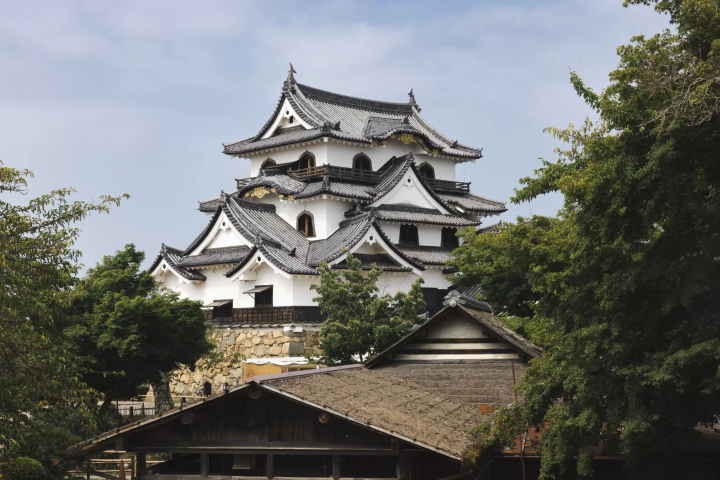
Midway between Nagahama and our next destination, Omihachiman, is the city of Hikone, known for its remarkably well-preserved castle. We recommend a stop here for a glimpse into the history of Edo-period Japan and the vital role Lake Biwa played during times of unrest.
Hikone Castle was the seat of the influential Ii clan during the Edo period (1603-1868). The Ii clan was a powerful vassal of Tokugawa Ieyasu at the Battle of Sekigahara (1600). This battle led to Tokugawa becoming shogun, ending decades of internal conflict and changing the course of Japanese history.
The castle's strategic design, with its defensive walls, moats, and hidden archers' openings, showcases a blend of medieval and later Edo-era features. It is believed that many parts of the structure were actually relocated from older castles, such as Otsu and Sawayama. For instance, after Otsu Castle fell, sections were transported across Lake Biwa to Hikone and reused to fortify and expand the new castle.
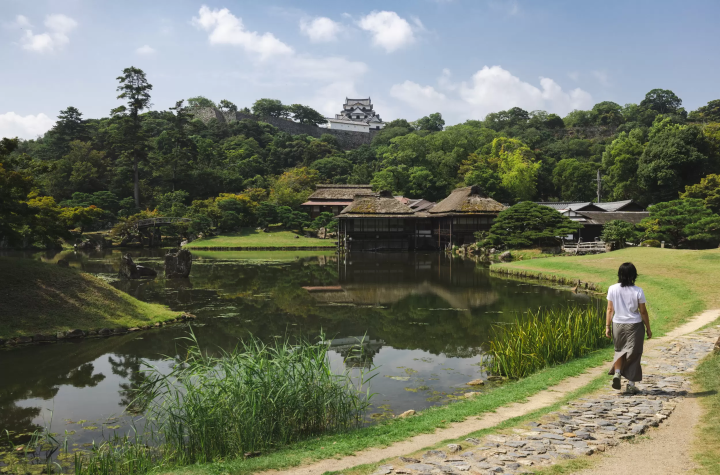
The Ii clan were not only powerful leaders but also refined patrons of the arts, particularly known for their practice of Noh theater and the tea ceremony. This cultural legacy is beautifully preserved at Genkyuen, a large Japanese garden located on the grounds of Hikone Castle.
The garden can be explored by walking around its central pond, where you can admire the changing beauty of each season. We recommend spending at least an hour here, as the garden also provides superb vantage points for photographing Hikone Castle.
Hikone Castle
 1-1 Kanagicho, Hikone City, Shiga Prefecture 522-0061
This castle is renowned throughout Japan as one of the finest castles. The castle tower dates back to the Edo period and is designated as a national treasure. There are only five castle towers designated as national treasures in Japan, making them known as the "Five National Treasure Castles." Hikone Castle was constructed over a period of approximately 20 years during the Edo period. Illuminated by the moonlight, Hikone Castle is beautiful and is counted as one of the Eight Views of Lake Biwa.
1-1 Kanagicho, Hikone City, Shiga Prefecture 522-0061
This castle is renowned throughout Japan as one of the finest castles. The castle tower dates back to the Edo period and is designated as a national treasure. There are only five castle towers designated as national treasures in Japan, making them known as the "Five National Treasure Castles." Hikone Castle was constructed over a period of approximately 20 years during the Edo period. Illuminated by the moonlight, Hikone Castle is beautiful and is counted as one of the Eight Views of Lake Biwa.
La Collina Omihachiman: Relish Sweet Treats and Nature
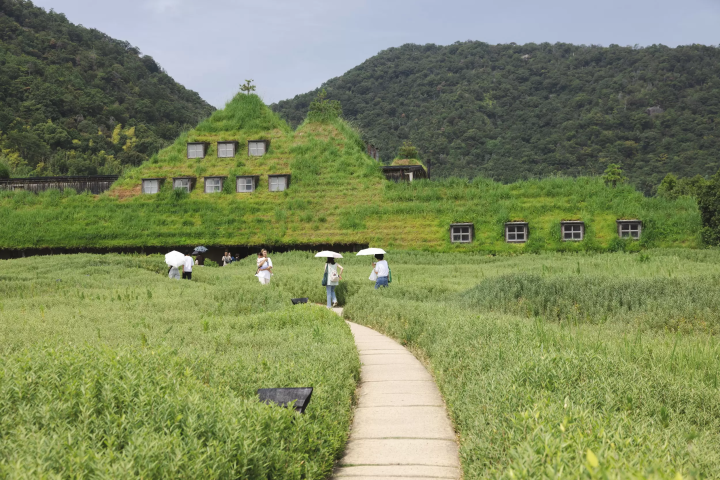
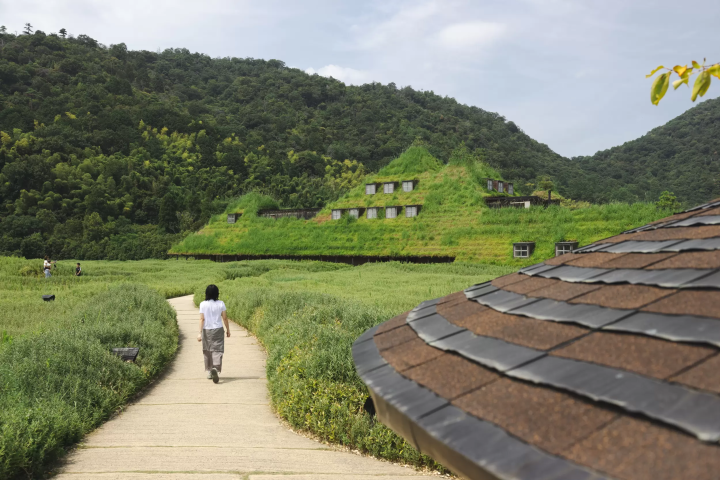
La Collina Omihachiman is the flagship store for two renowned Japanese confectioners: Taneya, which specializes in traditional sweets, and Club Harie, a Western confectionery store famous for its Baumkuchen. Upon arrival, you'll feel as though you've stepped into a house from a fairytale world.
The concept of the store is "learning from nature," which is perfectly embodied by the unique, grass-covered roof of the main shop. This living roof blends seamlessly with the surrounding rice paddies and the mountain behind it.
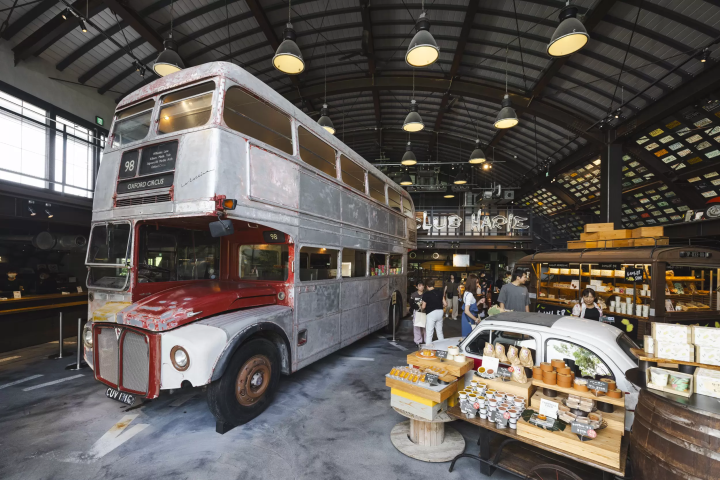
The entire property is filled with playful and imaginative touches, inviting guests to enjoy both sweets and nature in a single, magical experience.
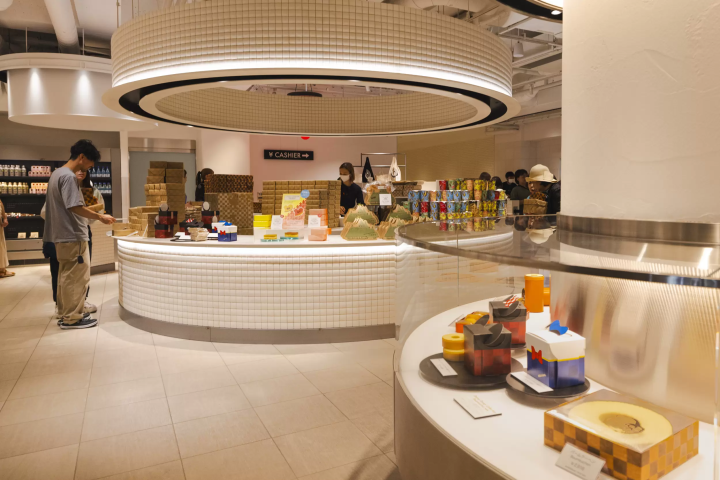
The shops at La Collina offer a wide array of freshly made confections. You can choose from seasonal wagashi (traditional Japanese sweets) to a variety of Western-style treats, including castella and Baumkuchen.
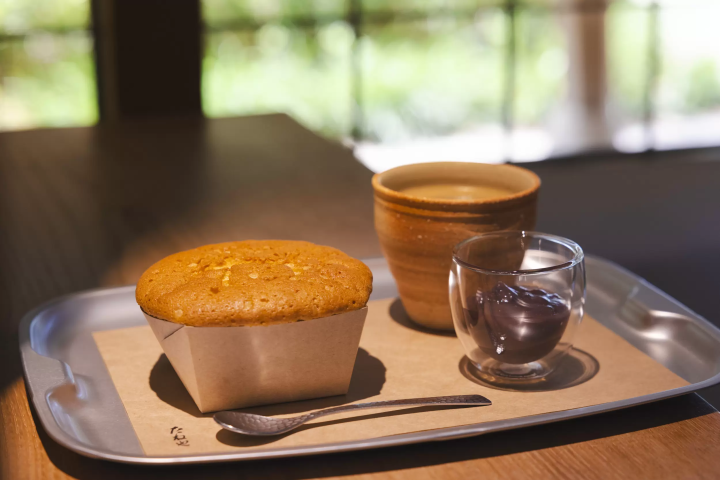
Throughout the grounds, several cafes allow visitors to sample these treats. We recommend the Yakitate Taneya Castella Set offered at Castella Cafe, which lets you savor the fresh-baked texture and rich egg flavor of the famous castella.
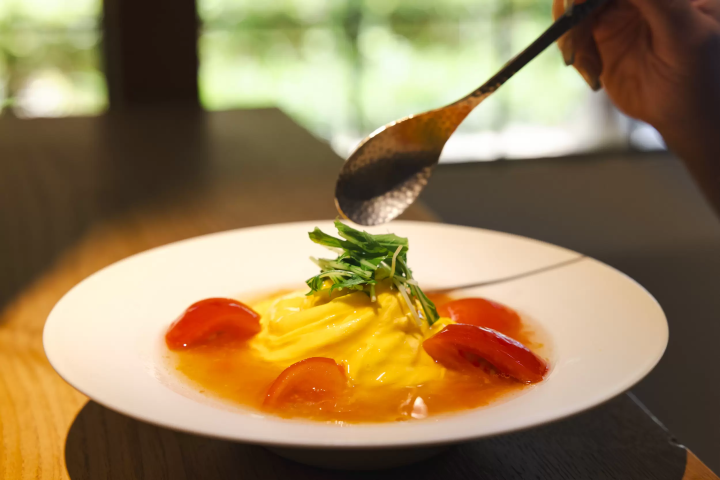
For those who prefer savory options, the menu also includes dishes like Omurice, made with the same specialty eggs used for the castella.
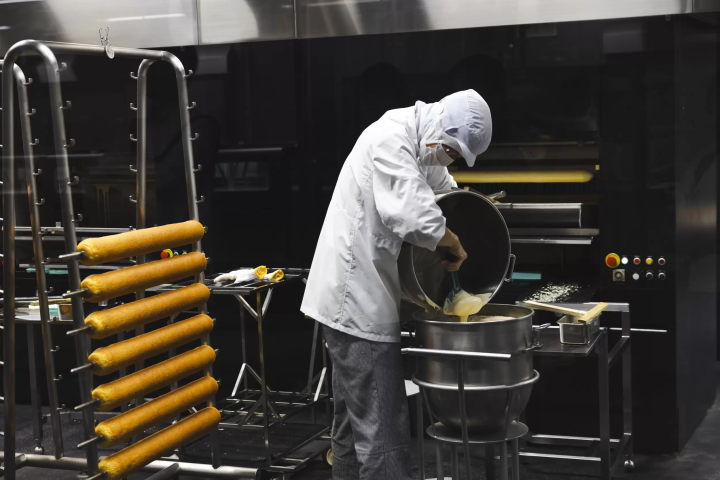
One of the most exciting parts of La Collina is the opportunity to see the iconic sweets being made. Visitors can peek into the Baum factories and watch skilled artisans masterfully baking Baumkuchen. The freshly baked cakes can be purchased to take home, but you can also enjoy them at the on-site café.
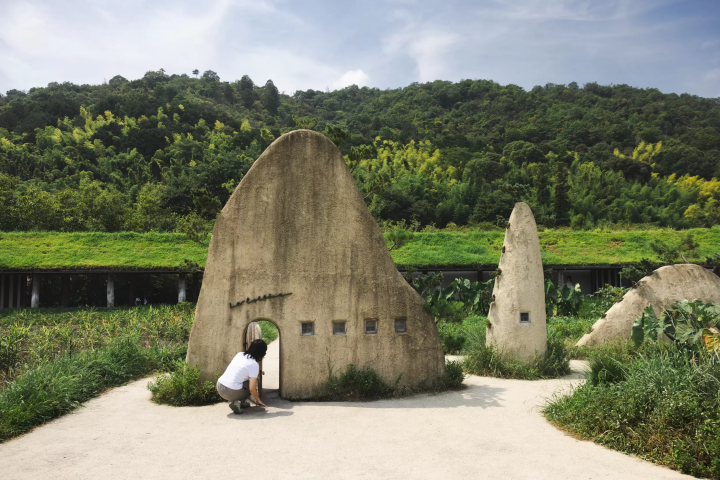
At the heart of the site are rice paddies and fields set up so that visitors can actually see rice and seasonal vegetables growing. We recommend setting aside at least two to three hours to explore La Collina, savor the natural scenery, and enjoy the delicious on-site treats. The experience is like returning to childhood, a time when everything seems new and full of wonder.
La Collina Omihachiman
 615-1 Kitanoshocho, Omihachiman City, Shiga Prefecture 523-8533
Opened in 2015, this is the flagship store of Japanese confectionery shop Taneya and Western confectionery shop Club Harie.
La Collina's concept is "learning from nature."
The store is filled with attention to detail and a playful spirit so that you can enjoy both sweets and nature.
This is a place where you can make new discoveries with every visit.
Whether it's an overgrown building, a path into the forest, or the tiny creatures of the rice fields, we're sure you'll find your own favorite La Collina.
615-1 Kitanoshocho, Omihachiman City, Shiga Prefecture 523-8533
Opened in 2015, this is the flagship store of Japanese confectionery shop Taneya and Western confectionery shop Club Harie.
La Collina's concept is "learning from nature."
The store is filled with attention to detail and a playful spirit so that you can enjoy both sweets and nature.
This is a place where you can make new discoveries with every visit.
Whether it's an overgrown building, a path into the forest, or the tiny creatures of the rice fields, we're sure you'll find your own favorite La Collina.
Enjoy Shiga’s Fermented Food Culture and Splendid Scenery
By the end of your two-day trip, you will have a deep appreciation for the variety of fermented foods around Lake Biwa and their cultural significance. Before the introduction of refrigerators, fermentation was indispensable to locals, as it not only preserved food but also expanded the range of flavors of an ingredient or a dish.
To begin your journey, we recommend traveling from Nagoya to Maibara by Shinkansen, then transferring to a local train and heading north toward Takashima. From this point, a special trip begins where you can experience the fermented-food culture of Lake Biwa and enjoy its beautiful scenery.
Japan’s Fermentation: The Secret Behind UMAMI. Discover the hidden secrets and charms of Japan’s rich fermentation culture! Nagoya, once home to powerful shogun who shaped history, is famous for landmarks like Nagoya Castle and Ghibli Park. But did you know it's also a treasure trove of Japan’s iconic UMAMI-rich food culture? ■What's HAKKO? In Japanese cuisine, fermentation (HAKKO) plays a crucial role in creating flavorful seasonings and world-renowned sake. The mastery of fermentation techniques is key to crafting these delicious essentials. ■What Kind of Place is Nagoya? Located in central Japan, Nagoya serves as a major transportation hub, easily accessible by air and land. Thanks to its rich natural environment and unique climate, the region has cultivated a distinctive fermented food culture over the centuries.The Chita Peninsula, nestled between Ise Bay and Mikawa Bay, is a scenic region that has long been known for its thriving brewing industries, producing sake, vinegar, miso, and tamari soy sauce. Meanwhile, Nishi-Mikawa, the birthplace of Tokugawa Ieyasu, carries on the tradition of making Hatcho miso and the uniquely light-colored Shiro shoyu (white soy sauce)—both essential elements of Japanese cuisine.
The contents on this page may partially contain automatic translation.
Special Features
More







![[Mie] TOBA SEASIDE HOTEL Dining Guide | Popular Buffet & Seasonal Menu Introduction](https://resources.matcha-jp.com/resize/720x2000/2026/05/11-263832.webp)
![[80 minutes by train from Kyoto ] Experience the countryside in Fukuchiyama City , Kyoto Prefecture , a special place only locals know about](https://resources.matcha-jp.com/resize/720x2000/2025/12/19-253414.webp)