
Going to uncharted territory! JR Tadami Line
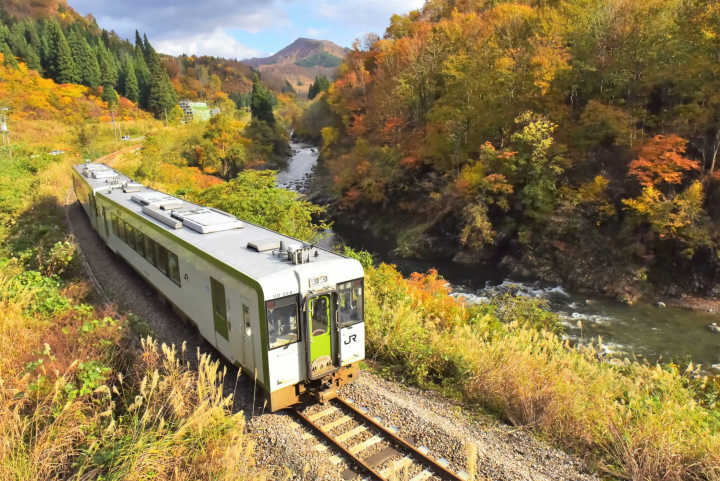
Autumn is in full swing. The Tadami Line runs briskly through the autumn leaves.

Written by
Uonuma City, located in southern Niigata Prefecture, is a town rich in nature at the foot of the Echigo Sanzan mountain range. Winter snow and spring meltwater irrigate the land, helping to cultivate delicious Uonuma koshihikari rice. Cherry blossoms and fresh greenery in spring, outdoor experiences in summer, golden rice fields and autumn leaves in autumn, and blankets of snow in winter. Every season offers stunning scenery that will make you want to take a photo. After your trip, take a relaxing dip in a hot spring. The flavors unique to a snowy country, such as freshly cooked koshihikari rice and wild vegetable dishes, will satisfy your soul. It's about two hours by Shinkansen from Tokyo. Why not take a leisurely trip to experience the warmth of nature and people?
This service includes sponsored advertisements.
-
Table of Contents
- What is the JR Tadami Line?
- History of the JR Tadami Line
- Current JR Tadami Line
- Notes about riding
- There are a total of 8 stations on the Niigata Prefecture side! Introducing recommended spots and gourmet food at each station
- Enjoy the Tadami Line [Ride]
- Enjoy the Tadami Line [See]
- Tadami Map
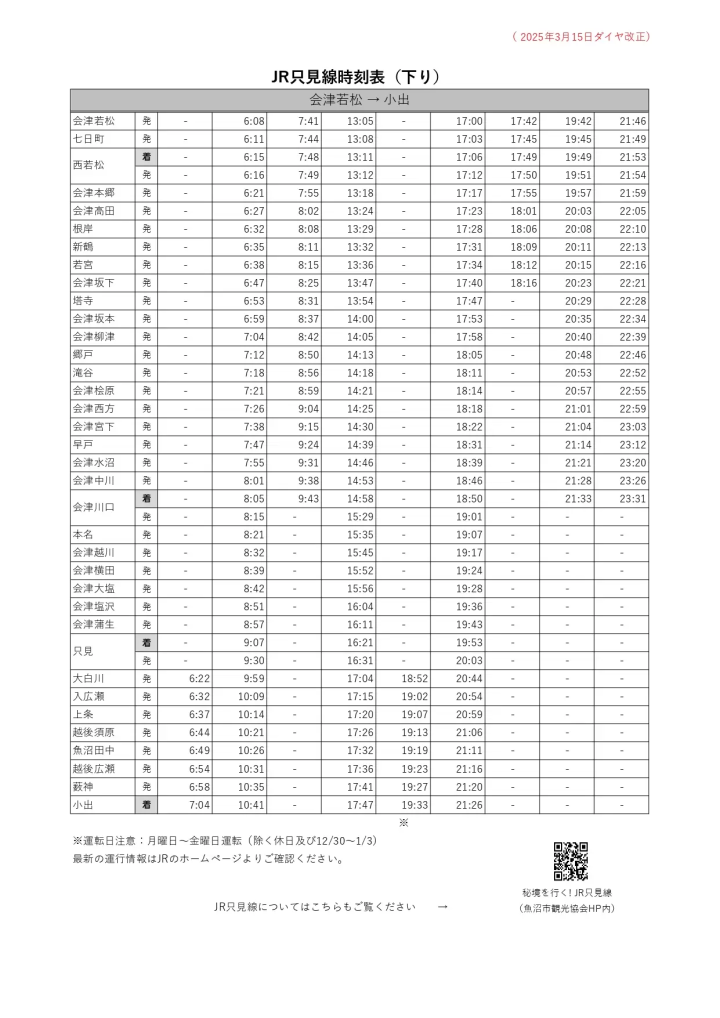
- Timetable
- Travel to Uonuma on the "world's most romantic railway line"!
What is the JR Tadami Line?
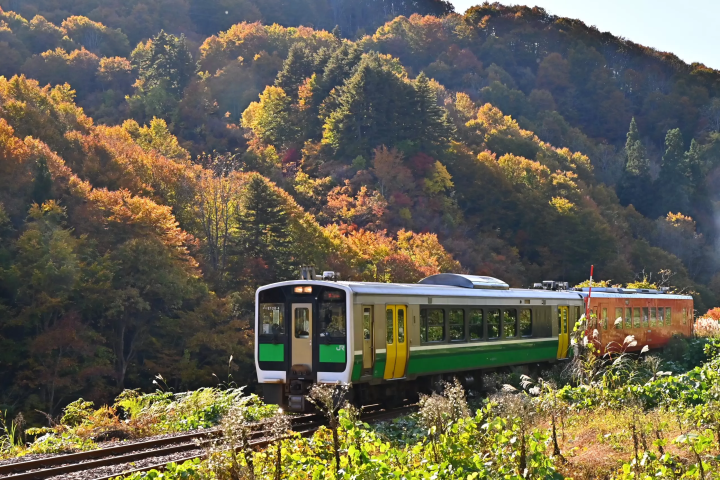
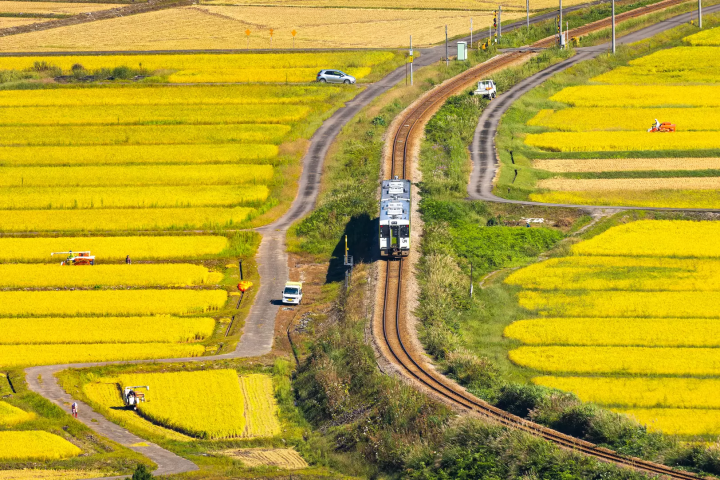
The approximately 135km long line connects Koide Station in Uonuma City , Niigata Prefecture to Aizuwakamatsu Station in Aizuwakamatsu City , Fukushima Prefecture . This secluded route offers spectacular views of the countryside, where you can enjoy the rice paddies where Uonuma's specialty Koshihikari rice is grown, as well as Mount Gongendo, known for the folktale "Yasaburo Basa," and the Aburuma River valley. The vibrant autumn foliage and the valley, combined with the snowy scenery that resembles a sumi-e painting, are particularly must-sees.
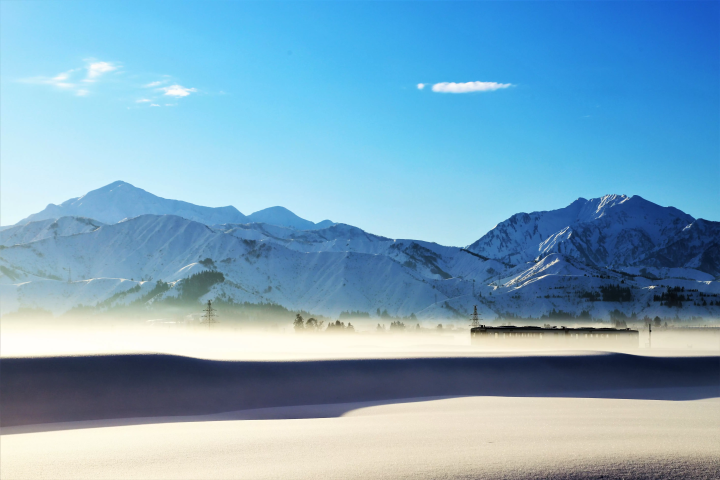
The Tadami Line is not just a place to enjoy the scenery from the train windows; you can also enjoy the view of the line and the Tadami from the train windows. Many photographers from all over the country visit the line to capture the spectacular scenery.
History of the JR Tadami Line
The section from Koide Station to Shirakawa Station opened in 1942. Its purpose was to transport minerals and lumber following the outbreak of the Pacific War. After the war, it played an important role in transporting materials used in dam construction, lumber, minerals, and other cargo, as well as providing transportation for the people living along the line. The entire line was then opened from Koide Station to Aizuwakamatsu Station in 1971. Around this time, private cars became more common, and transportation methods changed. In 1973, National Route 252, which runs parallel to the Tadami Line, opened, but the section along the prefectural border is closed in winter, so the Tadami Line is the only form of transportation in winter.
Current JR Tadami Line
The Niigata Fukushima heavy rains occurred in 2011. The Tadami was also damaged, with the 5th, 6th, and 7th bridges on the Tadami River River washed away between Aizu- Kawaguchi and Yanaizu, and the roadbed washed away between Aizu-Sakamoto and Aizu-Yanaizu, resulting in a closure between Aizubange and Koide. After that, buses continued to operate on some sections, but on October 1, 2022, the entire line reopened for the first time in 11 years. Currently, trains operate as usual between Koide and Aizu- Aizuwakamatsu.
Notes about riding
The Midori no Madoguchi (Green Ticket Office) at Koide Station, the departure and arrival point, was closed at the end of February 2024. The ticket vending machine at Koide Station only sells tickets for up to 100 km from the station (Aizu-Miyashita Station) for 1,690 yen. If you plan to get off between Aizu-Miyashita Station and Aizuwakamatsu Station, please pay the fare using the following method.
- How to pay the fare - Method 1: Purchase your ticket in advance at a station with a "Midori no Midori" (Green Window) Method 2: Purchase a 1,690 yen ticket (Aizu-Miyashita Station) at the ticket machine at Koide Station, and pay the remaining amount on the train or at a manned station, or at Aizuwakamatsu Station if you are going to the last stop.
Additionally, from March 16, 2024, the entire Tadami Line will be operated by one-man trains. If you are unsure, please check the boarding procedures and payment methods on the train in advance. For more information, please see here → Information on getting on and off one-man trains at stations without station staff (JR website)
There are a total of 8 stations on the Niigata Prefecture side! Introducing recommended spots and gourmet food at each station
There are a total of eight stations on the Niigata Prefecture side, from Koide Station to Shirakawa Station on the border with Fukushima Prefecture. We will introduce recommended spots to stop by around each station.
Koide Station
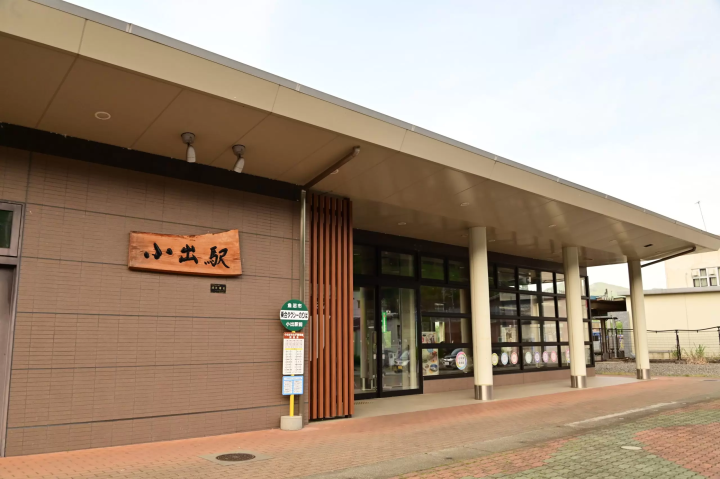
For information on parking lots near Koide Station, click here
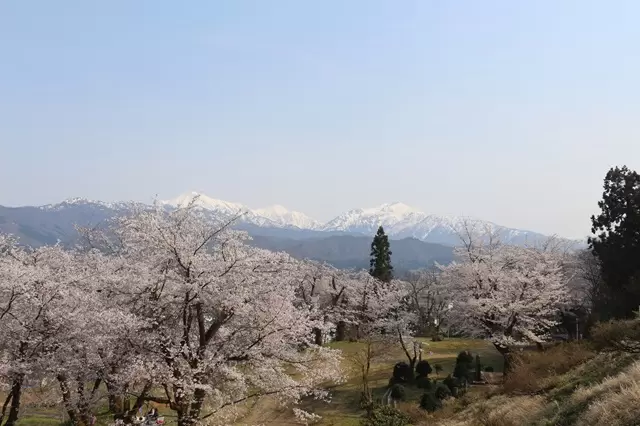
Koide Park / Approximately 10 minutes walk from Koide Station
Koide Park is a beautiful spot for viewing the dogtooth violets and cherry blossoms in spring, as well as the Echigo Sanzan mountains in the distance.
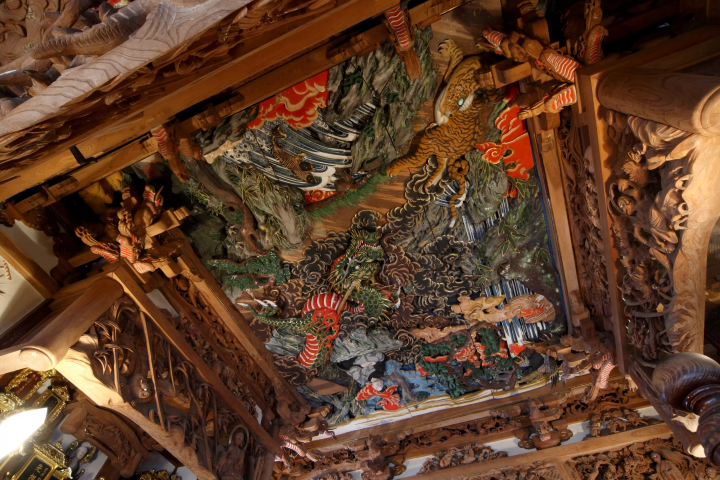
Saifukuji Temple (Kaisando Hall) / Take a local bus from Koide Station to the "Mushinokamiguchi" bus stop, then walk for about 15 minutes. Kaisando Hall, also known as "Echigo Nikko," is home to numerous sculptures, paintings, and plasterwork by Ishikawa Uncho, a master craftsman from the end of the Edo period. Be sure to enjoy the vibrant, colorful works that remain intact from the time.
Rental bicycles in front of JR Koide Station are electric-assisted bicycles, so you can easily travel long distances. Why not take a trip around Uonuma, feeling the breeze and scent of the city?
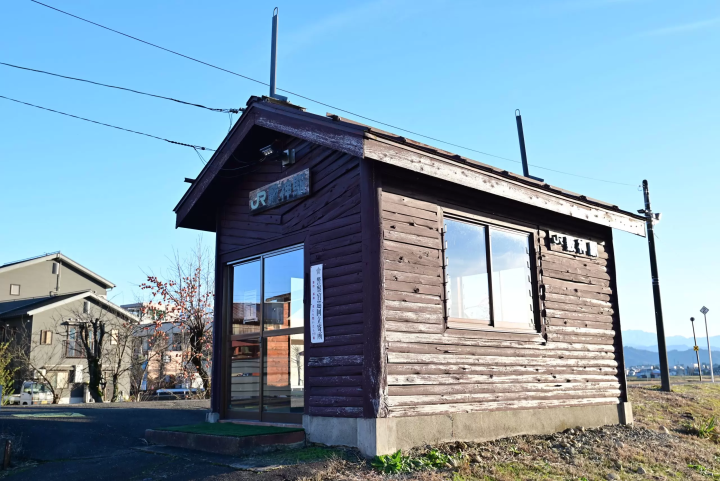
Yabukami Station
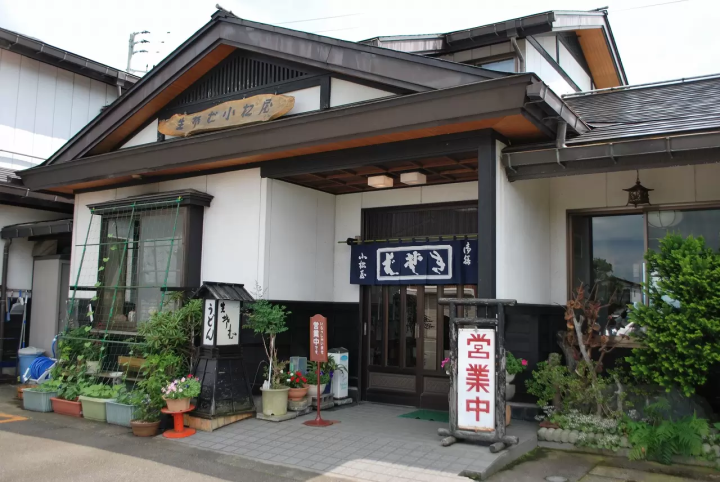
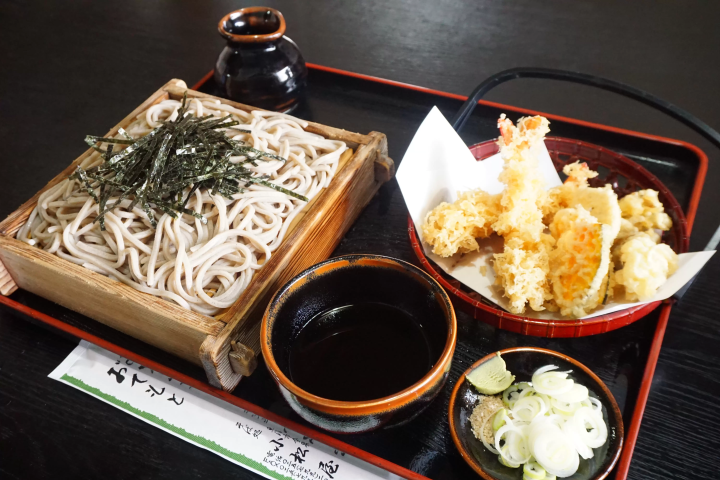
Nama Soba Komatsuya / About 10 minutes on foot. They are particular about how they grind their noodles, and Komatsuya's style is to grind them a little coarsely. The soba noodles are a little thick, so they are very satisfying to eat. We also recommend the "Hegi Assortment" which is a set of soba and udon!
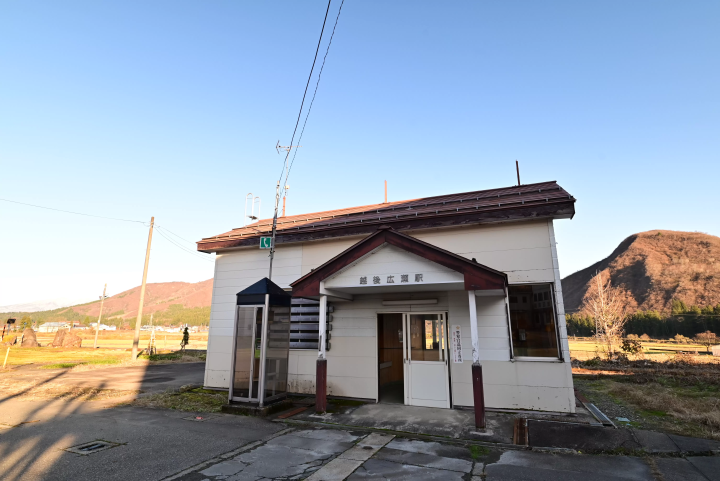
Echigo Hirose Station
Uehara Cosmos Garden / Approx. 10 minutes by car / Approx. 35 minutes on foot Every year from early September to mid-October, the vast Takahara is covered in vibrantly colored cosmos. From the heights, you can get a panoramic view of the city, with a magnificent panorama of Mount Gongendo and the three Echigo mountains in the distance. The fields of Doko Takaharu and the single road leading to the Takaharu are also recommended photo spots.
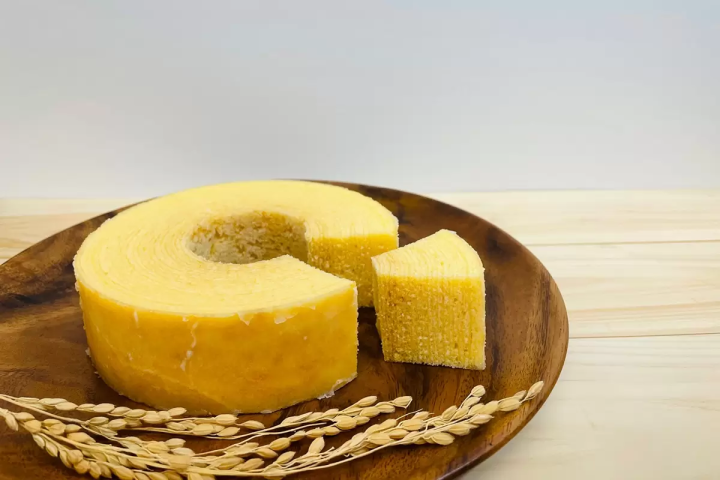
Confectionery Workshop Marumiya / About 10 minutes on foot. They sell Uonuma sweets that make great souvenirs. They have a wide selection of heartwarming sweets made with carefully selected ingredients. Among them, the Baumkuchen " Uonuma no Ki" made with Uonuma Koshihikari rice flour is the perfect souvenir.
Echigo Tanaka Station
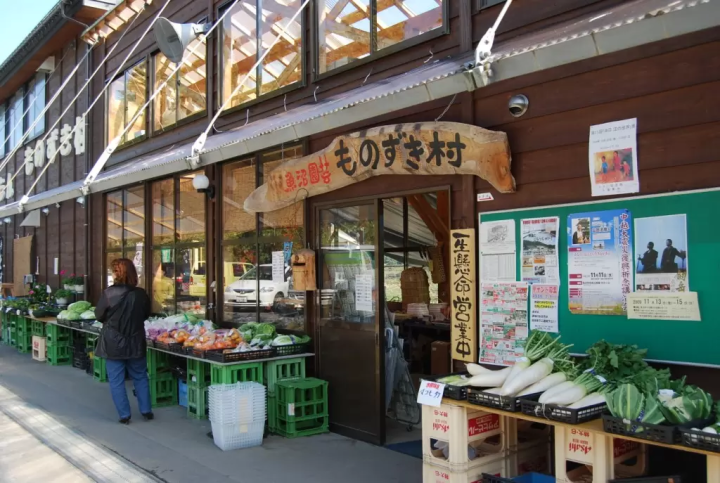
Monozuki Village/Soba Restaurant Gentan /About a 10-minute walk from this shop, you can purchase freshly picked local seasonal vegetables, wild vegetables, rice, and more. The shop staff are very hospitable and conversational, so one of the charms of the shop is that you can enjoy shopping while chatting. The soba noodles served at the attached soba restaurant are made only with locally produced buckwheat flour and are extremely popular.
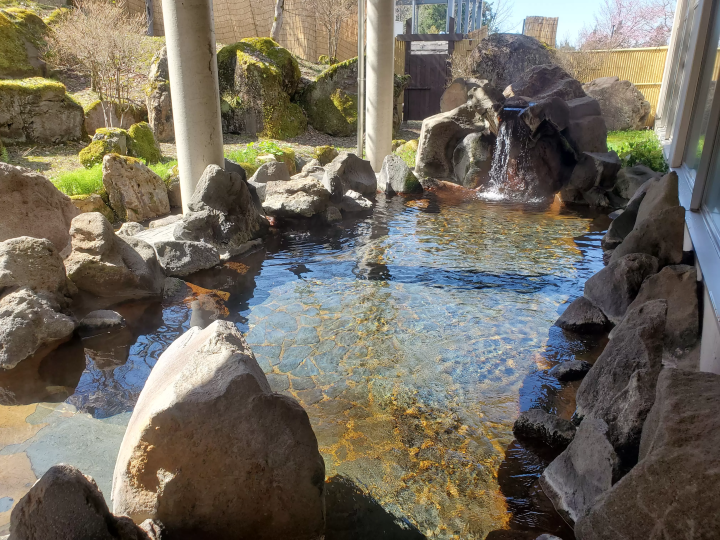
Kamiyu Onsen Club / Approximately 25 minutes on foot. This hot spring is said to have entertained the gods who live in the nearby mountains. It has a spacious large bath, a jacuzzi, a sauna, and an open-air bath, and can be enjoyed both as an overnight stay and a day trip. There is also a relaxation room and a rest area (dining area), so why not relax and unwind after enjoying a delicious meal?
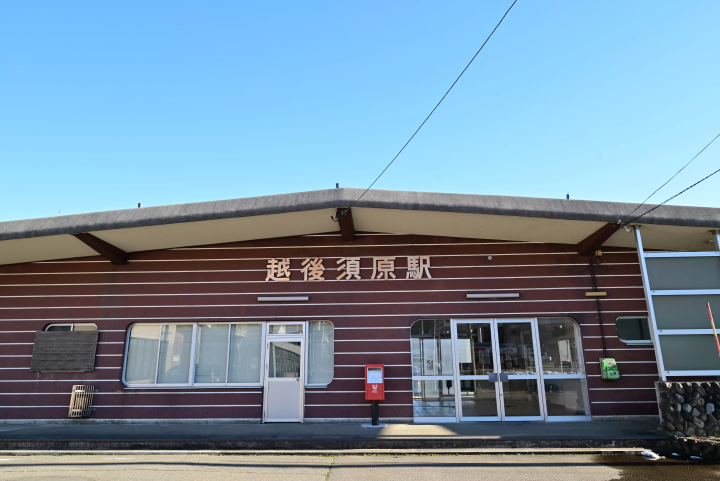
Echigo Suhara Station
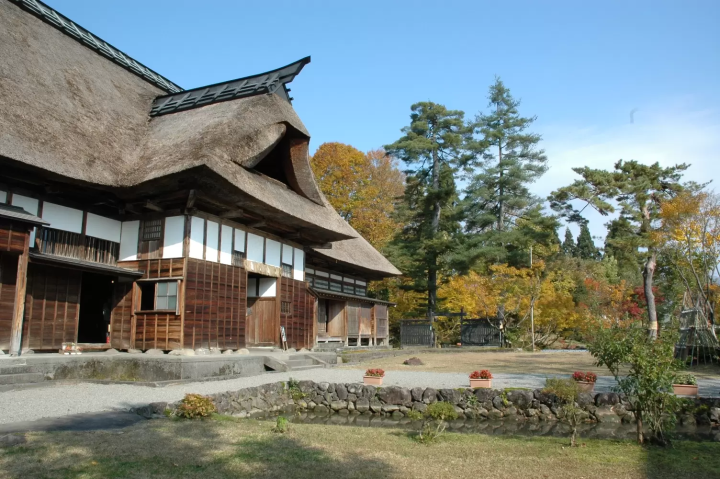
Meguro Residence / Approximately 3 minutes on foot. This former village headman's residence was built over a period of 5 years and is designated as an Important Cultural Property of Japan. It has the structure of a medieval samurai residence, and is close to the Folk Cultural Property Museum and the Meguro Residence Museum.
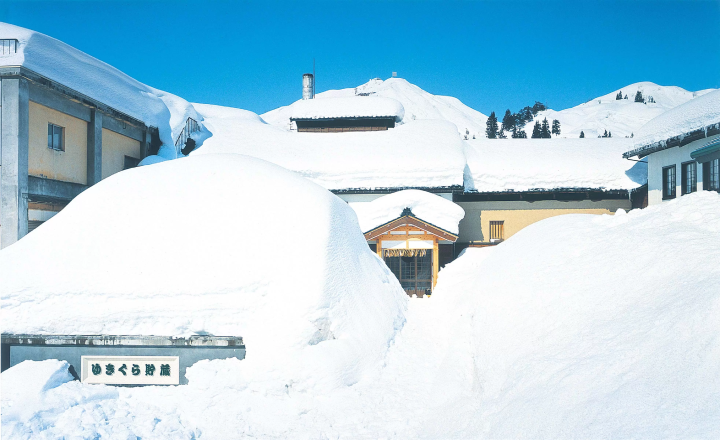
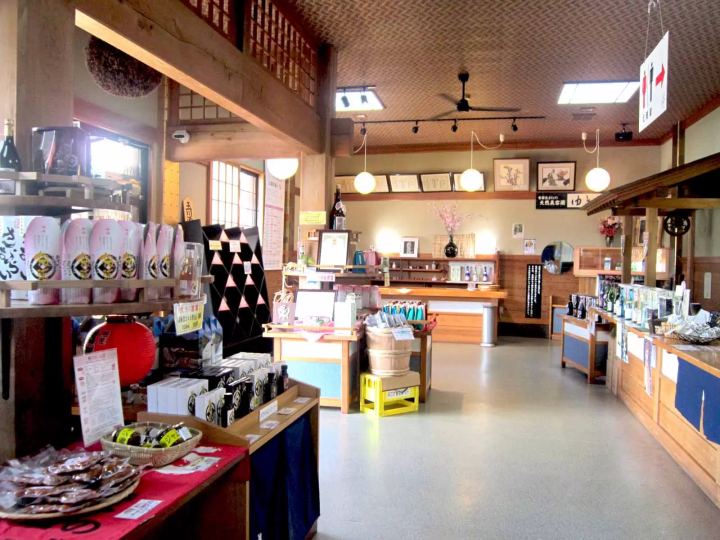
Echigo Yukikura Museum / About a 5-minute walk away is Tamakawa Brewery, which was founded by the head of the Meguro family's residence, which is designated as an Important Cultural Property. You can tour the sake brewery, including the "Yukikura" natural refrigerator that uses snow, a feature of a region with heavy snowfall. The museum not only has a tasting corner, but also sells foods made with sake lees, such as ginjo sake.
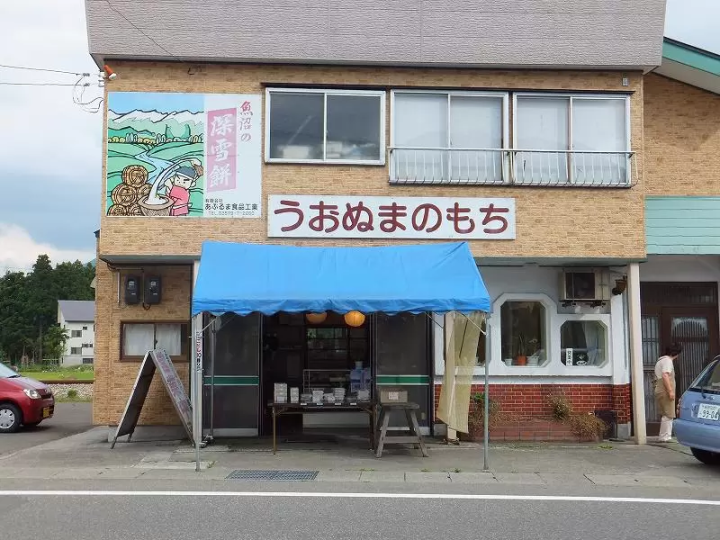
Aburuma Foods Industry / About 3 minutes on foot. This popular shop uses home-grown glutinous rice "Kogane Mochi" that the owner painstakingly cultivates. Nationwide shipping is also available.
Kamijo Station
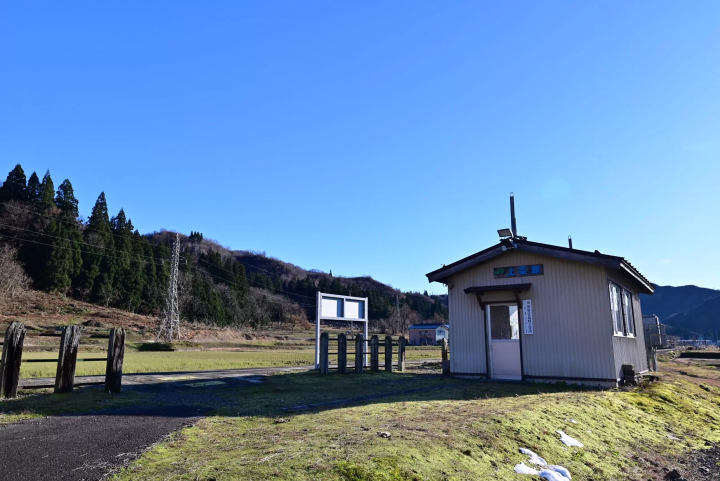
Mount Sumon (Hokurei Yamaguchi/Futakuchi Yamaguchi) / Approximately 20 minutes by car Mount Sumon is one of Echigo's famous Mine, consisting of three peaks: Mount Hakama, Mount Seiun, and Mount Odake. You can also see Takayama plants such as Hime-sayuri, Daylily, and Shirane-aoi. The view of the Echigo Plain stretches out below, with Sado Island in the Oku and the famous Mine ranges of Mount Asakusa and the Echigo Sanzan towering behind, captivates mountain climbers.
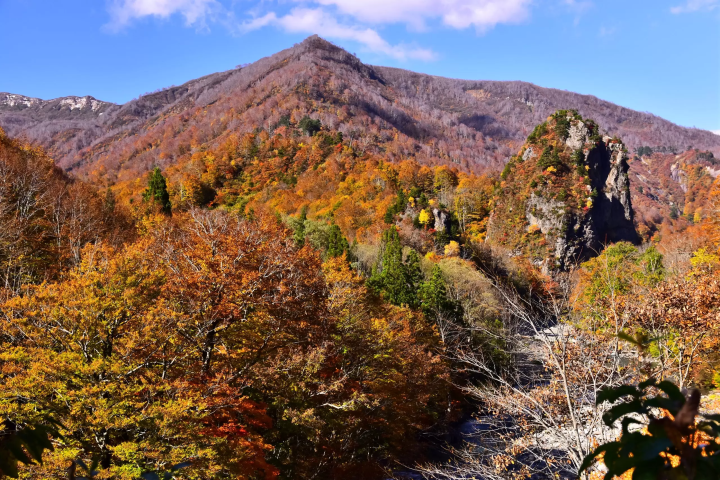
Irihirose Station
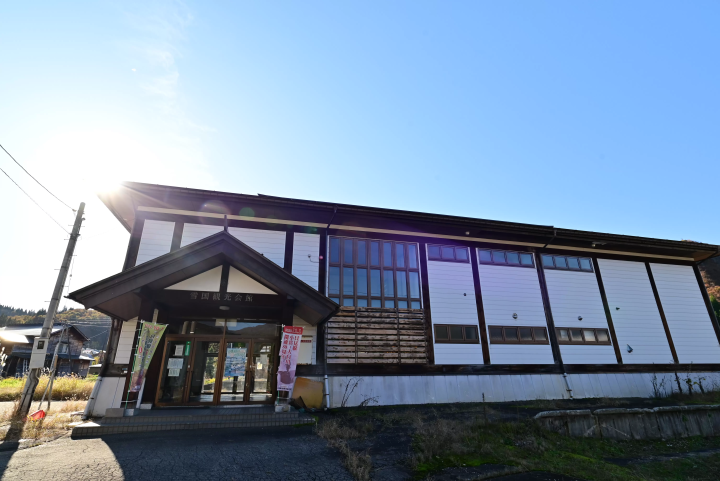
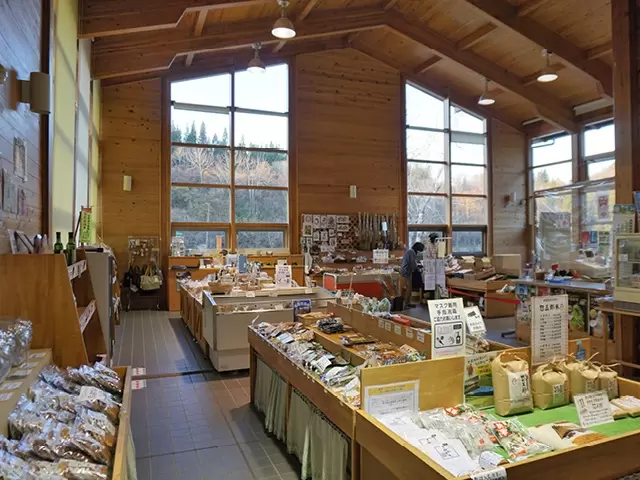
Irihirose Roadside Station / Approximately 15 minutes on foot This roadside station is packed with fresh produce, including spring wild plants, summer vegetables, and autumn mushrooms. The famous Goppo soba noodles and rice balls made with Koshihikari rice cooked in a rice bran pot are excellent. Nearby is Kagamigaike Pond, where the legend of the goddess remains, reflecting the surrounding scenery like a mirror.
Kotobuki Onsen / A day-trip hot spring located in a quiet mountain area, about a 10-minute walk away. The old open-air bath building was renovated in 2023. An indoor bath, sauna room, and multi-purpose toilet were added, making it a compact, barrier-free facility.
Echigo Herb Fragrance Garden Irihirose / Approximately 10 minutes by car Enjoy the view of Uonuma surrounded by a variety of seasonal herbs and flowers. This is a spot where you can enjoy a variety of activities in nature, such as camping, barbecues, tree climbing, and herb picking.
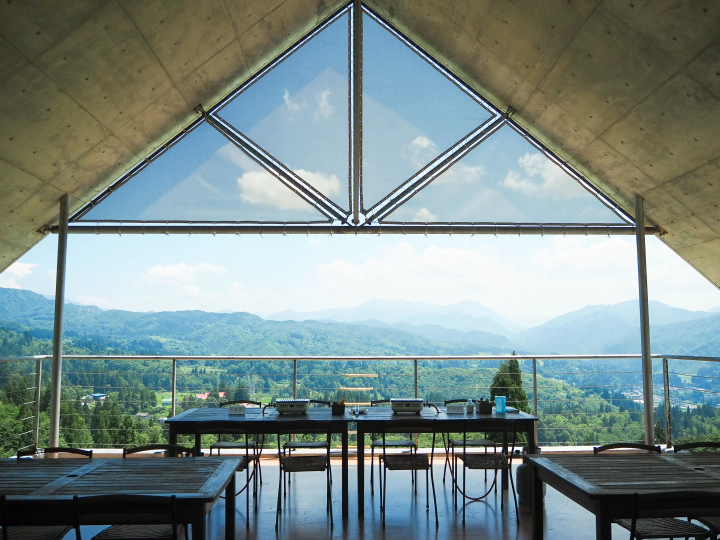
Shirakawa Station
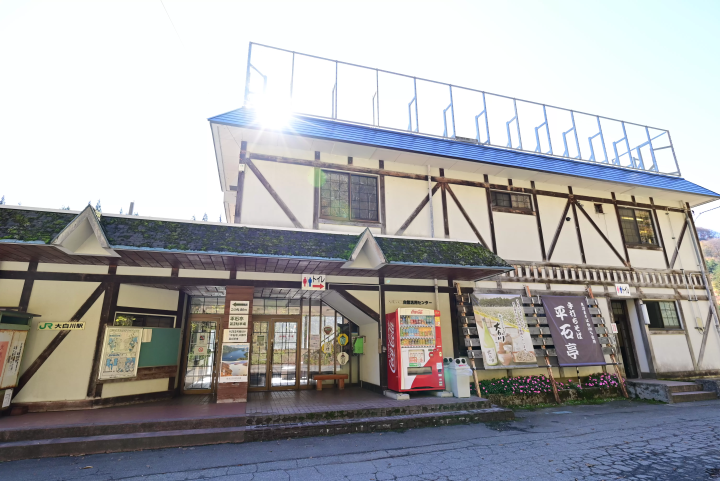
Niigata Prefectural Asakusa Foothills Eco-Museum / Approximately 20 minutes by car This eco-museum makes use of the rich natural environment at the foot of Mt. Tadami in Echigo Sanzan Mount Asakusa Quasi-National Park. You can enjoy nature and animal observation and trekking in the beech forests and skunk cabbage marshes. Some areas are paved with wood chips with no steps, making it an environment where even wheelchair users can enjoy nature observation. This is a hidden gem where you can enjoy the vibrant colors of the autumn leaves during the autumn foliage season.
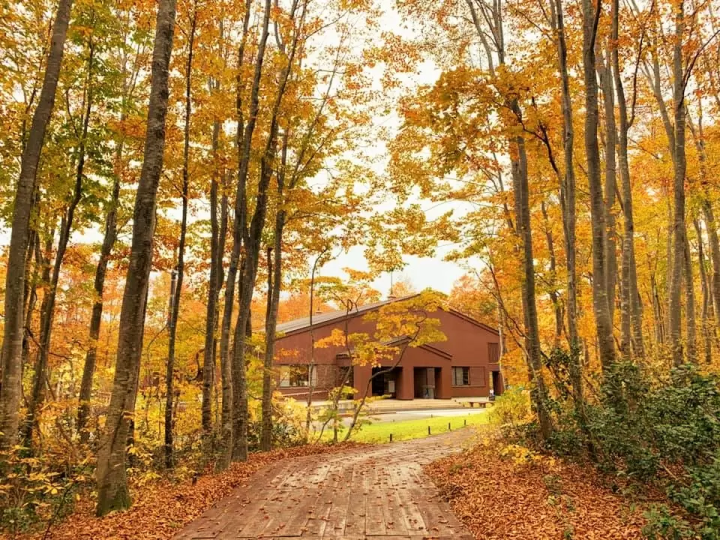
Mount Asakusa Asakusa Sanso / Approximately 12 minutes by car One of the few hot springs in the Irihirose area, this is recommended for those who want to soak in warm water for a long time. Day trips and lunch are also available. (Please check the regular closing days in advance.)
Enjoy the Tadami Line [Ride]
The Tadami Line is a train that runs through uncharted territory. You can only see the scenery by riding the Tadami Line. We will introduce the scenery you can enjoy on each section.
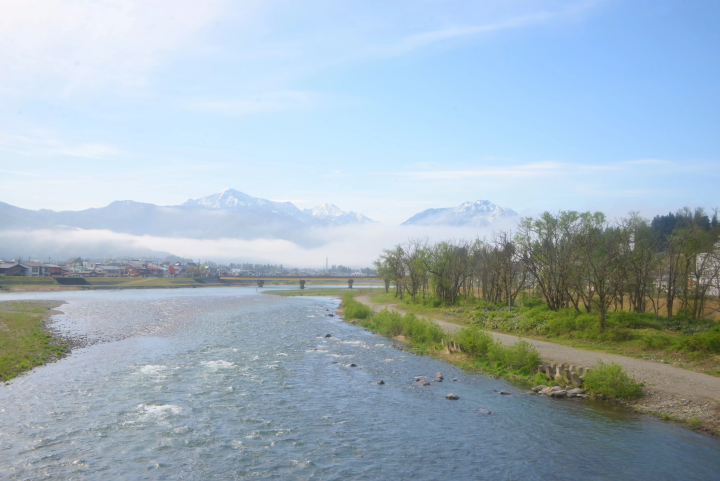
- Koide Station to Yabukami Station
Shortly after leaving Koide Station, you will cross the Uono River via a railway bridge, and halfway across the river, you will see the majestic Echigo Sanzan mountains and the clear waters of the Uono River to your right. Just before Yabugami Station, you will see the rural landscape of Uonuma Koshihikari rice and the two-humped camel-like Mt. Gongendo to your right.
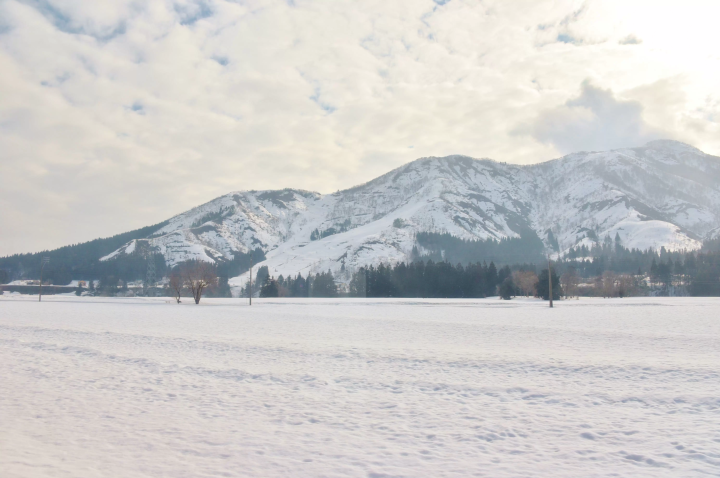
- Echigo Hirose Station to Uonuma Tanaka Station
After about a four-minute ride from Echigo Hirose Station, you'll see Mount Gongendo behind the rural landscape to your right. As the snow melts, the cherry blossoms along the tracks will bloom in all their glory.
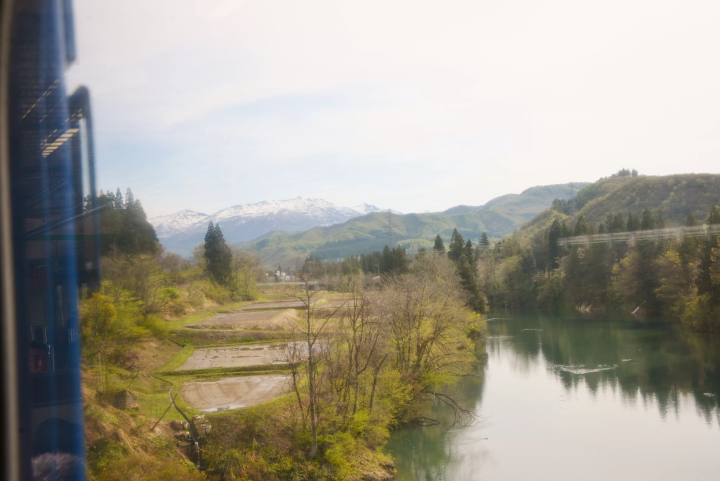
- Uonuma Tanaka Station to Echigo Suhara Station
After leaving Uonuma Tanaka Station, you will cross the iron bridge that runs parallel to the Aburuma River upstream of Yabukami Dam in 3-4 minutes. If you look down at the river, you may see waterfowl playing.
- Echigo Suhara Station to Kamijo Station
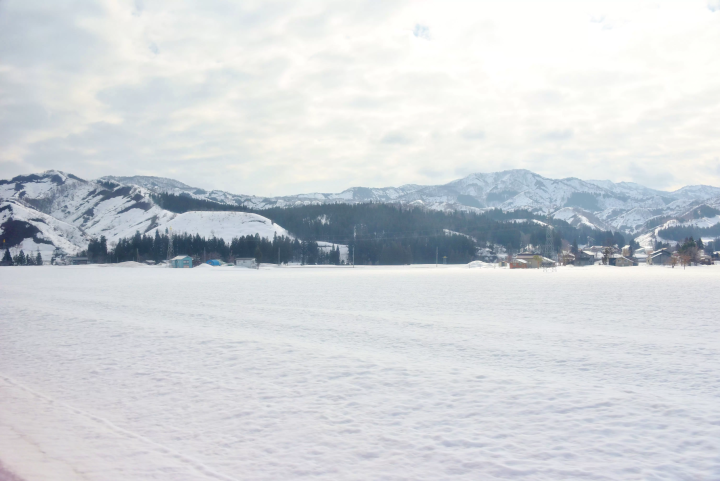
As soon as you leave Echigo Suhara Station and pass through the village, you will see a vast rural landscape on your right and the mountains of Uonuma in front and behind you.
- Irihirose Station to Shirakawa Station
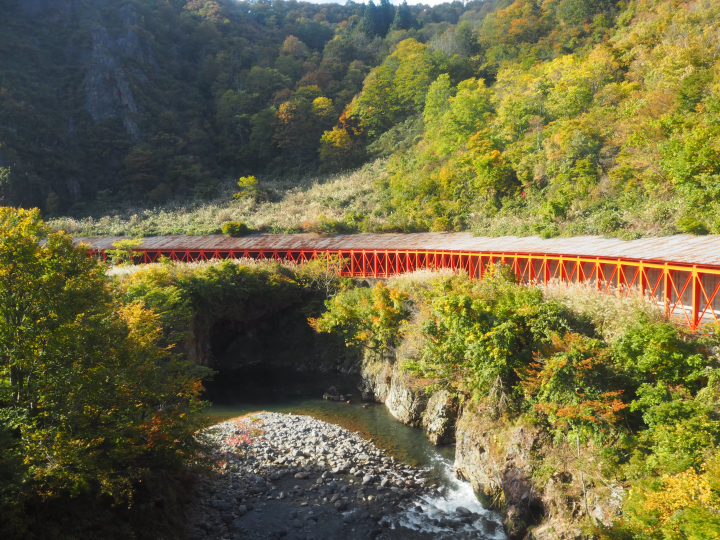
Leaving Irihirose Station and passing the remains of Kakinoki Station, a brilliant red snow shed and a spectacular view of the valley will appear on your left.
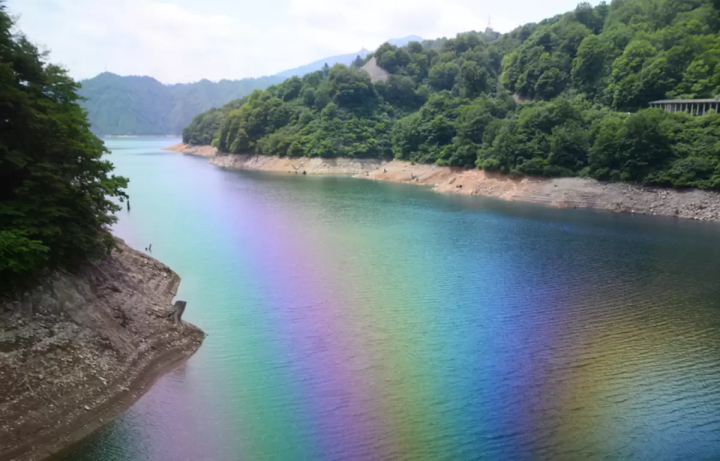
- Shirakawa Station to Tadami Station
From Shirakawa Station, beech forests and railway bridges crossing the Suesawa River appear one after another. The valley is particularly beautiful during the seasons of fresh greenery and autumn leaves. As you enter Fukushima Prefecture, Tagokura Dam comes into view.
Enjoy the Tadami Line [See]
The scenery from inside the Tadami train is spectacular, but another way to enjoy the Tadami is to simply see it alongside the abundant natural scenery. We will introduce the scenery you can enjoy on each section.
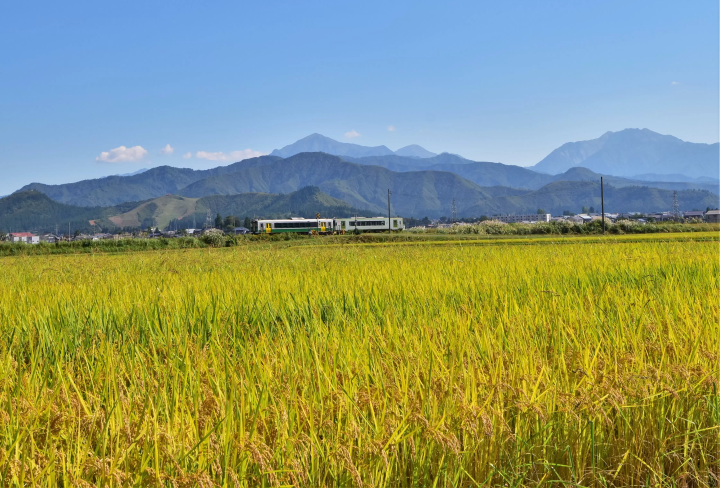
- Koide Station to Yabukami Station
Immediately after leaving Koide Station, you will cross the Uono River, with Mount Gongendo and the Echigo Sanzan mountains visible on the right.
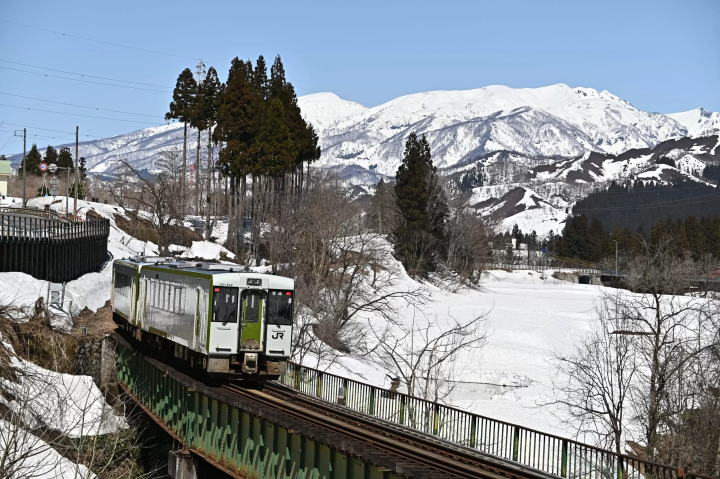
- Uonuma Tanaka Station to Echigo Subara Station
You can take photos of the Tadami running over the railway bridge from the Okurazawa rest area along National Route 252. There is also a toilet at the rest area.
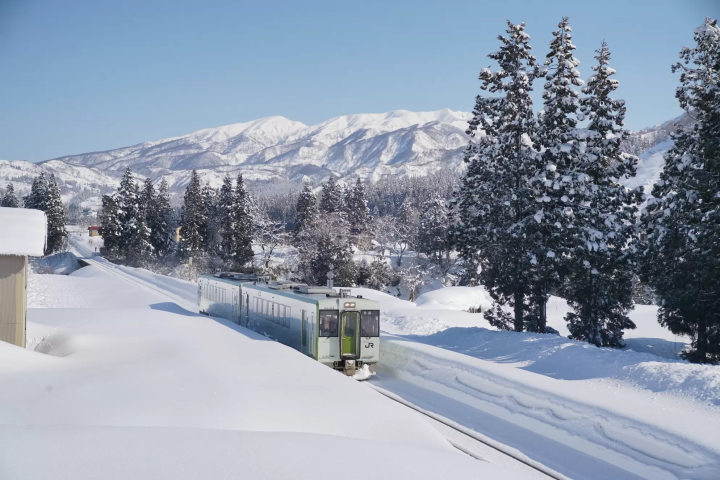
- Echigo Suhara Station to Kamijo Station
From the Hosono area, Mount Sumon can be seen to the northeast, and canola flower bloom near Kamijo Station in season.
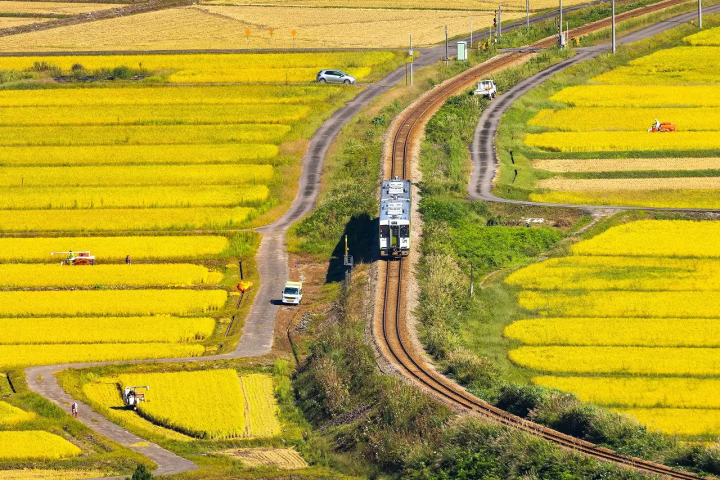
- Kamijo Station to Irihirose Station
From Prefectural Route 346 near Towa Onsen, you can take photos of the Tadami with Mount Takamachi in the background. The surrounding countryside is beautiful, and the golden rice terraces are especially beautiful in autumn.
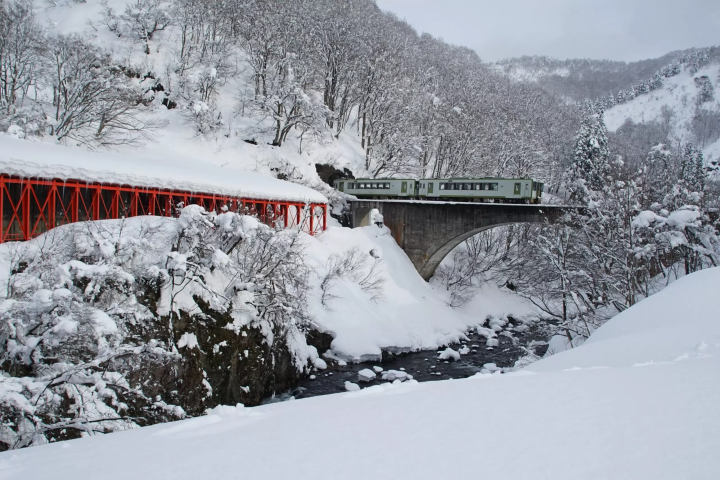
- Irihirose Station to Oshirakawa Station
Heading towards Fukushima Prefecture on National Route 252, once you pass Kakinoki Snow Shed you can see the Tadami Line crossing an arch bridge, and once you pass Nanamagari Snow Shed you can enjoy the view of the Aburuma River and the Tadami Line together.
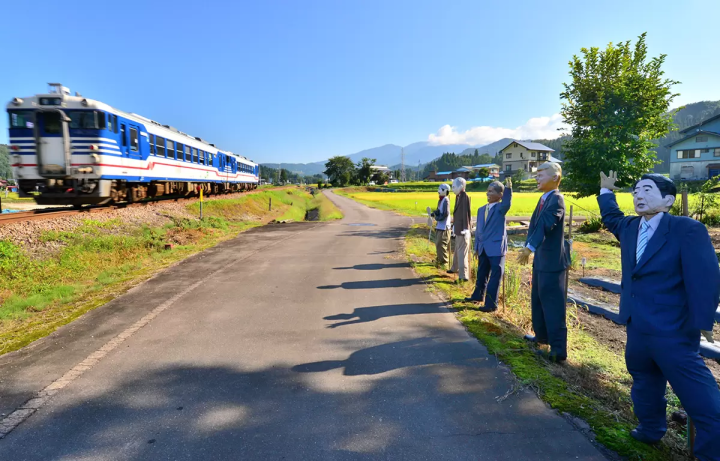
[Special Edition] In autumn, handmade scarecrows welcome you along the train line. It's a surprise as to where the scarecrows are. It's an autumnal sight that can be enjoyed both inside and outside the Tadami train.
*The vehicles currently in operation are the Kiha 110 series and Kiha 120 series.
Tadami Map
Timetable
For information on parking lots near Koide Station,click here
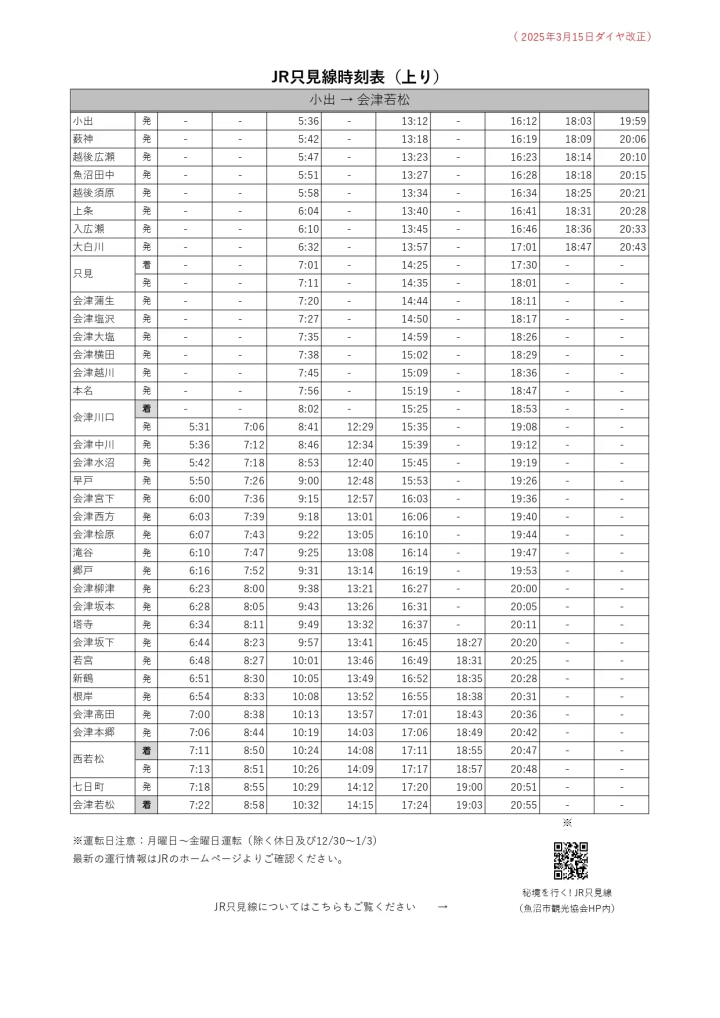
Download the timetable here → JR Tadami Timetable (revised March 15, 2025)
Travel to Uonuma on the "world's most romantic railway line"!
Does this make you want to ride the Tadami?
The Uonuma City Tourism Association also regularly provides information on the attractions and tourism of Uonuma City!
Please also visit our official website!
Uonuma City, located in southern Niigata Prefecture, is a town rich in nature at the foot of the Echigo Sanzan mountain range. Winter snow and spring meltwater irrigate the land, helping to cultivate delicious Uonuma koshihikari rice. Cherry blossoms and fresh greenery in spring, outdoor experiences in summer, golden rice fields and autumn leaves in autumn, and blankets of snow in winter. Every season offers stunning scenery that will make you want to take a photo. After your trip, take a relaxing dip in a hot spring. The flavors unique to a snowy country, such as freshly cooked koshihikari rice and wild vegetable dishes, will satisfy your soul. It's about two hours by Shinkansen from Tokyo. Why not take a leisurely trip to experience the warmth of nature and people?
The contents on this page may partially contain automatic translation.






Special Features
More











![[Shinjuku Girls' Trip] 4 Recommended Shops for Women at Odakyu Ace!](https://resources.matcha-jp.com/resize/720x2000/2026/05/11-263877.webp)