
Exploring Uncho Ishikawa, Japan's Michelangelo

Visit Uonuma to see the works of Japan’s Michelangelo, Uncho Ishikawa

Written by
Uonuma City, located in southern Niigata Prefecture, is a town rich in nature at the foot of the Echigo Sanzan mountain range. Winter snow and spring meltwater irrigate the land, helping to cultivate delicious Uonuma koshihikari rice. Cherry blossoms and fresh greenery in spring, outdoor experiences in summer, golden rice fields and autumn leaves in autumn, and blankets of snow in winter. Every season offers stunning scenery that will make you want to take a photo. After your trip, take a relaxing dip in a hot spring. The flavors unique to a snowy country, such as freshly cooked koshihikari rice and wild vegetable dishes, will satisfy your soul. It's about two hours by Shinkansen from Tokyo. Why not take a leisurely trip to experience the warmth of nature and people?
This service includes sponsored advertisements.
Who Was Japan’s "Michelangelo," Uncho Ishikawa?
Uncho Ishikawa was a master carver who was active in Niigata Prefecture from the late Edo period through the early Meiji era.
He left behind a remarkable number of vivid, dynamic wooden carvings in temples throughout the region.
His talent extended far beyond woodwork, encompassing stone carvings, paintings, and even temple architecture. Today, more than 1,000 of his works still survive in Niigata Prefecture, testifying to his extraordinary skill and creativity.
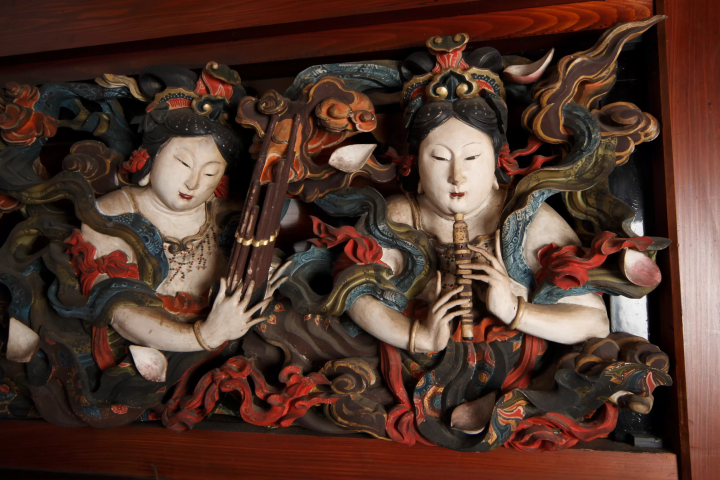
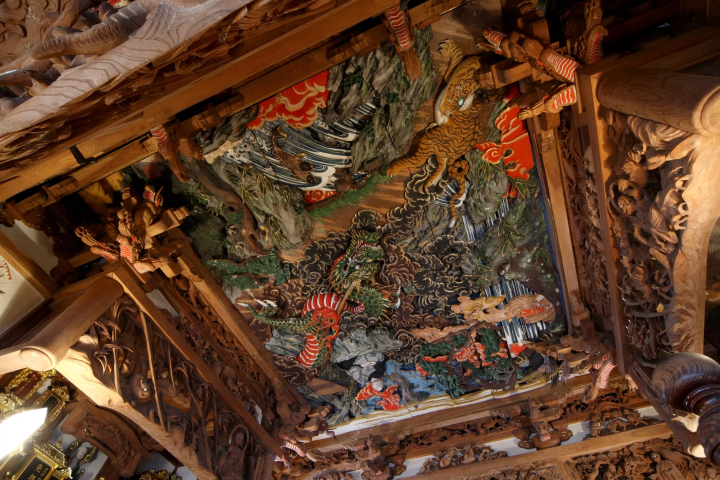
Uncho Ishikawa (Real Name: Yasubei Ishikawa) was born in 1814 (Bunka 11) in Zoshigaya, in what is now Tokyo.
By the age of around 20, he had mastered the secrets of the Edo-style Ishikawa carving school and is said to have been granted the privilege of bearing a family name and sword.
He moved to Niigata Prefecture at around the age of 32, reportedly persuaded by Matagoro Uchiyama, a metalware merchant from Sanjo.
After establishing himself in Sanjo and creating works in the surrounding area, he became the son-in-law of the Sakai family through Uchiyama's assistance, thus becoming an Echigo resident.
Unfortunately, Ishikawa’s home and his family temple, Honjoji, were destroyed by fire, and no photographs, portraits, or detailed records of his personality remain.
However, his extraordinary works continue to convey the power and mystery of the man himself.
Experiencing his creations firsthand and wondering, “What kind of person was Uncho Ishikawa?”, is part of the romance and fascination of enjoying his art.
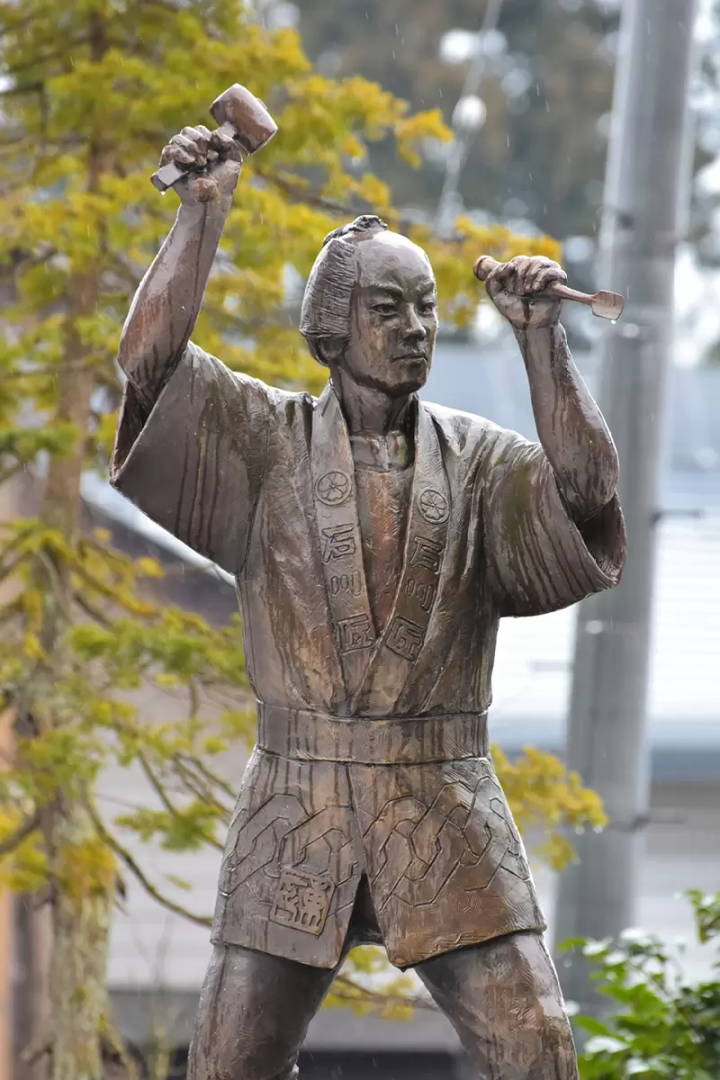
Touring Uncho Ishikawa’s Works
There are two temples in Uonuma City that still preserve works created by Uncho Ishikawa.
These temples have a close connection to Ishikawa and offer visitors the chance to learn more about his achievements and personal stories from his lifetime.
Eirinji Temple(永林寺)
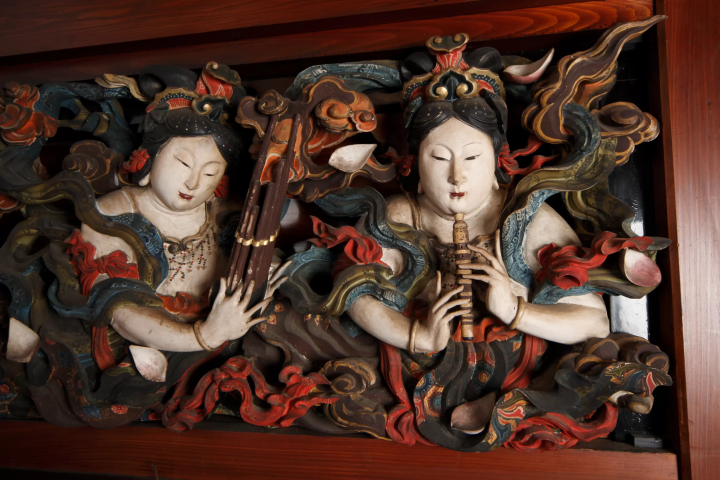
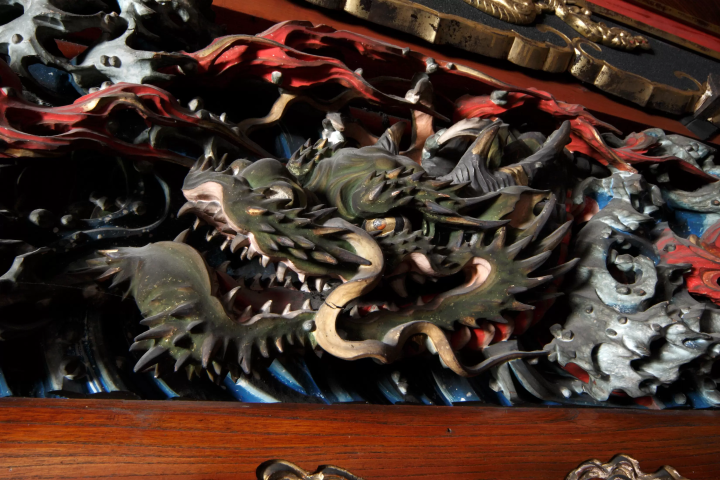
This temple has a special connection to Uncho Ishikawa, as it was the place that brought him to Uonuma City.
At the time, the head priest, Bensei Oshou, was so impressed with Ishikawa’s skill that he proposed a bold wager: “If you win, I will pay you the usual fee for your work. If I win, you must create a masterpiece to fill the entire main hall of Eirinji, sparing no effort or time.”
In the end, Bensei Oshou won the bet, and in 1855 (Ansei 2), Ishikawa came to Eirinji Temple.
Living at the temple while overseeing the rebuilding of the main hall, Ishikawa devoted 13 years to creating a wide range of works, from the hall’s design to numerous carvings.In total, he completed 108 pieces, all of which are still preserved today.
For more details, see → Eirinji Temple
Saifukuji Temple (西福寺・開山堂)
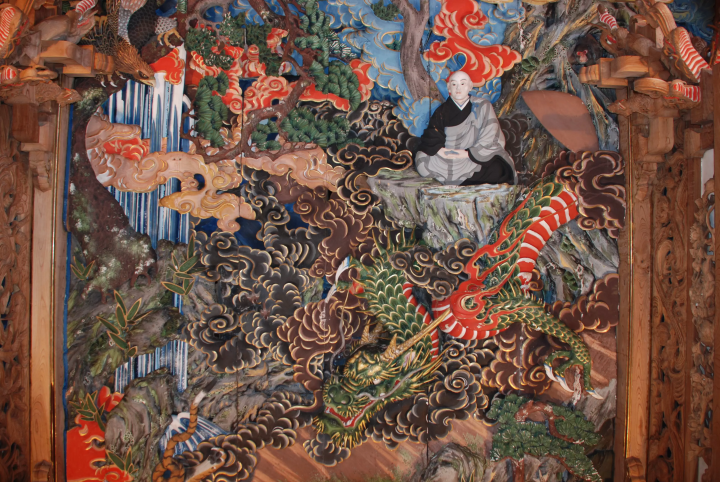
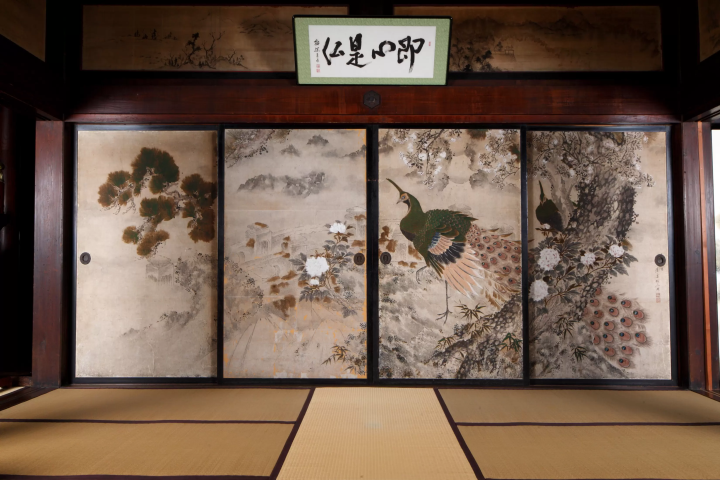
The head priest of this temple, Banryu Dairyu Oshou, had heard of Uncho Ishikawa’s growing reputation for his carvings at Honjoji Temple in Sanjo and Kiwatari Shrine in Tochio, and he invited Ishikawa to contribute to the newly established Kaisando Hall at Saifukuji Temple.
When Oshou spoke passionately about his devotion to Buddhism and his vision for the hall, Ishikawa fully understood his intentions and expressed them beautifully through his carvings.
For Ishikawa, this was the first time he was entrusted with such a large-scale project on his own. It became a turning point in his career, allowing him to flourish as a master carver.The meeting with Oshou is said to have had a profound impact on Ishikawa’s life, and after completing the masterpieces at Kaisando Hall, commissions poured in from all over, establishing him as a renowned artisan of Echigo.
For more details, see → Saifukuji Temple (Kaisando Hall)
Sites in the Prefecture with Works by Uncho Ishikawa
| Area | Place | Highlights |
| Sanjo City | Honsyoji Temple | Carvings of an Old Man and a Carp at the temple’s kōhai (entrance portico), as well as Ishikawa’s grave. |
| Isurugi Shrine | Dragon carvings on the kōhai and intricate ranma panels in the worship hall represent many of his later works. | |
| Nagaoka City | Kiwatari Shrine | Temple halls are completely filled with carvings, including motifs of silk farming, which reflect the local culture of the area. |
| Rinkoan | Lion heads and ranma panels with Chinese-style lions and peonies on either side of the main hall’s shumidan steps. | |
| Akibara Sanjakubo Daigongen | Works such as the karasu tengu (crow-like goblin) and young warriors are preserved in the inner shrine hall. | |
| Niigata City | Butkoji Temple | Numerous pieces including thousand-fold cranes and masugumi-style mythical creatures remain on site. |
| Tsubame City | Hontokuji Temple | On the kōhai, the lion head and carvings of waves and turtles bear Ishikawa’s signature. |
| Kamo City | Jyuni Shrines | ※not open to the public |
| Minamiuonuma City | Anaji Jyuni Daigongen | Unfinished works, including depictions of Minamoto no Yorimasa slaying the Nue, can still be seen. |
| Choonji Temple | ※not open to the public | |
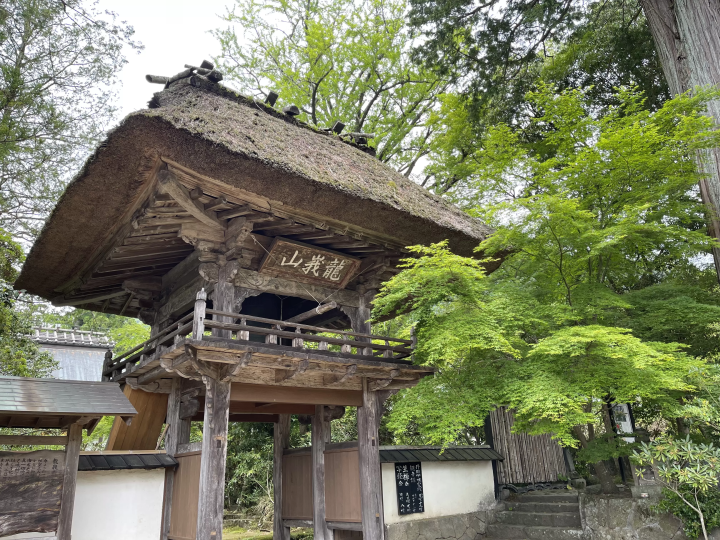
| Ryukokuji Temple | Other carvings include mythical creatures like the baku and kirin, as well as motifs Ishikawa loved such as Chinese-style lions and peonies. | |
| Yuzawa Town | Zuishoan | The Nio statues at the Sakurammon gate are particularly striking. |
Some of these sites are not open to the public.For temples that do not charge an admission fee, it is recommended to offer a small donation when visiting or praying.
Map of Uncho Ishikawa facilities in Uonuma City and Niigata Prefecture
Uncho Ishikawa Guide
For those who want to deepen their understanding and enjoyment of Uncho Ishikawa’s works and life, we recommend touring with a local guide who knows Ishikawa inside out.
By listening to detailed explanations about each piece.
You may discover new insights and hidden details you might otherwise miss.
*Guides can be arranged for both groups and individuals.
*Please note that we may not be able to arrange your guide on some days.
Let's go to Uonuma to see Ishikawa Uncho's works!
Why not see the works of Japan’s “Michelangelo,” Uncho Ishikawa, for yourself?
For more detailed information about Uncho Ishikawa in Uonuma City, please check the links below.
Niigata Tourism Navi
Even just reading about it can make you feel like you’ve visited!
Saifukuji Temple’s highlights are fully covered in this detailed report.
Read the article here ▶ Having Ishikawa Uncho all to yourself at Saifukuji Temple in winter. What a luxury. / Uonuma City
YUKIGUNI
Introducing the charm of Ishikawa Uncho to people from overseas▼
Uonuma City Tourism Official Website (Chinese version)
Our association also introduces the charms of Ishikawa Uncho in Traditional Chinese to the Chinese-speaking world.
Uonuma City, located in southern Niigata Prefecture, is a town rich in nature at the foot of the Echigo Sanzan mountain range. Winter snow and spring meltwater irrigate the land, helping to cultivate delicious Uonuma koshihikari rice. Cherry blossoms and fresh greenery in spring, outdoor experiences in summer, golden rice fields and autumn leaves in autumn, and blankets of snow in winter. Every season offers stunning scenery that will make you want to take a photo. After your trip, take a relaxing dip in a hot spring. The flavors unique to a snowy country, such as freshly cooked koshihikari rice and wild vegetable dishes, will satisfy your soul. It's about two hours by Shinkansen from Tokyo. Why not take a leisurely trip to experience the warmth of nature and people?
The contents on this page may partially contain automatic translation.



Special Features
More







![[2026 Latest] Direct bus trip from Osaka to Shirahama! OCAT departure to Nanki Shirahama bus travel guide](https://resources.matcha-jp.com/resize/720x2000/2026/05/21-264354.webp)
