Life in Kasumi, a town shaped by wind and waves
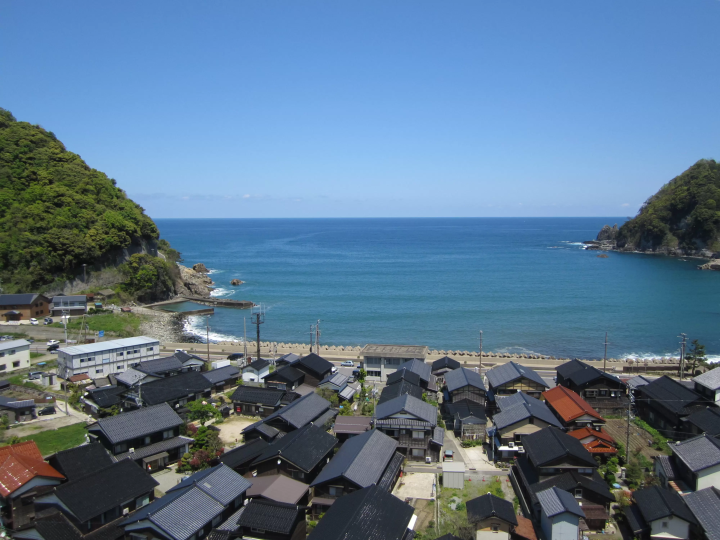
Kasumi has lived facing the harsh natural environment of the Sea of Nihon Sea . This book explores the relationship between people and the sea, which is etched in fishing, settlements, and architecture, from a perspective not seen by tourists.

Written by
This is a voluntary tourism organization that promotes the attractions of the northern Kinki region of Tamba, Tajima, Tango, and Wakasa. The flavors of Northern Kinki are not limited to crab, a representative winter sea delicacy, but also include oysters, yellowtail, and pufferfish, as well as cockles, rock oysters, and white squid in the summer, and mountain flavors such as Tamba chestnuts and Tamba black beans, and the summer fruit sand dune melon, making this an area where you can enjoy gourmet food all year round. I would be happy to be able to visit the vast northern Kinki region many times and share information on railroad journeys.
This service includes sponsored advertisements.
Living with the Sea: How Kasumi Was Shaped by Wind, Waves, and Time
A quiet coastal town facing the open sea
On the northern edge of Hyogo Prefecture, where the Japanese archipelago meets the Sea of Japan, lies Kasumi — a small coastal town that does not announce itself loudly. There are no monumental landmarks, no grand boulevards designed for spectacle. Instead, Kasumi presents something subtler: a landscape shaped by constant exposure to wind, waves, and winter storms, and a community that has learned, over centuries, how to live within those conditions rather than overcome them.
For visitors accustomed to coastal towns defined by leisure and ease, Kasumi offers a different narrative. Here, the sea is not a backdrop. It is a presence — sometimes generous, sometimes severe — that has dictated the rhythm of daily life.
The Sea of Japan: generous, harsh, uncompromising
Unlike the calmer Pacific coastlines of Japan, the Sea of Japan is known for its winter volatility. Seasonal winds sweep across the water unobstructed from the Asian continent, generating heavy waves and sudden weather shifts. For generations, these conditions shaped not only how people fished, but how they built homes, organized streets, and understood time itself.
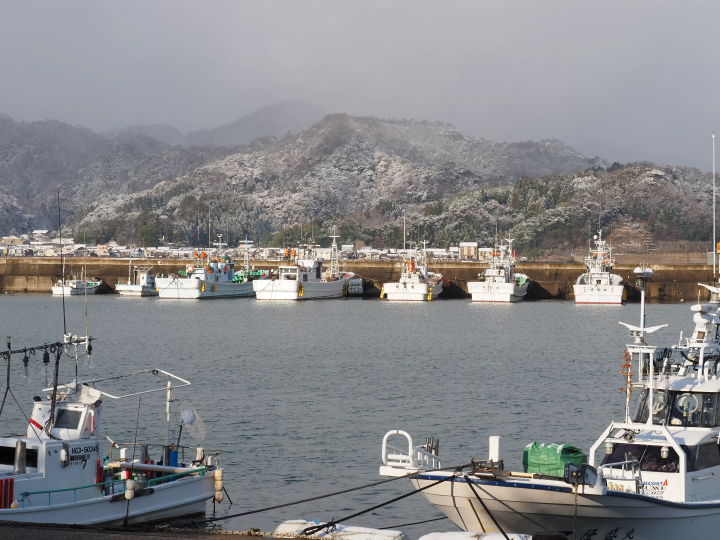
Kasumi's harbor sits low and compact, sheltered by natural rock formations. This was not an aesthetic decision. It was a practical response to geography — one refined through repeated experience. Fishing vessels needed refuge from winter storms, and the town grew inward, close to the shore, where work and shelter could remain within reach even in difficult weather.
Knowledge passed through hands, not books
Much of Kasumi's relationship with the sea exists outside formal documentation. Techniques for reading wave patterns, judging the timing of departure, or predicting subtle shifts in weather were historically learned not through manuals, but through observation and apprenticeship.
Elder fishermen speak of the sea as something that must be interpreted rather than controlled. The color of the water, the movement of clouds, the sound of wind between cliffs — these are signals. To outsiders, they appear poetic. To locals, they are practical tools for survival.
This accumulated knowledge forms a cultural archive as important as any written record. It explains why certain fishing methods developed here, and why restraint — knowing when not to go out — is valued as highly as skill.
Winter: not an off-season, but a defining one
In many travel narratives, winter represents absence:fewer visitors, reduced activity, a pause in the year. In Kasumi, winter has always been central.
The most prized catches arrive during the coldest months, when the sea is at its most dangerous. Winter fishing required cooperation, discipline, and trust — not only between crew members, but between humans and nature. This dynamic fostered a culture where patience and preparation mattered more than speed.
The town's seasonal calendar reflects this worldview. Rather than avoiding winter, life here historically rooted into it, accepting risk while respecting limits. This philosophy still lingers, even as modern technology has reduced some dangers.
Architecture shaped by wind and salt
Kasumi's built environment carries quiet evidence of adaptation. Traditional houses were constructed low and sturdy, designed to withstand strong coastal winds. Narrow streets reduced exposure, and materials were chosen for resilience rather than decoration.
Salt air corrodes quickly. Maintenance was constant, and impermanence was accepted as a fact of life. Structures were never meant to last untouched forever; they were meant to be repaired, adjusted, and rebuilt as conditions demanded.
This acceptance of gradual change — of things wearing down and being renewed — mirrors the town's broader relationship with time.
A landscape that records time
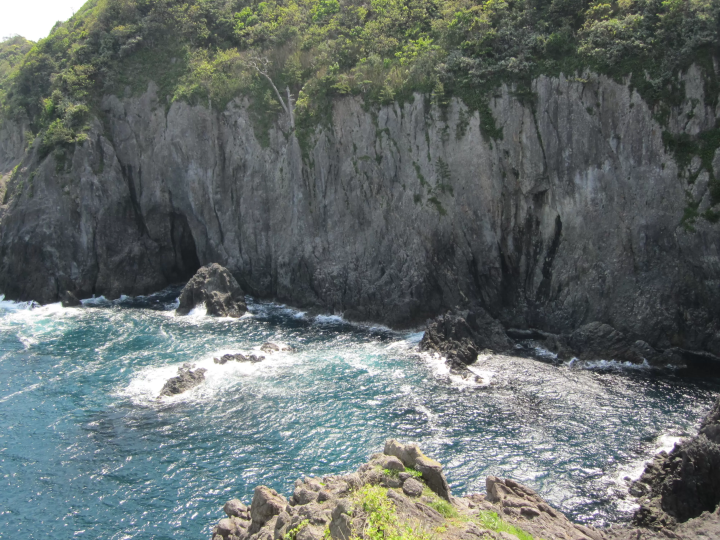
Beyond the town itself, the coastline around Kasumi tells a story measured in geological time. Jagged cliffs, sea-carved caves, and layered rock formations reveal millions of years of interaction between land and water.
Locals do not describe these formations as dramatic attractions. They are simply part of the environment — markers of endurance rather than spectacle. To walk along the coast is to witness how small human history is when set against natural processes, yet also how deeply humans can belong within them.
Modern life, enduring values
Today, Kasumi is connected to the outside world by railways and roads. Weather forecasts are digital, boats are mechanized, and global markets influence local livelihoods. Yet the town has not abandoned its foundational mindset.
The sea is still approached with caution. Decisions are still collectively made. And the idea that prosperity depends on balance — not extraction at any cost — remains embedded in local attitudes.
Visitors who arrive expecting a polished destination may miss what makes Kasumi distinctive. But those who observe carefully may notice something increasingly rare: a community shaped not by dominance over nature, but by long negotiation with it.
Listening to a quieter story
Kasumi does not attempt to impress. Its appeal lies in what it reveals slowly — through weathered harbors, winter seas, and lives organized around forces beyond human control.
In an era when many places are redesigned for consumption, Kasumi stands as a reminder that some landscapes are not meant to be simplified. They are meant to be read, respected, and experienced with patience.
For those willing to listen, the town offers a story not of escape, but of coexistence — written by wind, waves, and time.
For practical travel information and the latest updates, please visit our official website.(JP only)
This is a voluntary tourism organization that promotes the attractions of the northern Kinki region of Tamba, Tajima, Tango, and Wakasa. The flavors of Northern Kinki are not limited to crab, a representative winter sea delicacy, but also include oysters, yellowtail, and pufferfish, as well as cockles, rock oysters, and white squid in the summer, and mountain flavors such as Tamba chestnuts and Tamba black beans, and the summer fruit sand dune melon, making this an area where you can enjoy gourmet food all year round. I would be happy to be able to visit the vast northern Kinki region many times and share information on railroad journeys.
The contents on this page may partially contain automatic translation.
Special Features
More








![[Latest] Complete Guide to atmos Exclusive Sneakers & Special Edition Models | Apparel and Upcoming Release Information](https://resources.matcha-jp.com/resize/720x2000/2026/05/28-264818.webp)