Naritasan Shinshoji Temple: A Guide to 6 Goshuin Seals
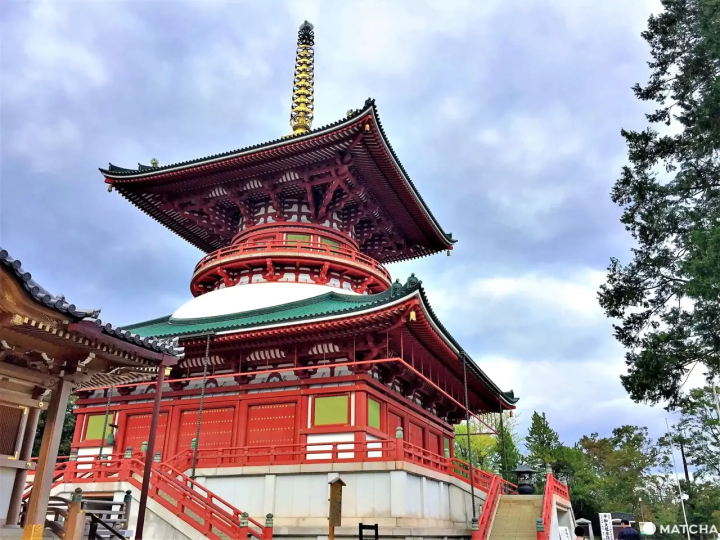
Visit Naritasan Shinshoji Temple near Tokyo and collect six goshuin seals. Learn about the temple's history, sacred halls, and Japanese New Year traditions.

This service includes sponsored advertisements.
Naritasan Shinshoji: A Popular New Year's Destination
In Japan, visiting a shrine or temple at the beginning of the year is an important tradition known as hatsumode. During this first visit of the New Year, people express gratitude for the past year and pray for good health, happiness, and good fortune in the year ahead.
With over 1,000 years of history, Naritasan Shinshoji Temple is one of Japan's most popular destinations for hatsumode, welcoming more than 10 million visitors annually, including over 3 million during the New Year holidays. Visitors can also collect goshuin, traditional seals featuring Japanese calligraphy that serve as keepsakes of their visits to temples and shrines. Whether visiting during the New Year or another season, Naritasan Shinshoji offers a meaningful way to experience Japanese traditions.
A Thousand-Year History of Naritasan Shinshoji
Naritasan Shinshoji Temple was founded in 940 during the Heian period (794–1185), when a powerful samurai named Taira no Masakado led a rebellion against the imperial government.
To pray for peace, Emperor Suzaku sent a Buddhist priest named Kancho from Kyoto to Narita, carrying a sacred statue of Fudo Myoo, a Buddhist deity believed to protect people from evil and misfortune.
According to legend, Kancho prayed before the statue for 21 days. On the final day, the rebellion ended, bringing peace back to the region.
Since then, the statue has remained at Naritasan Shinshoji Temple, where worshippers continue to pray for protection and good fortune.
Six Types of Goshuin Temple Seals

Before entering Naritasan Shinshoji Temple, visitors pass through the Somon Main Gate. Standing 49 feet (15 meters) tall, it features carvings of the 12 animals of the Chinese zodiac. Built in 2008 as part of a project commemorating the 1,070th anniversary of the temple's founding, the gate serves as the main entrance welcoming worshippers.


The second gate, the Niomon Gate, has a history spanning 188 years and is designated as an Important Cultural Property of Japan. Suspended from the gate is a large red lantern donated by Tokyo fish merchants, which reportedly weighs about 1,760 pounds (800 kilograms).

Goshuin Seals: Dai Hondo Main Hall (left), Ioden Hall (right)
The Heart of Shinshoji: Dai Hondo Main Hall

The Dai Hondo Main Hall enshrines Fudo Myoo. Sacred Ogoma fire rituals are conducted here daily at scheduled times. For details, please check the official website (Japanese).
Prayers for Health and Longevity: Ioden Hall

Built in 2017 to commemorate the 1,080th anniversary of the temple's founding, Ioden Hall enshrines Yakushi Nyorai along with the Nikko and Gakko Bodhisattvas. Worshippers come here to pray for swift recovery from illness or injury, good health, and long life.

Goshuin Seals: Shakado Hall (left), Shusse Inari Shrine (right)
Ward Off Bad Luck: Shakado Hall

Shakado Hall itself is designated as an Important Cultural Property and serves as the venue for rituals to ward off bad luck and bring good fortune.
Pray for Career Success and Wealth: Shusse Inari Shrine


In Japanese mythology, Inari is the deity overseeing abundant harvests and business prosperity, with foxes serving as the deity's messengers. When worshipping, visitors can purchase and offer fried tofu, a favorite of foxes, to pray for career advancement and commercial success.

Goshuin Seals: Great Pagoda of Peace (left), Komyo-do Hall (right)
Symbol of Shingon Teachings: Great Pagoda of Peace

Built in 1984, the Great Pagoda of Peace serves as a key symbol of Shingon Esoteric Buddhism teachings. Inside, visitors can view exhibits on the history of Mount Narita, sacred sutra texts, and statues of Fudo Myoo. Sutra copying sessions take place daily from 8:00 AM to 4:00 PM in Reikoden Hall on the first floor. Writing supplies, desks, and chairs are provided on site, and advance reservations are not required. If you have time during your visit, copying sutras offers a wonderful way to quiet the mind.
Prayers for Love and Relationships: Komyo-do Hall


Komyo-do Hall is the oldest structure within the Shinshoji complex, boasting a history of 320 years. Dainichi Nyorai sits at the center, flanked by Fudo Myoo on the left and Aizen Myoo on the right. Portrayed with one head and six arms holding ritual items, Aizen Myoo is revered for blessing romantic connections, drawing many visitors who wish to pray for love and marriage.
Conclusion
Outside of the New Year holiday season, weekdays offer a serene time to visit Naritasan Shinshoji Temple, collect goshuin seals, and soak in the timeless historical beauty of the grounds.
Naritasan Shinshoji Temple
 1 Narita, Narita City, Chiba Prefecture 286-0023

Follow our Facebook page for the latest updates: Matcha Japan Travel Magazine
當過唱片公司宣傳、記者,工作後發現還是當學生最幸福,決定逃來日本念書。


Special Features
More