Sakuragi Shrine: Cherry Blossom Goshuin in Chiba, Japan
Visit Chiba’s oldest shrine, Sakuragi Shrine, for beautiful cherry blossoms, limited-edition spring goshuin, cherry blossom stamp books, and lucky charms.

Written by
I used to live in Japan and managed to conquer 78 out of the 100 famous castles and 12 existing castle towers in 8 years. As a history enthusiast, I also have a passion for baseball and Japanese dramas, which have driven me to visit all 47 prefectures. I hope to convey not only the scenery of Japan but also more of its culture and way of life.
This service includes sponsored advertisements.
Sakuragi Shrine: A Spring Paradise for Goshuin Collectors
Japan's cherry blossom season is not just about chasing blooms outdoors. For stamp collectors, it is also about gathering seasonal floral magic on paper. This article introduces Sakuragi Shrine in Noda City, Chiba Prefecture. Its annual limited-edition spring goshuin is hugely popular across the Kanto region, drawing collectors from far and wide. Here is a firsthand look at what to expect!
Sakuragi Shrine: A Blossom-Filled Sanctuary
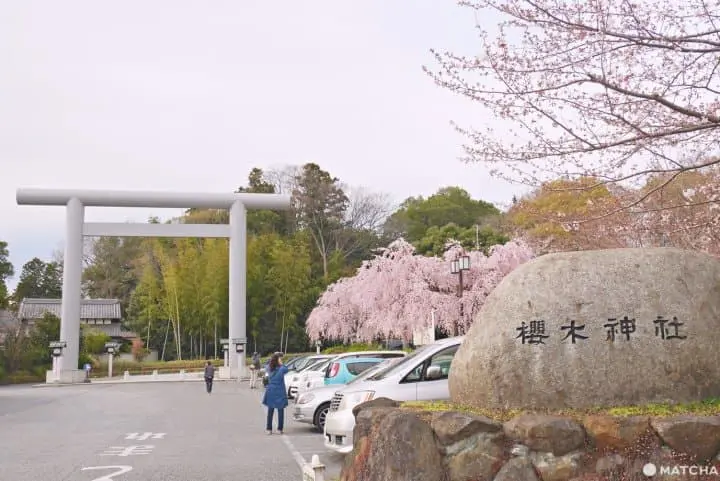
Located in Noda City, Chiba Prefecture, Sakuragi Shrine is the oldest shrine in the city, with over a thousand years of history. Its name comes from a sacred cherry tree worshipped on the grounds. Legend says worship began beneath a large, beautiful cherry blossom tree honoring Ukanamitama no Mikoto, a deity tied to wealth, good fortune, and food. According to shrine records, the Japanese word for cherry blossom, sakura, can be interpreted as the place where the rice spirit resides.
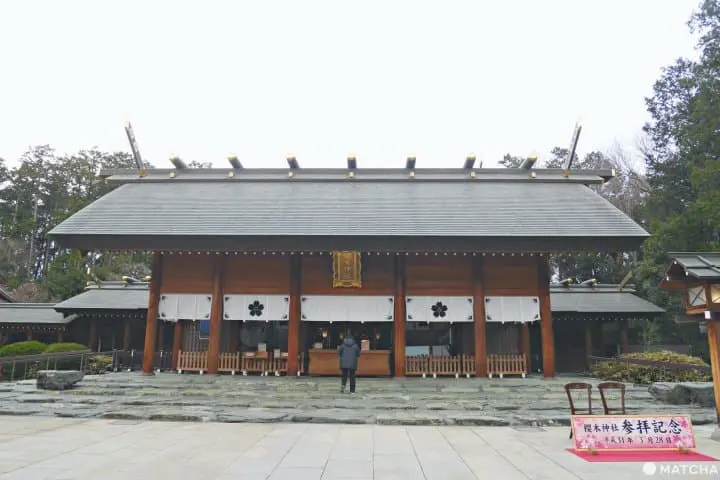
Over time, the shrine also enshrined Takemikazuchi no Mikoto, a deity of victory and good luck, as well as the divine couple Izanagi no Mikoto and Izanami no Mikoto. Because of this, visitors also come here to pray for love and good relationships.
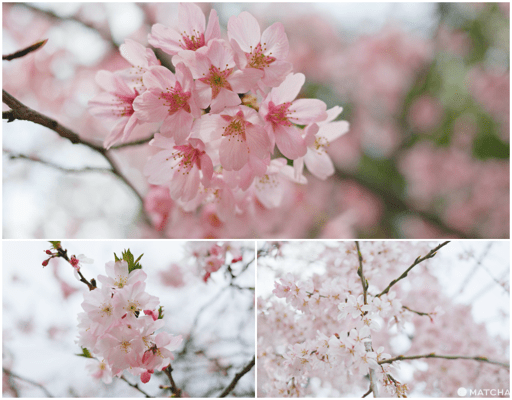
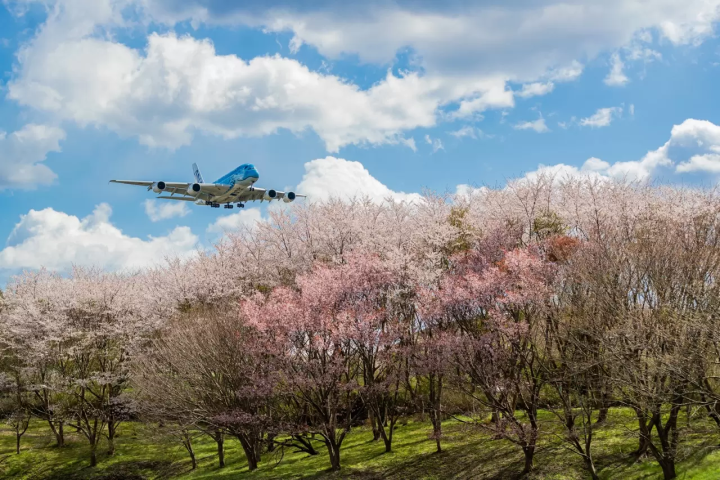
Living up to its name, Sakuragi Shrine features many cherry tree varieties that paint every corner in soft shades of pink.
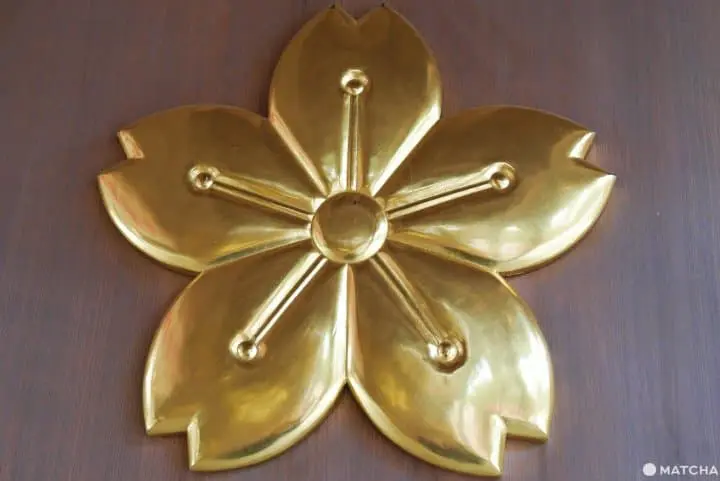
Given its founding origin and abundant cherry blossoms, the shrine uses a cherry blossom motif as its official crest.
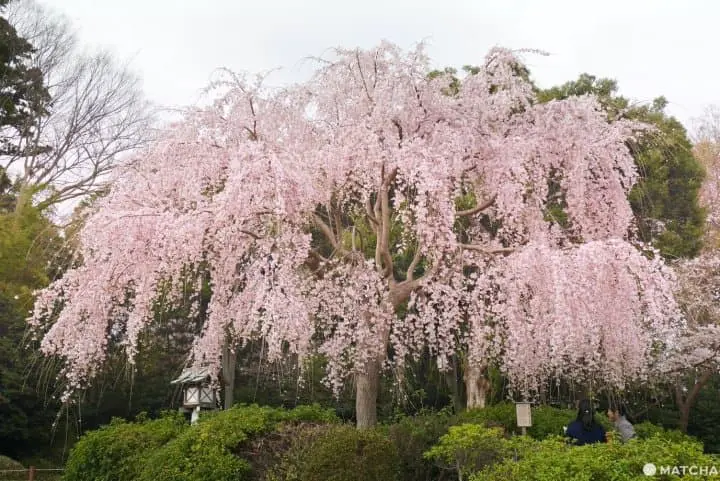
Beside the main torii gate stands a weeping cherry tree known as Miharu Ko-Zakura. It is a genetic clone of Fukushima's famous Miharu Takizakura, one of Japan's three major cherry trees. While smaller than the grand original, its cascading branches form a pale pink waterfall in full bloom, offering a peaceful sight for visiting worshippers.
Annual Limited-Edition Spring Goshuin
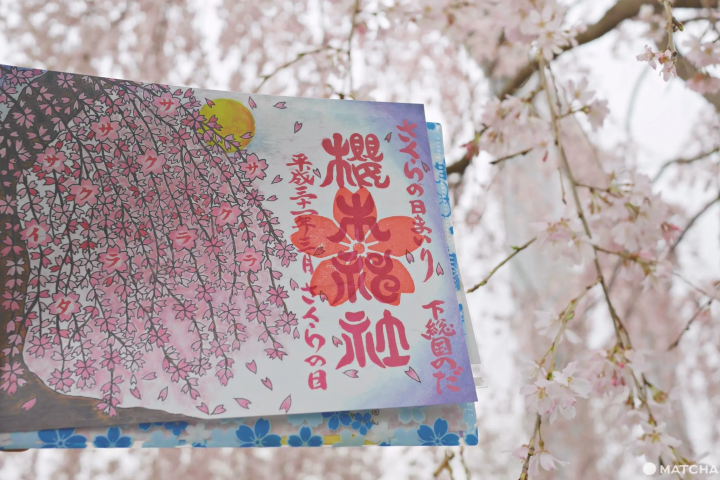
Sakuragi Shrine offers special goshuin for various seasonal festivals, but the most anticipated option is the limited-edition cherry blossom goshuin available during the March Cherry Blossom Festival.

Pictured here is the 2019 goshuin, featuring a dramatic design of cherry trees in full bloom. Placed inside a stamp book, these delicate blossoms never fade, letting you revisit spring memories anytime you turn the page.
The design for the Cherry Blossom Festival changes every year, as announced on the shrine's official website.
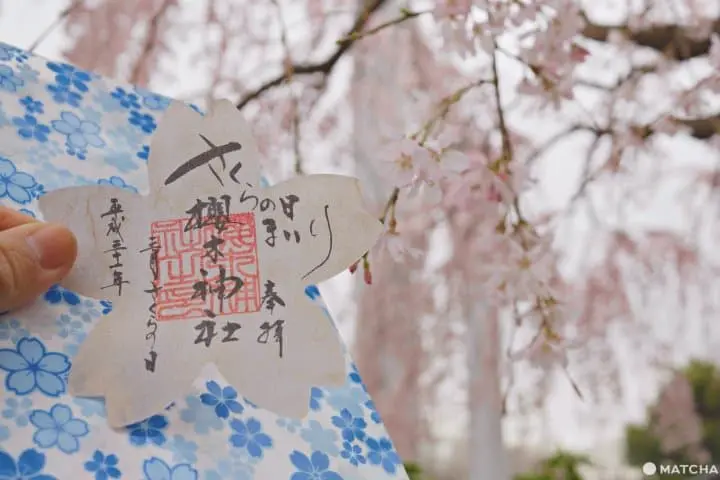
In addition to the full-page goshuin, the shrine offers special stamps on cherry petal-shaped Japanese washi paper. The paper is dyed using the shrine's sacred cherry trees, giving it a unique pale pink tint.
How to Request Popular Goshuin
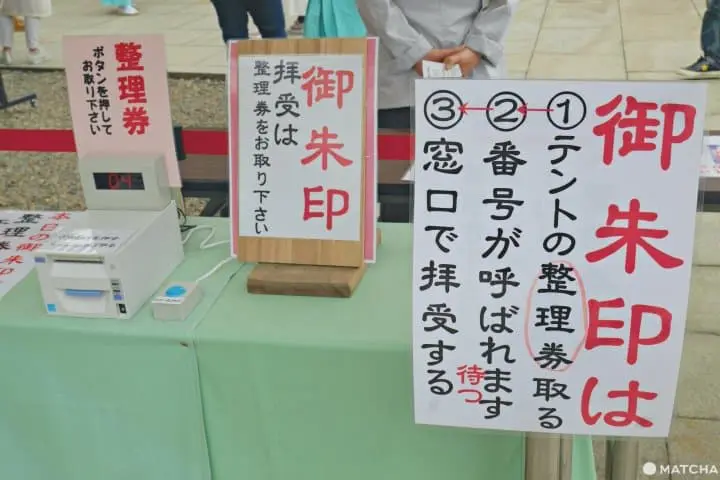
The spring goshuin draws large crowds of collectors, so the shrine hands out numbered tickets to manage the line. Here is how the process works:
- Pick up a numbered ticket (numbered queue voucher).
- Wait for staff to call your group number. Numbers are called in batches of ten, such as "group 1 through 10".
- Once your group is called, line up at the designated goshuin counter to receive your stamp.
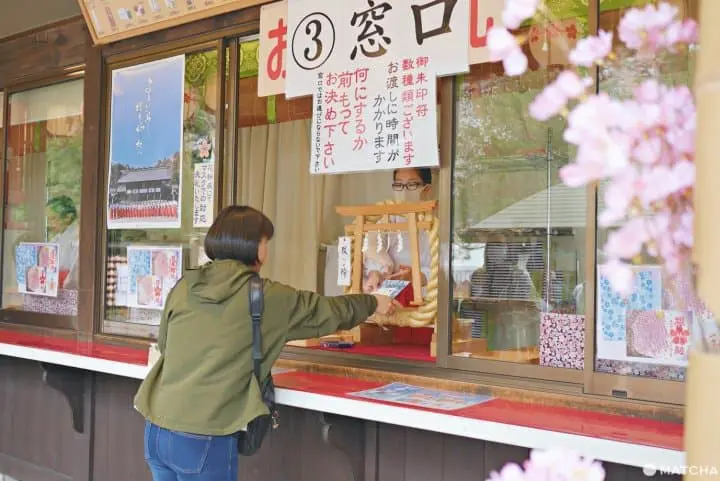
When your number is called, head to the window and let the staff know which style you would like. Staff members carefully hand over the finished goshuin across a sacred thatch ring used for warding off ill fortune.
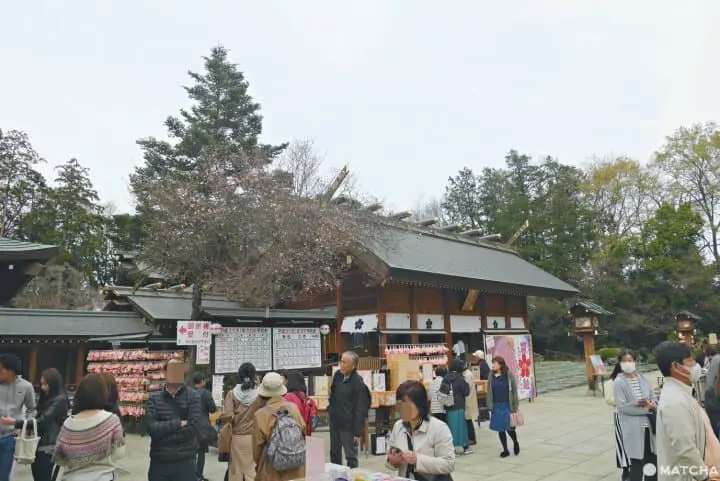
While many visitors were waiting on the day of this visit, the spacious shrine grounds ensured the area never felt overcrowded.
Exploring Shrine Grounds While You Wait
While waiting for your number, you can visit the sacred cherry tree for love matchings, write a wish on a cherry blossom wooden ema plaque, or draw a cherry-patterned omikuji fortune slip.
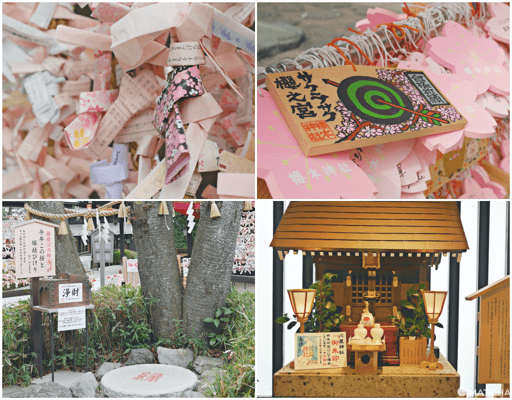
One unique feature on the grounds is Kawaya Shrine, a small shrine dedicated to the deity of restrooms located inside the restroom facility. Worshipping here is said to enhance personal charm and beauty. Dedicated to the deity of restrooms, the facilities at Sakuragi Shrine are remarkably spacious and spotless, winning a Special Award from the Japan Toilet Association Good Toilet Awards in 2012.
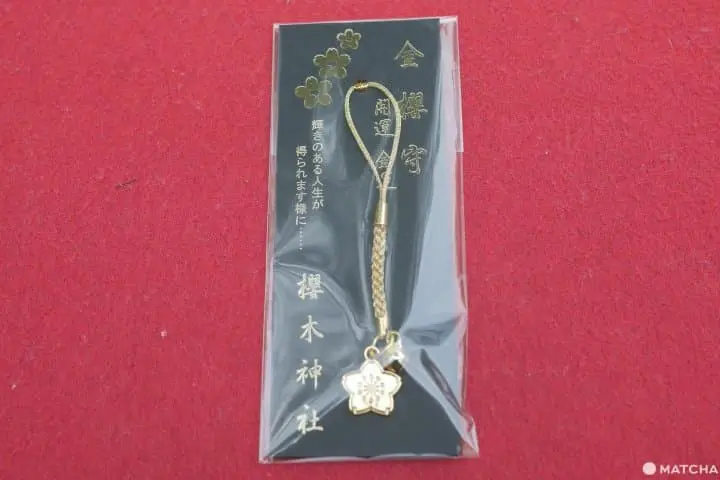
Omamori charm counters are separate from the goshuin counter, making it easy to browse charms while waiting for your stamp. Sakuragi Shrine offers over ten types of cherry blossom-themed amulets. Featured here is a golden cherry charm for good luck (600 yen). You can view more charm options on the shrine's official website.
Beautiful Goshuin Books to Collect
In addition to goshuin stamps, Sakuragi Shrine offers gorgeous stamp books (goshuincho) that cherry blossom fans will love.
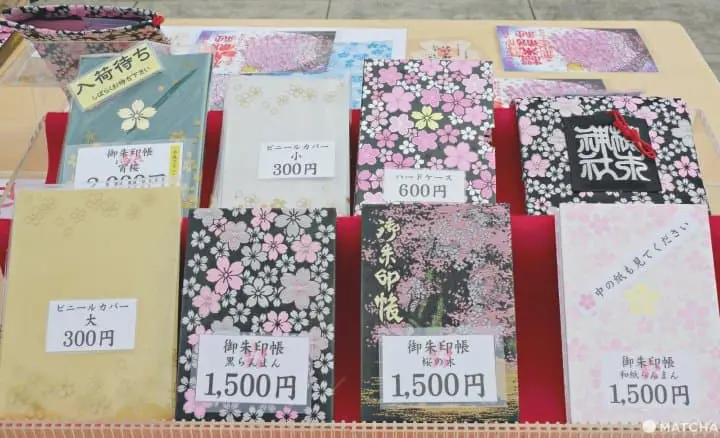
Standard designs available year-round include Kuro-Ranman (Black Blossoms) and Sakura no Ki (Cherry Tree) against a black background. The Yozakura (Evening Cherry Blossom) design on the upper left was a 2019 spring limited-edition item, while 2020 saw the viral release of the Hinomaru Sakura design featuring red blossoms on white to celebrate the Olympics.

Inside the Washi-Ranman stamp book, the pages are subtly embossed with soft pink cherry blossom patterns, letting you feel the joy of full spring bloom as soon as you open it.
The shrine also offers protective book covers with cherry blossom trim and matching drawstring pouches, perfect for keeping your stamp books safe.
Experience Spring at Sakuragi Shrine
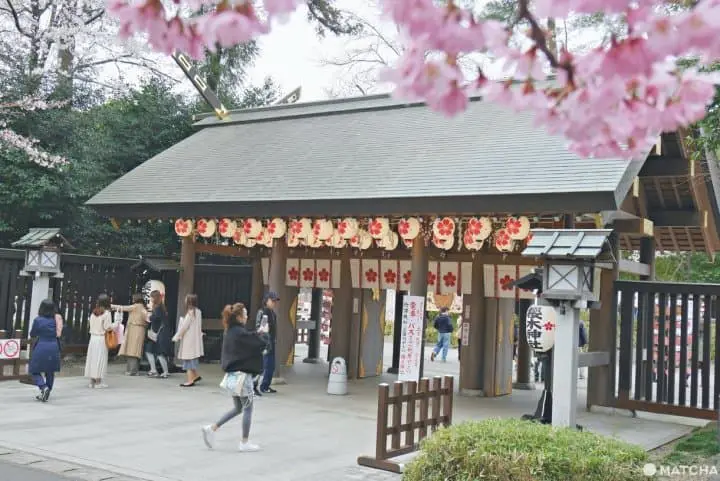
As the oldest shrine in Noda City, Chiba Prefecture, Sakuragi Shrine stays vibrant while honoring its deep history. Through its annual spring-limited goshuin, it invites people to discover a thousand-year-old sanctuary framed by swirling cherry petals. If you missed this year's release, look forward to next spring to see what lovely designs Sakuragi Shrine creates next!
Sakuragi Shrine Spot Information
Address: 210-1 Sakuradai, Noda City, Chiba Prefecture 278-0032
Gate Hours: 6:30 - 17:00
Shrine Office and Goshuin Hours: 9:30 - 16:00
Follow our Facebook page for the latest updates: MATCHA Japan Travel Web Magazine
I used to live in Japan and managed to conquer 78 out of the 100 famous castles and 12 existing castle towers in 8 years. As a history enthusiast, I also have a passion for baseball and Japanese dramas, which have driven me to visit all 47 prefectures. I hope to convey not only the scenery of Japan but also more of its culture and way of life.



Special Features
More