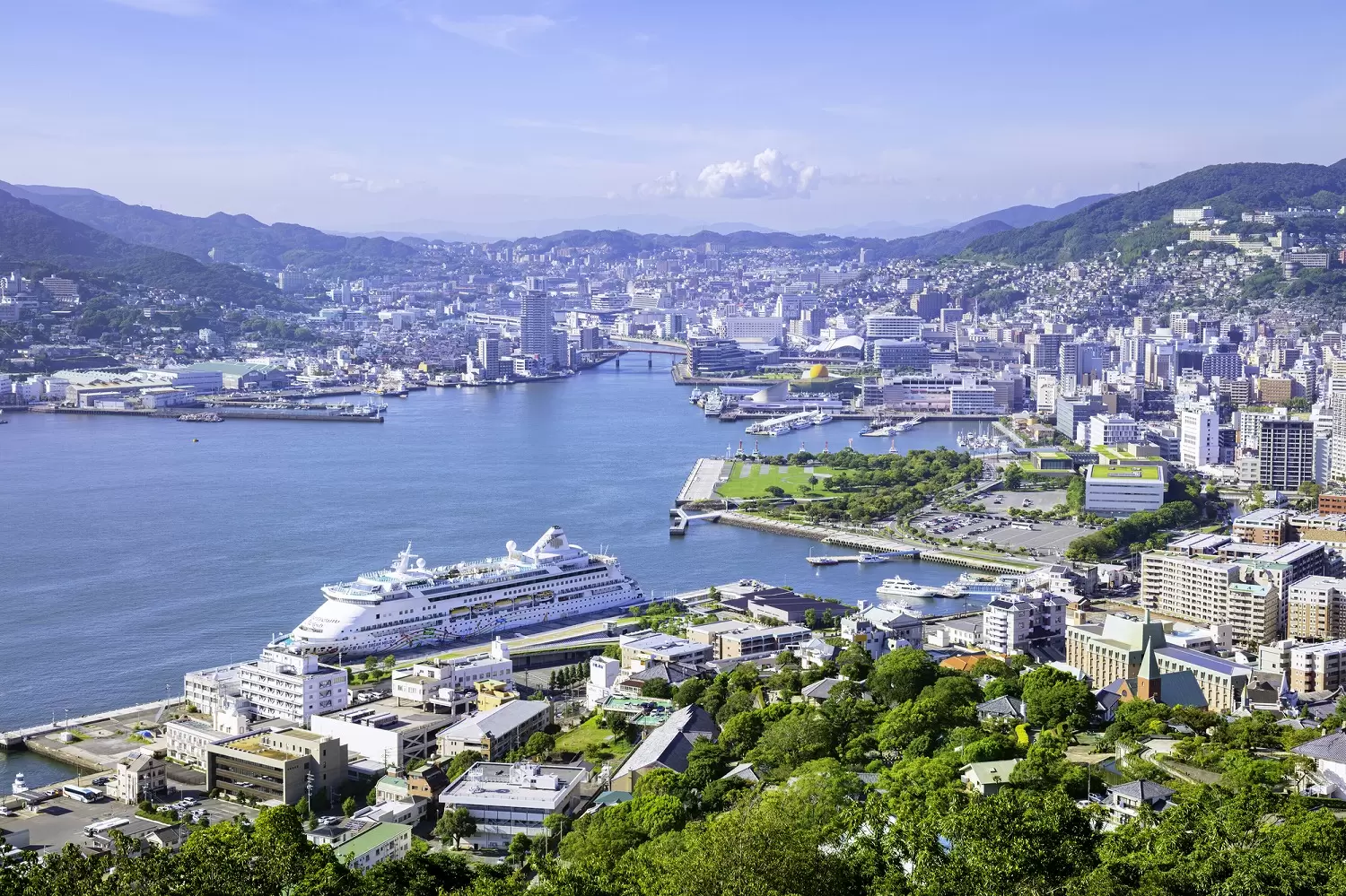
Located on the western coast of Kyushu, Nagasaki is a captivating destination where traditional Japanese culture blends with centuries of Dutch, Portuguese, and Chinese influences.
While globally recognized for its profound history of resilience, this vibrant port city offers far more than its deeply moving peace monuments. From the historic European estates of Glover Garden and the lantern-lit alleys of Japan's oldest Chinatown, to its legendary culinary scene and world-class night views from Mount Inasa, Nagasaki promises an unforgettable, cosmopolitan escape.
Welcome to your ultimate guide to exploring one of Japan's most scenic and culturally diverse gems.
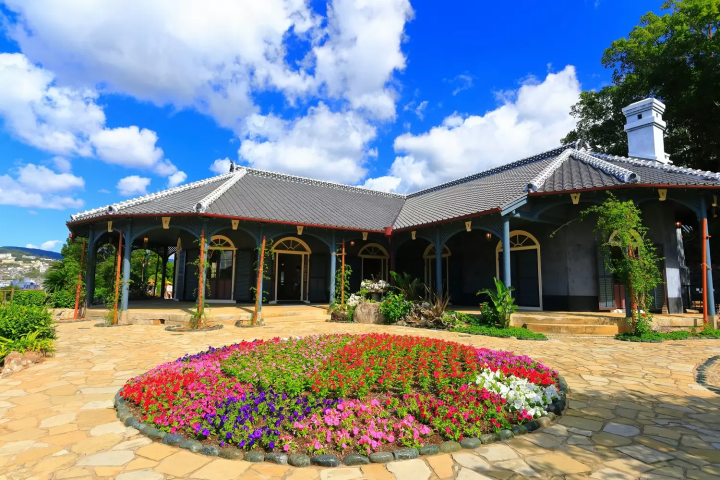
The best places to visit in Nagasaki include the Peace Park and Atomic Bomb Museum, the lantern-lit streets of Shinchi Chinatown, and Glover Garden, where historic Western-style mansions offer sweeping harbor views.
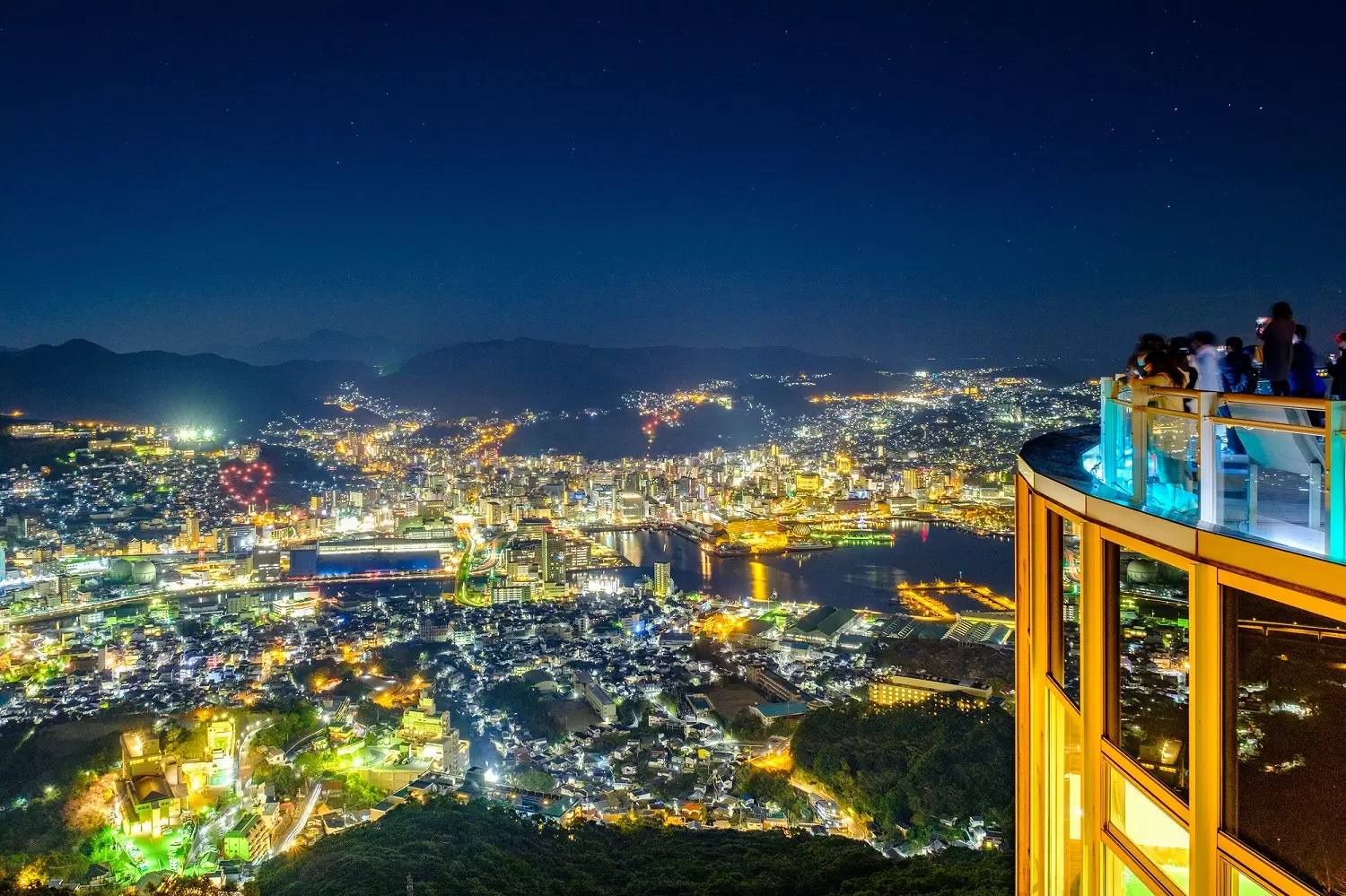
Dejima, the historic walled Dutch trading post, and the majestic Oura Church are also must-visit locations. At dusk, take the ropeway up Mount Inasa to witness one of the world's most spectacular, sparkling night views.
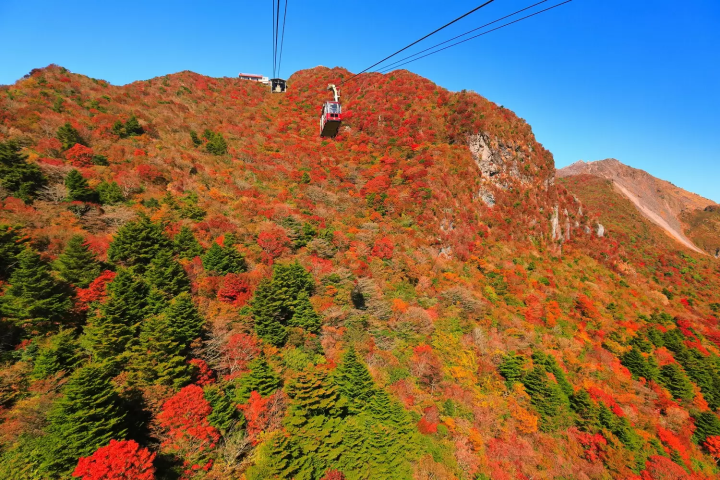
Beyond the historic capital, explore Sasebo's Huis Ten Bosch, a vibrant Dutch-themed amusement park. Nature lovers can soak in the hot springs and dramatic volcanic steam vents of Unzen Onsen on the Shimabara Peninsula.
For an off-the-beaten-path adventure, head to the remote Goto Islands, famous for their turquoise-water beaches, fresh seafood, and historic hidden Christian churches.


To get to Nagasaki from Tokyo, the fastest option is a direct two-hour flight from Haneda Airport, followed by a 45-minute airport bus to the city center.
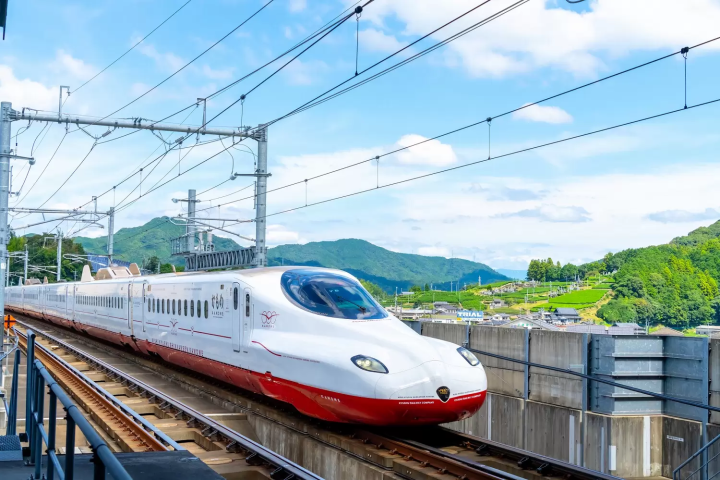
Alternatively, a scenic rail journey takes about seven hours: take the Shinkansen from Tokyo to Fukuoka's Hakata Station, then catch the Relay Kamome limited express to Takeo-Onsen, making a quick, same-platform transfer to the Nishi-Kyushu Shinkansen into Nagasaki.
Traveling directly from Fukuoka (Hakata Station) is very efficient, requiring the same Relay Kamome and bullet train combination to arrive in a smooth 80 minutes.
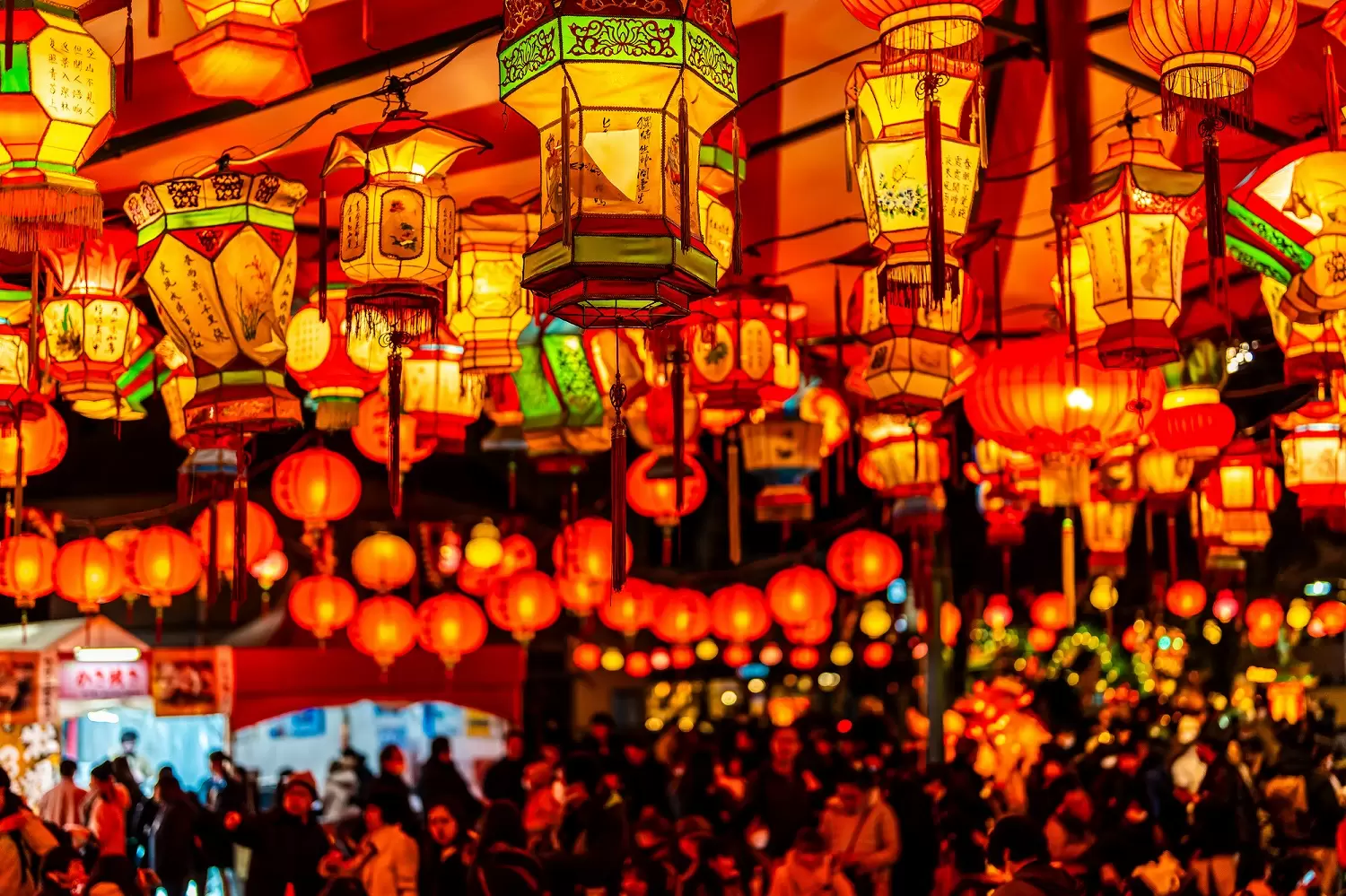
For centuries, Nagasaki served as Japan's solitary window to the outside world. During the nation's 200-year isolation period (Sakoku), the man-made island of Dejima was the only port open to Dutch and Chinese traders. These cross-cultural encounters are now celebrated through annual events like the Nagasaki Kunchi Festival.
This history created a distinct heritage, seen in its Hidden Christian sites, Western-style architecture, and fusion cuisine like Shippoku and Castella cake.
After becoming the second place in the world where an atomic bomb was dropped in 1945, modern Nagasaki has transformed its painful past into a profound cultural mission, standing today as a global beacon of peace, resilience, and cosmopolitan charm.
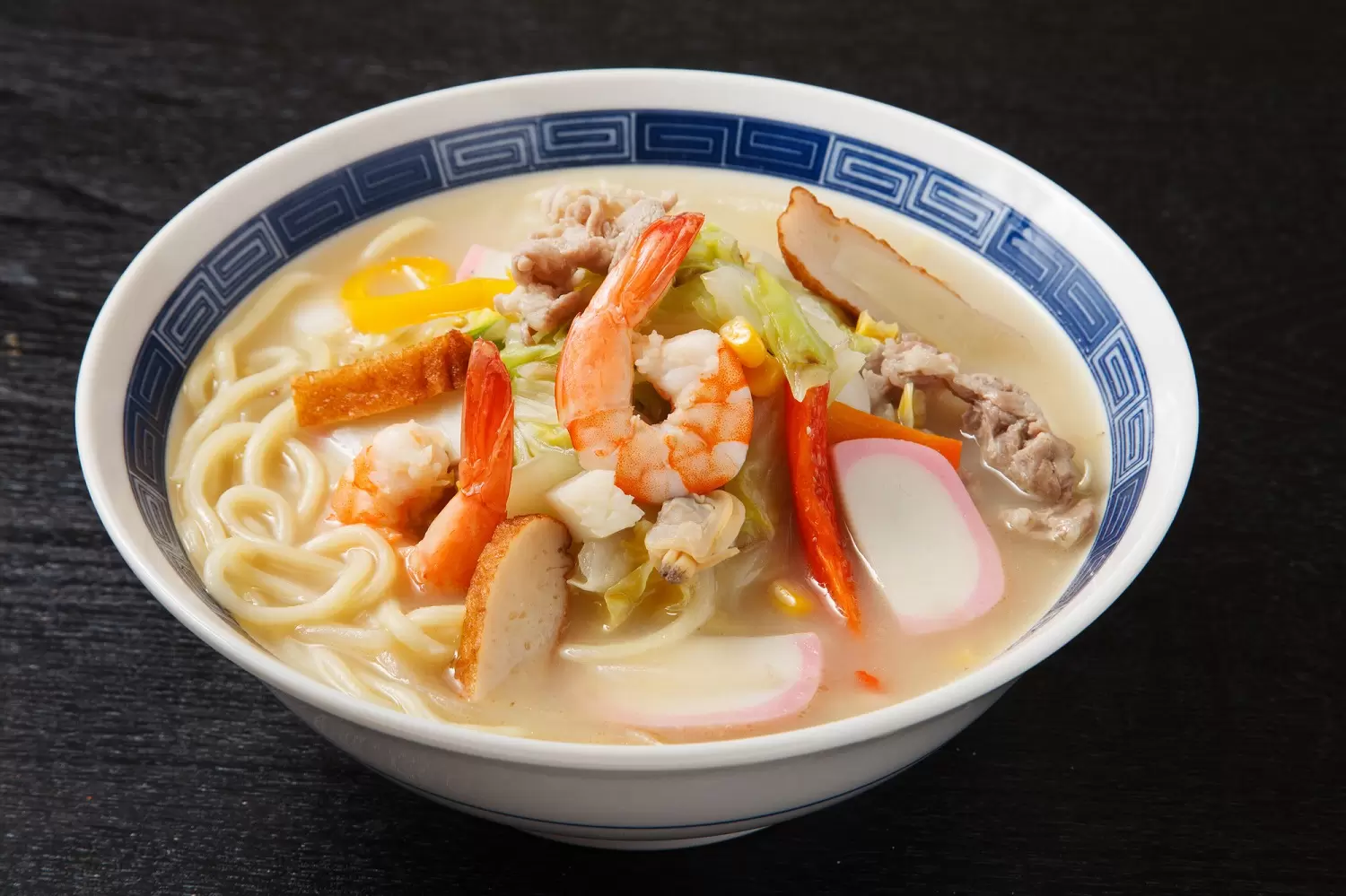
Nagasaki's cuisine reflects the region's multicultural history. You must try Champon, a hearty Chinese-style noodle soup loaded with pork, seafood, and vegetables in a rich pork-bone broth, alongside its crispy noodle sibling, Sara Udon.
Another must-try is the Western-inspired Turkish Rice, a comforting comfort-food platter of pilaf rice, spaghetti, and a pork cutlet drenched in curry sauce.
For snacks, grab a savory pork belly bun (Kakuni Manju) from Chinatown, and finish with Castella, a delightfully sweet, sponge cake introduced by Portuguese merchants in the 16th century.


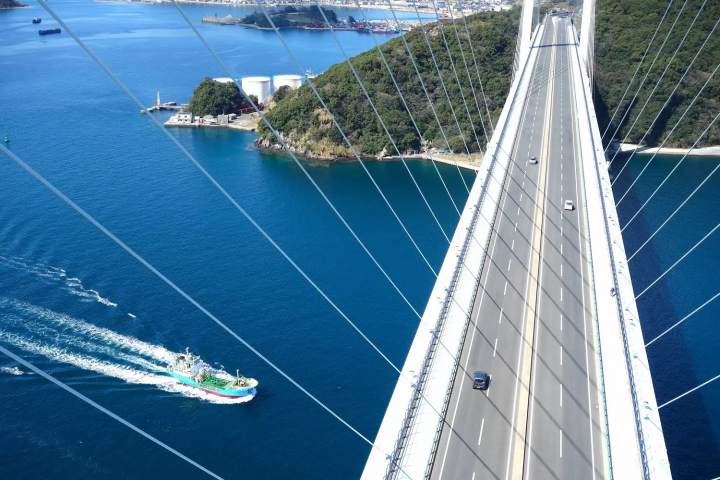
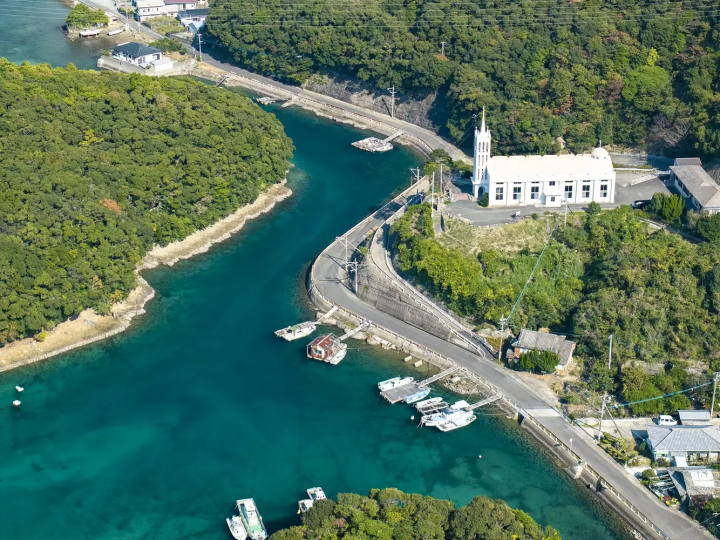
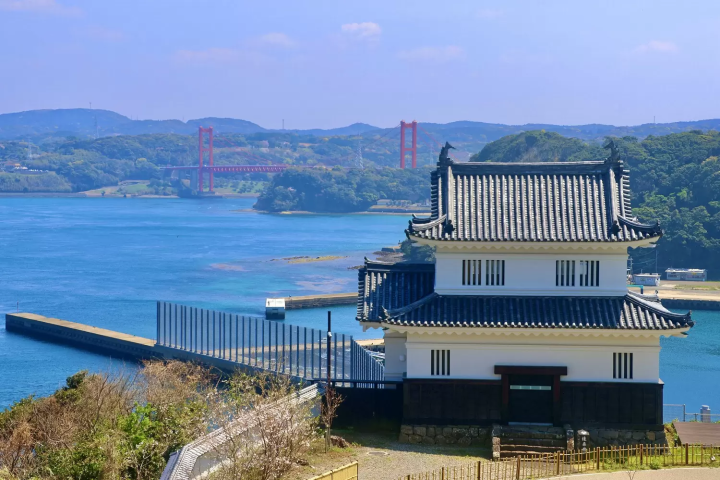
There is a lot you can enjoy for free in Nagasaki. Examples include the Peace Park, a space dedicated to world peace, featuring the iconic 10-meter-tall Peace Statue and the nearby Hypocenter Park; Meganebashi (Spectacles Bridge), Japan's oldest stone arch bridge, whose reflection in the river perfectly mimics a pair of spectacles; and Nagasaki Shinchi Chinatown, perfect for a vibrant, historic walk. You can also stroll along the historic Dutch Slope completely free of charge.
A perfect one-day itinerary in Nagasaki starts with history and reflection at the Nagasaki Peace Park and the moving Atomic Bomb Museum. In the afternoon, take the tram downtown to see Meganebashi Bridge, explore the historic trading post of Dejima, and stroll through the Western-style hillside estates at Glover Garden. In the evening, grab dinner in Shinchi Chinatown for local champon noodles, then take the ropeway up Mount Inasa for a breathtaking night view.
Thanks to the Nishi-Kyushu Shinkansen, you can travel from Fukuoka to Nagasaki in just 80 to 90 minutes, making a day trip highly feasible.
Because Nagasaki's main attractions—like the Peace Park, Dejima, and Chinatown—are tightly clustered and easily reached via a cheap tram system, you can experience its unique history and vibrant culture in a single day. Just prepare for a packed schedule if you want to catch the famous Mount Inasa night view before heading back!
If you love immersive theme parks, Huis Ten Bosch is definitely worth visiting. Located near Nagasaki, Huis Ten Bosch is an incredibly detailed recreation of a Dutch town. It is famous for its seasonal flower festivals, scenic canals, and spectacular nighttime illuminations, which are some of Japan's best.
Please note that Huis Ten Bosch takes a full day to explore. If you prefer authentic Japanese history, skip it; but for families, couples, or photography lovers, it is absolutely worth visiting.
One day is enough to see Nagasaki's main highlights, like the Peace Park, Dejima, and the Mount Inasa night view, thanks to the city's compact tram system.
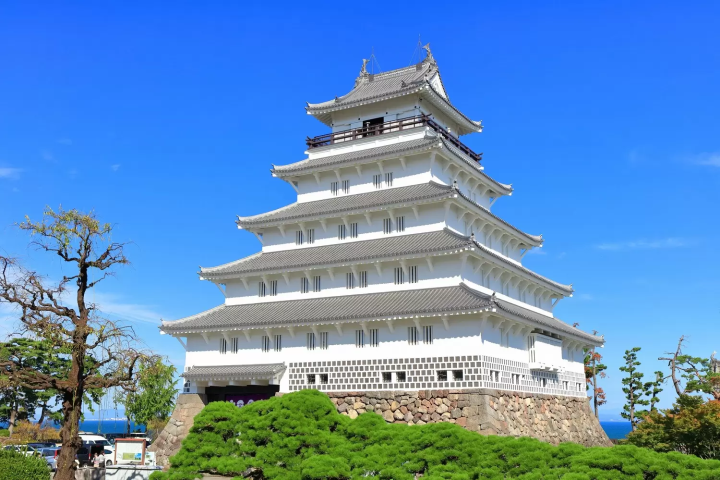
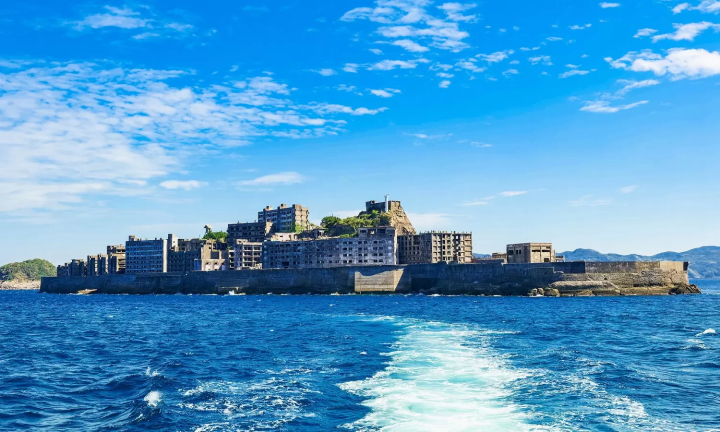
However, a single day will feel rushed. To truly appreciate its deep history, visit peripheral sites, and enjoy the local food scene without stress, staying two days is highly recommended. Top day trips from Nagasaki include Sasebo, where the Huis Ten Bosch theme park is located, Shimabara Castle, and Gunkanjima (Battleship Island).