Glover Garden: Discover Nagasaki's International History
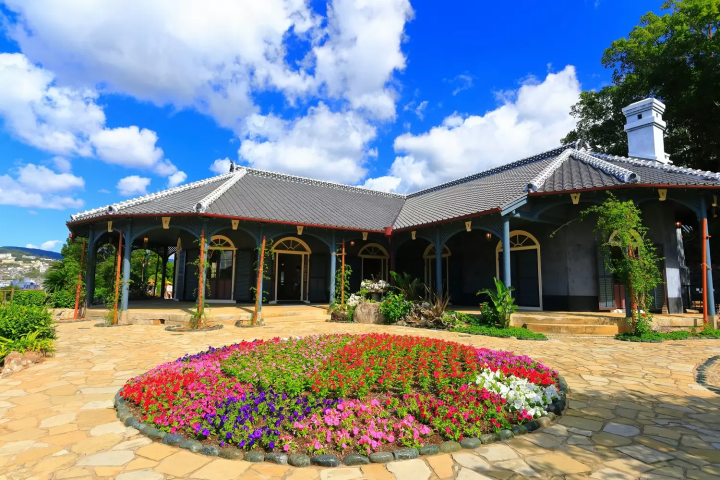
Nagasaki has a history of trading with foreign merchants like Thomas Blake Glover, who built homes in the city. These mansions are now World Heritage sites.

Written by
Born in Niigata. After gaining experience in corporate marketing, I moved to Singapore in 2011, where I worked as an editor. I returned to Japan in 2015 and joined MATCHA as a writer. Through my travels both in Japan and abroad, I love sharing my discoveries with a wide audience.
This service includes sponsored advertisements.
Nagasaki’s Glover Garden: A Historic Open-Air Museum
Did you know that "Madama Butterfly"—the world-famous opera with a Japanese theme—is actually set in Nagasaki?
Thanks to its long history as an overseas trading port, Nagasaki once saw a boom in European merchants building grand mansions across the city. This influx sparked vibrant cultural exchanges between foreign residents and the local Japanese people, which ultimately inspired the original story behind the famous opera.
In this article, we will introduce the Former Glover Residence (popularly known as the Glover Mansion) and Glover Garden, an open-air museum where these historic merchant residences still stand, beautifully preserved and untouched by time.
-
Table of Contents
- The Former Glover Residence: History and Features
- Other Historic Buildings Within Glover Garden
- Feel the History of the Nagasaki Foreign Settlement
The Former Glover Residence: History and Features
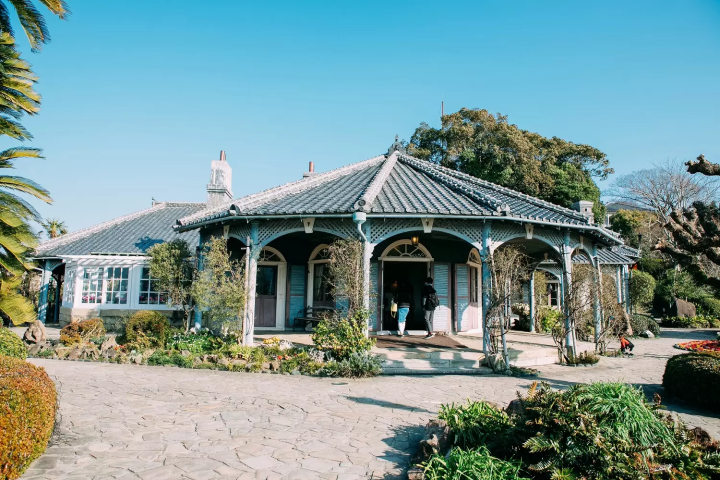
Photo by Pixta
As part of "Sites of Japan’s Meiji Industrial Revolution," the Glover Mansion was designated a UNESCO World Heritage site in 2015.
Built in 1863, it is the oldest surviving Western-style wooden building in Japan. The mansion features a truly unique design, blending a British colonial style with traditional Japanese architectural elements like local bricks and packed-mud walls.
*1: The "Sites of Japan’s Meiji Industrial Revolution" World Heritage designation comprises 23 historic properties across eleven cities and eight prefectures.
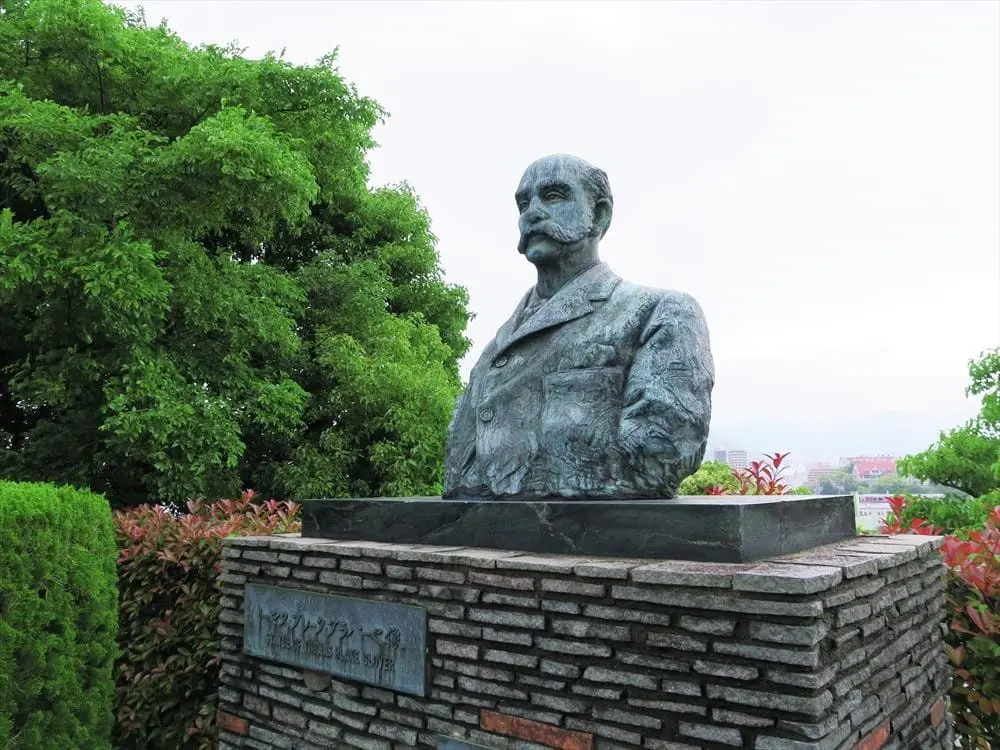
The park is named after Thomas Blake Glover (1838–1911), an influential Scottish merchant who arrived in Nagasaki in 1859.
Glover played an important role in Japan’s rapid modernization during the Meiji Restoration. He introduced Western technologies, helped establish Japan’s first modern shipyard and coal mine, and even secretly sold weapons to the rebel samurai domains (like Satsuma and Choshu) that overthrew the Shogunate.
As he expanded his business in Nagasaki, Glover lived in this mansion together with a Japanese woman named Tsuru.
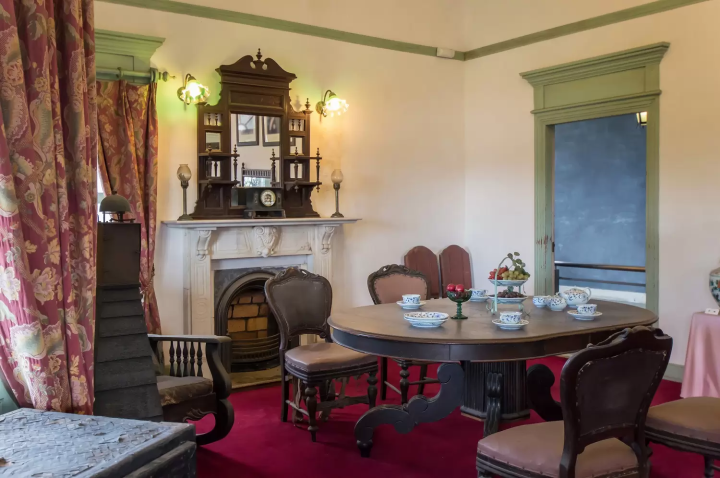
Photo by Pixta
Inside the residence, the lifestyle of the era has been meticulously recreated, offering visitors a glimpse into the splendor of this historic foreign settlement and bustling trade hub.
Hidden in the back of the attic is a secret room, rumored to have served as a hiding place for anti-shogunate rebels during the turbulent final days of the Edo period.
Standing in this dark, cramped space, you can easily imagine the racing pulse of a samurai, hiding in absolute silence to avoid capture.
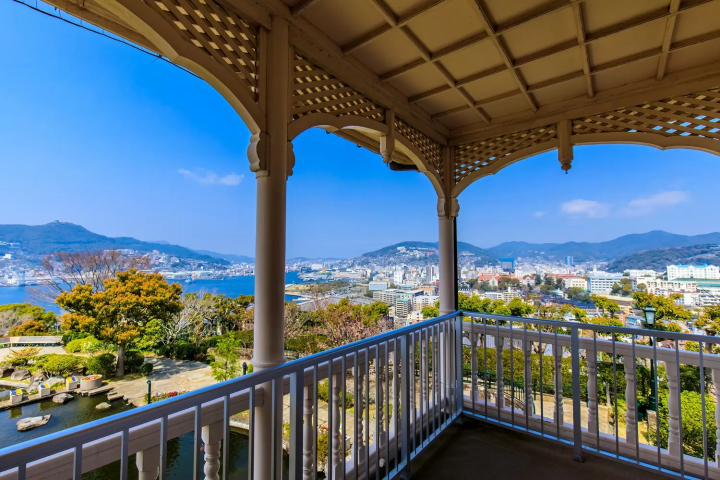
Photo by Pixta
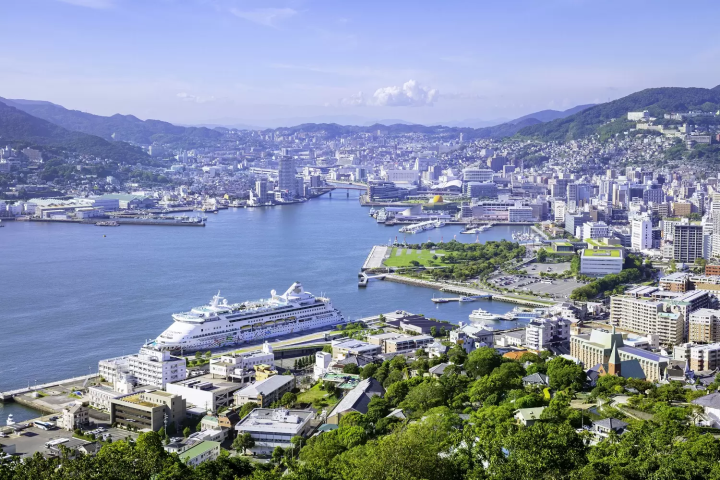
Perched on a hillside, the mansion offers a sweeping panoramic view of Nagasaki’s bustling port, where ships constantly travel back and forth. On the opposite shore sits the Mitsubishi Nagasaki Shipyard, which itself is home to four World Heritage components.
From this vantage point, you can clearly spot one of its most famous landmarks: the massive Giant Cantilever Crane.
Other Historic Buildings Within Glover Garden
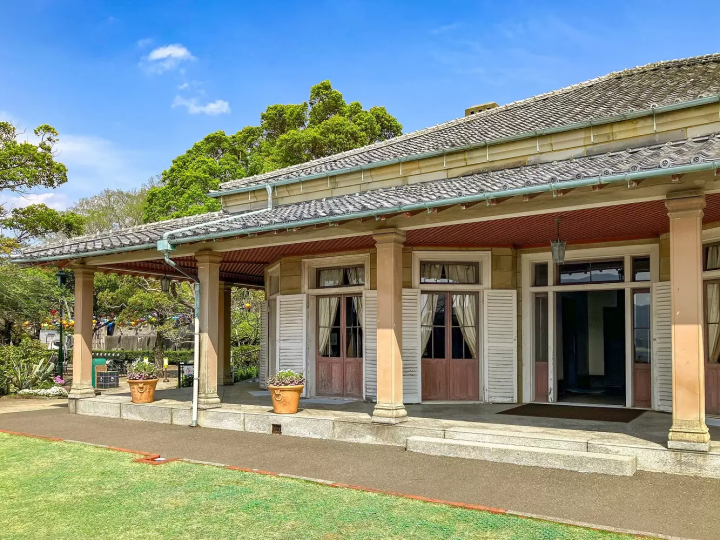
Photo by Pixta
Glover Garden features three historic structures designated as Important Cultural Properties of Japan. Along with the Glover Mansion, these include the Former Ringer Residence and the Former Alt Residence.
The Former Ringer Residence was once the home of Frederick Ringer, a prominent British trader. Ringer was heavily involved in the expansion of numerous local industries, wielding massive influence over Nagasaki's financial circles at the time.
His lasting legacy even extends to Japanese pop culture: it is said that the founders of "Ringer Hut"—a famous restaurant chain beloved across Japan for its Nagasaki-style noodles—named their business in his honor.
The Former Alt Residence, once home to British merchant William John Alt, is a stunning structure distinguished by its grand pillars and an elegant, English-style fountain.
In addition to these three main residences, Glover Garden features six other historic buildings that showcase early Western architecture in Japan.
Together, they offer a fascinating glimpse into the daily lives, culture, and business dealings of the city's early European residents. Below, we’ve highlighted a few more must-visit spots within the grounds.
Feel the History of the Nagasaki Foreign Settlement
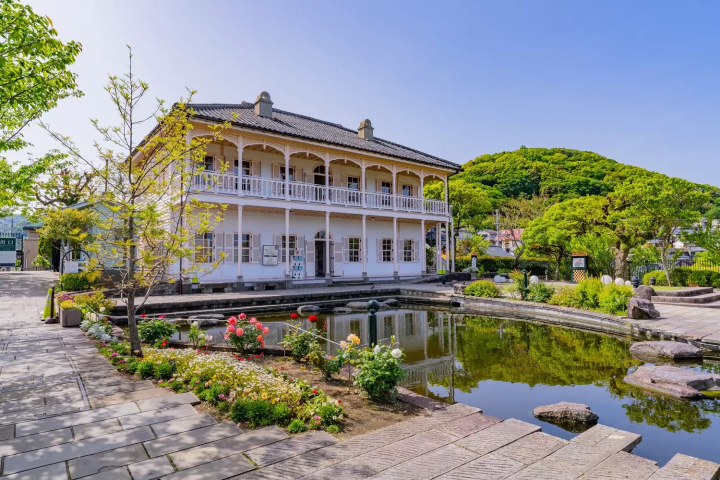
Photo by Pixta
The sailors who worked at the Port of Nagasaki during this era lodged here, at the Mitsubishi No. 2 Dockhouse.
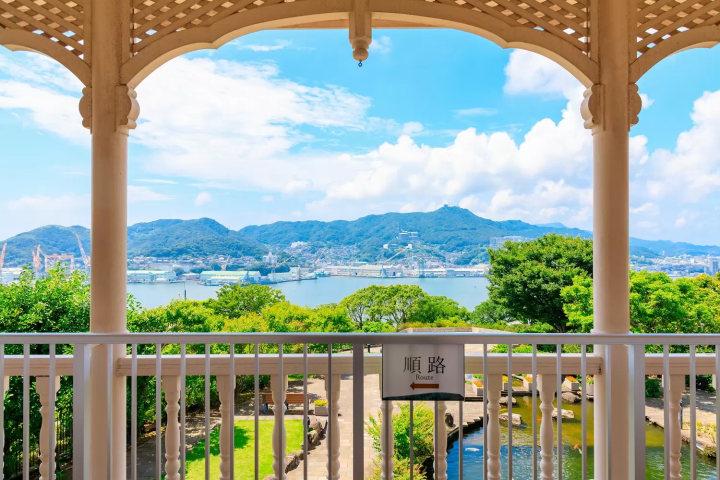
Photo by Pixta
From the building's second floor, you can enjoy an incredible view looking out over Nagasaki Port toward Mount Inasa, a landmark world-famous for its breathtaking night vistas.
Glover Garden shares a deep and historic connection with Madama Butterfly.
Within the park, visitors will find a stone monument dedicated to the opera's composer, Giacomo Puccini, alongside a bronze statue of Tamaki Miura, the legendary Japanese opera singer who achieved international acclaim for her definitive performance as Cio-Cio-San (Butterfly).
After strolling around the vast park grounds, treat yourself to tea at Jiyūtei, a charming Western-style building with a remarkable history.
Originally opened by Jokichi Kusano—the first Japanese chef to specialize in Western cuisine—the historic restaurant was later dismantled and meticulously restored on this site. Today, the second floor serves as a delightful coffee shop where visitors can unwind.
Enjoy Exploring the Glover Garden
As you wander through the sprawling garden grounds, you will gain a deeper appreciation for how seamlessly the lives of Nagasaki's Japanese and European residents once intertwined.
These remnants of cultural and commercial history are far more than mere trivia—they are living legacies that continue to shape the vibrant, multicultural identity of Nagasaki today.
Why not visit Glover Garden and experience this beautiful harmony of East and West for yourself?
Glover Garden Information
Location: Google Maps
Hours: 08:00–18:00 (Last entry at 17:40)
Days Closed: Open year-round
Admission:
- Adults: 1,300 yen
- Elementary, Junior High, and High School Students: 650 yen
Nearest Tram Stops: Ouratenshudo (formerly Ourashudo-shita) or Ishibashi via the Nagasaki Electric Tramway
Access: From Nagasaki Station, take the city tram (approx. 15 minutes) to either Ouratenshudō or Ishibashi stop, followed by a 7-minute walk.
Official Website: Glover Garden Official Site
Born in Niigata. After gaining experience in corporate marketing, I moved to Singapore in 2011, where I worked as an editor. I returned to Japan in 2015 and joined MATCHA as a writer. Through my travels both in Japan and abroad, I love sharing my discoveries with a wide audience.





Related Article



Special Features
More