Aomori Weather Guide: What to Wear and When to Visit
Discover Aomori's weather by season, average temperatures, what to wear, and the best times to visit for cherry blossoms, festivals, fall colors, and snow.

This service includes sponsored advertisements.
Aomori Weather Overview Throughout the Year
Picture courtesy of pixta
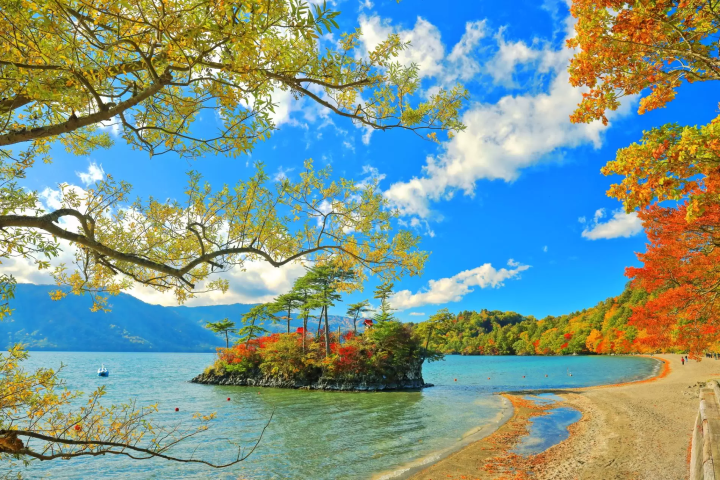
Aomori is located at the northernmost tip of Honshu, Japan's main island. Due to its northern latitude and location surrounded by the sea on three sides, the prefecture has an average annual temperature of just 11°C. Winters are long and cold, while summers are relatively short, cool, and comfortable.
The Ou Mountains run through central Aomori, dividing the prefecture into the Tsugaru region along the Sea of Japan in the west and the Kennan region along the Pacific Ocean in the east. Although both are part of Aomori Prefecture, the two regions experience different climates.
In winter, cold air brings heavy snowfall to the Tsugaru region, where accumulated snowfall can average over 500 cm. In contrast, the mountains shield the eastern Kennan region, resulting in many dry and sunny winter days. During summer, easterly winds make the eastern side cooler and more humid than the west. If you plan to visit Aomori in winter, be sure to bring plenty of warm clothing.
Below, we'll take a closer look at Aomori's weather and offer recommendations on what to wear throughout the year.
-
Table of Contents
- Aomori's Seasonal Temperatures and What to Wear
- Recommended Activities in Aomori! The Best Seasons to Visit
- Aomori Seasonal Activities & What to Wear at a Glance
Aomori's Seasonal Temperatures and What to Wear
Spring Weather in Aomori (March–May)
Picture courtesy of pixta
Temperatures in Aomori remain quite low in March, averaging around 1°C. By mid-to-late March, temperatures gradually rise to around 8°C, and the snow begins to melt as spring approaches. Warm winter clothing is still recommended at this time, along with a knit hat, gloves, and scarf to protect yourself from the cold.
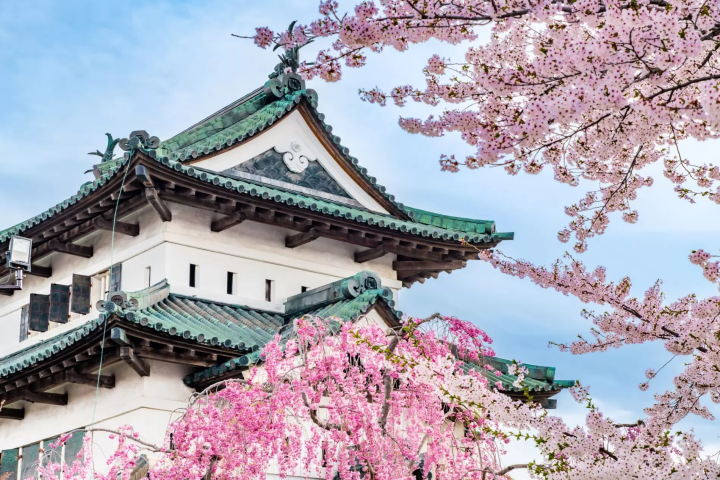
The average temperature in April is around 8.5°C, with a greater difference between daytime and nighttime temperatures. Daytime temperatures can reach around 15°C, while evenings may still fall below 10°C. Cherry blossom season typically runs from late April to early May, so wearing thermal innerwear with a long-sleeved top and bringing a warm jacket or coat is recommended.
After mid-May, the average temperature rises to around 15°C. Layering is a good option during the day: wear a long-sleeved top and cardigan or sweater, and bring a light coat or jacket for additional warmth.
Summer Weather in Aomori (June–August)
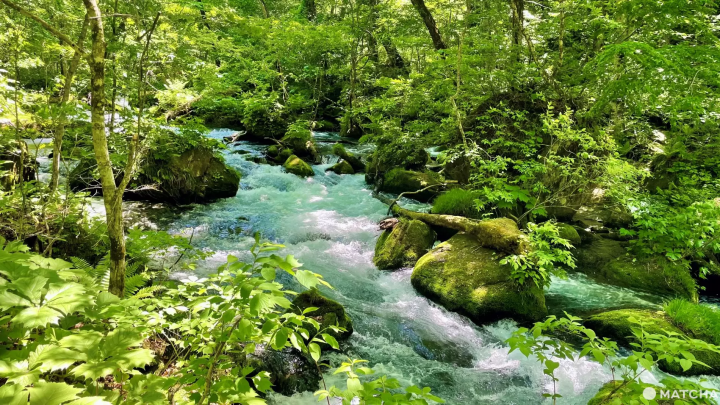
Compared to other regions of Japan, Aomori receives relatively little rainfall during the rainy season and is less frequently affected by typhoons, making its summers generally cool and pleasant.
The average temperature in June is around 18°C. Although the weather is comfortable, it can still feel a little cool, so bringing long-sleeved clothing and a light jacket is recommended, especially for cooler evenings. Summer arrives in earnest in July, when the average temperature rises to around 22°C, so lightweight clothing such as short-sleeved or sleeveless tops paired with light skirts or pants is comfortable. While Aomori is much cooler than Tokyo in the summer, mid-to-late July brings higher humidity and warmer days. Bringing a portable fan or cooling towel will help keep the sticky heat at bay.
Early August is one of Aomori's liveliest times of year, with numerous festivals taking place across the prefecture. The summer heat continues from July, with average temperatures around 24°C and daytime highs sometimes reaching 30°C. Short sleeves or sleeveless tops are usually suitable, and if you're attending a festival or fireworks display, you might even want to try wearing a traditional Japanese yukata!
From mid-August onward, temperatures gradually begin to cool and the difference between daytime and nighttime temperatures becomes more noticeable. Short sleeves are generally comfortable during the day, but bringing a light jacket for the evening is recommended.
The rainy season usually begins in mid-June and ends in late July. Although, the month of August usually receives moderate to heavy rainfall as well, so don't forget to carry rain gear when sightseeing!
Autumn Weather in Aomori (September–November)
Picture courtesy of pixta
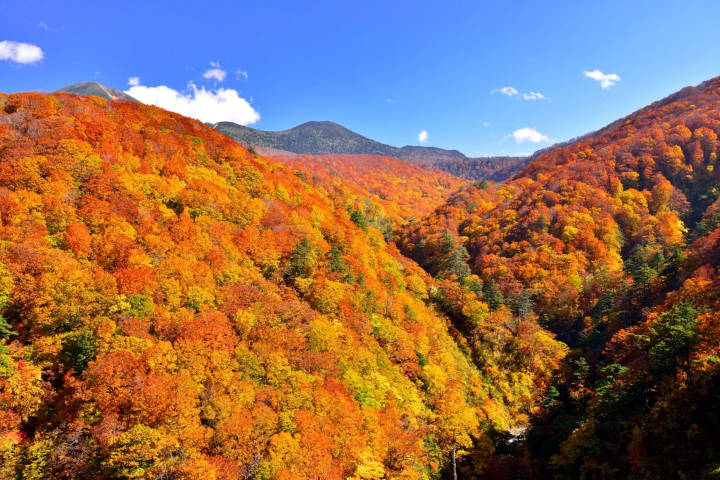
By September, the first signs of autumn begin to appear. The average temperature is around 21°C, and the difference between daytime and nighttime temperatures becomes more noticeable. From mid-September onward, the autumn leaves also begin to change color. As mornings and evenings become cooler, wearing a lightweight long-sleeved top with a vest and bringing a light jacket is recommended.
Temperatures drop noticeably in October, with an average of around 15°C. Layering becomes increasingly important, so consider wearing warmer long-sleeved clothing such as knitwear, a coat, or a jacket.
By November, the average temperature drops to around 6°C, and Aomori will usually begin to experience its first snowfall of the season. Thermal innerwear, a thick sweater, and a down jacket are recommended, along with accessories such as a scarf and gloves. This is also a good time to start wearing warm boots.
Winter Weather in Aomori (December–February)
Picture courtesy of pixta
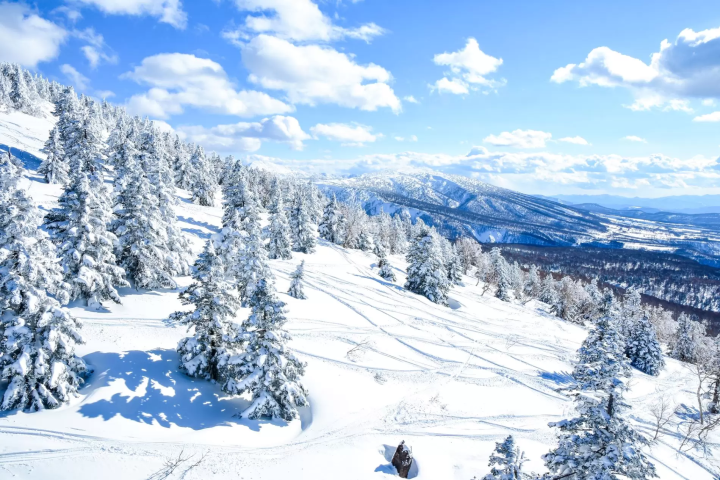
From December to February, average temperatures in Aomori range from -1°C to 2°C, while temperatures in the Hirosaki area can drop as low as -8°C, making winters extremely cold.
Snowfall is frequent during this period, transforming Aomori into a beautiful winter wonderland. It's an ideal season for activities such as skiing and enjoying the snowy scenery.
Thick sweaters and down jackets are essential at this time of year. Warm pants or thick tights are also recommended, along with cold-weather accessories such as a knit hat, scarf, and gloves. For footwear, choose snow boots with good traction to prevent slipping, and consider carrying disposable hand warmers for extra warmth.
Recommended Activities in Aomori! The Best Seasons to Visit
Aomori is blessed with beautiful natural scenery and unique traditional culture, offering different experiences in every season. Below, we'll introduce some of the best times to visit Aomori, so consider planning your trip around these months!
When Do Cherry Blossoms Bloom in Aomori?
Picture courtesy of pixta
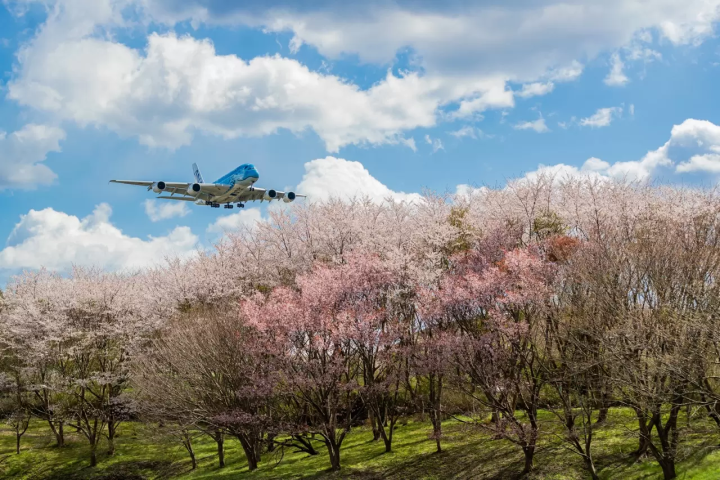
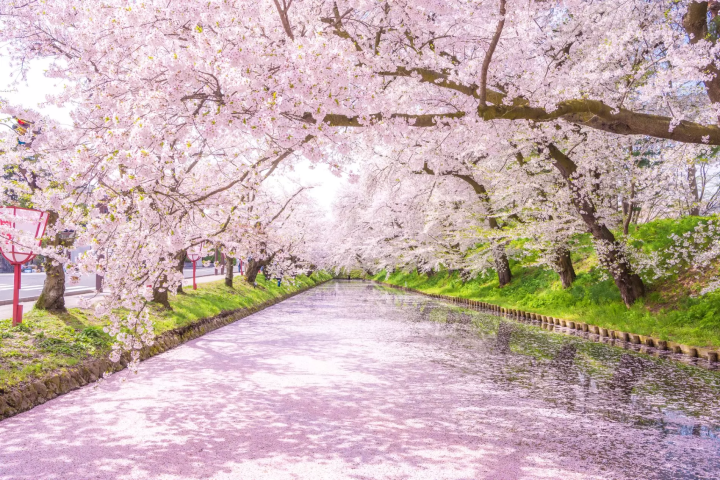
Aomori's cherry blossom season arrives relatively late, typically from late April to early May.
Hirosaki Park is Aomori’s premier cherry blossom destination and officially ranked among Japan's 100 Best Cherry Blossom Spots. During the spring bloom, the park hosts the famous Hirosaki Cherry Blossom Festival, featuring over 50 cherry blossom varieties—from graceful weeping trees to lush double-flowered species. Its main highlight is the iconic Somei Yoshino variety, including over 400 trees that are more than a century old.
In total, around 2,600 cherry trees bloom throughout the park, creating a spectacular spring landscape. The blossoms are also illuminated at night, offering visitors the chance to enjoy the magical atmosphere of yozakura (cherry blossoms at night).

When Are Aomori's Summer Festivals Held?
Picture courtesy of pixta
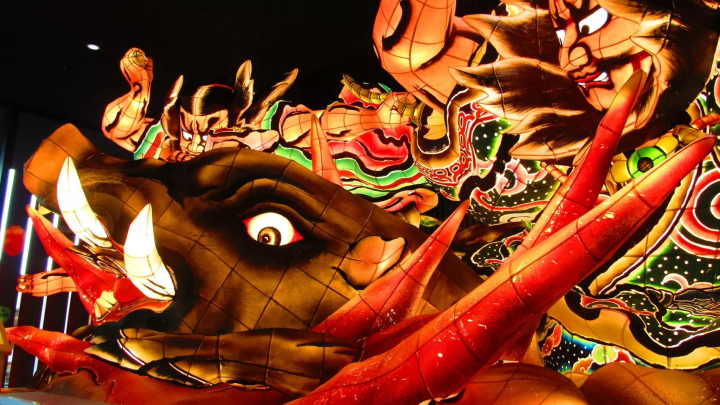
When it comes to Aomori's most famous celebrations, three major festivals stand out: the Aomori Nebuta Festival, the Hirosaki Neputa Festival, and the Goshogawara Tachineputa Festival.
The Aomori Nebuta Festival is held every year from August 2 to 6 and is famous for its spectacular parade of enormous, elaborately decorated floats. On the final night of the festival, the floats are accompanied by energetic haneto dancers, whose lively performances add to the excitement. The festival attracts more than two million visitors each year.
The Hirosaki Neputa Festival is held annually from August 1 to 7, while the Goshogawara Tachineputa Festival takes place from August 4 to 8. Each festival has its own distinctive style of floats. Hirosaki is known for its fan-shaped floats, while Goshogawara is famous for its towering vertical floats.
In addition to the three major Nebuta festivals, the Hachinohe Sansha Taisai Festival is another well-known event. Not only is it Hachinohe's largest festival, but it is also designated as an Important Intangible Folk Cultural Property of Japan. Held annually from July 31 to August 4, the festival features traditional processions and magnificent decorative floats.
If you'd like to experience Aomori's lively traditional festival culture, consider planning your trip for late July or early August. With festivals large and small taking place throughout the prefecture, you're sure to come away with plenty of memorable experiences!

Where to See Autumn Leaves in Aomori?
Picture courtesy of pixta
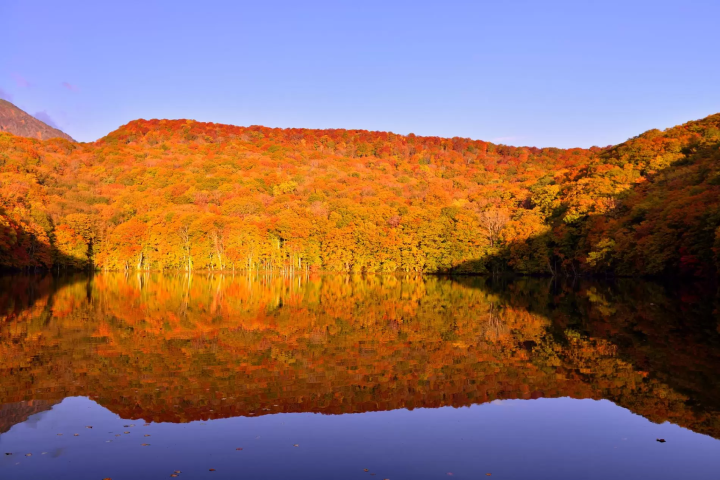
As autumn arrives in Aomori in September, the leaves gradually begin to change color. The best time to enjoy the autumn foliage is typically from late October to early November.
Oirase Gorge and Tsutanuma Pond, both located around the Lake Towada area, are two of Aomori's best-known autumn foliage destinations. Along Oirase Gorge's winding 14-kilometer trail, visitors can admire colorful maple, beech, Japanese walnut, and oak trees. The vibrant autumn leaves combine with streams, waterfalls, and moss-covered scenery to create a beautiful and colorful landscape.
At Tsutanuma Pond, the surrounding beech and oak forests turn brilliant shades of red during autumn. Their vivid colors are reflected on the calm, clear surface of the water, creating a breathtaking contrast and one of Aomori's most spectacular autumn scenes.
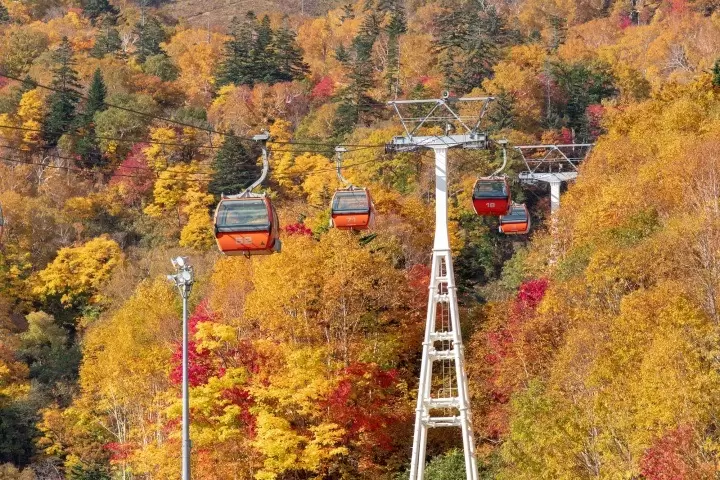
Mt. Hakkoda is another highly recommended destination. Take the Hakkoda Ropeway for panoramic views of mountains covered in brilliant shades of red and orange. After enjoying the autumn foliage, you can also visit nearby Sukayu Onsen for a relaxing hot spring bath.
When Is the Best Time to See Snow in Aomori?
Picture courtesy of pixta
The Tsugaru region of Aomori experiences frequent heavy snowfall in winter. Although temperatures can be extremely cold, the abundant snow creates spectacular winter scenery unique to Japan's snow country.
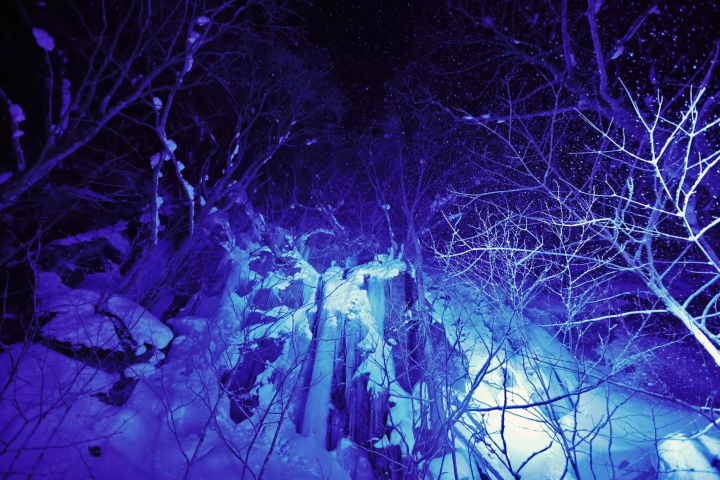
Mid-December marks the beginning of a great season for viewing frozen waterfalls. Oirase Gorge, famous for its autumn foliage, becomes covered in snow during winter, while its waterfalls freeze to form beautiful ice formations.
From mid-December through March of the following year, the Oirase area offers the "Oirase Winter Night Tour." Visitors travel by bus with a guide to see frozen waterfalls illuminated at night. Bathed in blue, green, and other colorful lights, the glistening ice creates a mysterious atmosphere that feels like stepping into a magical winter world.
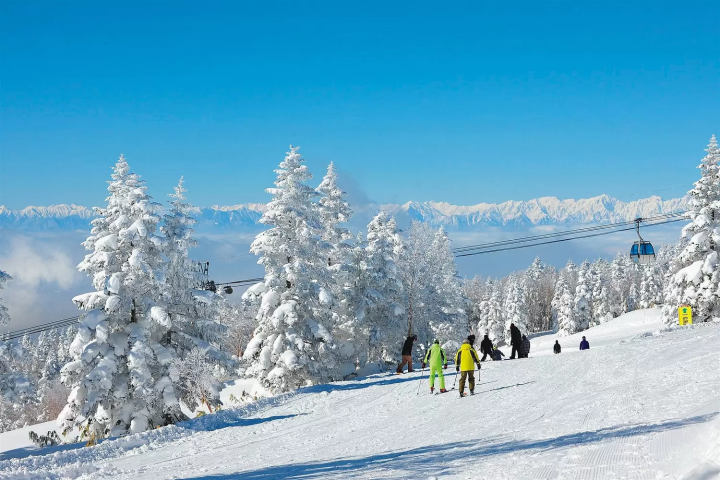
From January to February, heavy snow blankets Mt. Hakkoda, making this an excellent time for skiing and seeing the spectacular "snow monsters."
These "snow monsters" are actually frost-covered trees known as juhyo. During winter, the coniferous trees of Mt. Hakkoda become completely covered in snow and ice, making them resemble enormous white monsters. Walking among these unusual formations is an experience unique to Mt. Hakkoda.

Aomori Seasonal Activities & What to Wear at a Glance
| Month | High / Low (°C) | Recommended Activities | What to Wear |
| January | 1.8/-3.5 | Skiing at Mt. Hakkoda and viewing the juhyo "snow monsters" | Thermal innerwear, thick sweater, down jacket, fleece-lined pants or thick tights, knit hat, scarf, gloves, snow boots, and disposable hand warmers |
| February | 2.7/-3.3 | Lake Towada Winter Story (snow lanterns, fireworks, traditional performances, and food stalls) | Thermal innerwear, thick sweater, down jacket, fleece-lined pants or thick tights, knit hat, scarf, gloves, snow boots, and disposable hand warmers |
| March | 6.8/-0.8 | Hakkoda Snow Corridor and Tsugaru Railway Stove Train | Thermal innerwear, thick long-sleeved top, knit hat, and scarf |
| April | 13.7/4.1 | Hirosaki Cherry Blossom Festival | Thermal innerwear, long-sleeved clothing, and a thick jacket or coat |
| May | 18.8/9.4 | Hirosaki Cherry Blossom Festival and walks through the fresh greenery of Oirase Gorge | Long-sleeved top, knitwear, and a light coat or jacket |
| June | 22.1/14.1 | Rice Paddy Art in Inakadate Village | Light long-sleeved tops, short-sleeved tops, and a light cardigan |
| July | 26.0/18.6 | Visit the Aomori Museum of Art or Towada Art Center on rainy days | Short-sleeved tops, T-shirts, rain gear, a portable fan, and sun protection |
| August | 27.8/20.0 | Nebuta festivals, Hachinohe Sansha Taisai Festival, and fireworks displays | Short-sleeved tops, T-shirts, a light jacket, rain gear, a portable fan, and sun protection |
| September | 24.5/15.8 | Cosmos flowers at Moya Hills | Light long-sleeved tops, a vest, and a jacket |
| October | 18.3/9.1 | Autumn foliage at Oirase Gorge and Tsutanuma Pond, and apple picking in Hirosaki | Long-sleeved tops, knitwear, a coat, or a jacket |
| November | 11.2/3.4 | Autumn foliage at Mt. Hakkoda | Thermal innerwear, thick sweater, down jacket, scarf, gloves, and boots |
| December | 4.5/-1.4 | Nighttime frozen waterfall tours, Hirosaki Snow Lantern Festival, and the Tsugaru Railway Stove Train | Thermal innerwear, thick sweater, down jacket, fleece-lined pants or thick tights, knit hat, scarf, gloves, snow boots, and disposable hand warmers |
Ready for Your Aomori Adventure?
Thanks to its northern location, Aomori offers dramatic seasonal transformations that make every visit unique. Because temperatures vary significantly throughout the year, be sure to check the local weather forecast before you pack. Equipping yourself with the right clothing will ensure a comfortable, unforgettable trip to northern Japan!


Special Features
More