Sukayu Onsen: A Historic 300-Year-Old Hot Spring in Aomori

Discover winter in Aomori at historic Sukayu Onsen, a cozy hot spring retreat with 300 years of history.

Written by
Sami is a dedicated travel writer and photographer who has traveled extensively across Japan since childhood. Her articles are widely featured in digital media, and her photography beautifully documents her journeys. She has authored over 10 Japan travel guides, specializing in curated regional itineraries, local cuisine, and hidden gems.
This service includes sponsored advertisements.
When visiting Aomori, cherry blossom season and the Nebuta Festival are popular times to go, but MATCHA also recommends visiting in winter. Of course, seeing the snow monsters of Mt. Hakkoda is an experience you shouldn't miss.
This time, we'll introduce Sukayu Onsen, a historic hot spring inn with around 300 years of history. No matter how cold it gets outside, this cozy retreat offers travelers a warm escape from the winter weather.
-
Table of Contents
- A 300-Year-Old Historic Hot Spring Inn
- Traditional Tatami Rooms Full of Old-Japan Charm
- A Dreamlike Snowy Landscape Under Clear Skies

On the Shinkansen ride toward Aomori, the scenery outside the window suddenly transformed into an endless world of white. I had never seen so much snow before. By the time I arrived at Shin-Aomori Station, the snow was already incredibly deep. From there, I boarded a JR bus bound for Lake Towada and arrived at Sukayu Onsen in a little over an hour.
It was my first time experiencing snow this deep. After stepping off the bus, I found that the snow reached up to my calves, making every step difficult and leaving long, deep tracks behind me.
A 300-Year-Old Historic Hot Spring Inn

Sukayu Onsen is a long-established hot spring inn that has even earned recognition as a National Hot Spring Resort. Its most famous attraction is the Hiba Sennin Buro, or Bath of a Thousand Bathers.
This large bath is mixed-gender, although from 20:00 to 21:00, the bath is reserved exclusively for women, making this a good option for female guests who may not feel comfortable using the mixed-gender bath.
The inn is located at an elevation of about 900 meters and is surrounded by the forests of the Hakkoda Mountains. Although you can't see the famous snow monsters from here, the peaceful setting makes for a wonderfully quiet afternoon, with little more than the sound of the wind outside.
Traditional Tatami Rooms Full of Old-Japan Charm

The rooms here aren't particularly large or luxuriously decorated, but they have a warm and welcoming atmosphere. The rooms don't have private toilets or bathrooms, giving visitors the experience of staying at a traditional Japanese hot spring inn.
Sukayu Onsen has a history spanning more than 300 years, while part of the present inn was built in 1936. Some rooms were originally rented to long-term guests, who were even able to prepare their own meals during their stay.
Temperatures were several degrees below freezing on the day of our visit, and the hallways weren't heated. Going to the restroom meant putting on a coat and stepping out into the icy corridor. It was an unforgettable reminder of what a true northern Japanese winter feels like.

Some parts of the building and its interior feel as though they have been frozen in time. It may not have the polished appearance of a luxury ryokan, but the experience leaves a strong impression.

The restroom is located at the end of the hallway. On a freezing winter morning, stepping out of your warm room to reach it takes a little courage!

When staying at a hot spring ryokan in Japan, you'll often find a small snack prepared in your room to welcome you.

The inn may look simple, but dinner is a highlight—generous, satisfying, and served in just the right amount.

Guests should familiarize themselves with the rules and etiquette before entering the mixed-gender bath. It's also worth approaching this long-standing bathing tradition with an open mind and respect for the local culture. I wasn't quite brave enough to try the mixed-gender bathing hours myself, so I visited during the women-only period instead.
Clear Skies the Next Day: A Dreamlike Snowy Landscape

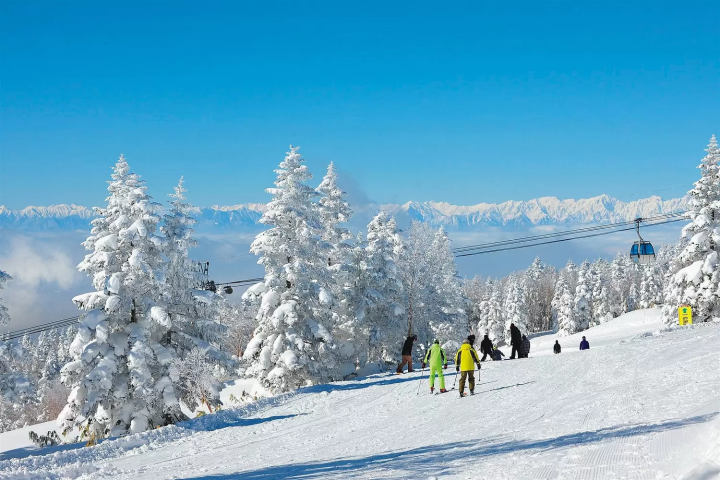
The next day brought bright sunshine, creating a completely different atmosphere from the day before. Somehow, this snowy scenery felt surprisingly warm and comforting.

Sukayu Onsen Ryokan
 50 Arakawa Minami Arakawayama National Forest Yuzawa, Aomori City, Aom...
Sukayu Onsen is located at an altitude of 925m in the Hakkoda Mountains, and is bustling with tourists throughout the year, not only for hot spring cures, but also as a base for climbing Hakkoda Mountains, mountain skiing, and exploring Lake Towada.
This hot spring has a history of 300 years. There are four types of baths: Rokubun no Yu, Shika no Yu, and Cold No Yu. It was designated as the No. 1 national recreational hot spring resort in recognition of various effects, abundant water discharge, lodging facilities that can accommodate 500 people, and a wonderful surrounding environment.
Nearby is the Hakkoda Botanical Garden of Tohoku University, where you can admire hundreds of species of alpine plants, and a 7-minute walk away is a hot spring facility unique to Sukayu called "Manju Fukashi." It is said that when you sit down on a wooden gutter over the hot spring, the warmth permeates deep into your body and is effective for gastrointestinal diseases and hemorrhoids.
In addition, the area around the hot spring is blessed with a natural environment, such as Jigoku-numa, which is the remains of an explosion crater and still steaming, and Asian skunk cabbage in early June. It has scenic spots such as the Jogakura mountain stream with its magnificent scenery. From the beginning of December to the beginning of May, a mountain ski tour is held with a guide to glide through frost covered trees, which can be enjoyed in each of the four seasons.
50 Arakawa Minami Arakawayama National Forest Yuzawa, Aomori City, Aom...
Sukayu Onsen is located at an altitude of 925m in the Hakkoda Mountains, and is bustling with tourists throughout the year, not only for hot spring cures, but also as a base for climbing Hakkoda Mountains, mountain skiing, and exploring Lake Towada.
This hot spring has a history of 300 years. There are four types of baths: Rokubun no Yu, Shika no Yu, and Cold No Yu. It was designated as the No. 1 national recreational hot spring resort in recognition of various effects, abundant water discharge, lodging facilities that can accommodate 500 people, and a wonderful surrounding environment.
Nearby is the Hakkoda Botanical Garden of Tohoku University, where you can admire hundreds of species of alpine plants, and a 7-minute walk away is a hot spring facility unique to Sukayu called "Manju Fukashi." It is said that when you sit down on a wooden gutter over the hot spring, the warmth permeates deep into your body and is effective for gastrointestinal diseases and hemorrhoids.
In addition, the area around the hot spring is blessed with a natural environment, such as Jigoku-numa, which is the remains of an explosion crater and still steaming, and Asian skunk cabbage in early June. It has scenic spots such as the Jogakura mountain stream with its magnificent scenery. From the beginning of December to the beginning of May, a mountain ski tour is held with a guide to glide through frost covered trees, which can be enjoyed in each of the four seasons.
Unforgettable Nostalgia in the Snow
Sukayu Onsen may not have luxurious facilities, but its simple charm invites you to slow down, stay warm, and experience authentic Japanese hot spring culture at its finest—a timeless appeal that easily explains its status as a National Hot Spring Resort.


Sami is a dedicated travel writer and photographer who has traveled extensively across Japan since childhood. Her articles are widely featured in digital media, and her photography beautifully documents her journeys. She has authored over 10 Japan travel guides, specializing in curated regional itineraries, local cuisine, and hidden gems.





Special Features
More