A 2-Day Gifu City Tour: From a Walk in Kawaramachi to Scenery on Mt. Kinka
Gifu City, located close to Nagoya, boasts a townscape with buildings from the Edo Period. It also offers Nagaragawa Onsen, a night view from Mt. Kinka, traditional crafts, and local cuisine. This article is about a two day tour, visiting the major sightseeing spots.

Written by
Tokyo, Japan
MATCHA's promotional account for corporate and local government advertising. We aim to provide useful information to our readers in an enjoyable manner.
This service includes sponsored advertisements.
Accessible From Centrair to Nagaragawa Onsen and Kawaramachi
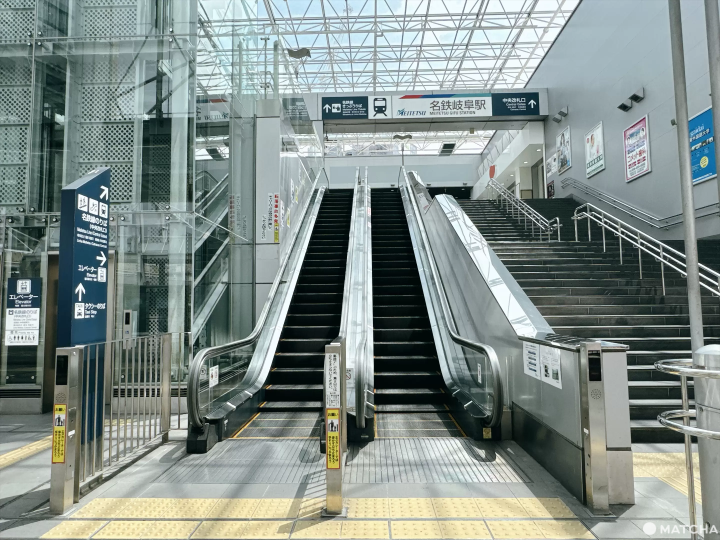
From Chubu International Airport (Centrair), it is an hour ride on the Meitetsu limited express train to Meitetsu Gifu Station. From Nagoya Station, it is a 20-minute ride to JR Gifu Station on a JR rapid service train.
It is a 15-minute bus ride to the quaint Kawaramachi and Nagaragawa Onsen, from both Gifu stations.
With easy and quick access, the area is an ideal destination for a short two-day trip from Nagoya.
- Day One: The Traditional Culture and Onsen of Gifu City
- 10:30 Take a Stroll in the Historic Streets of Kawaramachi
- 11:00 Travel Back in Time at CASA stella
- 12:30 View a World-renowned Sculptor's Works at AKARI gallery
- 13:00 Try Local Cuisine at Hiyashi-tanuki Tengoku Kawaramachi
- 14:00 The Townhouse-Turned-Cafe Kawaramachi-ya
- 16:00 Enjoy Nagaragawa Onsen and Kaiseki Cuisine at Juhachiro
- 19:30 See the Brilliant Night View at Mt. Kinka Observatory
- Day Two: Traditional Culture and Local Cuisine
- 9:30 Discover Wooden-Barrel Soy Sauce Brewing at Yamakawa Jozo
- 11:30 A Peaceful Stroll by the Nagara River
- 12:30 Lunch at Hanakinton in Gifu-jo Rakuichi
- 14:00 Explore the Historic Three-Storied Pagoda and Nature in Gifu Park
- 15:30 Taste Delicate Wagashi at Shokado
- A Two-Day Tour of Gifu City Where Tradition Meets Innovation
Day One: The Traditional Culture and Onsen of Gifu City
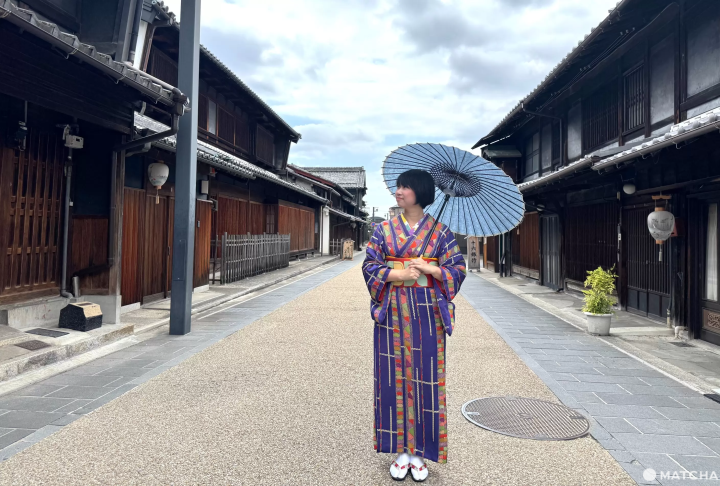
The tour starts from Kawaramachi, a historic district. Visitors should wear a vintage kimono, reminiscent of the Showa Period, and take a stroll with a wagasa (Japanese umbrella) down its retro streets. This is the perfect spot to appreciate traditional crafts and taste the local cuisine while experiencing Gifu's culture.
After your stroll, stay at a ryokan (Japanese-style inn) with an enduring history to relax your mind and body. Most of the sightseeing spots are within walking distance, so they can be visited leisurely for an easygoing trip unique to Gifu.
From Meitetsu or JR Gifu stations, take the Gifu Bus, which accepts major IC cards such as Suica or Pasmo, to Kawaramachi.
10:30 Take a Stroll in the Historic Streets of Kawaramachi
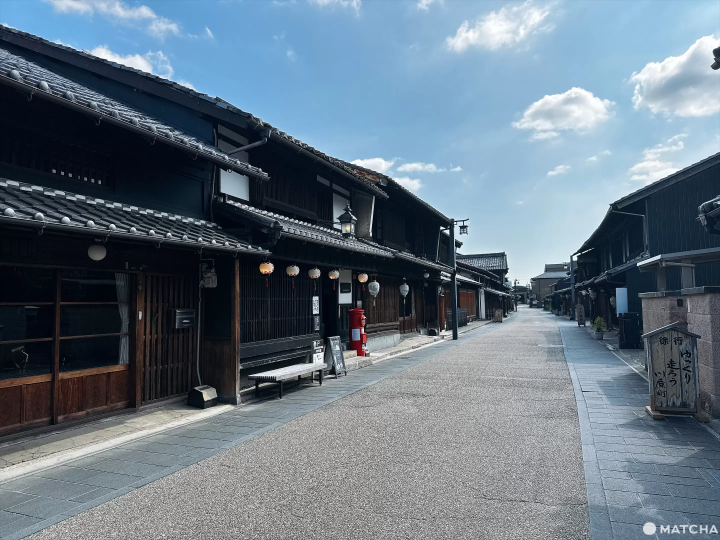
At one point in time, merchants of the Mino Region handling washi (Japanese paper) or wood gathered at Kawaramachi, where traditional Edo Period townhouses still remain. Compared to other popular spots, such as Kyoto, visitors can enjoy the scenery at Gifu more leisurely for a taste of old Japan. This is an ideal place to take photographs of traditional architecture, and enjoy an unhurried stroll.
From the Nagarabashi Minami/Kawaramachi bus stop, it is a 3-minute walk to Kawaramachi. A sentimental tour of Gifu City starts from the historic district.
11:00 Travel Back in Time at CASA stella
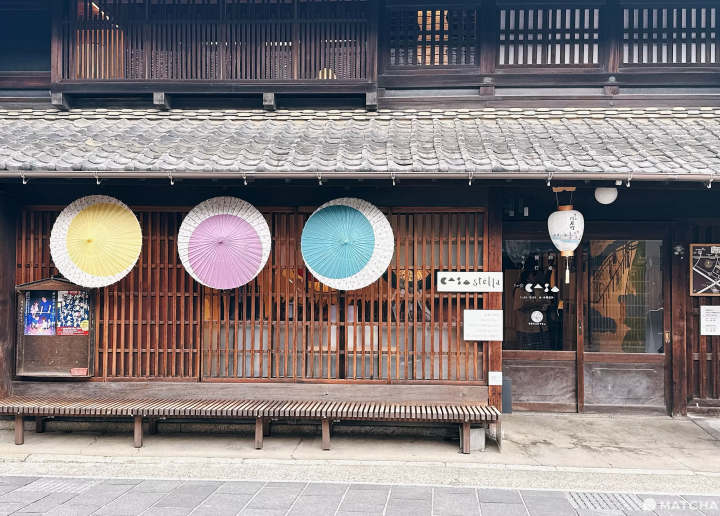
CASA stella is located inside the former Matsui Residence, which used to be a wholesale washi store, constructed more than a hundred years ago. Visitors can appreciate the the traditional crafts of Gifu, and also view various artworks. This is a facility that should not be missed on your stroll.
Wagasa CASA: Japan's Only Gifu Japanese Umbrella Shop
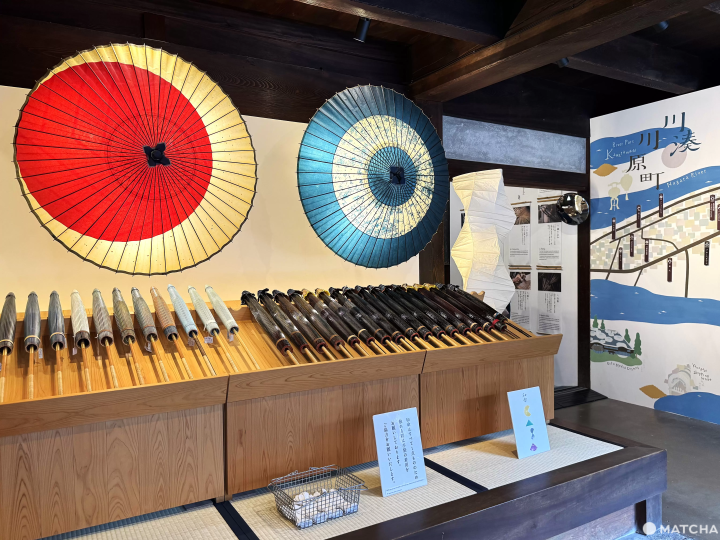
Wagasa CASA, on the first floor, handles approximately 60 handmade Gifu wagasa, which takes several months to manufacture.
Visitors can rent their favorite umbrella for 2,200 yen per day. This unique item will turn a stroll down Kawaramachi's stone paving into a special experience.
Organ Kimono: Over 50 Retro Japanese Styles to Choose From
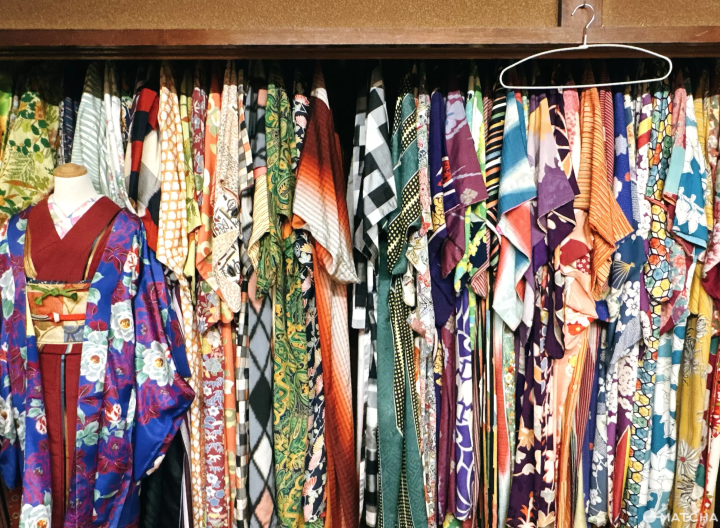
Organ Kimono, which offers a wide selection of antique kimonos handed down to the present day, is also located on the first floor of CASA stella. The styles and patterns are all different with a Showa flair, standing out in comparison to an ordinary rental kimono.
The store offers a wide variety of sizes, so there should be something for everyone. Please note that reservations are required to wear a kimono. The official site has all the necessary information regarding recommended stature, so be sure to make a reservation in advance.
Organ Kimono also offers a dressing service. They welcome many visitors from abroad, so those trying a kimono for the first time should not worry.
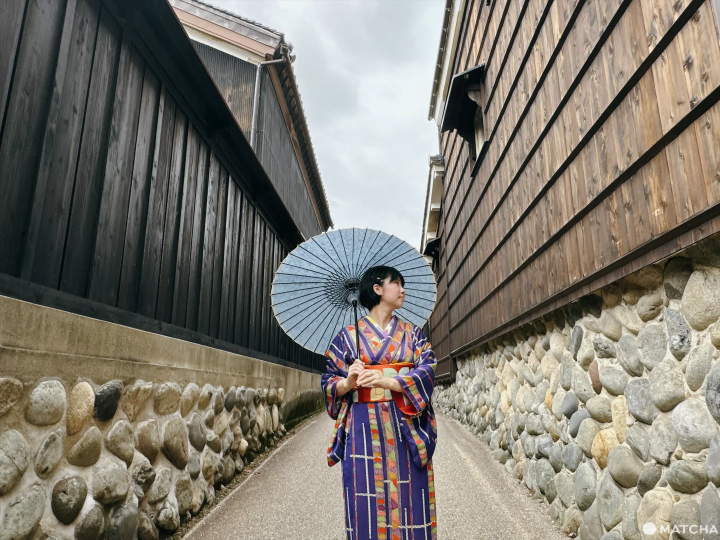
A stroll in Kawaramachi, wearing a kimono, should be fun. Visitors will be surrounded by historic scenery made up of traditional wooden townhouses, cobblestone streets, and lattice windows.
With picturesque scenes everywhere, there will be no need to look for a photo op.
12:30 View a World-renowned Sculptor's Works at AKARI gallery
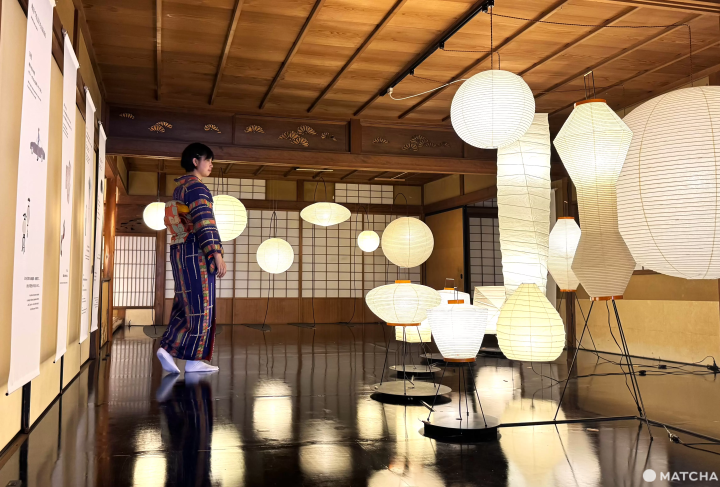
AKARI gallery, on the second floor of CASA stella, handles AKARI, a series of lamps. It was created by Isamu Noguchi, a world-renowned sculptor, inspired by traditional lanterns produced in Gifu.
AKARI is a product of traditional craftsmanship, using washi as a soft filter of light. It has elevated the spirit of Gifu lanterns into a modern design, spreading its appeal to the world in a brand-new form.
As English guides and labels are posted in the gallery, enthusiasts of art and design should take a look at this facility.
CASA stella
 6 Tamaicho, Gifu City, Gifu Prefecture 500-8008
Visit "CASA Stella" in Gifu City, which conveys the charm and stories of Gifu Japanese umbrellas, Gifu lanterns, and traditional crafts. · Renovated building that is over 100 years old · The only Gifu Japanese umbrella specialty store in Japan.
6 Tamaicho, Gifu City, Gifu Prefecture 500-8008
Visit "CASA Stella" in Gifu City, which conveys the charm and stories of Gifu Japanese umbrellas, Gifu lanterns, and traditional crafts. · Renovated building that is over 100 years old · The only Gifu Japanese umbrella specialty store in Japan.
13:00 Try Local Cuisine at Hiyashi-tanuki Tengoku Kawaramachi
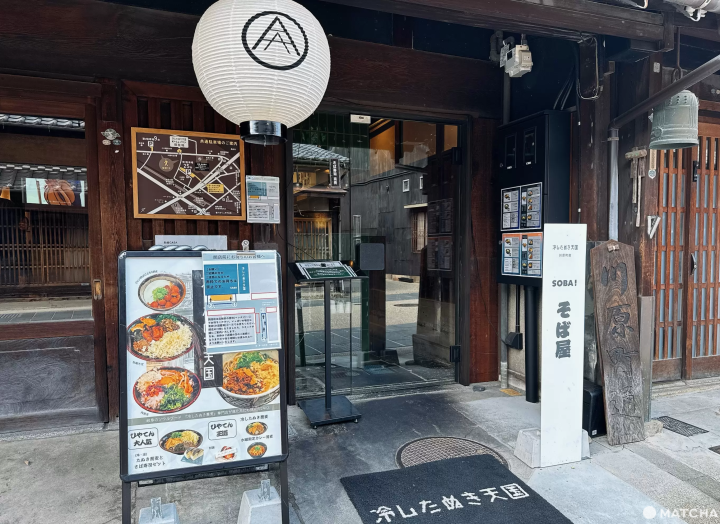
Hiyashi-tanuki Tengoku, on the first floor of CASA stella, serves hiyashi-tanuki soba, a local and famous Gifu dish. Those who want to taste what the locals are eating should give this dish a try.
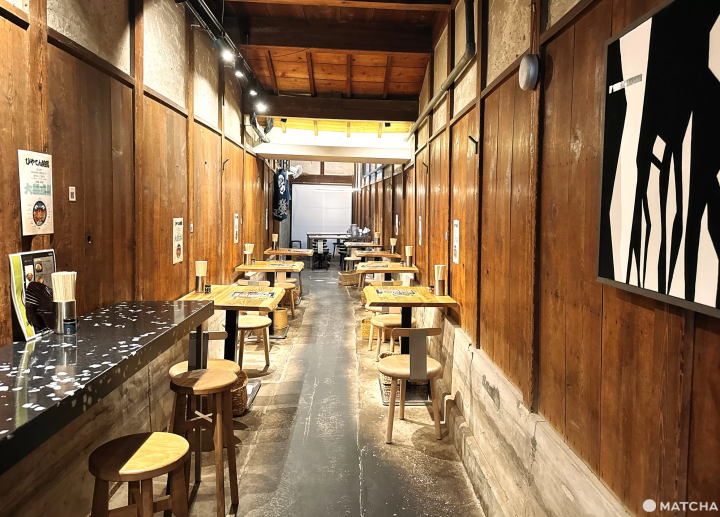
The interior displays a traditional wooden townhouse, accentuated with plain modern design, creating a bright and comfortable space. This eatery is also popular with the locals.
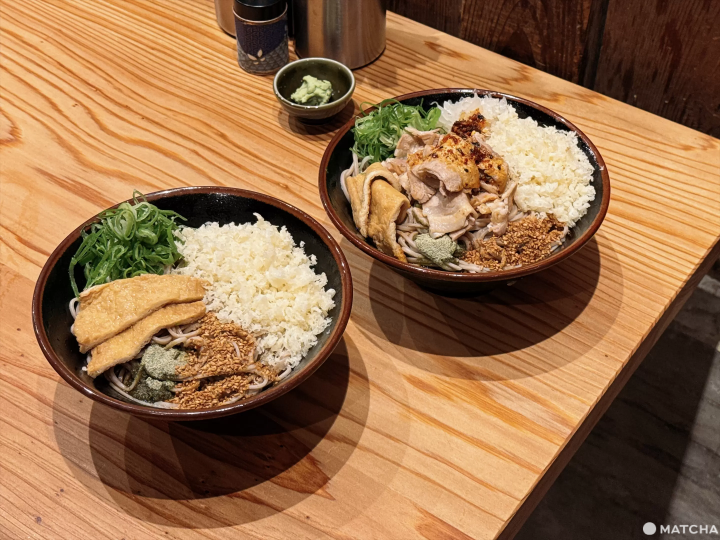
Left: Hiyashi-tanuki soba (Regular size, 850 yen after tax)/Right: Hiyashi-tanuki niku-soba (Regular size, 1,230 yen after tax)
Hiyashi-tanuki soba consists of cold noodles topped with fried tofu, crispy tempura flakes, and green onions. Served with a thick, salty-sweet sauce, this dish offers a wide variety of textures and flavors.
It is both light and satisfying, perfect for a meal on a hot summer day. If you have the opportunity to visit Gifu, do give it a try.
Hiyashi-tanuki Tengoku Kawaramachi branch
 6 Tamaicho, Gifu City, Gifu Prefecture 500-8008
This store aims to spread the appeal of Gifu City's soul food "chilled tanuki soba" to as many people as possible. The restaurant is located in Kawaramachi, a town bustling with tourists, and is a renovated old folk house built over 100 years ago in a quaint space where you can enjoy the unique flavors of Gifu.
6 Tamaicho, Gifu City, Gifu Prefecture 500-8008
This store aims to spread the appeal of Gifu City's soul food "chilled tanuki soba" to as many people as possible. The restaurant is located in Kawaramachi, a town bustling with tourists, and is a renovated old folk house built over 100 years ago in a quaint space where you can enjoy the unique flavors of Gifu.
14:00 The Townhouse-Turned-Cafe Kawaramachi-ya
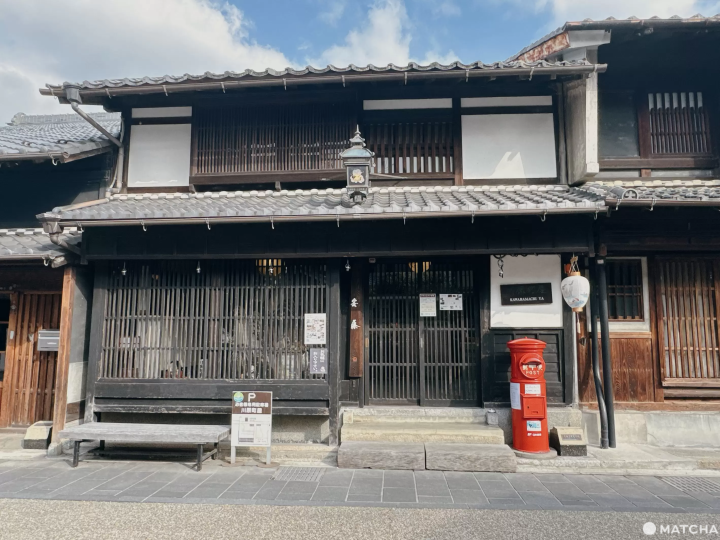
From Hiyashi-tanuki Tengoku, it is a 2-minute walk to Kawaramachi-ya, a cafe inside a renovated townhouse and dozo (*). The building has a history of more than a hundred years, and the original structure, such as sturdy wooden beams, still remains.
The dozo was used to store washi, and has been turned into an eatery. Visitors can enjoy coffee and dessert, while taking in the atmosphere of a traditional Japanese building.
*Dozo: A conventional warehouse with thick earthen walls, which are highly fire resistant.
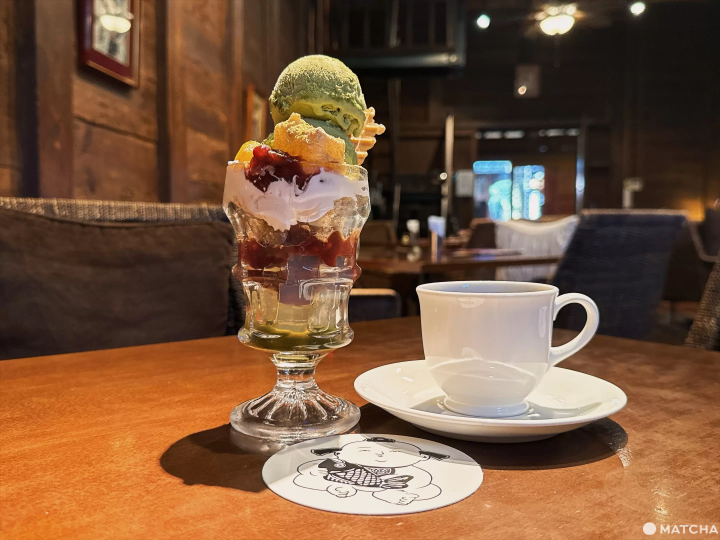
Left: Kawaramchi-ya Parfait (1,380 yen after tax)/Right: Kawaramchi-ya Blend Coffee (570 yen after tax)
Kawaramchi-ya serves coffee and tea, along with Japanese confectioneries and light snacks. It is an ideal place to visit at teatime, or to take a break during a stroll.
Small concerts are irregularly held at the dozo during events. Some tourists may have the chance to enjoy a little surprise during their visit.
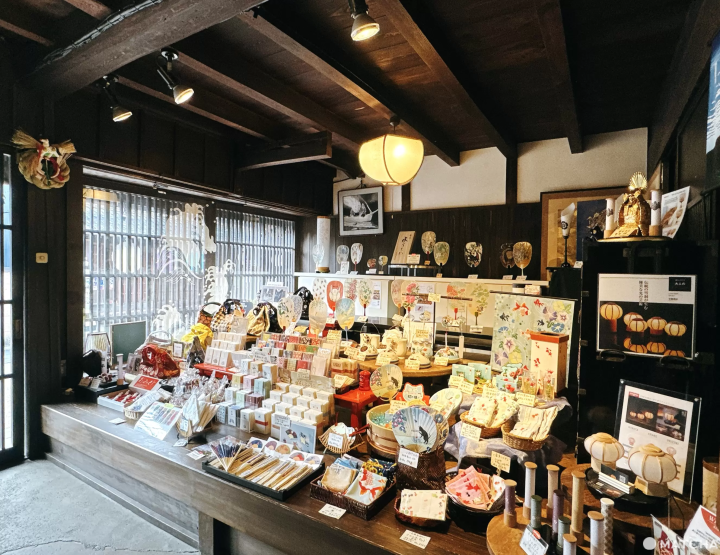
The cafe also sells stationery, handkerchiefs, and household goods made from Mino washi. They are all practical, with a Gifu touch, and make delightful souvenirs.
cafe&gallery Kawaramachi-ya
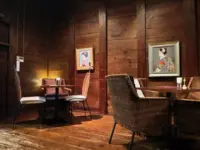 28 Tamaicho, Gifu City, Gifu Prefecture 500-8008
A gallery and cafe run in a townhouse-style building that is over 130 years old. You can enjoy Kawaramachi-ya Coffee, where the beans are ground and carefully brewed after receiving your order, as well as tea, sweets such as seasonal original cakes, and meals such as ``sweetfish porridge.'' In addition to special exhibitions depending on the season, the gallery also sells Japanese miscellaneous goods made with Mino washi paper. Piano performances are also held irregularly on weekends and holidays.
28 Tamaicho, Gifu City, Gifu Prefecture 500-8008
A gallery and cafe run in a townhouse-style building that is over 130 years old. You can enjoy Kawaramachi-ya Coffee, where the beans are ground and carefully brewed after receiving your order, as well as tea, sweets such as seasonal original cakes, and meals such as ``sweetfish porridge.'' In addition to special exhibitions depending on the season, the gallery also sells Japanese miscellaneous goods made with Mino washi paper. Piano performances are also held irregularly on weekends and holidays.
16:00 Enjoy Nagaragawa Onsen and Kaiseki Cuisine at Juhachiro
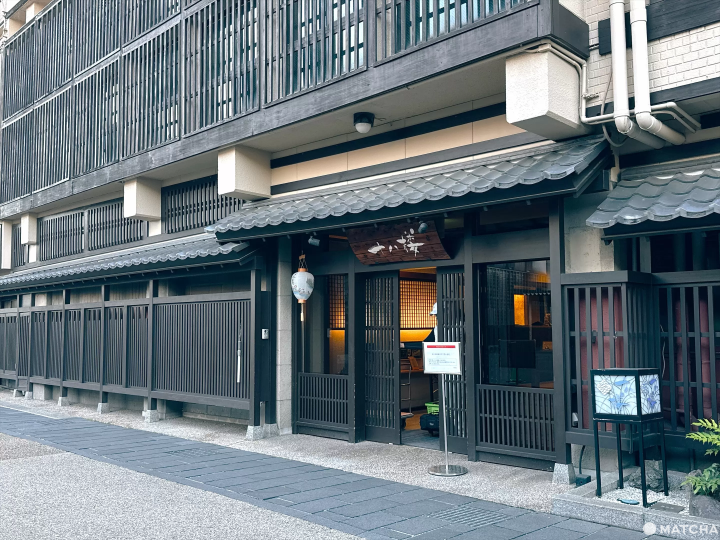
Juhachiro, with a history of more than 160 years, is one of the prominent ryokans (Japanese-style inn) at Nagaragawa Onsen.
After checking in, put your luggage down and relax in your guest room. As you gaze out at the Nagara River from the windows, there are onsen (hot springs) and the kaiseki (multicourse) dinner to look forward to.
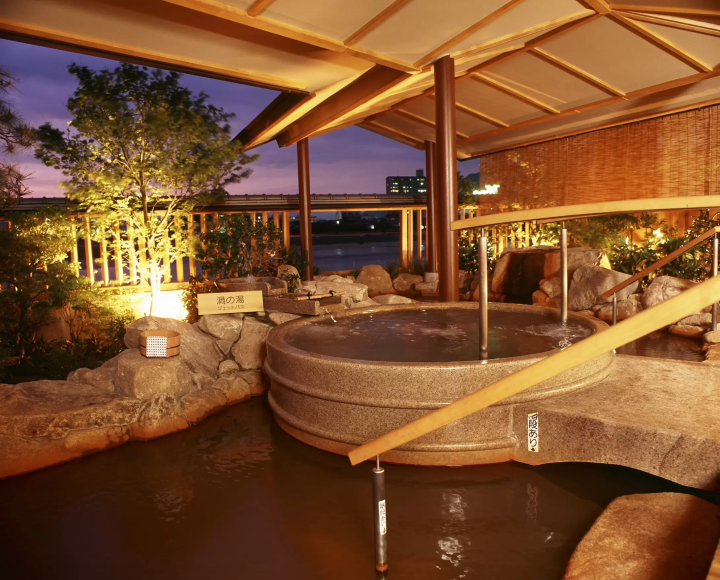
Picture courtesy of Juhachiro
At Juhachiro, guests can enjoy the Nagaragawa Onsen, which produces a reddish brown hot spring, at the large public bath and open-air bath.
The water will keep the body warm long after bathing, and should lessen the fatigue from your trip as well.
Picture courtesy of Juhachiro
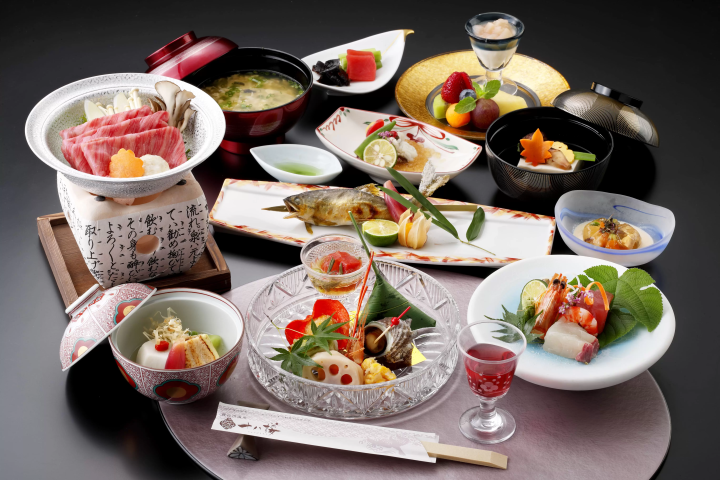
A kaiseki course will be served at dinner featuring local seasonal ingredients, which includes Hida beef and ayu (sweetfish) caught in the Nagara River. Guests tasting the seasonal specialties will also sense the chef's skill.
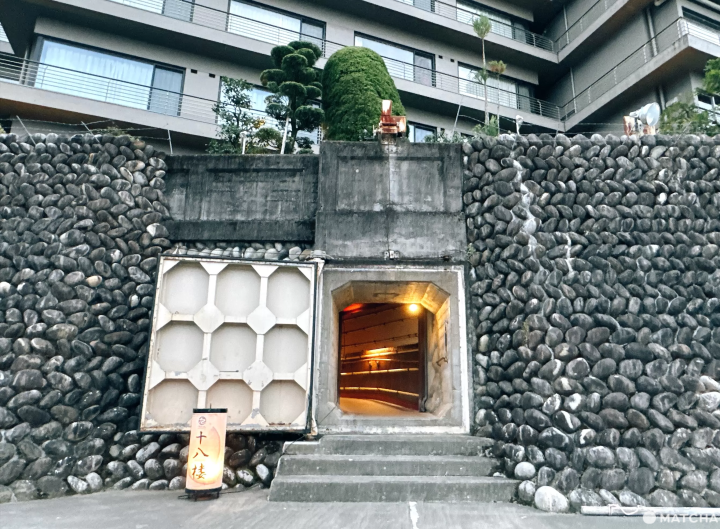
One of the biggest appeals of Juhachiro, is the great access to the tour boat dock for Nagara River ukai (cormorant fishing). There is a special route inside the building, which the guests can use to reach the dock quickly without running into the crowds.
The inn offers a unique opportunity to enjoy ukai on the Nagara River, a summer tradition in Gifu. Some of the staff speak basic English, so visitors from abroad need not to worry.
Juhachiro
 10 Minato-cho, Gifu City, Gifu Prefecture 500-8009
Juhachiro is a long-established inn that represents Gifu. Founded in the first year of Manen. Located in the Kawaramachi area of Gifu City, it is one of the Nagaragawa Onsen inns. There is a dedicated passageway from inside the facility to the Nagara River cormorant fishing pier. The name of the shop is derived from Matsuo Basho's famous poem ``Juhachiro no Ki.''
10 Minato-cho, Gifu City, Gifu Prefecture 500-8009
Juhachiro is a long-established inn that represents Gifu. Founded in the first year of Manen. Located in the Kawaramachi area of Gifu City, it is one of the Nagaragawa Onsen inns. There is a dedicated passageway from inside the facility to the Nagara River cormorant fishing pier. The name of the shop is derived from Matsuo Basho's famous poem ``Juhachiro no Ki.''
19:30 See the Brilliant Night View at Mt. Kinka Observatory
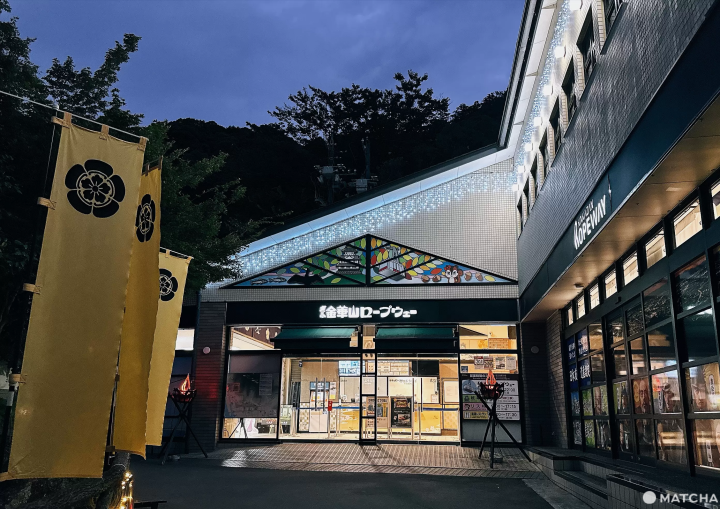
It is a 10-minute walk to the Mt. Kinka Ropeway station from Juhachiro. Mt. Kinka Observatory, which offers sweeping 270 degree night views of Gifu City, can be reached in just 4 minutes when you visit during night hours.
The city lights along the Nagara River create a view that resembles a jewel box.
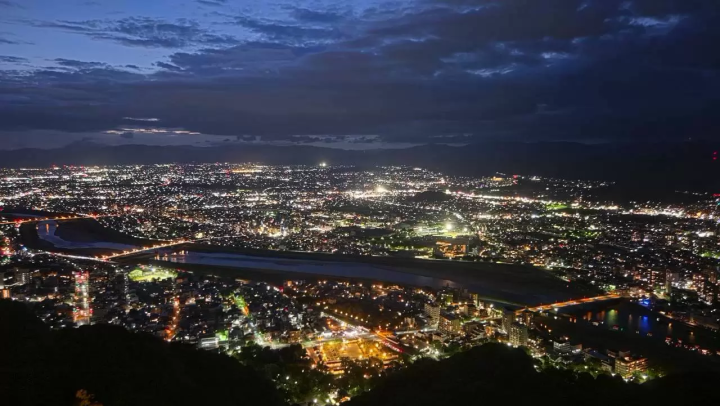
Picture courtesy of Gifu Convention and Visitors Bureau
The winding Nagara River and the expansive night view adds a unique touch to the nights of Gifu. This beautiful view is known as one of Japan's Three Greatest Mountain Castle Nightscapes.
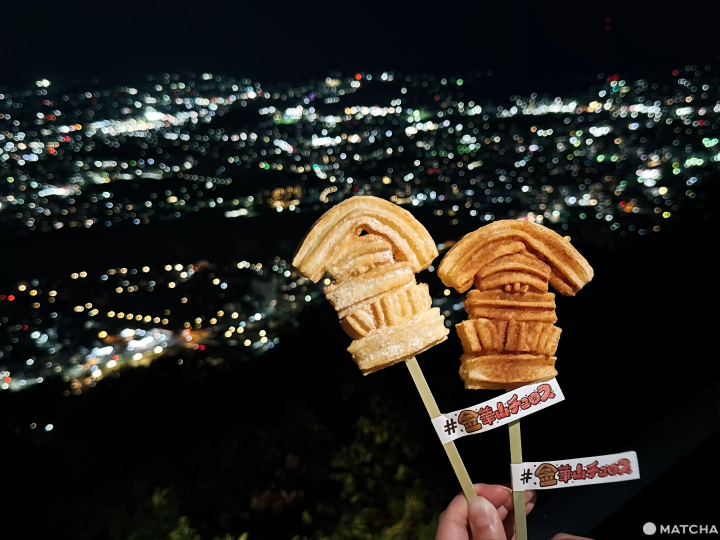
Mt. Kinka Churros (600 yen after tax)
At Terrasse Court 329, a cafe located at the summit, visitors can taste the Mt. Kinka Churros, shaped after the Japanese character "kin," which is used in the word "Kinka." It would be fun to take a photograph of the churros, with the nightscape as the backdrop.
As business hours vary by day, be sure to check in advance before visiting. The cafe is open from 10:00 to 16:00 on weekdays, and closes at 19:00 on Fridays, weekends, and national holidays. The hours will be extended on days when the ropeway operates at night.
Mount Kinka Ropeway
 257 Senjo Shikishita, Gifu City, Gifu Prefecture
Mount Kinka Ropeway offers a 4-minute ride from Gifu Mt. Kinka Ropeway Base Station to Gifu Mt. Kinka Sancho Station, where Gifu Castle is located. From the fully glass-walled cabin, you can enjoy sweeping views of Gifu City, the Nagara River, and the lush natural surroundings of Mt. Kinka.
Round-trip fares are 1,300 yen for adults and 650 yen for children aged 4 to 12. The ropeway operates every 15 minutes, making it easy to hop on at any time.
257 Senjo Shikishita, Gifu City, Gifu Prefecture
Mount Kinka Ropeway offers a 4-minute ride from Gifu Mt. Kinka Ropeway Base Station to Gifu Mt. Kinka Sancho Station, where Gifu Castle is located. From the fully glass-walled cabin, you can enjoy sweeping views of Gifu City, the Nagara River, and the lush natural surroundings of Mt. Kinka.
Round-trip fares are 1,300 yen for adults and 650 yen for children aged 4 to 12. The ropeway operates every 15 minutes, making it easy to hop on at any time.
Day Two: Traditional Culture and Local Cuisine
On the second day, the tour starts from a long-established soy sauce factory. After learning about the Japanese brewing culture passed down over generations, take a relaxing walk along Nagara River, and eat a curated lunch.
The tour ends at Gifu Park and the Inaba Shrine area, accompanied by Japanese confectoneries.
9:30 Discover Wooden-Barrel Soy Sauce Brewing at Yamakawa Jozo
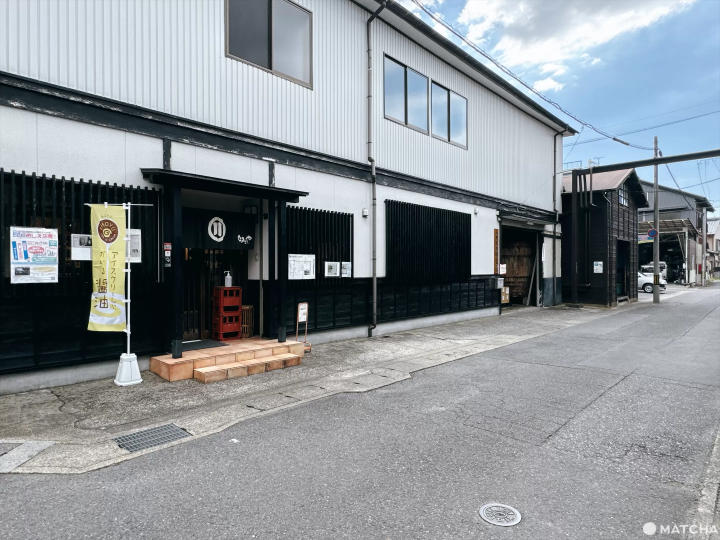
After checking out from the hotel, head for Yamakawa Jozo, a well-established soy sauce brewery founded in 1943. It will take 20 minutes on foot, or a 10-minute bus ride. Yamakawa steadfastly employs wooden barrels for fermentation. Join the guided tour of the facility to understand the traditional process of making traditional Japanese tamari soy sauce (*).
There is a tour conducted in simple English, using a translation app, so participants who are not fluent in Japanese can also gain knowledge about their products.
*Tamari shoyu: A type of soy sauce produced mainly in the Tokai Region (Aichi, Gifu, and Mie prefectures). Made from soybeans, it has a rich umami flavor and thick texture.
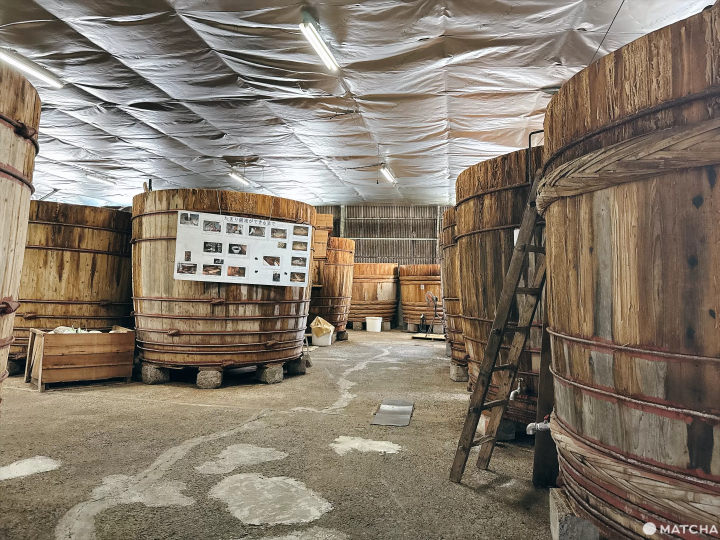
The first thing you'll see entering the factory are huge wooden barrels lined up inside. The fermentation process takes place inside these casks, adding a rich fragrance and deep color to the soy sauce.
Just by standing next to the barrels, visitors will feel the traditional artisanship of the workers that requires a great deal of time and effort.
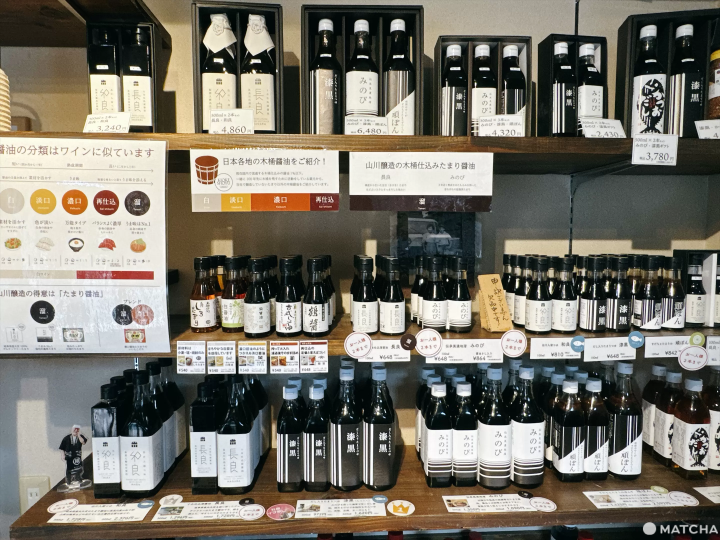
After the tour, visitors will be able to sample the soy sauce, which offer a wide variety of aroma, thickness, and flavor to help you choose your favorite soy sauce. The gift shop displays a large number of products, perfect for souvenirs.
For the guided-tour reservations and details, please check their reservation form (English/Japanese).
Yamakawa Jozo (Yamakawa Brewery)
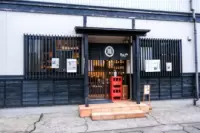 1-9 Nagara Aoicho, Gifu City, Gifu Prefecture
Founded in 1943 during wartime, Tamariya Yamakawa Brewery began with the goal of alleviating food shortages. Since its establishment, the brewery has been dedicated to producing tamari soy sauce, a rich and flavorful local specialty.
Soy sauce in Japan is generally classified into five types: dark, light, tamari, saishikomi (double-brewed), and white. Among these, tamari soy sauce is the richest and most concentrated. Yamakawa Brewery continues to make it using the traditional wooden barrel fermentation method, a process so rare that it accounts for only 1% of all soy sauce production in Japan.
From start to finish, the making of tamari soy sauce takes over two years. The process begins with creating koji, followed by brewing with underground water from the Nagara River. A technique called “kumikake” circulates the contents within the wooden barrels, encouraging natural fermentation and aging. With each step, the craftsmanship of skilled brewers brings the soy sauce to completion.
For those curious to learn more, brewery tours are available by reservation. Visitors can experience the unique atmosphere of the brewery, savor the deep aroma of soy sauce aging in the barrels, and observe the “namahiki” process, where the raw soy sauce is slowly drawn from the vats. It's an opportunity to witness fermentation in its most authentic form.
Adjacent to the brewery, you’ll find a shop where visitors can purchase Yamakawa’s signature products, including “Nagara” and “Minobi” tamari soy sauce. Additionally, there are a variety of soy sauce-inspired treats like rice crackers and madeleines.
After immersing yourself in the world of tamari soy sauce, the products on the shelves will feel even more special. Feel free to ask the friendly staff for recommendations based on your cooking style and preferences to find the perfect soy sauce for your needs.
1-9 Nagara Aoicho, Gifu City, Gifu Prefecture
Founded in 1943 during wartime, Tamariya Yamakawa Brewery began with the goal of alleviating food shortages. Since its establishment, the brewery has been dedicated to producing tamari soy sauce, a rich and flavorful local specialty.
Soy sauce in Japan is generally classified into five types: dark, light, tamari, saishikomi (double-brewed), and white. Among these, tamari soy sauce is the richest and most concentrated. Yamakawa Brewery continues to make it using the traditional wooden barrel fermentation method, a process so rare that it accounts for only 1% of all soy sauce production in Japan.
From start to finish, the making of tamari soy sauce takes over two years. The process begins with creating koji, followed by brewing with underground water from the Nagara River. A technique called “kumikake” circulates the contents within the wooden barrels, encouraging natural fermentation and aging. With each step, the craftsmanship of skilled brewers brings the soy sauce to completion.
For those curious to learn more, brewery tours are available by reservation. Visitors can experience the unique atmosphere of the brewery, savor the deep aroma of soy sauce aging in the barrels, and observe the “namahiki” process, where the raw soy sauce is slowly drawn from the vats. It's an opportunity to witness fermentation in its most authentic form.
Adjacent to the brewery, you’ll find a shop where visitors can purchase Yamakawa’s signature products, including “Nagara” and “Minobi” tamari soy sauce. Additionally, there are a variety of soy sauce-inspired treats like rice crackers and madeleines.
After immersing yourself in the world of tamari soy sauce, the products on the shelves will feel even more special. Feel free to ask the friendly staff for recommendations based on your cooking style and preferences to find the perfect soy sauce for your needs.
11:30 A Peaceful Stroll by the Nagara River
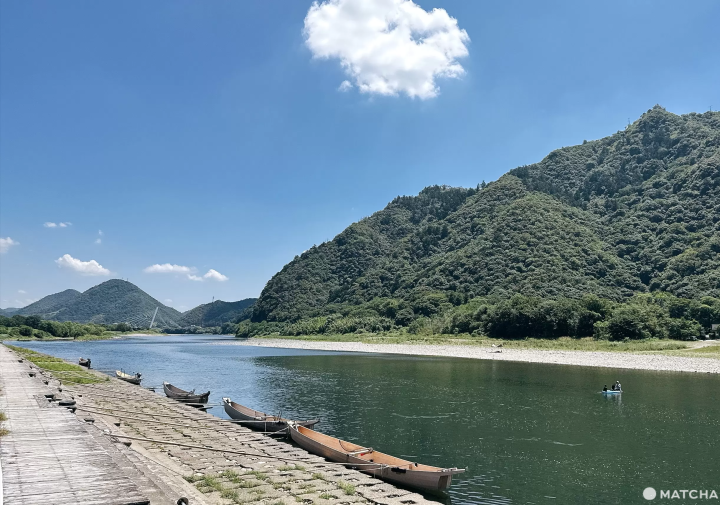
After Yamakawa Jozo, how about a stroll along the Nagara River Promenade? The spacious walkway stretches for 1.3 kilometers along the right bank of the river. Visitors can enjoy the stream, which is regarded as one of the three pristine rivers in Japan, along with the verdant Mt. Kinka, and Gifu Castle standing on its summit. With little traffic, another highlight is the chance for pedestrians to enjoy a leisurely walk amidst scenery typical to Gifu, surrounded by mountains and river.
During the ukai season, cormorant fishing boats will be lined up along the shore.
12:30 Lunch at Hanakinton in Gifu-jo Rakuichi
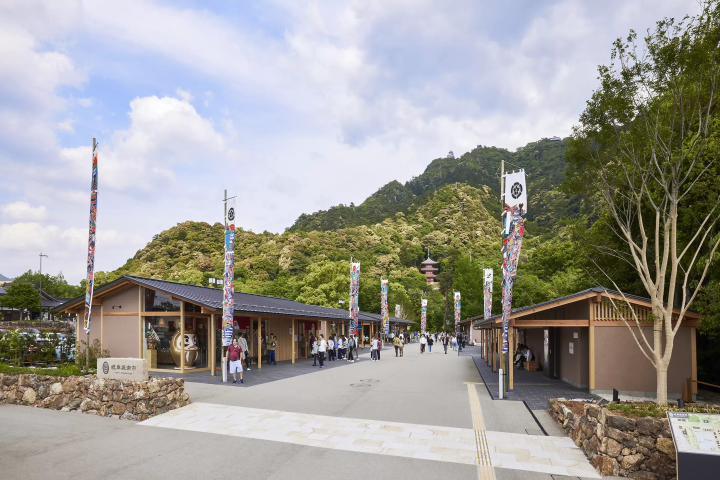
Picture courtesy of Meitetsu Property Management
After crossing the Nagara Bridge, it is a 10-minute walk to Gifu-jo Rakuichi, a new commercial complex at the foot of Mt. Kinka. Popular stores carrying local specialties and products of Gifu are gathered at this facility. Visitors can also try the regional specialties such as gohei mochi and Hida beef croquette.
This is the perfect place to take a break during a stroll, or look for local delicacies, while discovering a new side of Gifu.
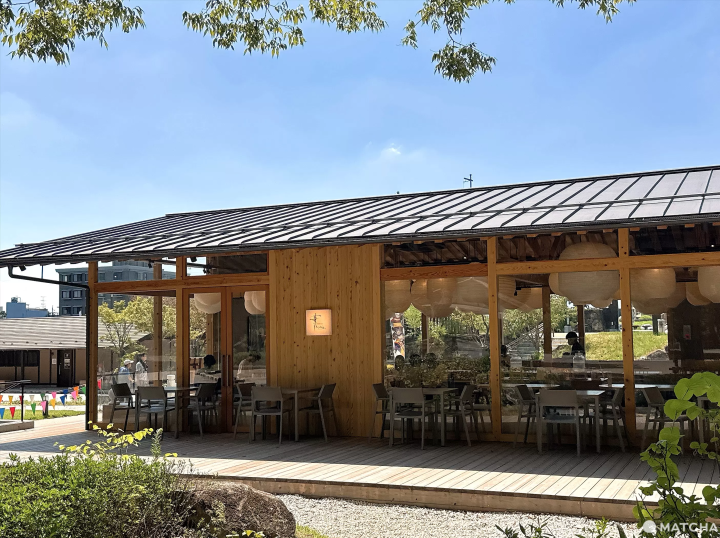
For lunch, head to Hanakinton, located on the grounds. The interior, decorated with Gifu lanterns, is designed in the Japanese style. Visitors can also enjoy the traditional craftwork combined with food culture while dining.
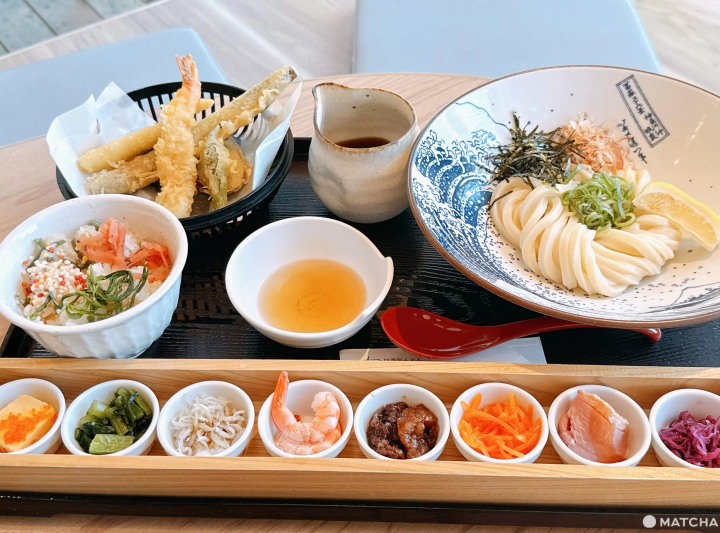
Shikisai Udon-zen (2,480 yen after tax)
Shikisai udon-zen, their signature dish, consists of housemade, chewy noodles and seasonal side dishes. Visitors will be able to taste various seasonal specialties in one sitting.
Shikisai Udon Hanakinton
 1-46 Omiyacho, Gifu City, Gifu Prefecture 500-8003
This is a Japanese restaurant located within Gifu City's tourist facility Gifu Jorakuichi. Surrounded by the rich nature of Gifu Park, you can enjoy the view of Mt. Kinka through the window glass. The ceiling is decorated with numerous lanterns made by a long-established manufacturer of the traditional craft of Gifu lanterns, creating a calm and glamorous space.
1-46 Omiyacho, Gifu City, Gifu Prefecture 500-8003
This is a Japanese restaurant located within Gifu City's tourist facility Gifu Jorakuichi. Surrounded by the rich nature of Gifu Park, you can enjoy the view of Mt. Kinka through the window glass. The ceiling is decorated with numerous lanterns made by a long-established manufacturer of the traditional craft of Gifu lanterns, creating a calm and glamorous space.
14:00 Explore the Historic Three-Storied Pagoda and Nature in Gifu Park
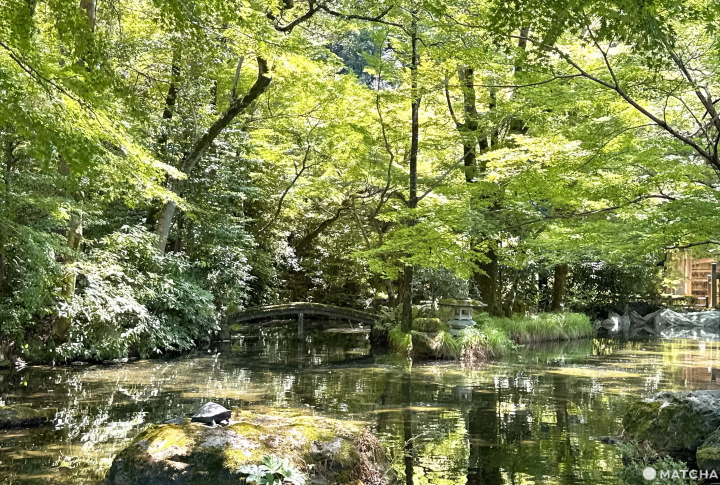
Gifu Park stands at the former site of Lord Oda Nobunaga's residence. Surrounded by lush greenery, the park serves as a retreat where history and nature come together, with beautiful scenery that changes by the season. Visitors can feel its atmosphere by just walking around, without any specific knowledge.
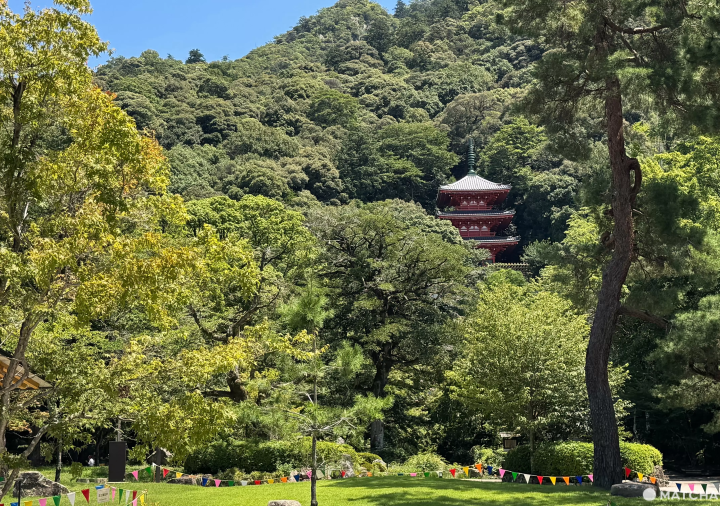
A three-storied pagoda, built in the Taisho Period, is one of the highlights of the park. The vermilion tower, registered as a tangible cultural property by the Japanese government, stands out beautifully against the surrounding trees.
This is a very popular photo spot, as it offers a different vista every season.
Gifu Park
 1-chome Omiyacho, Gifu City, Gifu Prefecture, 500-8003
Gifu Park is an urban park located at the foot of Mt. Kinka in Gifu City. It is managed by Gifu City. Facilities within and near the park include Gifu Castle and Mt. Kinka, Kinka Mountain Ropeway, Gifu City Museum of History, Kato Eizo and Toichi Memorial Art Museum, Nawa Insect Museum, and Gifu Castle Rakuchi Market.
1-chome Omiyacho, Gifu City, Gifu Prefecture, 500-8003
Gifu Park is an urban park located at the foot of Mt. Kinka in Gifu City. It is managed by Gifu City. Facilities within and near the park include Gifu Castle and Mt. Kinka, Kinka Mountain Ropeway, Gifu City Museum of History, Kato Eizo and Toichi Memorial Art Museum, Nawa Insect Museum, and Gifu Castle Rakuchi Market.
15:30 Taste Delicate Wagashi at Shokado
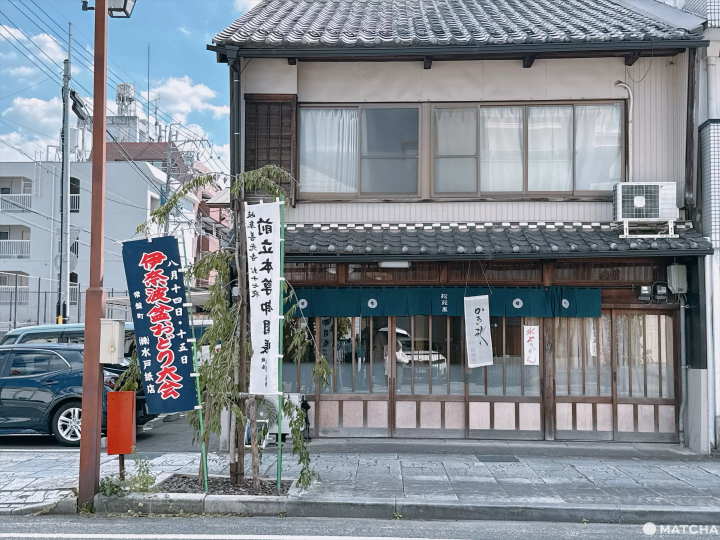
From Gifu Park, it is a 15-minute walk along the approach of Inaba Shrine to Shokado, a Japanese confection store frequented by the locals. It has an understated yet elegant appearance, blending into the scenery of the approach and exuding the charm of a traditional Japanese confectionery store.
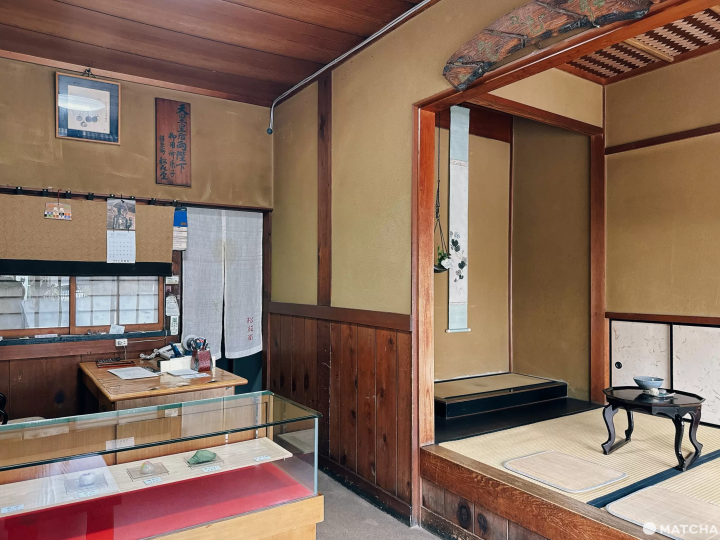
Along with regular seating for customers, there is also a traditional tearoom serving matcha green tea and wagashi (traditional Japanese confectionery). The hanging scroll and flower arrangement decorating the room vary by the season, displaying delicate, seasonal Japanese beauty expressed in the finest details.
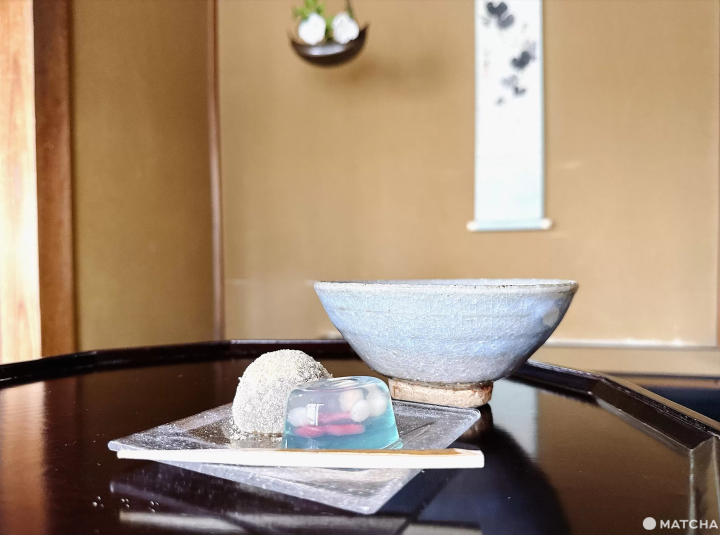
Front: Seiryu (400 yen after tax)/Behind: Warabi-mochi (400 yen after tax)
The display window is filled with jo-namagashi (*). They are made exquisitely, with a seasonal motif and delicate finish, and goes well with matcha green tea.
Shokado changes its display every two weeks, so customers will be greeted with confections in different colors and designs. This two-day tour of Gifu comes to a close while enjoying matcha green tea and seasonal confections.
*Jo-namagashi: A delicately crafted fresh Japanese confection depicting seasonal customs, made by artisanal skill.
Wagashi Tsukasa Shokado
 1-5 Matsuyacho, Gifu City, Gifu Prefecture 500-8084
"Wagashi Tsukasa Shokado" in Gifu City is a long-established Japanese confectionery shop that has been in business for over 100 years, located along the approach to Inaba Shrine. We specialize in making beautiful fresh sweets that are seasonal and traditional Kyoto sweets used at tea ceremonies.
1-5 Matsuyacho, Gifu City, Gifu Prefecture 500-8084
"Wagashi Tsukasa Shokado" in Gifu City is a long-established Japanese confectionery shop that has been in business for over 100 years, located along the approach to Inaba Shrine. We specialize in making beautiful fresh sweets that are seasonal and traditional Kyoto sweets used at tea ceremonies.
A Two-Day Tour of Gifu City Where Tradition Meets Innovation
Walking the historic sites wearing a kimono; enjoying the view and onsen at Nagara River; and taking in the nightscape from Mt. Kinka. Visiting a traditional soy sauce factory; and tasting the local cusine. This two-day tour is filled with spots to enjoy the history, culture, nature, and delicacies that Gifu has to offer.
Gifu City, where the old and modern world coexist, is an ideal destination for first-time visitors, and also for those who wish to travel the local Japanese cities.
Check Out the Official Gifu Tourism Website for More Details
Written by Kenko
Sponsored by Gifu Convention and Visitors Bureau

MATCHA's promotional account for corporate and local government advertising. We aim to provide useful information to our readers in an enjoyable manner.
Special Features
More