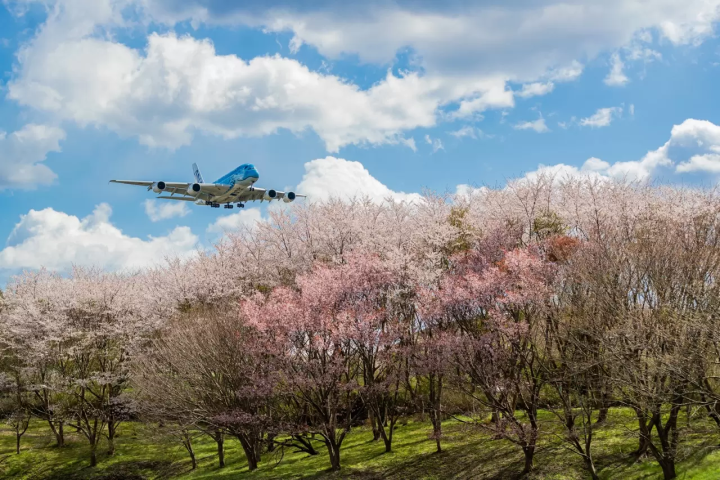
Nagasaki's Goto Islands: Beaches, Samurai Gardens, and Anime
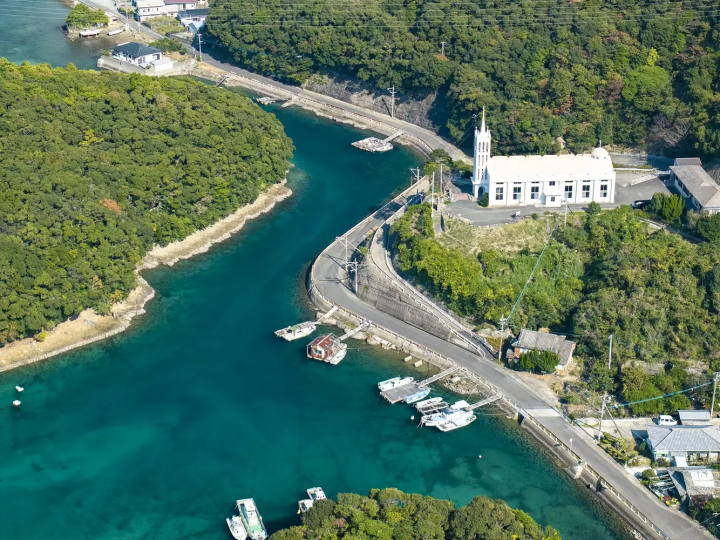
Discover the stunning Goto Islands in Nagasaki. From pristine Takahama Beach to historic UNESCO churches, plan your perfect Fukue Island getaway today.

Written by
Sami is a dedicated travel writer and photographer who has traveled extensively across Japan since childhood. Her articles are widely featured in digital media, and her photography beautifully documents her journeys. She has authored over 10 Japan travel guides, specializing in curated regional itineraries, local cuisine, and hidden gems.
This service includes sponsored advertisements.
Goto Islands in Nagasaki: Nature, History, and Slow Living
Goto City in Nagasaki Prefecture is an archipelago of around 152 islands centered on five main hubs—Fukue, Nakadori, Naru, Wakamatsu, and Kuga. Their charm lies in a blend of dramatic, untouched nature, a deeply moving spiritual history, and a slower pace of life worlds away from Japan’s bustling urban hubs.
The Goto Islands boast volcanic cliffs, emerald waters, and pristine shores like Takahama Beach, while its remote coves hide historic churches built by "Hidden Christians," several of which are now recognized as UNESCO World Heritage sites.
Goto is also a paradise for food lovers, celebrated for exceptionally fresh seafood, rare Goto beef, and silky Goto Udon noodles crafted with local camellia oil.
Accessible in just 85 minutes by high-speed jetfoil boat from central Nagasaki City, Fukue Island serves as the archipelago's main gateway. Read on to discover five beautiful places to visit there.
-
Table of Contents
- 1. Osezaki Lighthouse: Kyushu's Wild Western Frontier
- 2. Takahama Beach: Fukue Island’s Pristine Paradise
- 3. The Former Goto Lord's Residence and Garden: A Hidden Samurai Villa
- 4. The Nizo Yamamoto Comic Art Museum: Anime Art Meets Samurai History
- 5. Dozaki Catholic Church: A Pillar of Faith and History
- 6. Nordisk Village Goto Islands: Luxury Glamping Meets Heritage
1. Osezaki Lighthouse: Kyushu's Wild Western Frontier
Picture courtesy of the Nagasaki Prefectural Tourism Federation
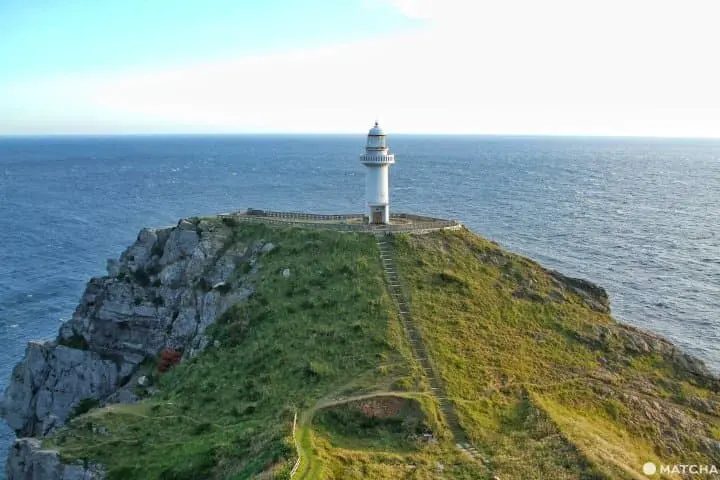
The most iconic sight in Goto City is the Osezaki Lighthouse, proudly recognized as one of Japan’s top 50 lighthouses and located within the scenic Saikai National Park.
The striking white structure standing today has been active since its reconstruction in 1971; if you want to see the original, retired lighthouse, it is currently preserved at the Museum of Maritime Science in Tokyo.

Picture courtesy of the Nagasaki Prefectural Tourism Federation
Perched on the westernmost point of mainland Kyushu, Osezaki is famous as the place where the sun sets last in the region.
At dusk, the spectacular view of the setting sun casting its glow over the dramatic cliffs and vast seascape is truly breathtaking.
2. Takahama Beach: Fukue Island’s Pristine Paradise

Picture courtesy of the Nagasaki Prefectural Tourism Federation
What’s a trip to Goto without a beach visit? Pristine and entirely free from human pollution, Fukue Island's Takahama Beach has rightfully earned spots on the Top 100 Beaches in Japan, the 88 Best Swimming Beaches in Japan, and the New Top 100 Tourist Spots in Japan.
Along its 800-meter shoreline, the exceptionally fine sand shines a brilliant silver-white under the sun.

Picture courtesy of the Nagasaki Prefectural Tourism Federation
Thanks to its relatively gentle waves, this natural paradise is perfectly suited for families to swim and relax.
As you play in the water, you can watch the sea dynamically shift through a stunning spectrum of colors, transitioning seamlessly from light blue to deep indigo and vibrant emerald green.
3. The Former Goto Lord's Residence and Garden: A Hidden Samurai Villa

Picture courtesy of the Nagasaki Prefectural Tourism Federation
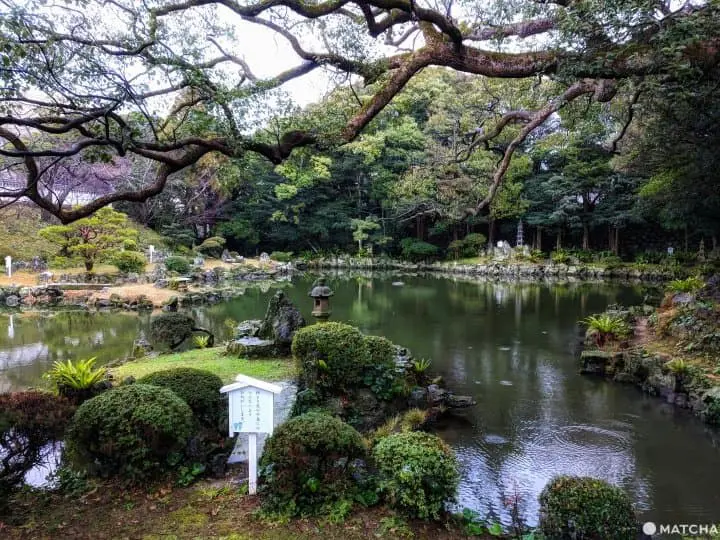
Located within the grounds of the former Fukue Castle (also known as Ishida Castle), the Goto Clan Garden is a hidden villa built over two years by Seiko, the 30th head of the Goto family.
Remarkably preserved for over 150 years, the estate still allows visitors to admire its intricate and delicate interior design.
Because its construction period is well-documented and the building remains perfectly intact alongside the landscape, it holds immense historical value in Japanese garden culture, earning a designation as a National Place of Scenic Beauty in 1991.
Picture courtesy of the Nagasaki Prefectural Tourism Federation
The garden features a stunning pond shaped like the kanji character for "heart" (kokoro), a majestic camphor tree over 800 years old, and 36 cleverly placed stones that resemble turtles.
If you have the chance to visit, see how many of these hidden turtles you can spot!
4. The Nizo Yamamoto Comic Art Museum: Anime Art Meets Samurai History

Picture courtesy of the Nagasaki Prefectural Tourism Federation
Anime film art director Nizo Yamamoto was born right here in Goto City, Nagasaki Prefecture.
While his name might not immediately ring a bell, you will instantly recognize his legendary work—he served as the art director for iconic Studio Ghibli masterpieces such as Castle in the Sky, Grave of the Fireflies, and Princess Mononoke.
This museum beautifully displays Yamamoto’s breathtaking background art, showcasing both his anime productions and paintings depicting his beloved hometown of Goto.

Picture courtesy of the Nagasaki Prefectural Tourism Federation
The museum itself is housed in the beautifully renovated Matsuzono-tei, a samurai residence originally built in 1863, allowing visitors to immerse themselves in stunning anime artwork while simultaneously experiencing Goto’s rich history.
Don't miss the museum’s most popular attraction, the "Room of Sky and Clouds," where you can relax on a whimsical, cloud-shaped sofa and enjoy short animated films.
5. Dozaki Catholic Church: A Pillar of Faith and History
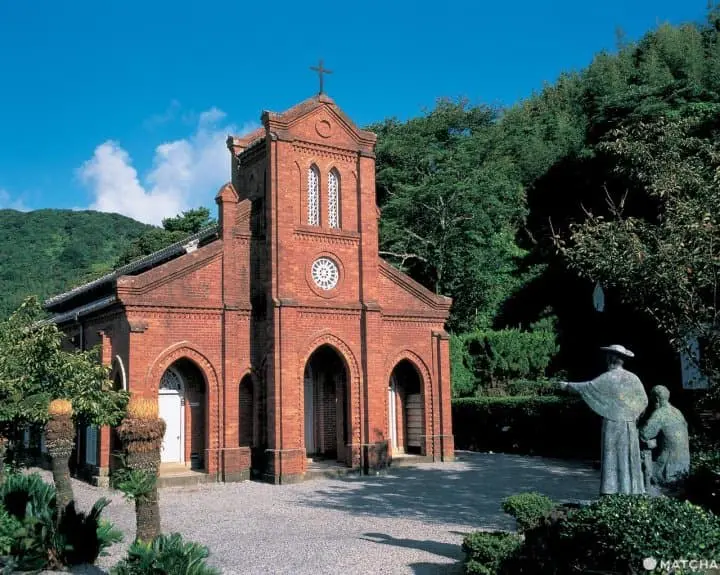
Picture courtesy of the Nagasaki Prefectural Tourism Federation
Designated as an Important Tangible Cultural Property by Nagasaki Prefecture in 1974, Dozaki Catholic Church was established by a French missionary to aid in regional evangelization.
It holds a monumental place in local history as Goto’s first Catholic church, as well as the first wooden church built in the archipelago after Japan finally lifted its Edo-period ban on Christianity.
The striking brick structure seen today was completed in 1908, utilizing premium materials shipped all the way from Italy.
Today, the church is open to the public and serves as a museum, displaying fascinating historical artifacts and documents that chronicle the enduring faith and activities of the community during that era.
6. Nordisk Village Goto Islands: Luxury Glamping Meets Heritage

Facilities inside a luxury glamping tent. Picture courtesy of the Nagasaki Prefectural Tourism Federation
Nordisk Village Goto Islands is Asia’s very first glamping facility operated by the premium Scandinavian outdoor brand, Nordisk.
Seamlessly blending the thrill of outdoor tent living with the comforts of a hotel, it provides all the modern amenities needed for a luxurious and stress-free stay.

Picture courtesy of the Nagasaki Prefectural Tourism Federation
Guests don't have to worry about meal prep either, as delicious, hassle-free dining options are available directly on-site for an additional fee.

Picture courtesy of the Nagasaki Prefectural Tourism Federation
For an extra touch of charm, you can choose to sleep in one of Nordisk's signature cotton tents, or stay in a uniquely designed guestroom beautifully renovated from a former school building.
Enjoy Exploring Goto
When traveling around Goto, renting a car is highly recommended for a smooth journey, as local bus services are infrequent and driving is how residents typically get around.
In addition to exploring the stunning sights highlighted above, your trip won't be complete without indulging in the island’s famous culinary treasures—be sure to try the melt-in-your-mouth Goto beef, silky Goto udon, and an array of exceptionally fresh seafood delicacies.
For more travel tips, itineraries, and inspiration, head over to the official website of the Goto City Tourism Association.
Read also


Main image by Pixta
Sami is a dedicated travel writer and photographer who has traveled extensively across Japan since childhood. Her articles are widely featured in digital media, and her photography beautifully documents her journeys. She has authored over 10 Japan travel guides, specializing in curated regional itineraries, local cuisine, and hidden gems.




Special Features
More