
A girls' trip of mythology and matchmaking! Visiting the power spots of Miyazu and Amanohashidate

Amanohashidate is one of the Three Most Scenic Spots of Japan, and a place with a legend that connects the place where the gods reside with the earth. It is also a popular area for visiting ancient power spots. We will introduce a trip that is perfect for those who want to make a pilgrimage to a spiritual place and also enjoy delicious food.

Written by
The Kyoto by the Sea area is about 99 km from Kyoto city, and can be reached in as little as 90 minutes by car or bus. It is close by and offers another side to Kyoto, with a different atmosphere from the city. Once upon a time, there was an ancient nation (Taniha no Kuni) with an advanced culture that was introduced from the continent, and it was also the secret stage of the creation of Japan. The Kyoto by the Sea area is filled with evidence of its origin, such as the legend of the descent of Toyouke-no-Okami, the oldest god of food, the demon legend of Mt. Oe, and the legend of the Dragon Palace. It is filled with the charms of Japan scattered throughout each era, such as Amanohashidate, which was the source of Kyoto culture that fascinates the world and was longed for by the people of the capital during the Heian and Muromachi periods, the Tango Chirimen Corridor woven with silk that has been spun for 300 years, the modern industrial heritage sites of Maizuru and Ayabe, the one-of-a-kind Ine Funaya landscape born from the work of fishermen, and Fukuchiyama Castle, which conveys the Warring States period to the present day. Furthermore, "Kyoto of the Sea" is a land of abundance, blessed with ingredients beloved by the god of food, such as seafood like Matsuba crab and Ine yellowtail, and rice and vegetables grown in pure water. Furthermore, its natural scenery, including the San'in Coast, a Global Geopark, and the mountains and rivers where gods, Buddhas and even demons reside, pique the curiosity of travelers, whose beauty will soothe their souls. It is a region where the culture of "valuing harmony" has lived on since ancient times, and where kind people are gracious and accommodating to travelers when they encounter it. Everything you taste and encounter here is connected to Japan's roots. This is Kyoto of the Sea, the source of Japan that lives in the heavens, earth, mountains and seas.
This service includes sponsored advertisements.
Required time
About 4 hours Amanohashidate Station → Motoise Konojinja Shrine → Manaijinja Shrine → Amanohashidate Winery (lunch) → Nariaiji Temple
Transportation
Car
Motoise Kono Shrine
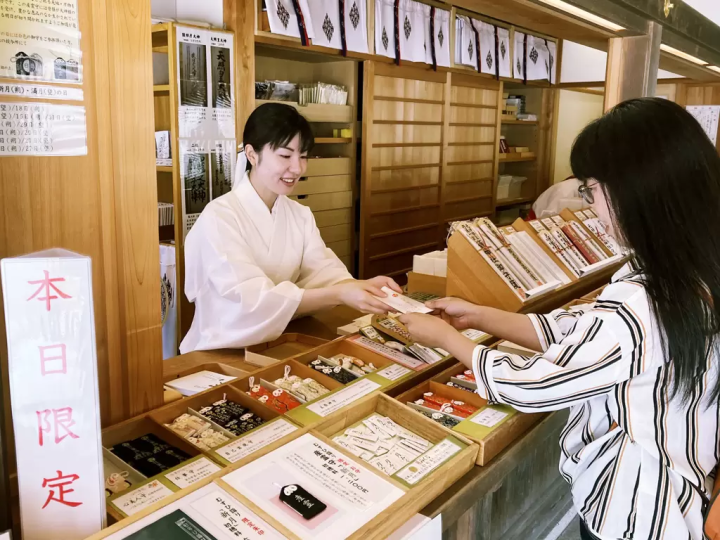
We headed to Motoise Konojinja Shrine (hereafter referred to as Konojinja Shrine), located on the north side of Amanohashidate.
Kago Shrine is the most prestigious shrine in Tango, where Amaterasu Omikami and Toyouke no Okami were once enshrined. After these two gods were transferred to Ise Grand Shrine, the shrine is also known as the "hometown of Ise Grand Shrine" and "former Ise."
Kago Shrine is the most prestigious shrine in Tango, where Amaterasu Omikami and Toyouke no Okami were once enshrined. After these two gods were transferred to Ise Grand Shrine, the shrine is also known as the "hometown of Ise Grand Shrine" and "former Ise."
1
Motoise Kono Shrine

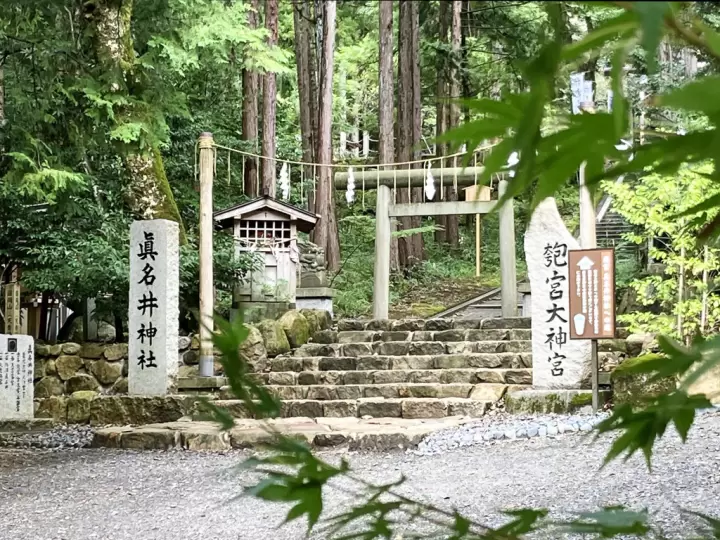
Manai Shrine, Japan's oldest power spot
2
Manai Shrine (Kago Shrine Okumiya)
A luxurious lunch at the Amanohashidate Winery restaurant
Spots introduced in this itinerary
The Kyoto by the Sea area is about 99 km from Kyoto city, and can be reached in as little as 90 minutes by car or bus. It is close by and offers another side to Kyoto, with a different atmosphere from the city. Once upon a time, there was an ancient nation (Taniha no Kuni) with an advanced culture that was introduced from the continent, and it was also the secret stage of the creation of Japan. The Kyoto by the Sea area is filled with evidence of its origin, such as the legend of the descent of Toyouke-no-Okami, the oldest god of food, the demon legend of Mt. Oe, and the legend of the Dragon Palace. It is filled with the charms of Japan scattered throughout each era, such as Amanohashidate, which was the source of Kyoto culture that fascinates the world and was longed for by the people of the capital during the Heian and Muromachi periods, the Tango Chirimen Corridor woven with silk that has been spun for 300 years, the modern industrial heritage sites of Maizuru and Ayabe, the one-of-a-kind Ine Funaya landscape born from the work of fishermen, and Fukuchiyama Castle, which conveys the Warring States period to the present day. Furthermore, "Kyoto of the Sea" is a land of abundance, blessed with ingredients beloved by the god of food, such as seafood like Matsuba crab and Ine yellowtail, and rice and vegetables grown in pure water. Furthermore, its natural scenery, including the San'in Coast, a Global Geopark, and the mountains and rivers where gods, Buddhas and even demons reside, pique the curiosity of travelers, whose beauty will soothe their souls. It is a region where the culture of "valuing harmony" has lived on since ancient times, and where kind people are gracious and accommodating to travelers when they encounter it. Everything you taste and encounter here is connected to Japan's roots. This is Kyoto of the Sea, the source of Japan that lives in the heavens, earth, mountains and seas.
The contents on this page may partially contain automatic translation.



Special Features
More








![[Introducing our English Program] Experience English-language activities at KidZania Tokyo!](https://resources.matcha-jp.com/resize/720x2000/2026/05/19-264204.webp)
![Enjoy popular spots in Okayama Prefecture with the great value digital travel ticket [Okayama Hare Tabi Passport]!](https://resources.matcha-jp.com/resize/720x2000/2025/04/28-232194.webp)