
Get up close and personal with animals! A comprehensive guide to Izu Shaboten Zoo
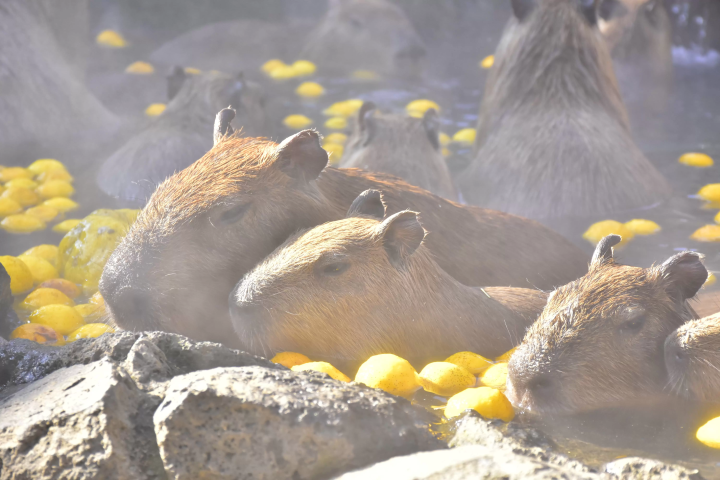
Izu Cactus Zoo, located in Futo, Ito City, Shizuoka Prefecture, is a zoo where you can experience zero distance between animals and enjoy exhibits of cacti from around the world. In this article, we'll introduce everything from recommended ways to enjoy the park to access and souvenir information.
Written by
Based in Ito City, Shizuoka Prefecture, the Izu Shaboten Zoo Group operates a variety of leisure facilities, including zoos, theme parks, and glamping facilities. The main facilities they operate include Izu Shaboten Zoo, where about 1,500 species of cacti and about 140 species of animals coexist, Izu Granpal Park, which is full of activities, and Izu Kogen Gran Illumination, which features beautiful nighttime illuminations. They also operate the New York Lamp Museum & Flower Garden, which exhibits Tiffany lamps, and Izu Kogen Travel Station Granpal Port, which offers souvenirs exclusive to Izu. In addition, they have opened the indoor petting zoo AniTouch in Tokyo, Yokohama, Nagoya, Shizuoka, Gunma, and other locations, where visitors can experience close contact and interaction with animals. Through these, they are leisure facilities that continue to provide visitors with diverse experiences and healing.
This service includes sponsored advertisements.
-
Table of Contents
- What is Izu Cactus Zoo?
- How to get to Izu Cactus Zoo
- Izu Cactus Zoo Area Guide
- Recommended spots at Izu Cactus Zoo
- Souvenirs from Izu Cactus Zoo
- Climate at Izu Cactus Zoo
- Frequently asked questions
- Create family memories at Izu Cactus Zoo!
What is Izu Cactus Zoo?
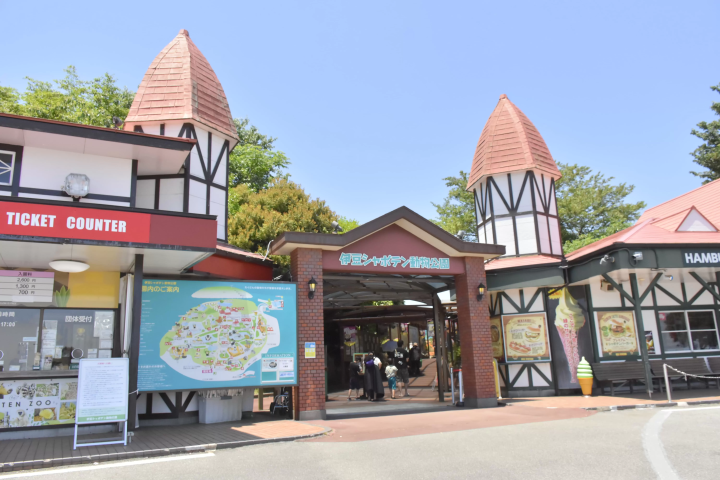
Izu Shaboten Zoo is a zoo and botanical park located at the foot of Mount Omuro in Futo, Ito City, Shizuoka Prefecture.
There are many free-roaming animals in the zoo, such as squirrel monkeys and peacocks, and because they live freely, you can get surprisingly close to them and enjoy interacting with them and even feeding them treats. Let's take a look at the charms of Izu Shaboten Zoo.
Izu shaboten zoo
 1317-13 Futo, Ito City, Shizuoka Prefecture 413-0231
Izu Shaboten Zoo is a zoo with a focus on cacti and animals, located on the northeast side of Mt. Omuroyama in Futo, Ito City, Shizuoka Prefecture.
There are many free-roaming animals in the zoo, such as squirrel monkeys and peacocks! Because they live freely, you can see them at an amazingly close distance, and you can also enjoy interacting with them and feeding them snacks.
There are plenty of recommended experiences you'll definitely want to enjoy when you come to the zoo, including the Original Capybara Open-Air Bath, a winter tradition in Izu where a family of capybaras soak in an open-air bath, Animal Boat Tours, which takes you around the nine large and small islands and the coastline in the pond in the center of the zoo, Cactus Greenhouse, which displays 1,500 types of cacti and succulents from all over the world, Cactus Hunting Workshop, where you can make your own original potted plant, and Forest Animal Restaurant GIBBONTEI, where you can share a table with stuffed capybaras and red pandas in a restaurant filled with greenery. Come and enjoy this zero-distance interaction with animals experience that you can only enjoy here!
1317-13 Futo, Ito City, Shizuoka Prefecture 413-0231
Izu Shaboten Zoo is a zoo with a focus on cacti and animals, located on the northeast side of Mt. Omuroyama in Futo, Ito City, Shizuoka Prefecture.
There are many free-roaming animals in the zoo, such as squirrel monkeys and peacocks! Because they live freely, you can see them at an amazingly close distance, and you can also enjoy interacting with them and feeding them snacks.
There are plenty of recommended experiences you'll definitely want to enjoy when you come to the zoo, including the Original Capybara Open-Air Bath, a winter tradition in Izu where a family of capybaras soak in an open-air bath, Animal Boat Tours, which takes you around the nine large and small islands and the coastline in the pond in the center of the zoo, Cactus Greenhouse, which displays 1,500 types of cacti and succulents from all over the world, Cactus Hunting Workshop, where you can make your own original potted plant, and Forest Animal Restaurant GIBBONTEI, where you can share a table with stuffed capybaras and red pandas in a restaurant filled with greenery. Come and enjoy this zero-distance interaction with animals experience that you can only enjoy here!
How to get to Izu Cactus Zoo
For those coming by train
●From Tokyo
Tokaido Shinkansen and Tokaido Main Line
From JR Tokyo Station, take the Tokaido Shinkansen (approx. 45 minutes) or the Tokaido Main Line (approx. 1 hour 50 minutes) to Atami Station.
From Atami Station, take the Ito Line (approximately 20 minutes) to Ito Station
Approximately 35 minutes by Tokai Bus from Ito Station, or approximately 25 minutes by taxi
●From Shimoda
Take the Izu Kyuko Line to Izukogen Station
Approximately 20 minutes by Tokai Bus from Izukogen Station, or approximately 10 minutes by taxi
For those coming by car
Approximately 85 km from the Atsugi Interchange on the Tomei Expressway (take the Odawara-Atsugi Road to the Odawara-Nishi Interchange and then take National Route 135)
Approximately 55 km from the Numazu IC or Nagaizumi-Numazu IC on the Tomei Expressway (via the Izu Jukan Expressway, Izu Chuo Expressway, and Shuzenji Road)
Approximately 1 hour and 40 minutes from Gotemba IC on the Tomei Expressway (via the Hakone Ashinoko Skyline, Izu Skyline, and Tokasayama Road)
Izu Cactus Zoo Area Guide
Original Capybara Open-Air Bath Area
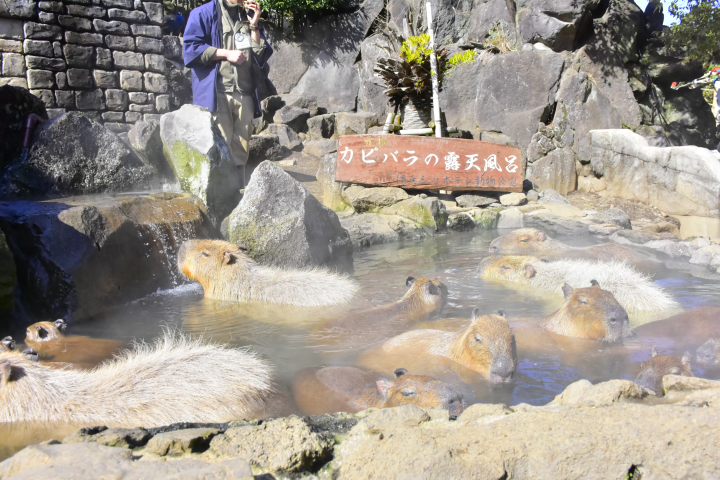
In addition to the "Original Capybara Open-Air Bath," there are also "Animal Boat Tours," "Kangaroo Hill," "Macaw Square," and many other animals living here.
Sun Square Area
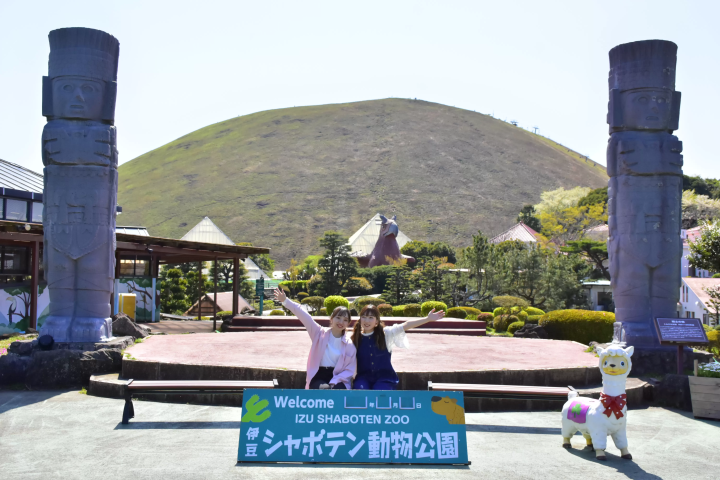
This open area with Mount Omuro right in front of you includes the Great Auditorium where shows are held, the Exciting Monkey House where you can interact with small animals, and the Chimpanzee Museum where you can give them treats.
Cactus greenhouse area
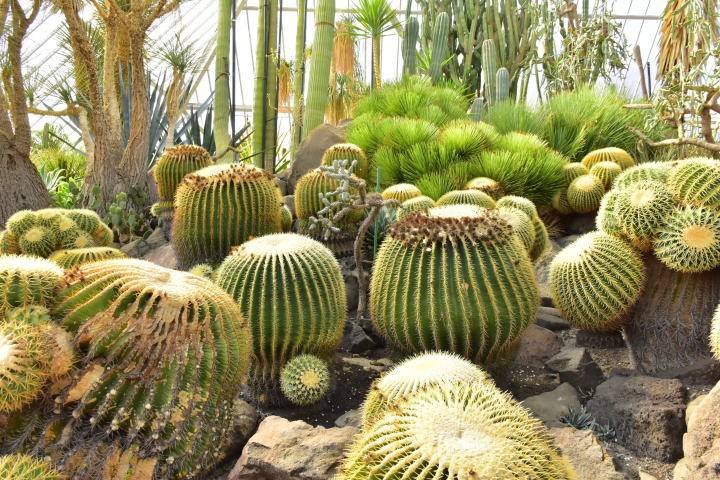
The greenhouse is connected by an underground passageway, and the entrance is marked by the "Highland Dragon." Approximately 1,500 types of cacti and succulents are on display, and many animals, such as southern tamanduas and sloths, live in the passageway.
Savannah Area
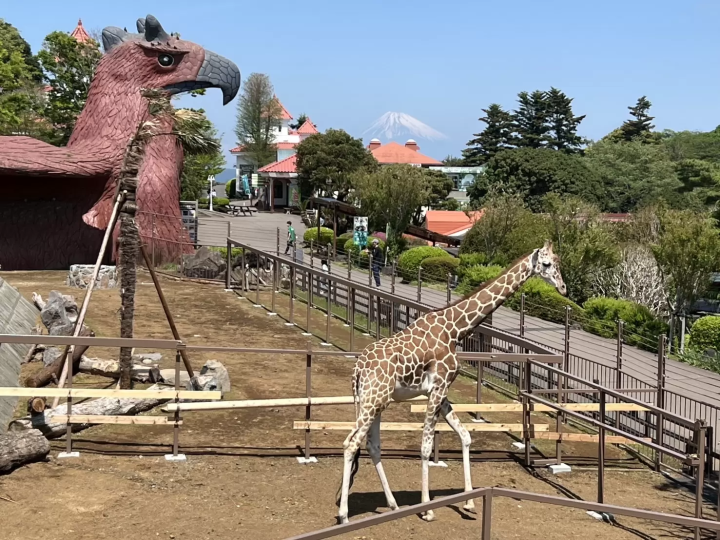
The area surrounding the cactus greenhouse is home to large herbivores that live in the savanna, such as giraffes, ostriches, and elands.
Restaurant & Shop Area
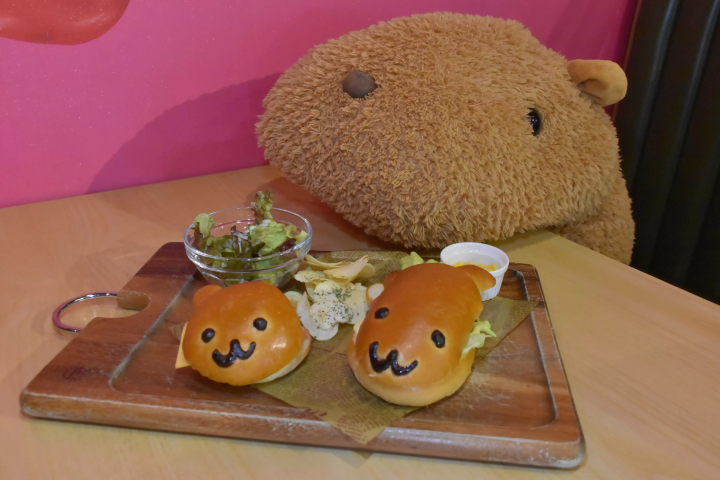
There is the Forest Animal Restaurant GIBBONTEI, where you can sit and enjoy a meal with stuffed animals, and the Gift Shop Animal Mart, which has a wide selection of original goods and Izu souvenirs.
Recommended spots at Izu Cactus Zoo
1. Animal Boat Tours
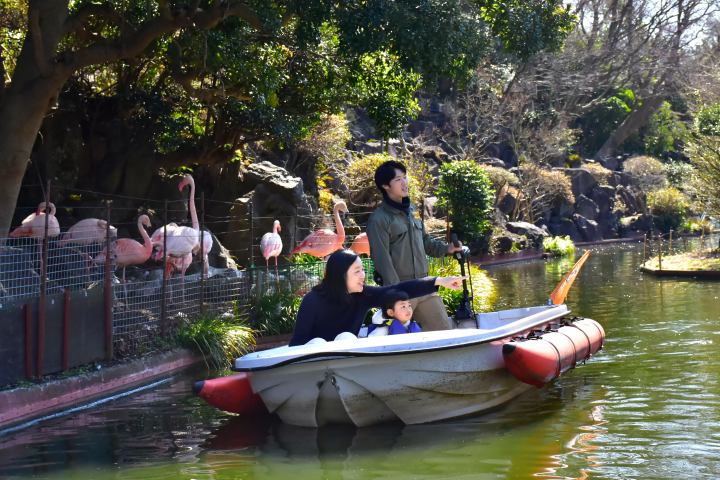
This boat tour takes you around the nine large and small islands and the coastline in the pond located in the center of the park, allowing you to observe the animals. This experience is only available at Izu Cactus Zoo in Japan! Each island is home to monkeys such as squirrel monkeys, ring-tailed lemurs, brown lemurs, and Geoffroy's spider monkeys. Flamingos and capybaras also live along the coast, allowing you to experience the feeling of being an explorer while enjoying the natural scenery.
2. Interact with animals and give them treats
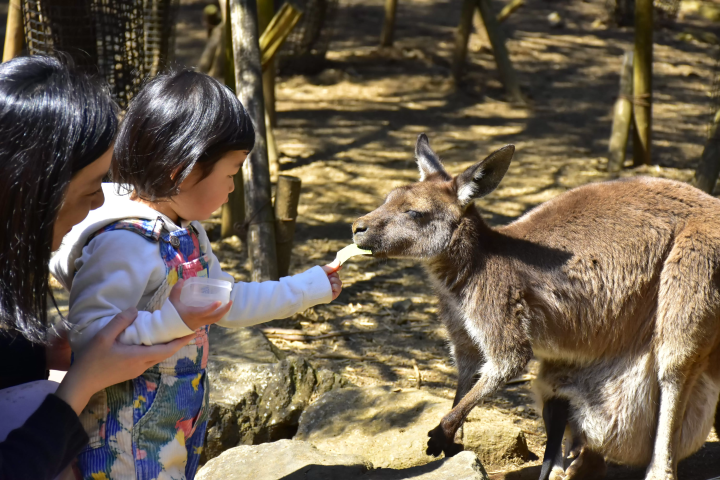
Izu Shaboten Zoo is home to around 140 species of animals, many of which are allowed to roam free within the zoo. Watching the animals living freely within the zoo and enjoying their free time will make you feel relaxed and at ease. Enjoy interacting with and feeding the animals treats while learning about the ecology of the various animals.
3. Capybara
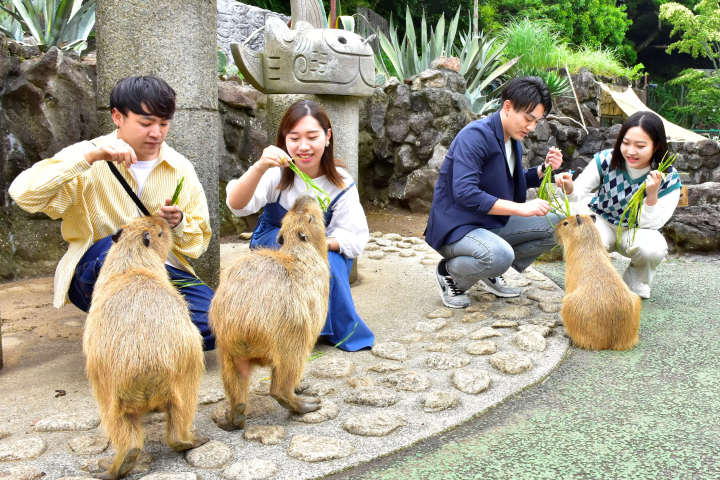
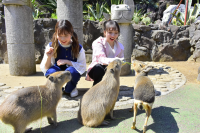
You can relax in the "Original Capybara Open-Air Bath," interact with the capybaras directly at the "Capybara Rainbow Square," or see the same scenery as in real life on the "Animal Boat Tours."
4. Cactus Greenhouse and Cactus Picking Workshop
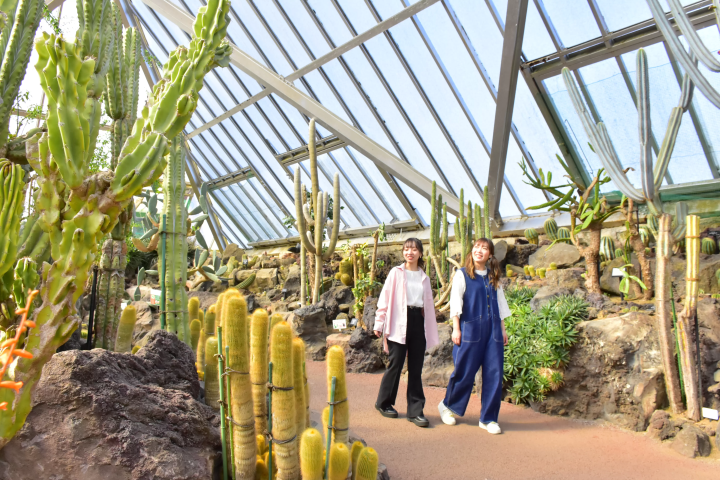
The "Highland Dragon," the park's symbol, marks the entrance to the greenhouse. You'll be overwhelmed by the approximately 1,500 varieties of cacti and succulents. You can see columnar cacti over 5 meters tall, edible prickly pear cacti, small cacti about 3 cm in size, and the "Kinshachi," the king of cacti that has been around for over 170 years. The exit of the cactus greenhouse leads to the "Cactus Hunting Workshop." There are always over 100 varieties of cacti and succulents for sale, and you can create your own one-of-a-kind cactus arrangement.
5. The magnificent scenery of the naturally rich Izu Highlands
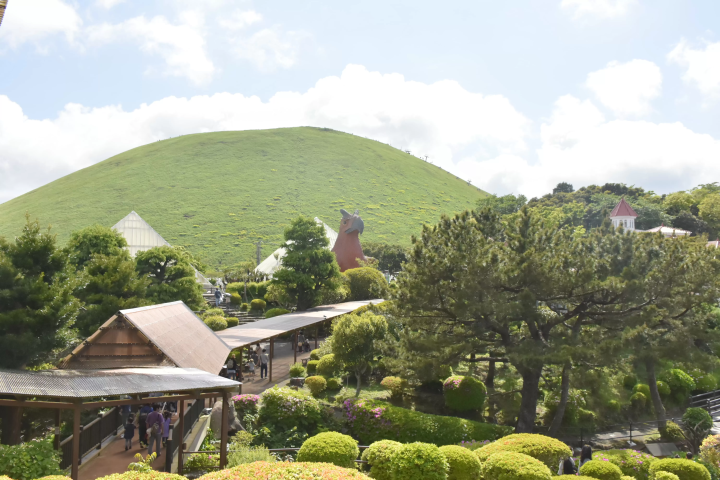
Izu Cactus Zoo is located at the foot of Mount Omuro. The view of Mount Omuro from inside the zoo is of course impressive!
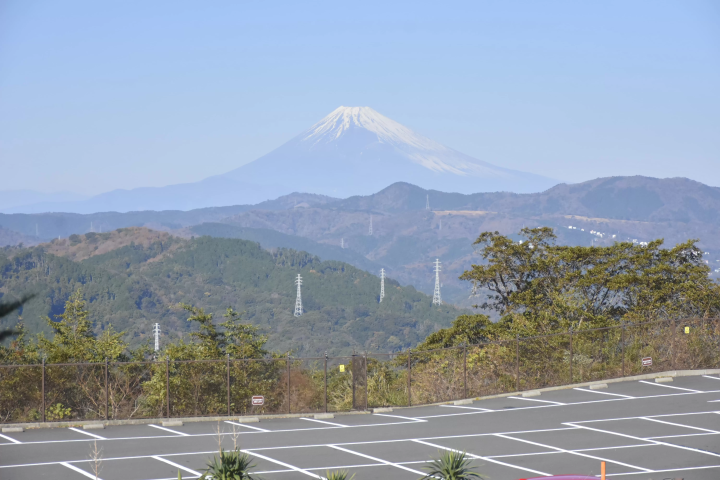
Furthermore, if the weather is good, you can see Mount Fuji from the observation deck!
Izu Cactus Zoo is surrounded by nature and is full of spectacular views.
Souvenirs from Izu Cactus Zoo

In the center of the park, you'll find the "Gift Shop Animal Mart," which offers a wide selection of items, from original goods to classic Izu souvenirs. We recommend animal T-shirts, animal tote bags, and capybara ramen. The "LOVE Yu Capybara," a stuffed capybara holding a yuzu citrus fruit, is unique to the park!
Climate at Izu Cactus Zoo
Futo, Ito City, Shizuoka Prefecture, where Izu Cactus Zoo is located, tends to be humid throughout the year, muggy in the summer, and windy in the winter.
The average summer temperature is 20 to 29°C, and although there are days when it exceeds 30°C, it is relatively short-lived.
The average winter temperature is 3 to 9°C, and snow falls from December to January, so if you are visiting Izu Cactus Zoo in winter, you should check the conditions of the park and the surrounding roads.
Frequently asked questions
Q.Are there coin lockers?
A. Yes, we can. If your luggage is too large to fit in the coin lockers, we will store it at the front desk (for a fee).
Q. Can I bring in food and drinks?
A. Generally, it is possible, but please dispose of your trash in the designated area or take it with you. Please do not feed any food or drink you bring to the animals.
Q.Can I use a credit card?
A. We accept credit cards at the entrance ticket counter (main gate, pedestrian gate), Forest Animal Restaurant GIBBONTEI, and Gift Shop Animal Mart. However, there are no ATMs within the park, so please use a nearby convenience store.
Q.Do you have pamphlets in English?
A. Yes, you can pick them up at the main gate or pedestrian gate.
Create family memories at Izu Cactus Zoo!

Surrounded by the nature of Izu Highlands, Izu Cactus Zoo is the perfect spot for a family holiday, where you can interact with animals and enjoy soothing plant exhibits. Use this article as a reference and make the most of your trip to Izu.
If you want to know more about the surrounding facilities, check out the article below ↓↓↓
![[2025 Latest] A thorough guide to the illuminations at Izu Granpal Park, near Tokyo!](https://resources.matcha-jp.com/resize/200x2000/2025/09/09-243852.webp)


Based in Ito City, Shizuoka Prefecture, the Izu Shaboten Zoo Group operates a variety of leisure facilities, including zoos, theme parks, and glamping facilities. The main facilities they operate include Izu Shaboten Zoo, where about 1,500 species of cacti and about 140 species of animals coexist, Izu Granpal Park, which is full of activities, and Izu Kogen Gran Illumination, which features beautiful nighttime illuminations. They also operate the New York Lamp Museum & Flower Garden, which exhibits Tiffany lamps, and Izu Kogen Travel Station Granpal Port, which offers souvenirs exclusive to Izu. In addition, they have opened the indoor petting zoo AniTouch in Tokyo, Yokohama, Nagoya, Shizuoka, Gunma, and other locations, where visitors can experience close contact and interaction with animals. Through these, they are leisure facilities that continue to provide visitors with diverse experiences and healing.
The contents on this page may partially contain automatic translation.


Special Features
More
















![[Shinjuku Girls' Trip] 4 Recommended Shops for Women at Odakyu Ace!](https://resources.matcha-jp.com/resize/720x2000/2026/05/11-263877.webp)