
Uncover the secrets of Tango Chirimen at TANGO OPEN CENTER
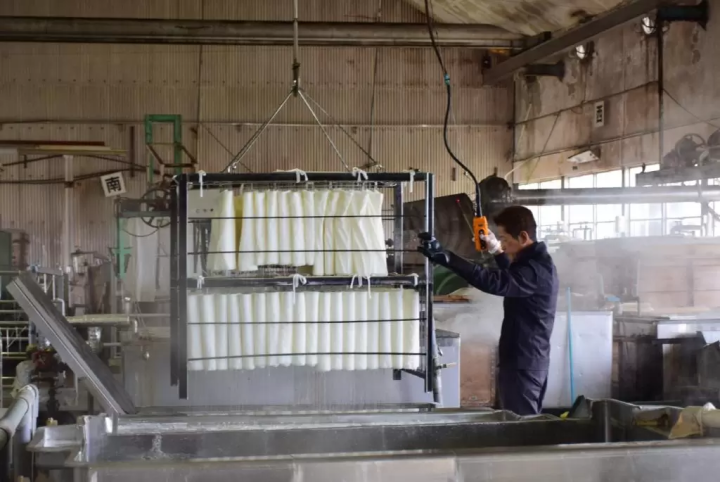
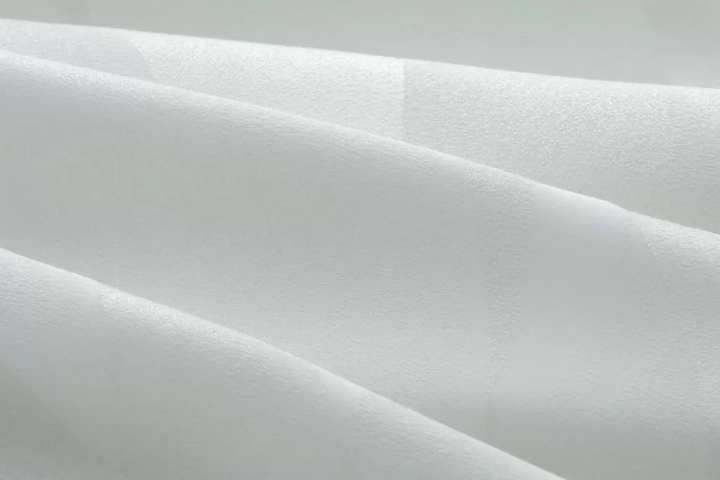
Japan's largest silk textile production area is located in the Tango region in northern Kyoto Prefecture. Tango Chirimen has a 300-year history. It is primarily used for kimono fabric, and combines the beauty and suppleness of silk with the unevenness of the "shibo" (textured surface) that gives it a smooth, comfortable feel.

Written by
The Kyoto by the Sea area is about 99 km from Kyoto city, and can be reached in as little as 90 minutes by car or bus. It is close by and offers another side to Kyoto, with a different atmosphere from the city. Once upon a time, there was an ancient nation (Taniha no Kuni) with an advanced culture that was introduced from the continent, and it was also the secret stage of the creation of Japan. The Kyoto by the Sea area is filled with evidence of its origin, such as the legend of the descent of Toyouke-no-Okami, the oldest god of food, the demon legend of Mt. Oe, and the legend of the Dragon Palace. It is filled with the charms of Japan scattered throughout each era, such as Amanohashidate, which was the source of Kyoto culture that fascinates the world and was longed for by the people of the capital during the Heian and Muromachi periods, the Tango Chirimen Corridor woven with silk that has been spun for 300 years, the modern industrial heritage sites of Maizuru and Ayabe, the one-of-a-kind Ine Funaya landscape born from the work of fishermen, and Fukuchiyama Castle, which conveys the Warring States period to the present day. Furthermore, "Kyoto of the Sea" is a land of abundance, blessed with ingredients beloved by the god of food, such as seafood like Matsuba crab and Ine yellowtail, and rice and vegetables grown in pure water. Furthermore, its natural scenery, including the San'in Coast, a Global Geopark, and the mountains and rivers where gods, Buddhas and even demons reside, pique the curiosity of travelers, whose beauty will soothe their souls. It is a region where the culture of "valuing harmony" has lived on since ancient times, and where kind people are gracious and accommodating to travelers when they encounter it. Everything you taste and encounter here is connected to Japan's roots. This is Kyoto of the Sea, the source of Japan that lives in the heavens, earth, mountains and seas.
This service includes sponsored advertisements.
Required time
Address: 3188 Kawabe, Omiya-cho, Kyotango City, Kyoto Prefecture 629-2502 [Access by Car] 〇 From Kyoto [Kutsukake IC] (approx. 1 hour 30 minutes) Kyoto Jukan Expressway - San'in Kinki Expressway - Kyotango-Omiya IC - R312 (approx. 10 minutes) 〇 From Osaka (approx. 2 hours) Chugoku Expressway - Yoshikawa JCT, Maizuru-Wakasa Expressway - Ayabe JCT, Kyoto Jukan Expressway - San'in Kinki Expressway - Kyotango-Omiya IC - R312 (approx. 10 minutes) [Access by Train] 〇 From JR Kyoto Station or JR Osaka Station (approx. 2 hours 30 minutes by express train) Get off at Kyoto Tango Railway Kyotango-Omiya Station
Transportation
How is grain (bumpy texture) created?
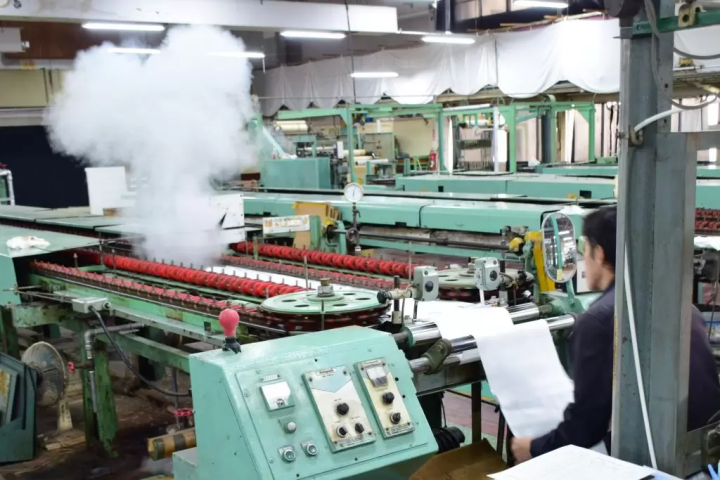
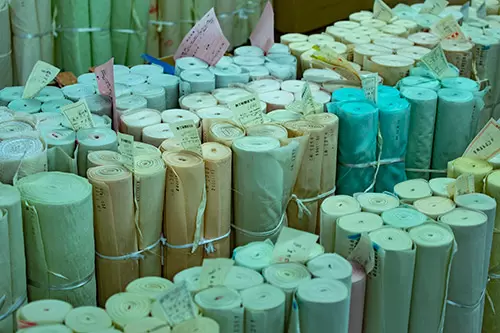
Woven fabrics are made by vertically intersecting warp and weft threads. The weft threads used in Tango Chirimen are "strongly twisted threads." They are made using a machine called a "Haccho twisting machine," which tightly twists the threads together while pouring water over them. This is one of the secrets of Tango Chirimen, and is essential for the texture. However, the texture does not appear in the raw fabric, which has only been woven. Another secret, "scouring," is required.
The "scouring" process carried out by the Tango Textile Industry Association at its processing plant involves washing the stiff, rough fabric in hot water to remove the sericin (a type of protein) and impurities contained in the silk. During this process, the thread shrinks, and the force that tries to untwist the highly twisted weft threads creates a wrinkled appearance.
1300 years of history
The background to the birth of Tango Chirimen is the climate of Tango, with its frequent rains and snow. The moderate humidity makes it difficult for silk threads to break, making it easy to make silk fabric. Perhaps for this reason, the area has a history of about 1,300 years as a silk weaving production area. Its origins are thought to date back to 711 during the Nara period, when a silk fabric called "ashiginu" was presented to Emperor Shomu from Tottori-go, Takeno-gun, Tango Province (present-day Tottori, Yasaka-cho, Kyotango City) in 739, and it is still preserved in the Shosoin Repository.
However, it wasn't until the mid-Edo period, when Tango Chirimen began to be produced, that the area began to have a strong presence as a silk textile production area.
In an effort to save the people of Tango, who were suffering from a decline in the textile industry and famine, Saheiji Kinuya of Mineyama (present-day Mineyama-cho, Kyotango City), who had studied weaving in Nishijin, Kyoto, established a method for producing Tango crepe with a textured finish in 1720. He spread this method widely among the weavers of Tango.
Japan Heritage, a comprehensive production area
Tango Chirimen thus gained popularity as a fabric for kimonos, and Tango became one of Japan's leading silk textile production areas. At its peak in the 1960s, the industry enjoyed a boom known as "Gachaman," and it was said that "if you weave something, you can make tens of thousands of yen."
The history and culture of Tango Chirimen was registered as a Japan Heritage Site in 2017 as the "Tango Chirimen Corridor: 300 Years of Silk Woven."
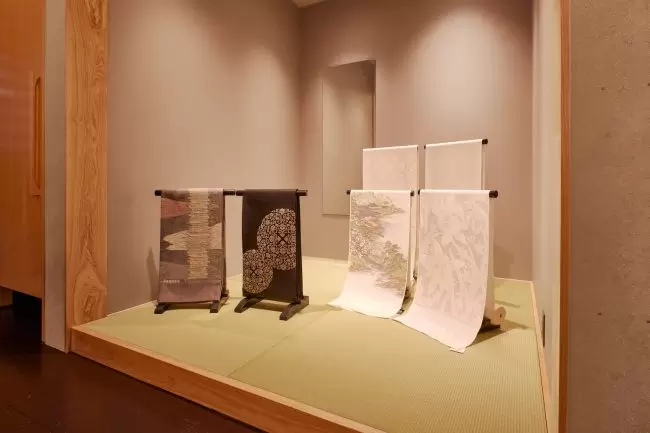
The manufacturing method of Tango Chirimen, which began with silk, has been applied to other materials, and Tango Chirimen is now made from polyester, etc. In addition to Tango Chirimen, other fabrics are also woven in Tango, and the area has evolved into a comprehensive textile (fabric) production area.
Finding a way forward for industrial tourism
In order to protect the traditional production areas that have been passed down from their predecessors, the Tango Textile Industrial Association has embarked on a new challenge to find a way forward in industrial tourism. This is the "TANGO OPEN VILLAGE" concept, which was announced for 2023. The aim is to add industrial tourism functions to the site of the association headquarters, which currently houses the processing plant, and to increase the value of the production area by attracting people from both Japan and abroad.
Plans are underway to include dining and lodging facilities, and the aim is to eventually open a textile museum similar to those found in overseas textile-producing regions such as Lyon, France.
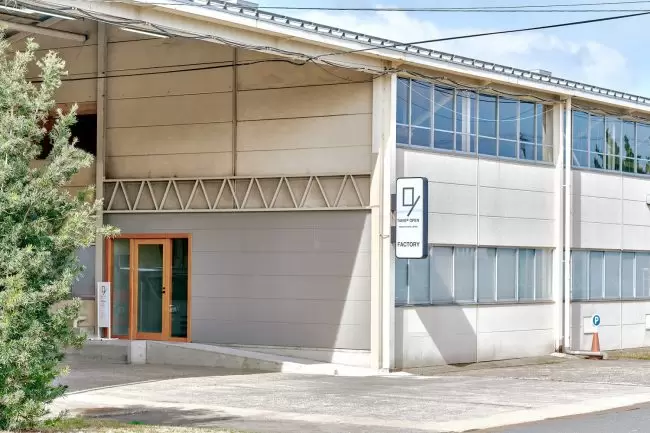
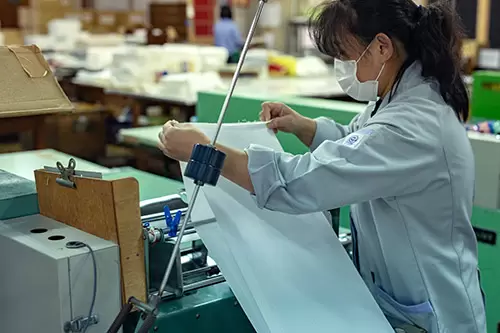
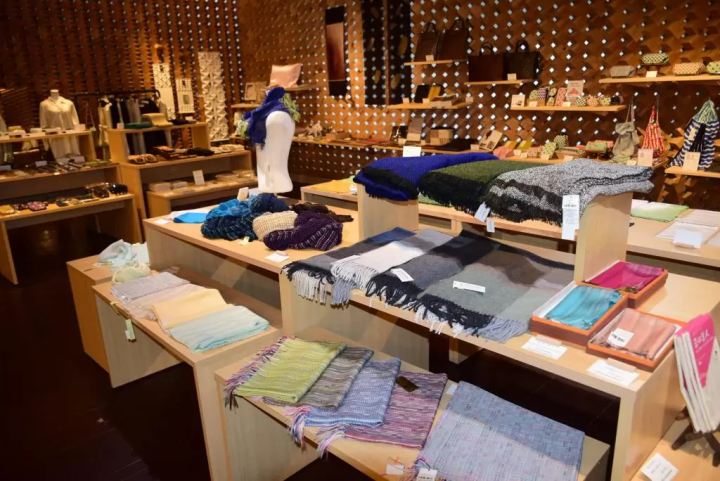
The first step in this initiative was the Tango Open Center, which opened in June 2024. Its two main functions are an "open factory" that shows the scouring and other processes to the public, and a "factory shop" that displays and sells Tango textile products.
Open Factory Tour
Tango is the largest producer of silk fabrics in Japan for dyeing kimonos. We are now offering a factory tour called "The World of Refining," where you can see the refining process of Tango Chirimen.
Weekday (Monday to Friday) tour times: 10:00, 11:00, 13:30, 14:30, 15:30, 5 times in total
[Advance reservations required] Tour duration: approximately 60 minutes. Factory tour fee: 1,000 yen (tax included) for those 18 years and older, 500 yen (tax included) for those under 18. Includes a Tango Chirimen Walnut Button Workshop (you can experience making your own original magnets and badges).
For reservations of 10 or more people, or reservations more than 60 days in advance, please call us. Please note that reservations for small groups may be grouped together with other groups. TEL: 0772-68-5151 If you have difficulty connecting with the above number, please call 0772-68-5302 or 0772-68-5211 .
Directly managed shops and workshops
Our directly managed shop sells Tango textiles and other products, as well as other local products. We also hold workshops that allow you to experience the fascinating world of Tango Chirimen. You can also come just for the factory tour, workshop, or scouring and dyeing experience. Anyone is welcome to attend, so please come along with your family and friends. The dates and fees for each workshop vary. Please check below. If there is availability, you can also apply on-site on the day, but we ask for your cooperation in making a reservation.
Shop opening days: Weekdays (Monday to Friday)
Hours: 10:00-16:30 Phone: 0772-68-5151 If you have difficulty connecting with the above number, please contact us at 0772-68-5302 or 0772-68-5211 .
Location: TANGO OPEN CENTER reception (inside the Tango Textile Industrial Association processing plant)
Workshop (fee required, reservation required)
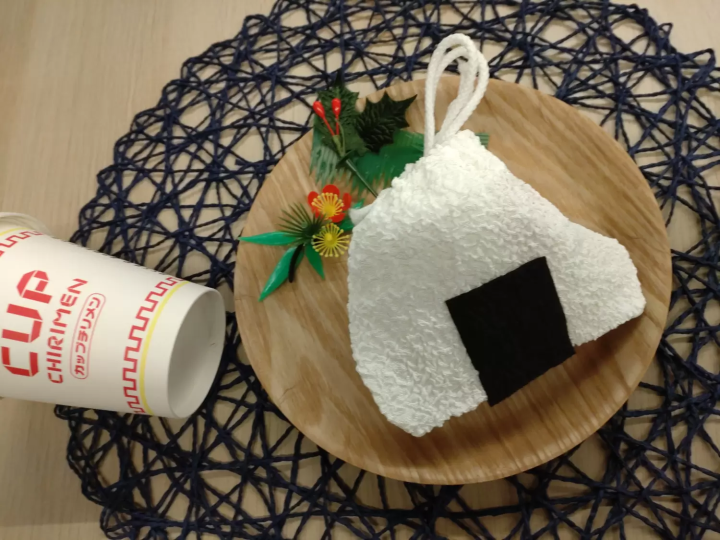
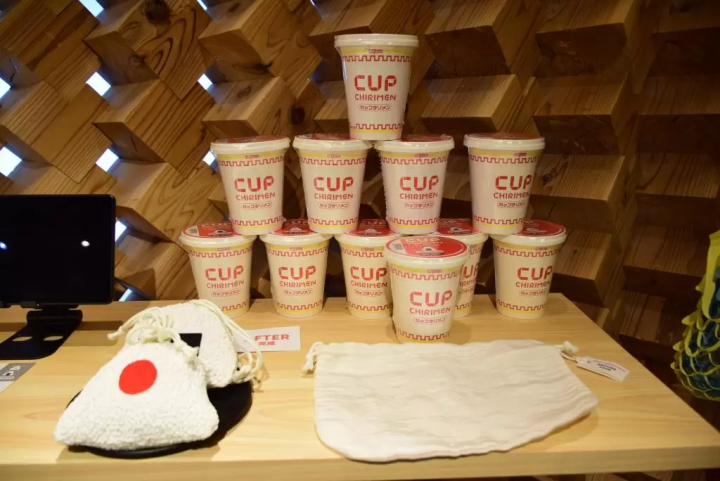
Cup Chilimen Workshop (Time required: approx. 30 minutes) 2,500 yen (tax included)
This workshop involves shrinking Tango Chirimen (polyester) fabric (immediately after weaving) in hot water to create drawstring bags shaped like rice balls.
Tango Chirimen scouring and dyeing experience
0772-64-2490 Tango Textile Industrial Association Processing Plant *Please make a reservation by phone. (Weekdays: 8:00-17:00)
Business days: Weekdays (Monday to Friday)
Time: Morning session 10:00, Afternoon session 14:00
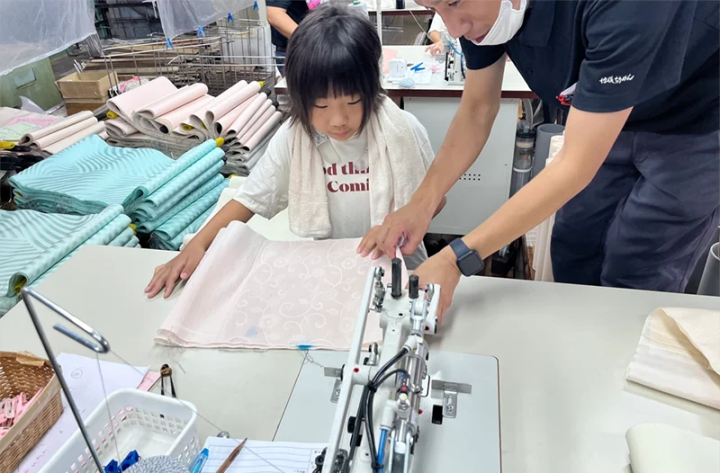
Tango Chirimen Refining and Dyeing Experience
〇 Scouring experience (required time: about 2 hours) 5,500 yen (tax included) 〇 Dyeing experience (required time: about 2 hours) 5,500 yen (tax included)
Please choose your preferred fabric: Tango Chirimen fabric (1m) or Obiage fabric (1.7m).
(Time required: approximately 1 hour 30 minutes) 3,300 yen (tax included)
Handkerchief dyeing experience
This is a dyeing experience using a handkerchief dyeing kit.
Spots introduced in this itinerary
The Kyoto by the Sea area is about 99 km from Kyoto city, and can be reached in as little as 90 minutes by car or bus. It is close by and offers another side to Kyoto, with a different atmosphere from the city. Once upon a time, there was an ancient nation (Taniha no Kuni) with an advanced culture that was introduced from the continent, and it was also the secret stage of the creation of Japan. The Kyoto by the Sea area is filled with evidence of its origin, such as the legend of the descent of Toyouke-no-Okami, the oldest god of food, the demon legend of Mt. Oe, and the legend of the Dragon Palace. It is filled with the charms of Japan scattered throughout each era, such as Amanohashidate, which was the source of Kyoto culture that fascinates the world and was longed for by the people of the capital during the Heian and Muromachi periods, the Tango Chirimen Corridor woven with silk that has been spun for 300 years, the modern industrial heritage sites of Maizuru and Ayabe, the one-of-a-kind Ine Funaya landscape born from the work of fishermen, and Fukuchiyama Castle, which conveys the Warring States period to the present day. Furthermore, "Kyoto of the Sea" is a land of abundance, blessed with ingredients beloved by the god of food, such as seafood like Matsuba crab and Ine yellowtail, and rice and vegetables grown in pure water. Furthermore, its natural scenery, including the San'in Coast, a Global Geopark, and the mountains and rivers where gods, Buddhas and even demons reside, pique the curiosity of travelers, whose beauty will soothe their souls. It is a region where the culture of "valuing harmony" has lived on since ancient times, and where kind people are gracious and accommodating to travelers when they encounter it. Everything you taste and encounter here is connected to Japan's roots. This is Kyoto of the Sea, the source of Japan that lives in the heavens, earth, mountains and seas.
The contents on this page may partially contain automatic translation.


Special Features
More







![[Mie] TOBA SEASIDE HOTEL Dining Guide | Popular Buffet & Seasonal Menu Introduction](https://resources.matcha-jp.com/resize/720x2000/2026/05/11-263832.webp)
![[80 minutes by train from Kyoto ] Experience the countryside in Fukuchiyama City , Kyoto Prefecture , a special place only locals know about](https://resources.matcha-jp.com/resize/720x2000/2025/12/19-253414.webp)