
Visiting the southernmost temple on the Shikoku pilgrimage route—a quiet prayer felt at Kanjizaiji Temple in Ainan Town
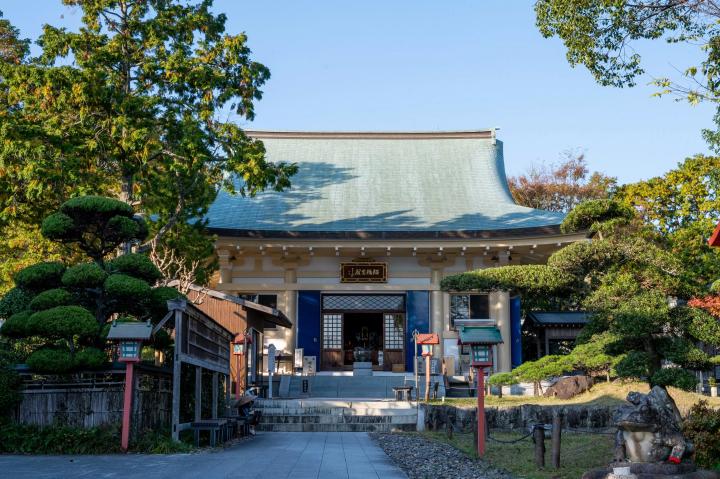
Kanjizaiji Temple is a historic temple known as the 40th temple on the Shikoku 88 Temple Pilgrimage. It is said to have been founded by Kukai, also known as Kobo Daishi. This article introduces Kanjizaiji Temple.

Written by
Located in the southernmost part of Shikoku's Ehime Prefecture, Ainan Town is an area blessed with a rich natural environment, including the abundant sea and mountains represented by the Ashizuri-Uwakai National Park. The climate is warm throughout the year, and you can see coral and tropical fish.
This service includes sponsored advertisements.
-
Table of Contents
- What is Kanjizaiji Temple?
- The special feeling of it being the "starting temple" of the Shikoku Pilgrimage.
- The history of the Shikoku pilgrimage and Kanjizaiji Temple
- A tranquil atmosphere can be felt in the quiet temple grounds.
- A town where you can feel the culture of the Shikoku Pilgrimage.
- detail
- How to get to Kanjizaiji Temple
What is Kanjizaiji Temple?
Ainan Town, located in Ehime Prefecture in southwestern Shikoku, is a quiet town surrounded by abundant nature and a calm sea. While it lacks the flashy tourist attractions, this town, where time seems to slow down, retains historical temples and beautiful scenery. Among them, Kanjizaiji Temple is a particularly popular destination. Known as the 40th temple of the Shikoku 88 Temple Pilgrimage, it is the southernmost temple on the Shikoku pilgrimage route. For pilgrims on their journey, this place marks an important milestone.
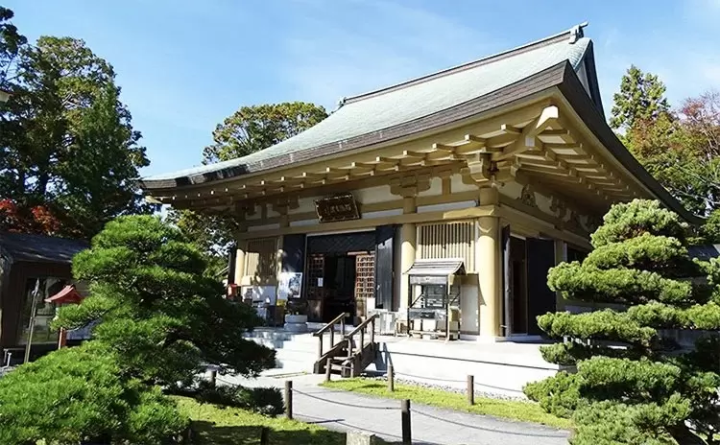
The special feeling of it being the "starting temple" of the Shikoku Pilgrimage.
Kanjizaiji Temple is the 40th temple on the Shikoku 88 Temple Pilgrimage, but it is actually the first temple in Ehime Prefecture and the first temple visited in Iyo Province. In other words, for pilgrims, reaching this temple after crossing the mountain paths of Kochi and walking a long distance is a significant milestone. Within the temple grounds, you can see pilgrims with relieved expressions, their hands clasped in prayer, reminding you that this is an important resting place in their journey.
The history of the Shikoku pilgrimage and Kanjizaiji Temple
The Shikoku 88 Temple Pilgrimage is one of Japan's most representative pilgrimage traditions, attracting many visitors not only from across the country but also from overseas. This pilgrimage is said to have been founded by Kukai, a monk from the Heian period, also known as "Kobo Daishi." Kanjizaiji Temple is also considered one of the temples founded by Kukai. The temple has a long history and has welcomed many pilgrims over the years. The sight of pilgrims dressed in white pilgrimage attire and wearing straw hats walking around the temple grounds is an everyday scene in this region. For pilgrims, Kanjizaiji Temple is a place where they can truly feel that they have reached the southern tip of Shikoku. For those who have walked a long journey, the moment they arrive at this temple holds special meaning.
A tranquil atmosphere can be felt in the quiet temple grounds.
Kanjizaiji Temple is not a large temple. However, its tranquil atmosphere is its charm. Located in a place surrounded by mountains and nature, stepping onto the grounds allows you to feel a quiet atmosphere away from the hustle and bustle of the city. In the main hall, the principal image, Yakushi Nyorai (Medicine Buddha), is enshrined. Yakushi Nyorai is worshipped as a Buddha who heals illnesses, and many people visit to pray for health and protection from illness. It is an important place of prayer not only for pilgrims but also for local people. Furthermore, the temple grounds are surrounded by nature that changes with the seasons; flowers bloom in spring, and a landscape of calm colors unfolds in autumn. If you take a leisurely stroll and enjoy the atmosphere of the temple, you will feel a sense of peace in your heart.
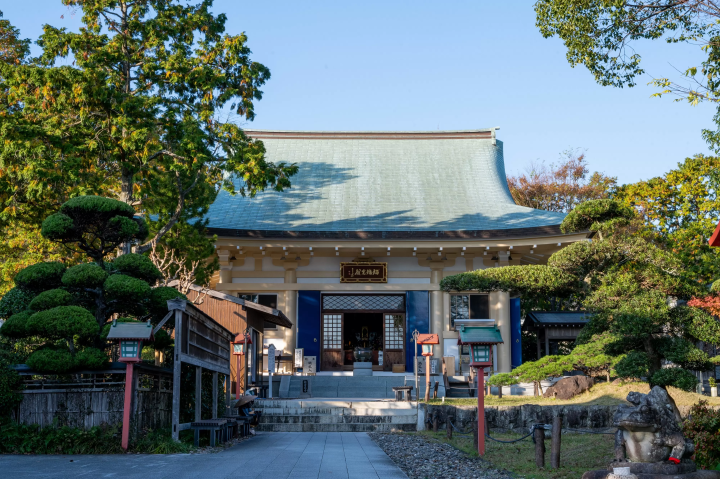
A town where you can feel the culture of the Shikoku Pilgrimage.
In Ainan Town, the culture of "Osettai," which warmly welcomes pilgrims, is highly valued. Osettai is the custom of offering pilgrims drinks, food, and places to rest. This culture of selfless kindness has been passed down for generations. As you walk through the town, you may see locals greeting pilgrims. This kind of warm interaction is one of the charms of the Shikoku pilgrimage. Visiting Kanjizaiji Temple allows you to experience not only tourist attractions but also Japanese history, culture, and the connections between people. After visiting Kanjizaiji Temple as a stop on your Ainan Town sightseeing trip, be sure to enjoy the town's nature. Beautiful seas and tranquil port town scenery surround the town, making it a region where you can feel the charm of nature, especially within Shikoku. Fresh seafood is also one of Ainan Town's attractions. Dishes made with locally caught seafood will further enrich your travel experience. Ainan Town is a place where historical temples and rich natural scenery coexist. Kanjizaiji Temple is a place that quietly conveys this charm. This spot is recommended not only for those on a pilgrimage around Shikoku, but also for travelers who want to spend some relaxing time.
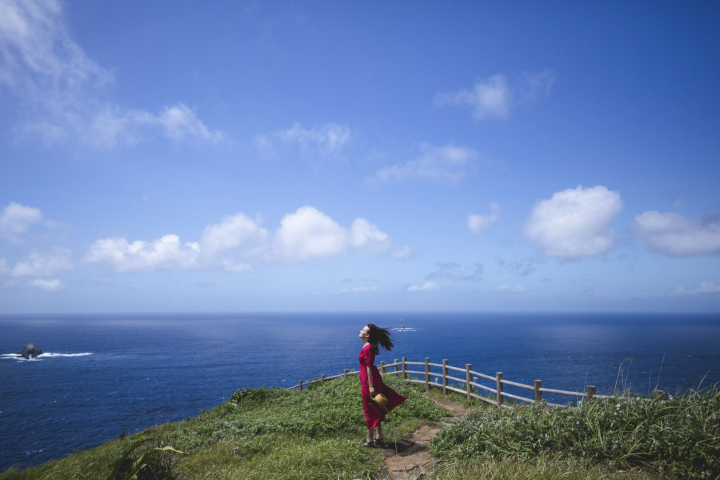
Why not experience a moment of quiet prayer at Kanjizaiji Temple, the southernmost temple on the Shikoku pilgrimage route?
detail
| address | 2253-1 Misato-Heijo, Ainan-cho, Minamiuwa-gun, Ehime Prefecture |
| TEL | 0895-72-0416 |
| Visiting hours | Free entry (sutra copying available from 7:00 to 17:00) |
| Features (Notes, etc.) | Shikoku 88 Temple Pilgrimage, Temple No. 40 |
How to get to Kanjizaiji Temple
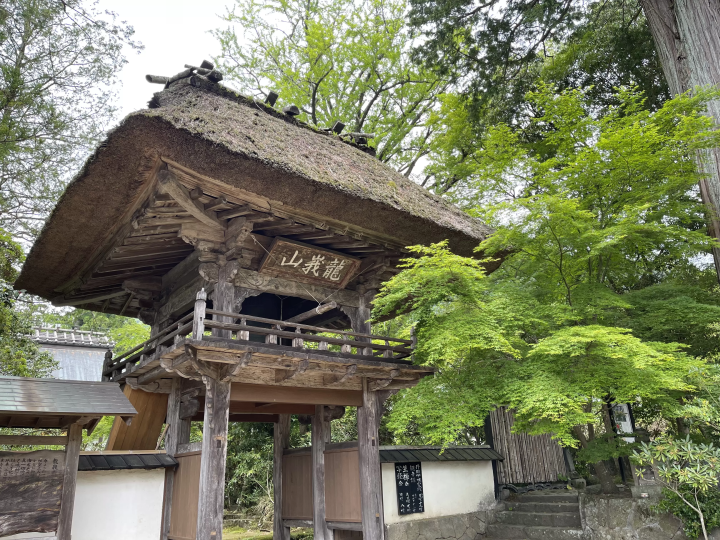
If you are coming from Matsuyama City and heading towards Kanjizaiji Temple, continue south on National Route 56 and enter Ainan Town. After driving for a while in Ainan Town, you will see signs for "Kanjizaiji Temple" and "Misho". Follow these signs and turn right towards Misho. Continue straight after turning right and you will enter a town with houses and shops, where you will see signs for Kanjizaiji Temple. Follow the signs and you will soon see the temple gate and parking lot of Kanjizaiji Temple, and you have arrived.
It takes approximately 10 to 15 minutes by car from the entrance to Ainan Town to Kanjizaiji Temple. *This may vary depending on traffic conditions.

Located in the southernmost part of Shikoku's Ehime Prefecture, Ainan Town is an area blessed with a rich natural environment, including the abundant sea and mountains represented by the Ashizuri-Uwakai National Park. The climate is warm throughout the year, and you can see coral and tropical fish.
The contents on this page may partially contain automatic translation.


Special Features
More










![[2026 Latest] Direct bus trip from Osaka to Shirahama! OCAT departure to Nanki Shirahama bus travel guide](https://resources.matcha-jp.com/resize/720x2000/2026/05/21-264354.webp)
