
A wire mesh stretches all the way to the ceiling! Ride the Super Jungle Bus and experience the thrill of Fuji Safari Park!
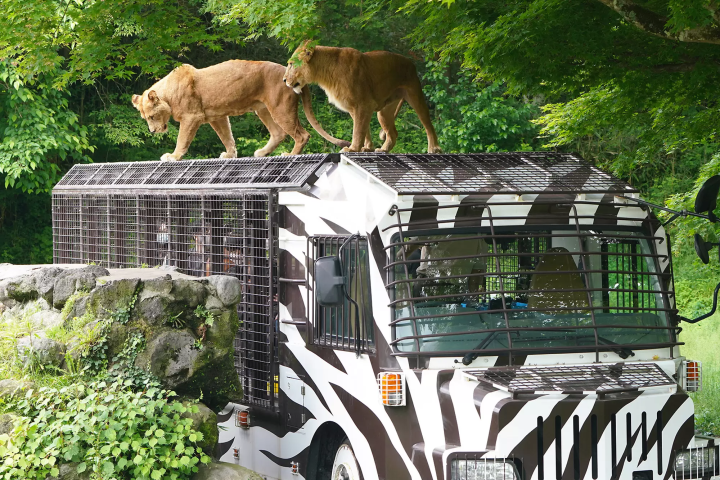
When touring the free-roaming Safari Zone at Fuji Safari Park, we recommend taking the tour bus rather than driving your own car! The animal-shaped Jungle Bus is also popular, but if you want an even more impressive experience, try the Super Jungle Bus, which is covered in wire mesh all the way to the ceiling!

Written by
Located at an altitude of 850m, this is one of the largest safari parks in Japan. In the vast natural surroundings at the foot of Mt. Fuji, about 800 animals from 60 species, including lions, Amur tigers, and giraffes, live freely. The park is divided into a "Safari Zone" and a "Placement Zone," where you can take your time to observe the animals and enjoy interacting with them in a natural environment.
This service includes sponsored advertisements.
-
Table of Contents
- What kind of facility is Fuji Safari Park?
- Admission and Super Jungle Bus application procedures
- What kind of experience can you have on the Super Jungle Bus?
- How to enjoy the Super Jungle Bus!
What kind of facility is Fuji Safari Park?
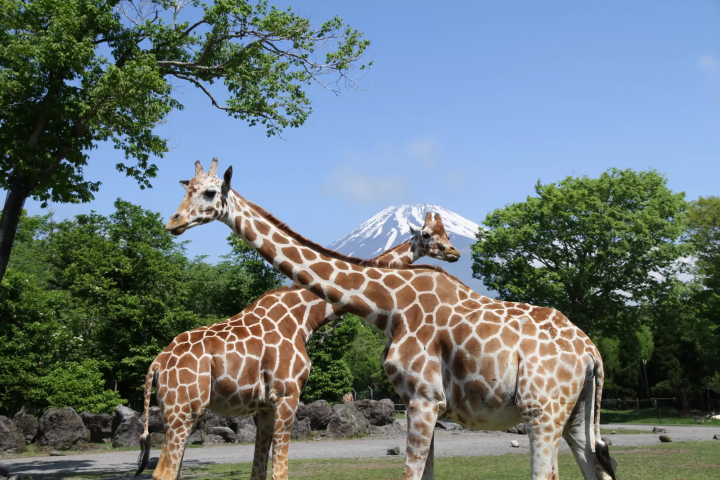
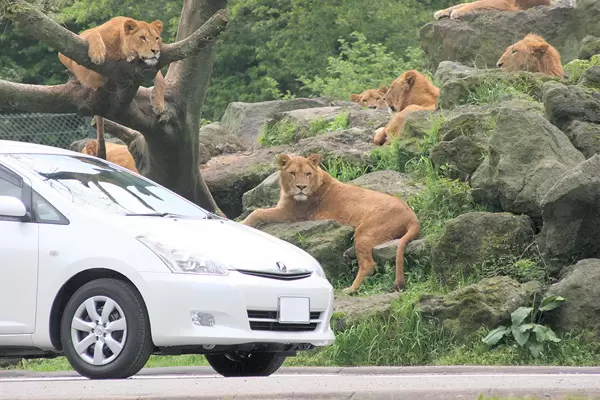
This is one of Japan's largest safari parks, where approximately 800 animals from 60 different species, including lions, giraffes, and elephants, live freely in the vast natural environment at the foot of Mount Fuji. The park is divided into two areas: the Safari Zone and the Interaction Zone. The Safari Zone can be toured by car or sightseeing bus, while the Interaction Zone can be toured on foot. Another popular attraction is the Walking Safari, where you can observe animals while walking through the forest course that runs along the perimeter of the Safari Zone!
Admission and Super Jungle Bus application procedures
You can enter the park from your car

When you arrive at Fuji Safari Park, you will first check in at the entrance toll booth. An admission fee is required for each person using the park, and can be paid by credit card or cash.
Adults (high school students and above): 3,200 yen Children (ages 4 to junior high school students): 2,000 yen Seniors (65 and above): 2,500 yen
Buy your e-ticket in advance to save on admission fees

You can get great deals by registering in advance with Fuji Safari Park's ticket service "MySAFARI" and purchasing an electronic ticket.
Electronic admission tickets can be used once within 90 days of purchase, but please note that changes to the number of people or refunds cannot be made after purchase. We recommend purchasing tickets on the day of your visit.
Adults (high school students and above)... 3,200 yen ⇒ 2,700 yen Children (ages 4 to junior high school students)... 2,000 yen ⇒ 1,700 yen
Purchase a Super Jungle Bus ticket

Once you pass through the entrance toll gate, park your car in the parking lot. Tickets for the Super Jungle Bus can be purchased at the information desk next to the toll gate, so simply walk through the parking lot.
The ticket machine in the information center only sells Jungle Bus tickets, so if you would like to purchase a Super Jungle Bus ticket, please ask a member of staff at the reception counter next to the ticket machine. Select your desired time from the schedule and purchase your ticket.
*Two to four trips per day on weekdays, four to seven trips per day on weekends and holidays *Due to high demand, tickets may sell out
Super Jungle Bus tickets can be reserved and purchased in advance through the ticket service "MySAFARI," but please note that reservations are limited to approximately 10% (approximately 20 seats) of the buses that operate each day. Otherwise, tickets will be sold on a first-come, first-served basis on the day of the bus.
What kind of experience can you have on the Super Jungle Bus?
About the Super Jungle Bus
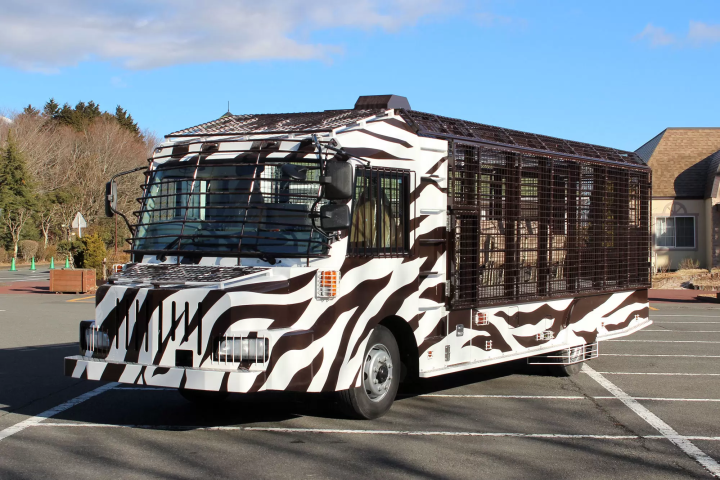
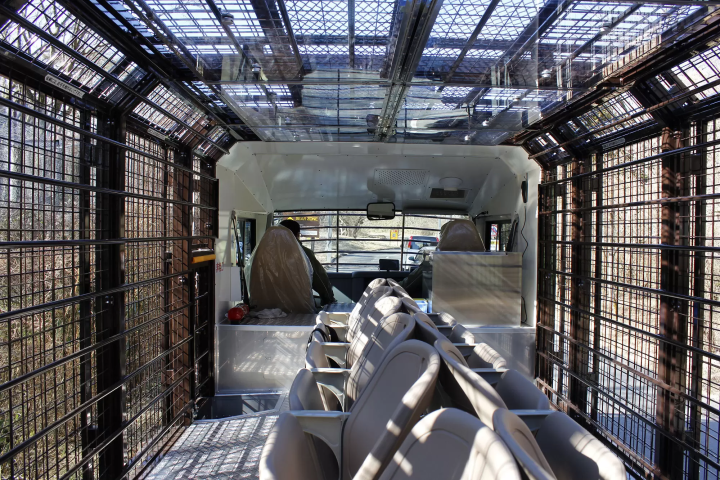
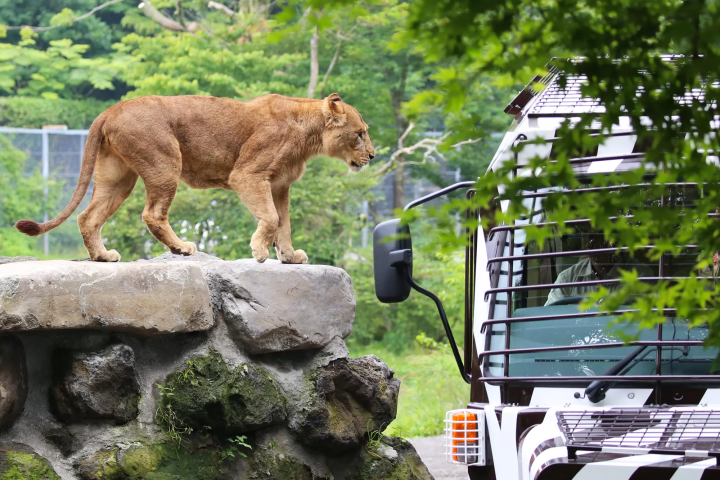
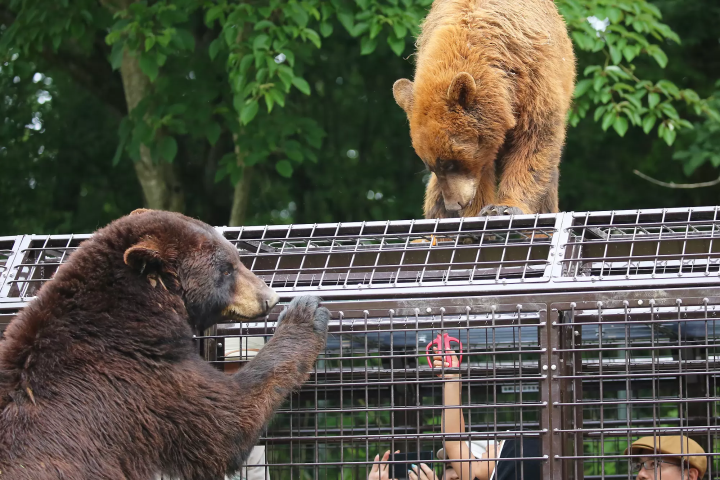
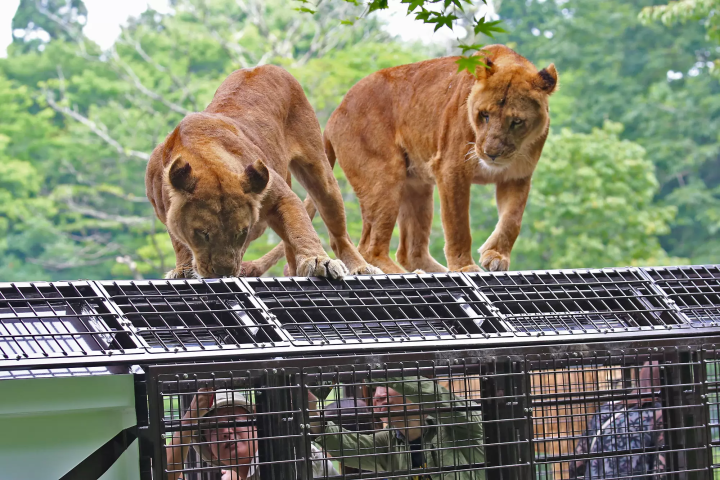
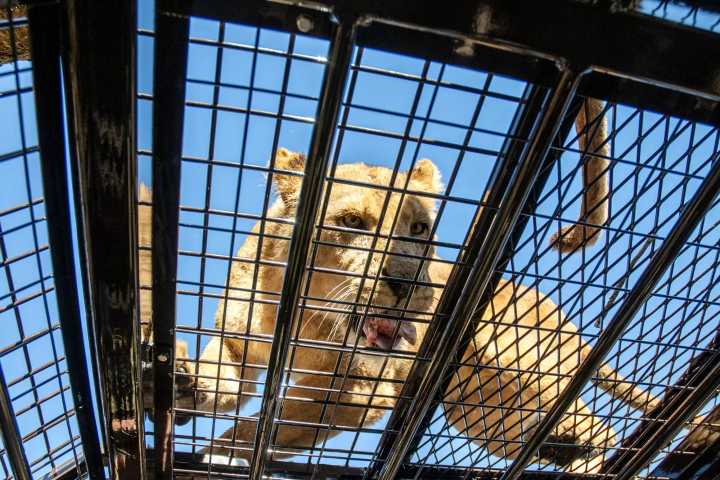
You'll travel around the Safari Zone in a bus with wire mesh on both sides and even on the ceiling. Not only can you listen to animal commentary from staff, but you can also feed animals such as bears, lions, and Asian elephants along the way. On the Super Jungle Bus, bears and lions will climb onto the ceiling, allowing you to observe the animals from a rarely seen angle and enjoy the experience of feeding them. It's an exciting experience where you can even feel the animals' breathing.
*Animal explanations are in Japanese
Super Jungle Bus fares and travel times
◆ Usage fee: 2,100 yen / person (for elementary school students and above)
◆Time required: Approximately 60 minutes◆Note: Children under elementary school age are not permitted to ride. Also, elementary and junior high school students cannot ride alone, so in such cases, a parent or guardian must be present.
Things to note when riding the Super Jungle Bus
・Please arrive at the bus stop 5 minutes before departure time.
・You will not be able to get off the bus while it is in operation, so please use the restroom beforehand.
・Eating is not permitted on the bus.
・Trains will operate in light rain, but as the ceiling and sides are covered with wire mesh, rain will blow into the carriages.
・Umbrellas cannot be used on the bus, so please wear a raincoat or similar.
* Poncho-style raincoats: sold for 200 yen each
Those who cannot use the Super Jungle Bus
The bus generally travels on paved roads, but will travel on unpaved roads during the animal feeding experience. As the bus may shake violently, the following people are not permitted to ride:
・Those who have been drinking alcohol, those who suffer from motion sickness, those who cannot maintain a stable posture in the seat, those with high blood pressure, those with heart, spinal cord, neck, back or waist problems, and pregnant women should refrain from riding.
・People with disabilities may not be able to ride depending on their characteristics, so please consult us in advance.
How to enjoy the Super Jungle Bus!
Listen to detailed and entertaining animal commentary from your driver!
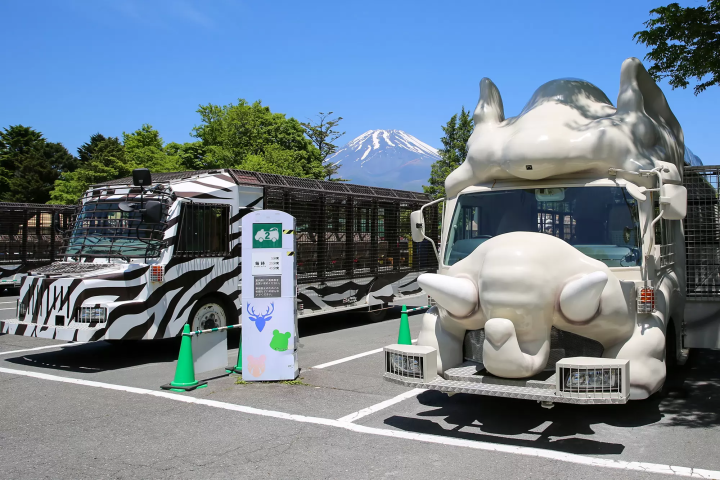
The safari zone, which is 4.5 km in circumference, is divided into seven areas, and the Super Jungle Bus driver will guide you around while giving commentary about the animals.
1. Bear Zone 2. Lion Zone 3. Tiger Zone 4. Cheetah Zone 5. Elephant Zone 6. General Herbivore Zone 7. Mountain Herbivore Zone

For example, in the lion zone, you'll learn things like, "Lions are unusual among felines in that they live in groups. These groups are called prides!" and "They sleep 15 to 18 hours a day, spending most of the day asleep."
You can hear interesting facts and information about animals!
*Animal explanations are in Japanese
Also, along the course, you can enjoy feeding animals at three locations: bears, lions, and camels.
Bear feeding experience
In the bear zone, you can feed apples and carrots to the American black bears. Using the iron tongs provided under your seat, you can push the food out through the wire mesh on the ceiling. The bears will approach you from angles you've never seen before!
Lion feeding experience
In the Lion Zone, you can feed the lions chicken with bones. You can also observe their bellies and paw pads, and when they open their mouths wide, you can see their sharp fangs and rough tongues.
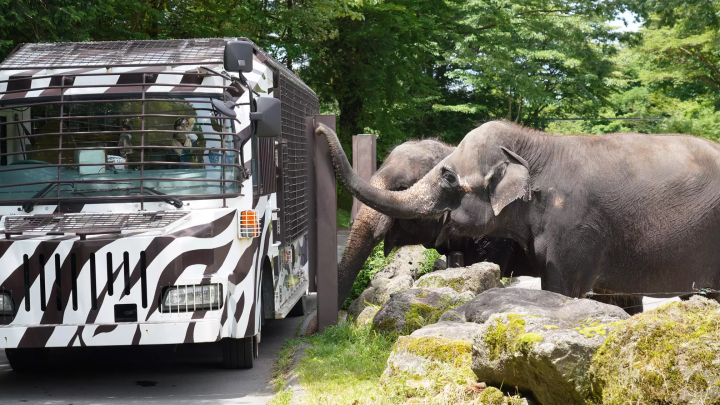
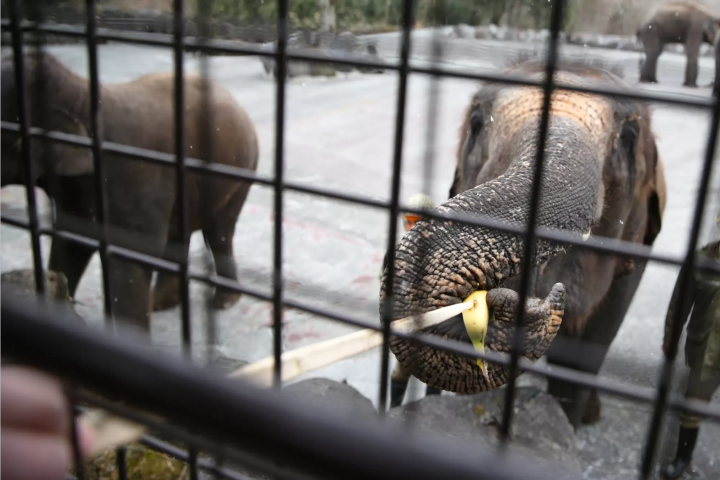
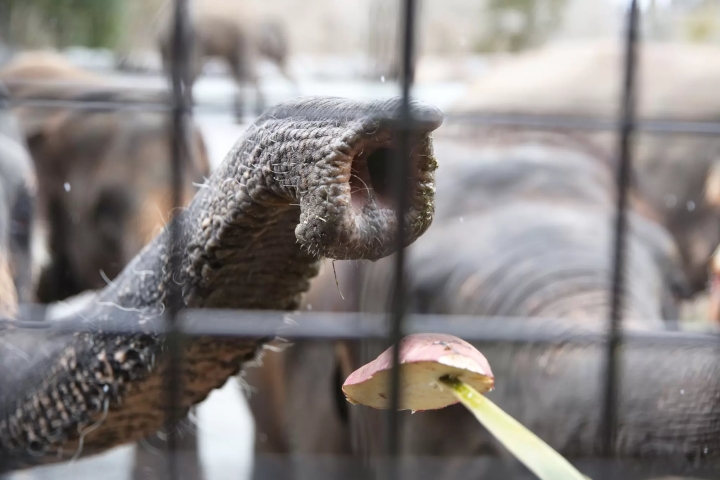
In the elephant zone, you can feed sweet potatoes to the Asian elephants, which weigh over three tons. When you place the food outside through the wire mesh on the side, the elephant will extend its trunk and skillfully use its long trunk to roll up the food and bring it to its mouth.
Asian elephant feeding experience
Observe other animals while listening to the driver's commentary
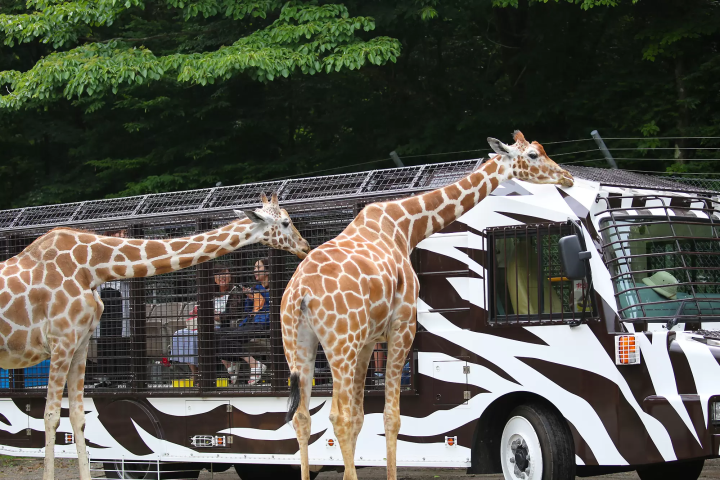
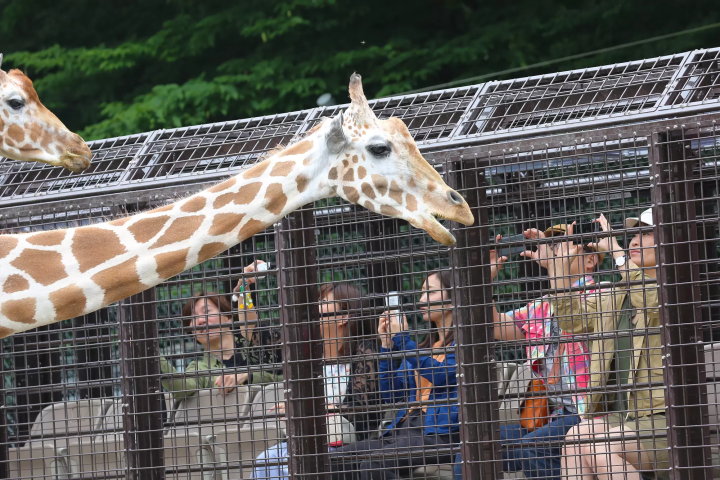
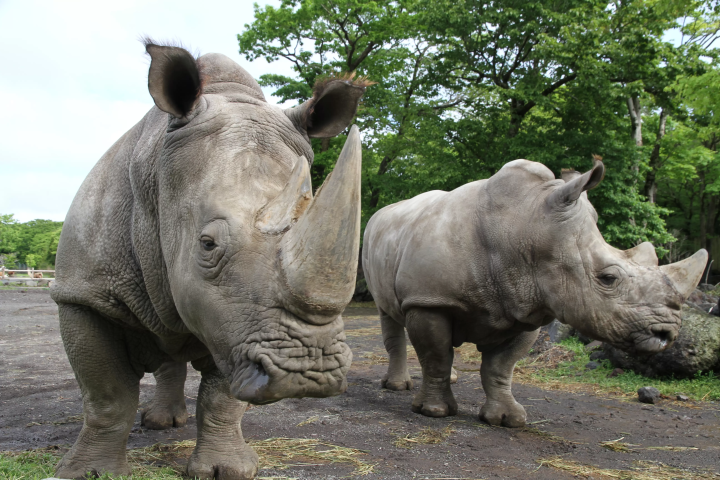
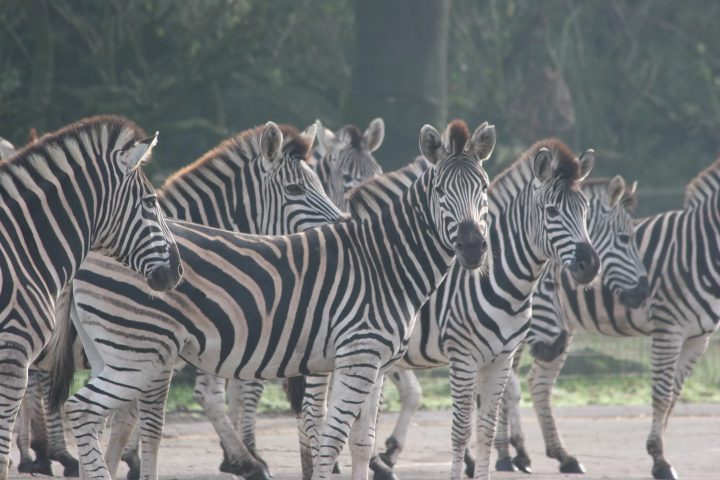
In the herbivore zone, giraffes may even approach the bus! You can also observe herds of white rhinos and zebras, and listen to explanations about the animals' characteristics and ecology as you enjoy the 60-minute safari tour.
Located at an altitude of 850m, this is one of the largest safari parks in Japan. In the vast natural surroundings at the foot of Mt. Fuji, about 800 animals from 60 species, including lions, Amur tigers, and giraffes, live freely. The park is divided into a "Safari Zone" and a "Placement Zone," where you can take your time to observe the animals and enjoy interacting with them in a natural environment.
The contents on this page may partially contain automatic translation.


Special Features
More










![[Introducing our English Program] Experience English-language activities at KidZania Tokyo!](https://resources.matcha-jp.com/resize/720x2000/2026/05/19-264204.webp)

![Enjoy popular spots in Okayama Prefecture with the great value digital travel ticket [Okayama Hare Tabi Passport]!](https://resources.matcha-jp.com/resize/720x2000/2025/04/28-232194.webp)