Cultural Encounters at Sanyo-so: The Tale of Genji and Noh Theater
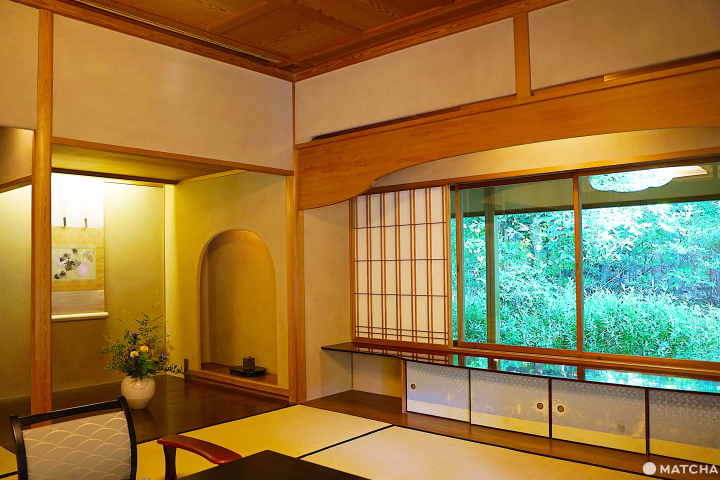
The elegant guest rooms at Sanyo-so Ryokan in Izu offer a deep connection to Japan's sophisticated culture, being named after chapters from The Tale of Genji or Noh plays. Discover the charm of staying in these beautiful rooms, complete with tranquil garden views.

Written by
Tokyo, Japan
MATCHA's promotional account for corporate and local government advertising. We aim to provide useful information to our readers in an enjoyable manner.
This service includes sponsored advertisements.
Sanyo-so: A Treasure Trove of Japanese Culture
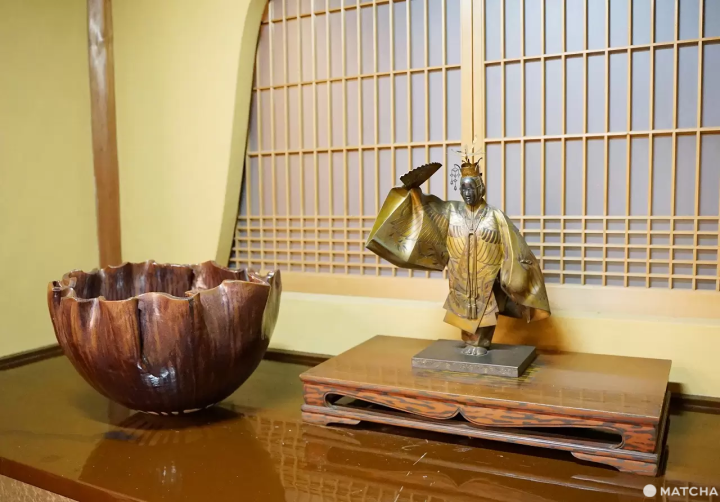
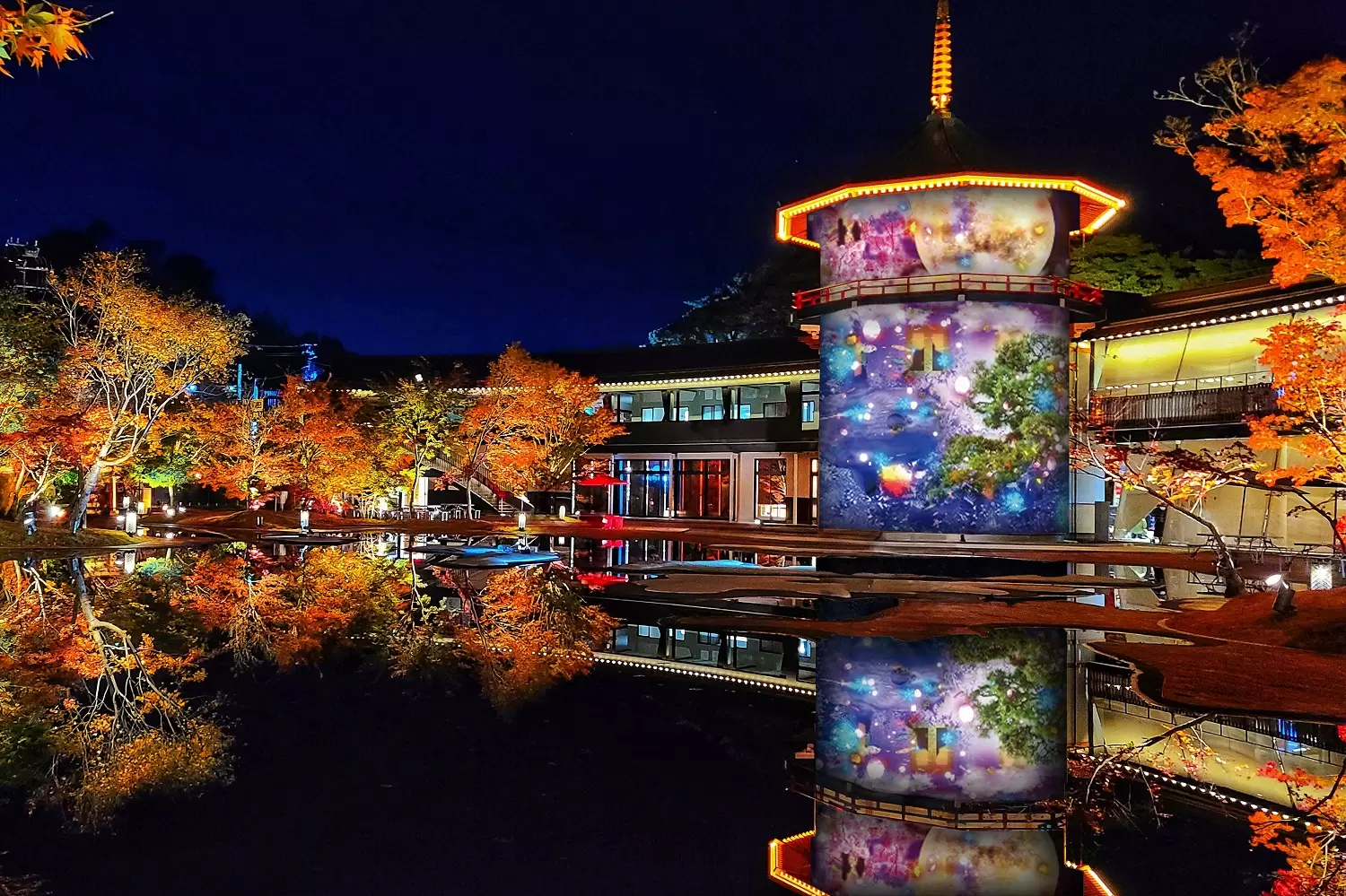
This art piece, displayed at Sanyo-so, was probably inspired by the Noh play "The Celestial Feather Robe"
Sometimes, you visit a beautiful place with high expectations, only to discover a reality that is far beyond what you imagined—a sight that makes your heart race and renders that location eternally special.
This was my experience visiting Sanyo-so. I knew it was a famous, history-rich ryokan in Izu, having hosted prime ministers and imperial guests. I was also aware of its magnificent garden, designed by Ogawa Jihei VII, a renowned Kyoto landscape artist, in the late 1920s.
The true surprise was discovering that the guest rooms bear the same title as episodes from The Tale of Genji, the world's first novel, and classic Noh plays. Each room goes further, featuring art and objects specifically curated to evoke its namesake story.
In this article, we'll delve into the cultural encounters awaiting you as a guest at Sanyo-so—experiences that offer deeper insights into Japanese culture and truly enrich your stay.
-
Table of Contents
- Sanyo-so's Historical Background
- Guest Rooms Named After Noh Plays: Takasago, Matsukaze
- Guest Rooms Named After The Tale of Genji: Wakamurasaki, Hatsune
- Experience the Depth of Japanese Culture at Sanyo-so
*The exclusive 5% discount is visible on the reservation page only after you select your dates.
Sanyo-so's Historical Background
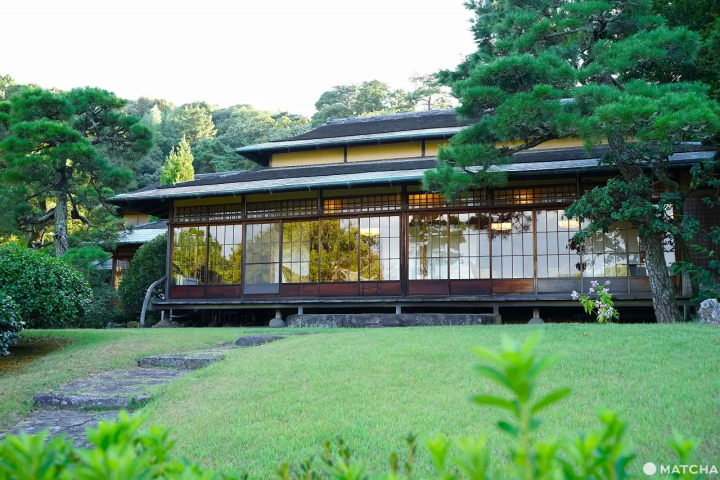
The main building of Sanyo-so, known as the old wing, was completed in 1929. It originally served as a villa for Iwasaki Hisaya (1865-1955), the second-generation leader of the Mitsubishi Corporation.
While Mitsubishi's influence on the Japanese economy was immense, Iwasaki Hisaya was also a deeply cultured individual who made significant contributions to Japanese arts and knowledge.
For instance, he founded the Toyo Bunko Museum, Japan's largest research library for Oriental studies, and donated what is now the Kiyosumi Garden to the Tokyo Metropolitan Government, among other contributions.
When staying at Sanyo-so in July 2025, we noticed that the guest rooms in the old wing were named after Noh plays.
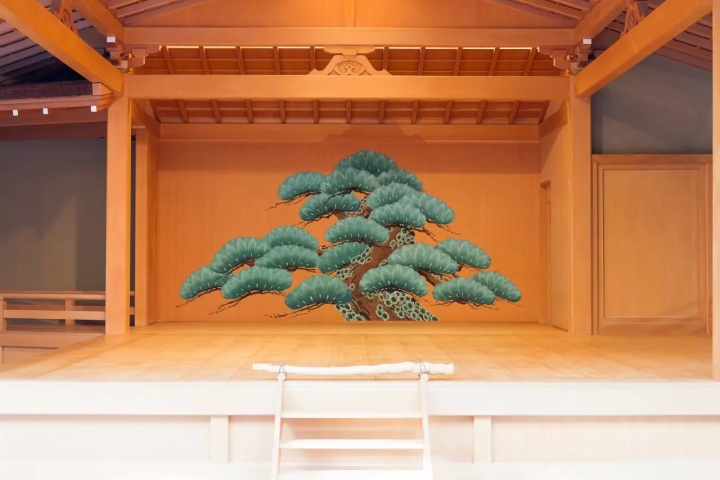
Noh theater stage. Photo by Pixta
Noh theater had served as the official entertainment of the warrior class during the Edo period (1603-1868). Like many aspects of warrior culture, its very existence was threatened after the collapse of the shogunate and the restoration of imperial power in 1868.
This traditional stage art, with its ancient roots, managed to survive thanks to the protection it received from Emperor Meiji and other members of the Imperial House, who recognized its value extended far beyond its history with the samurai class.
In 1908, a major event further fueled Noh's revival: the discovery of several treatises by the Noh actor and playwright, Zeami (1363-1443). These writings shed new light on the theater's roots and ideals, creating a surge of interest and firmly establishing Noh's popularity as a sophisticated Japanese stage art in the modern era.
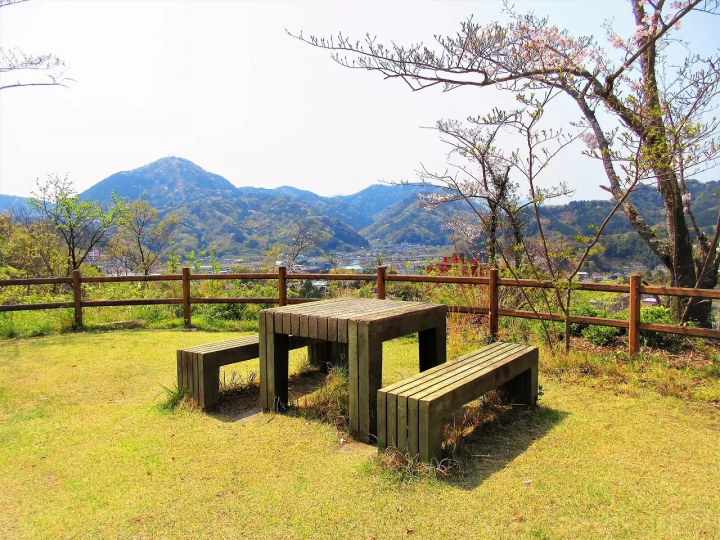
The summit of Mount Genjiyama in Nagaoka Onsen. Photo by Pixta
The new wing of Sanyo-so was completed in 1988, and its guest rooms have the same title as chapters from The Tale of Genji. While the exact reason for this naming choice is not recorded, it may have been inspired by the ryokan's location near Mount Genjiyama in Shizuoka's Nagaoka Onsen area.
Thanks to this rich cultural theme, each guest room at Sanyo-so tells a story, inviting you to immerse yourself in its unique ambiance and explore deeper layers of Japanese culture.
Continue reading as we reveal the subtle yet deliberate details in each room that enhance the ambiance and enrich your cultural journey.
Guest Rooms Named After Noh Plays
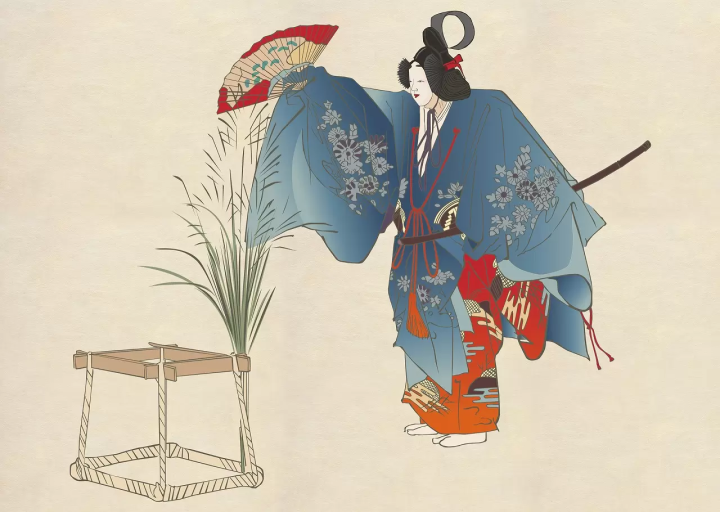
Illustration of the Noh play "Izutsu." Photo by Pixta
Noh theater is a classical stage art that originated in the 14th century, characterized by its emphasis on elegance and themes of loyalty and valor. Highly regarded by Japan's historical ruling class, it developed into a deeply elaborate and refined performance.
Many Noh plays are based on old legends and classic literature, linking them profoundly to the heart of Japanese culture.
Below, we introduce some of the Sanyo-so guest rooms that are named after these enduring Noh masterpieces.
Takasago: A Story of Marital Happiness and Longevity
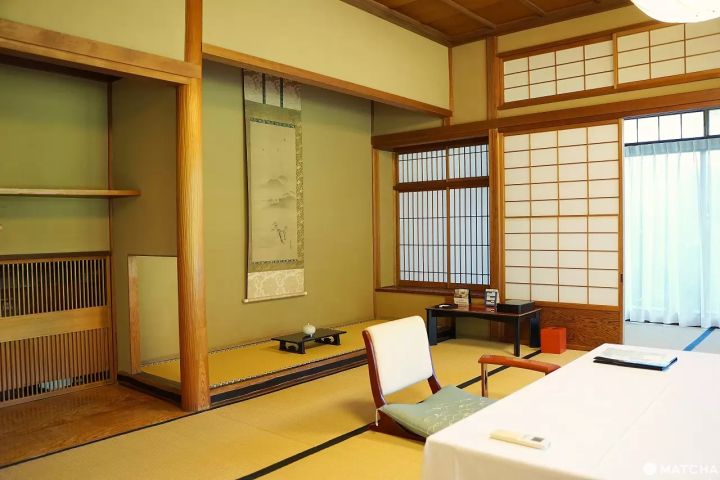
Takasago is a beautiful private annex (hanare) nestled in the garden. To reach it, you'll enjoy a scenic stroll along the pathways, taking in the seasonal views.
This serene hideaway features two traditional Japanese rooms and a spacious bathing room with overflowing hot spring water. Takasago accommodates up to five guests, making it the perfect choice for a three-generation family stay.
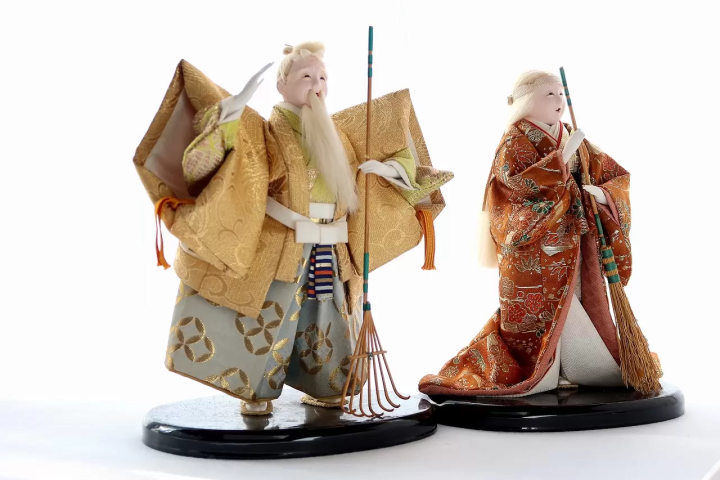
Takasago dolls are a popular wedding present in Japan. Photo by Pixta
The Noh play "Takasago" centers on the deities of Takasago Shrine (Hyogo) and Sumiyoshi Shrine (Osaka), who appear in the story as a harmonious old married couple.
The legend underpinning the play is that these two gods reside in pines that grow together, even though the shrines themselves are separated by roughly 80 km across the Seto Inland Sea. This distance is a central symbolic element: while the locations are apart, the deities represent a couple whose bond transcends separation.
Because of this auspicious message, the chants of "Takasago" are traditionally recited at Japanese weddings to wish the new couple a joyful, enduring marriage—just like the deities—and a long, healthy life, symbolized by the evergreen pine.
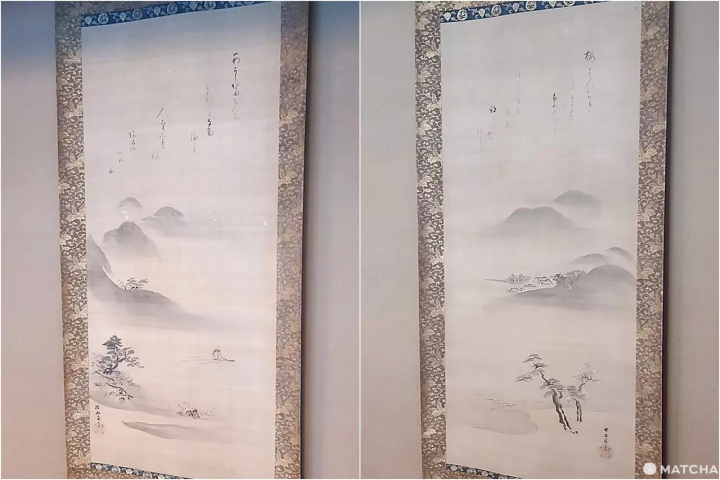
The elegance and tranquility of the Takasago guest room perfectly mirror the atmosphere of the classic Noh play it is named after.
Look closely at the kakejiku (hanging scroll) in each of the room's two sections. You'll notice they depict pine trees growing on opposite sides of the seashore. These pines are beautifully positioned to face each other across the water, which may be a subtle, artistic rendering of the legendary deity couple from the "Takasago" play, whose love transcends distance.
Matsukaze: Veranda with Garden Views and a Love Story that Transcends Centuries
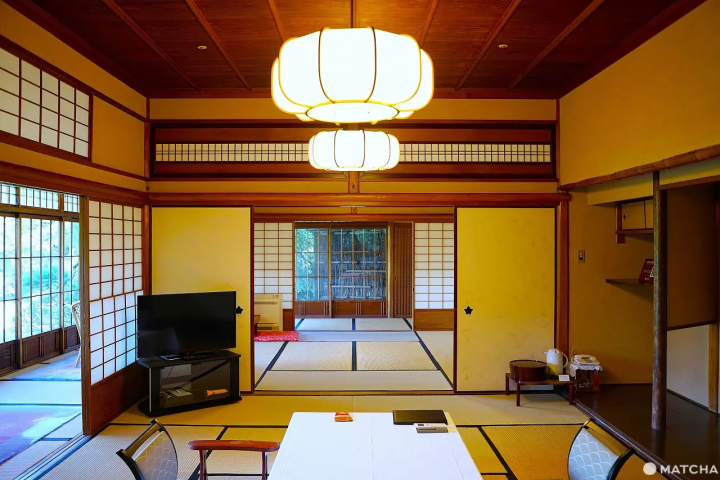
Matsukaze is a beautiful Japanese guest room featuring a private veranda with serene garden views.
Its name may have been inspired by the classic Noh play, "Matsukaze" (Breeze through the Pines), one of the repertoire's most popular works. Created in the mid-14th century, the play tells the deeply moving story of two sisters, Matsukaze and Murasame, whose spirits cling to their love for the exiled noble, Ariwara no Yukihira—a theme of love that transcends death.
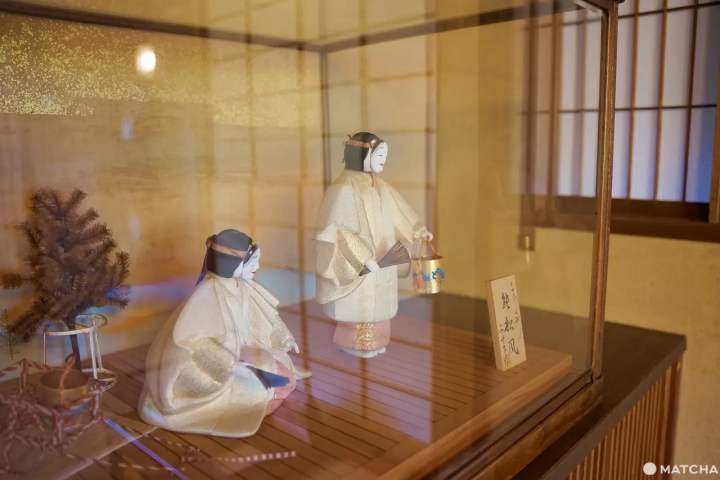
Inside, a delicate art piece representing the two sisters graces the alcove (tokonoma), subtly immersing you in the story.
With its tranquil garden scenery and beautiful literary history, Matsukaze offers the perfect environment for rest and contemplation. It's a place to gather your thoughts, step away from daily bustle, and feel refreshed by the peaceful setting of Izu's Nagaoka Onsen.
In the old wing, several other rooms carry the names of beloved Noh plays, including Oimatsu, Tomoe, and Kagetsu. We encourage you to look up the fascinating background story of your room's name during your stay; this literary connection should also bring enjoyment to your stay at Sanyo-so.
Guest Rooms Named After The Tale of Genji
"The Tale of Genji" is a literary masterpiece written by the noblewoman and poet Murasaki Shikibu in the early 11th century. Composed during the zenith of Japan's court culture in the Heian period (794–1185), it is widely regarded as the world's first novel.
The story follows Hikaru Genji, a handsome nobleman and son of the Emperor, as it masterfully explores the intricacies of his love life and the refined politics and customs of the Heian court.
Some of the guest rooms in Sanyo-so's new wing have the same name as chapters from "The Tale of Genji." This design choice invites guests to feel fully immersed in the classical atmosphere of this immensely popular and influential story.
Wakamurasaki: Japanese-Western Deluxe Room with Spacious Veranda
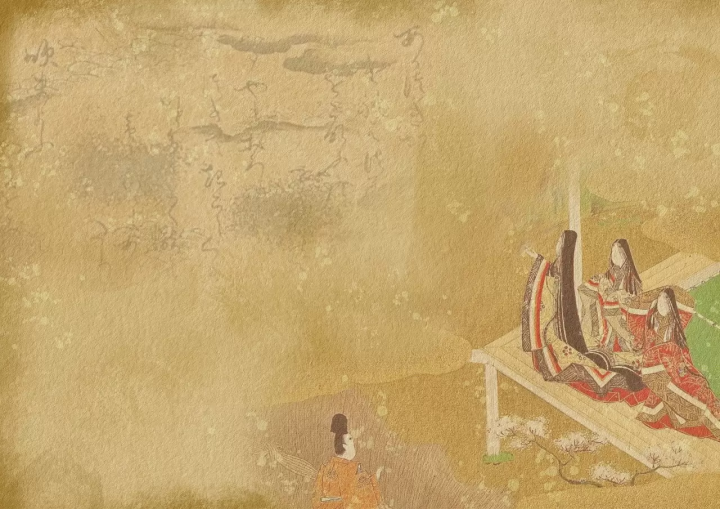
Illustration based on Tosa Mitsuoki's work "Wakamurasaki" from picture scroll Genji Monogatari Emaki. Photo by Pixta
Could it be that the Wakamurasaki room was named after the pivotal chapter in The Tale of Genji where the prince first encounters the beautiful young Wakamurasaki? She eventually becomes his wife and the greatest love of his life.
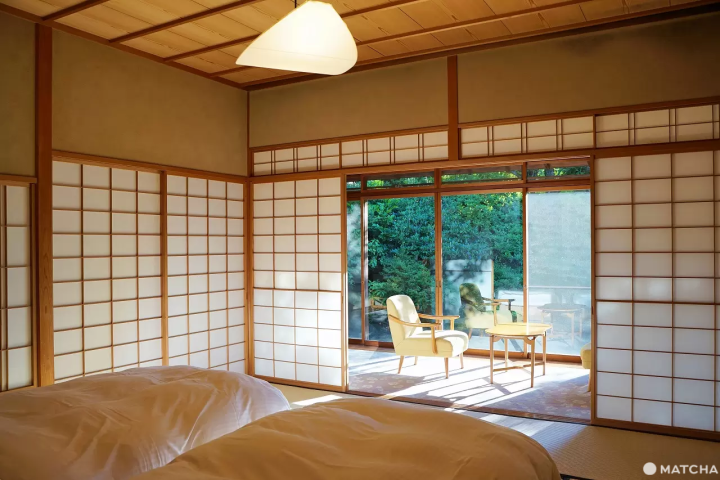
This picture was taken in a different room of the same type as Wakamurasaki
This deluxe room features a hybrid-style layout. It beautifully combines the classic elegance of a Japanese space—complete with a low table and tokonoma (alcove)—with the modern comfort of a Western-style bedroom and plush beds.
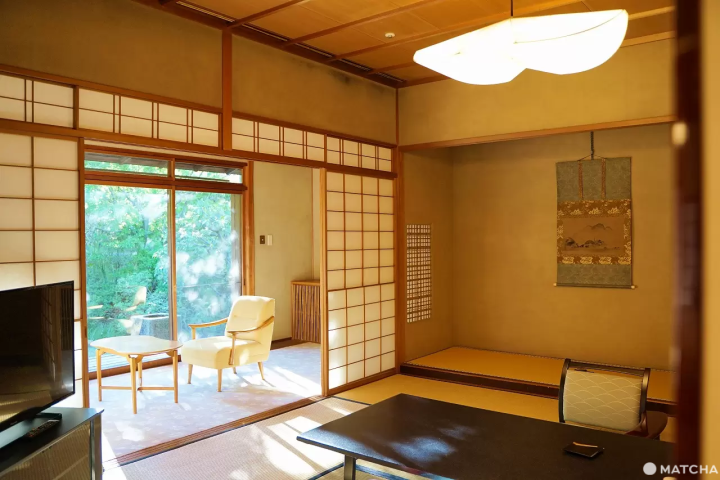
This picture was taken in a different room of the same type as Wakamurasaki
A spacious, relaxing veranda extends the living area, offering a perfect spot to sit and enjoy the serene garden, watching its ambiance shift beautifully throughout the day.
Hatsune: A Three-Room Suite to Celebrate New Beginnings
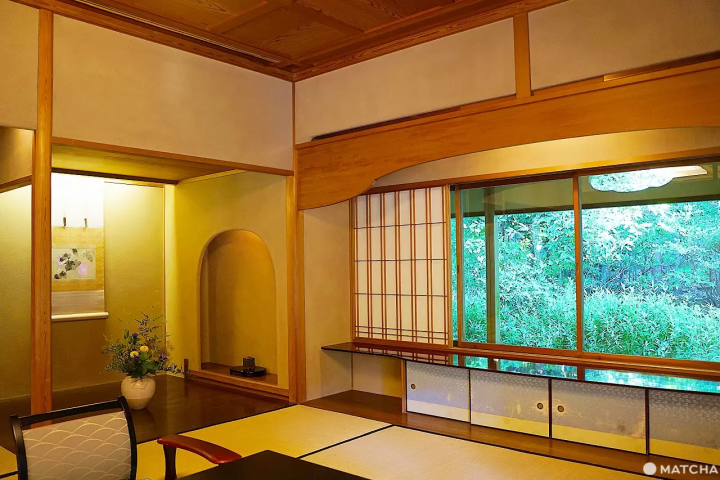
The Hatsune suite has the same name as the 23rd chapter of The Tale of Genji, "The Warbler's First Song," which centers on auspicious New Year's greetings. This theme makes the suite perfectly suited for celebratory occasions, such as anniversaries or promotions.
This expansive suite features three traditional Japanese rooms, complete with a refined tokonoma (alcove) and a private hot spring bathing room. Accommodating up to eight guests, Hatsune is ideal for large family trips or group travel.
A private veranda offers direct access to the garden, creating a wonderful sense of tranquil detachment from the outside world.
Other Spaces with Names from The Tale of Genji
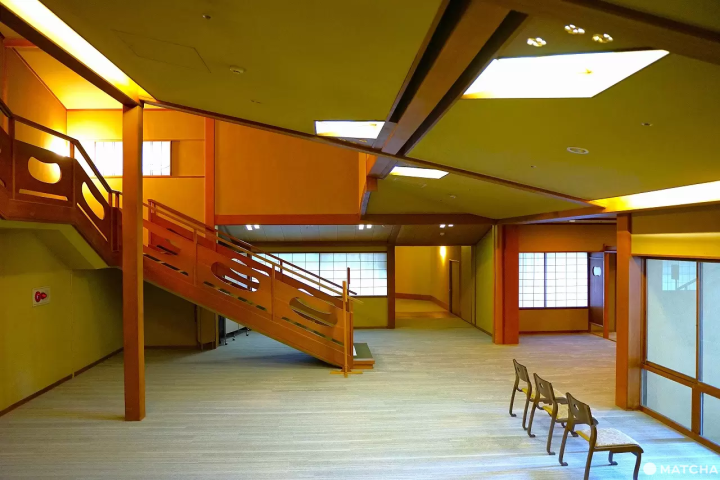
The deep connection to The Tale of Genji continues throughout our new wing, where several guest rooms have the same name as key chapters, including Yugiri, Kashiwagi, Sawarabi, and Ukifune.
This theme extends to the lounge and souvenir shop Aoi, named after the chapter featuring Lady Aoi, Hikaru Genji's wife. The space's refined elegance beautifully mirrors the sophisticated atmosphere of the classic novel.
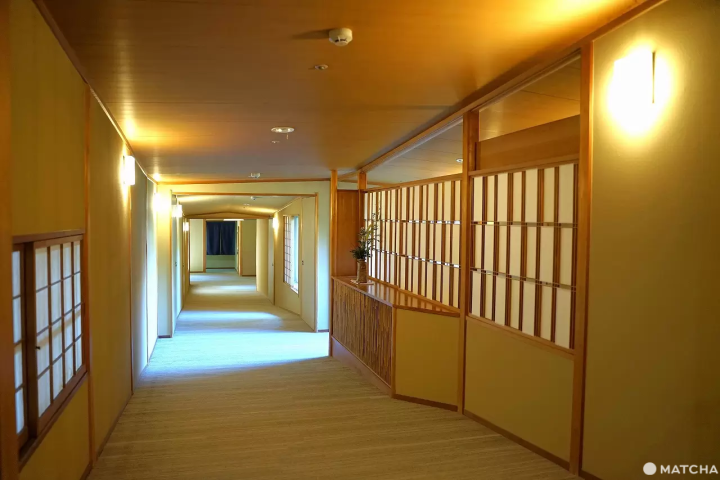
Moreover, the exquisite architecture of Sanyo-so evokes the feeling of Rokujoin, the vast palace Hikaru Genji built to house the loves of his life.
The corridors offer sweeping garden views and are decorated with tasteful Japanese art, ensuring that every corner transports you with its artistry and elegance into the heart of Japanese culture.
Experience the Depth of Japanese Culture at Sanyo-so
Beyond the breathtaking, seasonal beauty of the garden, your stay will be enriched by the classic tales evoked by your room's name.
We invite you to stay at Sanyo-so to immerse yourself in the gifts of nature and the elegance of Japanese culture, ensuring a truly unforgettable visit.
Read also

Sponsored by Sanyo-so
Written by Ramona Taranu
MATCHA's promotional account for corporate and local government advertising. We aim to provide useful information to our readers in an enjoyable manner.
Special Features
More