
Dive into the World of Tea at Chaju Green Tea Store!
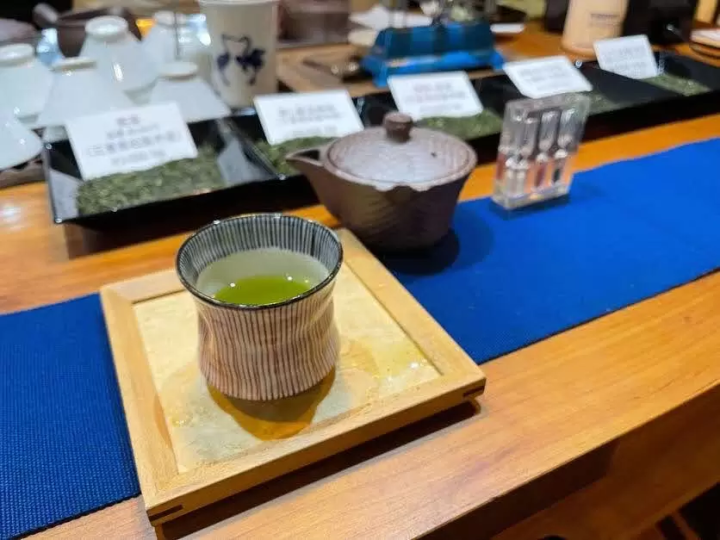
This time, we will participate in a tea tasting and blended tea experience in Matsusaka City to deepen our knowledge of tea.

Written by
Matsusaka City, Mie Prefecture is located almost in the center of Japan, where you can enjoy world-class gourmet Matsusaka beef, rich history and culture, and beautiful nature. During the Edo period, Matsusaka was the final post town for pilgrimages to Ise-mairi (a pilgrimage to Japan's highest-ranking shrine). These merchants succeeded in trading Matsusaka cotton in Edo and brought prosperity to Matsusaka.
This service includes sponsored advertisements.
How
Much Do You Know About Tea?
Did you know that green tea, oolong
tea, black tea, and pu-erh tea all came from the same tea leaves?
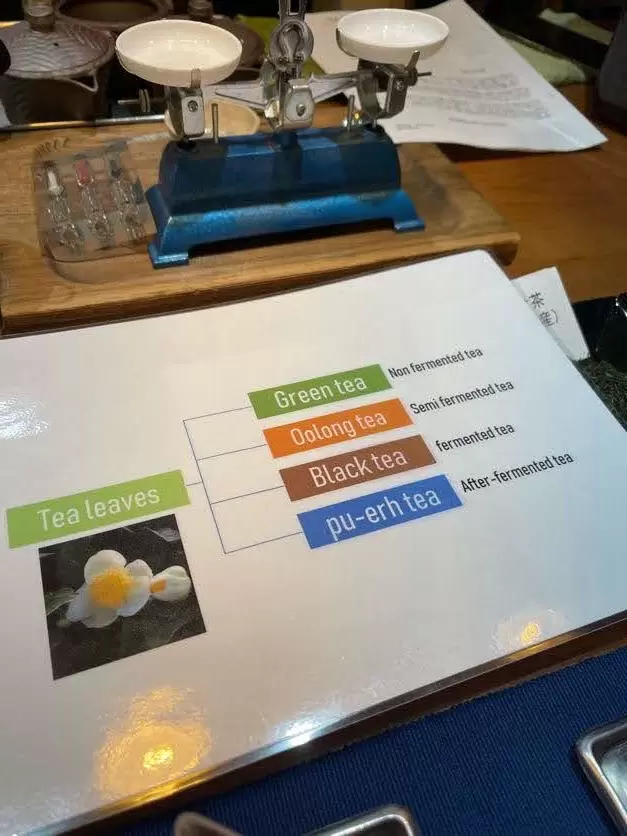
I have always loved drinking tea, but never quite understood the difference between tea leaves from different production areas – tea leaves from Mie prefecture are Ise/Matsusaka tea leaves, but within them, there are different variations. Today, I have the opportunity to expand my knowledge on tea from Tsukamoto-san at Chaju Green Tea Store, by attending the tea tasting and blending experience. They offer other short courses such as hand-kneading green tea experience and hojicha making experience as well.
The
History of Tea
According to Chinese mythology, tea leaves were first discovered 5000 years ago by ‘Shin-no,’ a mythological Chinese ruler. Shin-no researched and tested herbs on himself to learn medicine and relayed information on the results to the masses. It was said that Shin-no chewed on tea leaves in order to remove toxins from the poisonous plants that he consumed in his experiments.
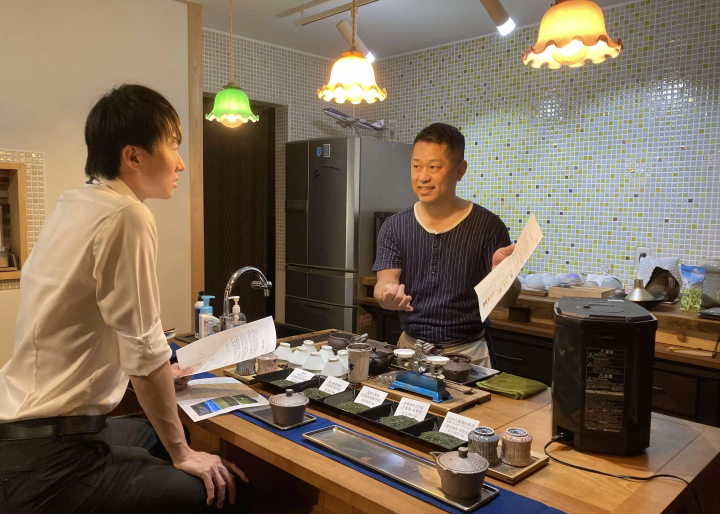
▲Tsukamoto-san
patiently and passionately imparting his knowledge of tea.
During the Nara period (710 - 794), tea was a premium commodity only enjoyed by nobles and monks in Japan. The benefits of tea were researched by monks for centuries. As time passed and production grew, green tea became more accessible to the general population.
What Affects the Taste and Characteristics of Tea?
The production environment, production method,
and cultivation method all affect the taste and characteristics of tea. Generally,
younger tea leaves have stronger and sweeter tastes. As tea leaves grow and
absorb more sunlight, the caffeine and astringency level will increase, making
them bitterer in taste.
Due to these factors, tea leaves grown
within the same prefecture can have an entirely different flavor profile and
nutrient density. Take for example, the below comparison of Kabusecha and
Fukamushi Sencha, two teas grown in Mie Prefecture but under quite different
conditions.
Kabusecha
-
Grown in the northern part of Mie prefecture
-
The amount of sunlight absorbed is controlled
-
Low to almost no caffeine
-
Low level of vitamin C and low in anti-viral and anti-bacterial
substances due to low level of astringency
-
Sweet and powerful in taste
-
Generally consumed for the taste and relaxation
Fukamushi Sencha (Deep-steamed
green tea)
-
Grown in the more mountainous southern part of Mie prefecture
-
Uncontrolled intake of sunlight
-
High level of caffeine
-
High level of vitamin C and high in anti-viral and anti-bacterial
substances due to a higher level of astringency
-
Good balance between bitterness and sweetness
Great for health and tastes great as well
Tasting and Creating Your Own Tea Blend
I got to try five different types of
green tea from the affordable Fukamushi Sencha to the luxurious Kabuse Cha,
each with its own unique characteristics and taste.
First, Tsukamoto-san walked me through
brewing teas. Apparently, if you’d like to reduce the level of caffeine in your
tea, it is recommended to make it cold as the astringency and caffeine level of
the tea rises with the temperature of the water. It might help you sleep better
by making cold tea instead of hot tea before bed!
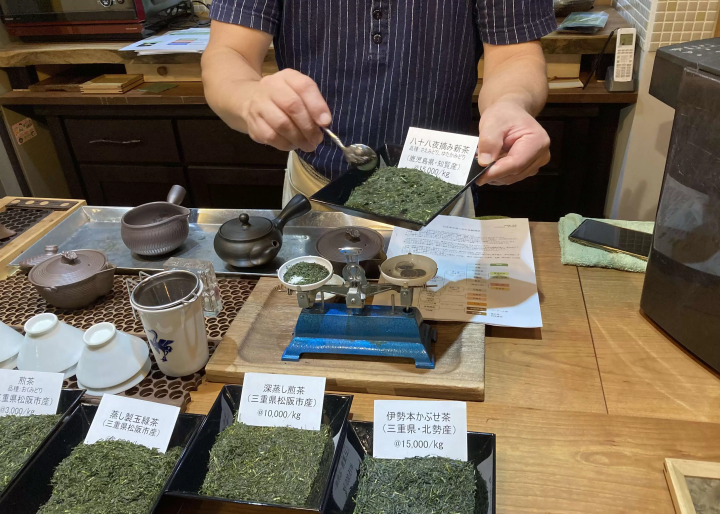
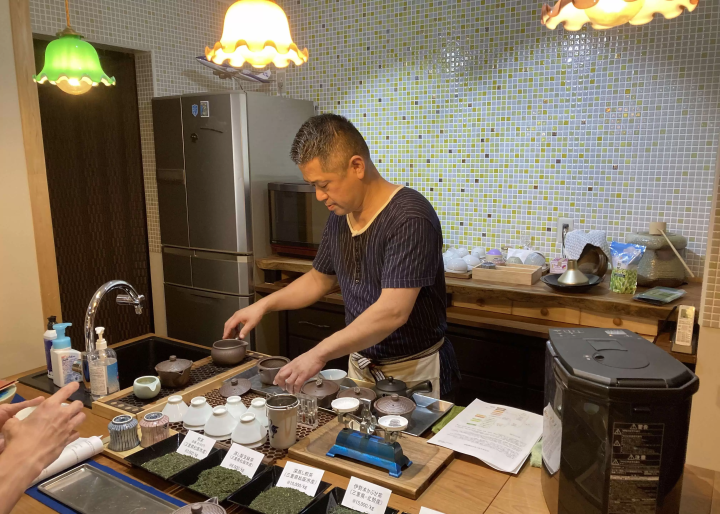
We used traditional weighing scales to prepare the green tea. Interesting fact: a one-yen coin weighs about one gram. Therefore, five one-yen coins can be used with the scale to measure out five grams of tea leaves.
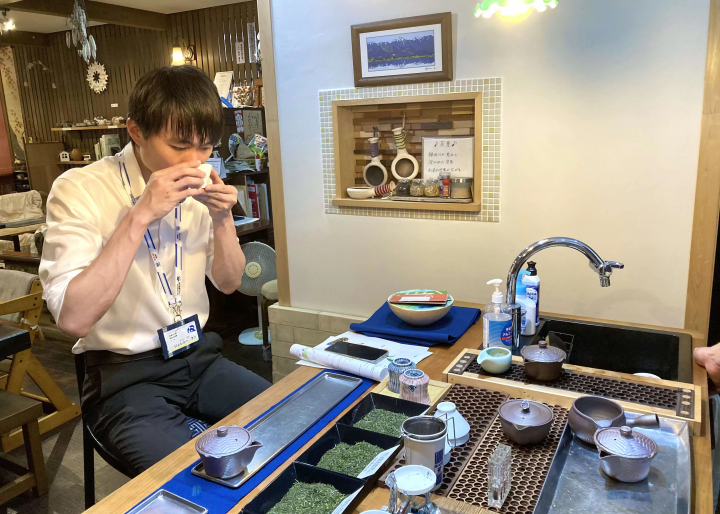
▲Feeling satisfied after tasting the luxurious Kabuse Cha for the first time. It was something I’ve never tasted before in my life.
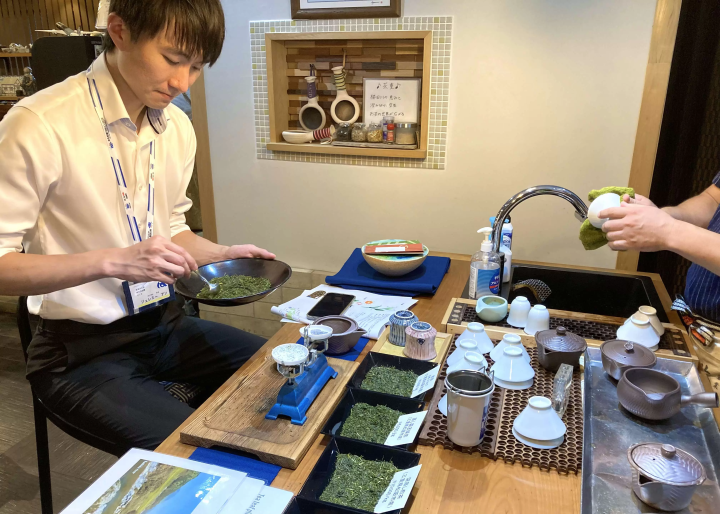
After expanding my knowledge about tea and tasting it, it was time to blend my own tea using five different tea leaves.
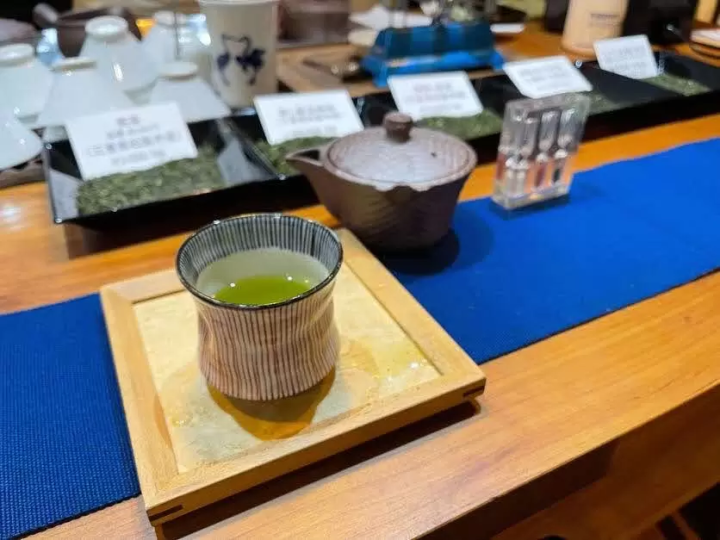
I also got to steep my own blend and try it out!
The remaining tea leaves in your special blend will be packed for you to bring home to enjoy.
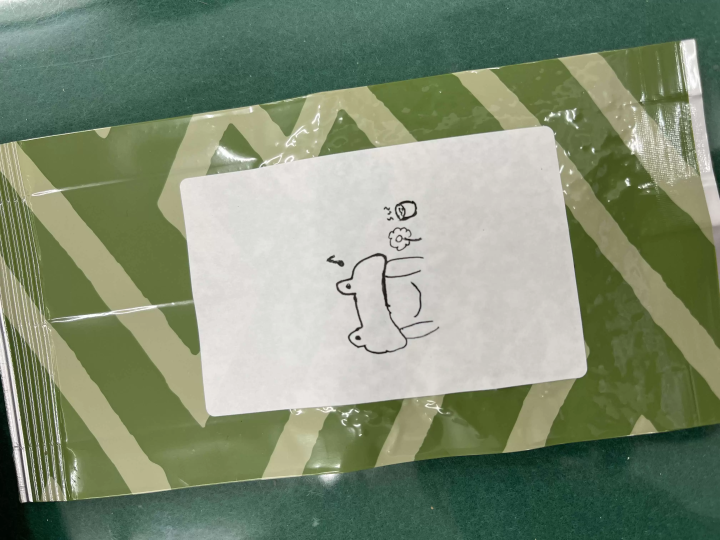
summary
I would highly recommend signing up for
one of these experiences offered by Chaju Green Tea Store, especially if you’re
a tea lover! Even if you’re not keen on learning about tea leaves, Chaju also offers
hands-on workshops such as the hand-kneading green tea workshop or hojicha
making workshop. They also sell teaware, tableware, and tea leaves if you are
looking to shop for souvenirs with local flavor!
Workshops at
Chaju Green Tea Shop (available in English and Japanese).
1.
Tea tasting and blending worshop – ¥2000, 1.5 hours
2.
Hand-kneading green tea workshop – ¥1000, 1.5 hours
3.
Hojicha making workshop – ¥1000, 1 hour
Please note:
-
Workshops are available for reservation from July to March.
-
Reservations can be made via phone or website contact form.
Chaju may be closed temporarily for summer break and New
Year’s. Please check the announcements on their website for details.
Visitor
Information
Address: 819 Shinmachi, Matsusaka, Mie,
Japan 515-0075
Phone: 0598-21-0701
Website (Japanese):
https://www.cha-ju.com
Hours:
-
Monday – Friday: 10am-7pm
-
Saturdays and public holidays: 10am-6pm
-
Closed on Sundays and the 3rd Monday of every month
Matsusaka City, Mie Prefecture is located almost in the center of Japan, where you can enjoy world-class gourmet Matsusaka beef, rich history and culture, and beautiful nature. During the Edo period, Matsusaka was the final post town for pilgrimages to Ise-mairi (a pilgrimage to Japan's highest-ranking shrine). These merchants succeeded in trading Matsusaka cotton in Edo and brought prosperity to Matsusaka.
The contents on this page may partially contain automatic translation.
Top Articles


![[SHIMAKAZE: A Train You Should Ride at Least Once] The Most Comfortable Direct Ride to Ise-Shima from Nagoya, Osaka, and Kyoto](https://resources.matcha-jp.com/resize/720x2000/2025/06/09-235798.webp)


Special Features
More









![[Osaka Sightseeing Bus Tour] Enjoy 360° views of Osaka from an open-top bus!](https://resources.matcha-jp.com/resize/720x2000/2026/05/25-264541.webp)
![[Autumn 2026] Private Night Tour to See the World Heritage Site Toji Temple Illuminated in a Fantastical Light-Up Effect](https://resources.matcha-jp.com/resize/720x2000/2026/04/28-263309.webp)