
Hiking Guide: Takuhi Shrine on Nishinoshima – Getting There by Bus
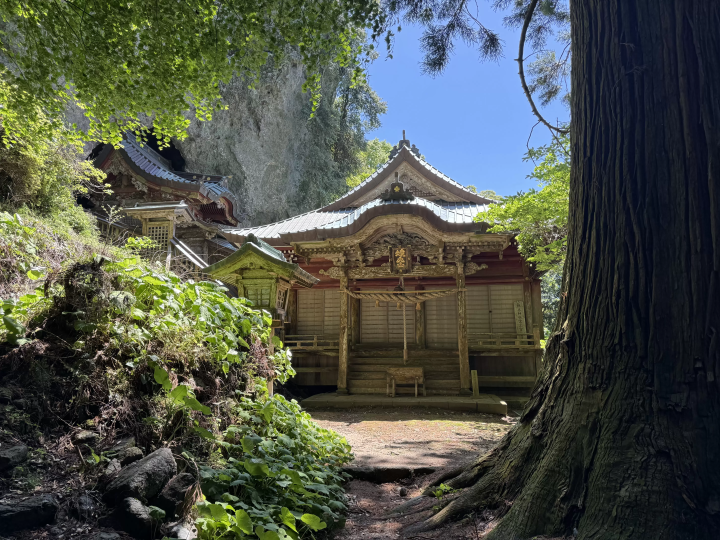
Located on Mt. Takuhi, the highest peak in the Dōzen area of the Oki Islands, Takuhi Shrine is a historic shrine long known for prayers for safe sea voyages. This guide provides practical information for first-time visitors, including how to reach the shrine by bus, a step-by-step hiking route, estimated walking times, recommended clothing, and tips for a safe and enjoyable visit.

Written by
Nishinoshima is the second largest island of the Oki Islands. Located in the Sea of Japan, Nishinoshima is approximately 65km off the coast of Shimane Peninsula in Shimane Prefecture. Nishinoshima is one of the four inhabited islands in Oki, and the town on Nishinoshima Island is called Nishinoshima Town. Formed by volcanic activity about 5.5 million years ago, Nishinoshima is the home to Oki’s must-see sightseeing spots, Matengai Cliff and Tsutenkyo Arch, fresh seafood such as Oki rock oysters, traditional cultures such as Kagura Shinto dance and Dengaku dance. Nishinoshima is a charming island filled with nature, culture, rich food and warmth of people.
This service includes sponsored advertisements.
Located on Mt. Takuhi, the highest peak in the Dōzen area of the Oki Islands, Takuhi Shrine is a historic shrine long known for prayers for safe sea voyages. This guide provides practical information for first-time visitors, including how to reach the shrine by bus, a step-by-step hiking route, estimated walking times, recommended clothing, and tips for a safe and enjoyable visit. It’s a perfect spot to experience the unique charm of Nishinoshima and its scenic mountain landscapes.
-
Table of Contents
- Nishinoshima and Mt. Takuhi
- Let's Go!
- Highlights and Safety Tips
- Other Hiking Routes
- Would you like to read this article as well?
Nishinoshima and Mt. Takuhi
The Oki Islands, part of Shimane Prefecture, are divided into two main areas: Dōzen and Dōgo. Nishinoshima, the largest inhabited island in Dōzen, is home to Mt. Takuhi (452m). Combining cultural significance with scenic beauty, Takuhi Shrine, perched on the mountainside, has been cherished by local residents for centuries.
More about Takuhi Shrine:

While Nishinoshima’s town bus does not go directly to Takuhi Shrine, getting off at the nearest bus stop and hiking to the shrine offers a great way to enjoy a bit of exercise while exploring the island. This guide focuses on this bus-accessible hiking route.
*The uphill walk from the nearest bus stop to the shrine’s main hall is about 5km one way. Most of the route follows paved roads along the mountain, letting you fully immerse yourself in the surrounding nature. Comfortable walking shoes and water are highly recommended.
Let's Go!
1. Getting to the Nearest Bus Stop
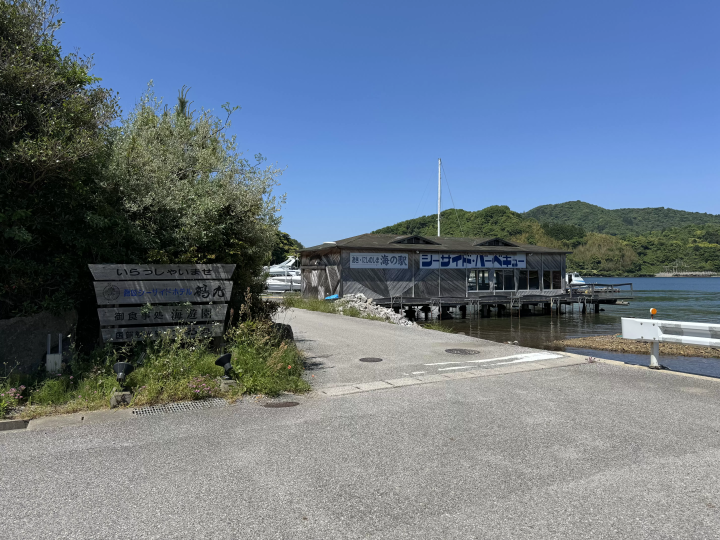
The nearest bus stop is “Tsurumaru Iriguchi”, located just at the entrance to the premises of Oki Seaside Hotel Tsurumaru.
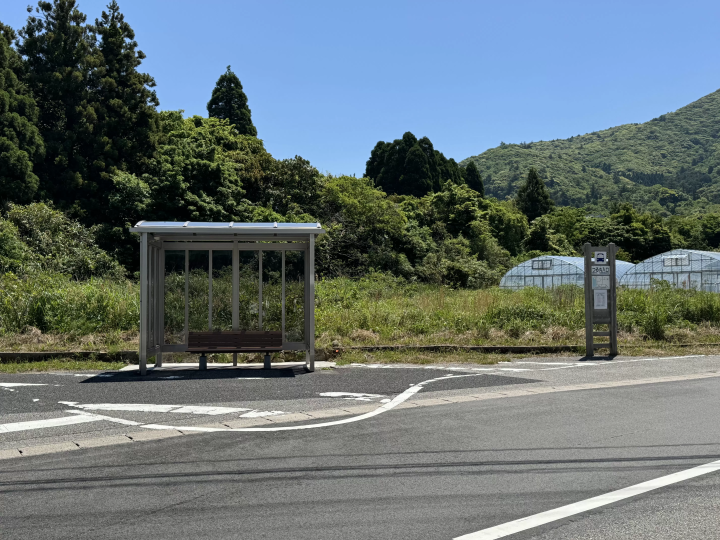
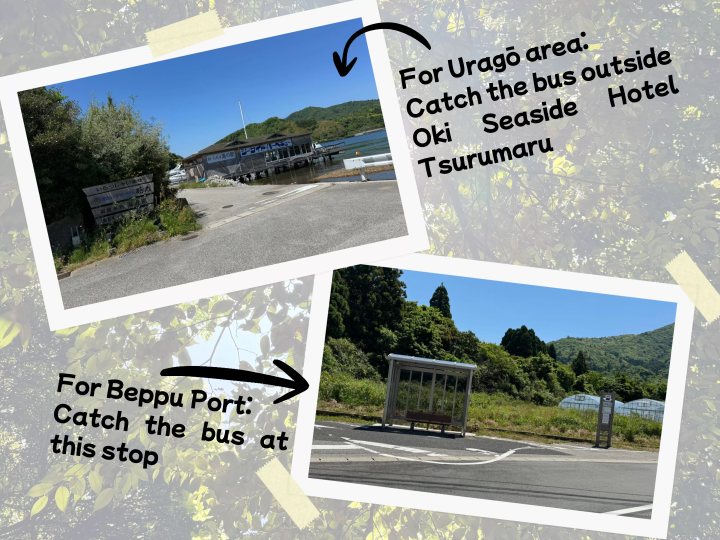
There are two bus stops depending on your direction:
・From Beppu Port: the bus stops at the entrance to the hotel grounds
・From Uragō area: this bus stop
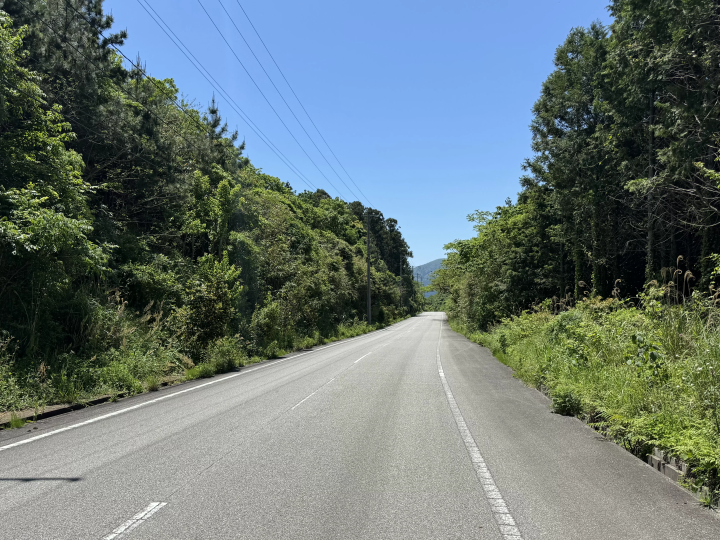
After getting off the bus, walk toward the flyover and continue along the main road.
I walk along the road for a while.
*Stay on the side of the road and watch out for cars and motorcycles.
2. The Ascend Begins
After about 30 minutes of walking, you will see Reso Oki Rosage (the hotel) on your right and Takuhigama-kiln on your left.
The uphill road next to the kiln marks the start of the hiking portion.
*After a short climb, the path splits left and right—take the right fork.
*This section is still along a roadway, so stay alert around blind curves.
3. Arriving at Takuhi Shrine Car Park
About 45 minutes from the base, you will reach the car park of Takuhi Shrine.
Take a moment to rest and catch your breath.
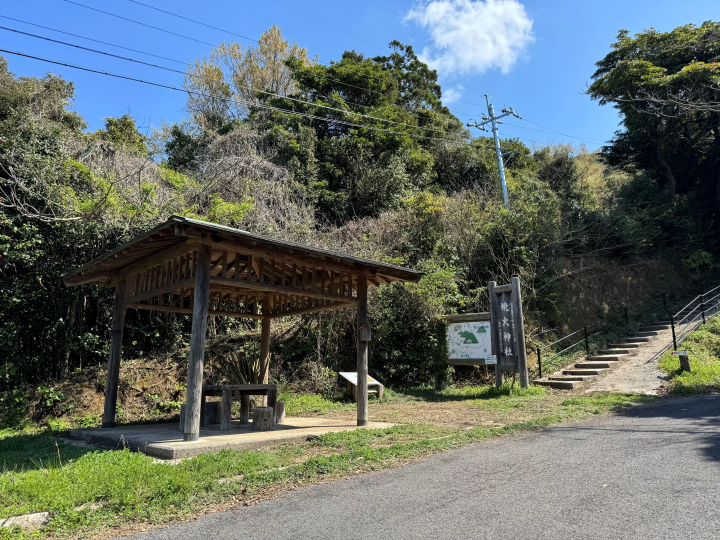
Next to the pavilion is a signboard explaining the formation of the Dōzen Caldera and Mt. Takuhi.
Pause here to learn a bit about the island’s geohistory before continuing up to the shrine.
4. The Final Short Climb
From the car park, it’s a 20-minute hike to the shrine.
The stairs may look long at first, but you’ll soon find yourself in front of the bronze torii gate.
The stairs at the starting point may look long, but you'll reach the top in no time.
Pass through the torii gate and enter the shrine grounds.
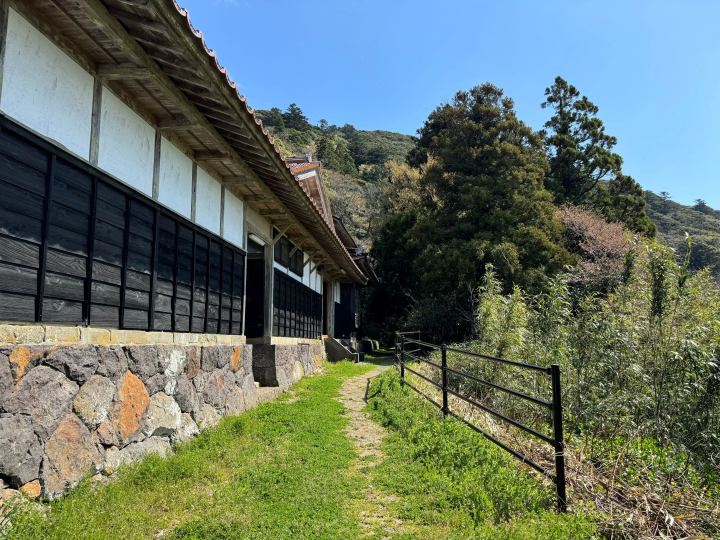
A short walk ahead will bring you to a tall stone wall and the shrine office—you’re almost there!
It's just a short walk to the shrine.
5. Visiting Takuhi Shrine
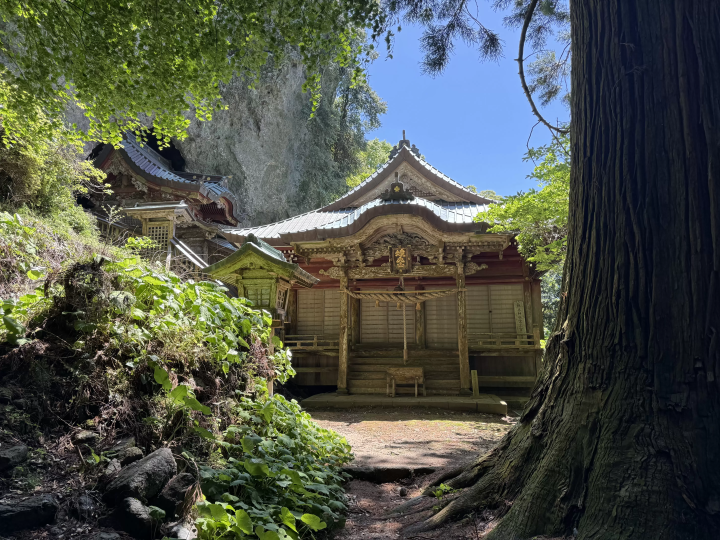
The wooden shrine building of Takuhi Shrine was rebuilt in 1732 and is designated as an Important Cultural Property of Japan.
Take your time to admire the building, which is partially nestled in a mountainside cave. Enjoy the fresh air and tranquil atmosphere before preparing for your descent.
6. Descent
Follow the same route back to Oki Seaside Hotel Tsurumaru, and catch a bus to your next destination.
Get on the bus and head to your next destination (towards Beppu or Uragō).
Highlights and Safety Tips
Surrounded by lush nature, Takuhi Shrine offers a serene and peaceful atmosphere.
Not only does the landscape change with the seasons, but even the air takes on its own distinct scent.
*The road between Takuhi Shrine and Oki Seaside Hotel Tsurumaru has few streetlights and very little traffic, so it is important to complete your descent before sunset.
Other Hiking Routes
Several hiking routes are available on Mt. Takuhi.
For detailed routes and distances, check out the hiking map here:
Frequently Asked Questions
1. How long does it take to walk from the nearest bus stop to Takuhi Shrine?
It takes about 1.5 hours one way. Buses run infrequently, so it’s best to check the timetable in advance. To confirm the current bus hours, please us the following inquiry form:https://visit-okiislands.e-oki.net/contact/
2. How much is the bus fare?
Flat rate: Adult (junior high and above): JPY 200, Child: JPY 100
3. What is the difficulty level of the hike?
There are no steep climbs, but the trail consists mostly of long uphill and downhill stretches. It is suitable for anyone accustomed to walking or hiking.
4. What should I wear or bring for the hike?
Comfortable shoes (sneakers recommended) for paved roads. Long sleeves and trousers to protect from the sun and plants. Water, snacks, and a towel. Sunscreen or insect repellent, depending on the season. There are no shops or vending machines near the shrine, so be sure to bring everything you will need for the hike.
5. Are there toilets along the route?
Yes. Thanks to the priest’s generosity, visitors are welcome to use the toilets inside the shrine office. Please be considerate: remove your shoes before entering, close any doors you open, and avoid wandering through the building. Keeping the facilities clean helps preserve the tranquil atmosphere of Takuhi Shrine for everyone.
6. Are there any dangerous species on Nishinoshima?
Nishinoshima has no large animals such as bears, deer, wild boars, or monkeys. However, the Japanese pit viper (mamushi) and hornets (suzumebachi) do inhabit the island. Be cautious around tall grass, rocks, and shrubs for snakes, and avoid disturbing hornets—especially in autumn, when they are more active.
7. Can I hike this route on rainy days?
Most of the trail is exposed, with very few places to take shelter. Light rain is manageable if you wear proper rain gear, but hiking in heavy rain is not recommended for safety reasons. Some areas may have limited cell reception, so it’s best to postponing your hike if the weather is bad.
8. Where can I get the goshuin (shrine stamp) for Takuhi Shrine?
The shrine office is usually unmanned, so you can obtain the goshuin at the office of Nishinoshima Tourism Association at Beppu Port. The fee is JPY 300. It’s a good idea to check their business hours before visiting.
9. Should I start the hike in the morning or the afternoon?
The round-trip hike takes about 3 hours. Starting before 9 a.m. allows you to finish in time for lunch at local restaurants. Alternatively, you can have an early lunch first and begin hiking afterward. *Nishinoshima Tourism Association posts daily updates on restaurant hours on social media, so check before you start your hike. https://www.instagram.com/oki_nishinoshima/
Would you like to read this article as well?
![[Must see!] A thorough explanation of transportation methods within Nishinoshima!](https://resources.matcha-jp.com/resize/200x2000/2024/12/27-217560.webp)

Nishinoshima is the second largest island of the Oki Islands. Located in the Sea of Japan, Nishinoshima is approximately 65km off the coast of Shimane Peninsula in Shimane Prefecture. Nishinoshima is one of the four inhabited islands in Oki, and the town on Nishinoshima Island is called Nishinoshima Town. Formed by volcanic activity about 5.5 million years ago, Nishinoshima is the home to Oki’s must-see sightseeing spots, Matengai Cliff and Tsutenkyo Arch, fresh seafood such as Oki rock oysters, traditional cultures such as Kagura Shinto dance and Dengaku dance. Nishinoshima is a charming island filled with nature, culture, rich food and warmth of people.
The contents on this page may partially contain automatic translation.
Special Features
More












![[Osaka Sightseeing Bus Tour] Enjoy 360° views of Osaka from an open-top bus!](https://resources.matcha-jp.com/resize/720x2000/2026/05/25-264541.webp)
![[Autumn 2026] Private Night Tour to See the World Heritage Site Toji Temple Illuminated in a Fantastical Light-Up Effect](https://resources.matcha-jp.com/resize/720x2000/2026/04/28-263309.webp)