
A half-day itinerary for exploring Kengo Kuma's architecture in Tomioka , a World Heritage town

Tomioka City in Gunma Prefecture , about an hour and a half from Tokyo , is home to several buildings designed by Kengo Kuma, all of which can be visited within a 10-minute walk. We'll introduce a half-day itinerary that architecture lovers must see, allowing you to rediscover the Tomioka Silk Mill , from an architectural perspective.

Written by
The Tomioka City Tourism Association utilizes the tourism resources of Tomioka City, including the Tomioka Silk Mill and Mt. Myogi, in order to increase the number of visitors while contributing to the development of the local economy.
This service includes sponsored advertisements.
-
Table of Contents
- Tomioka , a World Heritage City with a collection of Kengo Kuma's architecture
- Spot 1: The Former Tomioka Warehouse Buildings - Your First Impression as You Step Out of the Station
- Spot 2: Tomioka City Hall, a beautiful collection of small roofs
- Spot 3: Rediscover the World Heritage Site "Tomioka Silk Mill" from an architectural perspective
- Summary: Tomioka, a town where Kengo Kuma's architecture meets 150 years of history
Tomioka , a World Heritage City with a collection of Kengo Kuma's architecture
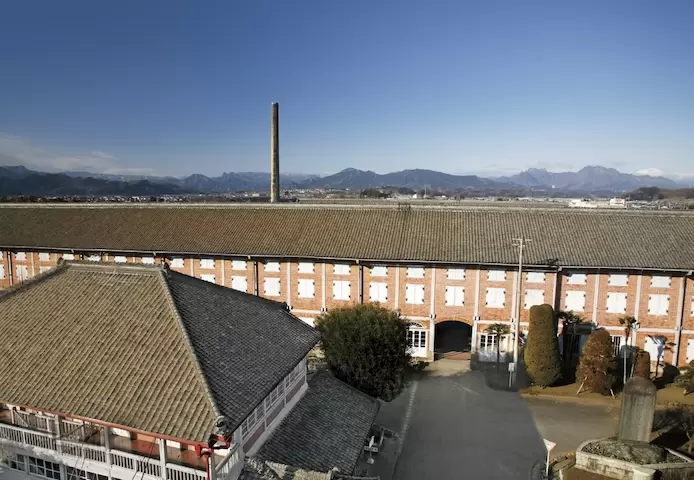
Kengo Kuma is an architect known worldwide for his architecture that makes use of wood and natural materials. He has designed the National Stadium and Takanawa Gateway Station, and is popular in Taiwan and other Asian countries. His designs, which make extensive use of wooden louvers (lattices), allow light and air to flow in gently, and his style, which harmonizes with the surrounding landscape and exudes a "Japaneseness," are appealing.
The reason behind the existence of three Kengo Kuma buildings in Tomioka City is a town development concept. With the Tomioka Silk Mill scheduled to be registered as a World Heritage Site in 2014, the city promoted "town development that unifies the station, city hall, and silk mill." After being selected in a design competition in 2012, Kengo Kuma & Associates was also commissioned to renovate the adjacent former Tomioka Warehouse, creating an architectural space with a unified feel throughout the area.
This time we will introduce three spots: the former Tomioka Warehouse buildings, Tomioka City Hall, and the Tomioka Silk Mill. All can be visited within a 10-minute walk from Tomioka Station.
Spot 1: The Former Tomioka Warehouse Buildings - Your First Impression as You Step Out of the Station
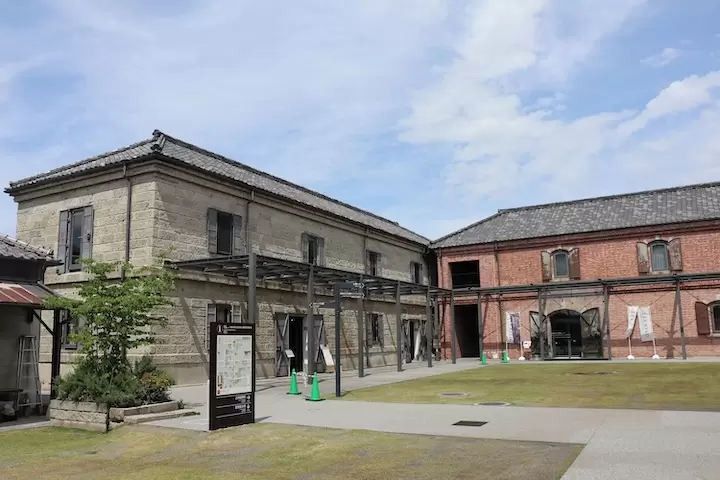
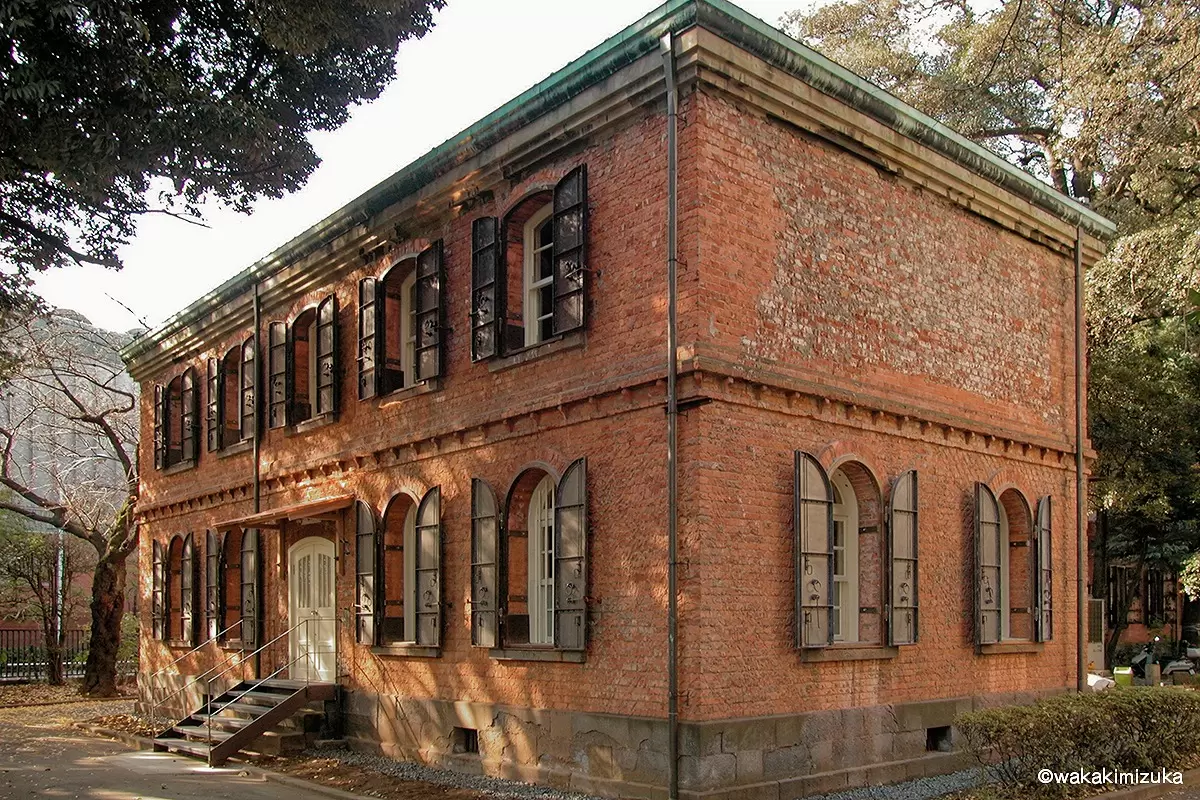
The first brick building that catches your eye when you get off at Tomioka Station is the Former Tomioka Warehouse. This historic building was constructed by Tomioka Warehouse Co., Ltd., which was founded in the 30th year of the Meiji era (1897-1906), and was reborn in 2022 under the design supervision of Kengo Kuma.
The warehouse complex consists of four buildings: Warehouse No. 1 (Gunma Prefectural World Heritage Center "Sekaito"), which is made of brick; Warehouse No. 2 (Merci Cocon & Café) made of Oya stone; Warehouse No. 3 (Okatte Market) made of wood and mud walls; and a drying area. While each building has a different architectural style, the charm of the buildings is that they all have a unified feel that is characteristic of Kengo Kuma's architecture.

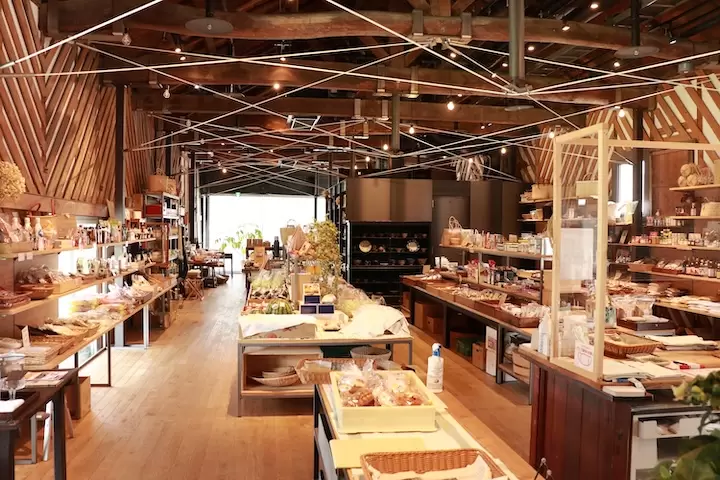
Merci Cocon & Café, located in Warehouse No. 2, is a space whose interior design was handled by Kengo Kuma and his office. Take note of the thick Oya stone walls and the carbon fiber earthquake reinforcement that runs throughout the ceiling. White fibers reminiscent of silk threads run across the space like cat's cradles, supporting the building without compromising the atmosphere of the historic structure.
The shop's name, "Merci," means "thank you" in French, and "Cocon" means "cocoon," referring to the history of the Tomioka Silk Mill, which hosted French engineers. We recommend taking a break during your stroll with their signature buckwheat galette or one of their original drinks.
We tried the "Prosciutto and Gruyere Cheese" and "Mulberry Leaf Au Lait"

This time, I had the "Prosciutto and Gruyere Cheese Galette," which features vibrantly colored prosciutto and green curls, and the "Mulberry Leaf Au Lait," which uses mulberry leaves in a matcha-like flavor.
The buckwheat flour dough becomes sweeter the more you chew it, allowing you to directly taste the flavor of the ingredients. It goes perfectly with the saltiness of the prosciutto and semi-dried tomatoes.

I couldn't imagine what the mulberry leaf au lait would taste like, but when I actually tried it, it tasted similar to matcha au lait, and its modest sweetness made it the perfect after-meal dessert.
Spending time with a delicious meal in a building designed by Kengo Kuma is a luxurious experience that architecture lovers will not be able to resist, and is unique to sightseeing in Tomioka .
Enjoy shopping for souvenirs at Okatte Market, where stylish miscellaneous goods are lined up.
Okatte Market , located in Warehouse No. 3, is a locally-run supermarket and gallery. The space makes use of the wooden and mud-walled framework that is over 100 years old, and is lined with fresh vegetables from local farmers and works by young artists.
[Merci Cocon & Café]
Address: 1450-1 Tomioka , Tomioka City, Gunma Prefecture
Business hours: 11:00-17:00 (last orders for food 16:00, drinks 16:30)
Closed: Wednesdays, New Year's holidays
Access: 1 minute walk from Tomioka Station
[Okatte Market]
Address: 1450 Tomioka , Tomioka City, Gunma Prefecture
Business hours: Monday to Friday 9:00-19:00, Saturdays, Sundays, and holidays 9:00-17:00
Closed: 1st and 3rd Sundays
Spot 2: Tomioka City Hall, a beautiful collection of small roofs
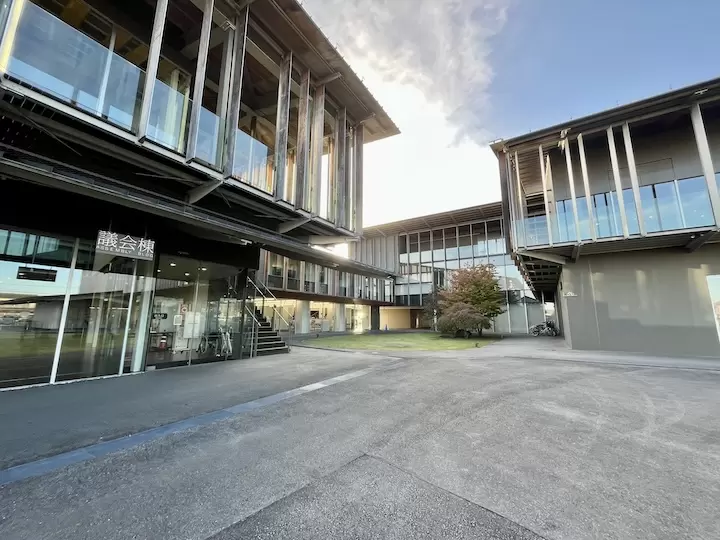
Just a one-minute walk from the former Tomioka Warehouse, Tomioka City Hall, completed in 2018, is a "government building open to the public" designed by Kengo Kuma.
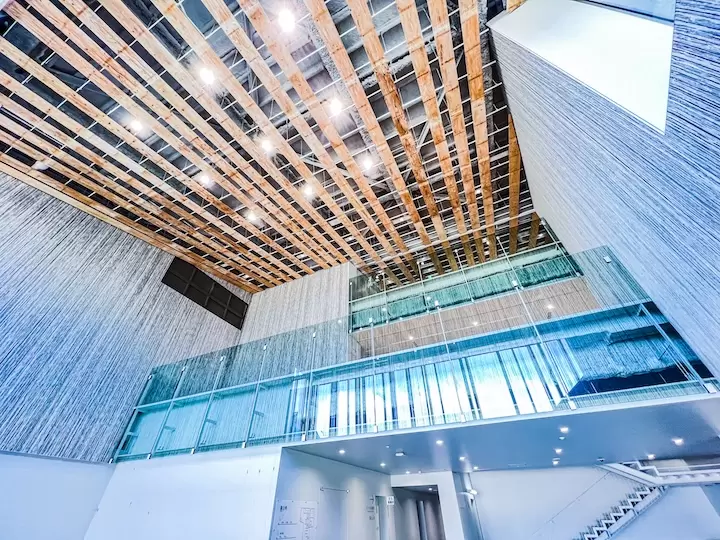
The architectural concept is "a collection of small roofs." The building features a design with multiple small roofs connected together, and there is a passage between the administrative building and the assembly building, which also serves as a shortcut from Tomioka Station to the Tomioka Silk Mill.
The exterior uses hybrid louvers made of aluminum and wood, with different materials on the front and back. The wood is made of cypress and other wood harvested from Tomioka City's forests, and each piece has a different texture, giving the building a rich look. The style of the high windows between the double sloping roof was inspired by the "koshi roof" traditionally used by silkworm farmers, and expresses Tomioka's history in a modern architectural style.
Be sure to also take a look at the wall in the entrance hall of the assembly building, which is decorated with "kibiso," the first thread that a silkworm spits out.
[Tomioka City Hall]
Address: 1460-1 Tomioka , Tomioka City, Gunma Prefecture
Tour of the Assembly Building Entrance Hall: 9:00-21:00 (excluding events)
Access: 1 minute walk from Tomioka Station
Spot 3: Rediscover the World Heritage Site "Tomioka Silk Mill" from an architectural perspective
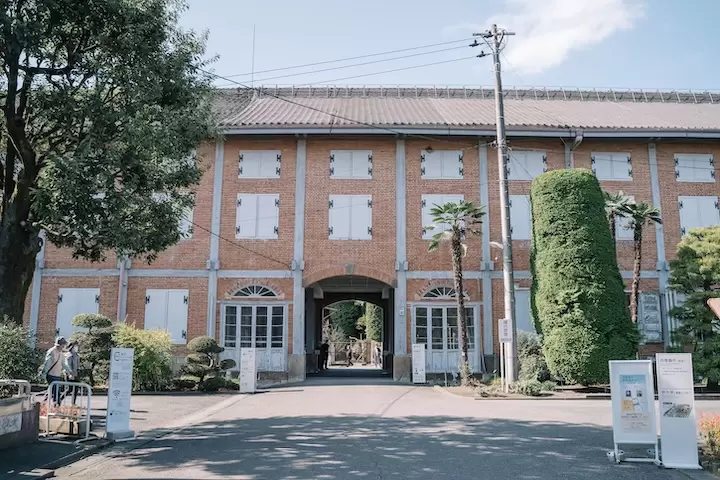
About a 10-minute walk from Tomioka City Hall, the final stop on this itinerary is the Tomioka Silk Mill. While not designed by Kengo Kuma, this is a must-see spot for architecture fans.
Founded in 1872 (Meiji 5), Tomioka Silk Mill was built using an innovative construction method called "timber-frame brick construction," which combined Japanese and Western techniques. Bricks were piled up on a wooden frame, and Japanese roof tiles were used for the roof.
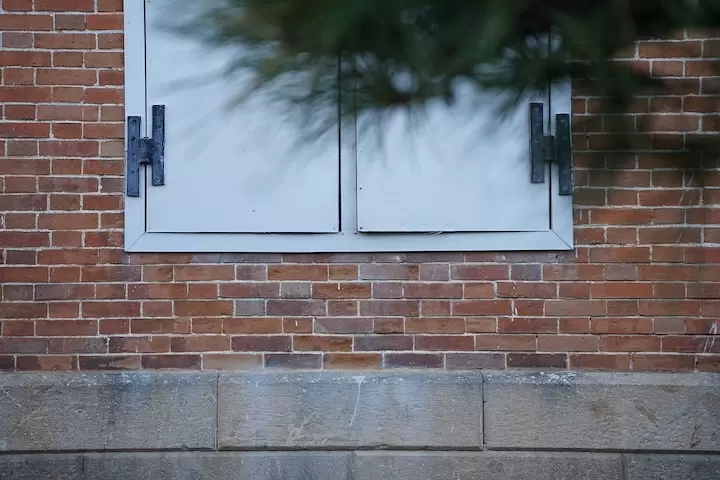
The bricks are mainly laid using the "French bond" method, where the long and short sides of the bricks are alternately laid in the same row, but there are also some sections that are laid using the "English bond" method, where the long and short sides are alternately stacked in rows. It's interesting to compare the differences.
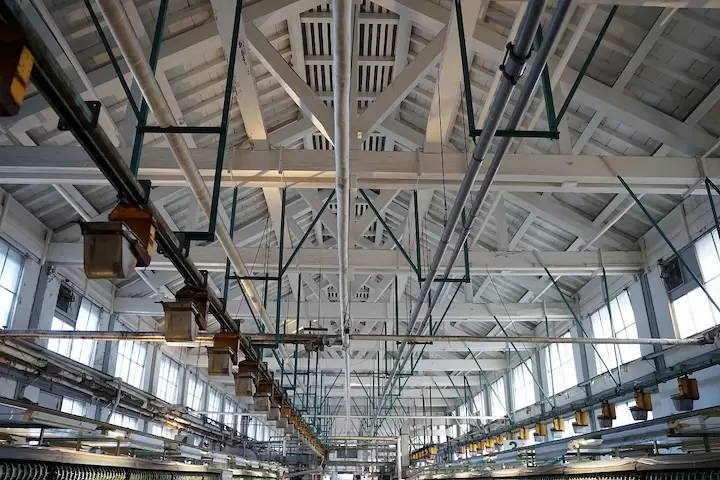
The approximately 140m long Silk Reeling Plant uses a truss structure for the roof, creating a large space with no central pillars. At the time, it was the largest mechanized silk reeling factory in the world, and its spaciousness is still impressive even today.

The Chief's House, where the French leader Paul Brunat lived, is a colonial-style building with a high floor and verandas on all four sides. It showcases Western architectural ingenuity adapted to the Japanese climate, and gives a sense of the international exchange that took place during the Meiji period.
[Tomioka Silk Mill ]
Address: Tomioka Gunma Prefecture, Tomioka City, Gunma Prefecture
Opening hours: 9:00-17:00 (last entrance 16:30)
Admission fee: 1,000 yen for adults, 250 yen for high school and university students, 150 yen for elementary and junior high school students
Tomioka Thread Mill
 1-1 Tomioka, Tomioka City, Gunma Prefecture 370-2316
Founded in 1872 (Meiji 5), Tomioka Silk Mill is a model government-run factory that supported Japan's modernization. Buildings from the time of the mill's founding, such as the red brick East and West Cocoon Warehouses and the Silk Reeling Plant, still remain, allowing visitors to experience the history of manufacturing firsthand. In 2014, the mill was registered as a World Heritage Site, and it has become a popular tourist spot where visitors can learn about the progress of Japan's Industrial Revolution while strolling through the town.
1-1 Tomioka, Tomioka City, Gunma Prefecture 370-2316
Founded in 1872 (Meiji 5), Tomioka Silk Mill is a model government-run factory that supported Japan's modernization. Buildings from the time of the mill's founding, such as the red brick East and West Cocoon Warehouses and the Silk Reeling Plant, still remain, allowing visitors to experience the history of manufacturing firsthand. In 2014, the mill was registered as a World Heritage Site, and it has become a popular tourist spot where visitors can learn about the progress of Japan's Industrial Revolution while strolling through the town.
Summary: Tomioka, a town where Kengo Kuma's architecture meets 150 years of history
Starting from Joshu- Tomioka Station on the Joshin Dentetsu Line, this half-day tour of Kengo Kuma's architecture is a true "architectural stroll" where you can fully experience the warmth of wood, designs that make use of light and wind, and respect for the history of the region.
From the Tomioka Silk Mill of the Meiji era to the Kengo Kuma architecture of the Reiwa era, Tomioka has been alive with the idea of "making people happy through architecture" for over 150 years. Architecture lovers, as well as those who want to rediscover the World Heritage Site from an architectural perspective, should definitely visit.
The Tomioka City Tourism Association utilizes the tourism resources of Tomioka City, including the Tomioka Silk Mill and Mt. Myogi, in order to increase the number of visitors while contributing to the development of the local economy.
The contents on this page may partially contain automatic translation.





Special Features
More








![[Shinjuku Girls' Trip] 4 Recommended Shops for Women at Odakyu Ace!](https://resources.matcha-jp.com/resize/720x2000/2026/05/11-263877.webp)