
Tomioka Silk Mill| A journey following the traces of history. Three stories to discover at this World Heritage Site
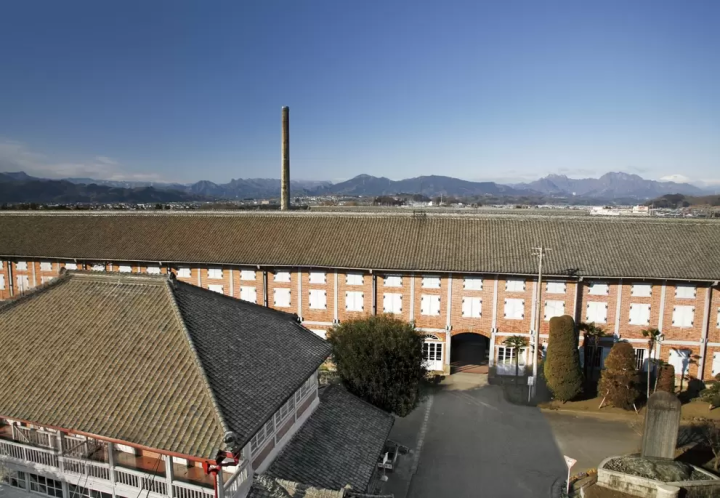
We will introduce three "traces of history" that you might miss if you just walk around the Tomioka Silk Mill. At this World Heritage Site, we will guide you through the evidence of the lives of the factory girl and engineers, giving you an experience that will make you feel like you have traveled back in time.

Written by
The Tomioka City Tourism Association utilizes the tourism resources of Tomioka City, including the Tomioka Silk Mill and Mt. Myogi, in order to increase the number of visitors while contributing to the development of the local economy.
This service includes sponsored advertisements.
Basics about Tomioka Silk Mill that you should know first
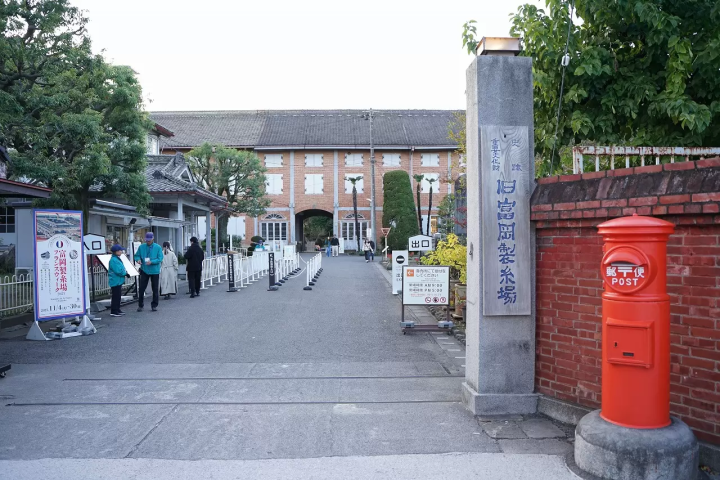
Tomioka Silk Mill, which began operations in 1872, was Japan's first full-scale government-run model factory. It led the modernization of Japan's silk industry and made a major contribution to the development of raw silk as an export industry. In 2014, it was registered as a World Heritage Site as the "Tomioka Silk Mill and Related Sites," and even today, a group of buildings remain that retain the appearance of those days.
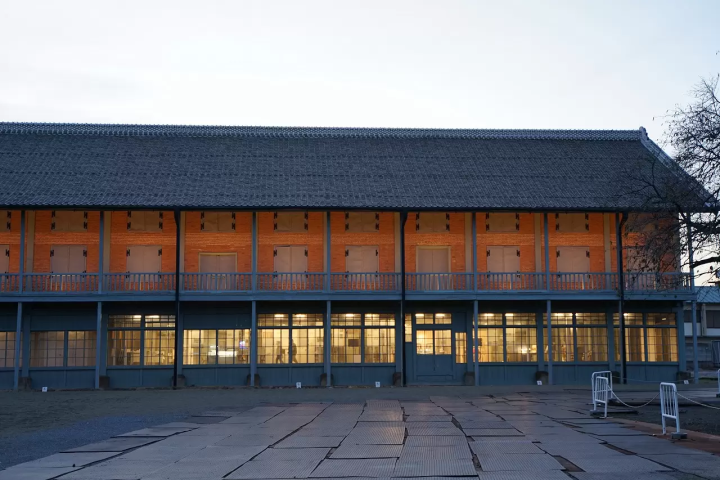
Within the factory, the main structures that have been in use since the factory's founding, such as the East Cocoon Warehouse, Silk Reeling Plant, Women's Building, and the former dormitory, are lined up, and by walking around the entire facility you can get a feel for the history of the silk mill and the atmosphere of when it was in operation.
The basic way to tour the museum is to walk around freely, but audio guides and guided tours (approximately 40-60 minutes) are also available, allowing you to gain a deeper understanding of the building's role and historical background. The recommended time for a free tour is approximately 1-2 hours. If you take your time walking around and observing each facility, you can extend your time even further.
The guided tour route is wide, and in order to gain a three-dimensional understanding of the history, buildings, and traces of operation of the World Heritage Site, it is easier to walk around if you look at the overall map near the entrance.
Tomioka Silk Mill is an important industrial heritage site that supported Japan's modernization during the Meiji era. Walking around the mill, you can still see traces of the lives and activities of the people who worked there at the time.
In this article, we will introduce three must-see spots to help you get a deeper understanding of the lives and history of the people who worked at the silk mill. This will help even first-time visitors to easily visualize the setting, making your visit even more memorable.
The Life of factory girl: What Young Women Spent in Tomioka
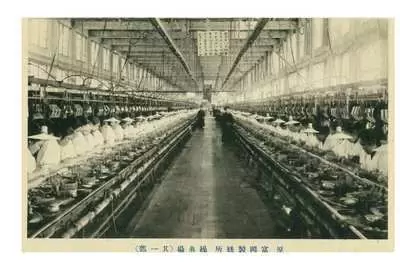
Image provided by Tomioka City
First, let's take a look at the lives of the factory girl. factory girl were young women who were in charge of turning cocoons into raw silk. Most of them were in their mid-teens to early twenties, and left their parents' homes while still young to work and live in dormitories within the silk mill.
It is said that many of the factory girl came from relatively wealthy or well-educated families, and in an era when it was rare for women to be active outside the home, women with high education and high status came from all over the country to work.
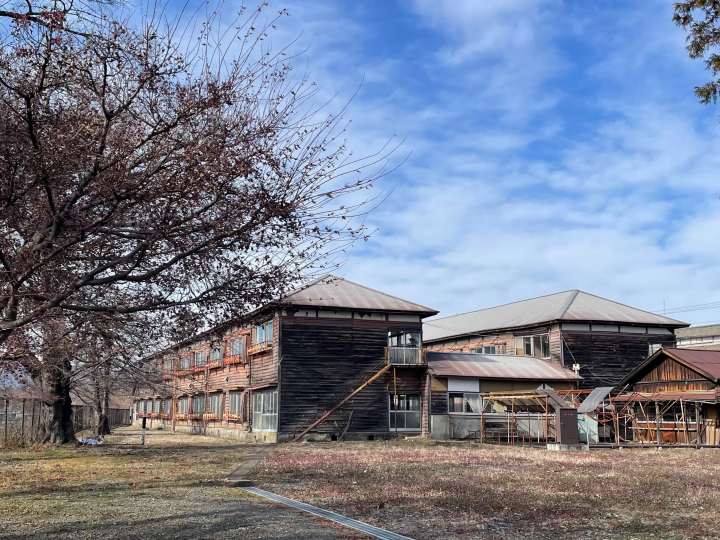
The dormitory where the factory girl lived together
The factory girl lived their daily lives under the guidance of older instructors. They also learned the basics and rules of raw silk production from their instructors. They lived together with their peers, except for one day a week, Sunday, as their day off.
The average working day was 7 hours and 45 minutes*, roughly the same length as it is today. After work, there was probably a little "after-five" time. Just thinking about the scenes back then, you can imagine what kind of conversations people had while bathing or eating in the dormitory.
*Working hours vary depending on the era.
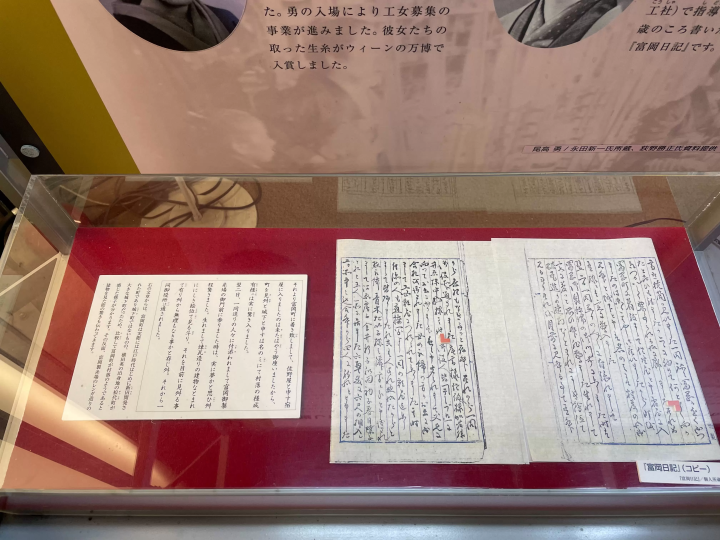
A memoir titled "Tomioka Diary" has been preserved. It is a written account of the life of a factory girl named Hide Wada, who was born in Matsushiro , Nagano Prefecture , who spent time at the Tomioka Silk Mill around 1873. It contains detailed records of everything from raw silk production to daily life such as meals and makeup.
The Tomioka Diary also contains an account of the journey to the bathroom at night. There is a record of couples walking to the bathroom together. It was almost like a test of courage. Apparently, sometimes they would scream, saying they saw something like a fireball in the hallway, and run back to their rooms. Even though the times may be different, the fear of the night is the same.
It is said that there were 556 factory girl working at the silk mill in 1873. The lively atmosphere there must have been like that of a junior high or high school.
Furthermore, the factory girl were young women of marriageable age. They have always been interested in fashion. Excavations on the Tomioka Silk Mill have unearthed numerous small dish-like containers known as rouge dishes (small dishes used for applying rouge for cosmetics). Numerous cosmetic bottles have also been found, suggesting that these were essential items for many factory girl to maintain their daily appearance.
Paul Brunat, essential to the establishment of Tomioka Silk Mill
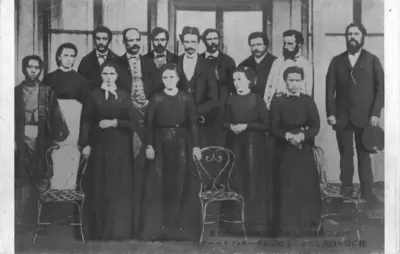
The man in white, second from the right in the top row of the photo, is Paul Brunat (Image provided by Tomioka City)
Next, we will introduce some highlights about Paul Brunat, who is essential when talking about Tomioka Silk Mill. Paul Brunat was a silk engineer who brought the engines needed for the raw silk manufacturing process from France to Tomioka Silk Mill . He traveled all the way from France to Japan to introduce the engines and also provided guidance on other aspects of raw silk manufacturing.
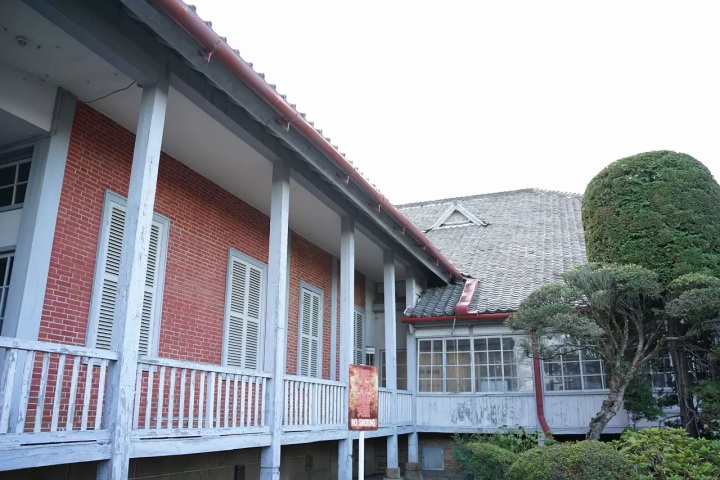
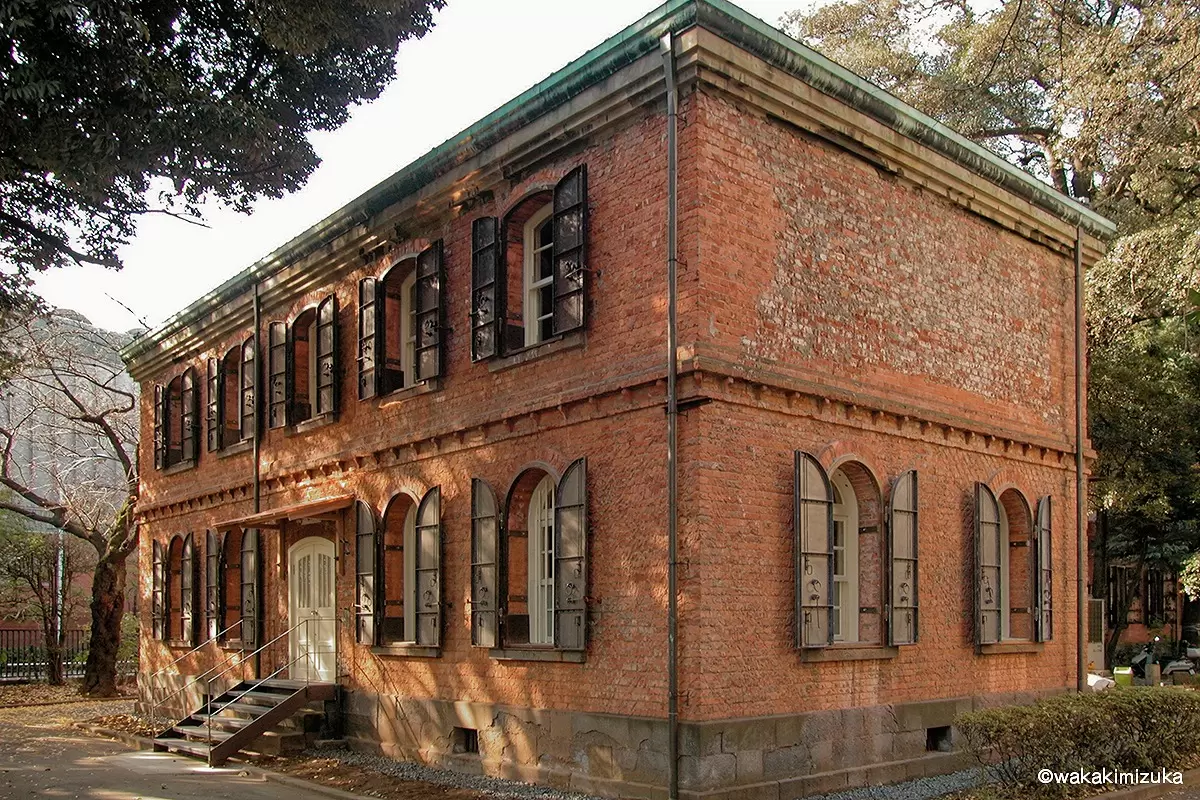
He was given a house (residence) on the premises to live and teach with his family. The house is an exotic building made of bricks with wooden handrails. What kind of life did Brunat lead? It is intriguing.
However, it seems that there are very few belongings or furniture that he and his family used left, but there is a reception set that is thought to have been used by them.
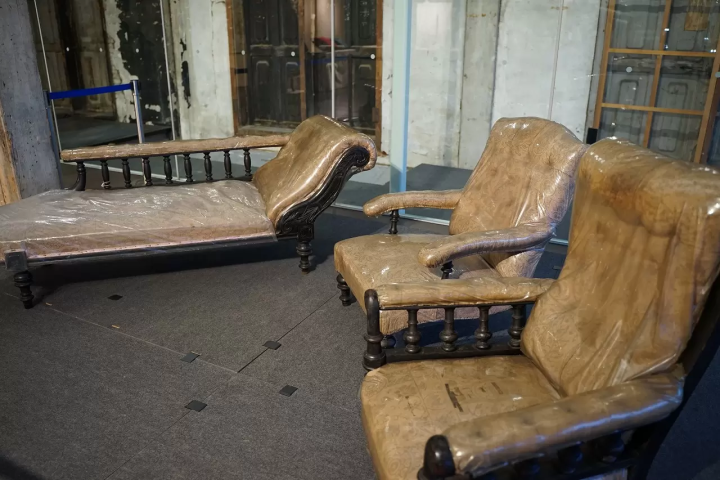
These silk sofas and couches are thought to have been used by the Brunat family. They have a gorgeous, golden sheen. When you imagine Paul himself or a customer sitting on them during a business meeting, you feel as if you've traveled back in time to the founding of the silk mill.
This reception set was donated to Okaya City by Katakura Silk Spinning Co., Ltd., the last operator of Tomioka Silk Mill . It is usually kept at the Okaya Silk Museum.
*This item was on display for a limited time only and is no longer on display.
A hidden highlight! Real work marks remaining on the warehouse walls
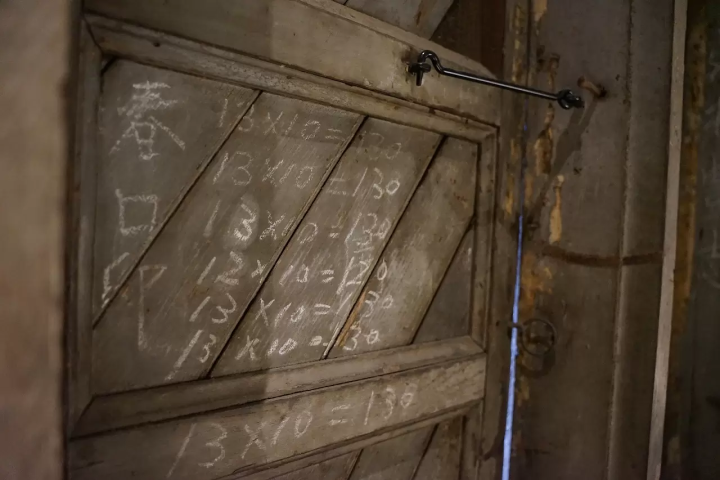
The third highlight is the "traces of work" left on the interior walls of the cocoon warehouse. As you walk through the warehouse, you will come across signs with writing and chalk-like marks on the wooden walls in various places. If you're not paying attention, you might pass them by, so take a moment to stop and take a closer look.
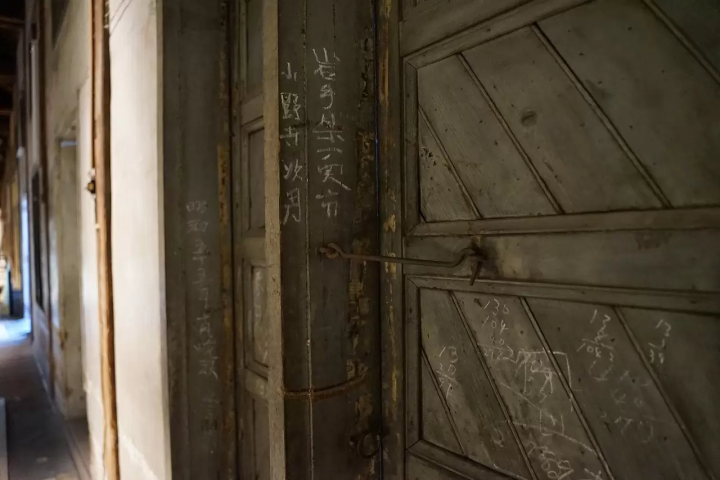
The writings on the wall include a variety of things, such as multiplication numbers, names, addresses, dates, and pillar numbers. According to a Tomioka Silk Mill official, it is not clear what the purpose of the multiplication numbers was. As for the names and addresses, they are thought to have been written as mementos by people who worked in the warehouse at the time.
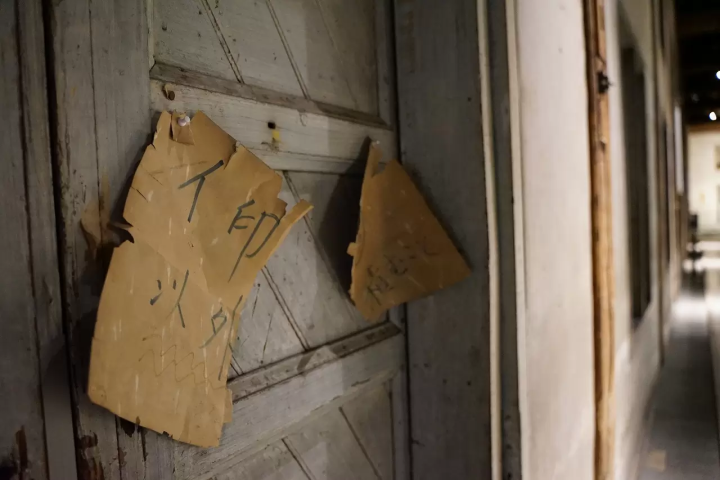
Also, a sign posted at the time reads, "Load anything except those marked A ⑤." It seems likely that such notes were posted all over the walls when the plant was in operation. Since there was no printing equipment like there is today, it is possible that all information sharing on site was done by hand. It may seem a little bold to imagine someone writing directly on a World Heritage site building, but it shows that "speed on site" was required.
Newspapers from that time are still pasted on the walls, so please be sure to take care as you tour the building.
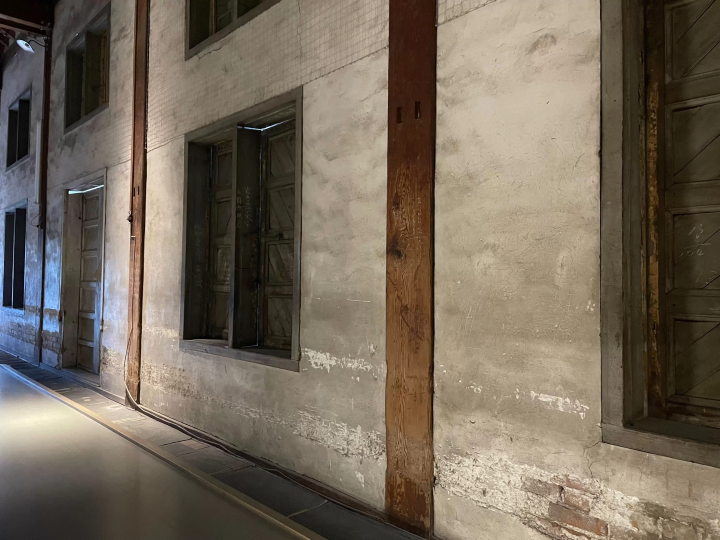
Furthermore, there are many scratches about 20 centimeters from the floor at the bottom of the white painted wall, which are thought to have been made by the corners of a cart used to transport large bags containing cocoons.
These letters and scratches tell the story of the hectic work that went on in the warehouse. You can almost picture the workers rushing to load and unload the cocoon bags, working tirelessly to spare no time.
summary
So, were you able to sense the history engraved in the building and the traces of the people who were involved there, which you wouldn't notice just by walking around?The things left in the building certainly convey the vitality of the people who worked there and the economic climate of the time.
The silk industry brought about great changes to the Japanese economy. Behind its development was not only the diligence of the Japanese people, but also successful technological exchanges and trade with overseas countries. It is thanks to the accumulation of such efforts that we can casually enjoy the beauty of raw silk and silk products today.
When you come into contact with silk fabrics and silk accessories, try to recall for a moment the scenery you saw and the feelings you had here today. The factory girl who spun the raw silk, the people who worked in the warehouses, and Paul Brunat, who came from far away France to work hard to establish the silk mill - all of them certainly lived in this place.
And I'm sure they'll be delighted to have you all there.
Tomioka Thread Mill
 1-1 Tomioka, Tomioka City, Gunma Prefecture 370-2316
Founded in 1872 (Meiji 5), Tomioka Silk Mill is a model government-run factory that supported Japan's modernization. Buildings from the time of the mill's founding, such as the red brick East and West Cocoon Warehouses and the Silk Reeling Plant, still remain, allowing visitors to experience the history of manufacturing firsthand. In 2014, the mill was registered as a World Heritage Site, and it has become a popular tourist spot where visitors can learn about the progress of Japan's Industrial Revolution while strolling through the town.
1-1 Tomioka, Tomioka City, Gunma Prefecture 370-2316
Founded in 1872 (Meiji 5), Tomioka Silk Mill is a model government-run factory that supported Japan's modernization. Buildings from the time of the mill's founding, such as the red brick East and West Cocoon Warehouses and the Silk Reeling Plant, still remain, allowing visitors to experience the history of manufacturing firsthand. In 2014, the mill was registered as a World Heritage Site, and it has become a popular tourist spot where visitors can learn about the progress of Japan's Industrial Revolution while strolling through the town.
The Tomioka City Tourism Association utilizes the tourism resources of Tomioka City, including the Tomioka Silk Mill and Mt. Myogi, in order to increase the number of visitors while contributing to the development of the local economy.
The contents on this page may partially contain automatic translation.


Special Features
More









![[Mie] TOBA SEASIDE HOTEL Dining Guide | Popular Buffet & Seasonal Menu Introduction](https://resources.matcha-jp.com/resize/720x2000/2026/05/11-263832.webp)

![[80 minutes by train from Kyoto ] Experience the countryside in Fukuchiyama City , Kyoto Prefecture , a special place only locals know about](https://resources.matcha-jp.com/resize/720x2000/2025/12/19-253414.webp)