
Okayama Art & Culture Feature Articles: From Museum Tours to Kurashiki Strolls and Kojima Jeans Street
"alo" is an abbreviation for "Act Local in Okayama"—

Written by
Okayama Prefecture is located in the Center of Western Japan and is known as the "Land of Sunshine" due to its warm climate and little rain throughout the year. It's conveniently located halfway between famous tourist destinations like Kyoto, Osaka, and Hiroshima! It's also the gateway to Shikoku via the Seto. Okayama is also known as the "Fruit Okayama," and the fruits that are sun-drenched in the warm climate of the Setouchi are of the highest quality in terms of sweetness, aroma, and flavor. You can enjoy seasonal fruits such as white peaches, Muscat grapes, and Pione grapes! Okayama is also home to world-class tourist spots, including Okayama Castle, Okayama Korakuen Garden, one of Japan's three most famous gardens, and Kurashiki Bikan Historical Quarter, which boasts history, culture, and art!
This service includes sponsored advertisements.

Experience the Art. Embrace the Culture.
English
French
Okayama's art isn't just for viewing.
It resides within the quiet of the museums, in the hands of the craftspeople, and in the everyday landscape of life.
The sound of stitching denim, the silent dialogue before a painting.
This journey isn't just a quick stop, it's a stay within the art itself.
It means touching the site of creation.
It means feeling the pulse of the maker and the culture breathing in the land.
Embark on an art journey engaged with all five senses. In Okayama, your heart will quietly begin to open.
-
Table of Contents
- RABBIT HOLE
- Nagi Museum of Contemporary Art
- Inujima
- Kurashiki Bikan Historical Quarter
- Kojima Jeans Street
- Betty Smith Jeans Museum & Village
- Uno Port
- Ekihigashi Soukou
- Hokancho Shopping Street
- Click here for videos and related articles on other themes
RABBIT HOLE
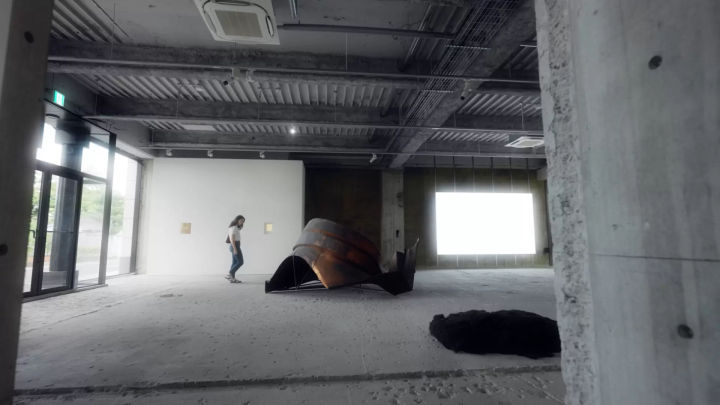
Located in the center of Okayama City, RABBIT HOLE is an art space that hosts exhibitions and events, primarily focusing on contemporary art. Utilizing its open, white-themed space, it showcases a diverse range of genre-bending expressions, including sculpture, installations, video, and performances.
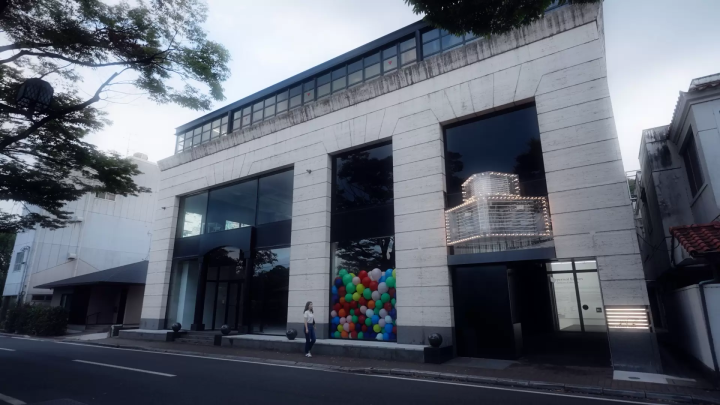
The exhibits change regularly, allowing visitors to have a different art experience each time they visit. Not only does it serve as a venue for artists from Japan and abroad to exhibit their works, but it also hosts talk events and workshops, making it a popular venue for "participating in art" rather than just appreciating it.
Located in the city center, it's a place where you can step away from your everyday life and come face to face with art. It's a cultural spot that anyone who wants to experience Okayama's contemporary culture can easily drop by.
Nagi Museum of Contemporary Art
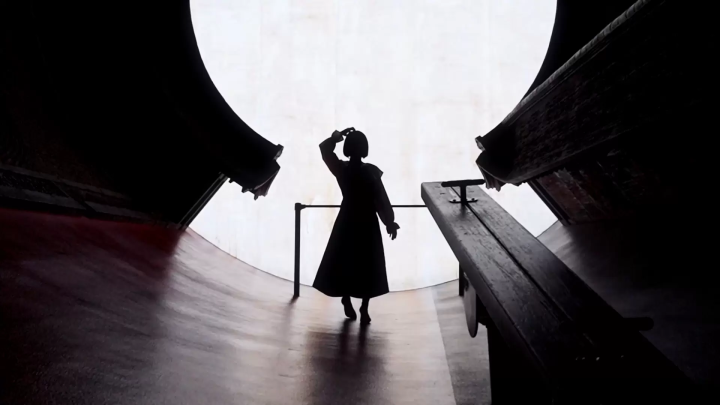
© 1994 Estate of Madeline Gins. Reproduced with permission of the Estate of Madeline Gins.
The Nagi Museum of Contemporary Art , located in Nagi Town in northern Okayama Prefecture , is known as an "experiential museum" where architecture and art come together. The building, designed by architect Arata Isozaki, is structured so that the exhibition space itself is deeply connected to the artworks, and a major feature of the museum is that visitors can physically experience the works by walking through the space.
The museum is home to permanent exhibits such as "Omnipresent Space: Ryoanji Temple in Nagi , the Architectural Body" by Madeline Gins and Shusaku Arakawa by Aiko Miyawaki and Masahiro Miwa. All of these works incorporate elements such as space, light, sound, and traffic flow, making the viewer's senses and actions part of the experience of the work.
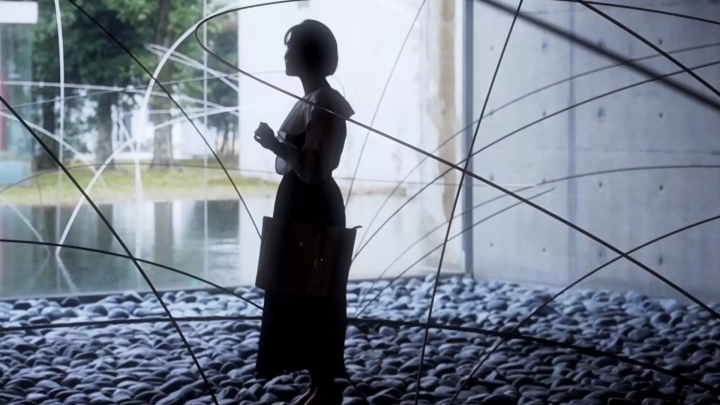
With architecture designed to harmonize with the natural beauty of Nagi and experimental yet open contemporary art, Nagi Museum of Contemporary Art is a spot where you can discover new ways to enjoy contemporary art, not just by looking, but by walking, feeling and thinking.
Nagi Museum of Contemporary Art
 708-1323 441 Toyosawa, Nagi-cho, Katsuta-gun, Okayama Prefecture
Three groups of artists were commissioned to create giant works, and the entire space was turned into architecture, making this the world's first public museum in which artworks and the building are semi-permanently integrated.
It consists of three exhibition rooms named "Sun," "Moon," and "Earth."
The cylindrical exhibition room "Sun" displays works by leading Japanese contemporary artists Shusaku Arakawa and Madeline Gins, which can be viewed in a mysterious, slanted space.
Architect/Completion year: Arata Isozaki/1994
Visits and photography: Photography is permitted in the exhibition rooms.
708-1323 441 Toyosawa, Nagi-cho, Katsuta-gun, Okayama Prefecture
Three groups of artists were commissioned to create giant works, and the entire space was turned into architecture, making this the world's first public museum in which artworks and the building are semi-permanently integrated.
It consists of three exhibition rooms named "Sun," "Moon," and "Earth."
The cylindrical exhibition room "Sun" displays works by leading Japanese contemporary artists Shusaku Arakawa and Madeline Gins, which can be viewed in a mysterious, slanted space.
Architect/Completion year: Arata Isozaki/1994
Visits and photography: Photography is permitted in the exhibition rooms.
Inujima
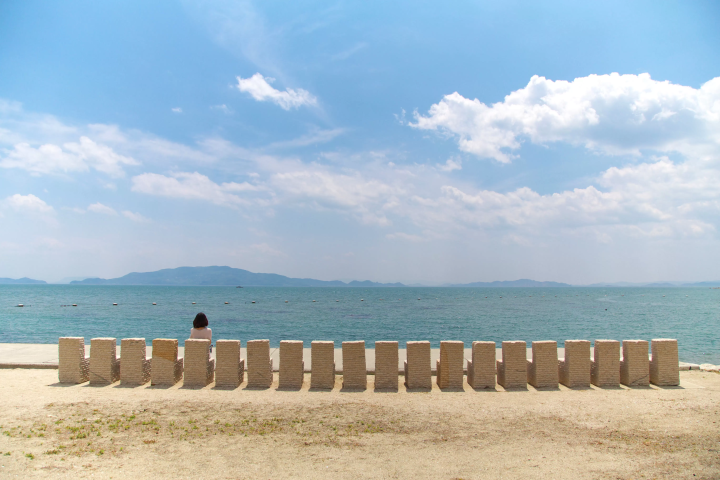
Inujima , located about 3km off the coast of Hoden in Higashi Ward, Okayama City, is the only inhabited island in Okayama City and is known as an island where history and art coexist. Utilizing the island's industrial heritage, which once thrived as a copper refining site, it is now being reborn as a center for culture and the arts.
Additionally, the Inujima"Art House Project," which takes place in the island's village, has renovated vacant and old houses and is dotted with artworks that blend in with the island's scenery and lifestyle. As you walk through the alleys, you can enjoy the unique experience of viewing the island, where architecture, life, and art naturally overlap.
Inujima , where the calm waters of the Setouchi Sea, industrial heritage, and contemporary art come together in harmony, is a cultural tourist spot representing Okayama that has attracted attention both from within Japan and overseas as the "Island of Art."
Inujima Island
 704-8153 Inujima, Higashi Ward, Okayama City, Okayama Prefecture
Inujima, located about 3km off the coast of Hoden in the eastern part of Okayama City, is Okayama City's only inhabited island. The island is attracting attention as an art island, with features such as the Inujima Seirensho Art Museum, which is a renovated site of a copper smelter that is also a modern industrial heritage site, and the House Project, which is being developed in the village of Inujima. There are plenty of fun activities such as camping, swimming in the sea, and sea kayaking while enjoying the island's rich nature. There are lodging facilities available, so you can relax and enjoy your time on the island.
704-8153 Inujima, Higashi Ward, Okayama City, Okayama Prefecture
Inujima, located about 3km off the coast of Hoden in the eastern part of Okayama City, is Okayama City's only inhabited island. The island is attracting attention as an art island, with features such as the Inujima Seirensho Art Museum, which is a renovated site of a copper smelter that is also a modern industrial heritage site, and the House Project, which is being developed in the village of Inujima. There are plenty of fun activities such as camping, swimming in the sea, and sea kayaking while enjoying the island's rich nature. There are lodging facilities available, so you can relax and enjoy your time on the island.
Inujima Seirensho Art Museum
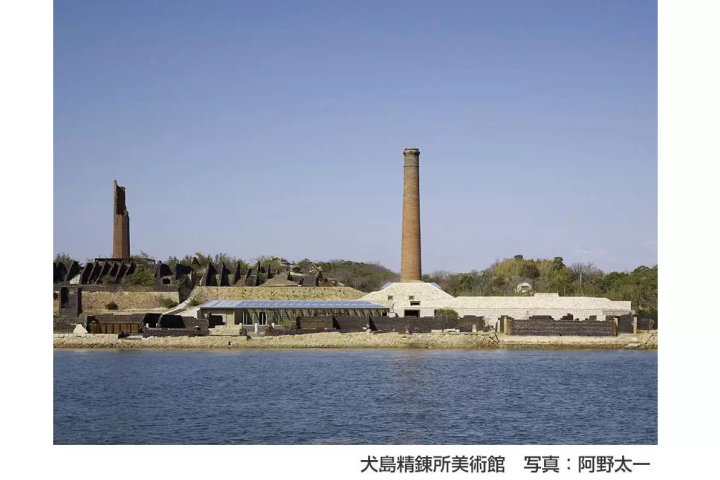
The island's iconic facility is the Inujima Seirensho Art Museum. This museum preserves and renovates the remains of a Meiji-era copper refinery, with architecture by Hiroshi Sambuichi and art direction by Yukinori Yanagi. With architecture that utilizes sunlight and natural energy and a spatial composition that makes use of industrial remains, you can experience contemporary art that coexists with the environment.
Inujima Art Museum
 704-8153 327-4 Inujima, Okayama City, Okayama Prefecture
This museum is conscious of a recycling-oriented society and serves as a model for new regional creation through "heritage, architecture, art, and the environment." The former smelter site on the Inujima Seirensho Museum grounds was designated as one of the 33 "Modern Industrial Heritage Sites" by the Ministry of Economy, Trade and Industry in 2007 for the purpose of revitalizing the region.
In 2009, the island was selected as one of the "100 Treasure Island Sceneries" by the Ministry of Land, Infrastructure, Transport and Tourism as an island of art that makes use of its industrial heritage.
*The Akebono Maru ferry service between Hoden and Inujima, departing Hoden at 15:15 and Inujima at 15:35, only operates on days when the museum is open.
704-8153 327-4 Inujima, Okayama City, Okayama Prefecture
This museum is conscious of a recycling-oriented society and serves as a model for new regional creation through "heritage, architecture, art, and the environment." The former smelter site on the Inujima Seirensho Museum grounds was designated as one of the 33 "Modern Industrial Heritage Sites" by the Ministry of Economy, Trade and Industry in 2007 for the purpose of revitalizing the region.
In 2009, the island was selected as one of the "100 Treasure Island Sceneries" by the Ministry of Land, Infrastructure, Transport and Tourism as an island of art that makes use of its industrial heritage.
*The Akebono Maru ferry service between Hoden and Inujima, departing Hoden at 15:15 and Inujima at 15:35, only operates on days when the museum is open.
Kurashiki Bikan Historical Quarter
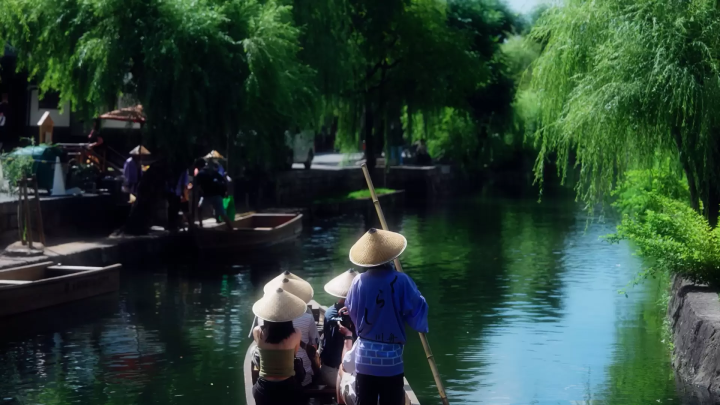
The Kurashiki Bikan Historical Quarter , lined with white-walled storehouses and townhouses with namako walls along the Kurashiki , is a representative historical landscape area of Okayama, conveying the townscape that flourished as a goods collection center during the Edo period. The scenery created by traditional buildings, cobblestone streets, and willow-lined streets changes with the seasons, attracting many visitors from both Japan and abroad.
The townscape is dotted with cafes, general stores, craft and design shops that have been repurposed from traditional townhouses, and the unique charm of the Bikan Historical Quarter is that you can encounter modern sensibilities amidst the historic scenery.You can also enjoy the different atmospheres at different times of the day, such as river boat rides and nighttime illuminations.
Kurashiki Bikan Historical Quarter
 710-0046 1-4-8 Chuo, Kurashiki City, Okayama Prefecture
[Beautiful white-walled streets with a hint of history and art] Kurashiki Bikan Kurashiki Bikan Historical Quarter where you can enjoy quaint scenery, such as white-walled storehouses, namako walls, and rows of willow trees. The streets created by traditional buildings and the retro-modern scenery along the Kurashiki continue to fascinate people from all over the world. Lined with stylish shops selling Kurashiki brands such as " Kurashiki Hanpu" and "Kurashiki Denim ," as well as cafes renovated from traditional townhouses, the area is bustling with tourists all year round. There are also many cultural facilities such as the " Ohara Museum of Art " and "Ivy Square," so you won't get bored even if you spend the whole day exploring the area.
We also recommend the " Kurashiki Bikan Historical Quarter Nighttime Landscape Lighting" produced by the world-renowned lighting designer, Ishii Ishii. The special nighttime production, colored with an elegant sensibility, gracefully reflects the townhouses, white-walled buildings, and retro Western-style buildings, allowing you to enjoy a different view from the daytime.
Traditional paper lanterns are available for rental (free of charge, limited number) exclusively to guests staying at participating facilities. Enjoy a stroll through Kurashiki Bikan Historical Quarter at night, lit up by the lights.
710-0046 1-4-8 Chuo, Kurashiki City, Okayama Prefecture
[Beautiful white-walled streets with a hint of history and art] Kurashiki Bikan Kurashiki Bikan Historical Quarter where you can enjoy quaint scenery, such as white-walled storehouses, namako walls, and rows of willow trees. The streets created by traditional buildings and the retro-modern scenery along the Kurashiki continue to fascinate people from all over the world. Lined with stylish shops selling Kurashiki brands such as " Kurashiki Hanpu" and "Kurashiki Denim ," as well as cafes renovated from traditional townhouses, the area is bustling with tourists all year round. There are also many cultural facilities such as the " Ohara Museum of Art " and "Ivy Square," so you won't get bored even if you spend the whole day exploring the area.
We also recommend the " Kurashiki Bikan Historical Quarter Nighttime Landscape Lighting" produced by the world-renowned lighting designer, Ishii Ishii. The special nighttime production, colored with an elegant sensibility, gracefully reflects the townhouses, white-walled buildings, and retro Western-style buildings, allowing you to enjoy a different view from the daytime.
Traditional paper lanterns are available for rental (free of charge, limited number) exclusively to guests staying at participating facilities. Enjoy a stroll through Kurashiki Bikan Historical Quarter at night, lit up by the lights.
Ohara Museum of Art
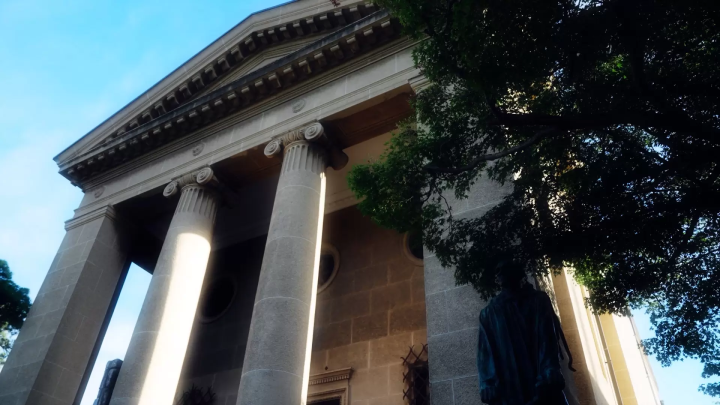
The Ohara Museum of Art is Japan's first private Western art museum, founded in 1930 by businessman Showa Magosaburo Ohara. Located in the heart of Kurashiki Bikan Historical Quarter, the Greek temple-style main building is an iconic presence in the townscape.
The museum houses a wide range of collections, including internationally acclaimed Western paintings such as El Greco's "The Annunciation," Claude Monet's "Water Lilies," Renoir, and Gauguin, as well as sculptures, crafts, and modern Japanese art. Due to the high quality and diversity of the works, the museum is highly regarded as an internationally renowned art museum, despite being located in a regional city.
The unique charm of the Ohara Museum of Art is that you can encounter authentic Western art in the midst of a historic townscape. By combining your visit with a stroll through the Kurashiki Bikan Historical Quarter, you can experience history, architecture, and art all at once, making it one of Okayama's most representative cultural spots.
Ohara Museum of Art
 710-0046 1-1-15 Chuo, Kurashiki City, Okayama Prefecture
Japan's first private Western art museum was established in 1930 (Showa 5) by Magosaburo Ohara, a businessman who contributed to the cultural development of Kurashiki. The main building displays many famous Western masterpieces, including El Greco's ``The Annunciation,'' Claude Monet's ``Water Lilies,'' Renoir, and Gauguin. The museum also houses approximately 3,000 works of art, including ancient Egyptian art, modern Western art, and modern and contemporary Japanese art.
[About the Ohara Museum of Art building]
The designer, Kazue Yakushiji, joined the Kurashiki Silk Textile Co., Ltd., whose founder, Magosaburo Ohara, was the president, and as Ohara's right-hand man, he worked on many buildings related to the company and the Ohara family.
The huge pillars at the entrance look like marble at first glance, but they are actually made of reinforced concrete, and are made by mixing stone powder with mortar and using plastering techniques.
No photography allowed inside the building
710-0046 1-1-15 Chuo, Kurashiki City, Okayama Prefecture
Japan's first private Western art museum was established in 1930 (Showa 5) by Magosaburo Ohara, a businessman who contributed to the cultural development of Kurashiki. The main building displays many famous Western masterpieces, including El Greco's ``The Annunciation,'' Claude Monet's ``Water Lilies,'' Renoir, and Gauguin. The museum also houses approximately 3,000 works of art, including ancient Egyptian art, modern Western art, and modern and contemporary Japanese art.
[About the Ohara Museum of Art building]
The designer, Kazue Yakushiji, joined the Kurashiki Silk Textile Co., Ltd., whose founder, Magosaburo Ohara, was the president, and as Ohara's right-hand man, he worked on many buildings related to the company and the Ohara family.
The huge pillars at the entrance look like marble at first glance, but they are actually made of reinforced concrete, and are made by mixing stone powder with mortar and using plastering techniques.
No photography allowed inside the building
Kojima Jeans Street
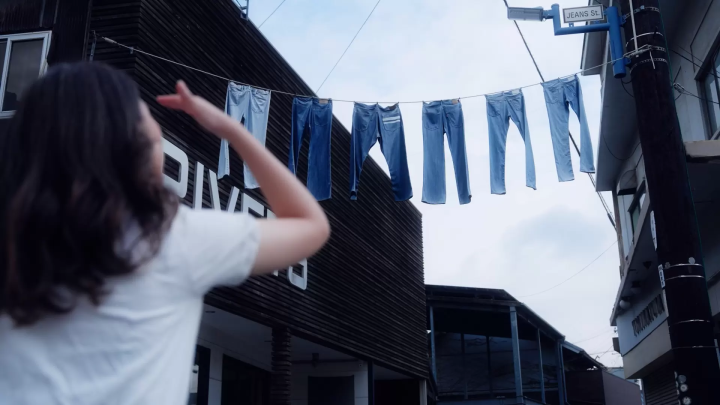
Kojima Jeans Street is a street in Kojima , Kurashiki City that symbolizes the birthplace of Japanese jeans. Along the approximately 400-meter street, you'll find Denim brands that are acclaimed both domestically and internationally, sewing factory outlets, general stores, cafes, and more, making it an area where you can experience Japan's jeans culture.
Kojima is an area where full-scale jeans production began in the 1960s, backed by the advanced techniques cultivated in the sewing industry for school uniforms, work clothes, etc. Even today, it remains a manufacturing hub where dyeing, weaving, sewing, and processing are carried out in an integrated manner, and many artisans and brands are concentrated here.
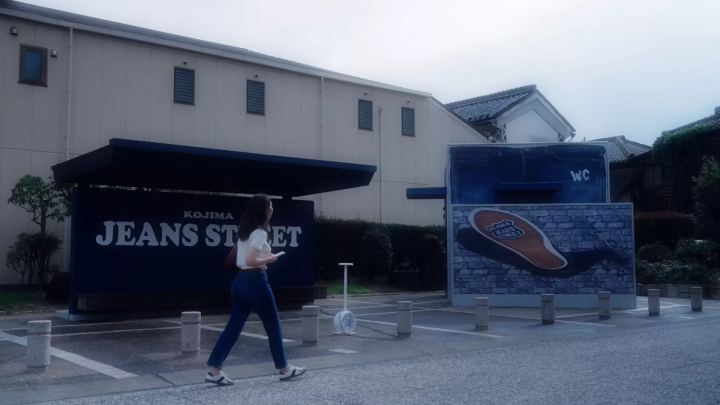
The streets are full of ingenious ways to express the town's status as a "jeans town," with unique displays of jeans flying across the sky, and buildings and signs made from Denim. Another big attraction is that you can not only shop, but also learn about the background and techniques behind the manufacturing process.
It is a spot where you can experience modern craft culture, different from the Kurashiki Bikan Historical Quarter, and is one of the areas that symbolizes Okayama's "culture of creation."
Kojima jeans street
 711-0913 Kojima Mino, Kurashiki City, Okayama Prefecture
Kojima Jeans Street is attracting attention in Kojima, the sacred place for domestic jeans. Local jeans manufacturers are lined up along the approximately 400m street from the ``Former Nozaki Family Residence'' to the Nozaki Monument. Recently, many tourists from overseas have been visiting here, as they can purchase the original jeans made by the world-famous Japan Denim brand. The surrounding area is full of attractive shops and cafes selling everything other than jeans, making it an area you can enjoy all day long.
711-0913 Kojima Mino, Kurashiki City, Okayama Prefecture
Kojima Jeans Street is attracting attention in Kojima, the sacred place for domestic jeans. Local jeans manufacturers are lined up along the approximately 400m street from the ``Former Nozaki Family Residence'' to the Nozaki Monument. Recently, many tourists from overseas have been visiting here, as they can purchase the original jeans made by the world-famous Japan Denim brand. The surrounding area is full of attractive shops and cafes selling everything other than jeans, making it an area you can enjoy all day long.
Betty Smith Jeans Museum & Village
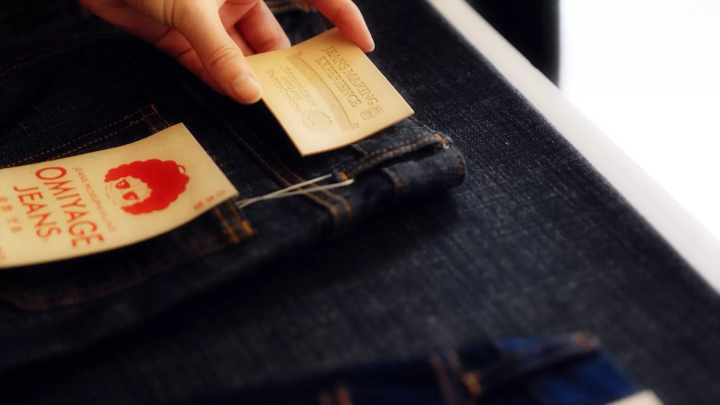
The Betty Smith Jeans Museum & Village is a facility where you can experience jeans culture, run by jeans manufacturer Betty Smith, which owns Japan's oldest jeans factory in Kojima , Kurashiki City . Founded in 1962, Betty Smith was a pioneer of domestically made jeans, and has supported Japan's Denim culture together with Kojima 's sewing techniques.
The Jeans Museum within the facility displays early domestically produced jeans, the manufacturing process, and the evolution of design over the years, allowing visitors to systematically learn about the history of jeans in Japan. Through exhibits of sewing machines and tools, visitors can also learn about the techniques of artisans and the background of manufacturing.
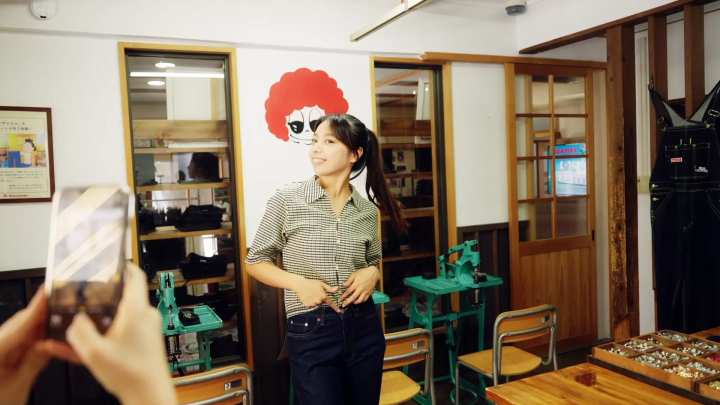
Additionally, the Village Area offers programs where visitors can actually participate in creating their own jeans, such as ordering original jeans, riveting, and hemming. Once completed, visitors can take the finished jeans home with them.
There are also shops and cafes on-site, making it a spot where you can experience the jeans culture that Kojima has cultivated with all your senses while enjoying shopping and taking a break.
Betty Smith Jeans Museum & Village
 5-2-70 Kojimoshimonomachi, Kurashiki City, Okayama Prefecture 711-0906
This is a museum run by a Kojima jeans manufacturer. The history and manufacturing process of jeans is introduced through panels and products, and many valuable items are on display, including replicas made over 100 years ago and sewing machines used at the time. You can also order original jeans (reservation required). Craftsmen use traditional cutting and sewing techniques to create the pieces. This facility is a must-see for jeans fans, as it has a jeans-making experience workshop and an outlet shop.
5-2-70 Kojimoshimonomachi, Kurashiki City, Okayama Prefecture 711-0906
This is a museum run by a Kojima jeans manufacturer. The history and manufacturing process of jeans is introduced through panels and products, and many valuable items are on display, including replicas made over 100 years ago and sewing machines used at the time. You can also order original jeans (reservation required). Craftsmen use traditional cutting and sewing techniques to create the pieces. This facility is a must-see for jeans fans, as it has a jeans-making experience workshop and an outlet shop.
Uno Port
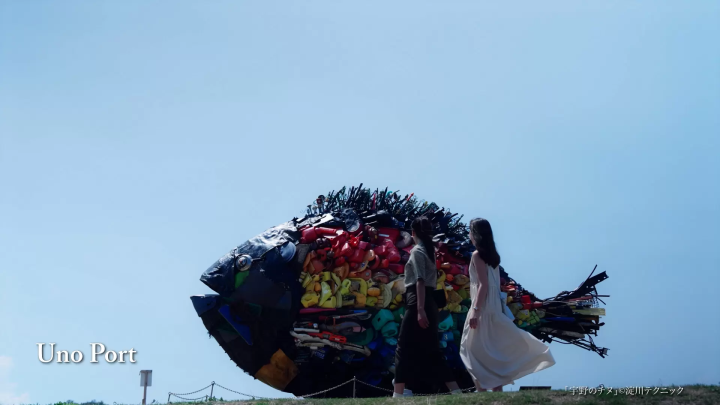
Uno Port is one of the major ports on the Seto Inland Sea , located in Tamano City , Okayama Prefecture , and is known as the gateway to the Setouchi Sea's art islands, such as Naoshima, Teshima, and Inujima . Ferries and high-speed boats depart here, making it a transportation hub that supports the region in both tourism and daily life.
The area around the port has been developed as one of the venues for the Setouchi Triennale, and is dotted with outdoor artworks and landscape designs. In particular, a large contemporary artwork installed in an area overlooking the sea blends in with the port scenery and leaves a strong impression on visitors.
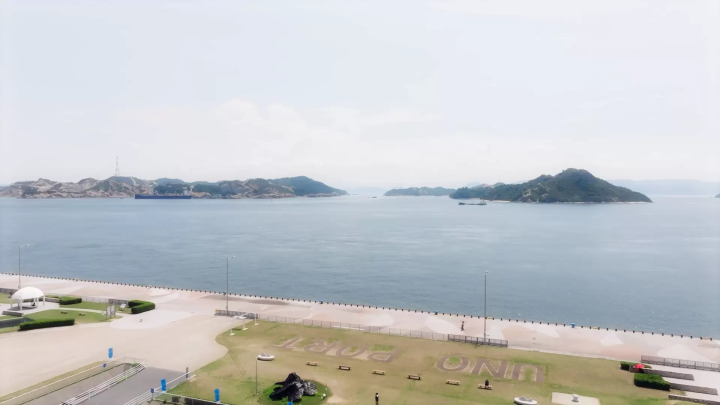
You can also get a panoramic view of the many islands from the port, and on clear days you can enjoy the typical Setouchi scenery of the calm sea and the chain of islands. There are also walking paths and grassy areas, so you can relax by the sea while waiting for the ferry or between sightseeing.
Uno Port is the starting point for island trips, and is also one of the most iconic spots for Setouchi tourism, as it is a place where art, scenery, and Port town life intersect.
Uno Port
 70600002 Chikko 1, Tamano City, Okayama Prefecture
It is a departure and arrival point for important shipping routes to Naoshima, where the Chichu Art Museum is located, and Teshima, where the Teshima Art Museum is located, which is the venue for the Setouchi Triennale, an art festival held on the islands. There are various art works scattered around Uno Port, and you can walk around them, so we recommend enjoying a stroll while looking out at the port.
70600002 Chikko 1, Tamano City, Okayama Prefecture
It is a departure and arrival point for important shipping routes to Naoshima, where the Chichu Art Museum is located, and Teshima, where the Teshima Art Museum is located, which is the venue for the Setouchi Triennale, an art festival held on the islands. There are various art works scattered around Uno Port, and you can walk around them, so we recommend enjoying a stroll while looking out at the port.
Ekihigashi Soukou
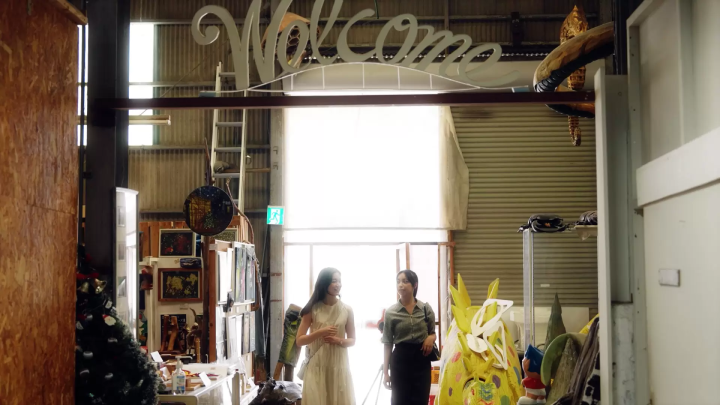
Located in the east area of Kurashiki Station, Ekihigashi Souko is a base for art and crafts, utilizing the former warehouses and factories. It has revitalized the area's remaining industrial heritage and is operated as a place for the presentation and exchange of contemporary art, crafts, design and creative activities.
The facility is dotted with galleries, studios, and shops, where artists hold exhibitions and sales of their works, workshops, events, etc. A major attraction for visitors is that they can not only appreciate the works, but also experience the production process and interact directly with the artists.
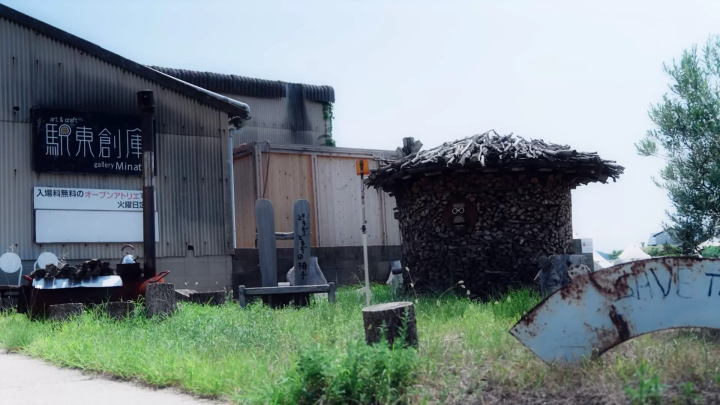
The building and space utilize the texture and structure of a warehouse, creating a unique atmosphere that blends inhumanity with creativity. Artworks and objects are also displayed outdoors, creating a space where you can encounter art while strolling around.
Ekihigashi Souko is a place where local history and new expression intersect, making it a spot where you can experience Kurashiki's culture and creativity up close. You can stop by during your sightseeing and spend some time experiencing the world of art and craftsmanship.
Hokancho Shopping Street
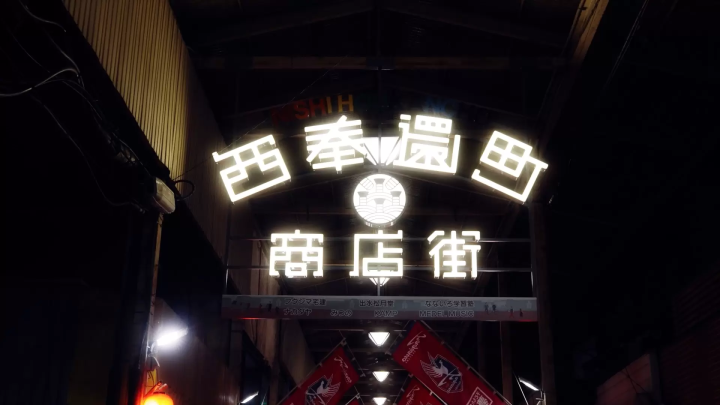
Hokancho Shopping Street is an arcade shopping street that stretches from the west exit of Okayama Station towards Okayama Castle, and is filled with history and everyday life. The name "Hokancho" comes from the fact that it welcomed victorious soldiers from the Sino-Japanese and Russo-Japanese Wars during the Meiji period.
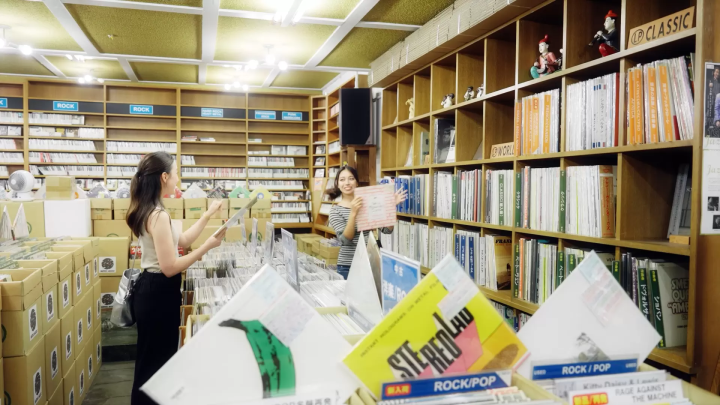
The roughly 300-meter-long street is lined with traditional shops and restaurants, unique cafes and general stores, and new shops run by the younger generation, creating a unique atmosphere where the old and the new naturally blend together.It is a place for locals to do their daily shopping, and also a place where tourists can encounter the "scenery of life" in Okayama.
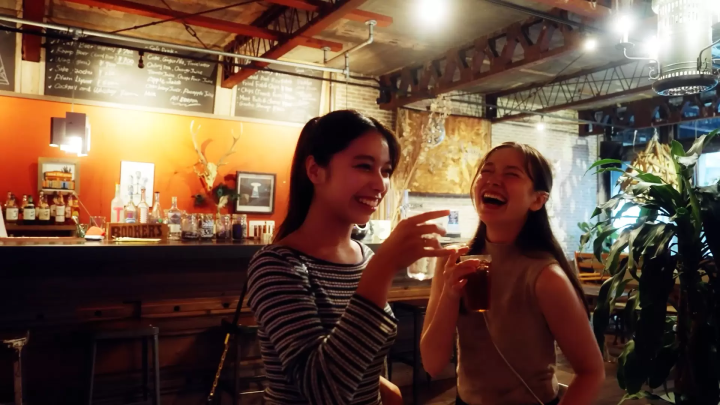
Under the arcade, seasonal events, Marché, art and music events are held, and the shopping street itself functions as a cultural hub. Just walking along the street, you can feel the atmosphere of food, people, history, and modern Okayama all coming together.
Hokancho Shopping Street is a place where you can experience the real face of Okayama, a little different from the tourist spots. It is a spot where you can stop by while walking around the city and enjoy casual interactions with local people and unexpected encounters.
Click here for videos and related articles on other themes





Okayama Prefecture is located in the Center of Western Japan and is known as the "Land of Sunshine" due to its warm climate and little rain throughout the year. It's conveniently located halfway between famous tourist destinations like Kyoto, Osaka, and Hiroshima! It's also the gateway to Shikoku via the Seto. Okayama is also known as the "Fruit Okayama," and the fruits that are sun-drenched in the warm climate of the Setouchi are of the highest quality in terms of sweetness, aroma, and flavor. You can enjoy seasonal fruits such as white peaches, Muscat grapes, and Pione grapes! Okayama is also home to world-class tourist spots, including Okayama Castle, Okayama Korakuen Garden, one of Japan's three most famous gardens, and Kurashiki Bikan Historical Quarter, which boasts history, culture, and art!
The contents on this page may partially contain automatic translation.
Special Features
More









![New Nike shoes, exclusive to Japan! Available at Sports Depot and Alpen from May 22nd [Limited Color]](https://resources.matcha-jp.com/resize/720x2000/2026/05/20-264261.webp)