How to enjoy Fuji Safari Park on a rainy day!

At Fuji Safari Park in Shizuoka Prefecture, you can enjoy an exciting safari experience and get up close and personal with the animals from your own car or the park bus! The animals live freely in a natural environment, and you can enjoy the scenery of the four seasons.

Written by
Located at an altitude of 850m, this is one of the largest safari parks in Japan. In the vast natural surroundings at the foot of Mt. Fuji, about 800 animals from 60 species, including lions, Amur tigers, and giraffes, live freely. The park is divided into a "Safari Zone" and a "Placement Zone," where you can take your time to observe the animals and enjoy interacting with them in a natural environment.
This service includes sponsored advertisements.
-
Table of Contents
- What kind of facility is Fuji Safari Park?
- How do animals spend rainy days?
- How to apply for admission
- Rainy day animals!
- There are plenty of other facilities to enjoy besides the Safari Zone
- access
- Admission reception hours and admission fees
![[Updated for 2026] Fuji Safari Park Complete Guide! Prices, Access, and How to Enjoy](https://resources.matcha-jp.com/resize/200x2000/2024/12/10-214444.webp)
What kind of facility is Fuji Safari Park?
This is one of Japan's largest safari parks, where approximately 800 animals from 60 different species, including lions, giraffes, and elephants, live freely in the vast natural environment at the foot of Mount Fuji. The park is divided into two areas: the Safari Zone and the Interaction Zone. You can tour the Safari Zone from your car or on a sightseeing bus, while you can tour the Interaction Zone on foot. Another popular attraction is the Walking Safari, where you can observe animals while walking through the forest course that runs along the perimeter of the Safari Zone!
How do animals spend rainy days?
Many people probably think that when it rains, animals don't come out, or hide and can't be seen.
Depending on the amount of rain, you may not be able to see the cheetahs or giraffes, and the horse riding corner in the petting zone may be canceled, but many animals can be seen even on rainy days, and they are surprisingly active. Bears, tigers, elephants, and rhinos are particularly active, and you may be able to observe behaviors that you wouldn't see on a sunny day!
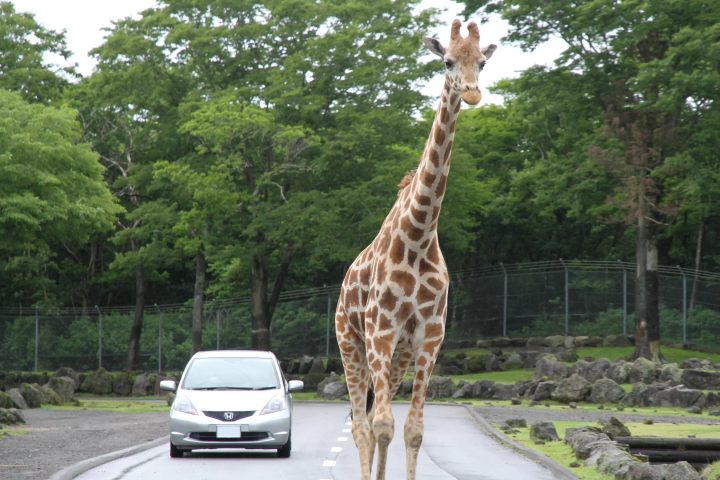
The Safari Zone, which can be toured by car or bus, can be visited without getting wet even on rainy days. You can also tour the area in your own car as many times as you like within the admission reception hours, and you can observe the different habits and behaviors of the animals depending on the time of day, so we recommend focusing on the Safari Zone on rainy days.
How to apply for admission
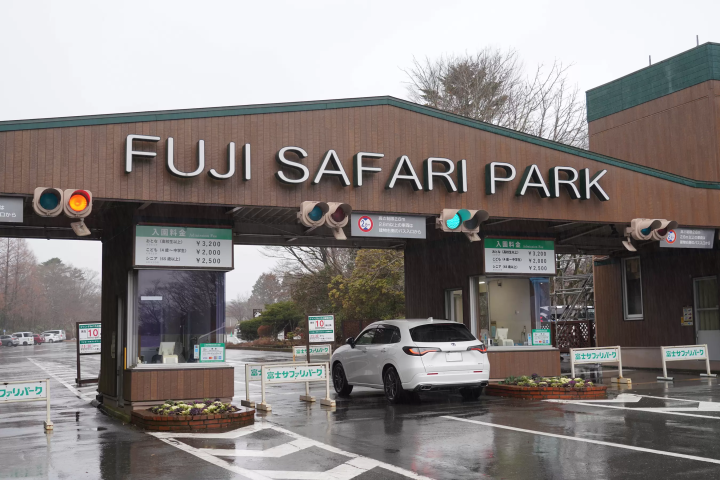
When you arrive at the entrance toll booth, you can go through admission check-in without leaving your car. If you register in advance with the ticket service "My SAFARI," you can purchase a discounted electronic admission ticket, making admission check-in a smoother process.
The park's shuttle bus operates even on rainy days!
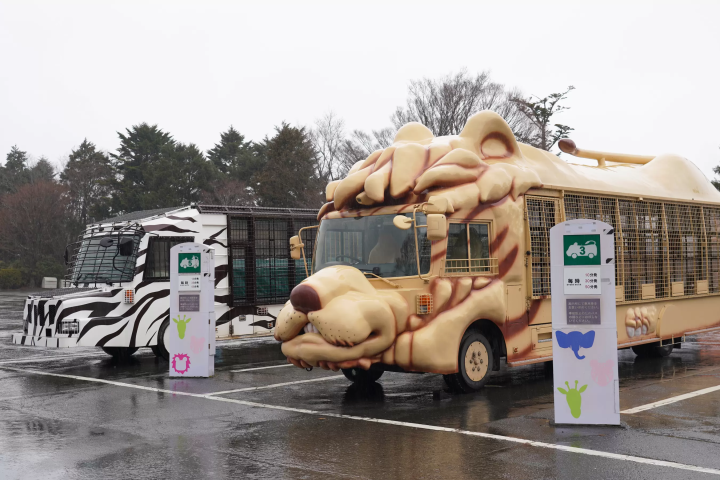
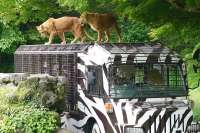
The popular "Super Jungle Bus" and the animal-shaped "Jungle Bus" that tour the park operate even on rainy days. Bus tickets are sold at the information booth next to the ticket office. Please select your desired bus from the operating schedule when purchasing your ticket.
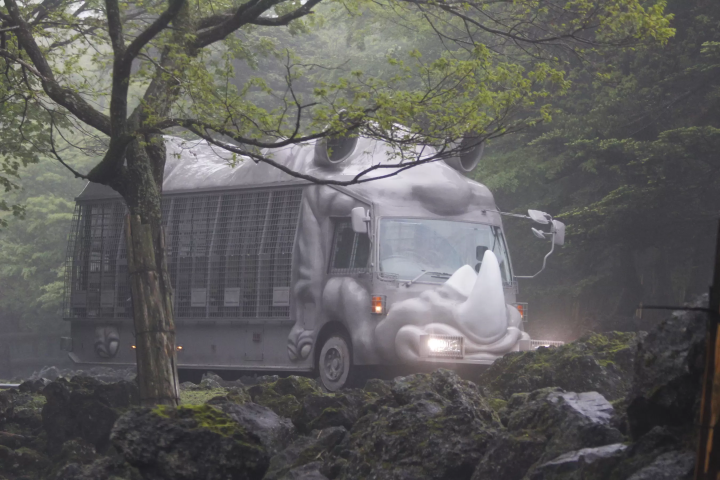
Also, although the animal-shaped "Jungle Bus" has a ceiling, both sides are covered with wire mesh, so depending on how you get off, rain may blow in. Umbrellas cannot be used on the bus, so we recommend wearing a raincoat or poncho if you are riding on a rainy day.
*Ponchos are sold at the information desk (200 yen each)
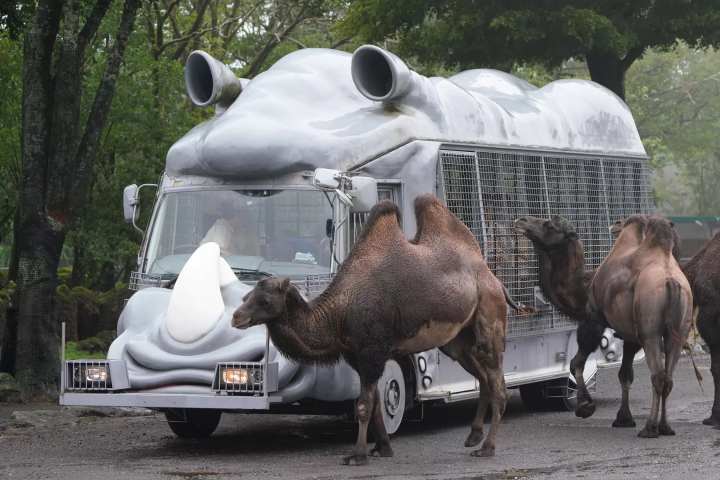
The park's sightseeing bus takes you on a 4.5km loop around the "Safari Zone." You'll travel through seven different areas while listening to the driver's commentary on the animals. Along the way, you can even experience feeding bears, lions, and camels—it's a truly thrilling experience!
《Travel time and bus fare》
• Super Jungle Bus: 60 minutes (2,100 yen/person)
• Jungle Bus: 50 minutes (1,500 yen per person *For elementary school students and older)

Rainy day animals!
On sunny days in the Safari Zone, you can see animals basking in the sun and relaxing in various places, but some animals become more active when it rains, so here are some examples.
Please note that during low temperatures or snowfall, some animals that do not tolerate the cold (such as cheetahs and giraffes) may not be able to be seen due to health management measures for the animals.
Black and brown bears enjoying the rain
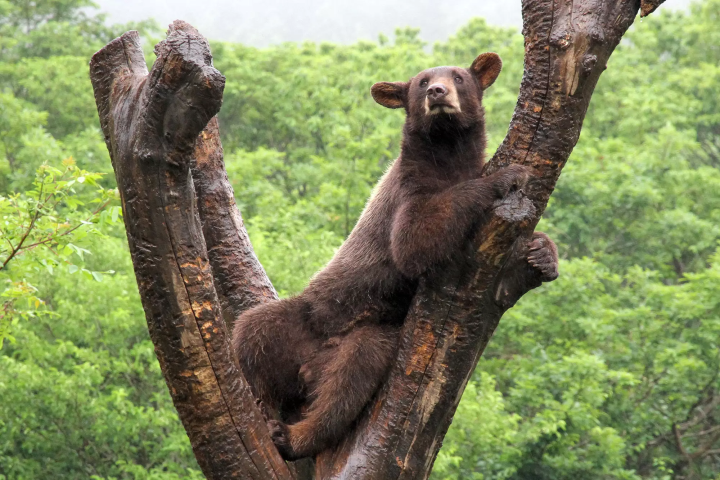
American bear playing and climbing trees in the rain!
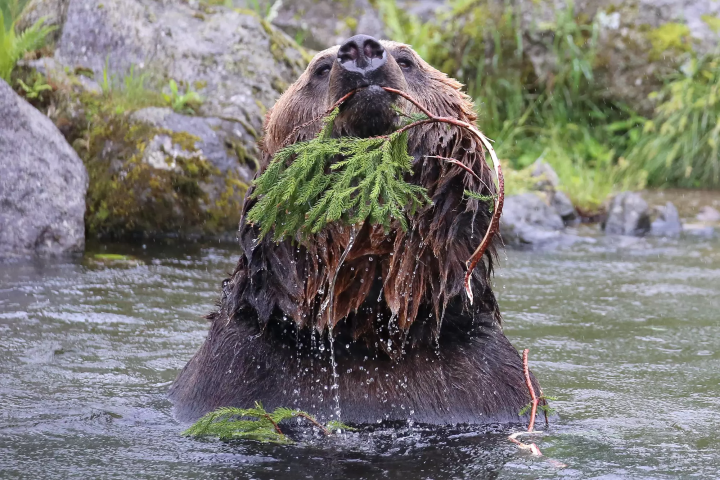
A brown bear playing in a rain pond!
Amur tigers are active even in the rain
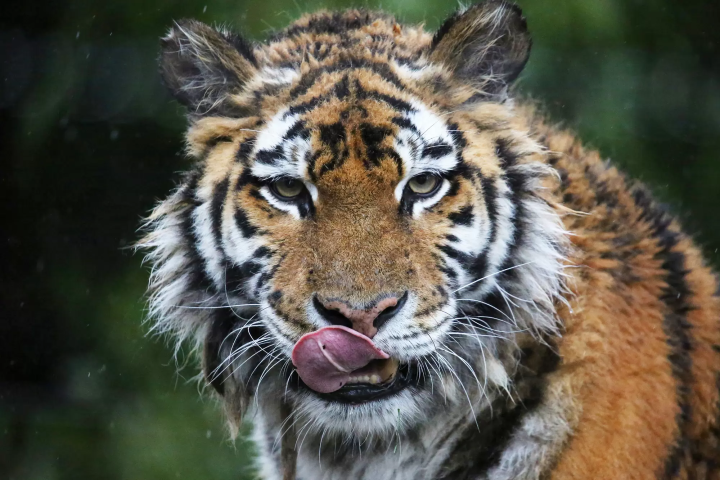
An Amur tiger grooming itself and licking its face!
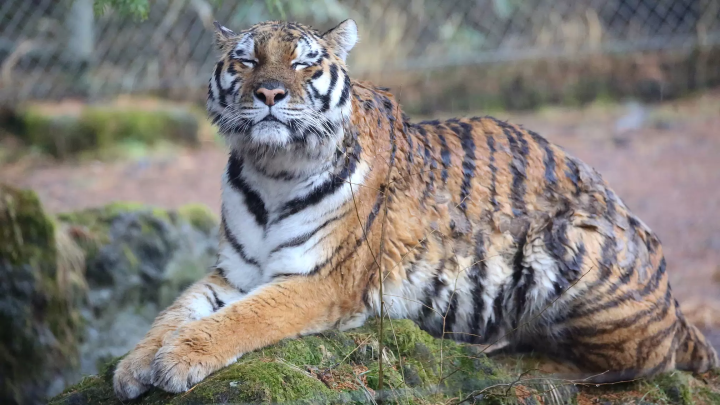
The Amur tiger looks very comfortable!
Asian elephants live in tropical rainforests
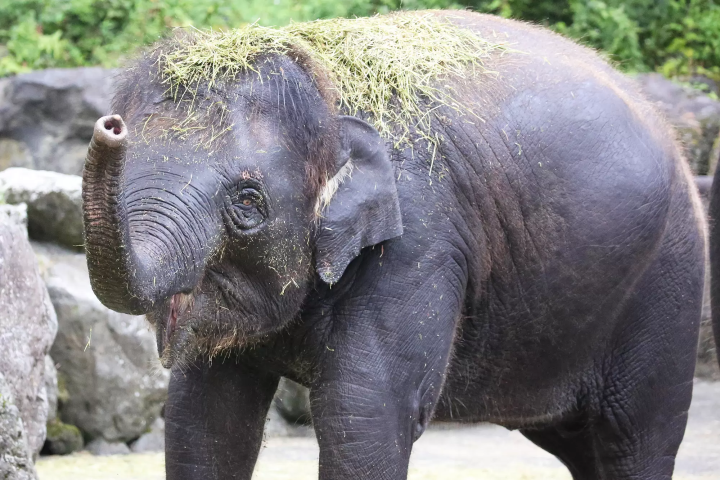
An Asian elephant looking happy with hay on its back!
Other herbivores that remain active even in the rain
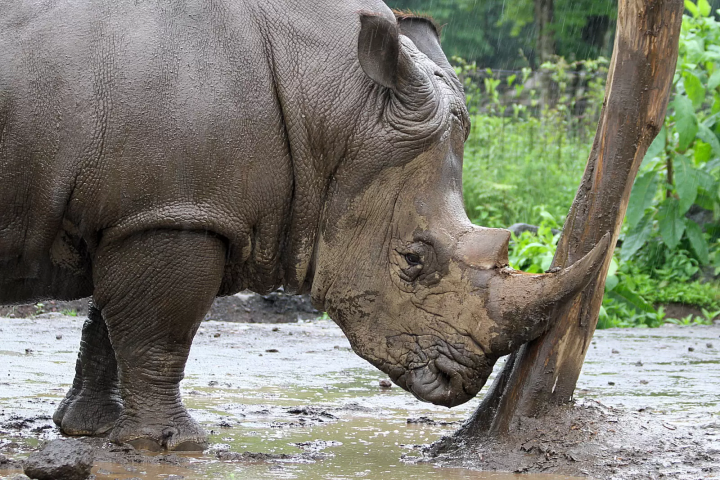
A white rhino sharpens its horns on trees and rocks!
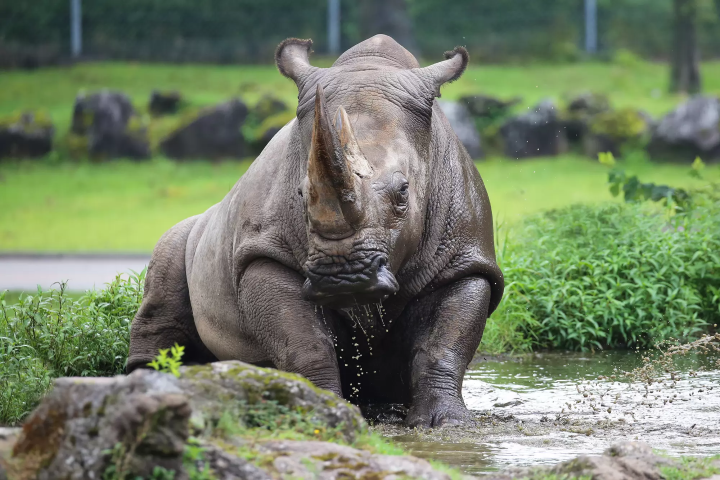
A white rhino lying down in a puddle and taking a mud bath!
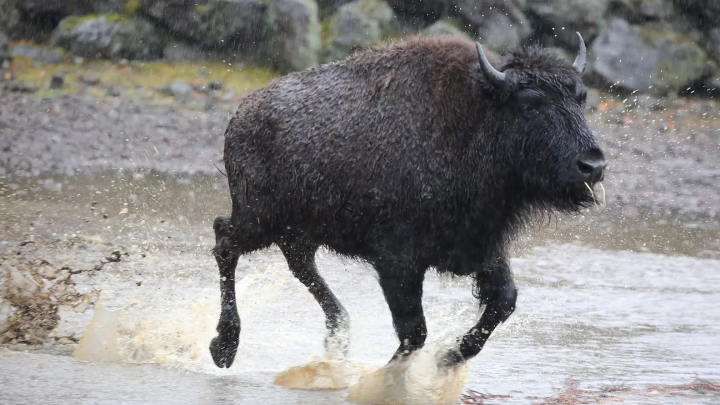
The American bison is excited and running around!
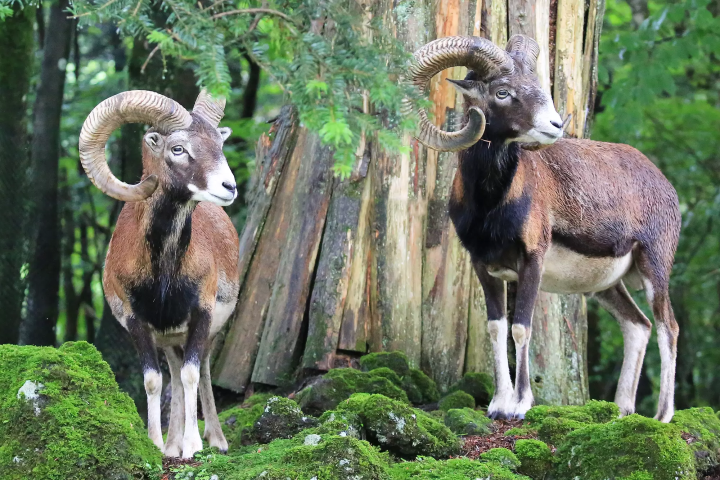
Mouflon resting on a mossy rock
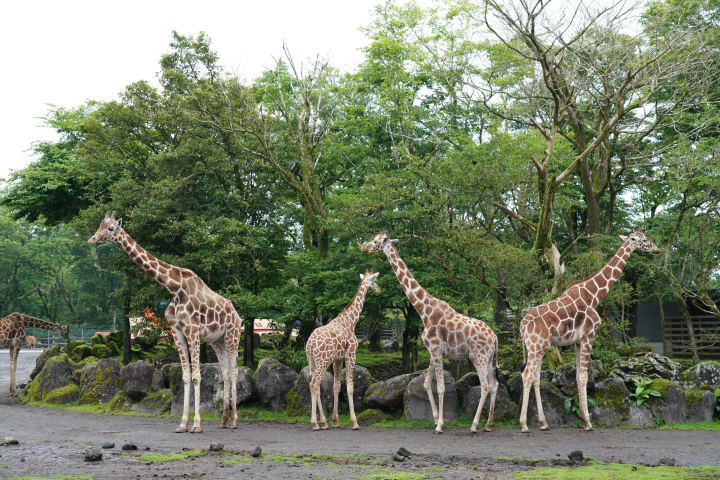
Giraffes spend their time sheltering from the rain or eating leaves.
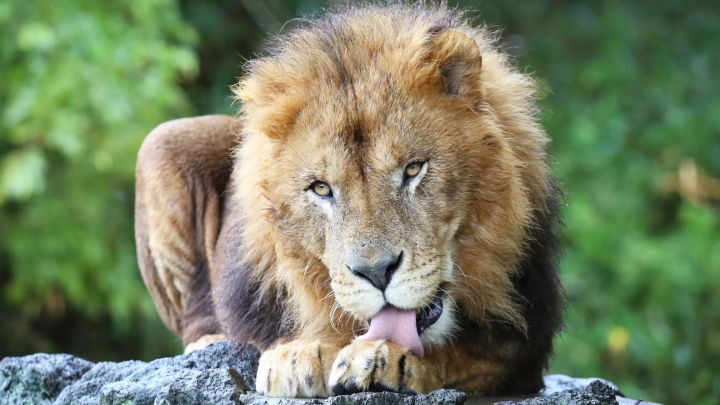
A lion licks its wet body and grooms itself!
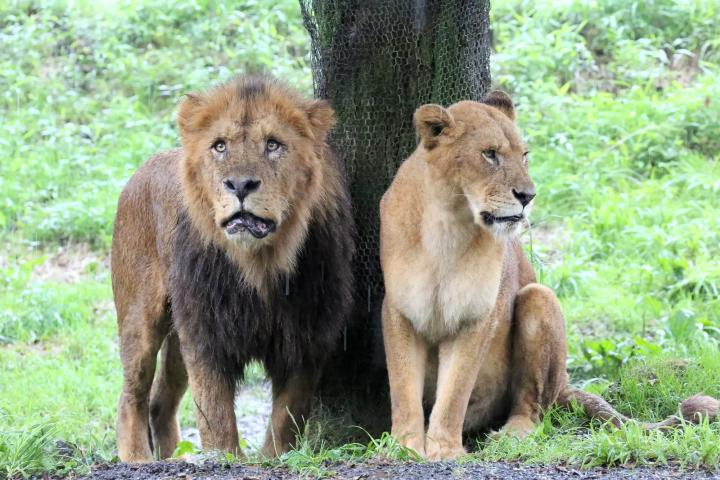
A lion looking up at the sky with an expression that says, "I wish the rain would stop soon!"
An American bear rolling around in the snow!
There are plenty of other facilities to enjoy besides the Safari Zone
In the petting zone, horseback riding and interactions with small animals that don't like rain may be canceled, but there are also indoor experiences. If it rains, you can enjoy the dog, cat, and rabbit houses and the bakery, which can be enjoyed regardless of the weather.
Dog House
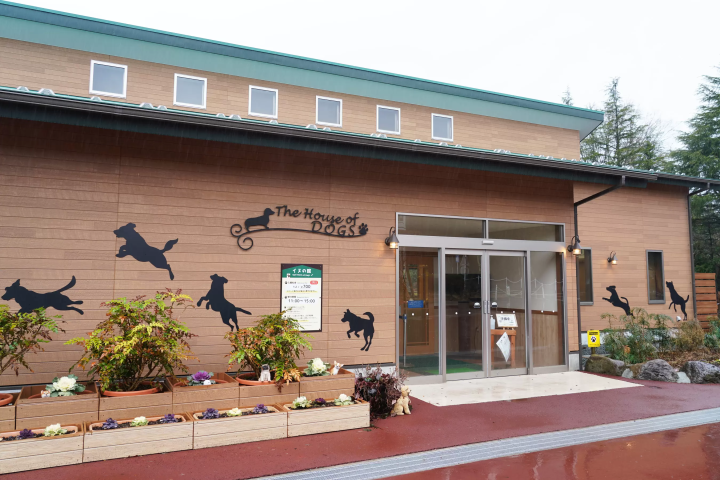

This facility allows you to interact with small dogs, which are popular as pets. The temperature is controlled indoors, so you can enjoy the experience regardless of the weather.
Cat House


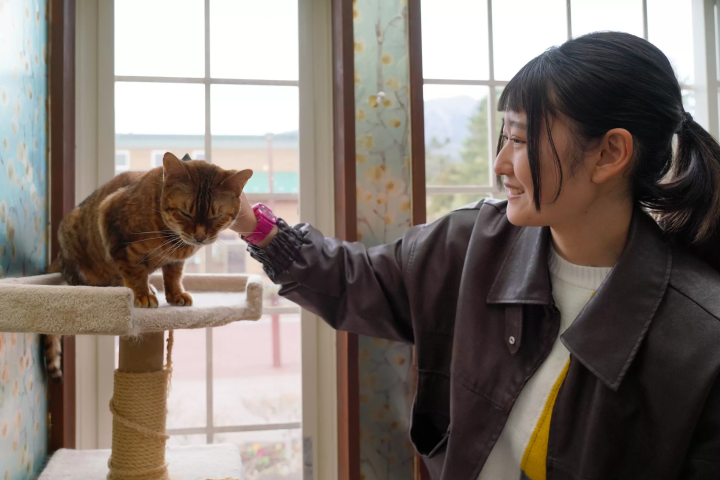
Enjoy a peaceful and relaxing time at this facility where rare cats from all over the world reside.
Rabbit House

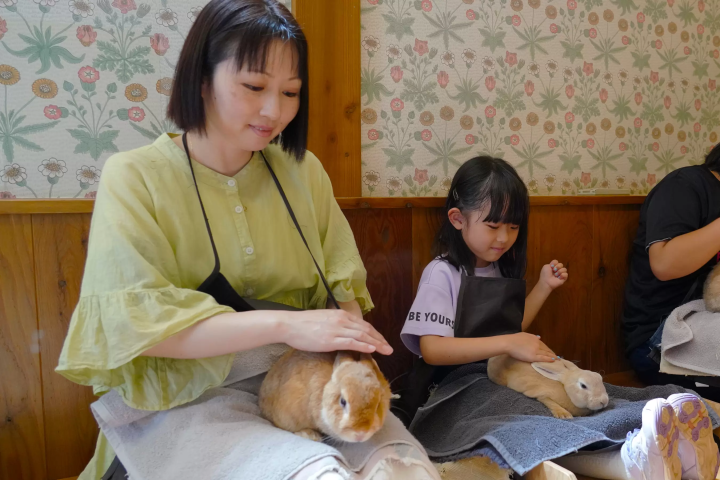
A welcoming and relaxing space inspired by the architecture of the Lake District in northern England. You can spend a leisurely time with cute rabbits and rare breeds of rabbits.
Bakery

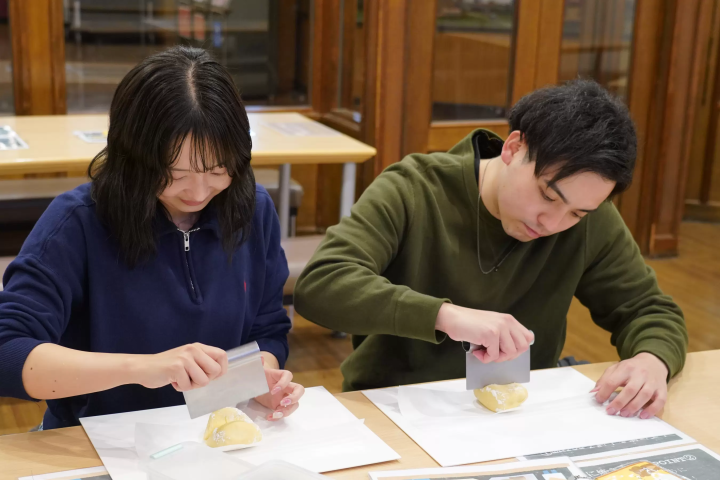

Roll the dough into balls, stretch it out... and try making your own original breads in all sorts of shapes, like elephants and giraffes!
access
◎By car
From Tokyo: Approx. 120 minutes from Tokyo via the Tomei Expressway. Nearest IC: 10 km from Susono IC, approx. 15 minutes. From Nagoya: Approx. 180 minutes from Nagoya via the Shin-Tomei Expressway, approx. 18 km from Shin-Fuji IC, approx. 30 minutes.
*If there is snow on the surrounding roads, you will need to use winter tires, tire chains, or other anti-skid devices for your car.
◎By train or bus
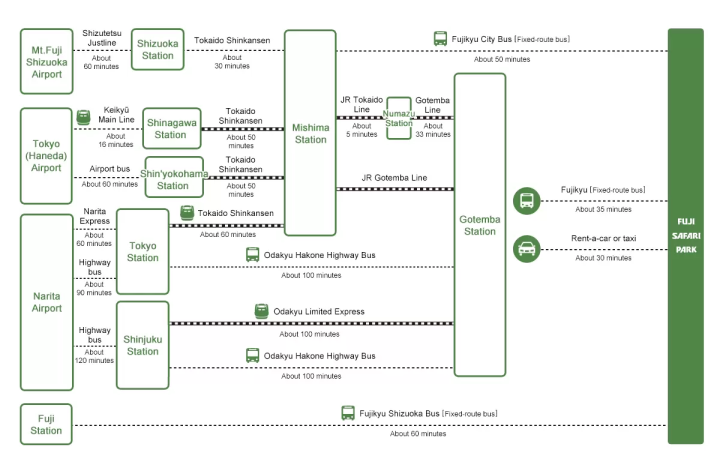
From Tokyo) Tokaido Shinkansen (Tokyo or Shinagawa Station ⇒ Mishima Station: approx. 50 minutes) ⇒ Local bus (Mishima Station ⇒ Fuji Safari Park: approx. 50 minutes) Odakyu Romancecar (Shinjuku Station ⇒ JR Gotemba Station: approx. 100 minutes) ⇒ Local bus (Gotemba Station ⇒ Fuji Safari Park: approx. 35 minutes) From Nagoya) Tokaido Shinkansen (Nagoya Station ⇒ Mishima Station: approx. 110 minutes) ⇒ Local bus (Mishima Station ⇒ Fuji Safari Park: approx. 50 minutes)
Admission reception hours and admission fees
Admission reception hours
9:00-16:30 (March 11th-October 31st)
9:00-15:30 (November 1st to November 30th)
10:00-15:30 (December 1st - March 10th)
Admission fee
The admission fee is as follows, and includes a tour of the Safari Zone by car and the Interaction Zone on foot. If you transfer to the tour bus within the park, a separate bus tour fee will be charged.
◎ Adults (high school students and above): 3,200 yen ◎ Children (ages 4 to junior high school students): 2,000 yen ◎ Seniors (ages 65 and above): 2,500 yen * Parking is free
Located at an altitude of 850m, this is one of the largest safari parks in Japan. In the vast natural surroundings at the foot of Mt. Fuji, about 800 animals from 60 species, including lions, Amur tigers, and giraffes, live freely. The park is divided into a "Safari Zone" and a "Placement Zone," where you can take your time to observe the animals and enjoy interacting with them in a natural environment.
The contents on this page may partially contain automatic translation.


Special Features
More