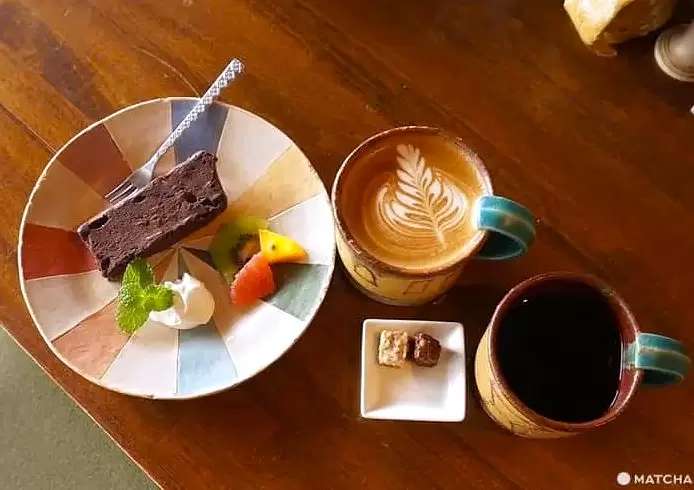
Old House Gallery"Ippatsu": A hidden cultural spot where Meiji-era architecture and modern art come together
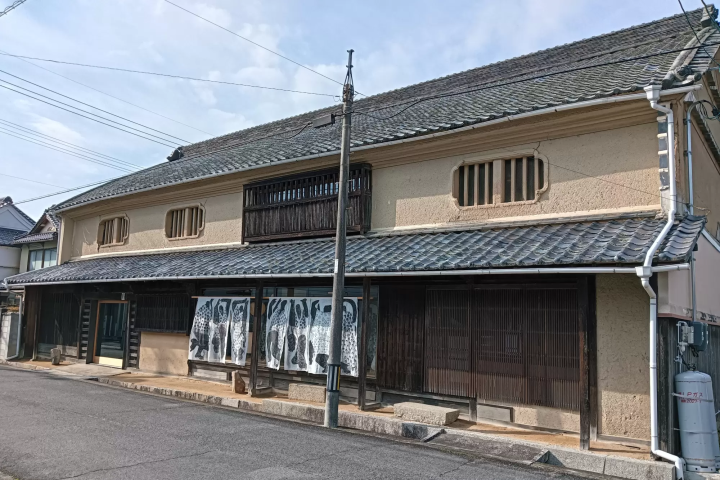
Ippatsu is an Old House Gallery located in Takebe Town of Okayama City . The space, which was renovated from the Omura Honke Former Residence, built in 1887, is a place where the architectural beauty of the Meiji period and contemporary art are beautifully harmonized. We will introduce you to this special place where everyday life and art meet.

Written by
Okayama Prefecture is located in the Center of Western Japan and is known as the "Land of Sunshine" due to its warm climate and little rain throughout the year. It's conveniently located halfway between famous tourist destinations like Kyoto, Osaka, and Hiroshima! It's also the gateway to Shikoku via the Seto. Okayama is also known as the "Fruit Okayama," and the fruits that are sun-drenched in the warm climate of the Setouchi are of the highest quality in terms of sweetness, aroma, and flavor. You can enjoy seasonal fruits such as white peaches, Muscat grapes, and Pione grapes! Okayama is also home to world-class tourist spots, including Okayama Castle, Okayama Korakuen Garden, one of Japan's three most famous gardens, and Kurashiki Bikan Historical Quarter, which boasts history, culture, and art!
This service includes sponsored advertisements.
Takebe Town, located in the northern part of Okayama City, is rich in nature. A charming old house suddenly appears in the middle of the townscape. From the outside, it looks like an ordinary old house, but once you step inside, you'll find a much larger and deeper space than you'd expect. Ippatsu Gallery is a wonderful blend of Meiji-era architecture and modern art, and I was able to experience a variety of art.
-
Table of Contents
- The history of Takebe Town: A trading town where merchants and craftsmen gathered
- Accessible on foot from JR Takebe Station
- The exterior of the Old House Gallery blends in with the townscape
- The interior is more spacious than you'd imagine: an exquisite fusion of traditional Japanese architecture and modern design
- The second floor is a gallery store: where art meets everyday life
- Spacious Tea Pavilion: Enjoy tea while looking out at the Japanese garden
- Summary: A hidden art spot away from the hustle and bustle of the city
The history of Takebe Town: A trading town where merchants and craftsmen gathered
During the Edo period (1603-1868), the Okayama Domain established a jin'ya (local administrative and military base) in Takebe, which borders the Tsuyama Domain, to guard its borders with other territories, and a samurai residence was built there. This led to merchants and craftsmen gathering, and the area flourished as the center of Takebe Jinya and the newly formed Takebe district.
Trade was also thriving using Takase-bune River Boat (flat-bottomed cargo boats that ply the river) that made use of the water transport on the Asahikawa . A gallery renovated from an old house that retains remnants of that history is located in a residential area in Takebe Town, Takebe-machi. This is "Ippatsu," which suddenly appears in the middle of a residential area.
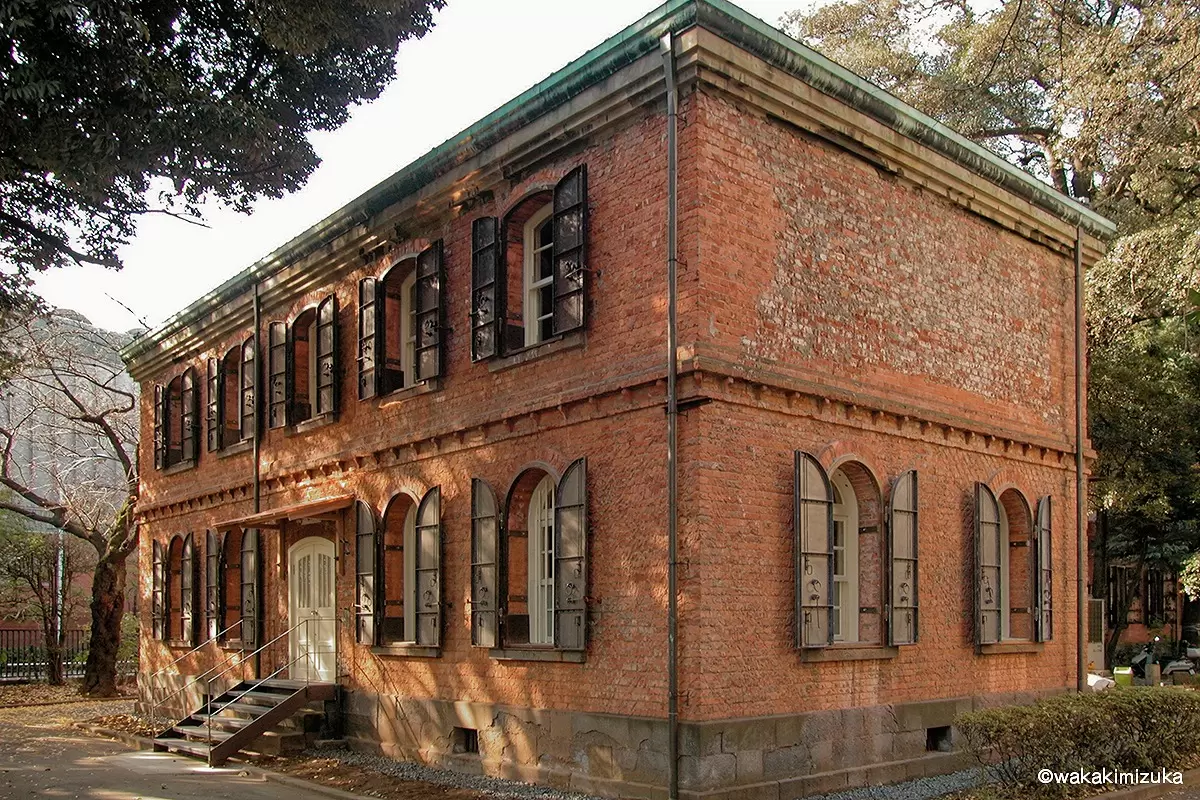
This is a complex gallery that was created by renovating the Omura Honke Former Residence, which was built in 1887 (Meiji 20), and is centered around the exhibition and sale of contemporary art, as well as a Tea Pavilion(a space for enjoying tea), and craft and product sales.
Speaking of Takebe Town, I remember the memorable "Takebe Forest Park" where I used to play as a child, and I was excited by the spacious park. I visited Takebe for the first time in a long time as an adult, and this time I got to experience art. "Ippatsu" is a show that introduces various phenomena, divided into the categories of clothing, food, housing, play, knowledge, and beauty. I hope you enjoy it.
Accessible on foot from JR Takebe Station
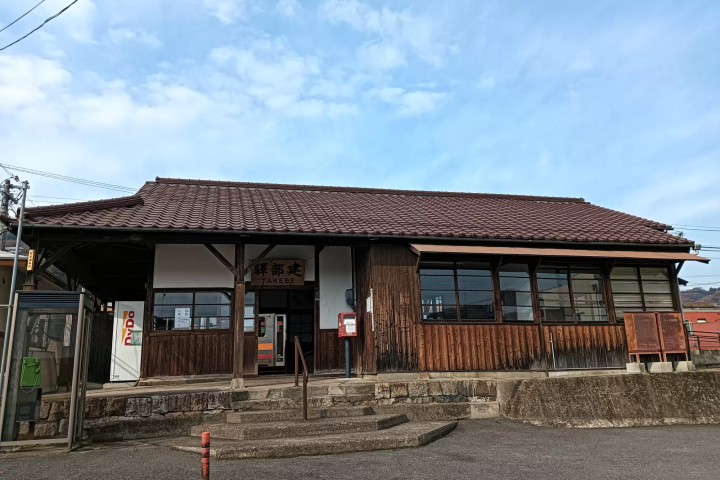
The nearest station, Takebe Station, is about 40 minutes from Okayama Station on the JR Tsuyama, and the fare is 510 yen. Takebe Station's quaint wooden building opened on April 15, 1900 (Meiji 33). If you visit by train, be sure to take note of the retro station building.
From there, it's about a 10-minute walk through a residential area to reach Ippatsu. The path isn't difficult, but there aren't many landmarks, so we recommend checking the map as you walk.
The exterior of the Old House Gallery blends in with the townscape
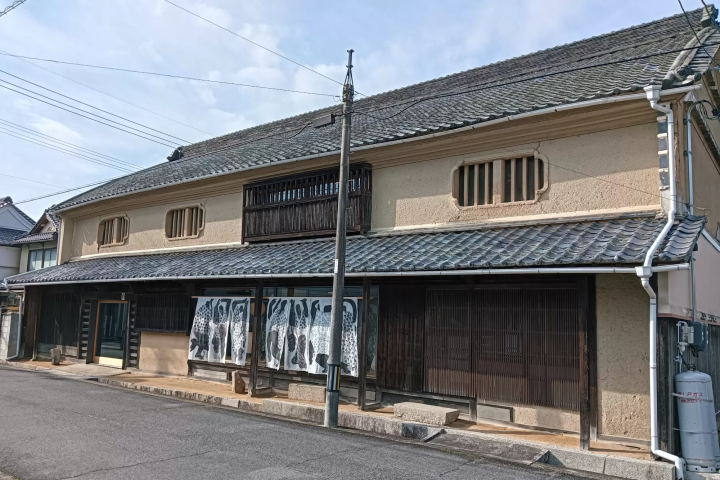
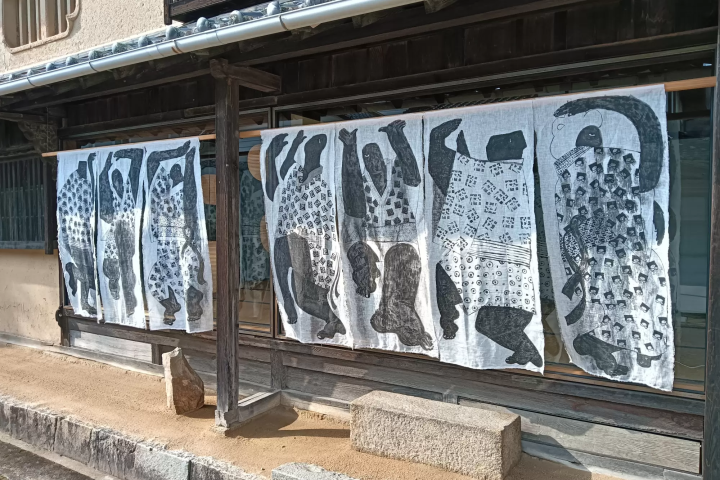
Outside, an artistic Noren Curtain (a cloth hanging at the entrance) by Terada Hideji was hanging for this solo exhibition, which caught my eye. It blends in very well with the townscape, so it might be a good idea to look for the large glass sliding door at the entrance.
The former Omura Honke Former Residence of the Takebe Town of Aburaya in Takebe-cho was built in 1887 (Meiji 20). The house remains in its original state, showing the prosperity of the time when the family ran a large sake brewing business.
The interior is more spacious than you'd imagine: an exquisite fusion of traditional Japanese architecture and modern design
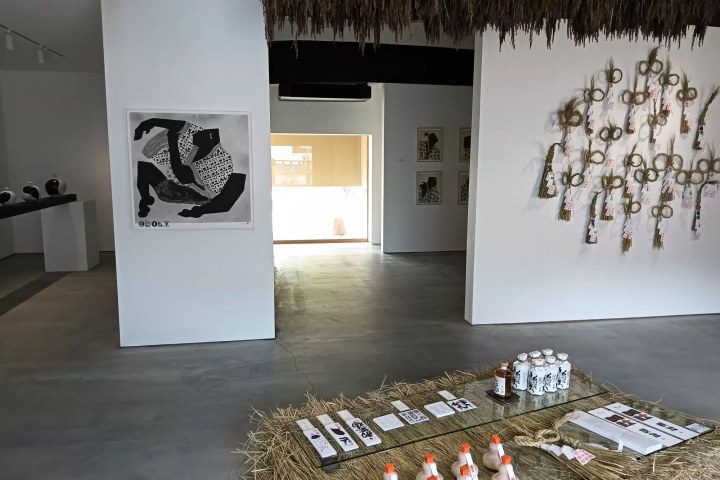
Once inside, you'll find the mansion to be much larger than you'd imagine. The wide corridors and the glass windows at the front give you a view of the garden, creating a sense of openness. And it's actually two stories tall.
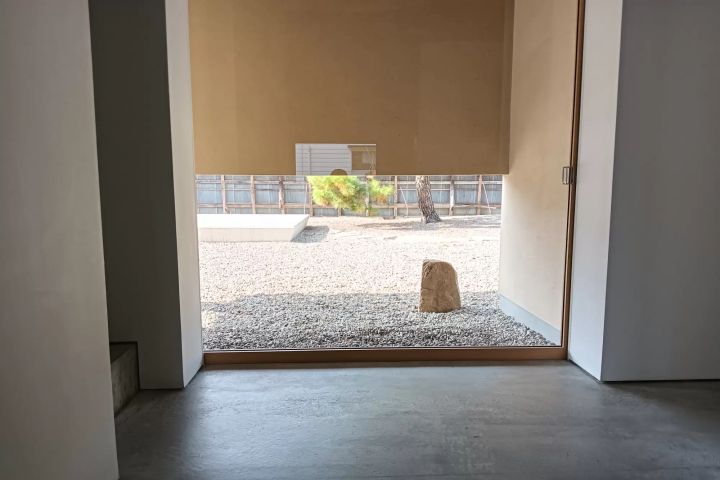
First, let's enjoy the atmosphere of the old house. The roof is intentionally large, so the entire garden cannot be seen from inside. It is designed so that you can catch a glimpse of the paved stones, stage, and pine trees. It is a mysterious sight that feels spacious precisely because it is hidden.
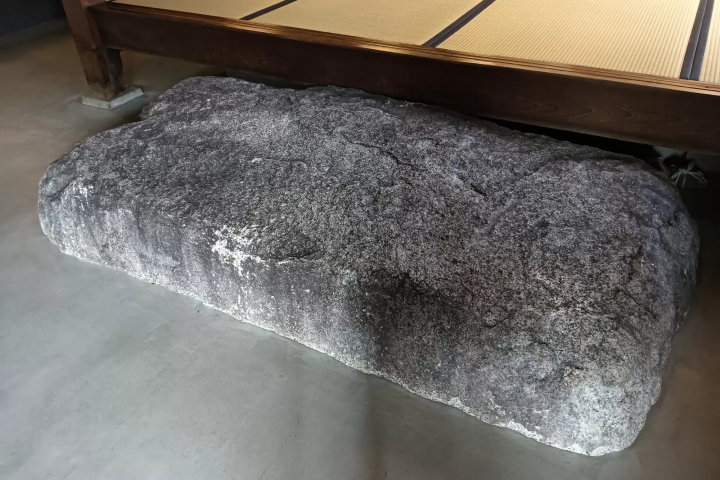
The magnificent boulder on the Agari-kamachi (Entrance Step) to the right as you enter is from Kibichuo Town.
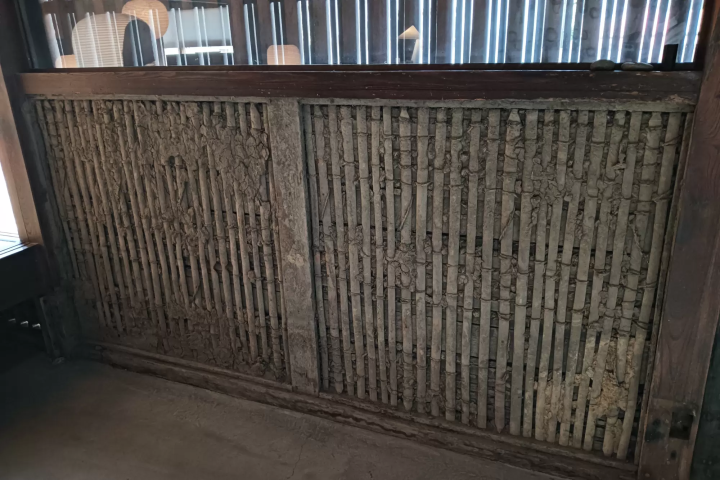
The framework inside the earthen walls is intentionally left visible, and the shoji screens are pasted using the Taiko-bari (Double-sided paper) technique (a technique in which paper is pasted on both sides), and every single detail of the interior has been carefully crafted.
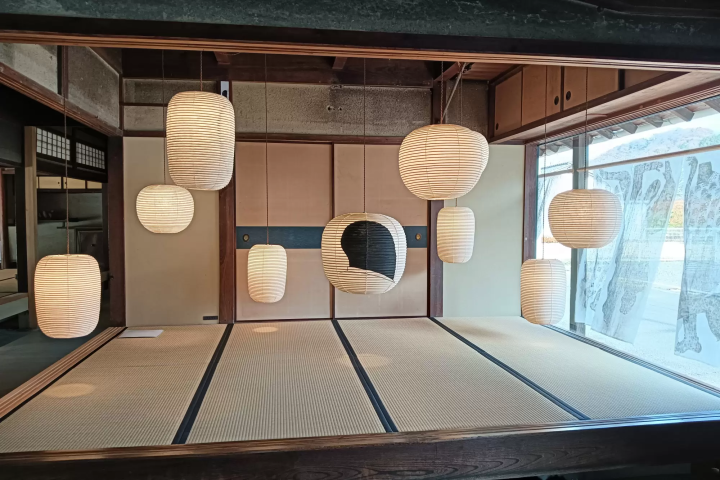
The second floor is a gallery store: where art meets everyday life
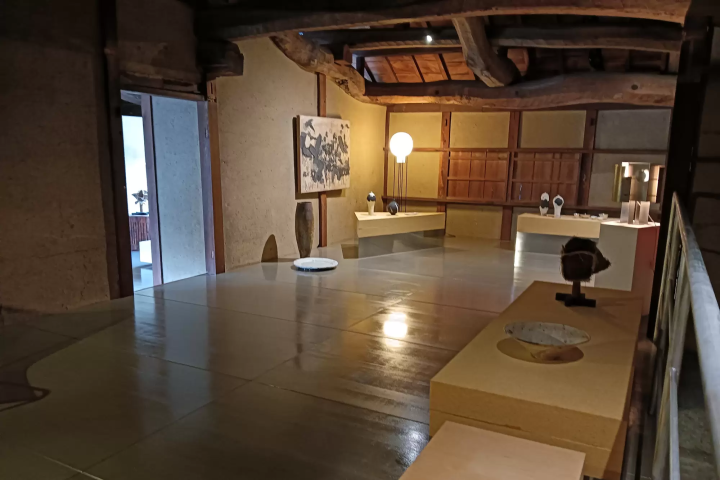
The second floor is like an archive of people who have held solo exhibitions in the past, and you can also purchase works if you like them.
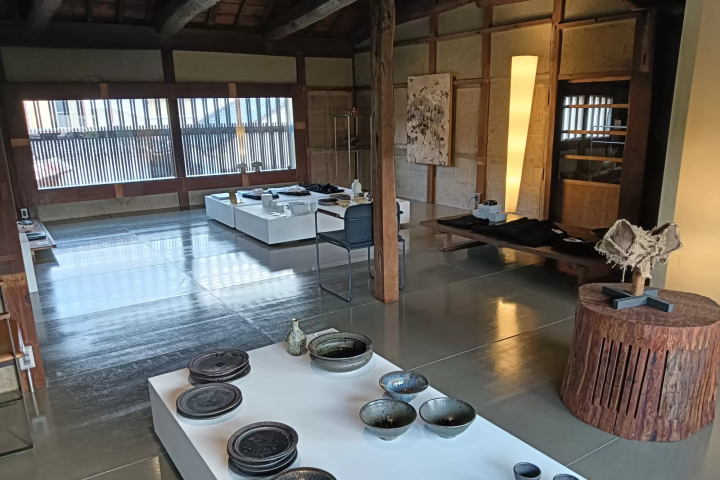
Apparel, lighting, paintings, tableware, etc.
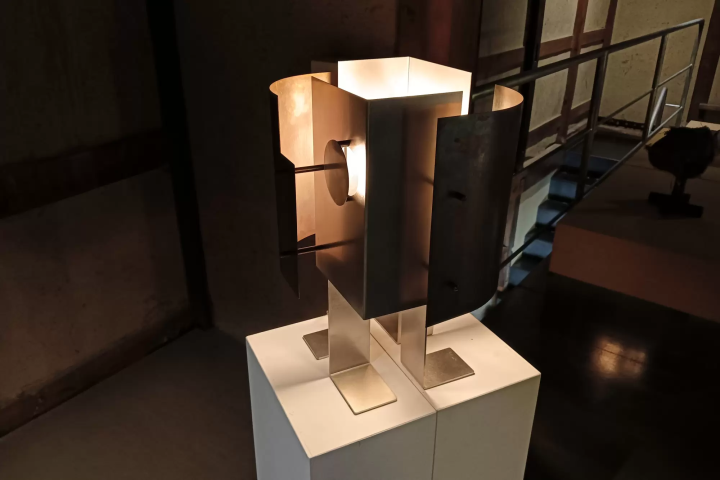
Personally, I was surprised and excited to see that there is art and artists who can so easily connect art with everyday life.
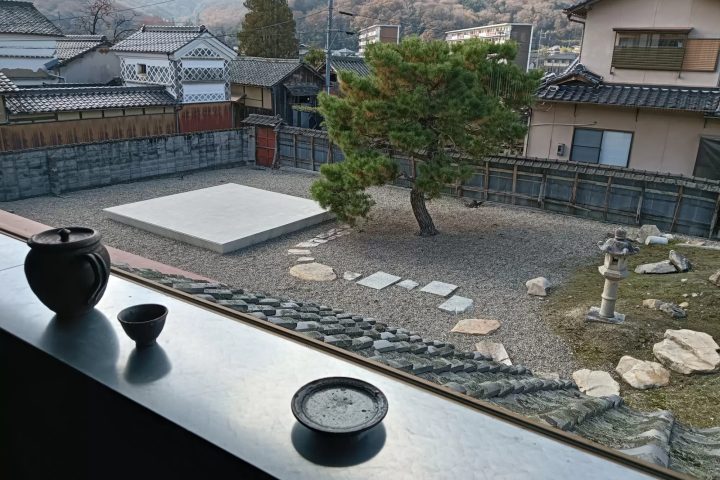
Spacious Tea Pavilion: Enjoy tea while looking out at the Japanese garden
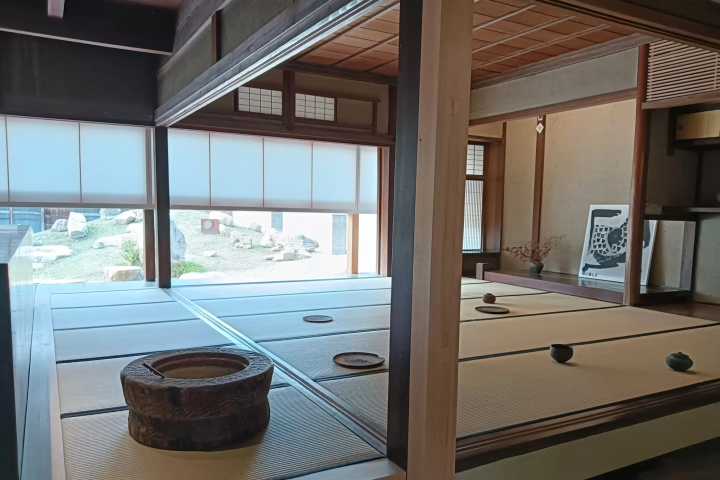
There is also a Tea Pavilion where you can enjoy tea and sweets. From the Tea Pavilion, you can look out over the garden from the large windows. The Tea Pavilion is closed for a while as the cold season approaches, so I was unable to experience it this time, but it seems that tea will be served again in time for the new solo exhibition starting on February 21, 2026. If you would like to enjoy it, please check before visiting.
Summary: A hidden art spot away from the hustle and bustle of the city
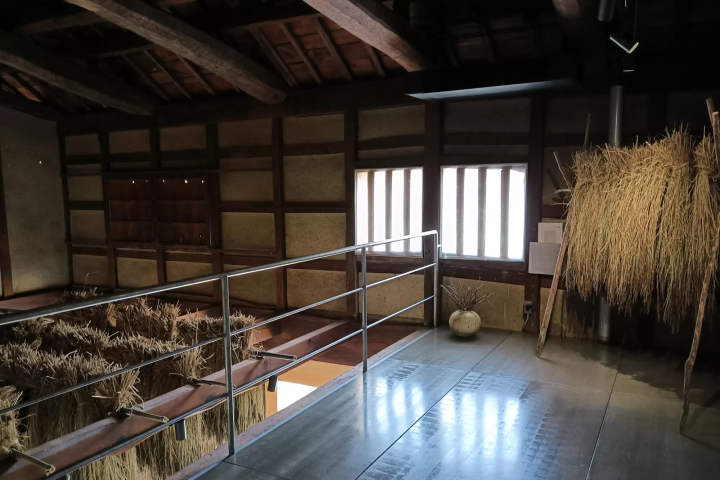
"Ippatsu" was a lot more enjoyable than you would imagine from the outside.
The gallery staff explained in detail about the exhibits that caught my eye, and before I knew it, I had been there for about two hours. Away from the hustle and bustle of the city, in an old house in Takebe, you can encounter a variety of contemporary art. Be sure to come and find your favorite piece.
[Ippatsu]
Address: 171 Okayama Prefecture, Kita Ward, Okayama City, Takebe Town
TEL: 086-280-1047
Business hours: 12:00-17:00
Closed: Wednesdays and Thursdays
Parking: Available (8 spaces)
Okayama Prefecture is located in the Center of Western Japan and is known as the "Land of Sunshine" due to its warm climate and little rain throughout the year. It's conveniently located halfway between famous tourist destinations like Kyoto, Osaka, and Hiroshima! It's also the gateway to Shikoku via the Seto. Okayama is also known as the "Fruit Okayama," and the fruits that are sun-drenched in the warm climate of the Setouchi are of the highest quality in terms of sweetness, aroma, and flavor. You can enjoy seasonal fruits such as white peaches, Muscat grapes, and Pione grapes! Okayama is also home to world-class tourist spots, including Okayama Castle, Okayama Korakuen Garden, one of Japan's three most famous gardens, and Kurashiki Bikan Historical Quarter, which boasts history, culture, and art!
The contents on this page may partially contain automatic translation.
Special Features
More