Walking around the Tomioka Silk Mill| A journey to enjoy the history of Japanese and Western fusion and foreign culture
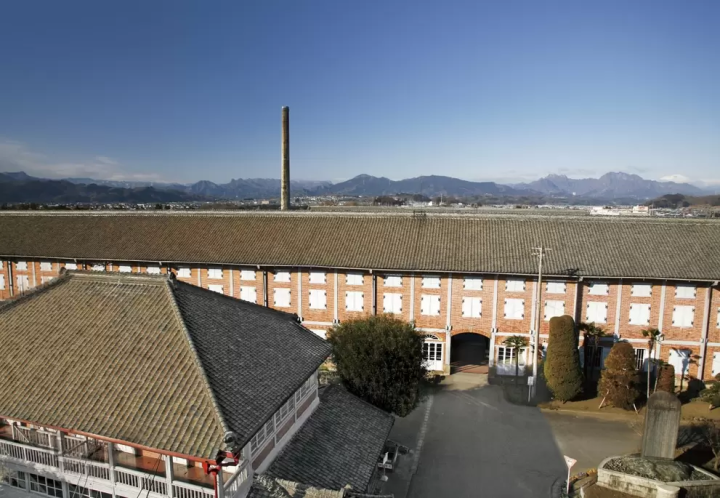
The Tomioka Silk Mill is a World Heritage Site born from the fusion of Japanese and Western technology. We will introduce the attractions of the area that even those who are not good at history can enjoy, as well as the multicultural cuisine experience in Tomioka, all of which are easy to understand and will help you discover the charms of this trip.

Written by
The Tomioka City Tourism Association utilizes the tourism resources of Tomioka City, including the Tomioka Silk Mill and Mt. Myogi, in order to increase the number of visitors while contributing to the development of the local economy.
This service includes sponsored advertisements.
The Winds of Civilization Arriving from France - What is Tomioka Silk Mill?
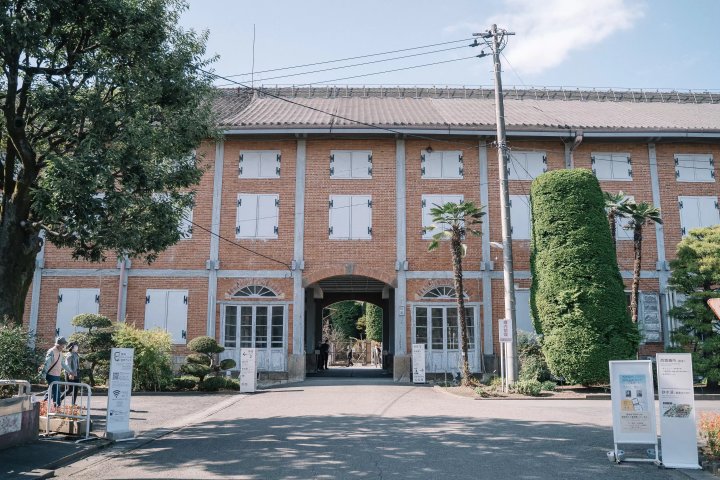
This was Japan's first government-run silk mill, built by the Meiji government in 1872. It was designed under the direction of French engineer Paul Brunat, and is characterized by its unique architectural style, which combines cutting-edge Western technology with traditional Japanese culture.
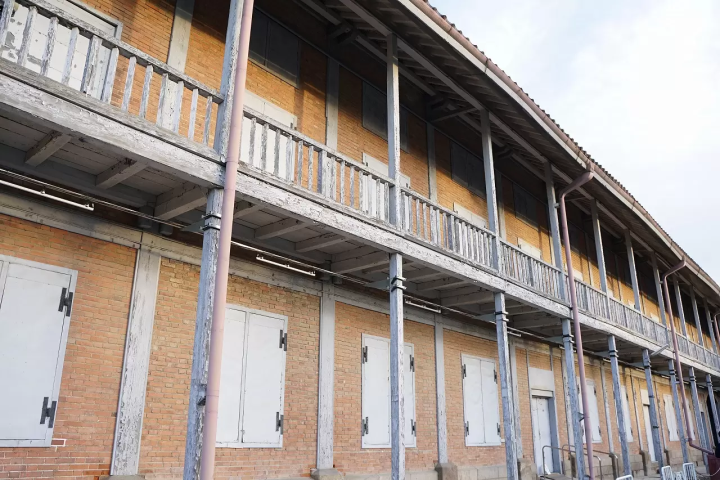
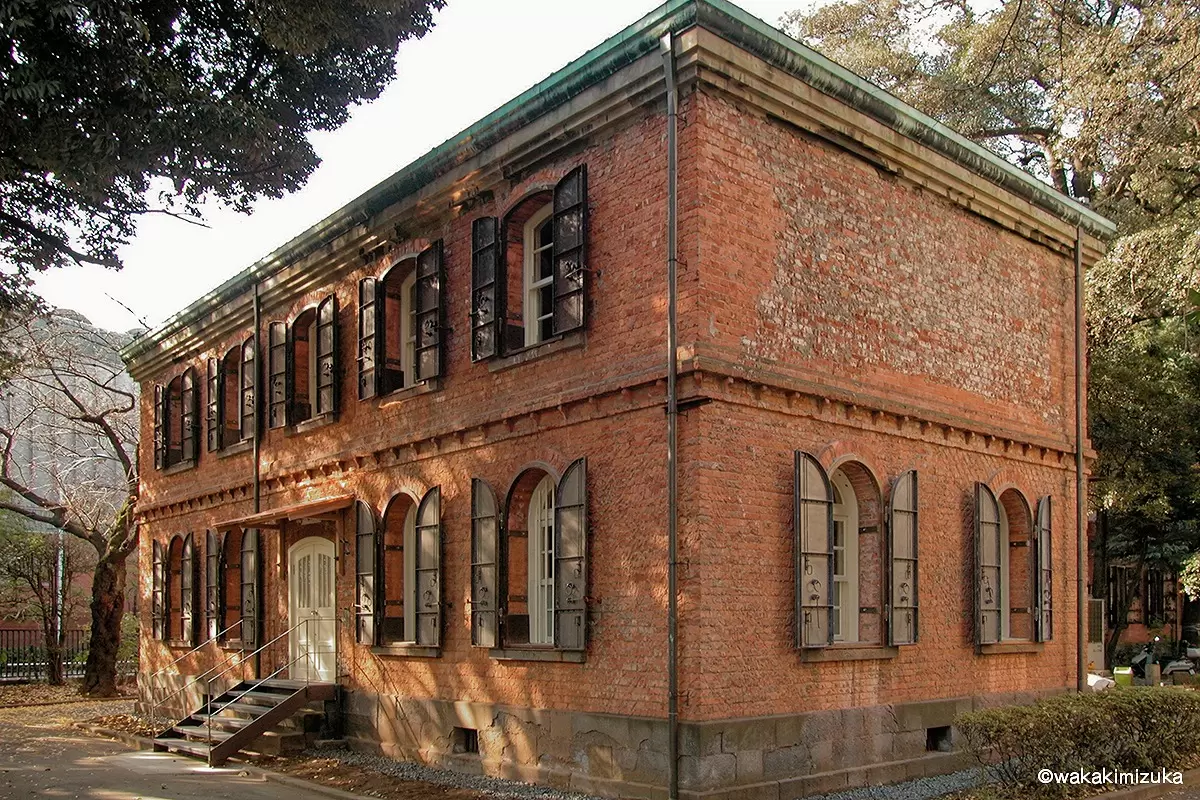
The building is a fusion of Western and Japanese architectural techniques, with a "timber-framed brick" Western architectural style and a Japanese tiled roof. The pillars and beams are made of wood, and the walls are made of stacked bricks.
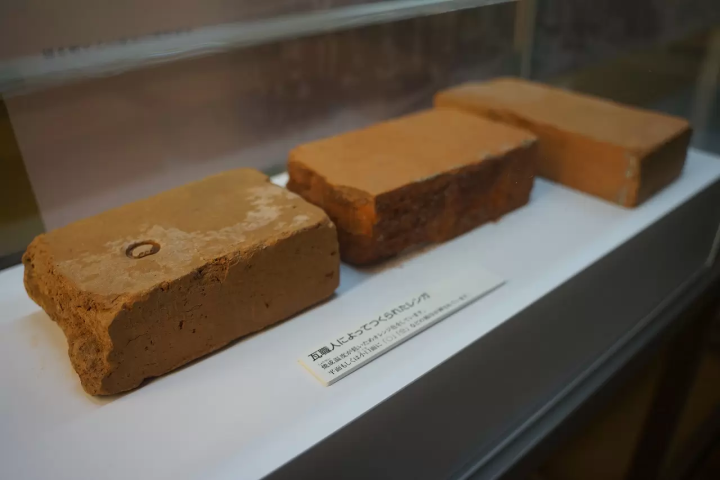
French engineers taught brick-making to tilers, and plaster was used in place of mortar in the joints between the bricks.
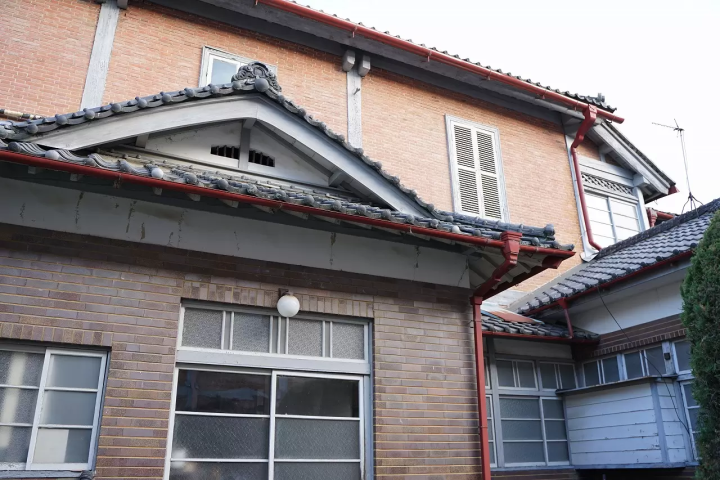
The main materials of the building are stone, wood, brick, and roof tiles, and it is believed that the iron-framed glass windows and hinges on the double doors were imported from France. Traces of a fusion of Japanese and Western styles can be seen everywhere.
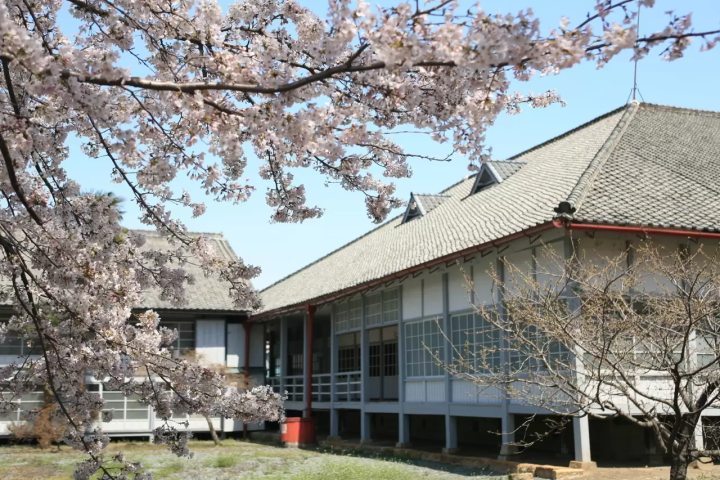
Spring Chief's Hall Image provided by Tomioka City
The Chief's House, where Paul Brunat, the French engineer who led the prosperity of the Tomioka Silk Mill, and his family lived, was built in the southernmost sunny spot and was the most luxurious residence.
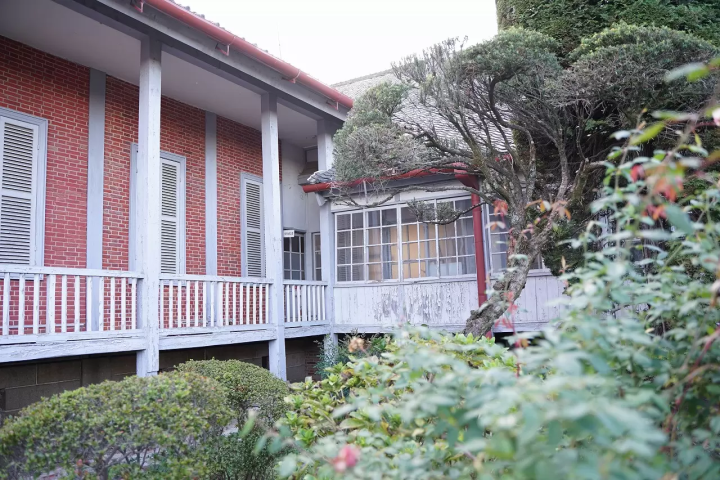
The open design with verandas all around is in the raised-floor colonial style that was also used in the homes of French people living in Southeast Asia at the time, and is said to be well suited to Japan's humid climate.
A tourist spot where you can easily enjoy nature and history
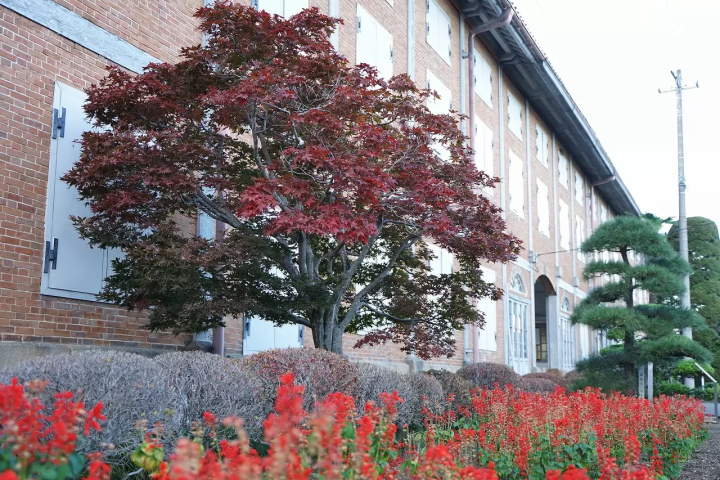
Another attraction is the seasonal nature that can be enjoyed on the vast grounds.
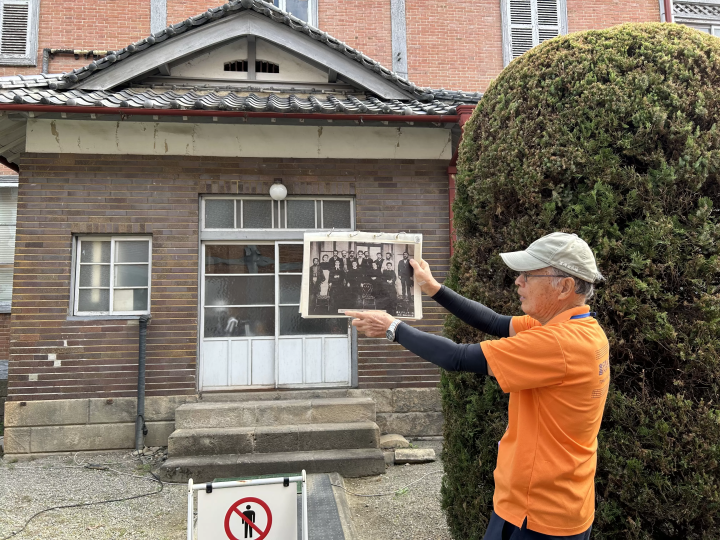
If you're not a history buff, joining a guided tour will give you an easy-to-understand understanding of Tomioka's significant contribution to the development of the global silk industry.
Many staff members are working hard to pass on the world's treasures to future generations.
Located about two hours one way from Tokyo , Tomioka , where the Tomioka Silk Mill is located, is a local spot surrounded by abundant nature and is recommended as a casual day trip spot to visit after sightseeing in Tokyo.
・Access from Tokyo Station: Approximately 1.5 hours
Tokyo Station → Takasaki Station: Approximately 50 minutes on the Joetsu
Takasaki Station → Tomioka : Joshin Dentetsu (about 40 minutes)
・Business hours: 9:00-17:00 (last admission 16:30)
・Closed: 12/29-12/31
・Address: 1-1 Tomioka , Tomioka Tomioka City ( Google map )
Tomioka Thread Mill
 1-1 Tomioka, Tomioka City, Gunma Prefecture 370-2316
Founded in 1872 (Meiji 5), Tomioka Silk Mill is a model government-run factory that supported Japan's modernization. Buildings from the time of the mill's founding, such as the red brick East and West Cocoon Warehouses and the Silk Reeling Plant, still remain, allowing visitors to experience the history of manufacturing firsthand. In 2014, the mill was registered as a World Heritage Site, and it has become a popular tourist spot where visitors can learn about the progress of Japan's Industrial Revolution while strolling through the town.
1-1 Tomioka, Tomioka City, Gunma Prefecture 370-2316
Founded in 1872 (Meiji 5), Tomioka Silk Mill is a model government-run factory that supported Japan's modernization. Buildings from the time of the mill's founding, such as the red brick East and West Cocoon Warehouses and the Silk Reeling Plant, still remain, allowing visitors to experience the history of manufacturing firsthand. In 2014, the mill was registered as a World Heritage Site, and it has become a popular tourist spot where visitors can learn about the progress of Japan's Industrial Revolution while strolling through the town.
End your trip to the World Heritage Site, Tomioka Silk Mill, with an encounter with exotic food culture
Tomioka Silk Mill conveys not only the story of Japan's modernization, but also the history of "cultural fusion" in which France and Japan cooperated, pooling their technology and wisdom to build an industry.
That spirit actually lives on in the town of Tomioka today. After touring the World Heritage Site, why not end your cultural fusion journey by experiencing the "foreign culture (food culture)" that is rooted in modern Tomioka?
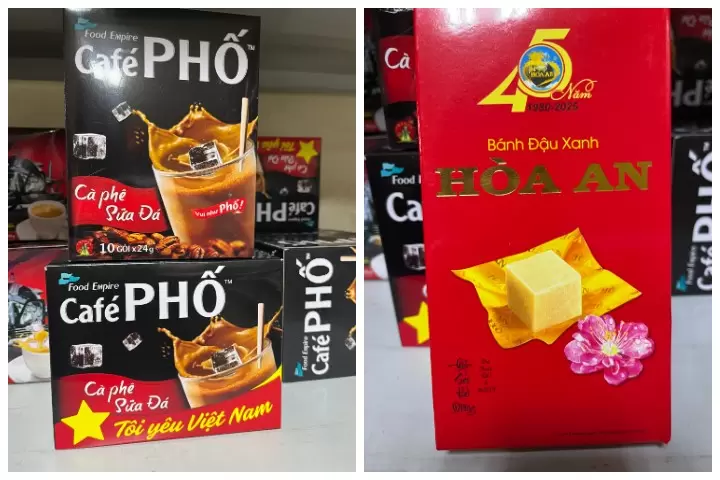
(Left) Vietnamese coffee (Right) Coconut cake
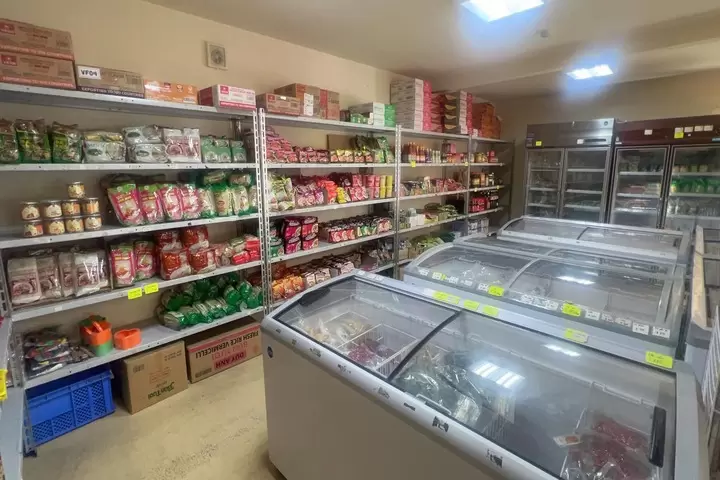
In 2025, Thuý Xuka Mart-Tomioka, which sells Vietnamese food and miscellaneous goods, relocated and opened a five-minute walk from the Tomioka Silk Mill.
The store is filled with authentic Vietnamese coffee, mung bean cake, coconut cake, egg cake, coconut juice, and other food and ingredients, as well as other household goods, all sourced from Vietnam, creating a space reminiscent of a Vietnamese market, even while in Japan.
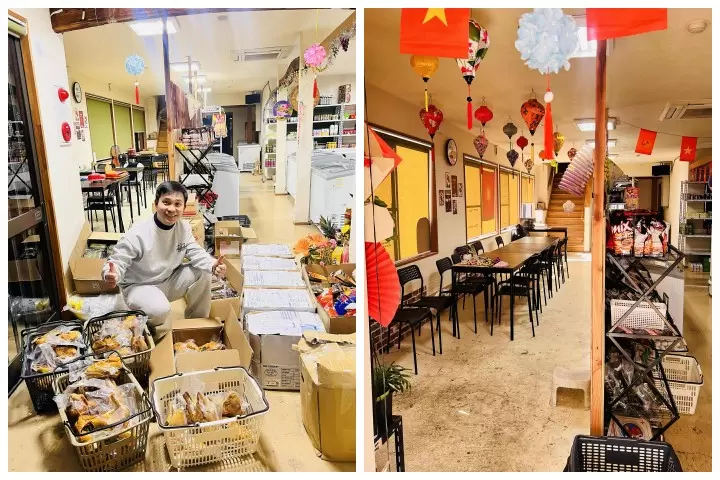
Inside the store with the owner, Hieu
The Vietnamese owner describes Tomioka as a convenient and easy place to live, with many Vietnamese people living there and being kind and sociable.
Perhaps this is because Tomioka has long embraced and integrated foreign cultures, and the attitude of mutual respect is still alive and well today.
Picking up ingredients and miscellaneous goods allows you to think about the lifestyles and cultures of faraway countries. This is also one of the "cultural fusion experiences" that are unique to Tomioka .
Access information
Store name: Thuý Xuka Mart-Tomioka
Address: 1145 Tomioka , Tomioka City, Gunma Prefecture , 370-2316 ( Google map )
5 minutes walk from Tomioka Silk Mill
From a fusion of Japanese and Western styles to a town where multiculturalism thrives - A trip to experience Tomioka
The Tomioka Silk Mill was born through international collaboration between France and Japan, and is the starting point of Japan's modernization, supporting the global silk industry.
This place, built through the fusion of Japanese and Western technology, continues to embrace different cultures and inherit the spirit of connecting people.
Don't just "see" and "learn" about the World Heritage Site; by experiencing the culture and daily lives of foreign visitors living in modern Tomioka , your trip will become more three-dimensional and memorable.
Tomioka where history, nature, and multiculturalism coexist in harmony.
Please come and experience the depth of this town from your own unique perspective.
The Tomioka City Tourism Association utilizes the tourism resources of Tomioka City, including the Tomioka Silk Mill and Mt. Myogi, in order to increase the number of visitors while contributing to the development of the local economy.
The contents on this page may partially contain automatic translation.


Special Features
More







![[No need to worry!] A guide to buying entertainment tickets in Japan](https://resources.matcha-jp.com/resize/720x2000/2025/04/21-231654.webp)

![[Introducing our English Program] Experience English-language activities at KidZania Tokyo!](https://resources.matcha-jp.com/resize/720x2000/2026/05/19-264204.webp)