【Wakayama Guide】 Wakayama Ramen: A Local Staple Nurtured by History and Culture
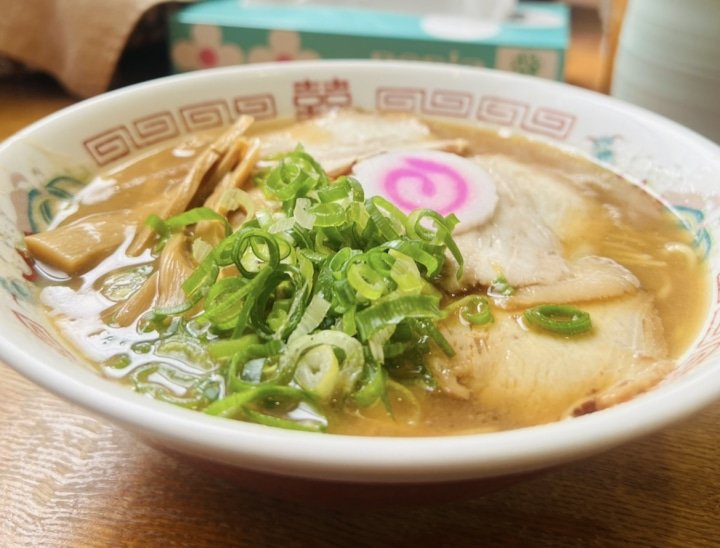
Wakayama Ramen, affectionately known locally as “Chūka Soba,” developed from a street‑stall food culture and has grown into a nationally beloved regional ramen. Its deep pork‑and‑soy flavor and unique dining customs attract many visitors.

Written by
Namba in Osaka is the cultural center where theaters, shopping streets, and gourmet spots are all within walking distance, blending entertainment with authentic Osaka culture. It is a highly attractive MICE area where participants can enjoy exploring the city itself. The Namba ⇔ Kansai International Airport MICE Guide provides comprehensive MICE support based on Nankai Group venues, hotels, and convenient access. Pre- and post-event, we also offer tour plans combining industrial tourism—such as corporate visits and factory tours—in South Osaka and Wakayama. HP:https://www.japanrootsguide.com/en "This account is operated by Nankai Co., Ltd." [Photo description] 1. Rapi:t express train directly connecting Kansai International Airport and Namba 2. Scenery of Dotombori
This service includes sponsored advertisements.
-
Table of Contents
- What is Wakayama Ramen?
- Restaurants where you can eat Wakayama ramen
What is Wakayama Ramen?
Its basic soup is a combination of pork bone and soy sauce, and in some shops chicken bones are also added. The noodles are thin, straight, and often cooked to a softer texture. Typical toppings include chashu, menma, green onions, and kamaboko.
Wakayama ramen, which has a long history, attracts many visitors with its simple yet flavorful soup and ingredients, as well as its unique food culture. Another unique feature is the unique food culture of eating it with hanare-sushi (pressed sushi made with marinated mackerel) and boiled eggs, which are served in the restaurant.
Wakayama ramen is generally divided into two major styles:
● Shakomae‑kei — Clear, Soy‑Sauce‑Forward Broth
This style originated from the food stall “Marutaka,” which once operated near Shakomae Station of the former Nankai Wakayama Tram Line (commonly known as the “City Train”). It is characterized by a clear, fragrant soy-sauce broth with a sharp, clean flavor. As the “Marutaka” taste became beloved in the Shakomae Station area, many shops began carrying on its flavor, and it has long been cherished by locals as the classic, old-fashioned chūka soba
● Ide‑kei — Rich, Cloudy Tonkotsu Broth
This style traces its roots to Ideshōten, founded in 1953. Its signature is a rich yet smooth pork-bone broth—born accidentally when the “Shakomae-kei” soup was overcooked—that still finishes surprisingly light.
Restaurants where you can eat Wakayama ramen
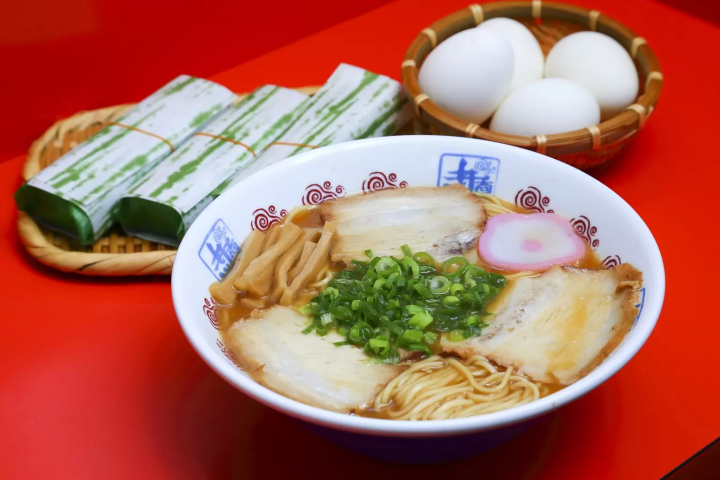
Photo courtesy of Wakayama Prefecture Tourism Federation
Have these descriptions made you want to try Wakayama ramen? If you’re wondering “Where can I eat it?”, please check the links below. You’ll find a list of shops offering Wakayama ramen throughout the prefecture, as well as places where you can enjoy many other types of ramen!
Wakayama ramen offers everything from light, soy-sauce–based bowls to deeply flavorful pork-bone bowls, making it a special food experience for all visitors. When you come to Wakayama, be sure to try an authentic bowl and savor its unique charm! (●ˇ∀ˇ●)
Namba in Osaka is the cultural center where theaters, shopping streets, and gourmet spots are all within walking distance, blending entertainment with authentic Osaka culture. It is a highly attractive MICE area where participants can enjoy exploring the city itself. The Namba ⇔ Kansai International Airport MICE Guide provides comprehensive MICE support based on Nankai Group venues, hotels, and convenient access. Pre- and post-event, we also offer tour plans combining industrial tourism—such as corporate visits and factory tours—in South Osaka and Wakayama. HP:https://www.japanrootsguide.com/en "This account is operated by Nankai Co., Ltd." [Photo description] 1. Rapi:t express train directly connecting Kansai International Airport and Namba 2. Scenery of Dotombori
The contents on this page may partially contain automatic translation.
Special Features
More