
Walk Through the Edo-Period Post Town of Kusatsu, Shiga: Tachiki Shrine & Kusatsu-juku Honjin
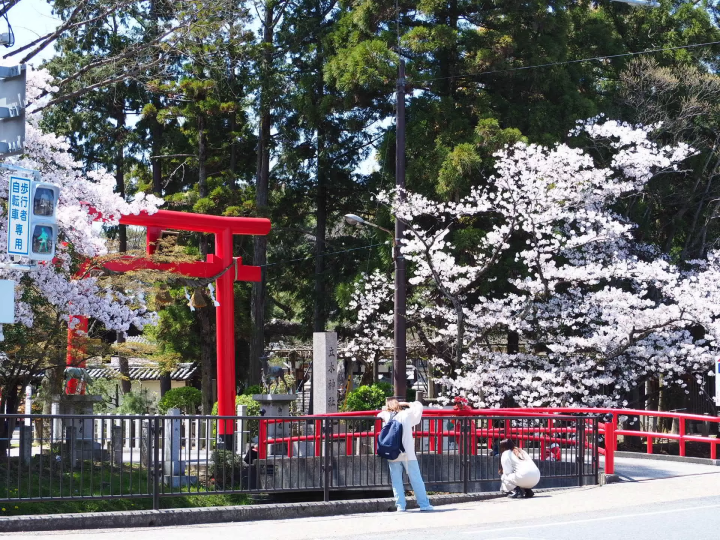
Kusatsu-juku was an important post town where the Tokaido and Nakasendo roads, two major highways in the Edo period, converged and branched off. Read to learn about the honjin, one of the largest remaining and prestigious inns, and Tachiki Shrine.

Written by
This site introduces tourist information for Kusatsu City, Shiga Prefecture. It is packed with information on attractive spots, hotels, and gourmet food, such as the nature-filled aquatic plant park Mizunomori, Lake Biwa Museum, the historic Tachiki shrine and the Sandai shrine, Kusatsujuku Honjin, and Rokuha Park, which is fun for the whole family.
This service includes sponsored advertisements.
-
Table of Contents
- 1. Tachiki Shrine
- 2. Kusatsu-juku Honjin
1. Tachiki Shrine
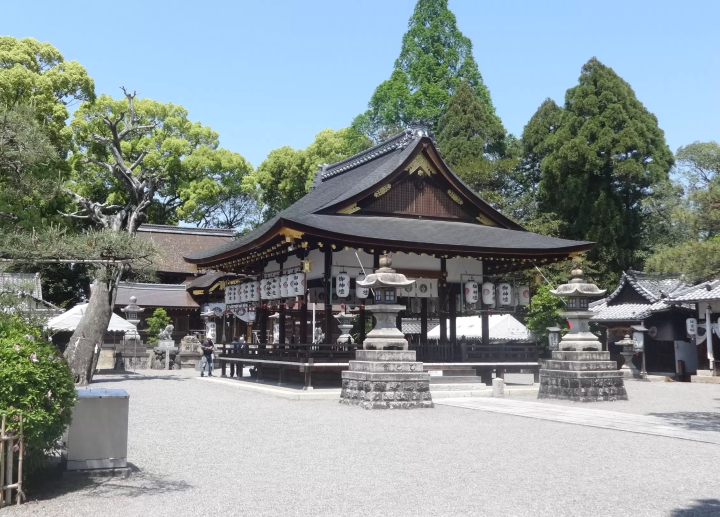
This is the oldest shrine in Shiga Prefecture, boasting a history of over 1,250 years.
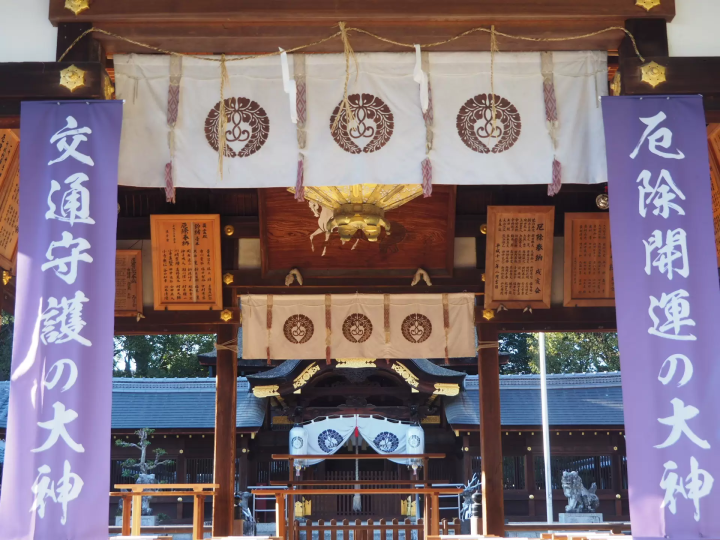
Since ancient times, the shrine has attracted worshippers as a shrine for safe travels and protection from evil spirits. It is said that during the Edo period, feudal lords and travelers alike prayed here for safe journeys.
In spring, cherry blossoms and wisteria adorn the shrine, creating an unmistakably photogenic scene with its vermilion torii gates and bridge!
Access
Address: 4-1-3 Kusatsu, Kusatsu City
Directions from Kyoto: JR Kyoto Station → approx. 20 minutes → JR Kusatsu Station → approx. 20 minutes walk → Tachiki Shrine
Directions from Osaka: JR Osaka Station → approx. 50 minutes → JR Kusatsu Station → approx. 20 minutes walk → Tachiki Shrine
2. Kusatsu-juku Honjin
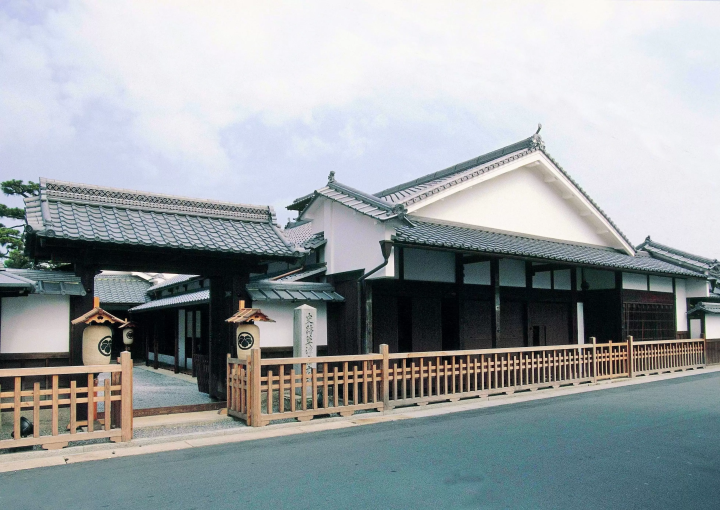
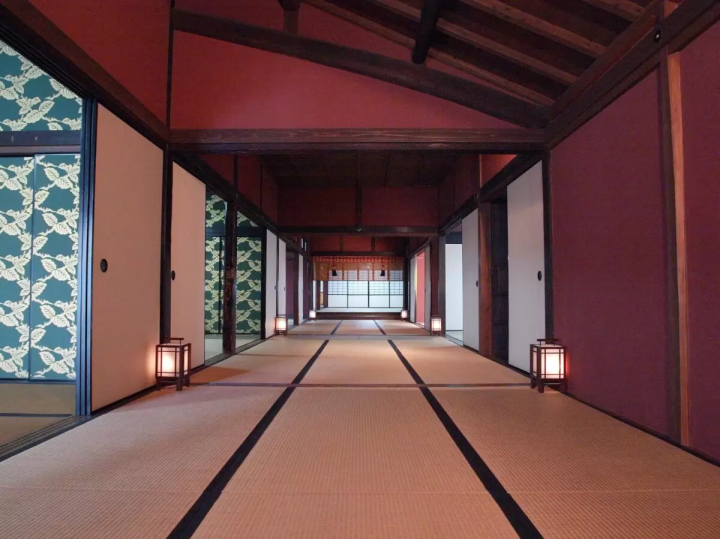
Kusatsu-juku, located at the junction and converging point of the Tokaido and Nakasendo roads, was a place where many people and objects came and went, and where information and culture were exchanged. During the Edo period, there were many accommodations available, including two honjin inns where feudal lords and nobles could stay. Honjin were the most prestigious of inns, reserved for what we would call VIPs today, such as feudal lords, nobles, and shogunate officials.
Kusatsu-juku Honjin, the largest existing honjin, is a designated National Historic Site that retains the atmosphere of the past and continues to draw many into the world of Edo.
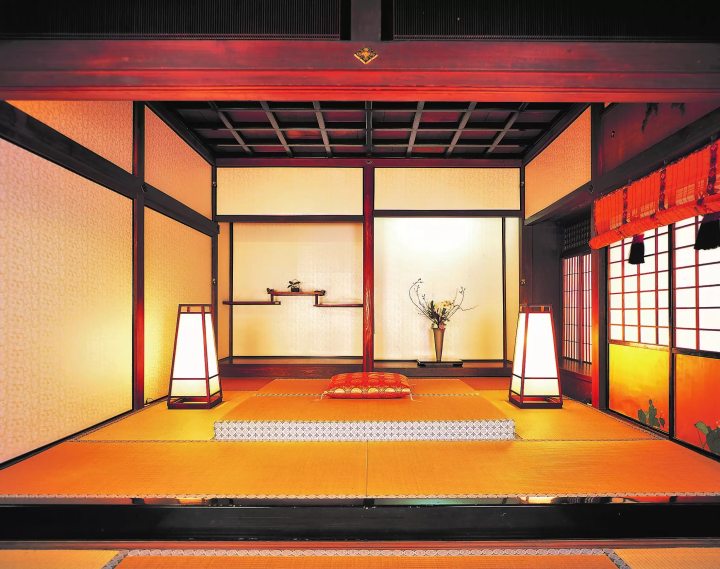
Upper Room
The most prestigious room in the honjin, used for lodging by feudal lords and other distinguished guests.
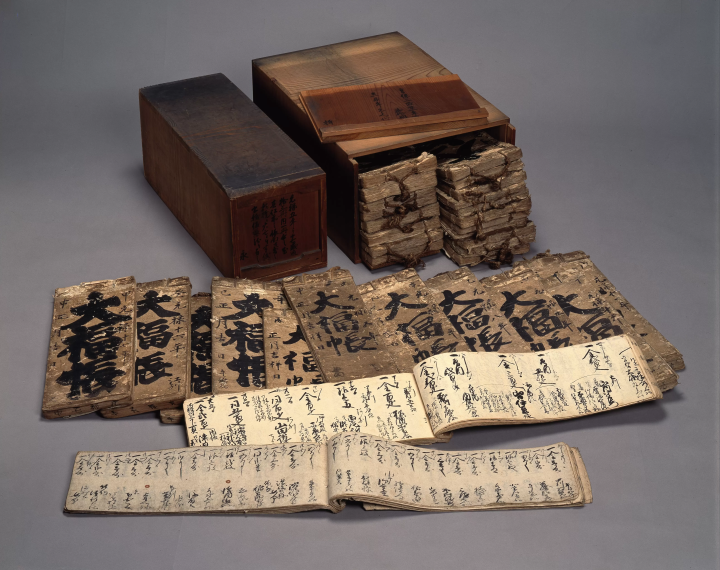
Daifukucho
In the daifukucho, a register recording the names of guests who rested or stayed at the inn, you can see entries of famous historical figures including Kira Kozuke no Suke and Asano Takumi no Kami, made famous in Chushingura (fictionalized accounts of the forty-seven ronin incident), Princess Kazunomiya, and the Shinsengumi.
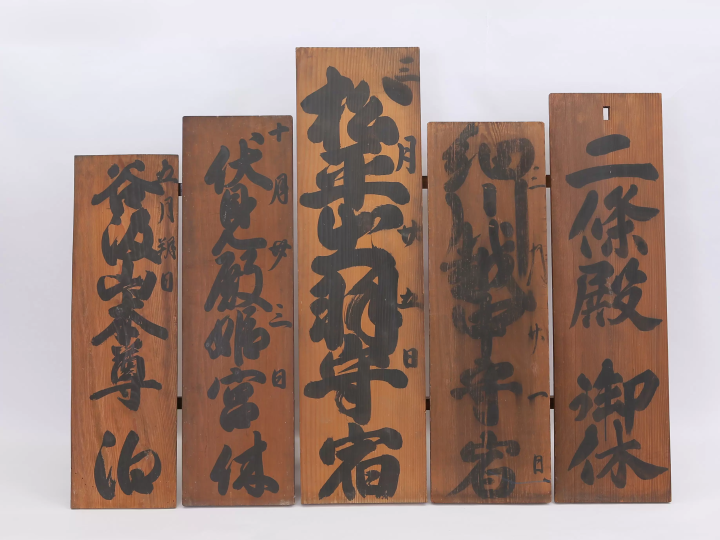
Sekifuda
Plaques labeled with the names of lodging guests.
Information and Access
Address: 1-2-8 Kusatsu, Kusatsu
Closed: Mondays (closed the following day if Monday is a public holiday), the day after a public holiday (open if it falls on a Saturday or Sunday), and the New Year's holiday (December 28th - January 4th)
Admission Fee: 240 yen for adults, 180 yen for high school and university students, 120 yen for elementary and junior high school students
Hours: 9:00 - 17:00 (entry until 16:30)
Directions from Osaka: JR Osaka Station → approx. 50 minutes → JR Kusatsu Station → approx. 15 minutes walk → Kusatsu Honjin
Directions from Kyoto: JR Kyoto Station → approx. 20 minutes → JR Kusatsu Station → approx. 15 minutes walk → Kusatsu-juku Honjin


![[Even the Shinsengumi visited!] Introducing Kusatsujuku Honjin and Kusatsujuku Kaido Communication Center](https://resources.matcha-jp.com/resize/200x2000/2024/09/04-195414.webp)
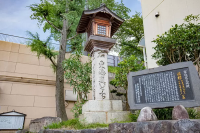
This site introduces tourist information for Kusatsu City, Shiga Prefecture. It is packed with information on attractive spots, hotels, and gourmet food, such as the nature-filled aquatic plant park Mizunomori, Lake Biwa Museum, the historic Tachiki shrine and the Sandai shrine, Kusatsujuku Honjin, and Rokuha Park, which is fun for the whole family.
The contents on this page may partially contain automatic translation.


Special Features
More









![[2026 Latest] Direct bus trip from Osaka to Shirahama! OCAT departure to Nanki Shirahama bus travel guide](https://resources.matcha-jp.com/resize/720x2000/2026/05/21-264354.webp)

