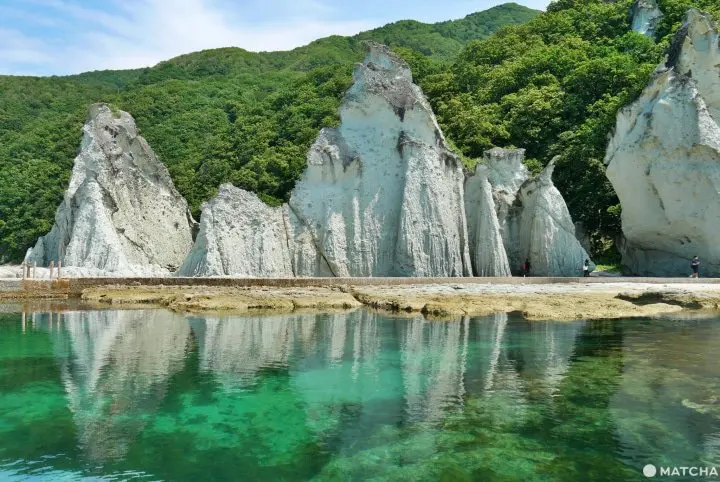

Aomori, a prefecture in the north of Japan's main Honshu Island, blends dramatic natural landscapes with vibrant cultural traditions. Beyond Aomori City, which is renowned for its festival culture and art museum, historic destinations like Hirosaki and Hachinohe are also well worth exploring.
The main local attractions include the cherry blossoms of Hirosaki Castle in spring, the roaring energy of the summer Aomori Nebuta Festival, and the autumn foliage along the Oirase Mountain Stream and Lake Towada. In winter, Mount Hakkoda becomes a snowy paradise famous for its "snow monsters" and soothing hot springs like Sukayu Onsen.
Beyond its stunning scenery and rich history, Aomori is a haven for food lovers, renowned for flavorful apples, seafood, and distinctive local dishes like miso curry milk ramen. Aomori offers an unforgettable journey into the heart of northern Japan.

Aomori's top attractions highlight its rich nature, vibrant culture, and deep history. Nature lovers can hike the Oirase Mountain Stream, photograph Lake Towada, or take the Mount Hakkoda Ropeway to view winter's famous "snow monsters" and hit the slopes.
History and culture span centuries, from the ancient Jomon-era Sannai-Maruyama Site and historic Hirosaki Castle—one of Japan's premier cherry blossom spots—to Shayokan, the Dazai Osamu Memorial Museum.
Year-round festival magic awaits at Nebuta Museum WA RASSE, while modern art enthusiasts can explore world-class exhibits and architecture at the Aomori Museum of Art, Towada Art Center, and Hirosaki Museum of Contemporary Art.




Aomori has four distinct seasons. Spring (5–15°C) brings cherry blossoms and Hirosaki Castle's famous petal-covered moat. Mild summers (18–28°C) offer ideal hiking weather along the Oirase Stream alongside the electrifying Nebuta Festival.
Autumn (8–18°C) transforms Oirase, Lake Towada, and Mount Hakkoda into vivid tapestries of fall foliage. In winter (-5–3°C), heavy snowfall creates an enchanting wonderland of Hakkoda's "snow monsters," cozy retreats at Sukayu Onsen, and the Hirosaki Castle Snow Lantern Festival—just be sure to pack heavy winter gear.

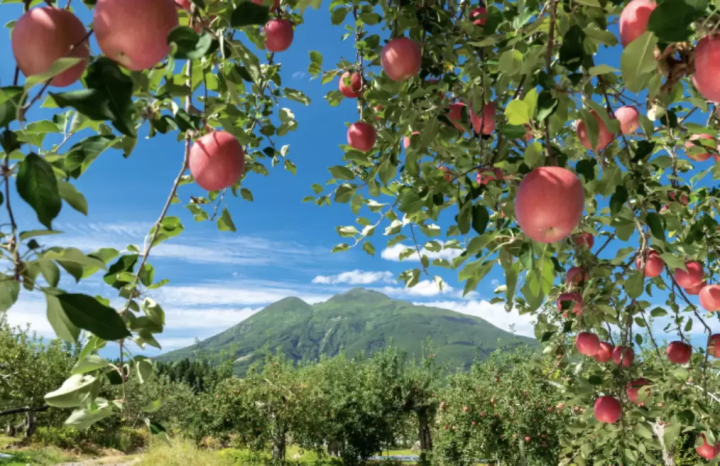
Aomori's food scene is defined by rich northern flavors and incredible local ingredients. World-famous for their sweetness, Aomori apples star in local favorites like warm apple pie and fresh juice.
Seafood is also a must-try. Don't miss the sweet Mutsu Bay scallops, Oma tuna, and overflowing kaisen-don (seafood bowls) at bustling fish markets.
For unique comfort food, sample Aomori City's iconic miso curry milk ramen, rich niboshi (dried sardine) ramen, or traditional kayaki miso—savory miso cooked over an open flame right inside a giant scallop shell.



The best way to travel from Tokyo to Aomori is taking the JR Tohoku Shinkansen (Hayabusa), which offers a fast, comfortable, and direct journey of about 3.5 hours from Tokyo Station to Shin-Aomori Station (with a quick 5-minute local transfer to central Aomori) for around 18,000 yen. This route is fully covered by the Japan Rail Pass or the JR EAST PASS.
While flying from Tokyo's Haneda Airport to Aomori Airport takes only 80 minutes in the air, the total travel time ends up about the same once you factor in airport transit, security checks, and the 35-minute bus ride into town.
If you are traveling on a tight budget, overnight express buses offer the cheapest alternative at 4,500–11,000 yen, though the trip takes roughly 10 to 11 hours.
Aomori is world-famous as Japan's top producer of high-quality apples, celebrated for crisp local varieties like Fuji. Culturally, it is renowned for the Aomori Nebuta Matsuri, a vibrant August festival featuring massive illuminated lantern floats paraded through the streets. As a travel destination, Aomori is loved for its dramatic nature, such as the scenic Hakkoda Mountains and Lake Towada. Aomori is also known for its heavy winter snowfall, rich seafood like fresh scallops, and ancient UNESCO-listed Jomon historical sites.
Aomori is absolutely worth visiting for travelers seeking authentic Japanese culture, nature, and exceptional food away from major tourist crowds. Aomori combines rich local traditions—like the grand Nebuta festival—with the breathtaking natural beauty of places like the Oirase Gorge, the Hakkoda Mountains, Shirakami Sanchi, and Lake Towada. Whether you visit for autumn foliage, winter snowscapes, or vibrant summer celebrations, Aomori offers a deeply rewarding journey.
Yes, Aomori is widely recognized as the snowiest major city in the world. Cold Siberian winds pick up moisture over the Sea of Japan, dumping an average of around 26 feet (8 meters) of snow on the city every year.
Hirosaki is thoroughly worth visiting as Aomori's cultural heart, famous for historic charm and spring landscapes. Its crown jewel is Hirosaki Park and Castle, one of Japan's best cherry blossom spots with over 2,600 trees surrounding original feudal moats. Beyond spring, the city offers preserved samurai districts, Western-style Meiji architecture, and vibrant festivals like the Neputa Matsuri in August. Just 40 minutes from Aomori City, it makes an unforgettable day trip or multi-day stay.
Oirase Gorge is undeniably worth visiting, as it is one of Japan's most breathtaking natural destinations. Stretching 14 kilometers between Nenokuchi on Lake Towada and Yakeyama, this mountain stream flows past impressive mossy rocks and over a dozen waterfalls. Visitors can hike or rental-cycle along flat, well-paved trails directly beside the cascading water. While lush emerald greens dominate in summer, the gorge becomes spectacular in late October when autumn leaves transform the valley into a radiant canopy of gold and crimson.