
30 minutes from Nagoya! Discover sake breweries in Tokoname!
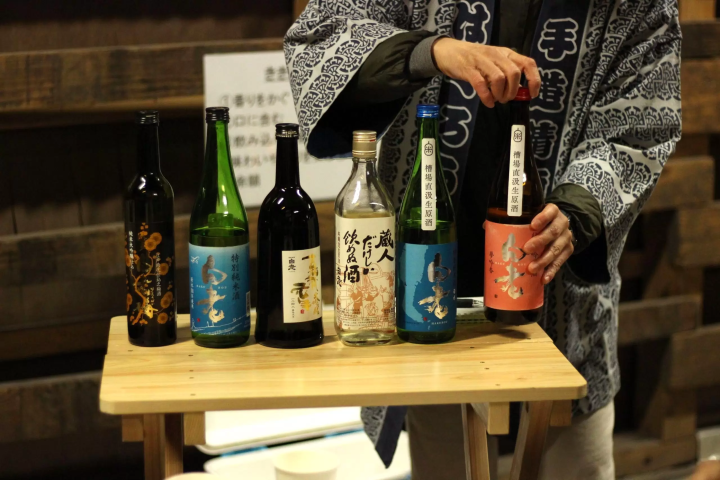
About 30 minutes by train from Nagoya, Tokoname still retains its sake brewing culture that dates back to the Edo period. In this article, we will introduce the highlights of Chita Peninsula's sake and sake breweries, as well as shops where you can purchase sake. This is a recommended stop-off spot for those who want to experience Japanese sake culture near Nagoya.

Written by
We promote tourism with the slogan "Happy Come On TOKONAME," which expresses our desire that "everyone who visits Tokoname City will be able to experience its various charms, feel happy and joyful, and go home with the power of happiness (happiness) that will give them energy for the next day."
This service includes sponsored advertisements.
Sake is one of the food cultures that Japan takes pride in. The Chita Peninsula, home to a culture of brewing, has long been a place where sake brewing has flourished, supporting the prosperity of sake. Tokoname City is no exception, producing famous sake that is still beloved to this day. This time, we will be highlighting two long-established sake breweries! We will also be sharing information about the inside of the breweries and shops. Please enjoy the sake of Tokoname, a town of artisans, which is made with great care and effort.
Discover Tokoname's Tokoname culture near Nagoya
Tokoname is known as a pottery town, but in fact, it is a place where sake brewing has been passed down for generations against the backdrop of the rich natural environment of the Chita Peninsula.
In this region blessed with abundant resources, sake is enjoyed alongside the local food culture, and remains an integral part of people's lives today.
In this article, we will introduce the local area that you can experience while traveling through the Tokoname breweries, famous sake, and places where you can purchase sake in Tokoname.
We will introduce the charm of the taste.
-
Table of Contents
- Sawada Sake Brewery
- Morita Taste House "Morita Sake Brewery"
- \Introducing shops in the city🍶/
- Take a trip to Tokoname to enjoy sake and local culture
Sawada Sake Brewery
Sawada Sake Brewery was founded in 1848 (the first year of the Kaei era) at the end of the Edo period. During the Meiji period, they made a great contribution to improving the quality of sake brewing, such as successfully developing a method for making yeast starter by adding lactic acid, which became the basis for the "fast fermentation" method that is now mainstream in sake starter brewing. Since then, in this town where artisans have gathered since ancient times, they have pursued sake brewing that is close to everyday life, with the aim of evolution and tradition.


Sake "Hakuro"

In 1951, the sake Hakuro won first place at the first Aichi Prefecture Sake Brewing Competition. The name "Hakuro" is said to have been named by the founder, Gihei Sawada, by combining "white," which conveys the meaning of "beauty" as in "carefully handling the best ingredients and polishing the rice until it becomes white," and "old," which conveys the meaning of "longevity and mature skills."
Tour of Sawada Sake Brewery
Sawada Sake Brewery continues to use traditional methods, such as brewing sake in wooden barrels. The sake is carefully brewed by hand, with minimal use of machinery. You can also tour the brewery by prior reservation, so be sure to come and experience traditional Japanese techniques first-hand!


Morita Taste House "Morita Sake Brewery"


The brewery "Morita" was founded in 1665. Starting with sake brewing, the company continues to preserve the flavors of Japanese fermented seasonings that are indispensable to the Japanese dining table, such as miso, tamari soy sauce, mirin, and cooking sake. Morita has combined 350 years of traditional techniques with a flexible sensibility to decorate dining tables from the Edo period to the Reiwa period, and into the future.
Rich and delicious "Nenohi"

Nenohi's sake is characterized by its "rich and delicious flavor." The best rice for sake brewing, "Yamada Nishiki," is carefully polished to a rice polishing ratio of 35% or less. The rich, umami flavor goes well with strongly flavored dishes, and shows its true value as a sake to be enjoyed with meals. The daiginjo sake "Kinmon Nenohi" has won many awards at the National New Sake Tasting Competition. The brewing water is spring water from Mt. Ontake in Kiso, and the sake is brewed by skilled brewers who are particular about both water and rice.
Morita Taste House
The museum was built by renovating a 180-year-old miso storehouse. Inside the Aji no Yakata, there is a permanent exhibition of the 15th head of the family, Akio Morita, one of the founders of Sony. The photographs on display are a selection that highlights Akio Morita's humanity, and you can feel the passion of this man who loved Japan and traveled all over the world, including documents that show his friendship with Michael Jackson.

The restaurant, located in a space lined with rows of cedar barrels, serves dishes that make use of the flavor of soybean miso, including the specialty miso stewed udon, and is a popular place for locals to relax.


We also recommend the Tamari Soft Cream, which contains Tamari soy sauce.
\Introducing shops in the city🍶/
Inoueya Rice and Sake

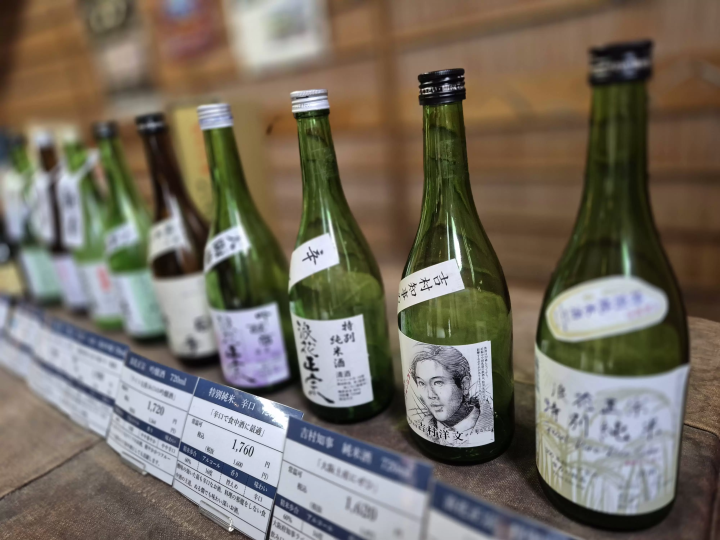
Inoueya Rice and Sake sells both sake and rice. They stock a wide variety of sake made in the prefecture, with a selection lined up in the refrigerated shelves in the Oku.


You can also request for the rice to be polished, so you can easily buy fresh rice.
🍶Please enjoy the deep world of Japanese sake♪🍶
Take a trip to Tokoname to enjoy sake and local culture
Tokoname , easily accessible by train from Chubu Centrair International Airport or Nagoya, is home to not only pottery but also a sake culture that is rooted in the local nature and lifestyle. Learning about the background of sake through sake breweries and famous sake makes tasting a glass of sake on your trip an even more special experience. Why not explore Tokoname from the perspective of sake, along with a pottery stroll and a stroll around the city?
We promote tourism with the slogan "Happy Come On TOKONAME," which expresses our desire that "everyone who visits Tokoname City will be able to experience its various charms, feel happy and joyful, and go home with the power of happiness (happiness) that will give them energy for the next day."
The contents on this page may partially contain automatic translation.
Special Features
More







![[Mie] TOBA SEASIDE HOTEL Dining Guide | Popular Buffet & Seasonal Menu Introduction](https://resources.matcha-jp.com/resize/720x2000/2026/05/11-263832.webp)
![[80 minutes by train from Kyoto ] Experience the countryside in Fukuchiyama City , Kyoto Prefecture , a special place only locals know about](https://resources.matcha-jp.com/resize/720x2000/2025/12/19-253414.webp)