【Local Culture】Mita Hachiman Shrine and the Shūhaira Dance of Nishinoshima
Originating in the Heian period and becoming rooted as a folk performing art across Japan, “Dengaku” was brought to Nishinoshima in Shimane Prefecture, where it has been passed down for over 400 years and is still performed today.

Written by
Nishinoshima is the second largest island of the Oki Islands. Located in the Sea of Japan, Nishinoshima is approximately 65km off the coast of Shimane Peninsula in Shimane Prefecture. Nishinoshima is one of the four inhabited islands in Oki, and the town on Nishinoshima Island is called Nishinoshima Town. Formed by volcanic activity about 5.5 million years ago, Nishinoshima is the home to Oki’s must-see sightseeing spots, Matengai Cliff and Tsutenkyo Arch, fresh seafood such as Oki rock oysters, traditional cultures such as Kagura Shinto dance and Dengaku dance. Nishinoshima is a charming island filled with nature, culture, rich food and warmth of people.
This service includes sponsored advertisements.
“Dengaku” is a traditional Japan performing art that originated during the Heian period (794-1185). It began as a form of ritual music and dance to pray for a good harvest. Over the centuries, it evolved into a regional folk performance across various parts of Japan.
Dengaku was introduced to Nishinoshima, one of the Oki Islands in Shimane Prefecture, and has been preserved on the island for over 400 years. Today, it continues to be performed as a cherished cultural tradition.
-
Table of Contents
- Mita Hachiman Shrine – Guardian of Mitajiri area
- Shūhaira – A Traditional Performing Art Passed Down Through the Ages
- Highlights and Structure of the Ceremony
- Final Thoughts
Mita Hachiman Shrine – Guardian of Mitajiri area
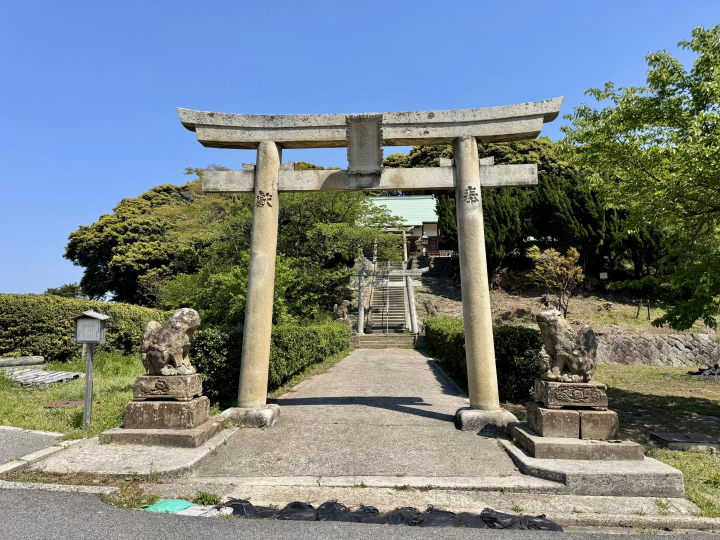
Sitting on a small hill in Mitajiri area, Mita Hachiman Shrine is affectionately known as “Hachiman san” by the locals. The shrine is located just outside the former Kuroki Elementary School grounds, and is only a five-minute walk from Beppu Port. In spring, the beautiful pink haze of the cherry trees within the shrine grounds attracts many visitors to enjoy the beautiful sight.
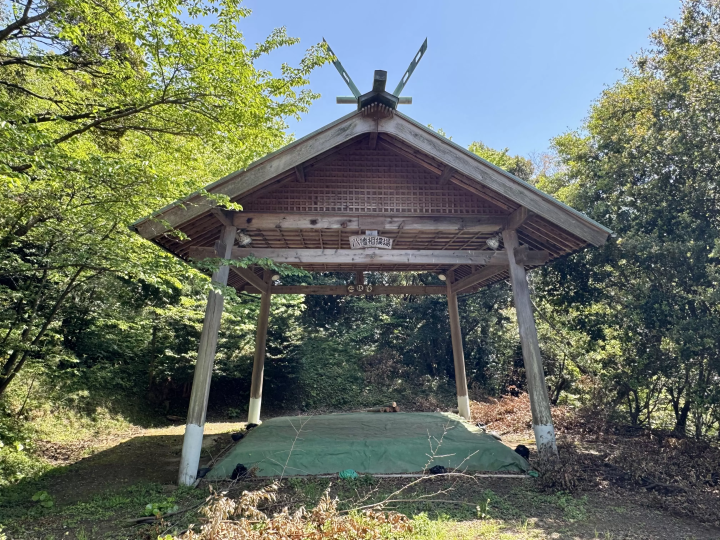
The shrine is also notable for its permanently installed sumo ring. Only two shrines on Nishinoshima feature this–the other being Yurahime Shrine.
Mita Hachiman Shrine Grand Festival is held on 15th September. In odd-numbered years, dengaku dance, “Shūhaira”, and sumo wrestling are dedicated.
Shūhaira – A Traditional Performing Art Passed Down Through the Ages
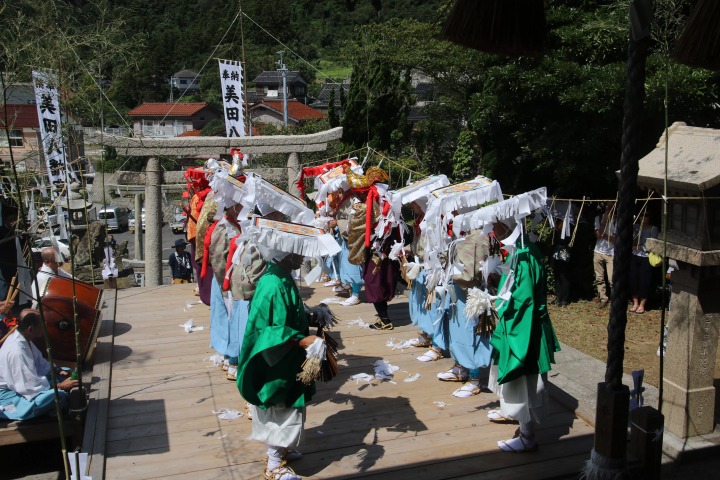
Dancers wear vibrantly coloured costumes and perform to the rhythmic beats of drums and chanting. The mystical atmosphere, ancient melodies and choreography transport the audience back in time.
Dengaku, originally performed as a prayerfor good harvests, is now a ceremonial art that continues to thrive. Thedengaku dance dedicated at Mita Hachiman Shrine is uniquely known as “Shūhaira”,which involves paying homage to all ten directions of the universe. In 1992, itwas designated as an Important Intangible Folk Cultural Property of Japan.
While the ridgepole tag of the shrine documented adedication of “Shūhaira” as far back as 1590, oral traditions suggestthe dance was introduced to Nishinoshima as early as the 12thcentury.
Highlights and Structure of the Ceremony
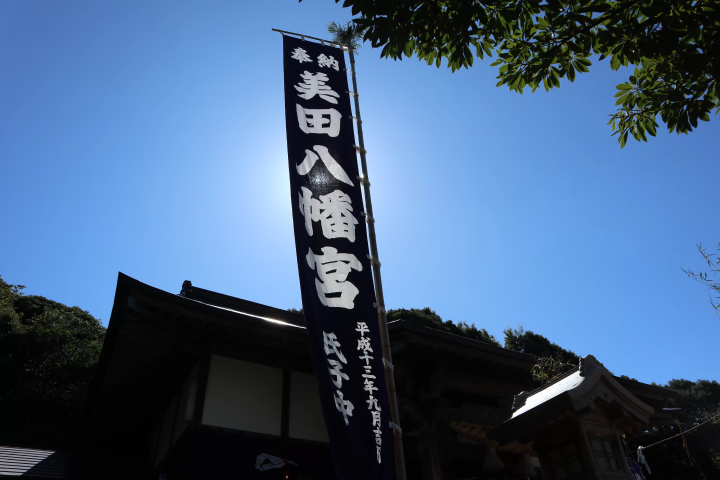
The “Shūhaira” ritual offering consists of three main parts:
1. Kan-no-Sumo
A symbolic sumo performance where two young boys enact a ceremonial bout through stylised movements rather than actual wrestling.
2.Shishimai (Lion Dance)
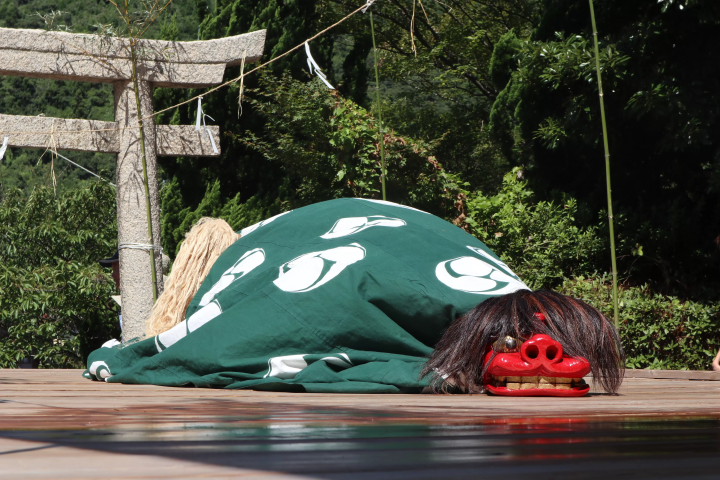
Performed by two dancers representing a lion, the dance includes gestures such as lying down and removing fleas.
3. Dengaku
Dancers wear vivid costumes, matsuri-kasa (asquare-shaped, flat bamboo hat) with unique patterns or rooster-shaped hats. Theyperform while holding traditional percussion instruments or small hand drums.
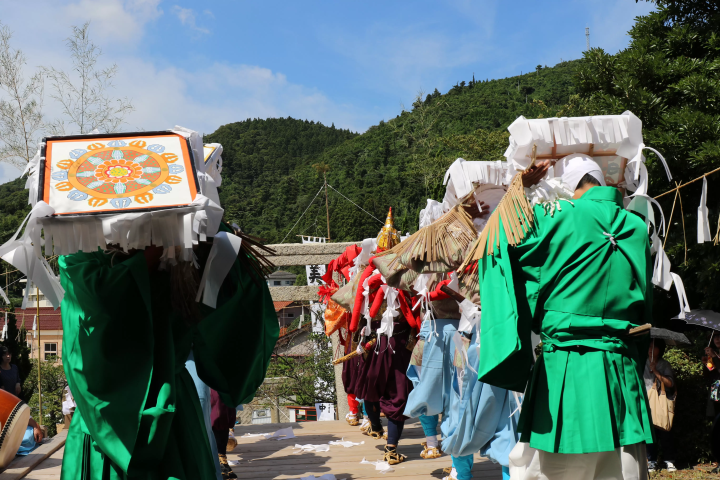
The wooden stage set up in front of the shrine’s worship hall is constructed manually by the locals. The dancers’ footsteps resonate against the wood, adding an auditory rhythm to the visual spectacle.
Final Thoughts
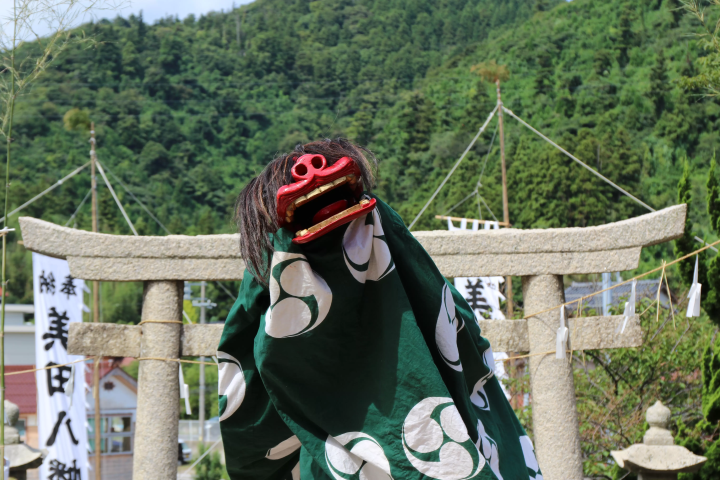
The Oki Islands are a treasure trove of tradiaional culture, and among them, “Shūhaira” stands out as a ritual found only in Nishinoshima. This elegant and solemn performance retains deep traces of Japan’s medieval past, evoking the spirit of the Muromachi period. It contrasts distinctly with other local rituals like Dōzen Kagura.
Watching “Shūhaira” in the peaceful setting of Mita Hachiman Shrine, away from the noise of modern life, is a rare and unforgettable cultural experience.
Mita Hachiman Shrine Shikinensai Festival, which is held once every twenty-five years, is scheduled on 14th September, 2025. Along with sumo bouts and “Shūhaira”, there will also be a mikoshi parade. If you’re a fan of traditional performing arts and Japanese cultural heritage, don’t miss this opportunity to connect with the unique spirit of Nishinoshima.
Nishinoshima is the second largest island of the Oki Islands. Located in the Sea of Japan, Nishinoshima is approximately 65km off the coast of Shimane Peninsula in Shimane Prefecture. Nishinoshima is one of the four inhabited islands in Oki, and the town on Nishinoshima Island is called Nishinoshima Town. Formed by volcanic activity about 5.5 million years ago, Nishinoshima is the home to Oki’s must-see sightseeing spots, Matengai Cliff and Tsutenkyo Arch, fresh seafood such as Oki rock oysters, traditional cultures such as Kagura Shinto dance and Dengaku dance. Nishinoshima is a charming island filled with nature, culture, rich food and warmth of people.
The contents on this page may partially contain automatic translation.
Special Features
More








![[Osaka Sightseeing Bus Tour] Enjoy 360° views of Osaka from an open-top bus!](https://resources.matcha-jp.com/resize/720x2000/2026/05/25-264541.webp)
![[Autumn 2026] Private Night Tour to See the World Heritage Site Toji Temple Illuminated in a Fantastical Light-Up Effect](https://resources.matcha-jp.com/resize/720x2000/2026/04/28-263309.webp)