
Minamisatsuma Kinpo Tea: A tea to balance the body and mind, found in Japan's number one tea-producing region
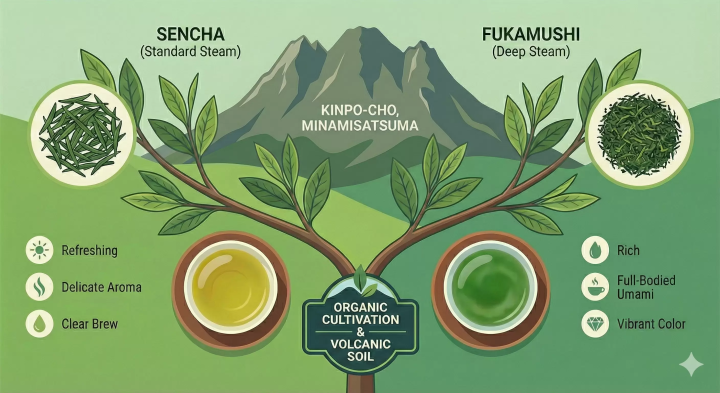
Kinpo-cho, Kagoshima. A tea-producing region cultivated with organic ingredients and passion. As "MATCHA" becomes a global symbol of health and well-being, there is one place that is currently attracting the attention of travelers seeking authenticity. That place is Kagoshima Prefecture, which became the number one producer of unrefined tea in Japan in 2024.

Written by
[Kagoshima Prefecture] Minamisatsuma City is located on the southwestern tip of the mainland, and is a city full of food and natural resources. Filming location for the movie “You Only Live Twice” Ganjin Yamato Landing Site ● [Japan Heritage] Important Preservation District for Groups of Traditional Buildings “Kaseda Fumoto” ●Birthplace of Kurose Toji/Ata Toji (Minamisatsuma Shichizo Shochu) ●One Hundred Famous Mountains in Kyushu “Kinpozan” ●Mt. Nomadake, one of the three famous mountains on the Satsuma Peninsula
This service includes sponsored advertisements.
-
Table of Contents
- What is Japanese tea?
- Differences depending on steaming time
- Kagoshima Prefecture, Japan's No. 1 tea producing region
- Organic is the choice for the future
- The "two philosophies" that symbolize Kinpo-Cho
- Introducing Proud Tea Farmers
What is Japanese tea?
Tea is broadly divided into three types depending on the degree of fermentation during the manufacturing process: unfermented tea (green tea), semi-fermented tea (oolong tea), and fermented tea (black tea). Japanese tea mainly refers to "green tea," and there are many varieties such as sencha, gyokuro, and hojicha. From green tea with a 0% fermentation rate to black tea with a 100% fermentation rate, you can enjoy a wide variety of flavors and aromas.
Unfermented tea (green tea)
After the tea leaves are picked, they are steamed or roasted without fermentation to prevent oxidation.
Sencha: The most common green tea. It has a good balance of refreshing astringency and umami.
Gyokuro: Grown in shade, it has a rich, umami flavor and sweetness.
Matcha: Tencha powder made using a stone mill.
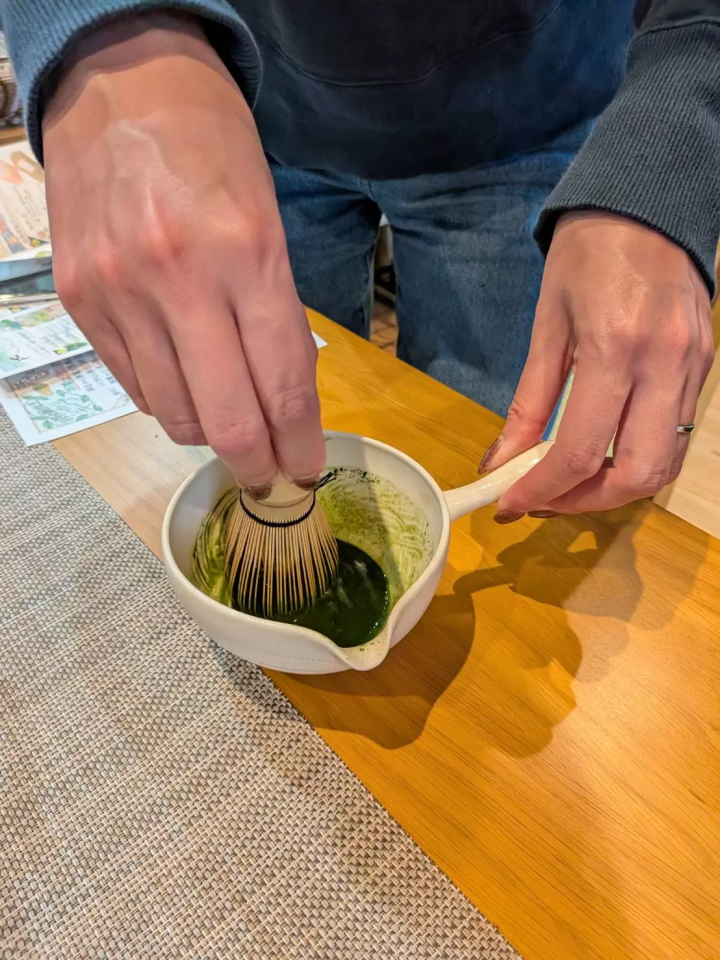
Hojicha: A fragrant tea made by roasting tea leaves at high temperatures.
Genmaicha: A tea that is fragrant due to the addition of roasted rice.
Bancha: A tea made from mature tea leaves or from the sencha manufacturing process. It has a refreshing taste.
Semi-fermented tea (green tea, oolong tea)
This tea is made by fermenting the picked tea leaves for a short time, then stopping the fermentation process. It includes varieties such as Tieguanyin, Golden Gui, and Suixiang.
Fermented tea (black tea)
Tea made by fully fermenting (oxidizing) and drying tea leaves, such as Darjeeling, Assam, and Uva.
Differences depending on steaming time
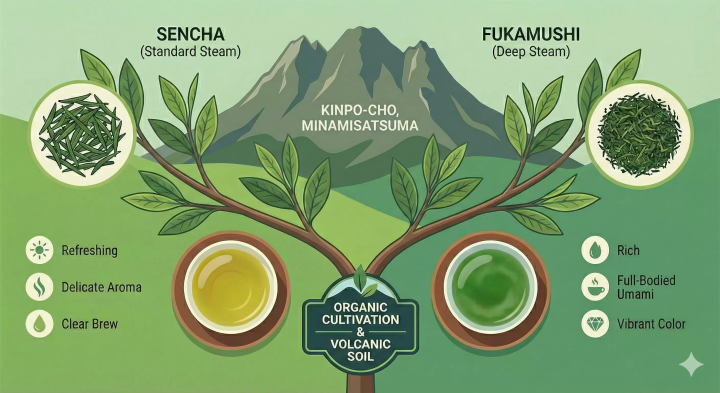
The unique characteristics of Japanese tea are determined by the steaming process that takes place immediately after harvesting. In Kinpu Town, you can clearly taste the difference.
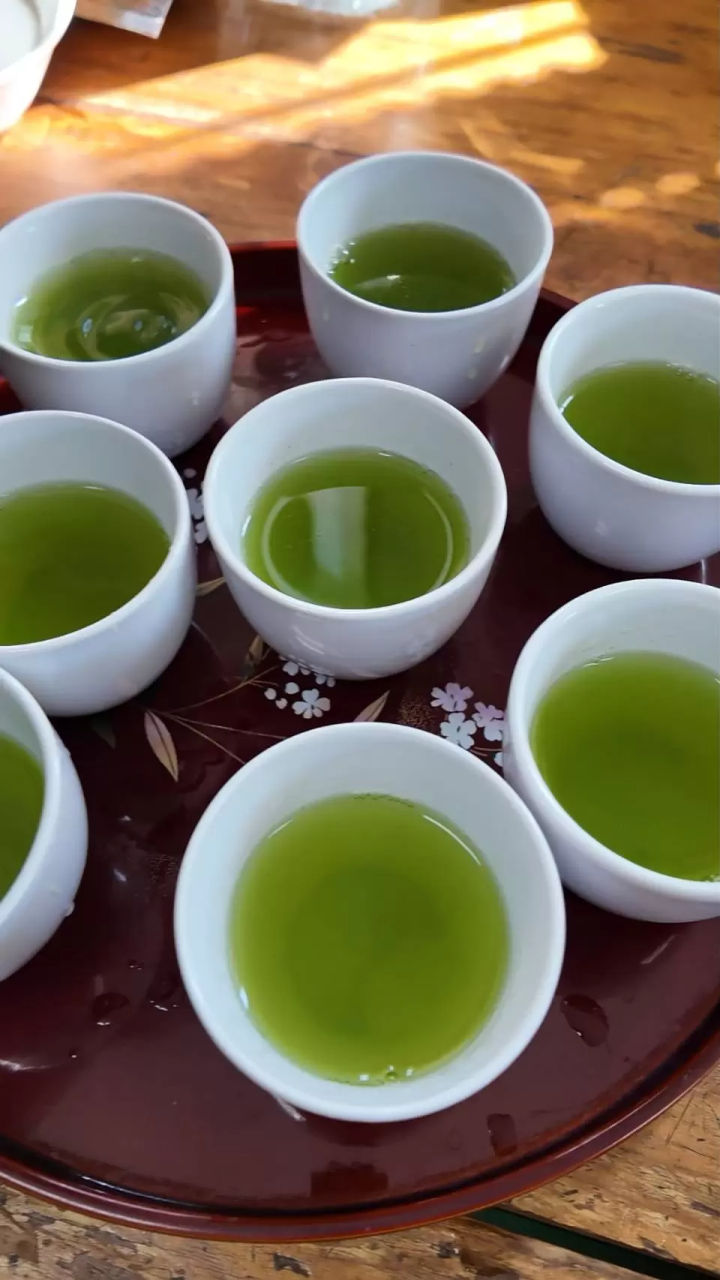
Sencha (normal steaming): The shape of the tea leaves is beautifully preserved, and the water is a clear golden color. The balance of refreshing aroma and delicate astringency makes it popular with those who enjoy delicate tastings like wine.
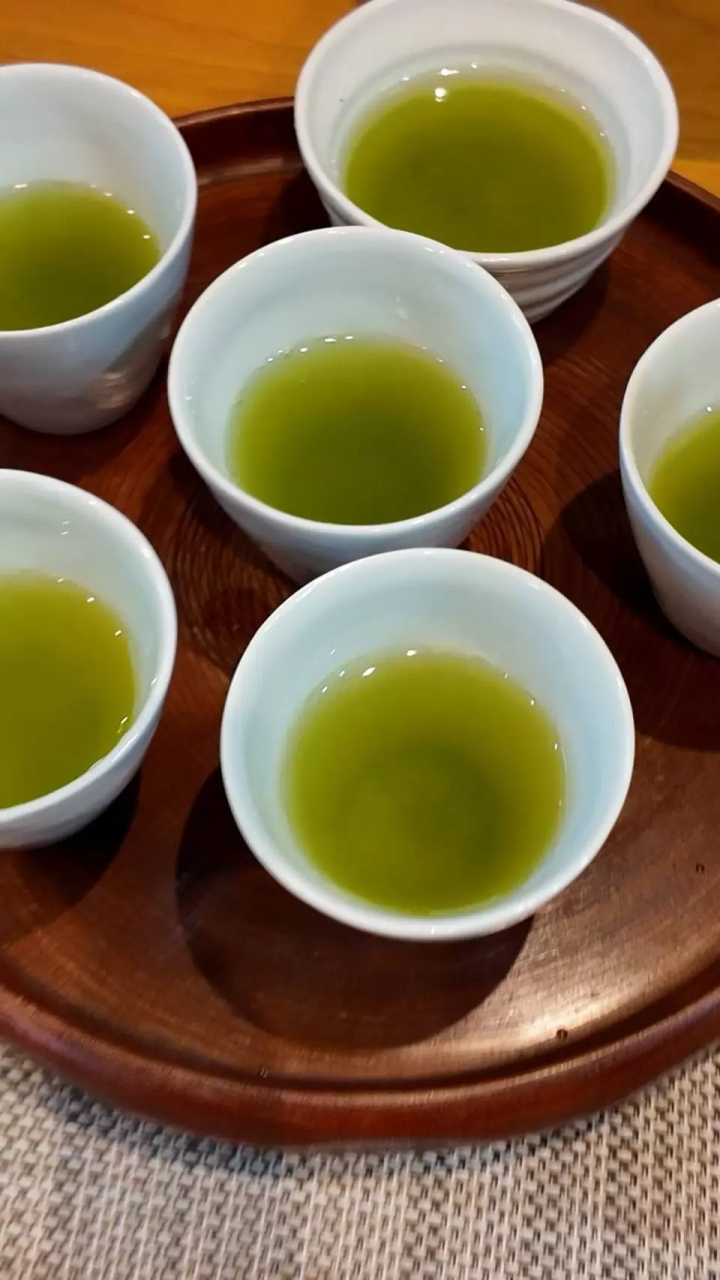
Fukamushicha(Deep-steamed tea): Steaming for more than twice the usual time finely chops the leaves and concentrates the ingredients. The rich, full-bodied flavor and deep, rich umami are sure to be a surprising experience even for modern readers accustomed to matcha lattes.
Kagoshima Prefecture, Japan's No. 1 tea producing region
Kagoshima Prefecture's production of unrefined tea in 2025 is expected to increase by 11% from the previous year to 30,000 tons, making it the number one producer in Japan for the second consecutive year.
Shizuoka Prefecture, in second place, saw a 7% decrease to 24,100 tons, the Ministry of Agriculture, Forestry and Fisheries announced on the 20th.
In 2025, the amount of first-season tea production surpassed Shizuoka to become the number one tea in Japan for the first time. From the second-season tea onwards, supported by demand for raw materials for drinks, the area also became the number one tea for the year.
[The origin of Kagoshima tea]
Kinpo-cho Atashirakawa Heike Ochiudosetsu (Kinpocho Atashirakawa Heike Ochiudosetsu)
*The following is from Kagoshima Tea Navi "The History of Kagoshima Tea-05" https://kagoshima-cha.or.jp/public-news/news/9325/
Refers to.
Five Heike clan members who were defeated in the Battle of Dannoura (1185) fled to this area, two of whom settled in Ata Shirakawa (present-day Kinpocho, Minamisatsuma City, Kagoshima Prefecture). These refugees were from Uji, Kyoto, and because Shirakawa's climate and geography closely resembled that of Uji, they named the area Ujino. Legend has it that they themselves changed their surname to Ujino, began making tea, and passed down the Uji tea-making method from generation to generation. Even today, many people in this region continue to master tea-making techniques, and a tea technology research group has been organized, which is active throughout the prefecture during the tea season. Incidentally, where did the remaining three Heike clan members go? Legend has it that they went to Temino in Chiran and began cultivating tea there. (This is said to be the origin of Chiran tea.)
Organic is the choice for the future
One of the keywords most important to travelers from Europe, the United States , and Australia is "sustainability." Kinpu Town's farmers are currently pouring their passion into organic farming, which does not rely on chemical fertilizers or pesticides .
Benefits of the Shirasu Plateau: The well-drained soil created by the accumulation of volcanic ash helps the tea trees to spread their roots deep and absorb the minerals from the earth.
Drinking the energy of the earth: Tea leaves grown with respect for the natural cycle are not just "safe," but also contain the powerful energy of the land itself. It is the choice of discerning travelers who do not want to compromise on what they put into their bodies.
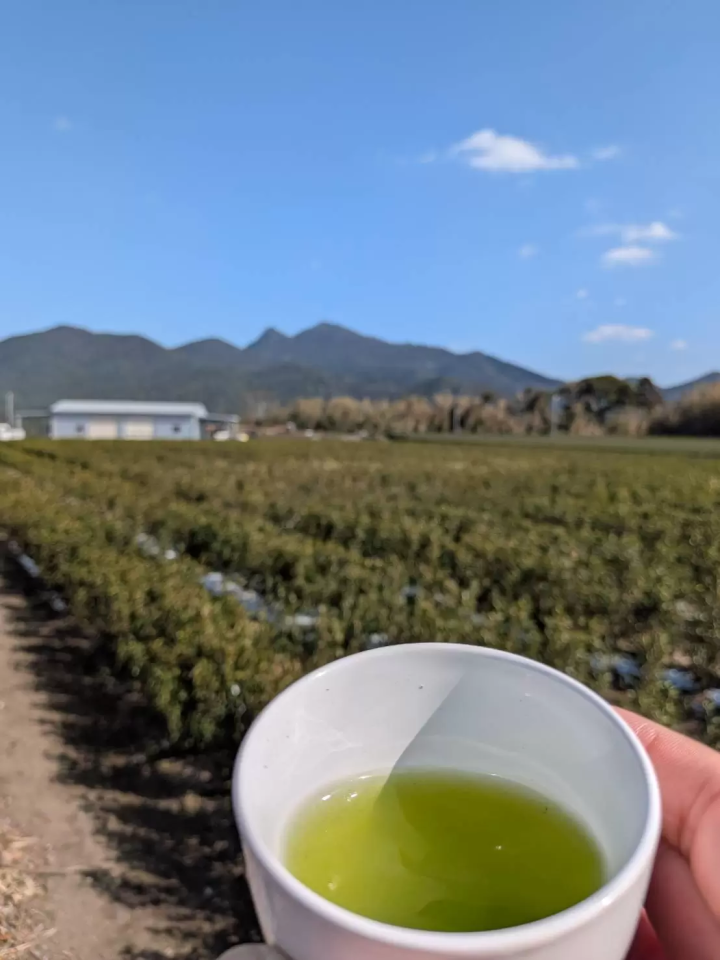
The "two philosophies" that symbolize Kinpo-Cho
The town's tea culture is supported by two contrasting approaches.
Mastering the "skill" and reaching the pinnacle
One is the pursuit of the ultimate umami flavor using the highest level of tea-making techniques. Through thorough quality control and the continuation of tradition, an astonishing amount of information (taste and aroma) is packed into each drop. This is the very essence of Japanese craftsmanship.
Spinning love and nurturing life
The other is a style that stems from love for family, "to make something that I can safely give to my own grandchildren to drink." We communicate thoroughly with nature, starting with the cultivation of the soil, and deliver tea with a gentle, clear taste that soothes the soul of the drinker.
Introducing Proud Tea Farmers
Komaki Ryokuhoen
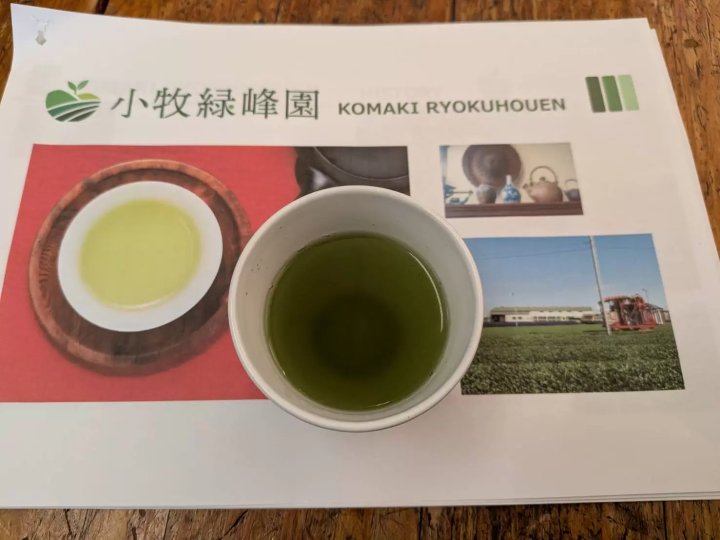
Deep-steamed tea
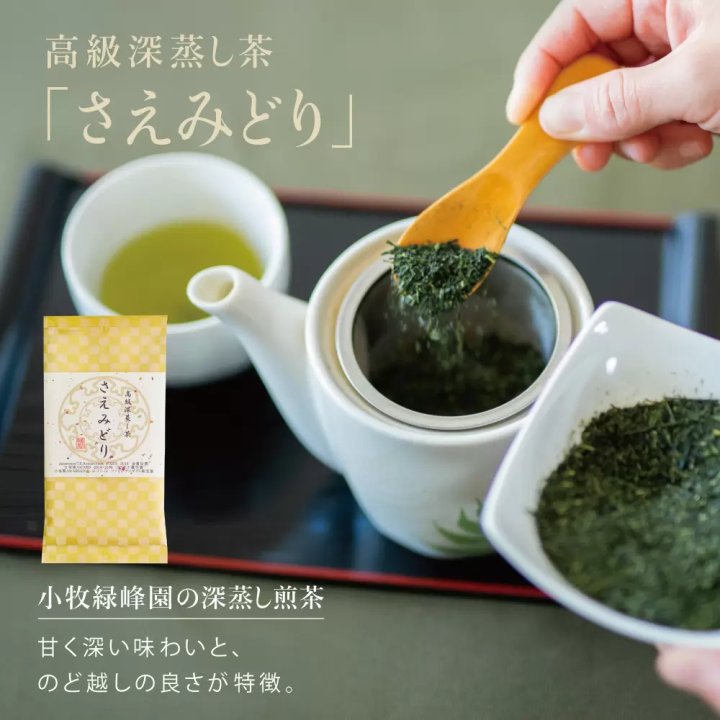
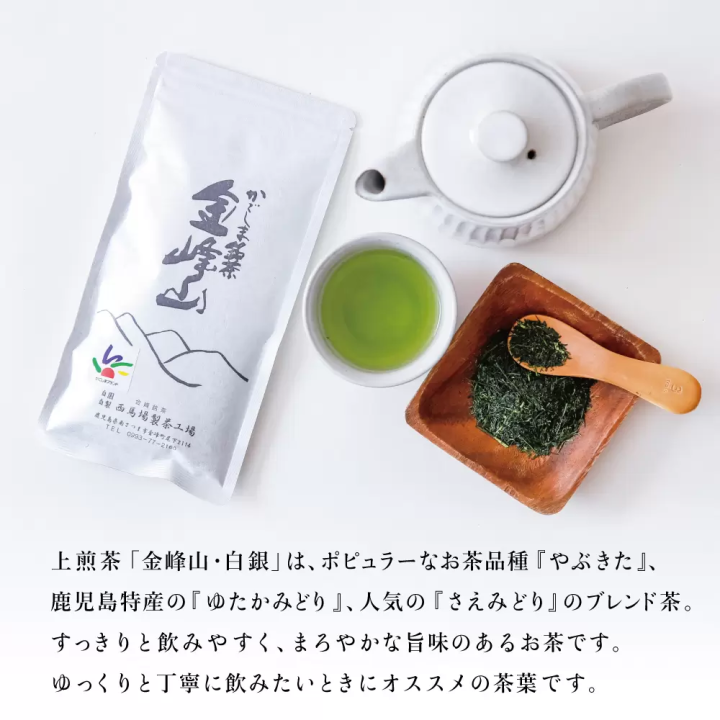
Nishibaba Tea
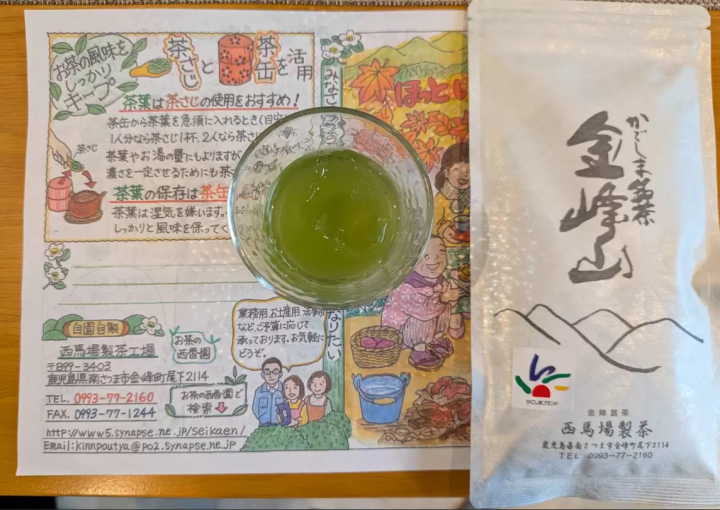
Sencha
Frequently Asked Questions
Contact Us
Minamisatsuma City Tourism Association General Incorporated Association 43-9 Kaseda Honmachi, Minamisatsuma City, Kagoshima Prefecture 897-0006 info-m@kanko-minamisatsuma.jp
[Kagoshima Prefecture] Minamisatsuma City is located on the southwestern tip of the mainland, and is a city full of food and natural resources. Filming location for the movie “You Only Live Twice” Ganjin Yamato Landing Site ● [Japan Heritage] Important Preservation District for Groups of Traditional Buildings “Kaseda Fumoto” ●Birthplace of Kurose Toji/Ata Toji (Minamisatsuma Shichizo Shochu) ●One Hundred Famous Mountains in Kyushu “Kinpozan” ●Mt. Nomadake, one of the three famous mountains on the Satsuma Peninsula
The contents on this page may partially contain automatic translation.


Special Features
More











![[Shinjuku Girls' Trip] 4 Recommended Shops for Women at Odakyu Ace!](https://resources.matcha-jp.com/resize/720x2000/2026/05/11-263877.webp)