
What Is the 'ZAKURO SHOW'? Tokyo’s Traditional Japanese Music Experience with English Support
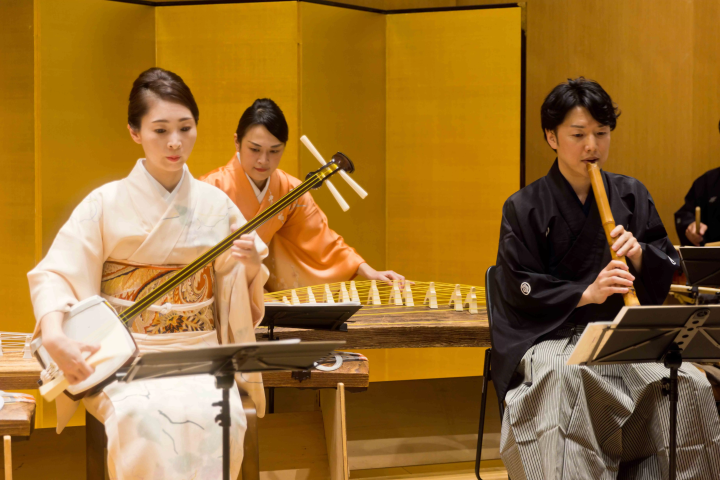
In this article, we will explain the basic overview and appeal of the Japanese musical instrument live event "ZAKURO SHOW," which will be held in Omotesando, Tokyo, as well as details of upcoming performances.

Written by
"Tickets in Japan" is a ticket sales service that allows international tourists visiting Japan to purchase entertainment tickets for sports events, concerts, theater performances, and other shows held in Japan.
This service includes sponsored advertisements.
-
Table of Contents
- What is ZAKURO SHOW?
- What You Can Experience at ZAKURO SHOW
- Access to ZAKURO SHOW
- ZAKURO SHOW FAQ
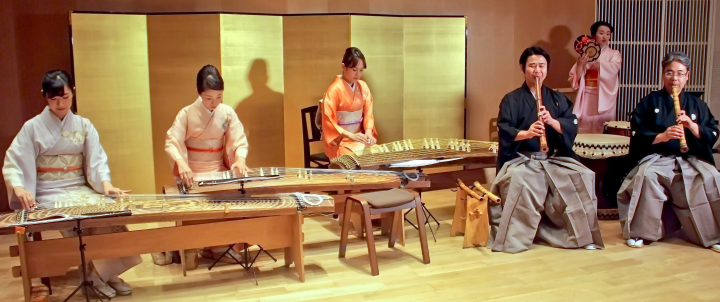
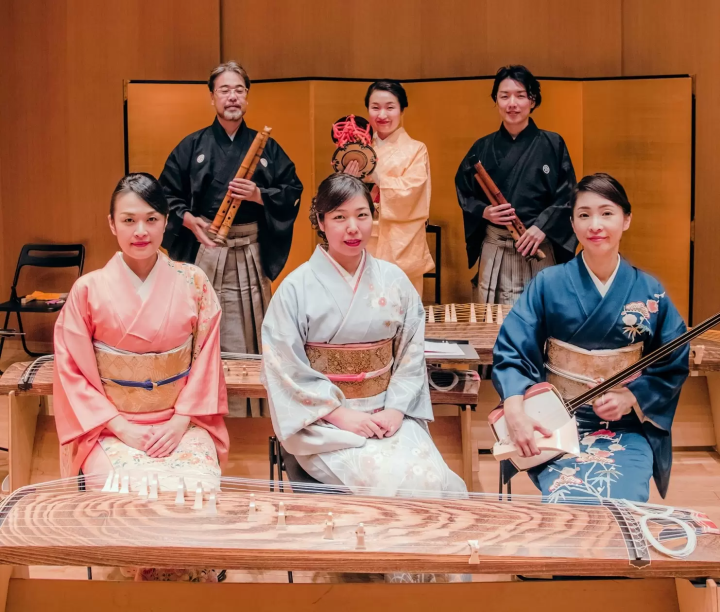
ZAKURO SHOW is a live Japanese musical instrument event held in Omotesando, Tokyo. Top performers from around the country showcase instruments like the koto, shamisen, shakuhachi, and taiko drums, allowing audiences to experience the powerful sounds up close. In addition to the performances, there are also explanations of the instruments and reservation-only performance experiences, allowing even beginners to gain a deeper understanding of the appeal of traditional Japanese music.
What is ZAKURO SHOW?
ZAKURO SHOW is a live Japanese musical instrument event held in the Omotesando area of Tokyo. Traditional Japanese instruments such as the koto, shamisen, shakuhachi, 17-stringed instrument, and taiko drums are performed by some of Japan's top performers. The performers, dressed in vibrant kimonos, deliver powerful performances and soothing sounds. Furthermore, the stage is designed with English commentary, making it easy for both Japanese audiences and international tourists to understand, making it a great way to experience Japanese culture.
What You Can Experience at ZAKURO SHOW
ZAKURO SHOW is designed to allow you to enjoy traditional Japanese music from a variety of angles. Below we will introduce what you can experience at ZAKURO SHOW.
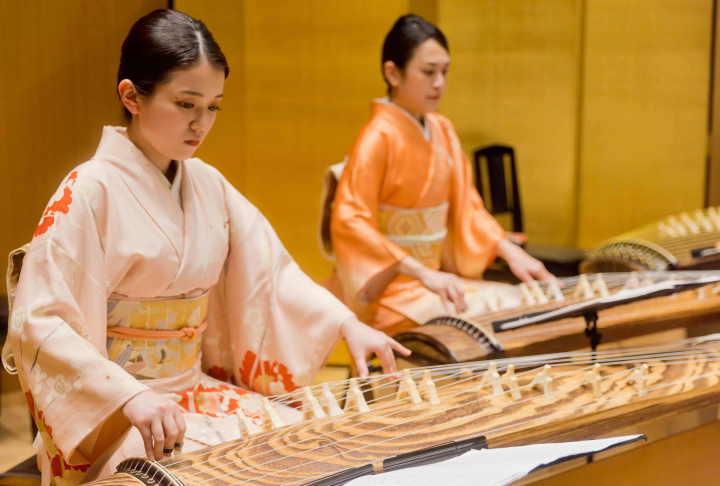
Performance by Japanese Instrument Players
Explanation of Japanese Musical Instruments
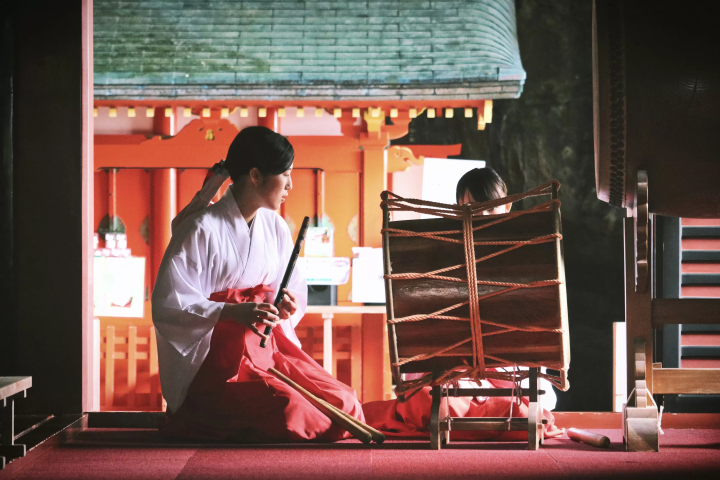
Japanese Musical Instrument Performance Experience
Access to ZAKURO SHOW
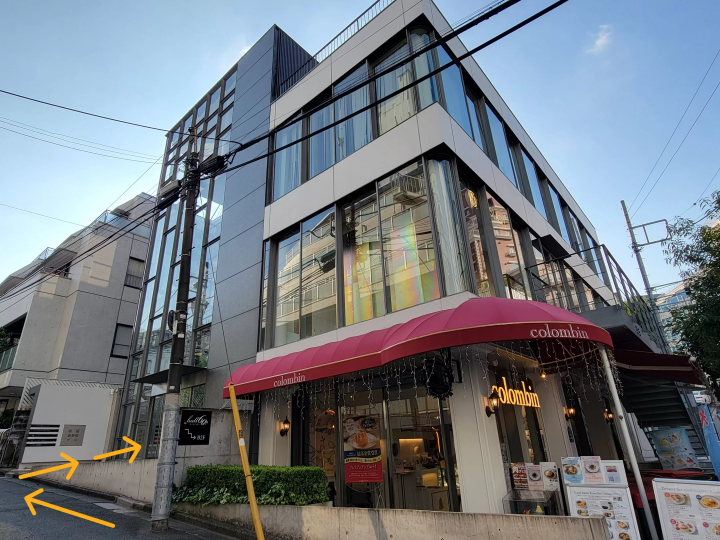
The venue for the ZAKURO SHOW is Omotesando Building Hall 60 (Hall Soixante) in Omotesando, central Tokyo . It is easily accessible, just a one-minute walk from Exit 7 of Meiji-Jingumae (Harajuku) Station and a three-minute walk from JR Harajuku Station.
There are popular spots in the area, such as Takeshita Street and Omotesando Hills, so it's a convenient place to stop by in between sightseeing. The store is located at 6 Chome-34-14 Jingumae, Shibuya, Tokyo and if you check the map, even first-time visitors will be able to visit without getting lost.
ZAKURO SHOW FAQ
We have compiled a list of frequently asked questions from people attending the ZAKURO SHOW.
"Tickets in Japan" is a ticket sales service that allows international tourists visiting Japan to purchase entertainment tickets for sports events, concerts, theater performances, and other shows held in Japan.
The contents on this page may partially contain automatic translation.
Special Features
More







![[Mie] TOBA SEASIDE HOTEL Dining Guide | Popular Buffet & Seasonal Menu Introduction](https://resources.matcha-jp.com/resize/720x2000/2026/05/11-263832.webp)
![[80 minutes by train from Kyoto ] Experience the countryside in Fukuchiyama City , Kyoto Prefecture , a special place only locals know about](https://resources.matcha-jp.com/resize/720x2000/2025/12/19-253414.webp)