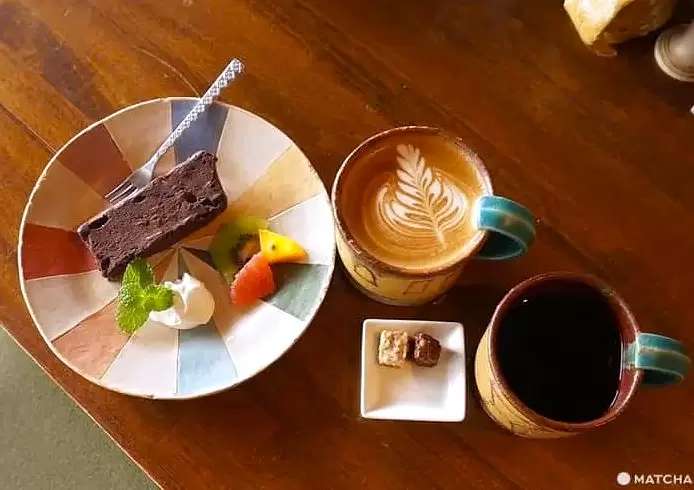
If you come to Toyama, you'll want to try these delicious foods!
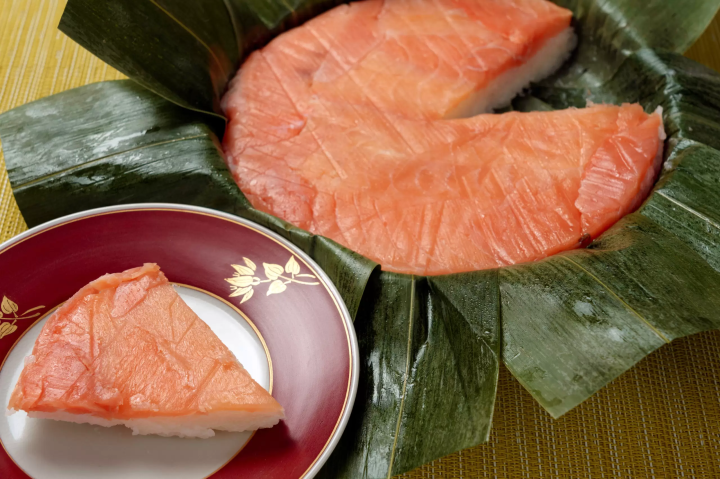
We've compiled a list of seasonal foods from Toyama, Hokuriku, that you'll want to try when you visit Unazuki Onsen. Why not visit the charming city of Toyama in search of delicious dishes that change with the seasons? This is a must-read for anyone considering a trip to Toyama and Unazuki Onsen.

Written by
ORIX HOTELS & RESORTS is ORIX Hotel Management Corporation's inn and hotel management business brand. With a wide range of categories centered around inns and hotels, from luxury to casual, ORIX HOTELS & RESORTS aims to provide "places that make guests want to return," and delivers experiences tailored to the various stages of life of its guests. ORIX HOTELS & RESORTS currently operates 14 inns and hotels under five brands, from Hokkaido in the north to Fukuoka and Oita in the south.
This service includes sponsored advertisements.
-
Table of Contents
- Seasonal foods you should try when you visit Unazuki Onsen
- Toyama ingredients: Sakura trout
- Toyama ingredients: White shrimp
- Toyama ingredients: Toyama pork
- Toyama ingredients: Toyama-grown rice
- Toyama ingredients: Kasumi apples
- Toyama ingredients: Tateyama crème d'ange
- Recommended hotel for sightseeing in Toyama: Kurobe Unazuki Onsen Yamanoha
- summary
Seasonal foods you should try when you visit Unazuki Onsen

▲The Tateyama mountain range and Toyama city. Image provided by PIXTA
Unazuki Onsen, located in eastern Toyama Prefecture, is the prefecture's leading hot spring resort. It is also known as the gateway to the popular tourist destination, Kurobe Gorge, and is a fascinating spot surrounded by vast natural scenery, including mountains, rivers, and the sea. From the 3,000m-high Tateyama mountain range to the 1,000m-deep Toyama Bay, the produce grown in this magnificent natural environment is all unique to Toyama.
There is a wide selection of local specialties, including the famous Toyama rice, fresh seafood, vegetables, fruits, locally produced beef and pork, and even local sake. There is a wide variety of products to choose from, from delicious local cuisine to souvenirs.
Toyama ingredients: Sakura trout
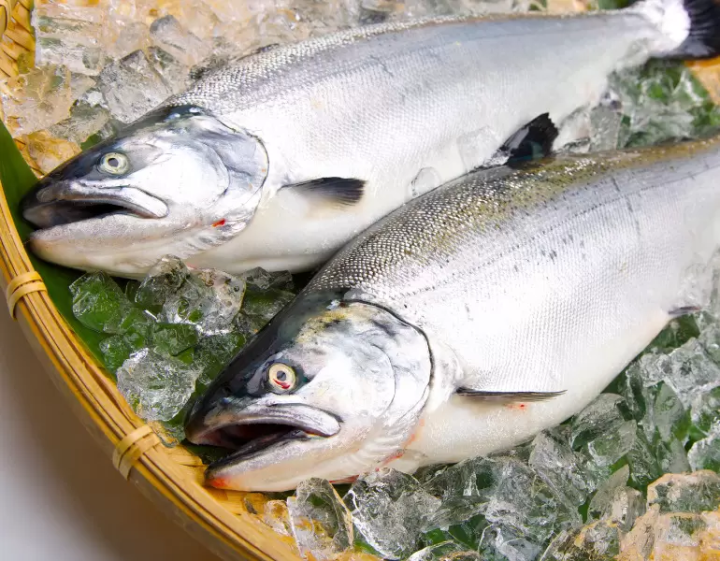
▲Sakura trout Image provided by: PIXTA
"Sakura trout" is a fish of the salmon genus, and in the spring, young yamame trout born in rivers migrate through Toyama Bay to the Sea of Okhotsk. They return to the rivers where they were born and raised the following spring, and are said to have gotten their name from the fact that they swim upstream around the time the cherry blossoms bloom.
The main characteristics of adult Sakura trout are that their flesh is very tender and richly fatty, with an elegant sweetness and fragrance. Toyama is known for its specialty "Masu Sushi," which uses Sakura trout, and there are dozens of restaurants in Toyama City alone, each with their own unique flavors, the way the trout are arranged, and the softness of the vinegared rice.
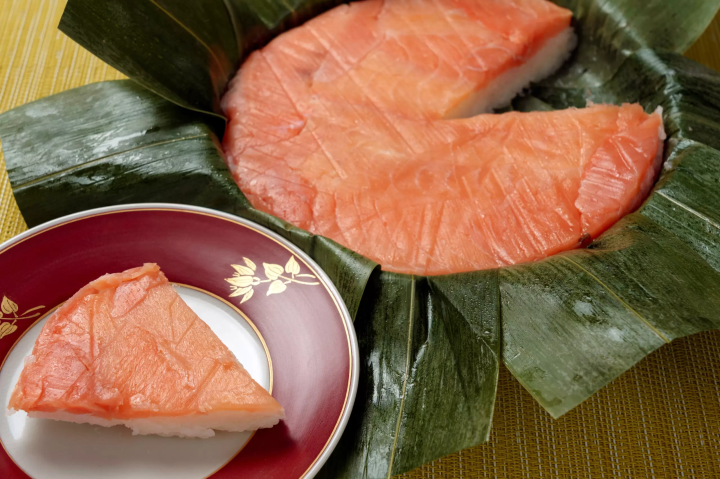
▲Masu sushi. Image provided by: PIXTA
Popular as a souvenir or ekiben (train station lunch box), trout sushi is generally served in a wooden box with bamboo leaves laid on the bottom. Salted trout fillets are then placed on top, stuffed with vinegared rice, and the bamboo leaves are folded back and placed on a weight, creating a local dish. When eating, you can cut the sushi with a knife through the bamboo leaves, keeping your hands clean.
Toyama ingredients: White shrimp
▲White shrimp Image provided by: PIXTA
White shrimp are caught in the waters off the coast of Japan, and are especially famous as a Toyama specialty because of the large quantities caught in Toyama Bay. The fishing season is set from April to November, with peak season in June and July. They are slightly larger than cherry shrimp and begin to spoil quickly after being caught, so by flash freezing them, they are a valuable ingredient that can be enjoyed even during the closed fishing season.
Freshly pulled from the sea, white shrimp are pale pink and transparent. They are also known as the "Jewel of Toyama Bay" for their beauty, and over time they turn from pale pink to white. With the development of freezing technology, it has become clear that peeled shrimp meat has a creamy texture and a refined sweetness, and their deliciousness has now spread nationwide.
Locals generally enjoy it as fried chicken or tempura, with the "white shrimp bowl" being one of the most popular dishes. Other dishes include the "white shrimp burger" and "white shrimp crackers," which are also popular with tourists.
Toyama ingredients: Toyama pork
▲ Toyama Prefecture pork dishes. Image provided by: PIXTA
"Toyama Pork" is the general term for pork brands produced in Toyama Prefecture, including Kurobe Meisui Pork, Tateyama Pork, Takidera Marble Pork, and Johana Furusato Pork, which are named by producers after the place names and breeding methods. In addition, Marchen Pork (Oyabe), Takahata Pork (Tonami City), Owara Clean Pork (Yao, Toyama City), and Mugiya Pork (Nanto City) incorporate the ingenuity of the producing area and the original ideas of the producers.
The common thread between these two is that bamboo vinegar is added to the feed. Bamboo vinegar has antiseptic and disinfectant properties, and adding it to the feed has the advantage of eliminating the odor that is characteristic of pork and preventing scum from forming. Toyama pork is delicious even when simply sauteed, and finishing it with a sauce made with local vegetables creates an exquisite dish.
Toyama ingredients: Toyama-grown rice
▲Rice ears Image provided by: PIXTA
Blessed with pure water from the Tateyama mountain range and fertile soil, Toyama is known as one of the leading rice-producing regions in Japan. Toyama rice comes in three varieties based on maturity: early, mid-season, and late. Rice cultivation in Toyama is centered around the mid-season Koshihikari variety.
The prefecture's brand rice varieties include "Fufufu (mid-season), "Tentakaku (early season)" and "Tenkomori (late season)," all of which are brands associated with Toyama. "Fufufu," with its firm grains, is delicious even when cold, making it perfect for lunch boxes. "Tentakaku," on the other hand, has slightly larger grains and a refreshing taste, and is known as "successful exam rice" during exam season, with the hope of "getting high marks."
"Tenkomori" matures later than Koshihikari, and is characterized by its high yield and stable quality. It has the same flavor as Koshihikari, and when cooked, it produces shiny rice that is sweet and satisfying, making it popular with consumers.
▲Toyama, Tateyama mountain range and countryside. Image provided by: PIXTA
Toyama is known as a rice-producing region because of its topography and climate, which are ideal for rice cultivation. Facing the Sea of Japan and surrounded by mountains on three sides, the rivers flowing from these mountains form alluvial fans, creating a wide plain that is ideal for rice cultivation.
In addition, the summers are hot and humid, and the meltwater from the Northern Alps is ideal for rice cultivation. Although the area has been blessed with abundant water since ancient times, it has also suffered from flooding. In addition to rice cultivation, the area is also a major producer of rice seeds, and ships them all over the country.
Toyama ingredients: Kasumi apples
▲Kasumi Apples Photo provided by: Uozu City Tourism Association
Kasumi apples are known as a product of Uozu City, located in eastern Toyama Prefecture, and are famous as the leading apple producing area in the prefecture. For quality control, the cultivation area and annual production volume of each farmer is limited, so most of the harvested apples are sold directly from the farmer's yard.
▲Kasumi Apples Photo provided by: Uozu City Tourism Association
Tohoku is famous for its apples, but Uozu City is located further south than these regions, meaning that the process from flowering to full ripening takes four weeks longer. Kasumi apples, which are richly endowed with nutrients from the abundant clear streams and trees, are delicious apples with a balanced taste, aroma, and texture. They have established cultivation techniques for Fuji apples, which are synonymous with high-quality apples, and the Kasumi apple brand name has now become well-known both within and outside the prefecture. With the motto of using compost and other materials to improve soil quality and reduce the use of pesticides, all local cooperative members are certified eco-farmers.
Toyama ingredients: Tateyama crème d'ange
▲ Creme d'Anjou Image provided by: ALPEN CHEESECAKE
"Creme d'Anjou" is a triangular pyramid-shaped cheesecake. Known as a local Toyama sweet with a shelf life of just 10 minutes, its glass dome container is sure to appeal to any woman. This mystical cheesecake can be enjoyed at ALPEN CHEESECAKE, a cheesecake specialty shop on the first floor of Unazuki Onsen Station. This pure white cheesecake, inspired by snow-capped mountains, is an innovative dessert created to commemorate the new Tateyama Kurobe Alpine Route. It is made with plenty of Kurobe milk sourced from Kurobe Farm, ensuring the cheesecake's soft and fluffy texture.
▲Alpine Cheesecake Image provided by: ALPEN CHEESECAKE
This cheesecake melts like snow, so it's only available for eat-in, and you can enjoy it with the raspberry sauce that comes with it. Why not try this exquisite cheesecake, which is made with consideration for the temperature difference between summer and winter?
Address: 260 Unazuki Onsen, Kurobe City, 1F, Unazuki Onsen Station
Access: Right next to Unazuki Onsen Station on the Toyama Chiho Railway
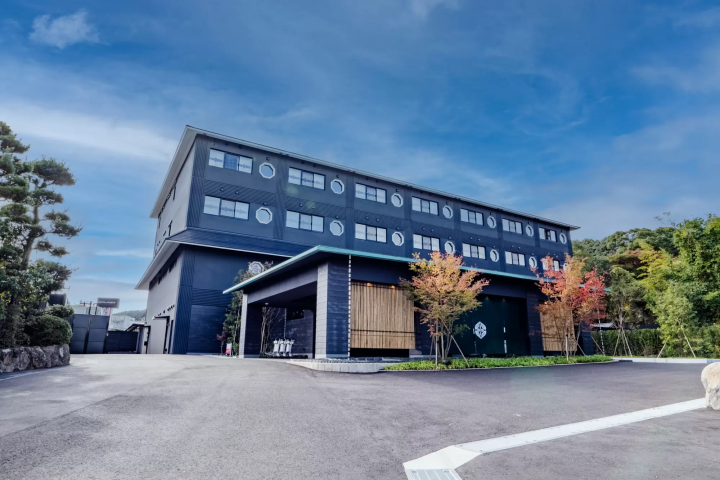
Recommended hotel for sightseeing in Toyama: Kurobe Unazuki Onsen Yamanoha
Address: 352-7 Unazuki Onsen, Kurobe City, Toyama Prefecture
Access: 3 minutes walk from Unazuki Onsen Station on the Toyama Chiho Railway Line, or 20 minutes from Kurobe IC on the Hokuriku Expressway
summary
In this article, we've mainly introduced seasonal ingredients from Unazuki Onsen, Toyama. We hope that you will read this article and use it as reference when you visit Unazuki Onsen, Toyama. Be sure to create wonderful memories of your trip by sampling the bounty of Hokuriku and Toyama, which changes with the seasons of spring, summer, fall, and winter.
ORIX HOTELS & RESORTS is ORIX Hotel Management Corporation's inn and hotel management business brand. With a wide range of categories centered around inns and hotels, from luxury to casual, ORIX HOTELS & RESORTS aims to provide "places that make guests want to return," and delivers experiences tailored to the various stages of life of its guests. ORIX HOTELS & RESORTS currently operates 14 inns and hotels under five brands, from Hokkaido in the north to Fukuoka and Oita in the south.
The contents on this page may partially contain automatic translation.
Special Features
More