[Fukui Prefecture] Discover a side of Japan you never knew existed.
![[Fukui Prefecture] Discover a side of Japan you never knew existed.](https://resources.matcha-jp.com/resize/720x2000/2026/03/04-260375.webp)
Fukui Prefecture is the quintessence of Japan. A land where dinosaurs left their mark, 700 years of Zen, and a rugged yet beautiful coastline. Here you will find the "real Japan" that never fades with time. A journey of awe-inspiring discoveries and exquisite cuisine. If you want to discover the hidden charms of Japan, Fukui is the answer.

Written by
With the mission of ``Bring More Play Into Your Life.'', we aim to realize a well-being society where ``play'' enriches life along with food, clothing, and shelter. We offer ``Asoview!'', a convenient and economical holiday reservation site, ``Asoview! Gift'', an experiential gift to send memories to loved ones, and DX solution business for tourism, leisure, and cultural facilities.
This service includes sponsored advertisements.
-
Table of Contents
- What is Fukui Prefecture? — Japan's "hidden gem"
- 1. Fukui Prefectural Dinosaur Museum — One of the world's top three dinosaur museums
- 2. Eiheiji Temple — Discover inner tranquility
- 3. Tojinbo Cliffs — A miraculous view born from the Sea of Japan
- 4. The blessings of the Sea of Japan — Fukui's food is "a taste you can only get here"
- 5. Fukui Craftsmanship - From Traditional Craft to Modern Industries
- 6. Awara Onsen — Experience the changing seasons
- 7. Ichijodani Asakura Clan Ruins — A journey back in time to the Sengoku period
- 8. Access — Approximately 3 hours from Tokyo by Hokuriku Shinkansen
- Plan your trip to Fukui now!
What is Fukui Prefecture? — Japan's "hidden gem"
Only about three hours from Tokyo on the Hokuriku Shinkansen, the extension of the Hokuriku Shinkansen, which opened in March 2024, has made access to Fukui Prefecture more convenient than ever. Facing the Sea of Japan, Fukui is a treasured Japanese destination yet unknown to many foreign tourists, packed with magnificent natural scenery, over 700 years of Zen culture, a world-class dinosaur research facility, and some of Japan's best seafood.
The greatest charm of Fukui is that you can experience the "real Japan" in a calm atmosphere, far from the crowds of Kyoto and Osaka.
1. Fukui Prefectural Dinosaur Museum — One of the world's top three dinosaur museums
![[Fukui Prefecture] Discover a side of Japan you never knew existed.](https://resources.matcha-jp.com/resize/720x2000/2026/03/04-260346.webp)
The Fukui Prefectural Dinosaur Museum in Katsuyama City, Fukui Prefecture, is regarded as one of the world's three largest dinosaur museums, alongside the Royal Tyrrell Museum in Canada and the Zigong Dinosaur Museum in China. Since its reopening in 2023, the museum offers captivating experiences for both adults and children, including over 50 complete dinosaur skeletons, full-scale dioramas, and a cutting-edge CG video theater.
At Katsuyama Dino Park, located near the museum, you can enjoy an outdoor adventure with life-size dinosaur models scattered throughout the forest. This is a popular spot for dinosaur lovers and families alike.
Recommended points
・Fossil excavation experience
・life-size animatronic Tyrannosaurus
・Dinosaur goods at the museum shop are perfect for both personal use and as souvenirs
2. Eiheiji Temple — Discover inner tranquility
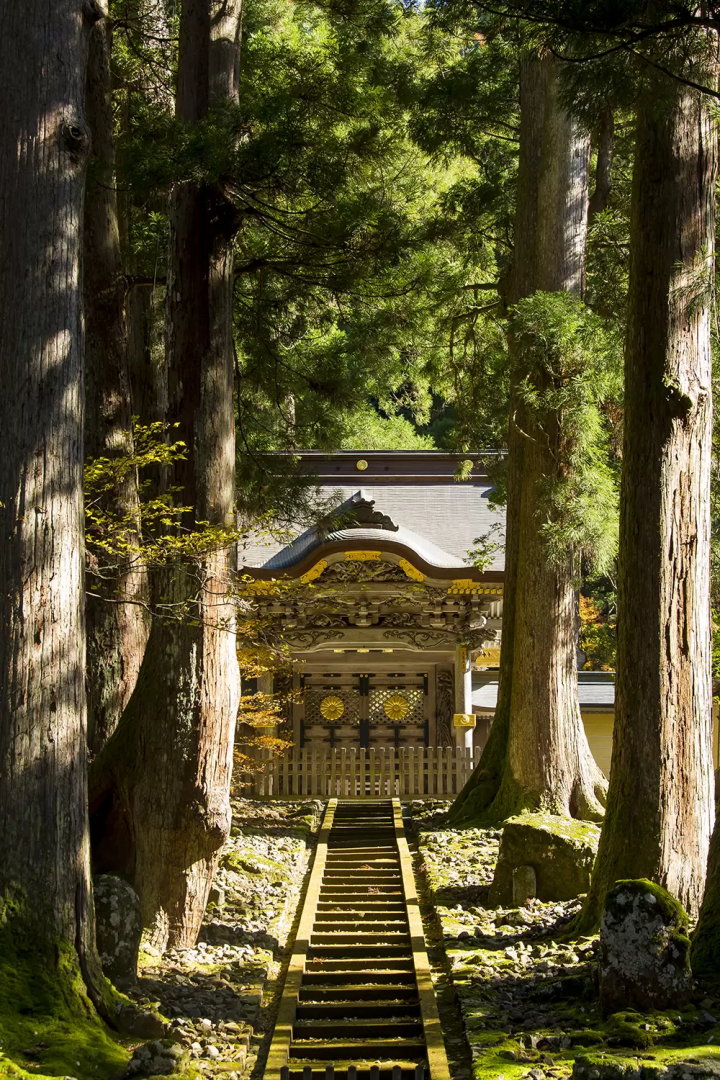
Eiheiji Temple, one of the two head temples of the Soto Zen sect of Zen Buddhism — a sacred place of Zen Buddhism with a history of approximately 780 years
Founded by Zen Master Dogen in 1244, Eiheiji, one of the two head temples of the Soto Zen sect, is a "Dojo of Zen Buddhism" where over 100 monks still live a rigorous life of training. The majestic grounds are surrounded by giant cedar trees and feature over 70 buildings, and you'll feel your mind calm just by walking through the beautiful corridors.
Visitors can participate in a Zen meditation experience. This time away from the hustle and bustle of everyday life and into soul-searching is sure to be a highlight of your trip.
3. Tojinbo Cliffs — A miraculous view born from the Sea of Japan
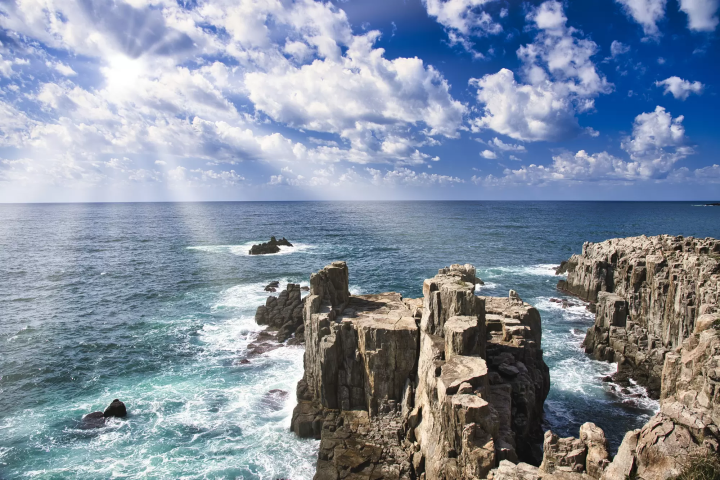
Tojinbo Cliffs — one of the world's three largest columnar joint cliffs.
Tojinbo Cliffs, huge cliffs of columnar joints stretching for about 1 km, is Fukui Prefecture's most scenic spot and has been designated a national natural monument. Columnar joint formations on this scale are found at only a few locations worldwide, such as Jeju Island in South Korea and the west coast of Norway, making Tojinbo Cliffs an extremely valuable geological site.
The highlight is the experience of looking up at the cliffs from the sea on a sightseeing boat. At dusk, the sunset over the Sea of Japan and the silhouette of the cliffs create a breathtakingly beautiful sight. You can also enjoy a panoramic view of the Echizen Coast from the adjacent Tojinbo Tower.
4. The blessings of the Sea of Japan — Fukui's food is "a taste you can only get here"
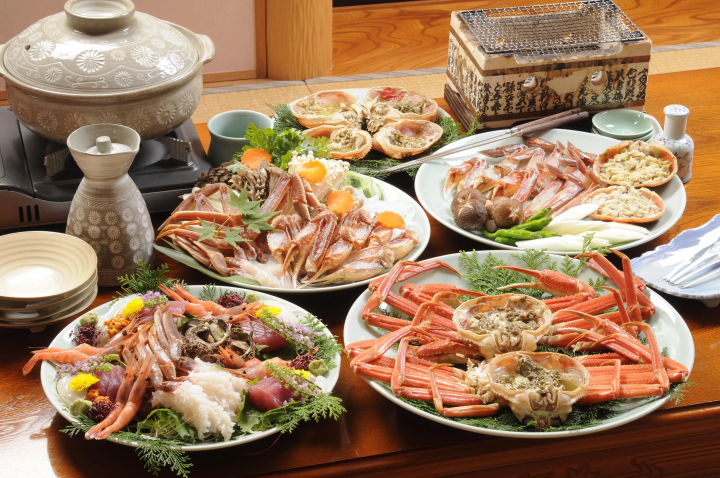
Echizen crab — the highest quality brand of snow crab caught in the Sea of Japan
Echizen crab (The King of Winter Delicacies)
Echizen crab, which is in season from November to March every year, is the highest quality brand of snow crab caught in the Sea of Japan. The sweetness of the meat and the rich crab miso are a taste you will never forget once you have tried it. The yellow tag is proof of its authenticity.
Echizen grated radish soba
Cold soba noodles served with grated daikon radish and dashi broth are Fukui's soul food. The simplicity of the dish brings out the natural aroma of the soba noodles and the sharpness of the spicy daikon radish, making it a dish for connoisseurs. You can easily enjoy it at any soba restaurant in Fukui City.
Sauce Katsudon
Sauce katsudon, which originated in Fukui, is completely different from the typical katsudon (egg-covered katsudon). It is a simple yet hearty dish in which crisply fried pork cutlet in a thin batter is dipped in a special sauce and placed on piping hot rice. The famous restaurant "Europaken" in the city serves this classic dish, beloved by locals and tourists alike.
5. Fukui Craftsmanship - From Traditional Craft to Modern Industries
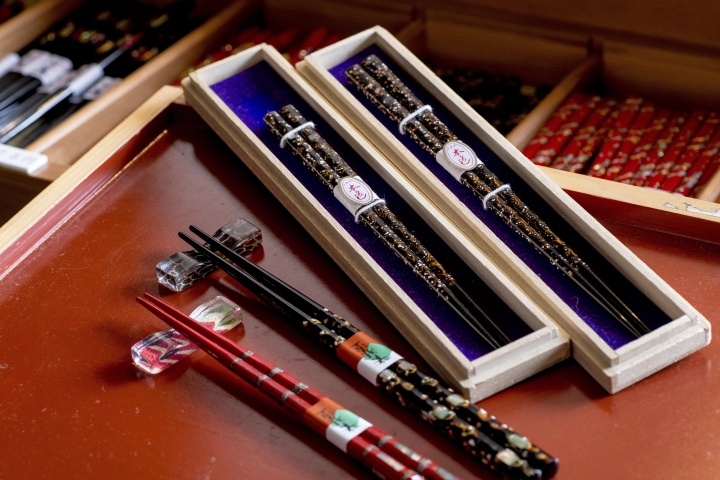
Fukui's Traditional Crafts - Wakasa Lacquer Chopsticks
Wakasa Lacquer Chopsticks - Approximately 80% of the market share in Japan
Obama City, Fukui Prefecture, is known as the "home of lacquered chopsticks," responsible for approximately 80% of Japan's lacquered chopstick production. Wakasa lacquered chopsticks are made using a traditional technique in which unique designs made from seashells and eggshells are applied in multiple layers of lacquer, which are then polished to reveal the beautiful patterns. Their delicate beauty and comfortable feel in the hand have earned them high praise both in Japan and overseas. At the Wakasa Chopstick Museum, you can even experience making your own original lacquered chopsticks.
Echizen Washi — A 1,500-Year Tradition
Echizen City (formerly Imadate Town) is a village of washi paper with a history of 1,500 years. Echizen washi paper is known for its high quality, so much so that it has even been used for banknotes, and at Echizen Washi Village you can actually experience papermaking. It is a traditional craft that Japan is proud of, attracting attention from artists and designers around the world.
Sabae Eyewear — Approximately 20% of the global market share
Sabae City in Fukui Prefecture is known as the "the holy land of eyewear," as it is responsible for approximately 96% of Japan's eyeglass frame production and boasts a global market share of approximately 20%. Sabae Eyewear are handmade by skilled craftsmen through over 200 processes, and their quality is highly regarded by brands around the world. At the Sabae Eyewear Museum, you can even experience making your own original frames.
6. Awara Onsen — Experience the changing seasons
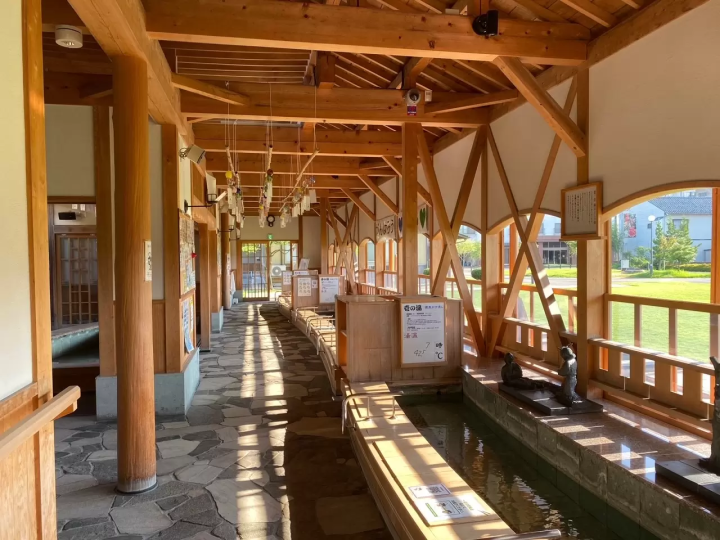
Awara Onsen — Ashiyu
Awara Onsen — Kansai's treasured retreat
Awara Onsen, which has a history of over 140 years since its opening in 1883, is one of the leading hot spring resorts in the Hokuriku region. It is lined with inns with different atmospheres, each offering different hot spring sources. During Echizen crab season, you can enjoy a luxurious experience of enjoying both hot springs and crab cuisine at the same time. It is now easily accessible from Awara Onsen Station on the Hokuriku Shinkansen.
Awara Onsen Food Stall Village "Yukemuri Yokocho" — An evening of local flavors and warmth
Yukemuri Yokocho, a food stall village located in the heart of Awara hot spring town, is a gourmet spot where you can casually enjoy local seafood and Fukui's local sake. Lined with small food stalls, the area has a charming, warm atmosphere where locals and tourists chat side by side. You can sample a little bit of Fukui's specialties, such as Echizen oroshi soba and grilled mackerel sushi, making it the perfect place for an evening stroll after a bath. This is a place where you can encounter the "warmth of the people" of Fukui, something you can't experience just in the hot springs.
Ashiyu — A free foot bath in front of the station
Located in front of Awara Yunomachi Station, Ashiyu is a beautiful glass-walled footbath facility with a motif of Western-style architecture from the Meiji to Taisho periods. You can enjoy natural hot spring water straight from the source for free, making it a relaxing spot to drop in at the beginning or end of your trip. There are five different baths, each with its own temperature and atmosphere, which is one of the attractions. This is the first welcome you'll receive upon arriving at Awara Onsen town, allowing you to experience Fukui's hot spring culture.
7. Ichijodani Asakura Clan Ruins — A journey back in time to the Sengoku period
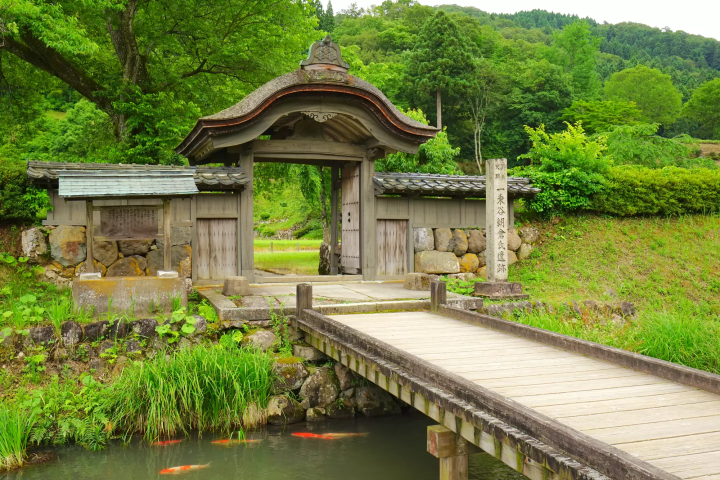
Ichijodani Asakura Clan Ruins — A castle town from the Warring States period revived
Located in the southeastern part of Fukui City, the Ichijodani Asakura Clan Ruins are the remains of a castle town that was ruled by the Asakura clan, a feudal lord during the Sengoku period, for about 100 years across five generations. Traces of samurai residences, temples, town houses, and craftsmen's residences remain on the vast site of about 278 hectares, and it has received the triple designation of a special historic site, special place of scenic beauty, and important cultural property by the national government.
The Ichijodani Asakura Clan Ruins Museum and the Restored Townscape use the latest digital technology to allow visitors to experiencelife in the castle town of that time. Walking through the restored townscape will make you feel as if you have traveled back in time to the Sengoku period.
8. Access — Approximately 3 hours from Tokyo by Hokuriku Shinkansen
The Hokuriku Shinkansen was extended between Kanazawa and Tsuruga in March 2024. It is now possible to travel from Tokyo Station to Fukui Station in as little as three hours, and from Osaka and Kyoto it takes about one and a half to two hours on the Thunderbird Express (transferring at Tsuruga), making day trips from the Kansai region easy.
Main Access
• Tokyo → Fukui: About 2 hr 50 min by Hokuriku Shinkansen "Kagayaki"
• Osaka → Fukui: About 1 hr 50 min by Thunderbird Limited Express + Hokuriku Shinkansen
• Kyoto → Fukui: About 1 hr 20 min by the Thunderbird Limited Express + Hokuriku Shinkansen
• Nagoya → Fukui: About 2 hr by Shirasagi Limited Express + Hokuriku Shinkansen
Plan your trip to Fukui now!
Click on the links below to find out more about Fukui Prefecture's sightseeing spots, activities, and tours, as well as reservations and details. Find the plan that's right for you.
With the mission of ``Bring More Play Into Your Life.'', we aim to realize a well-being society where ``play'' enriches life along with food, clothing, and shelter. We offer ``Asoview!'', a convenient and economical holiday reservation site, ``Asoview! Gift'', an experiential gift to send memories to loved ones, and DX solution business for tourism, leisure, and cultural facilities.
The contents on this page may partially contain automatic translation.
Top Articles
There are no articles in this section.
Special Features
More