
Japanese Traditional Arts & Entertainment Guide: Highlights and How to Buy Tickets
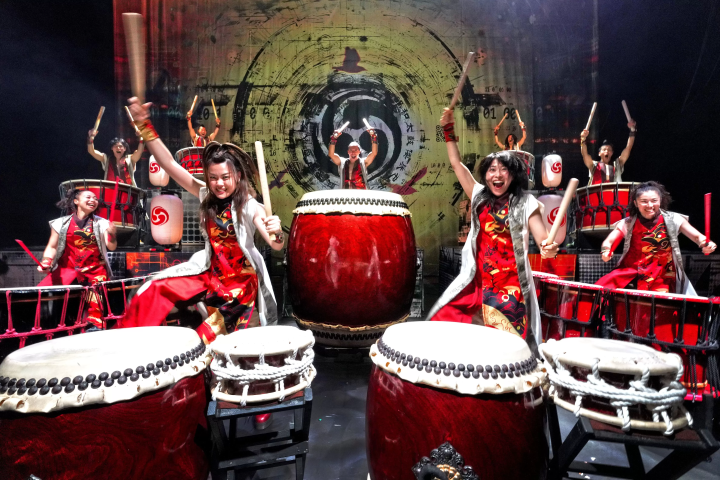
This guide clearly explains the appeal of traditional Japanese performing arts, including taiko drumming and other traditional Japanese musical instruments, which are attracting attention worldwide. It introduces popular performances that can be enjoyed regardless of language barriers, and explains how to purchase tickets.

Written by
"Tickets in Japan" is a ticket sales service that allows international tourists visiting Japan to purchase entertainment tickets for sports events, concerts, theater performances, and other shows held in Japan.
This service includes sponsored advertisements.
-
Table of Contents
- Experience Japan More Deeply: Traditional Performing Arts for All Five Senses
- 5 Traditional Japanese Arts the World Loves: Kabuki, Tea Ceremony, Taiko & More
- First Time? Tips to Enjoy the Show Even More
- Book in Minutes: How to Reserve and Buy Tickets on Your Phone
Experience Japan More Deeply: Traditional Performing Arts for All Five Senses
While visiting famous tourist spots, enjoying local cuisine, and shopping are all great aspects of traveling in Japan, if you want to experience the charm of Japan on a deeper level, why not add some time to experience Japan's traditional performing arts to your travel plans?
Japanese traditional culture is not simply about preserving the good old things; it continues to evolve to match modern trends. A major characteristic is that even first-timers can thoroughly enjoy it as entertainment.
This article introduces traditional Japanese performing arts and provides detailed explanations on how to enjoy them during your trip and how to purchase performance tickets.
倭-YAMATO The Drummers of Japan
5 Traditional Japanese Arts the World Loves: Kabuki, Tea Ceremony, Taiko & More
1) Kabuki: A Spectacular Stage Experience
With a history spanning over 400 years, Kabuki is truly the pinnacle of traditional Japanese entertainment. Its most distinctive features are its magnificent costumes, unique makeup (kumadori), and elaborate stage sets.
At first glance, it might seem difficult, but in reality, it centers on human dramas that resonate with people of all nationalities, such as "rewarding good and punishing evil" and "parental love." The elegant movements of the "onnagata," male actors playing female roles, and the dynamism of their passage along the "hanamichi," a walkway through the audience, are breathtaking. Recently, many theaters have equipped themselves with audio guides, making it easy for even beginners to follow the story and enjoy the performance.
2) Tea Ceremony: The Ultimate Omotenashi and a Calming Ritual
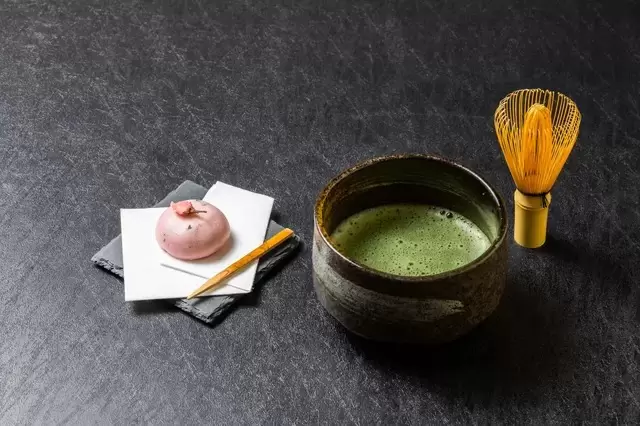
Photo by PIXTA
The tea ceremony is not simply about the etiquette of drinking tea; it is a comprehensive art form that allows you to enjoy the space, the tools, and the spirit of hospitality as a whole. The time spent listening to the sounds of boiling water and whisking in a quiet tea room becomes a mindful experience that allows you to forget the hustle and bustle of the city.
Recently, there has been an increase in casual, seated experiences and guided tours in English. Enjoying the deep flavor of authentic matcha tea along with seasonal Japanese sweets is a special experience that you should definitely try if you visit Japan.
3) Noh & Kyogen: Japan’s Classic Performing Arts
Noh is one of the world's oldest forms of theater, in which performers wearing beautiful masks weave stories through dance and music. Its style, which deliberately eliminates flashy movements and expresses emotions with only the slightest tilt of the head, is truly considered the "art of stillness."
On the other hand, Kyogen, performed during the intermissions of Noh plays, is a comedy that humorously depicts the daily lives of ordinary people at the time. Even if you don't understand the language, you're sure to smile just by watching the performers' comical movements and expressive faces. Through this contrast between "stillness" and "movement," you can feel the profound depth of Japanese performing arts.
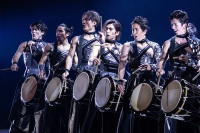
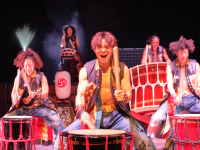
4) Taiko: Powerful Performances That Shake Your Soul
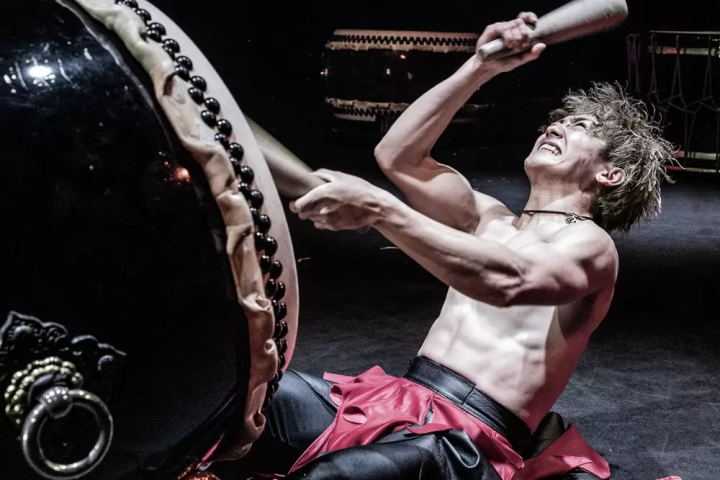
Originally, Japanese taiko drums were used as sacred tools to convey prayers to the gods, or as signals on the battlefield (war drums). However, in recent years, they have transcended these traditional roles and have become extremely popular as a "performance art" that allows people to fully enjoy the unique sounds and rhythms of Japanese taiko drums.
Beyond simply playing instruments, their finely honed physiques and perfectly synchronized movements and performances possess a dynamism akin to martial arts or dance. In particular, performances by the world-renowned " DRUM TAO " and " YAMATO " utilize non-verbal staging, guaranteeing that even first-time viewers will be overwhelmed by their power.
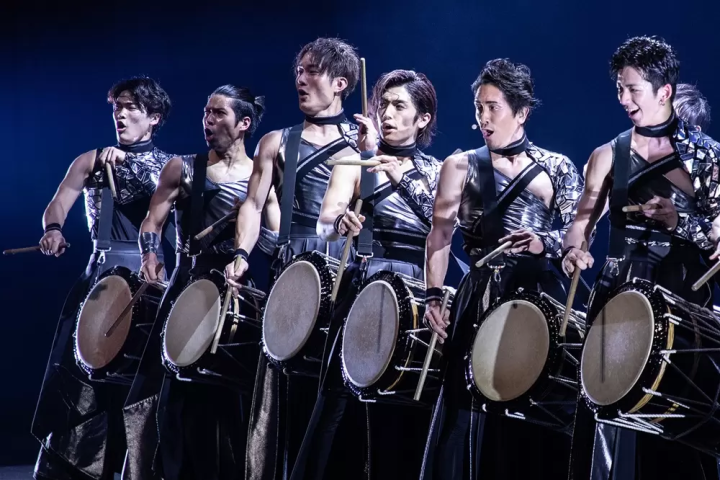
©TAO ENTERTAINMENT
5) Wagakki: Traditional Instruments Reimagined for Today
ZAKURO SHOW
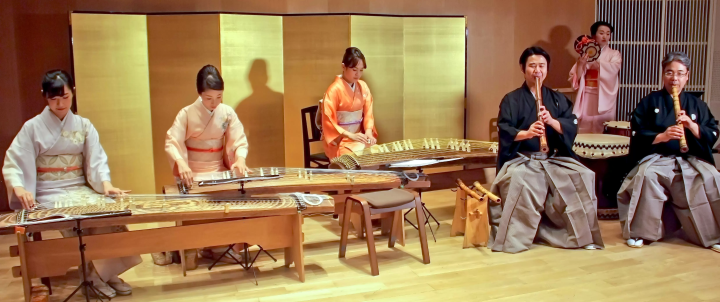
Concerts featuring the delicate sounds of traditional Japanese instruments are also popular.
First, let me introduce three representative Japanese musical instruments.
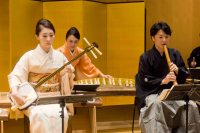
Shamisen: This instrument is characterized by its percussive and energetic sound, produced by striking the three strings with a large pick.
Koto: Also known as the Japanese harp, it is played by plucking its 13 strings with a fingernail. Its elegant and refined sound fills the heart.
Shakuhachi: A vertical flute made from bamboo, it produces a distinctive tone by blowing deep breaths into it.
Recently, many artists have been using these traditional Japanese instruments to cover anime songs and pop music, and they are becoming popular as a "traditional yet new" musical experience.
First Time? Tips to Enjoy the Show Even More
Many people feel that traditional performing arts are intimidating and difficult to approach, but knowing how to choose a performance and gathering some information beforehand can make the experience many times more enjoyable. Here, we introduce some tips for enjoying traditional performing arts, especially for beginners.
A Little Pre-Show Prep Makes It Even More Moving
Before attending a performance, simply checking out videos or other resources to learn about the instrument's origins and the performance's atmosphere can greatly enhance your immersion.
How to Find Shows with Multilingual Support
For example, the "ZAKURO SHOW," which features performances of traditional Japanese musical instruments, is structured with English commentary.
Therefore, it is easy to understand and thoroughly enjoyable not only for Japanese people but also for tourists from overseas.
Book in Minutes: How to Reserve and Buy Tickets on Your Phone
Many people probably think, "I want to see a traditional performance in Japan, but I don't know where to buy tickets."
That's where " Tickets in Japan ," a ticket booking site for foreign visitors visitors to Japan, comes in handy.

Step-by-Step: Buying Tickets on Tickets in Japan
1. Go to the official website and select " Culture " from the categories.
2. Filter the results by your desired area (e.g., Tokyo, Osaka) and travel dates, and select the performances that interest you.
3. Log in to your personal page (registration is required if you do not have an account).
4. Proceed with the reservation and payment process. Payment can be easily completed with a credit card.
5. Once your purchase is complete, your electronic ticket will be issued.

Frequently Asked Questions
Is support available in foreign languages?
The official website is fully available in English, Traditional Chinese, and Korean. Even if you don't understand Japanese, you can easily gather information and complete your purchase.
Can I use a credit card issued overseas?
Currently, you can pay with credit cards issued overseas, PayPal, debit cards, Apple Pay, and Google Pay. We plan to expand our payment options in the future.
Do I need to receive a paper ticket?
No, most performances use digital tickets. You don't need to search for tickets or wait for them to be mailed after arriving in Japan.
How can I change or cancel my reservation after it has been made?
Cancellations are handled according to the cancellation policy for each performance. For details, please check the User Guide on the official website.
How can I ask questions or make inquiries before or after purchasing a product?
We accept inquiries via email in English, Traditional Chinese, and Korean. For some tickets, you can also consult with us via chat (real-time chat) starting two days before the event date. Please feel free to contact us anytime with any questions or concerns regarding performance information or purchased tickets.
"Tickets in Japan" is a ticket sales service that allows international tourists visiting Japan to purchase entertainment tickets for sports events, concerts, theater performances, and other shows held in Japan.
The contents on this page may partially contain automatic translation.
Special Features
More










![[Izu, Shuzenji Onsen] Shuzenji hydrangeas adorn the garden of the inn "SORA Togetsuso Kinryu"](https://resources.matcha-jp.com/resize/720x2000/2024/06/25-185079.webp)
