Kozushima: Discover Tokyo's Island of Myth and Legends
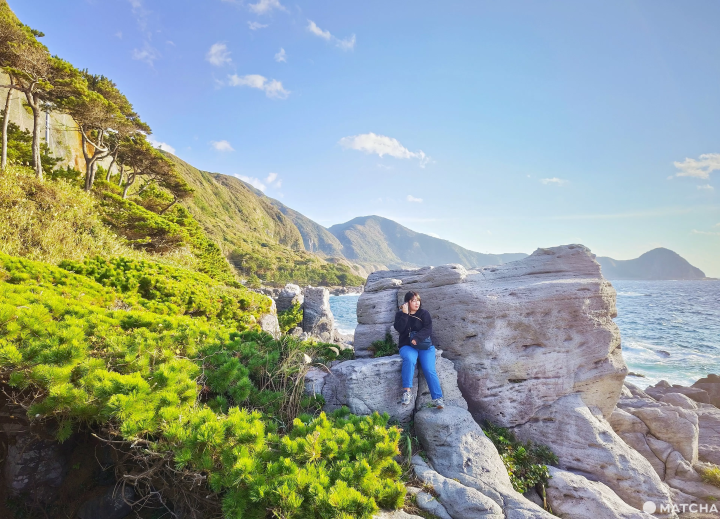
Kozushima (Tokyo) is an island steeped in myth, offering fascinating legends at every turn. Explore them using the Marutto! Kozushima app (available in English). Maximize your stay by booking a room at Vacation House FamiliA, which provides comprehensive guest support.

Written by
Tokyo, Japan
MATCHA's promotional account for corporate and local government advertising. We aim to provide useful information to our readers in an enjoyable manner.
This service includes sponsored advertisements.
Kozushima: The Island Where the Gods Gather
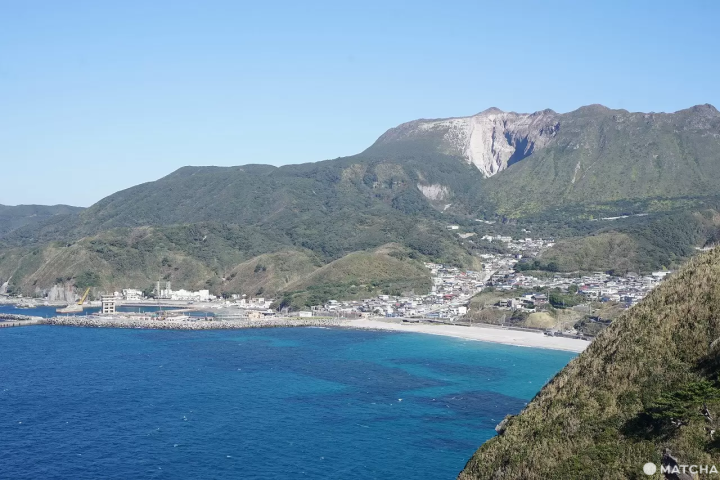
Among Tokyo's eleven inhabited islands, Kozushima holds a special place. Living up to its name, "the island where the gods gather," it is a place steeped in myth.
You can sense this ancient history at each shrine, in its striking rock formations, and on its pristine white beaches. These powerful legends enrich your journey, providing a mythical context for understanding the formation and distinct features of Tokyo's islands.
Before your trip, we highly recommend installing the Marutto! Kozushima app. It provides a map of the island's main sightseeing and dining spots, along with a GPS-powered audio guide. Once you arrive at a location, the app uses GPS to instantly play the story behind that spot, providing context and depth to your exploration.


-
Table of Contents
- Outside of Time: Stargazing, Seafood, and the Mythic Nature of Kozushima
- Meet the Guardian Deity of the Island and Its Fishing Industry: Monoimina no Mikoto
- Awa-no-mikoto Shrine and the Legends of the Mother Goddess
- An'yado: A Place of Communion with the Island
- Stay at Vacation House FamiliA, Your Homebase in Kozushima
- Traveling by Large Passenger Ship to Kozushima
Outside of Time: Stargazing, Seafood, and the Mythic Nature of Kozushima
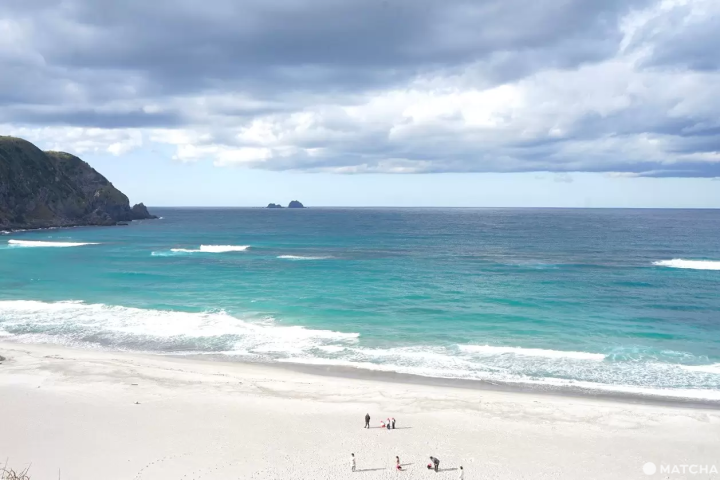
Kozushima is easily accessible from Tokyo via large ferry, jet ferry, and plane. Upon arrival, you enter the island's own gentle time flow, a dynamic entirely different from the fast pace of the metropolis.
This unique temporal rhythm is shaped by the island's ancient myths, the ebb and flow of the ocean, the wind, its ancient geological formations, and its rare, native plant life.
Kozushima offers travelers an immersion in myth and a landscape of breathtaking natural scenery. The journey is also a culinary delight: enjoy delicious sushi and fresh seafood, expertly cooked by professionals. These chefs have made Kozushima their home to fully utilize the exceptional ocean bounty that is unique to this area.
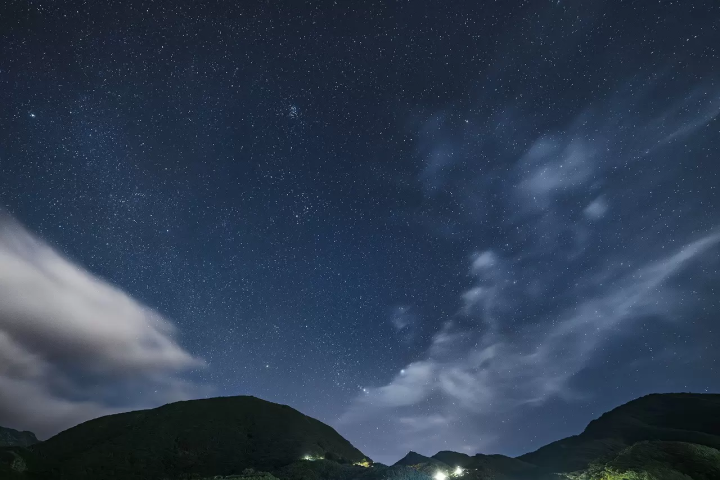
Photo by Chris Mollison, taken on the rooftop of Vacation House FamiliA on Kozushima
As one of the world's few officially recognized Dark Sky Islands, Kozushima offers an unparalleled stargazing experience. The constellations shine with incredible clarity, particularly on nights near the new moon. For a truly magical display, visit during a meteor shower like the Perseids or Leonids—you'll see shooting stars streaking across the sky with the naked eye!
Choose Vacation House FamiliA for your stay. This B&B-style accommodation provides travelers with full English support and guidance for planning which parts of the island to explore each day. It even features stargazing equipment installed on its roof!
We recommend booking at least a three-night stay to truly immerse yourself in Kozushima's pace and beauty. Even then, you'll find the island's unique rhythm, scenery, and charms leave you wanting more.
To give you a glimpse into Kozushima's fascinating lore, we've highlighted just a few of its key myths below.
Meet the Guardian Deity of the Island and Its Fishing Industry: Monoimina no Mikoto
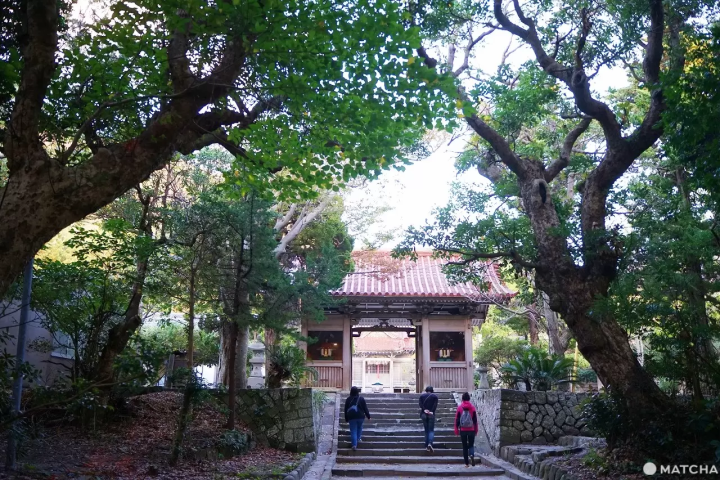
Kozushima is dotted with small altars at every step, each holding a known or unknown story related to the island. However, the shrine that lies at the heart of the local community is Monoimina-no-mikoto Shrine, which is dedicated to the island's guardian deity, Monoimina no mikoto.
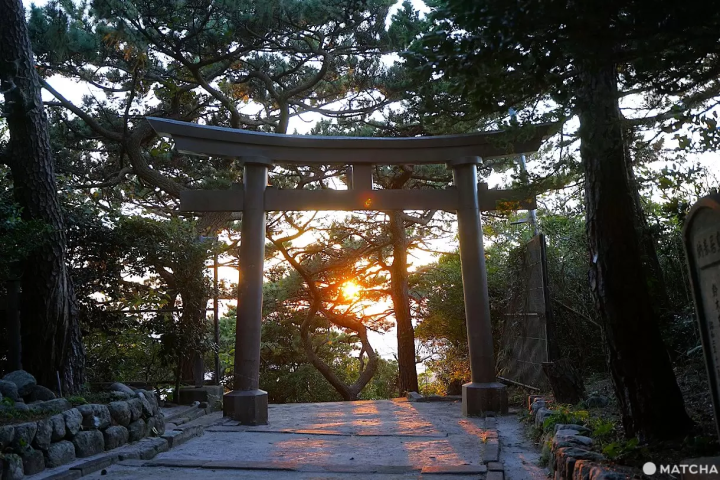
According to myth, Monoimina no mikoto boasts an impressive lineage: he is the son of Kotoshironushi no mikoto (worshipped at Mishima Taisha Shrine near Mt. Fuji) and the grandson of Okuninushi no mikoto, a central figure in the myths of Japan's foundation, as recorded in the Kojiki ("Records of Ancient Matters").
Furthermore, as the firstborn of Kotoshironushi no mikoto and Awa no mikoto—Kozushima Island's original mother goddess—Monoimina no mikoto is specifically revered as the protector of the island's fishing industry and its fishermen.
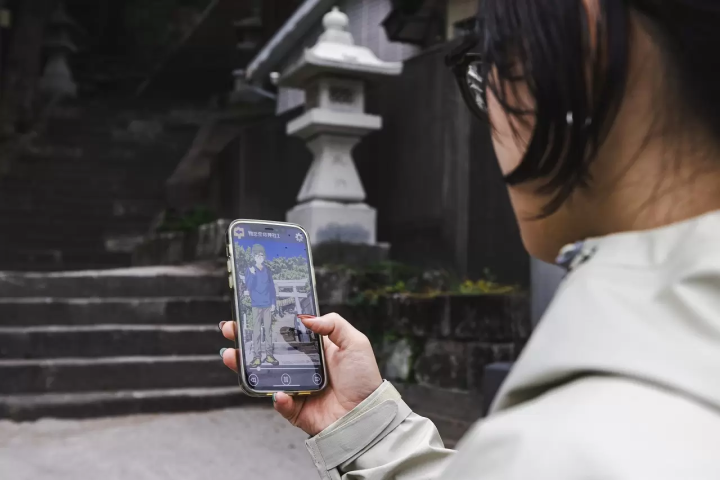
When visiting, be sure to access the shrine through the main torii at the base of the stairs facing Maehama Beach. For the full experience, use the Marutto! Kozushima app to listen to the shrine's story as you ascend.
The Legend of Water Sharing
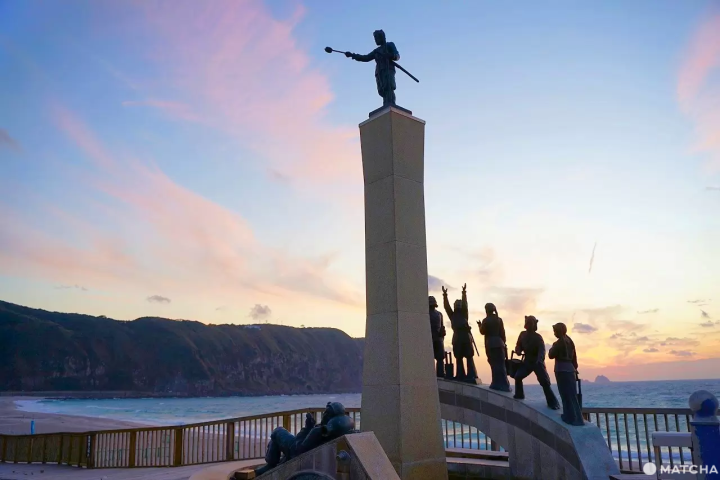
One legend surrounding Monoimina no mikoto is the "Water Sharing." It recounts a meeting of the Izu Archipelago gods atop Mt. Tenjo on Kozushima to discuss how to distribute water among their newly created islands, which gave the island its name, meaning "the Island Where the Gods Gather."
As the host, Monoimina no mikoto was the water distributor. It was decided that the water would be shared the following morning on a first-come, first-served basis. The god of Mikurajima arrived first and received the largest share, explaining why Mikurajima, like Kozushima, is known for its rich water resources.
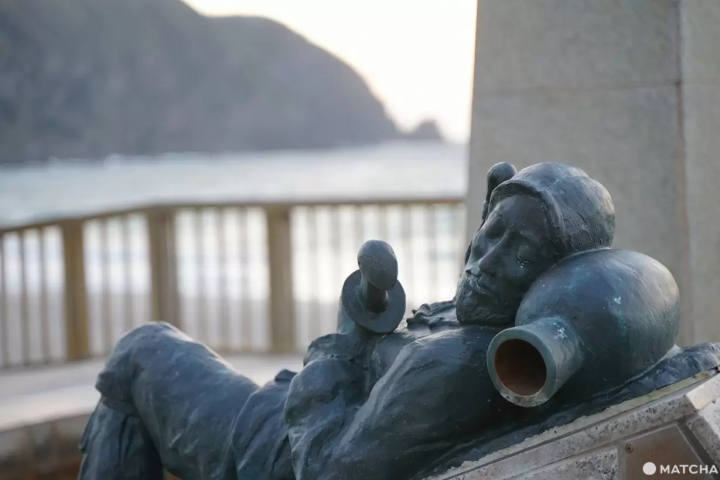
While others arrived in turn, the god of Toshima Island overslept and arrived last, finding very little water remaining. Infuriated, he jumped into the water and furiously splashed it all over Kozushima, which explains why water is gushing from every corner of the island today.
A monument illustrating the Legend of Water Sharing, featuring the Izu Archipelago gods, is located right in front of Maehama Beach. Use your phone to listen to the story on the Marutto! Kozushima app when you arrive here.
Kozushima's Fishermen and the Shrine Festival
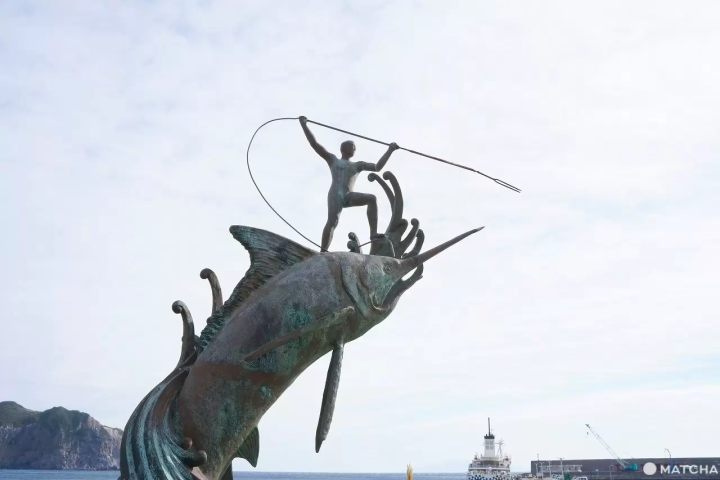
Riding the Waves, a monument dedicated to Kozushima's fishermen, located in Tako Bay
While at the Monoimina-no-mikoto Shrine, you will learn about the annual festival held in the deity's honor. Besides standard rituals, the festival features a lively parade of local fishermen who ride boat frames made of bamboo. These frames mimic the vessels used to fish for katsuo (skipjack tuna), a vital fish in Japanese cuisine and a major source of income for Kozushima.
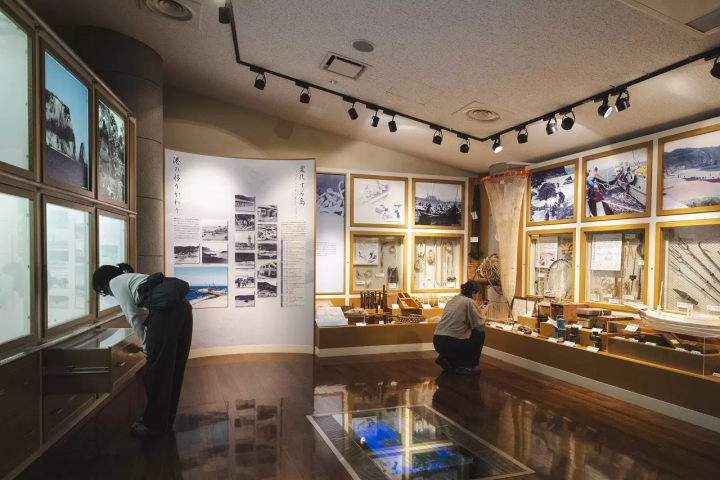
Photo by Chris Mollison
Fishermen re-enact the traditional process of bonito fishing and market sale by holding bamboo boat frames and yelling "Yashi! Yashi!"
Sweets and cash are scattered in the shrine as "bait." The crowds of spectators, eager to catch the scattered treats, swarm around the fishermen like bonito swarming the bait. This lively and fun spectacle involves both tourists and islanders in the excitement.
You can watch videos of this unique ritual at the Kozushima Local Museum. This festival, with the energy and passion of its fishermen, highlights the importance of the fishing industry to Kozushima.
The island's fish and seafood resources are significantly richer than those of other Izu Archipelago islands because Kozushima is positioned directly in the path of the Kuroshio ocean current. This current carries abundant fish and marine life all the way from Kyushu along Japan's eastern coast.
The rich resources include rare types of fish for the region, leading to exquisite seafood cuisine that can only be enjoyed here.
Taste Incredibly Rich Sushi at Aged Fish Sushi Bar
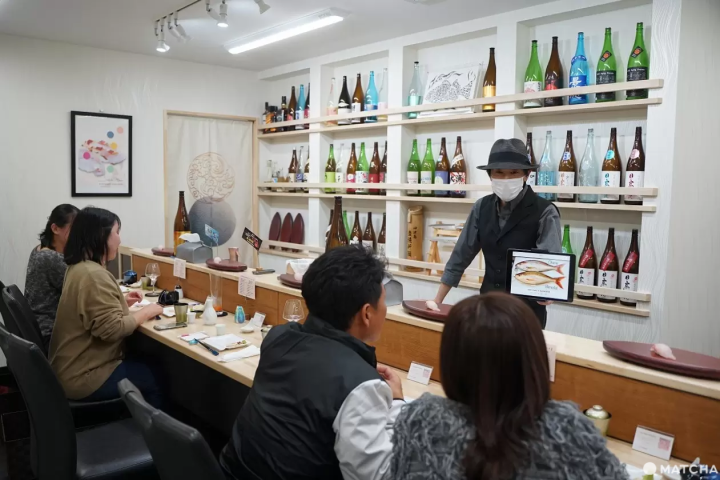
To fully enjoy Kozushima's delicious seafood, visit Aged Fish Sushi Bar, which specializes in sushi made using an aging technique that brings out the savoriness of the fish.
The owner, Mr. Tamaki Akio, a former bartender, has a lifelong connection to the ocean. He developed a deep fondness for fish and seafood during his childhood in Numazu, Shizuoka.
Inspired by his fishing-loving father, he started fishing at the age of three. By the time he entered elementary school, he had learned how to bleed and spike the nerves of fish (a technique called shinkei-jime), and he spent his days dressing the fish himself and making sushi.
The rich marine resources of Kozushima inspired Mr. Tamaki and his wife to move to the island and launch their unique sushi bar.
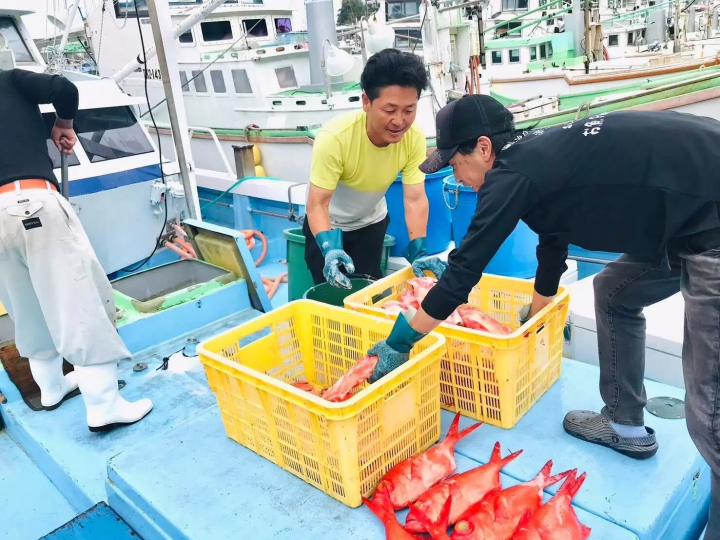
Mr. Tamaki and Kazu-san, head of the Taiseimaru fishing boat. Picture courtesy of Aged Fish Sushi Bar
Mr. Tamaki's childhood background gave him extensive knowledge of fish varieties and the best ways to prepare each type. This expertise earned him great respect among Kozushima's fishermen, with whom he maintains deep bonds by sourcing fish directly.
A prime collaborator is Mr. Hamakawa, or Kazu-san, head of the Taiseimaru fishing boat, who is one of the few local fishermen acquainted with the blood drainage method that preserves the fish's freshness.
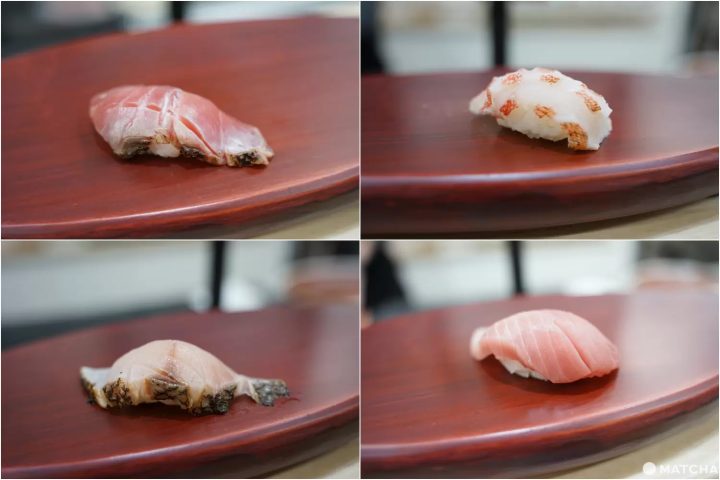
This close collaboration between the owner and local fishermen is the secret behind the excellent sushi at Aged Fish Sushi BAR.
We recommend the Premium Dinner Course, which features the best seasonal fish, from amberjack and red seabream to rare delights such as crimson jobfish and longfinned bullseye.
Each piece was exquisite, enhanced by Mr. Tamaki’s accompanying stories about the fish, which were translated into English using his multi-language app.
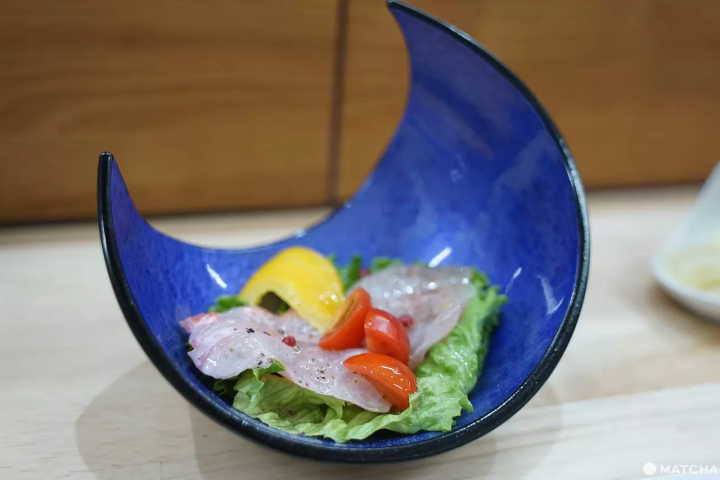
Complementing the sushi are delicate salads, soups, and simmered dishes prepared by Mrs. Tamaki. The bar offers an extensive selection of sake and other alcoholic beverages. We highly recommend asking Mr. Tamaki for pairing suggestions.
Awa-no-mikoto Shrine and the Legends of the Mother Goddess
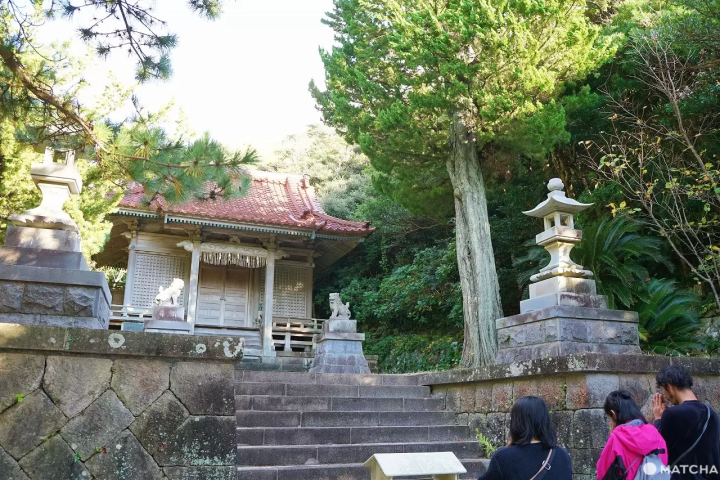
Visiting Awa-no-mikoto Shrine provides insight into a major event in the island's history: a ninth-century volcanic eruption.
Myth holds that the goddess Awa no mikoto, first wife of Kotoshironushi no Mikoto, caused Mt. Tenjo to erupt because her husband kept neglecting her. The intense blast was reportedly visible from Kyoto.
In spite of this dramatic myth, the Awa-no-mikoto Shrine is a very peaceful spot, where the sound of the wind and waves leaves a lasting impression.
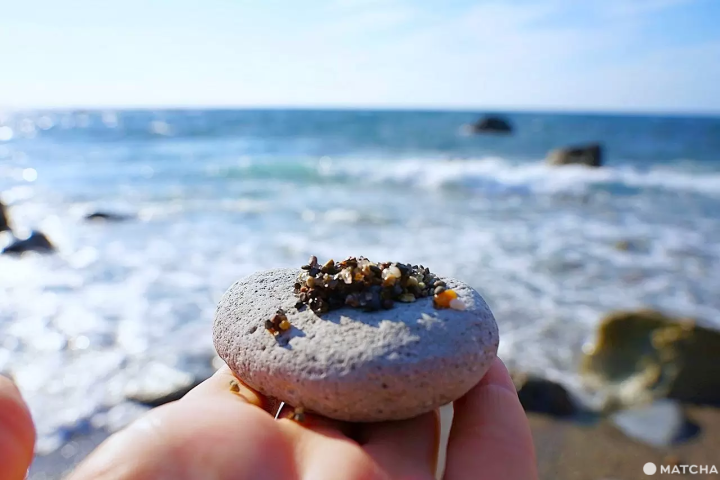
There is a special way to visit this shrine: if you wish to bring joy to the goddess, you should pick a round, flat rock from the immediately adjacent Nagahama Beach. Sprinkle the rock with wet sand and pebbles, and then leave it as an offering at the foot of the torii leading to the shrine. Awa no mikoto loves these gifts, which carry the power of the ocean and the sunlight.
Since the goddess cherishes these offerings so deeply, it is wise not to take any left by other visitors, or remove sand and pebbles from the beach, lest you incur her legendary wrath.
You can learn more about Awa no mikoto and the legends surrounding her shrine using the Marutto! Kozushima app.
An'yado: A Place of Communion with the Island
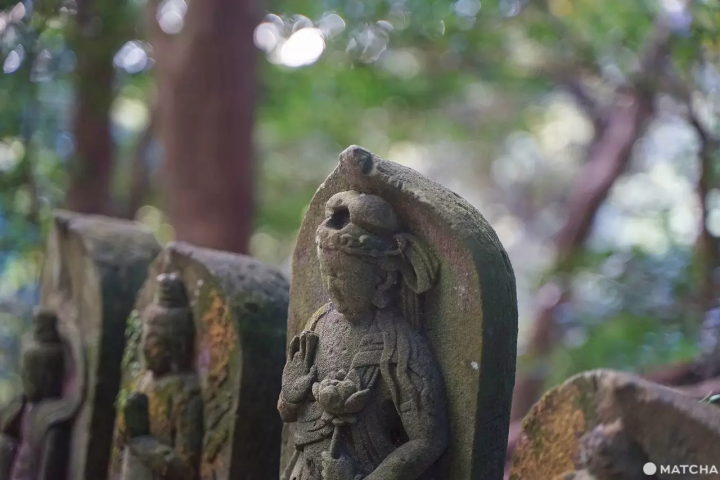
While the myths surrounding the island's gods might make you feel detached from the human world, An'yado—a Buddhist hall located on the mountainside—offers a contrasting space where you can feel the human world and invisible forces nurturing each other.
Buddhist statues and stone monuments inscribed with temple names stand guard outside the hall. The surroundings are steeped in a profound silence; often, days slip by without a single visitor’s footfall.
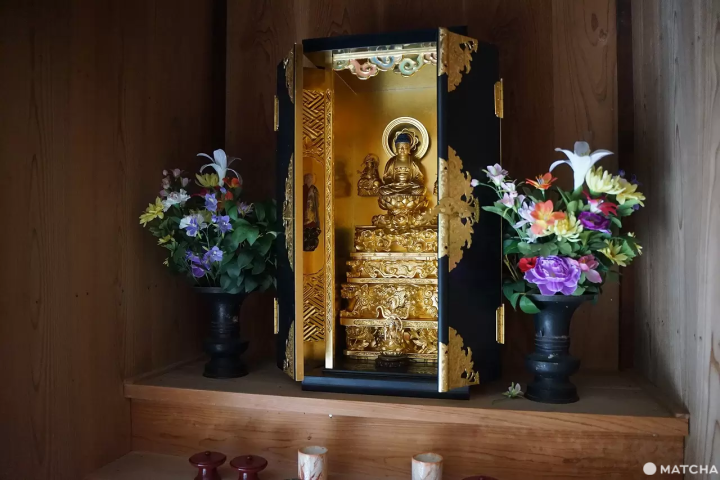
This hall enshrines a Buddhist statue carried during a long pilgrimage of penitence by a man who lost his family in the famine that ravaged Kozushima during the 18th century.
When locals visit An'yado, they open the windows for fresh air, sweep the tatami, and leave offerings for the holy statue.
It is customary for them to then stay a few minutes at the inner table to chat and share a snack. For a brief while, the hall fills with voices and human warmth, which seems to bring joy to the solitary, ancient statue.
A brief visit to An'yado creates a surprising connection between visitors and the island. We felt changed by the experience and hope you get the chance to feel it for yourself.
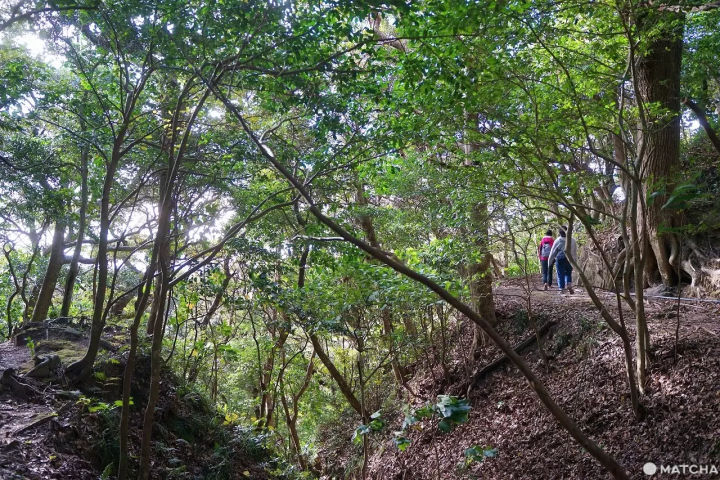
The An'yado Hall can be reached in about 15 minutes by climbing a mountain trail. If possible, travel as a group so you can gather around the table in the hall for a small picnic, just like the locals do.
To learn more about An'yado, check the GPS audio guide provided by Marutto! Kozushima. With countless other myths and legends to uncover, be sure to use the app throughout your explorations to fully enjoy Kozushima's unique charm.
Stay at Vacation House FamiliA, Your Homebase in Kozushima
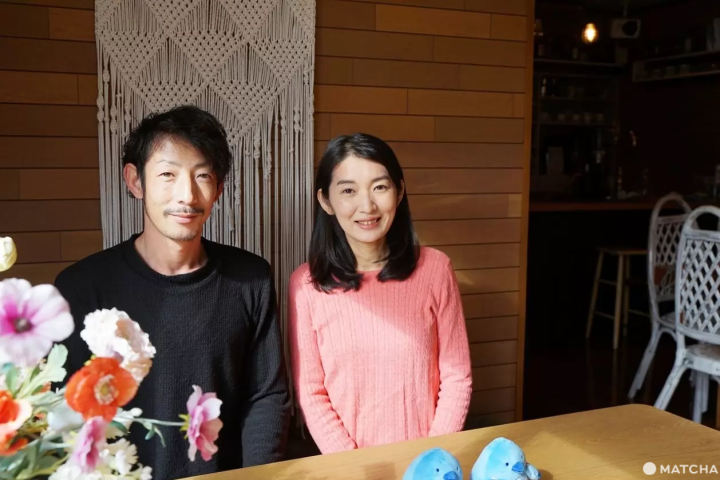
The Marutto! Kozushima app is the creation of the Vacation House FamiliA owners, who were inspired to move from Tokyo after falling in love with the island's beauty and culture.
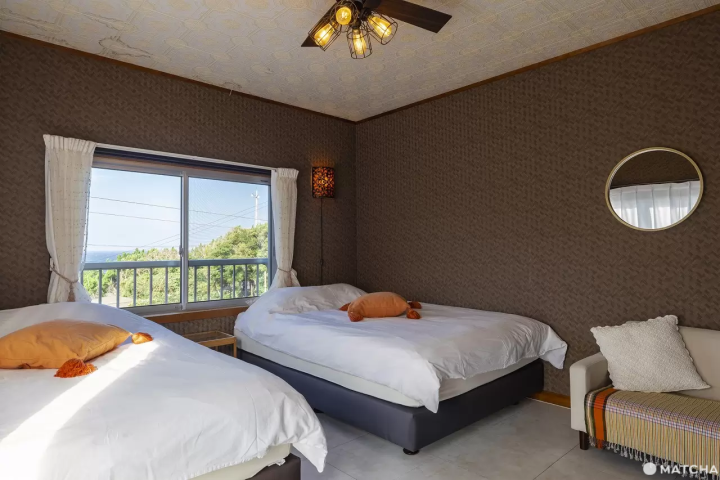
Photo by Chris Mollison
The greatest merit of choosing Vacation House FamiliA is their commitment to full support during your stay.
They assist with everything: providing suggestions for places to visit and dining, offering island transportation via electric bicycles, and arranging rides to the port, airport, or local hot spring facility.
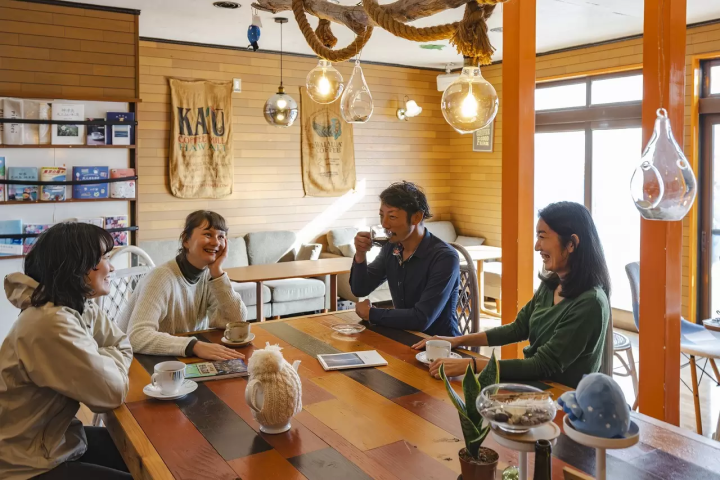
Photo by Chris Mollison
The island's climate requires flexibility in scheduling activities. At FamiliA, you can plan your day each morning at the breakfast table, receiving personalized tips from the owners who suggest outdoor or indoor activities based on the daily weather forecast.
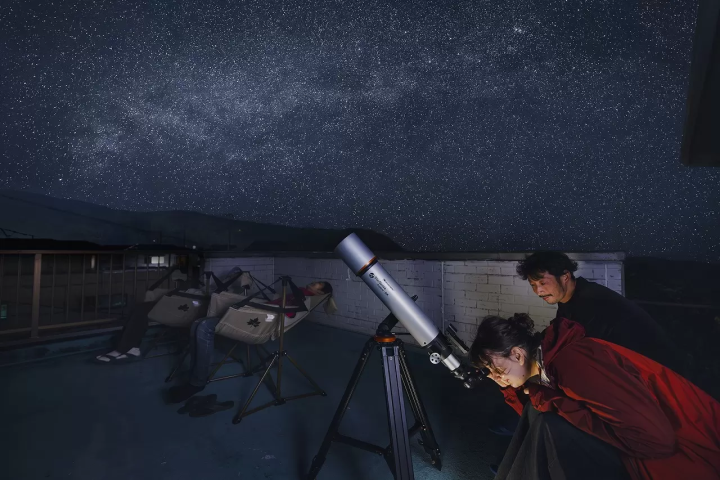
Photo by Chris Mollison
Stargazing on the rooftop of Vacation House FamiliA will also be an unforgettable experience, as the owners are happy to point out the visible constellations and planets.
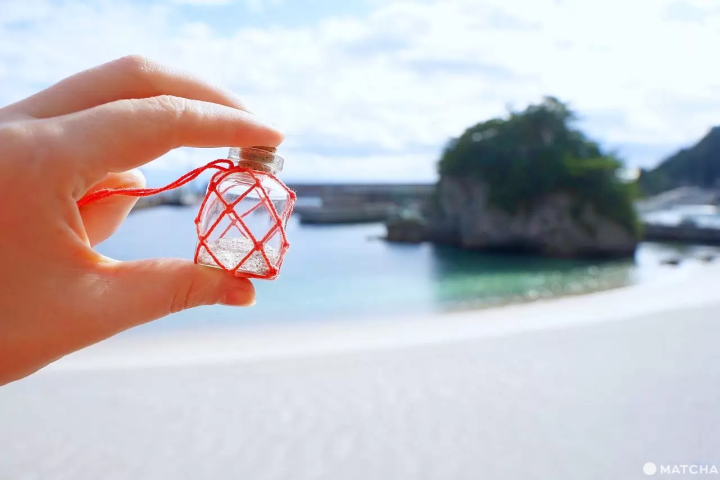
After just a few days at FamiliA, you will feel at home on Kozushima. You will likely find yourself wanting to carry a piece of this island with you and visit again sometime, thanks to the genuine love for the island and the heartfelt hospitality shown by the couple who run Vacation House FamiliA.
*Please note: Vacation House FamiliA currently accepts bookings only from March 2026 onward.
Traveling by Large Passenger Ship to Kozushima
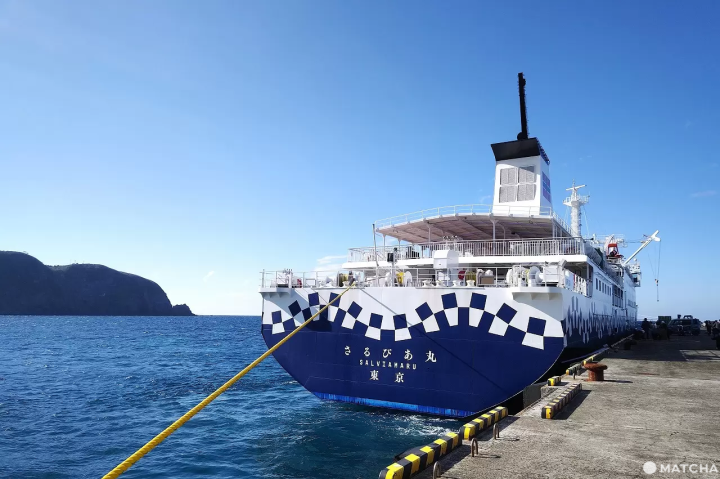
There are three main options for traveling from Tokyo to Kozushima:
1. Large Passenger Ship: Takes 12 hours from Takeshiba Terminal.
2. High-Speed Ferry: Takes 3.5 hours from Takeshiba Terminal.
3. Plane: Takes 45 minutes from Chofu Airport.
If you want to embrace the relaxed pace the island offers, start your journey off right by taking the large passenger ship to truly savor the slow travel experience.
The large passenger ship operated by Tokai Kisen departs once daily for the Izu Islands at 22:00 (10:00 PM) from Takeshiba Terminal, making Kozushima its final stop. The ship reaches one of the island's two ports by 10:00 AM the next morning after calling at islands like Izu Oshima, Niijima, and Shikinejima.
For details on timetables and ticket reservations, visit the official website of Tokai Kisen.
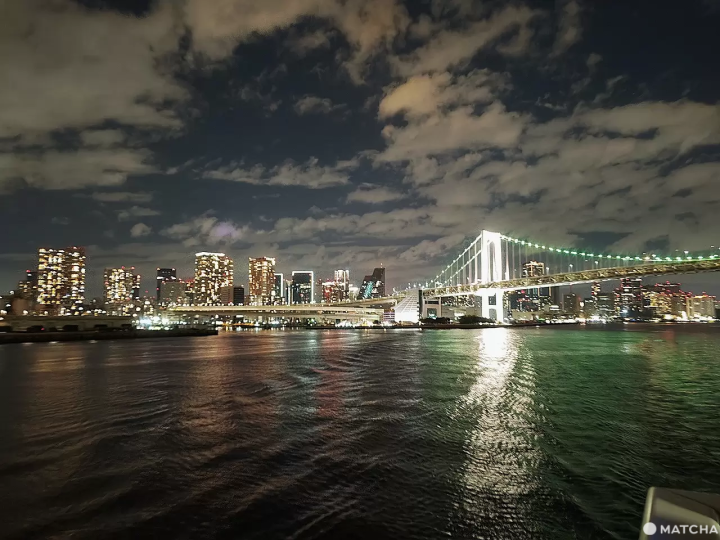
The major benefit of this slow, overnight journey is the breathtaking view of the Tokyo nightscape as the ship moves into Tokyo Bay; you can enjoy the glittering skyscrapers, the illuminated Tokyo Tower, the Fuji Television Building in Odaiba, the Yurikamome monorail carrying its passengers, and so much more!
Traveling by passenger ship offers you freedom of movement, allowing you to leave your luggage in the locker room and go to the deck to enjoy the scenery. The same amazing views await you on the return trip, as the ship arrives back in Tokyo around 19:00 (7:00 PM).
At the restaurant on board, you can enjoy breakfast before arriving in Kozushima. When the restaurant is closed, the space is available for passengers to use freely—a great spot to sit, relax, and enjoy the ocean views.
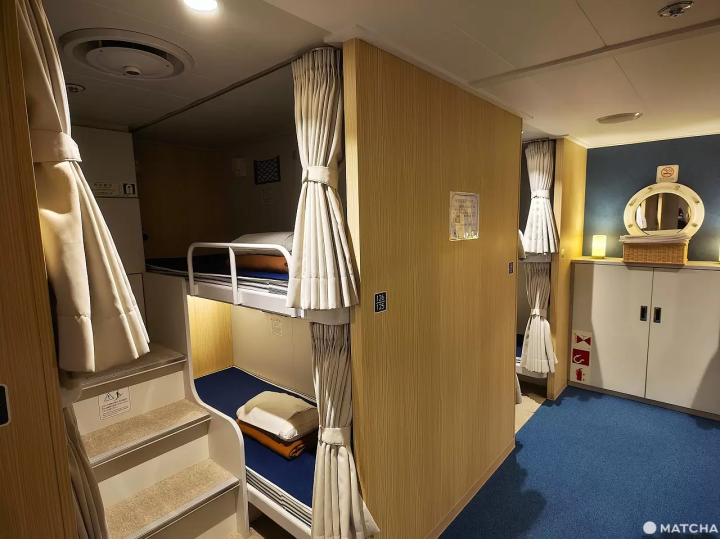
Since the large passenger ship travels overnight, guests can choose from five types of accommodation: VIP, special 1st-class, 1st-class, special 2nd-class, and 2nd-class (a Japanese-style room shared by several passengers who can sleep on the floor or reclining chairs).
We used the special 2nd-class cabin, which has very comfortable bedding (pictured above); the feeling of the waves was like being rocked in a cradle. The compartments are well-equipped with a coin locker, light, and a charging socket for devices.
The ship provides plenty of carefully maintained toilets and clean restrooms, allowing passengers to easily wash up in the morning. The overall atmosphere of the passenger ship is similar to a cruise, offering everything needed for a comfortable journey.
To immediately embrace the relaxed island mood of Kozushima, we warmly recommend starting your adventure by taking the large passenger ship and enjoying the scenic nightscape of the city as it fades into the distance upon departure.
Read also



Written by Ramona Taranu
Sponsored by Vacation House FamiliA
MATCHA's promotional account for corporate and local government advertising. We aim to provide useful information to our readers in an enjoyable manner.
Special Features
More