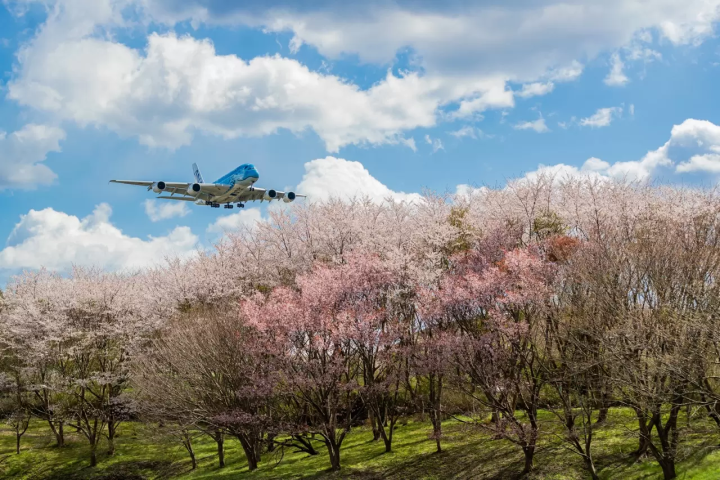
Kozushima: A Slow Island Journey into the Wild Edge of Tokyo
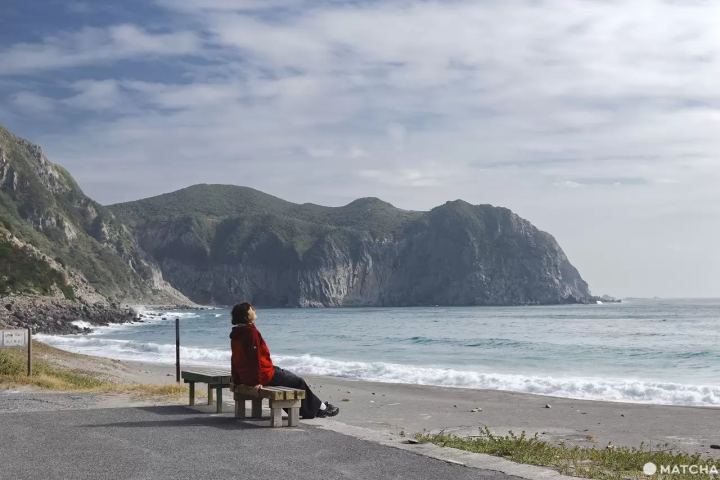
Kozushima, one of Tokyo’s remote islands, offers more than a checklist holiday. Explore scenic trails and historic sites, taste the ocean's freshest bounty, and enjoy world-class stargazing right from your lodging.

Written by
Tokyo, Japan
MATCHA's promotional account for corporate and local government advertising. We aim to provide useful information to our readers in an enjoyable manner.
This service includes sponsored advertisements.
There’s a moment that happens on remote islands, somewhere between the first breath of salt air and the instant the mainland slips from your thoughts. Kozushima gave me that feeling before we even arrived. After a little over three hours on the jet ferry from Tokyo’s Takeshiba Port, the island appeared through the haze, coming into view as a steep, green island formed by ancient volcanic activity.
I came with two friends for a slow, nature-filled escape: part hiking trip, part food pilgrimage, part cultural wander. We stayed with Ken and Aya, the warm, big-hearted couple who run Vacation House FamiliA, one of the island’s most soulful accommodations.
Over a few days, we let Kozushima set the rhythm: stargazing until midnight, waking with the wind brushing across the hilltops, tasting local fish and mountain spring water, cycling to quiet bays, and following stories etched into forested shrines and rugged coastlines. Kozushima does not ask you to rush. It asks you to listen.
And once you start listening, the island reveals itself, one quiet, powerful layer at a time.
Vacation House FamiliA: Island Hospitality with Heart
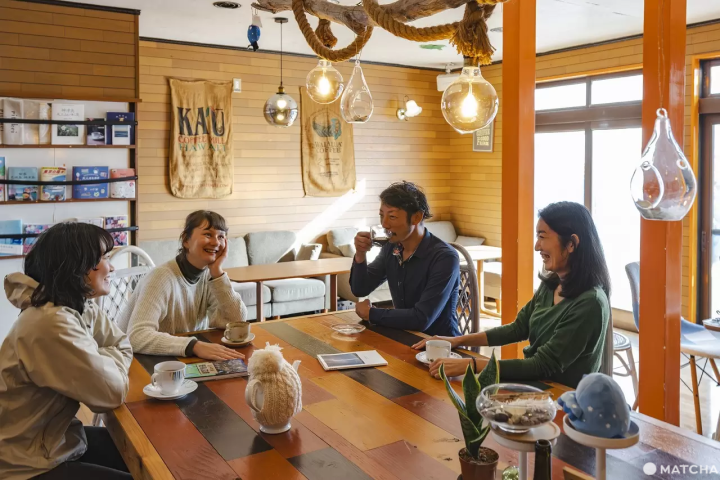
Vacation House FamiliA is the kind of place that makes you feel like you have arrived somewhere meaningful, not just at an accommodation but inside a small island family.
Perched on a slope overlooking the village, the home glows with Ken and Aya’s hospitality. Each morning, we gathered in the living area, drinking Ken’s carefully brewed coffee made with the island’s famously pure spring water.
Some places you check into.
Vacation House FamiliA is a place you plug into.
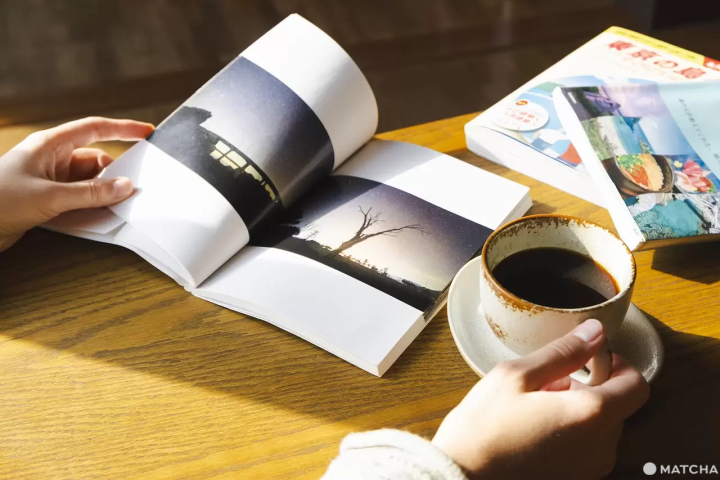
Through their gentle guidance, we eased into Kozushima’s rhythm without ever feeling like tourists being shepherded around. Stories about fishing seasons, local folklore, and the realities of island life added depth to our days.
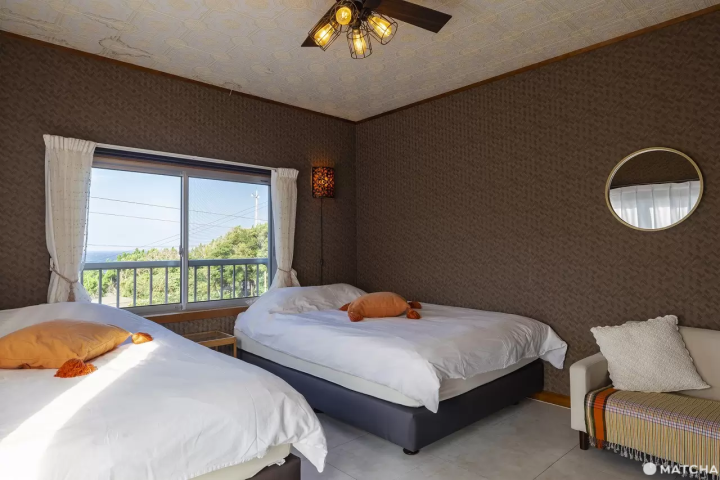
By the time we left, we were no longer guests but part of their orbit, already imagining our return.
*Please note: Vacation House FamiliA currently accepts bookings only from March 2026 onward.
Mythology and History of the Island’s Cherished Past
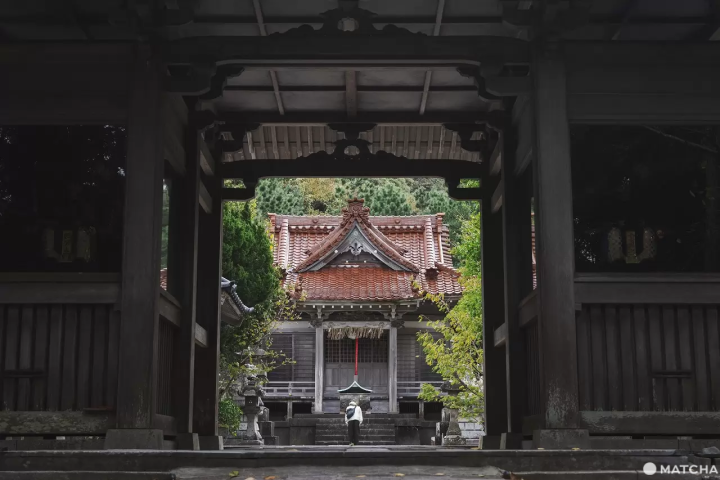
Kozushima’s mythology is woven into its landscape. You feel it in the ridgelines, springs, and sudden shifts of wind across the island. Nowhere is this more present than at Monoiminamikoto Shrine. Tucked into a forested hillside, the shrine honours the island’s ancient deity. Stepping into its grounds feels like crossing into an older Japan. The vermillion buildings contrast beautifully with the dark greens of the forest, and the moment you pass beneath the torii gate, the soundscape softens. Island silence settles around you, dense and still.
Using the audio guide on the Marutto Kozushima app deepens the visit. The narration draws you into the mythology as you stand among the shrine buildings, helping you imagine the rituals and stories that once shaped the island.
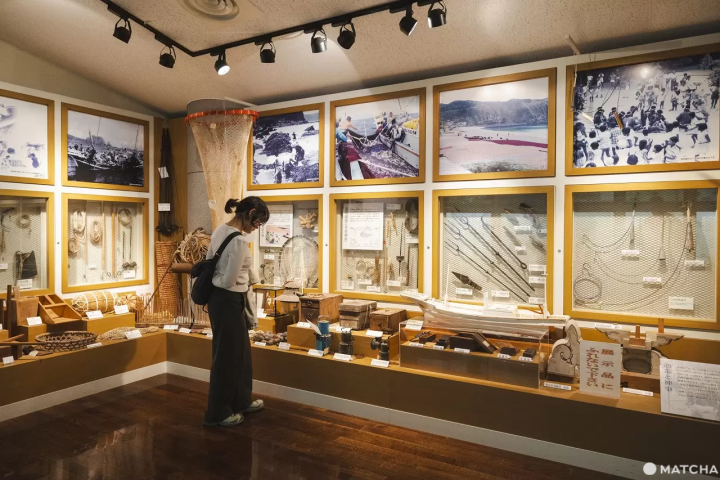
A short walk away, the Kozushima Village Local History Museum adds another layer. Exhibits span many centuries, from obsidian tools and volcanic glass once traded across the Izu Islands to maritime items, traditional fishing gear, and archival materials connected to local legends. Displays of wooden canoes, fishermen’s clothing, and seasonal customs illuminate everyday island life. Panels on the annual katsuo-tsuri ritual, still held at Monoiminamikoto Shrine, show how fishing culture remains central to the community.
Together, the shrine and museum reveal how geology, mythology, and daily life have long intertwined here. Visiting both offers context, grounding, and a deeper sense of place.
Julia Cross and the Marutto Kozushima App
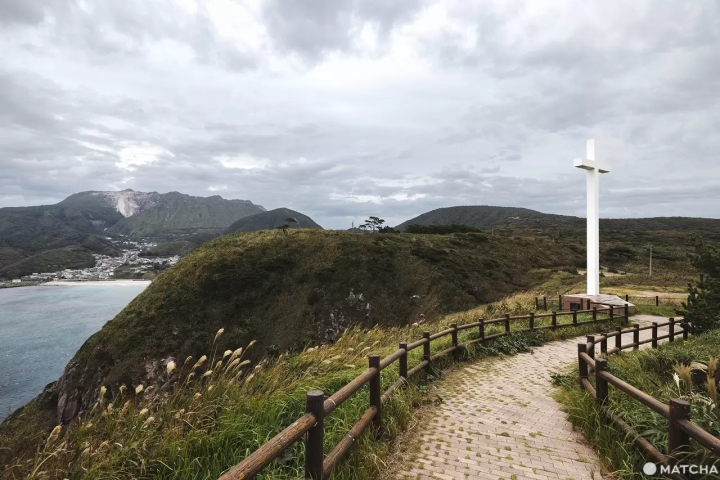
The Marutto Kozushima app became our digital storyteller, unfolding the island’s past through conversational audio. One of the most memorable places it led us to was the Julia Cross, a lone white monument overlooking the sea.
The story behind it belongs to Julia, a woman whose life on the island was marked by resilience, faith, and quiet hardship. She is remembered not only for the tragedy she endured, but for the unexpected way she connected with the local community. Standing before the cross and listening to fragments of her story through the app, you begin to sense how her presence left a gentle but lasting imprint on Kozushima’s history.
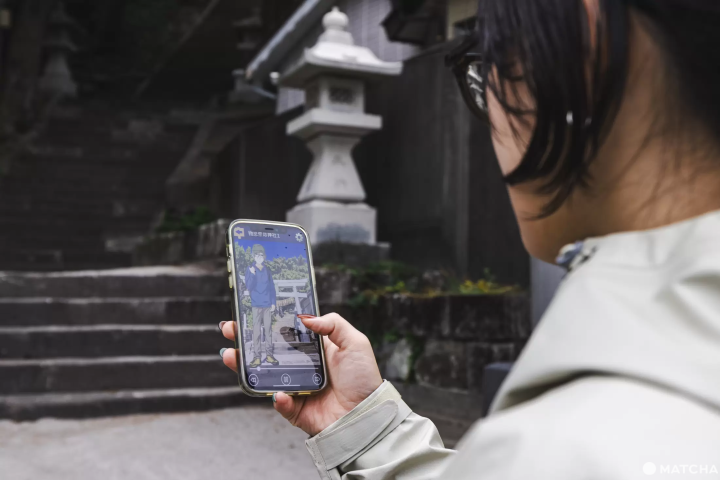
The app works so well because it encourages you to picture the moments yourself instead of spelling everything out. For travellers who enjoy context and depth, it is a meaningful way to connect with the island’s history and culture.


Read also

Aged Sushi Experience: A Celebration of Local Waters
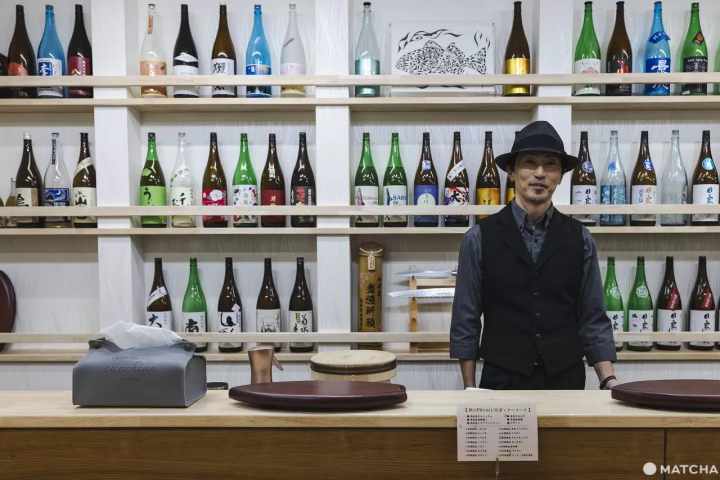
Japan has no shortage of incredible sushi, but Kozushima offers something truly rare: aged fish sushi at Aged Fish Sushi Bar. After ten years in Japan and countless sushi counters, this easily ranks in my top two.
Instead of serving fish fresh off the boat, the chef ages each species to bring out deeper, richer flavours and a unique texture. Our 15-piece course featured fish aged anywhere from a couple of days to nearly a month. The chef handles every step himself, using a technique of injecting water to gently remove blood from the veins, creating ideal conditions for ageing. The process concentrates flavour, softens the meat, and reveals nuances fresh fish simply cannot.
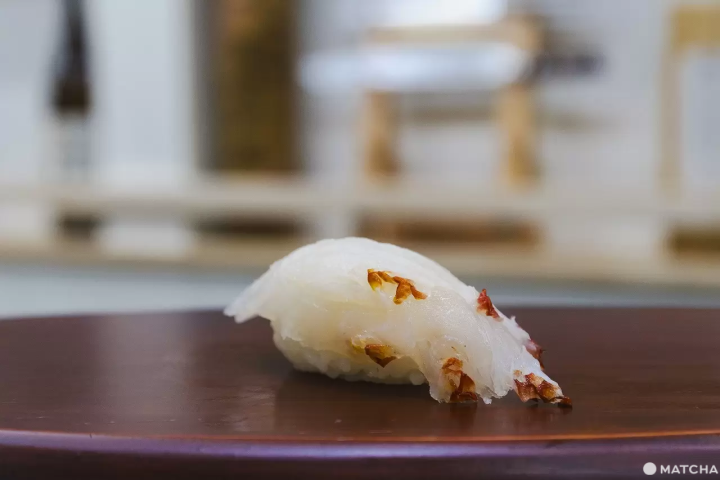
His knowledge of local fish was exceptional. For each piece, he showed photos, explained the catching method, and described the ageing timeline with genuine pride. The standouts were the buttery six-day aged kinmedai, the delicate twelve-day aged kitsunedai, and the powerful twenty-five-day aged red-spotted grouper.
A curated sake pairing rounded out a meal that was, in every sense, unforgettable.
Cycling to Tako Bay and Finding a Wild Spring
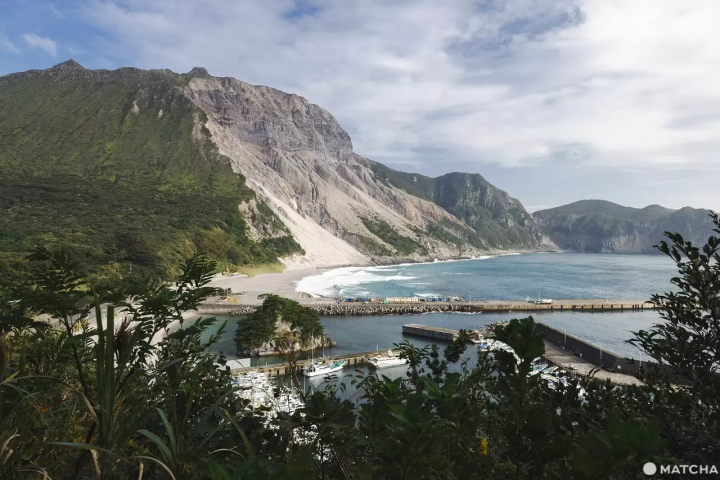
One morning we set off on bikes, coasting downhill toward Tako Bay, a crescent of pale sand and turquoise water wrapped by low cliffs. The road was empty except for the sound of tyres on asphalt and the steady pulse of the Pacific.
Near the bay, Ken and Aya led us to a natural spring where vibrant watercress grew wild at the source, fed by the island’s famously pure groundwater. It felt like stumbling upon a secret garden.
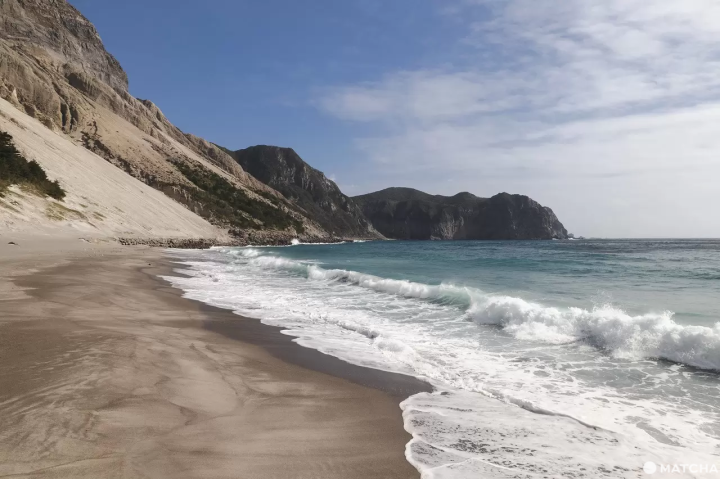
Tako Bay itself was quiet despite the winds. The solitude triggered memories of my childhood in Victoria, wandering the empty beaches of the Great Ocean Road, feeling small in vast landscapes shaped by ancient forces. Kozushima evokes that same feeling: the sense that time stretches differently here.
Mt. Chichibu Hike, Chichibudo Temple, and Lunch at Café Nora
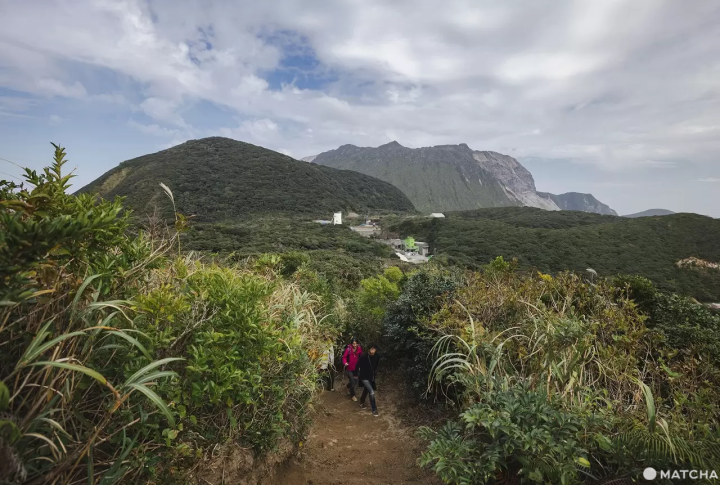
If one hike captures the spirit of Kozushima, it is Mt. Chichibu. The trail winds through forest and rises toward Chichibudo Temple, a humble mountainside sanctuary.
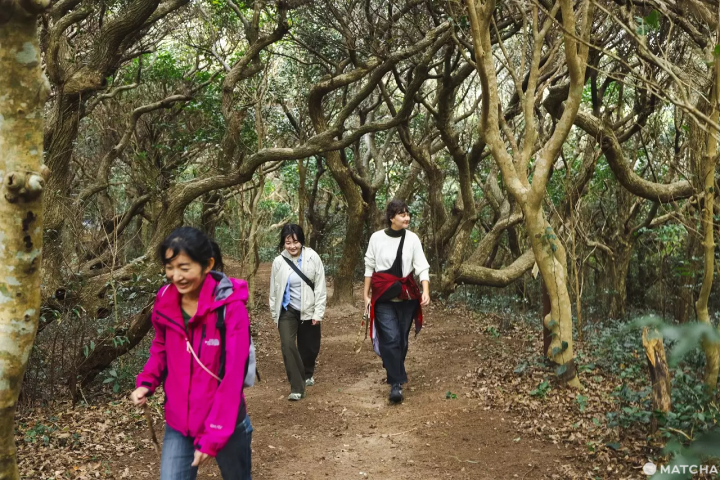
Along the way, we passed local fishermen clearing the path. On windy days when they cannot go out to sea, they turn to community work instead. Island life in action.
Chichibudo Temple holds deep meaning for locals who come to honour ancestors. Beyond it, the trail opens to an observation deck with sweeping views of the cliffs near Tako Bay, the forest canopy, and distant patches of blue sea.
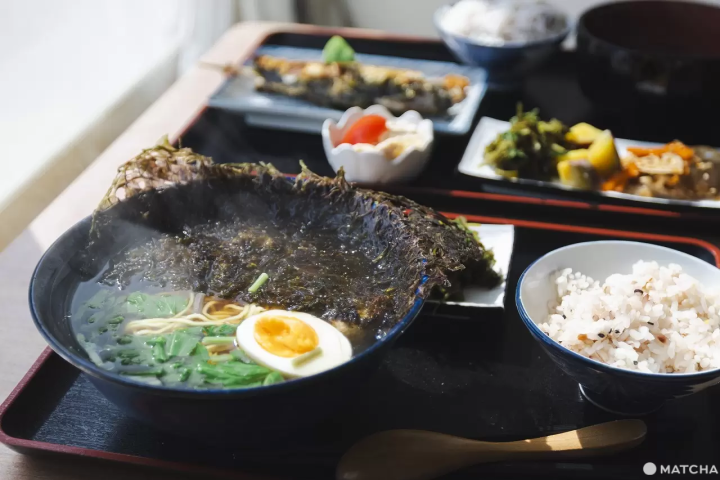
After the hike, we headed to Oyado and Café Nora, a relaxed, stylish eatery serving simple meals made with local ingredients. I ordered the Iwanori ramen: a rich fish broth topped with a sheet of nori seaweed that slowly melted into the bowl. After a long walk, it tasted perfect.
E-Biking the Coast: From Tatami Rocks to the Akasaki Promenade
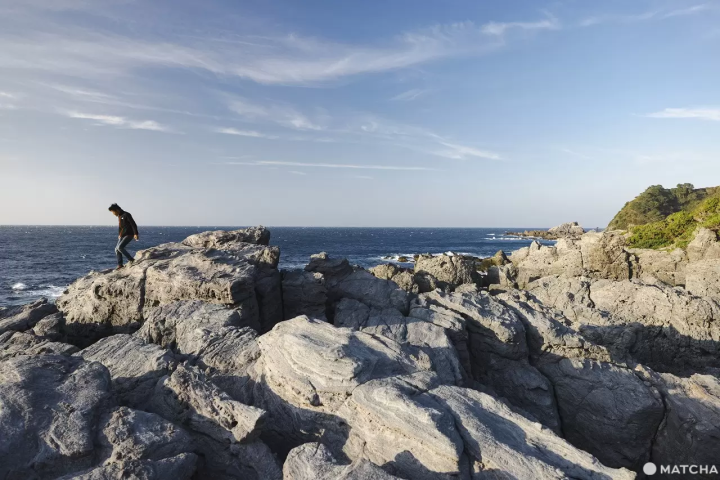
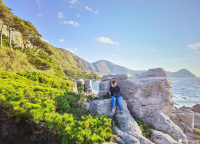
After lunch, we continued north along the coast on e-bikes. The ride to the Akasaki Promenade is gentle and scenic, with the sea glittering beside the road and the wind nudging you forward. We stopped at Tatamigahana Rocks, a natural formation of broad, flat stones that resemble oversized stepping stones.
Sitting there in the sea breeze, we listened to the Marutto Kozushima app’s story about how local islanders free-dive to harvest tengusa, a red seaweed that grows in the rocky seabeds. It has long been used in local dishes and traditional products, and hearing the story added texture to the landscape around us.
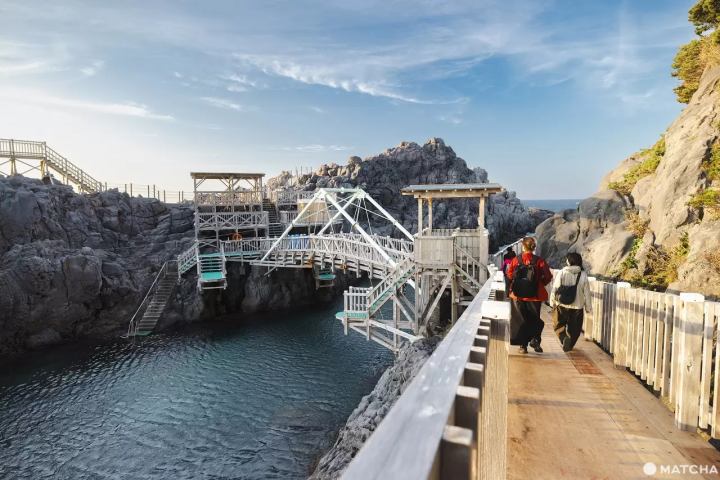
Eventually, we reached the Akasaki Promenade, a long timber walkway suspended above crystal-clear water. On calm days, you can look down and see schools of fish darting beneath your feet. When we visited, strong winds sent waves surging into the rocks, and we watched the late-afternoon sun cast warm light across the water before making our way toward the onsen.
Kozushima Onsen: Bathing Between Sea and Sky
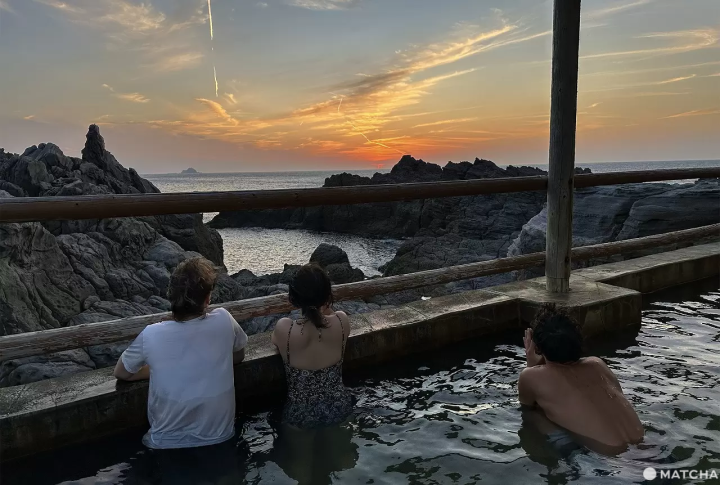
Kozushima Onsen is one of Japan’s most dramatic coastal hot springs. Located along the western shore, the baths face directly out to the Pacific, offering uninterrupted views of the horizon.
We arrived as the sky shifted from gold to pale pink. Normally, I cannot stay in an onsen long, but the cool ocean breeze balanced the heat perfectly, letting me relax far longer than usual. As night approached, stars appeared almost instantly, a gift of the island’s low light pollution.
Steam rose, waves crashed below, and the combination of hot water and cool wind created a meditative calm. It felt less like a visitor attraction and more like a natural extension of life on the island.
Stargazing at Vacation House FamiliA: The Island at Its Quietest
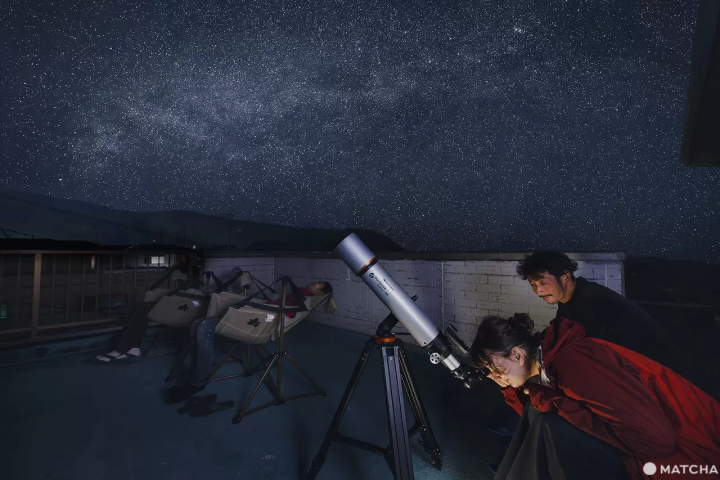
Kozushima is officially certified as a Dark Sky Place, one of the few in Japan. In recent years, the island replaced every streetlight with astronomy-friendly lamps designed to minimise light pollution. The result is a night sky of astonishing clarity.
Vacation House FamiliA’s terrace was our base each evening. As darkness settled, Ken set up his telescope and guided us across the sky. The half-lit moon came into sharp focus, its craters crisp and textured. Later, he aligned the telescope with Saturn, and seeing its tiny ringed silhouette was quietly astonishing. It was a reminder of how much the night sky reveals when the world below grows still.
Reclining on the terrace chairs, we let the silence of Kozushima and vast universe above us shape the moment.
*Please note: Vacation House FamiliA currently accepts bookings only from March 2026 onward.
Read also

Meeting a Local Angler and Eating His Catch
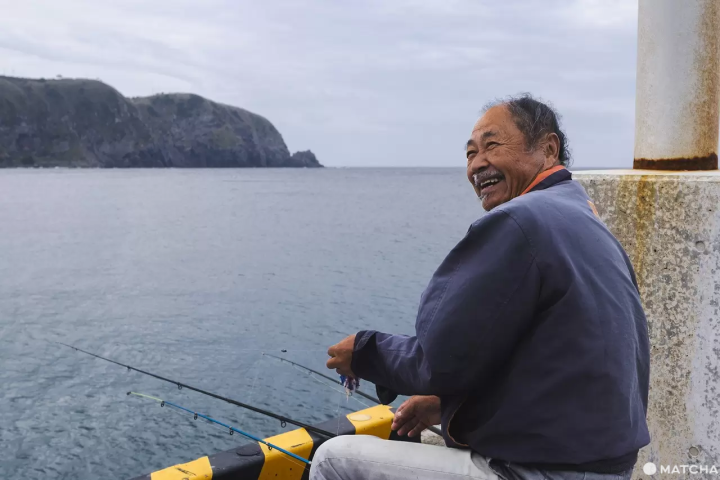
The next morning, we cycled down to the harbour and struck up a conversation with an angler sitting on the pier. Within a minute, his rod twitched and he pulled up a beautifully blue fish, dropping it into the cooler box at his feet.
As we talked, I realised he was the chef at Sawaya Cordon Bleu, the three-table French restaurant Ken and Aya had recommended.
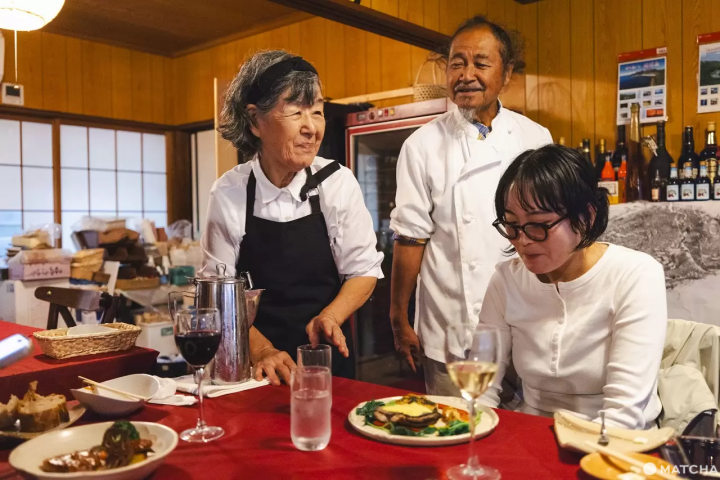
Susumu Yabuta and his wife, Tomi, moved to Kozushima after years of running a restaurant in Kyoto. Drawn by the island’s unique waters and slower pace of life, they continued their culinary craft here, serving his morning catch for lunch and dinner.
We asked if he had space for lunch, and he smiled, saying he had one table left.
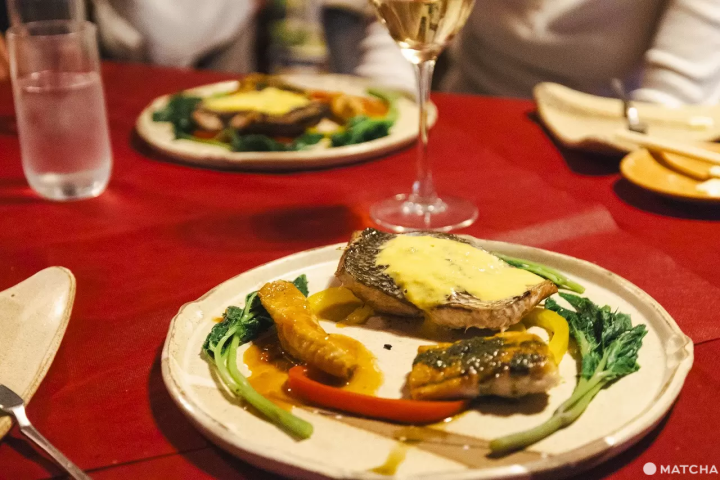
That afternoon, we cycled up the hill for a simple but flawlessly executed French-style fish lunch prepared by the same man who had caught it. The flavours were bright and honest: fish cooked with precision, sauces balanced, and a French white wine selected by Tomi that paired beautifully. It was one of those rare meals where everything aligns: the place, the people, the story, the flavour.
Cycling to Senryo-ike: A Windswept Oasis
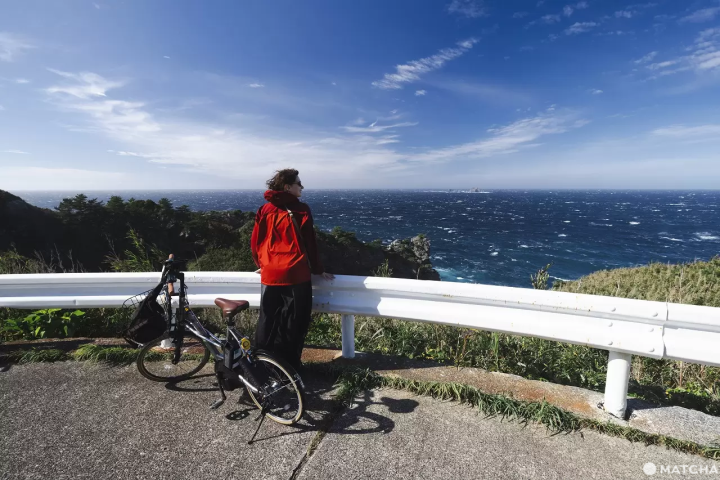
The ride to Senryo-ike, a coastal pond on the island’s south side, offered some of the trip’s most dramatic scenery. The road wound past Julia’s Cross, climbed through forest, then descended through a tunnel of overhanging branches before opening onto a windswept cliff.
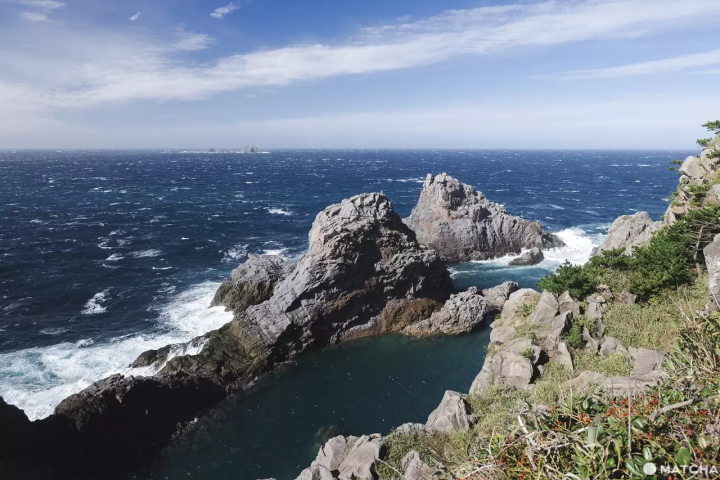
The path down to the pond is steep, aided by wooden steps and ropes, eventually revealing a surreal landscape of volcanic rock meeting open ocean. Strong southern winds amplified the rawness of the place. Waves exploded against the rocks and air rushed through the two large outcrops that frame the pond.
Forest Trails and Mountain Views: Kozushima’s Wild Side
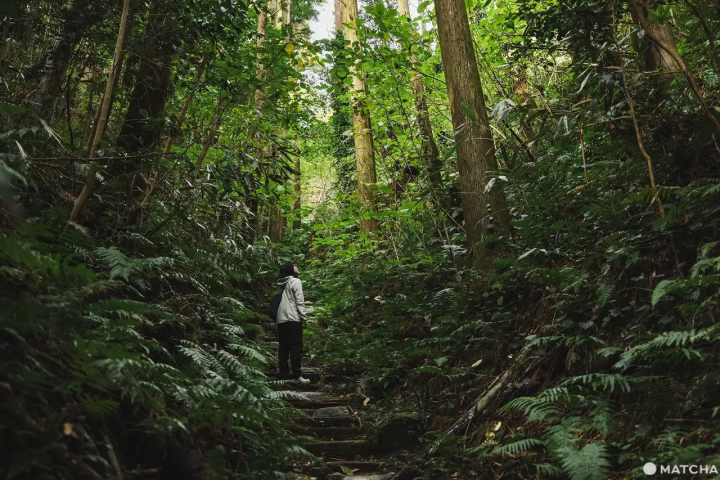
For a small island, Kozushima offers a surprising variety of hikes: forest trails thick with ferns, coastal walks with sweeping bay views, and volcanic ridges overlooking distant islands. The Tenjo-san hike will be at the top of my list next time.
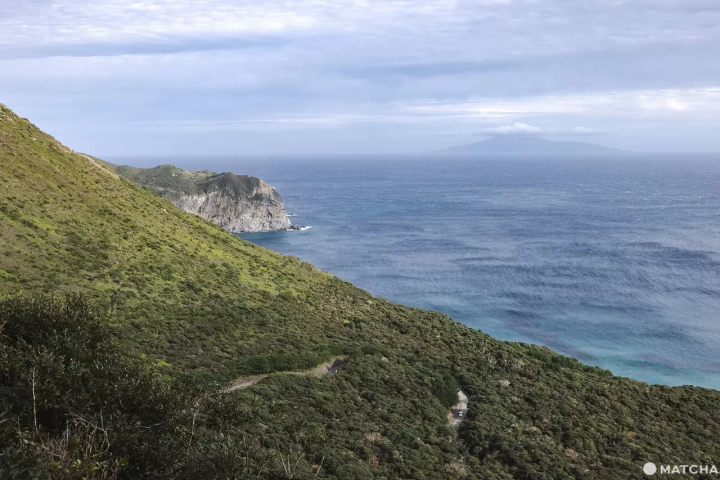
Before leaving, we managed a short ridge walk overlooking Tako Bay, followed by viewpoints with panoramas across Kozushima, Tadanae jima, and the distant outline of Miyakejima.
Between cycling, wandering, eating, and pausing to absorb the landscape, Kozushima revealed itself again and again. The island slows your pace, sharpens your senses, and reminds you that the best travel memories often come from exploring without a rigid plan.
We sat for a while and absorbed the scene. Wild, rugged, elemental. The kind of place that humbles you.
Conclusion: An Island That Stays With You
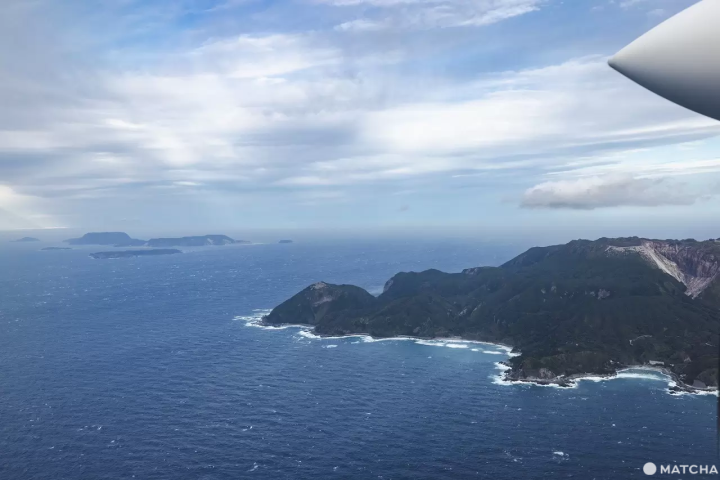
Departing Kozushima carried its own magic. Boarding the small twin-prop plane felt like stepping back in time. As we lifted off, the island slipped beneath us and I was able to reflect on everything it had offered.
Leaving Kozushima felt like waking from a vivid dream, one you replay long after returning to the mainland. It is not an island that shouts. It simply opens itself to you: pure water, myth-laden peaks, generous hosts, stories etched into its coastline, and a night sky that leaves you quiet.
For travellers craving something deeper than a checklist holiday, for those wanting to immerse in nature, connect with locals, and explore Japan’s quieter, wilder edges, Kozushima is a rare gift. Come alone or with friends. Wander slowly. Listen closely. Let the island guide you.
Because on Kozushima, the real magic is not only in the places you visit but in the space the island opens within you.
Read also



Text and photos by Chris Mollison
Sponsored by Vacation House FamiliA
MATCHA's promotional account for corporate and local government advertising. We aim to provide useful information to our readers in an enjoyable manner.
Special Features
More