
"A Story Residing in a Single Manju": A Manju Tasting Experience with Audio Guide at Dogo Onsen
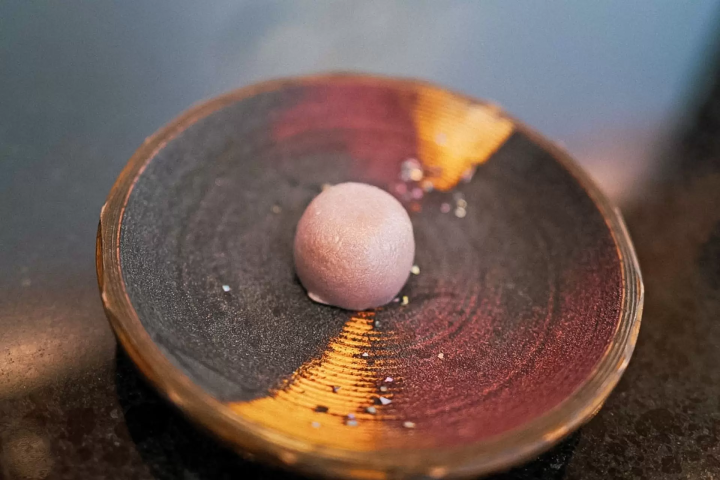
Yamadaya Manju, a long-established shop with over 150 years of history, has launched a "taste comparison experience" accompanied by an audio guide. Enjoy three types of manju that look similar but have different flavors, savoring them with your tongue and deepening your understanding with your ears—a moment to unravel the story contained within each piece with all your senses.

Written by
ON THE TRIP is an audio guide app that lets you enjoy cultural assets such as temples, shrines, and art museums, as well as the stories that live in each city, all while touring spots mapped out on a map. Each guide is a moving work of art, like a movie or novel, and listening to it will deepen your understanding of your destination and enhance your travel experience. We'll introduce you to the charms of Japan that you won't find in guidebooks, revealed through the audio guide app, and a new way of traveling that can only be experienced with an audio guide.
This service includes sponsored advertisements.
-
Table of Contents
- A classic souvenir: "Omanju" (Japanese sweet buns)
- What kind of place is Matsuyama City in Ehime Prefecture?
- What is the experience of comparing three types of manju (Japanese sweet buns)?
- Enjoy three types of steamed buns with an audio guide.
- "Yamadaya Manju" continues to preserve its traditional flavor.
- I took a break at Dogo Onsen, savoring the lingering sweetness.
- Deepening one's understanding of a single grain deepens the journey.
A classic souvenir: "Omanju" (Japanese sweet buns)
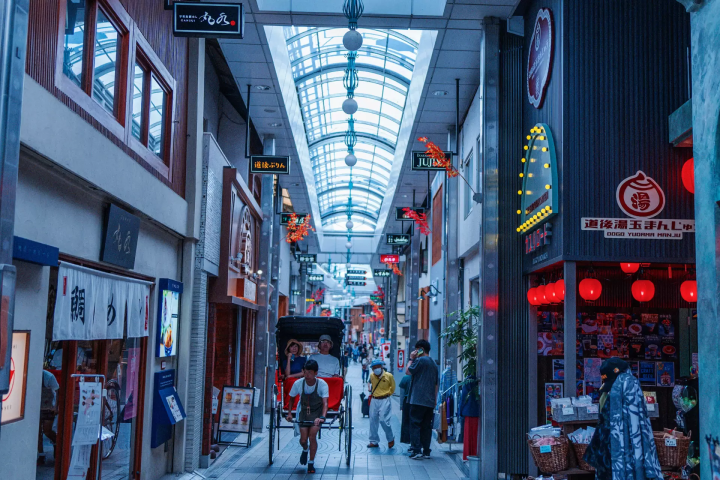
If you walk around any tourist spot in Japan, you'll almost certainly come across "manju." These small, round, and plump treats, with their sweet aroma wafting through the air, are so tempting that even those who usually avoid sweets might find themselves thinking, "Just a little bit won't hurt..." They are an indispensable Japanese confection in tourist areas.
Among the most popular Japanese sweets, there is a special type of manju (steamed bun) that you should definitely remember if you visit Matsuyama City in Ehime Prefecture.
It's Yamadaya Manju. For over 150 years, this traditional Japanese confectionery shop has been making the same type of manju (steamed bun) with virtually no change in its appearance. Now, this confectionery shop, dedicated solely to manju, has launched a new culinary experience.
This article introduces a unique experience offered by the long-established Japanese confectionery shop, Yamadaya, where you can taste and appreciate manju (sweet buns) through a tasting and listening experience.
What kind of place is Matsuyama City in Ehime Prefecture?
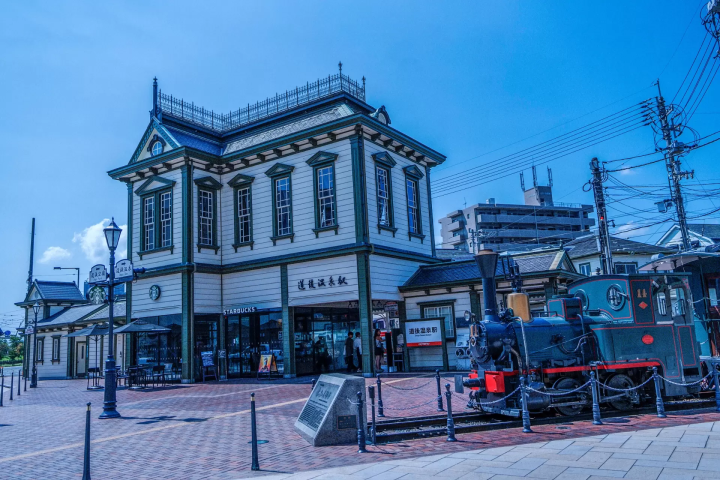
Matsuyama City in Ehime Prefecture is located in the northwest of the Shikoku region, surrounded by the sea and mountains, and is a naturally rich and mild-tempered area. Many people from both Japan and abroad visit tourist destinations such as Dogo Onsen, Matsuyama Castle, and the Shimanami Kaido.
Known as the setting for Natsume Soseki's novel "Botchan," the townscape evokes a sense of nostalgia, and even today, streetcars run around Matsuyama Castle.
You can enjoy Yamadaya's tasting experience in Dogo Onsen, a place where history and culture intersect.
What is the experience of comparing three types of manju (Japanese sweet buns)?
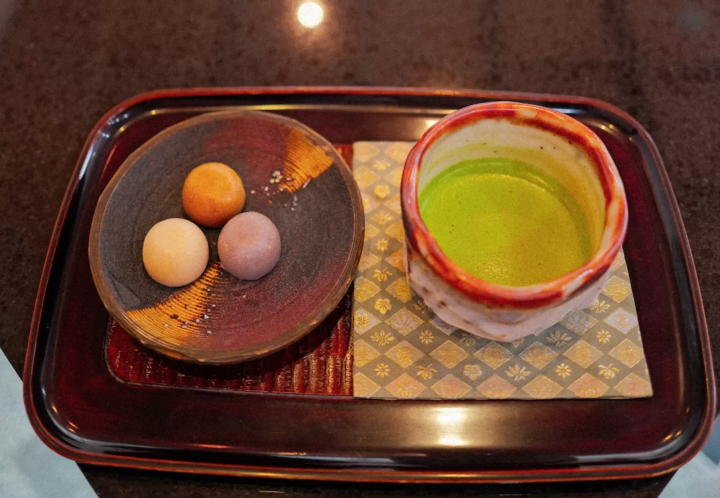
This tasting experience will allow you to sample three types of manju: "Yamadaya Manju," "Marobu," and "Kokibi," along with a pairing drink. Although they look almost identical, each of the three manju has a distinct flavor, making them truly unique. You can sign up for the experience at "Charaku," the cafe attached to the Yamadaya Manju Dogo Onsen store.
The pairings include matcha from Uji, Kyoto, or sake from Mizuguchi Sake Brewery, a long-established brewery in Dogo. In addition to the classic matcha pairing, this experience offers the unique opportunity to try the unexpected combination of sake and Japanese sweets.
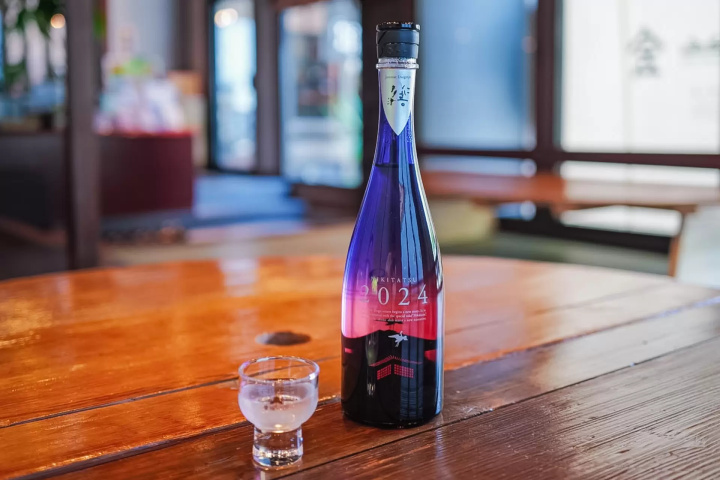
The sake served in the pairing is "NIKITATSU 2024" from Mizuguchi Brewery.
And what transforms this taste test from a simple sweets experience into an entirely new culinary experience is the audio guide. The guide carefully navigates you through the characteristics of each manju, the background of its ingredients, and the key points for enjoying it.
Starting the experience is easy: simply scan the QR code provided at the store and launch the app. All you need is your familiar smartphone and earphones to begin the experience right away. Once you put on your earphones, the world becomes a space just for you and your guide. You can enjoy a不思議な sense of immersion, as if the steamed bun in front of you is speaking to you.
Overview of the tasting experience comparing three types of Japanese sweet buns.
- Experience facility: Cafe Charaku (located next to Yamadaya Manju Dogo Onsen store)
- Address: 5-13 Dogosagitani-cho, Matsuyama City, Ehime Prefecture
- Price | Includes 3 types of manju (sweet buns) and a pairing drink: 1,400 yen (excluding tax)
- Access | Approximately 6 minutes on foot from Dogo Onsen Station
Enjoy three types of steamed buns with an audio guide.
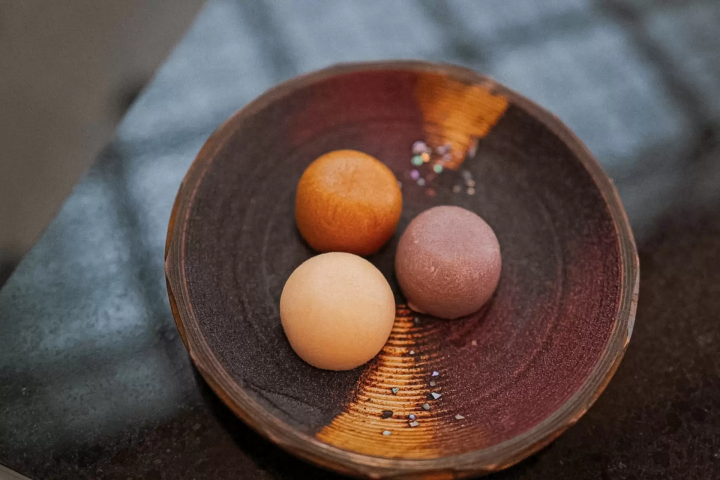
Placed on the table were three small, almost identical-looking steamed buns. Their round shape and evenly shaped, gentle colors brought a smile to my face.
Now, put on your earphones and embark on a journey into the unknown. The audio guide will reveal the secrets and stories behind the flavors that have been passed down through generations in each tiny piece.
====================
Since its founding in the Edo period, Yamadaya has been making "Yamadaya Manju" for over 150 years. Each manju weighs only 22 grams. It is made using carefully selected, high-quality adzuki beans and refined white sugar, and the company spares no expense in using its time-honored secret recipe.
Take a good look at the steamed bun in front of you. Its skin is so thin it's almost translucent. Its thickness is only 0.1 mm. When you pick it up, you can feel the substantial weight of the bean paste filling.
====================
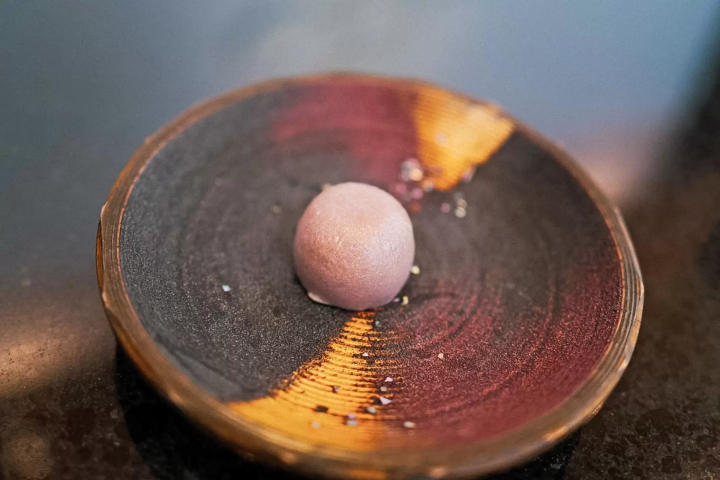
Prompted by the guide, I pick one up. Contrary to its appearance, it feels surprisingly heavy. What kind of flavor is contained within this single piece that has been made for over 150 years? Prompted by the guide, I take my first bite of Yamadaya's signature product, "Yamadaya Manju."
====================
It melts away with just a touch of your tongue and disappears instantly. You might be surprised by its texture. The secret lies in our unique cooking method and water content, which sets us apart from others.
As a result, you can definitely taste the sweetness, yet the aftertaste is clean and refreshing. A gentle flavor lingers in your mouth.
====================
Just as the guide said, it melts in your mouth. What's most striking is that you don't feel any skin texture like you would with a typical manju (Japanese sweet bun). It's almost as if it's made entirely of red bean paste. You'll want to take another bite just to experience that feeling again. Because the skin is so thin, only the simple sweetness of the red beans gently spreads in your mouth.
The guide will continue to explain the unique characteristics of each manju (sweet bun) and the background of its ingredients in a gentle and thoughtful manner. We encourage you to experience the rest of the story firsthand.
"Yamadaya Manju" continues to preserve its traditional flavor.
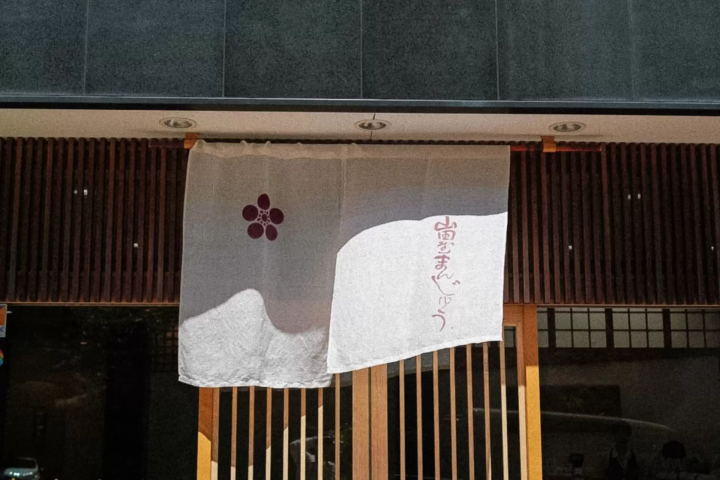
It is said that the origin of Yamadaya Manju began with a small act of kindness by the first generation owner, Genzo Takatsuji.
It all started when, one day, the owner gave lodging to a pilgrim visiting the 88 temples of Shikoku, and in return, the pilgrim taught the owner how to make manju (sweet buns).
Since its founding, the recipe for Yamadaya Manju has been passed down from father to son. Only the head of the family knows the entire process. This single bun embodies the techniques that have been preserved for over 150 years.
The audio guide also tells the story of how Yamadaya began. The narration, like an accent to the flavor, seemed to give an invisible depth to each bite. It's not just an explanation, but a reliable guide that deepens your understanding of each bite, and it's time to savor the flavor of each piece. If you visit Dogo, be sure to experience this taste-expanding experience.
I took a break at Dogo Onsen, savoring the lingering sweetness.
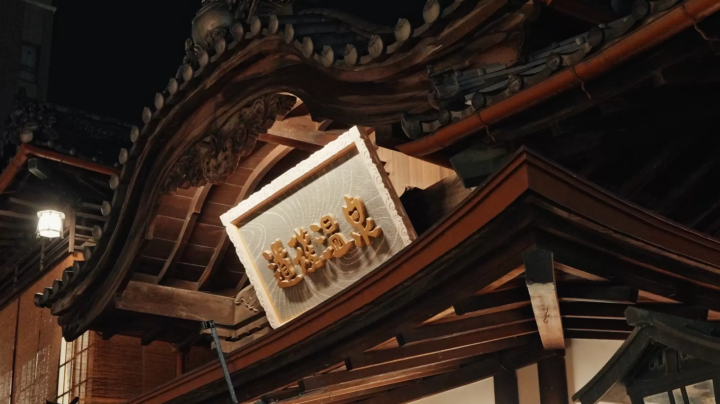
After satisfying your taste buds and soul with manju (sweet buns), we recommend taking a stroll through the Dogo Onsen hot spring town. There are many sights to see within walking distance, including the famous Dogo Onsen hot spring, Dogo Haikara Street, and Yu Shrine. Walking around with your taste buds opened up by the manju tasting experience will allow you to view the town from a different perspective than usual.
For those exploring the town, we recommend the Dogo Onsen audio guide, "Dogo Onsen Lucky Charm Tour." As you walk along listening to the guide, you might discover aspects of Dogo you've never seen before.
![[Dogo Onsen] If you know the history, will it open the way?! Walk around the town while listening to the story with an audio guide](https://resources.matcha-jp.com/resize/200x2000/2025/02/14-224514.webp)

Dogo Onsen Main Building
5-6 Dogoyunomachi, Matsuyama City, Ehime Prefecture 790-0842
To further enhance your trip—Try a sake tasting experience at Mizuguchi Brewery.
After relaxing in a hot spring, you start craving a drink after your bath.
In Dogo, you can also enjoy a tasting experience comparing the beer and sake from Mizuguchi Brewery, which were featured in the pairing. This also comes with an audio guide that carefully explains the differences in taste. The beer guide is Natsume Soseki, a literary giant associated with Dogo. After your bath, the delicious sake and the voice of the literary master will soothe your body and soul.
Deepening one's understanding of a single grain deepens the journey.
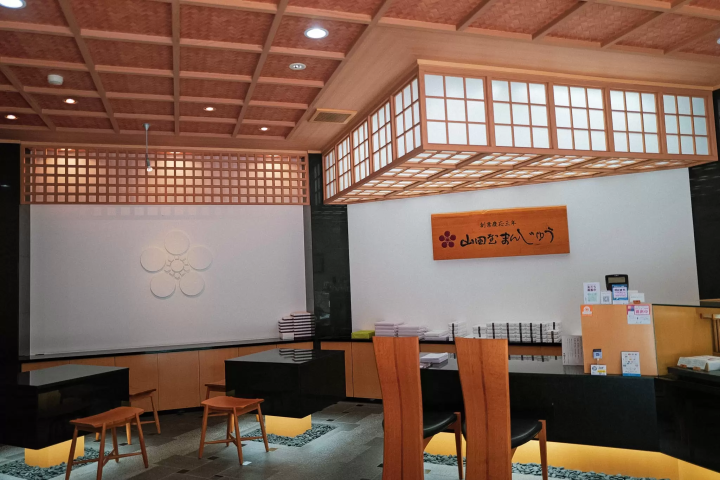
The story of Yamadaya resides in these three steamed buns. Each tiny bun contains not only sweet bean paste, but also the history that Yamadaya steamed buns have inherited for over 150 years.
Savor it with your tongue, deepen your appreciation with your ears—please try this precious single bar of tea, brimming with the brewer's passion, in Dogo. It will surely enrich your journey with its gentle sweetness.
What is the audio guide app "ON THE TRIP"?
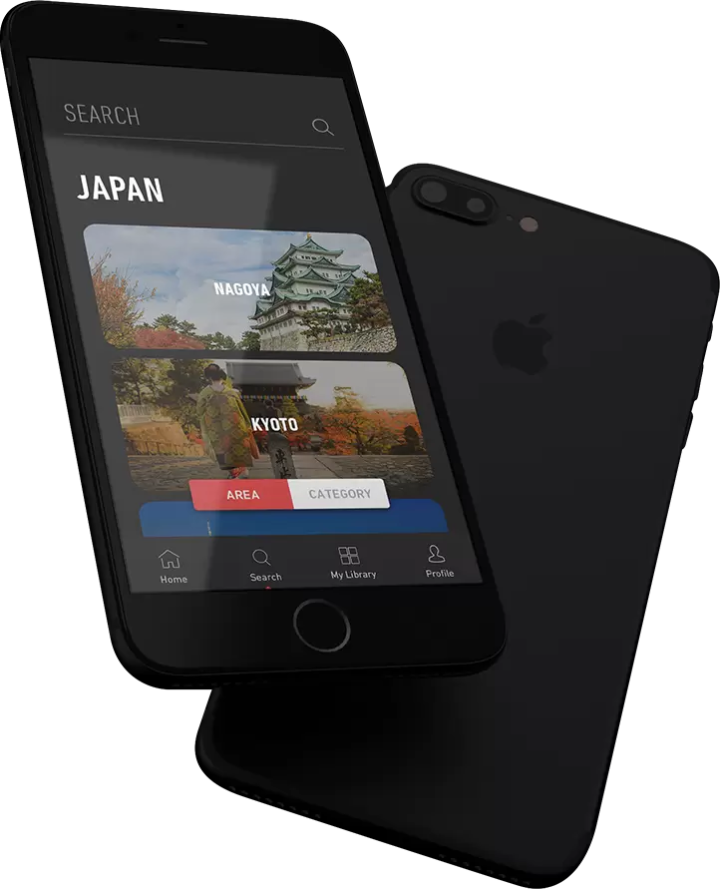
The audio guide app ON THE TRIP is themed around "turning every travel destination into a museum," allowing you to delve deeper into things that pique your interest at various travel destinations. From cultural sites such as shrines and temples, to accommodations such as hotels, hot spring resorts, and art festivals, to even cultural experiences like Zen, sushi, and drinking, it provides information about the history and background of the scenery before you with audio, text, and photos.
*There are two types of guide playback: an automatic playback type that uses GPS and a manual playback type.
ON THE TRIP is an audio guide app that lets you enjoy cultural assets such as temples, shrines, and art museums, as well as the stories that live in each city, all while touring spots mapped out on a map. Each guide is a moving work of art, like a movie or novel, and listening to it will deepen your understanding of your destination and enhance your travel experience. We'll introduce you to the charms of Japan that you won't find in guidebooks, revealed through the audio guide app, and a new way of traveling that can only be experienced with an audio guide.
The contents on this page may partially contain automatic translation.
Top Articles


Special Features
More













![[Departing from Tokyo] Mt. Fuji Private Tour Experience | A Luxurious Day of Freedom](https://resources.matcha-jp.com/resize/720x2000/2026/04/16-262839.webp)
![[Shinjuku West Exit] Quick and satisfying! Two recommended Japanese standing soba noodle shops to enjoy at "Odakyu Ace"!](https://resources.matcha-jp.com/resize/720x2000/2026/04/16-262799.webp)
![[Coupon Available] A rush of new spring items to brighten up your golf game! Limited edition items from the popular "MINI series"](https://resources.matcha-jp.com/resize/720x2000/2026/04/14-262697.webp)